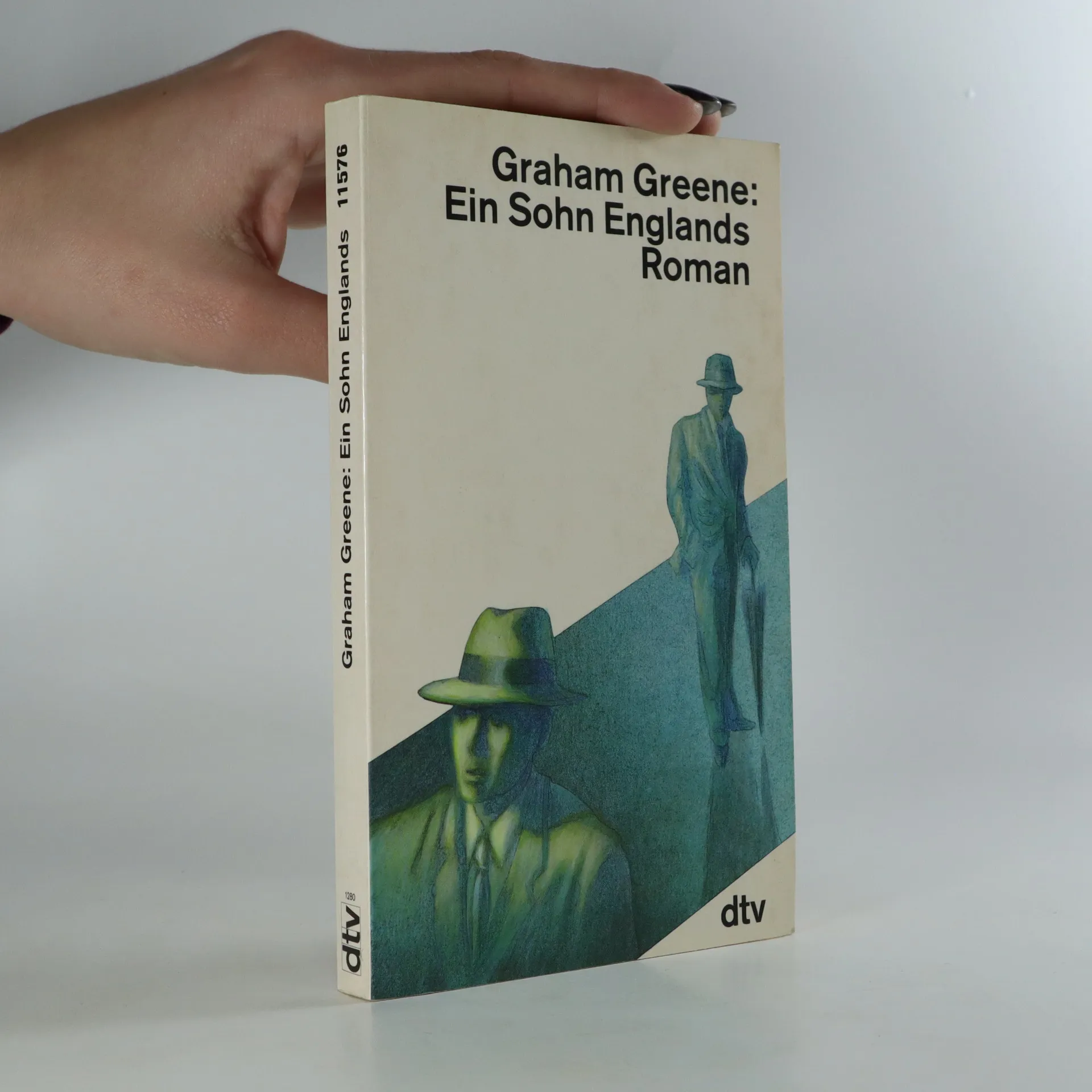
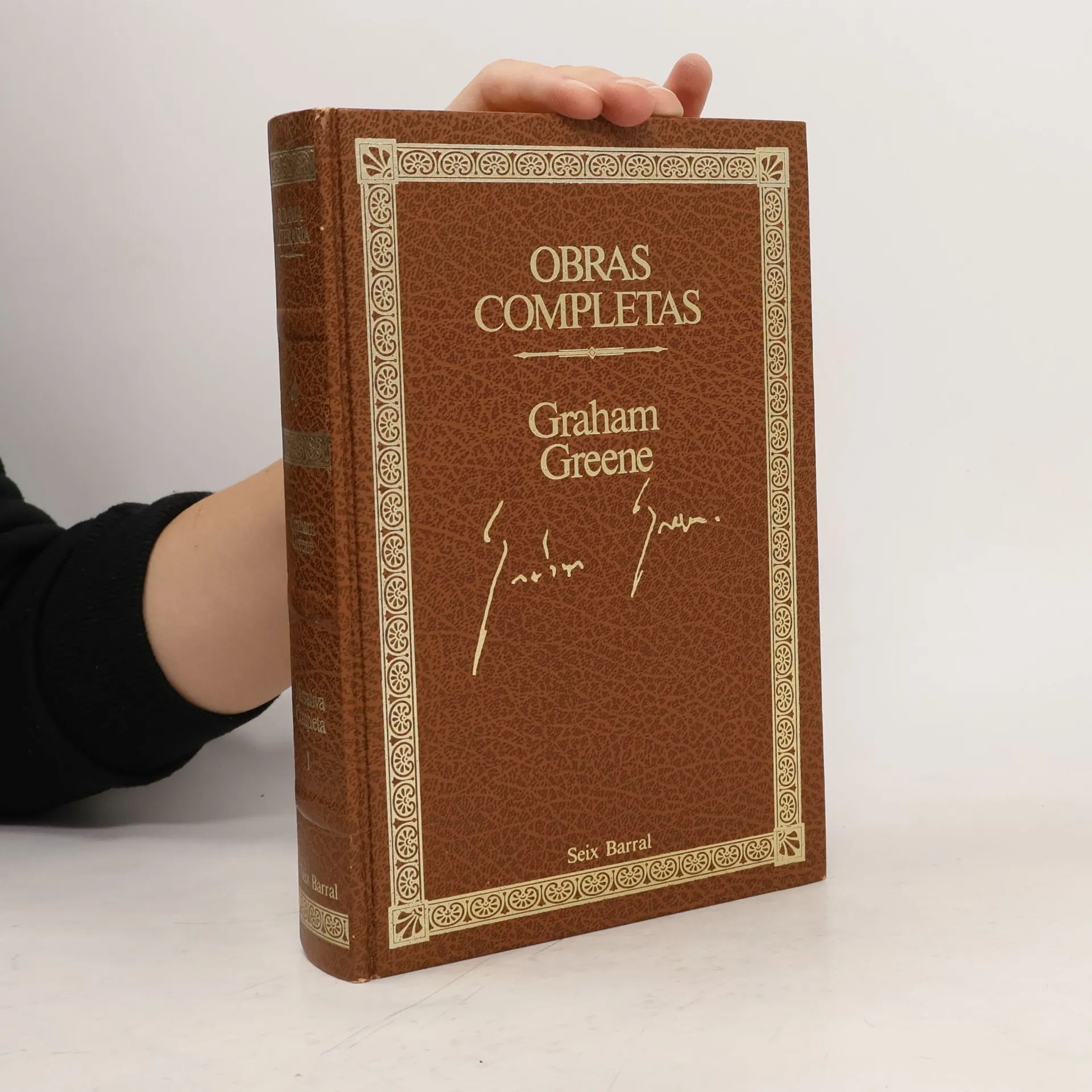
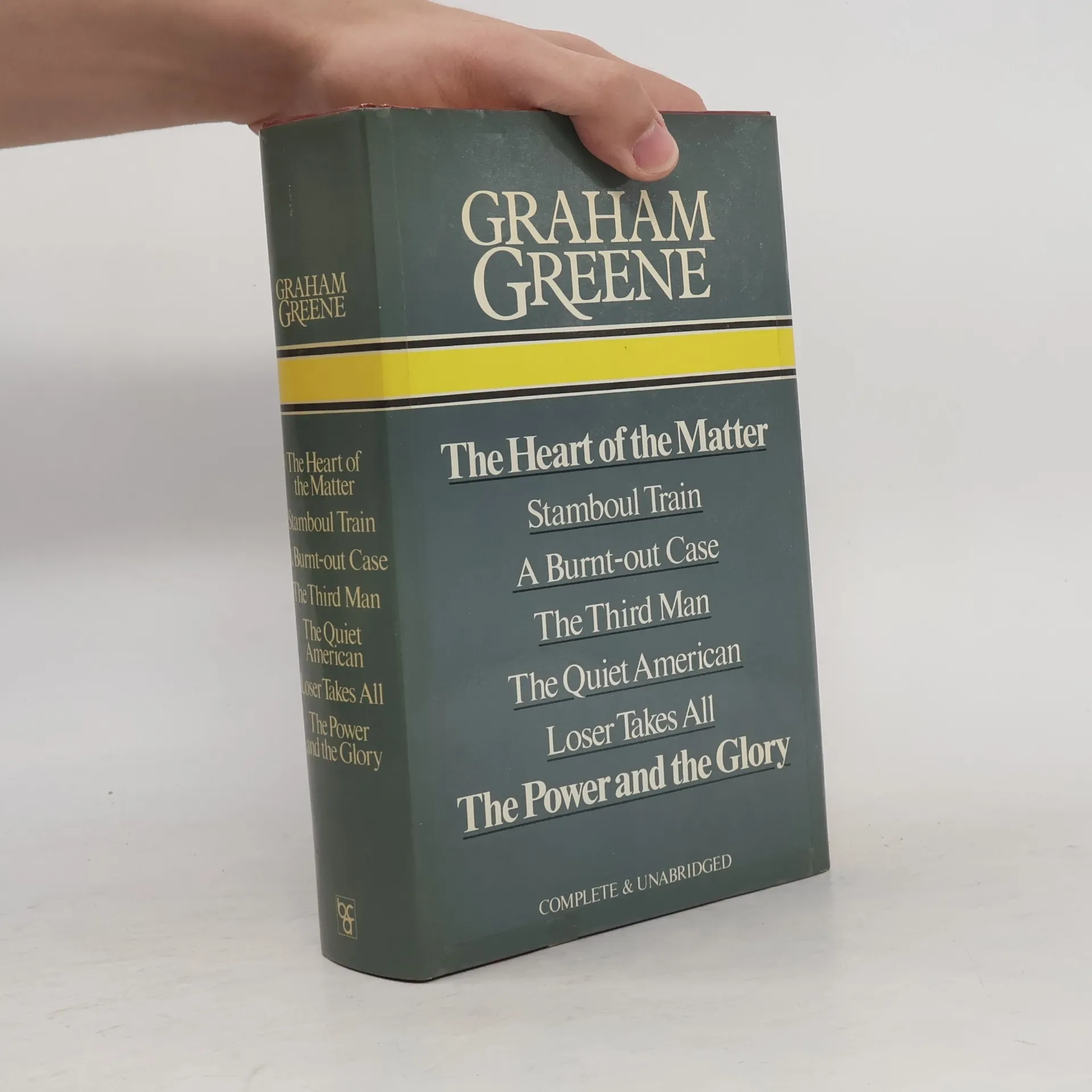
Graham Greene Poradie kníh (chronologicky)
2. október 1904 – 3. apríl 1991
Graham Greene bol anglický prozaik, ktorý vo svojich dielach skúmal nejednoznačné morálne a politické problémy moderného sveta. Spájal vážny literárny úspech so širokou popularitou. Hoci Greene silne namietal proti označeniu „katolícky spisovateľ“, pričom uprednostňoval „spisovateľa, ktorý bol náhodou katolík“, katolícke náboženské témy sú základom mnohých jeho diel, najmä štyroch hlavných katolíckych románov. Jeho diela sa tiež vyznačujú záujmom o fungovanie medzinárodnej politiky a špionáže.

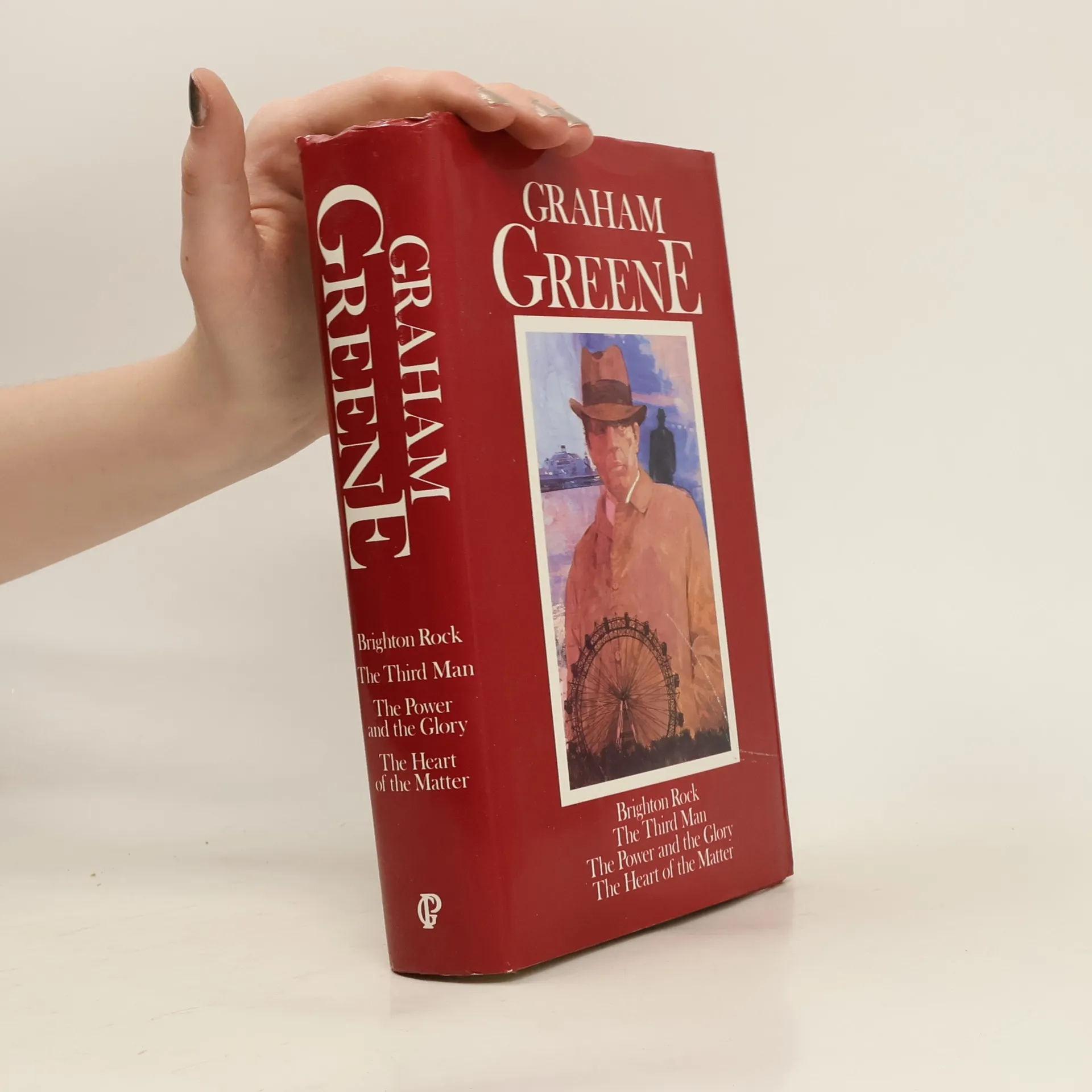
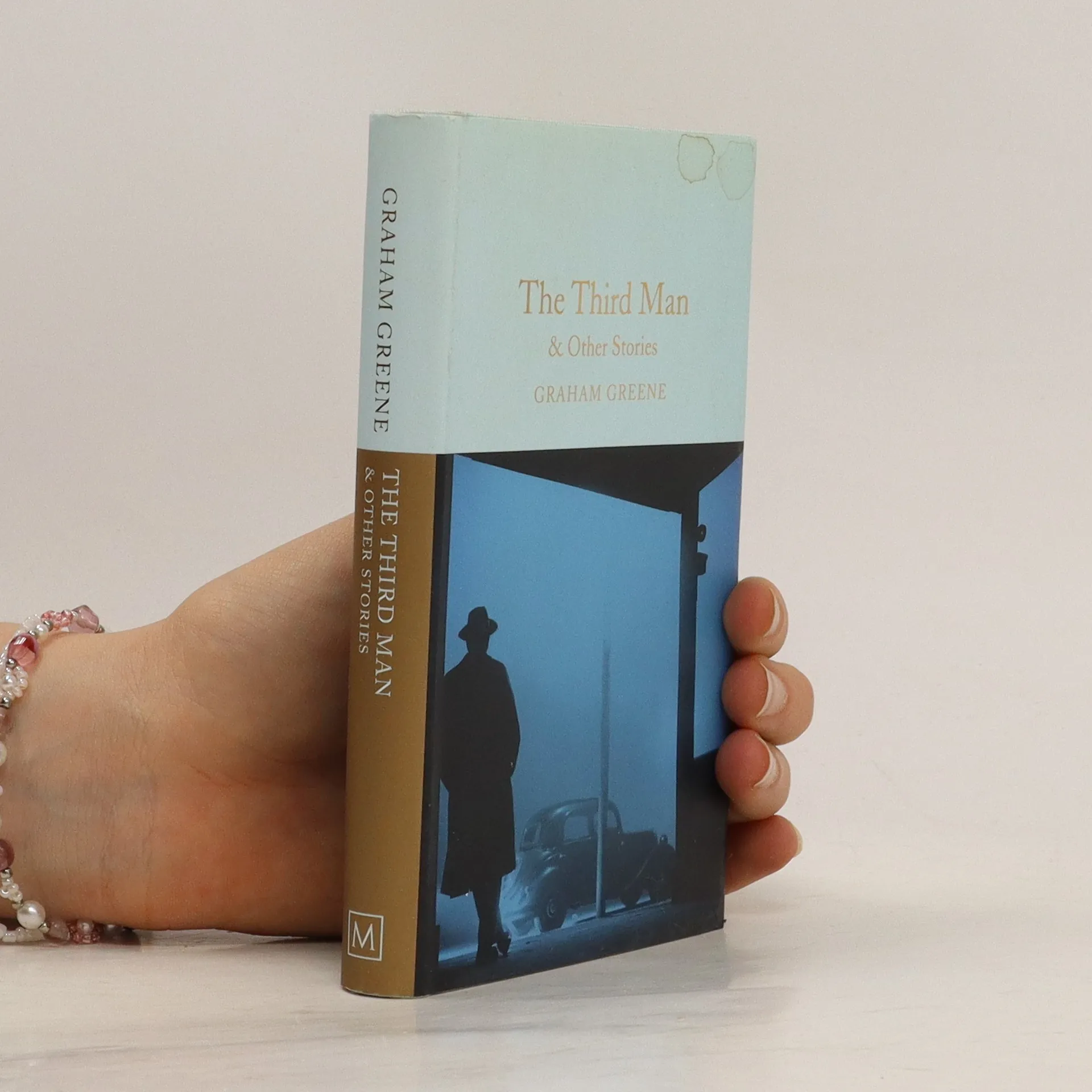
The Third Man and Other Stories
- 344 stránok
- 13 hodin čítania
A broad selection of Graham Greene's masterful short stories, including Cold War classic novella, The Third Man. Rollo Martins, a failing novelist, is invited to Vienna by his best friend, Harry Lime. The city he arrives in is unrecognisable -- torn apart by the Second World War and shared between the occupying Allies. What's more, Harry is dead, and the circumstances look suspicious... Determined to uncover the truth, Martins must pick through the rubble of this broken city in search of answers.
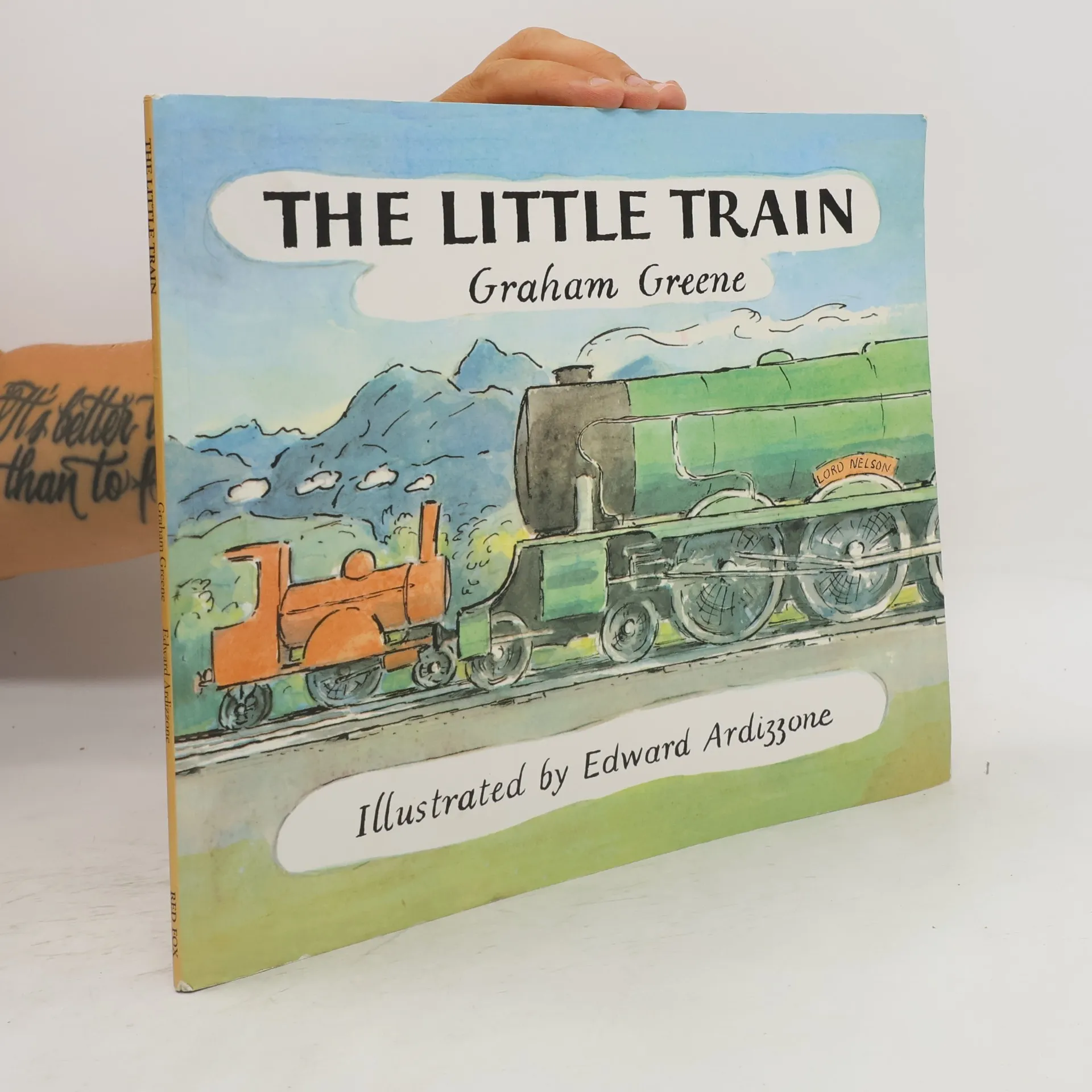
The Little Train
- 48 stránok
- 2 hodiny čítania
Early one morning the little train wakes up in his home town, Little Snoreing, and decides to go on an adventure. First published by The Bodley Head in 1974, this new edition brings the classic little train back to life for a whole new generation.
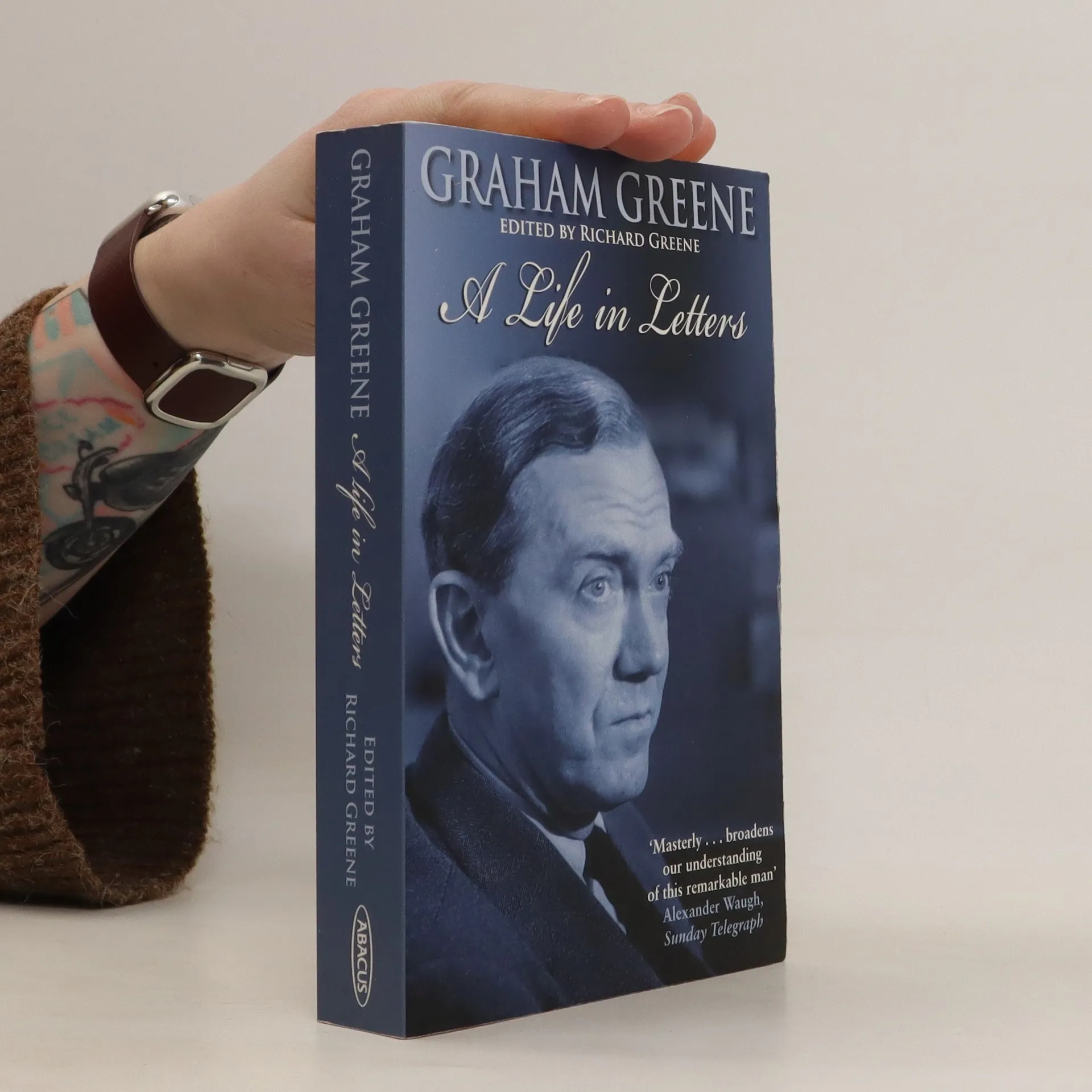
* The first book of Graham Greene's letters - the most intimate record we have of a life lived at the heart of modern history
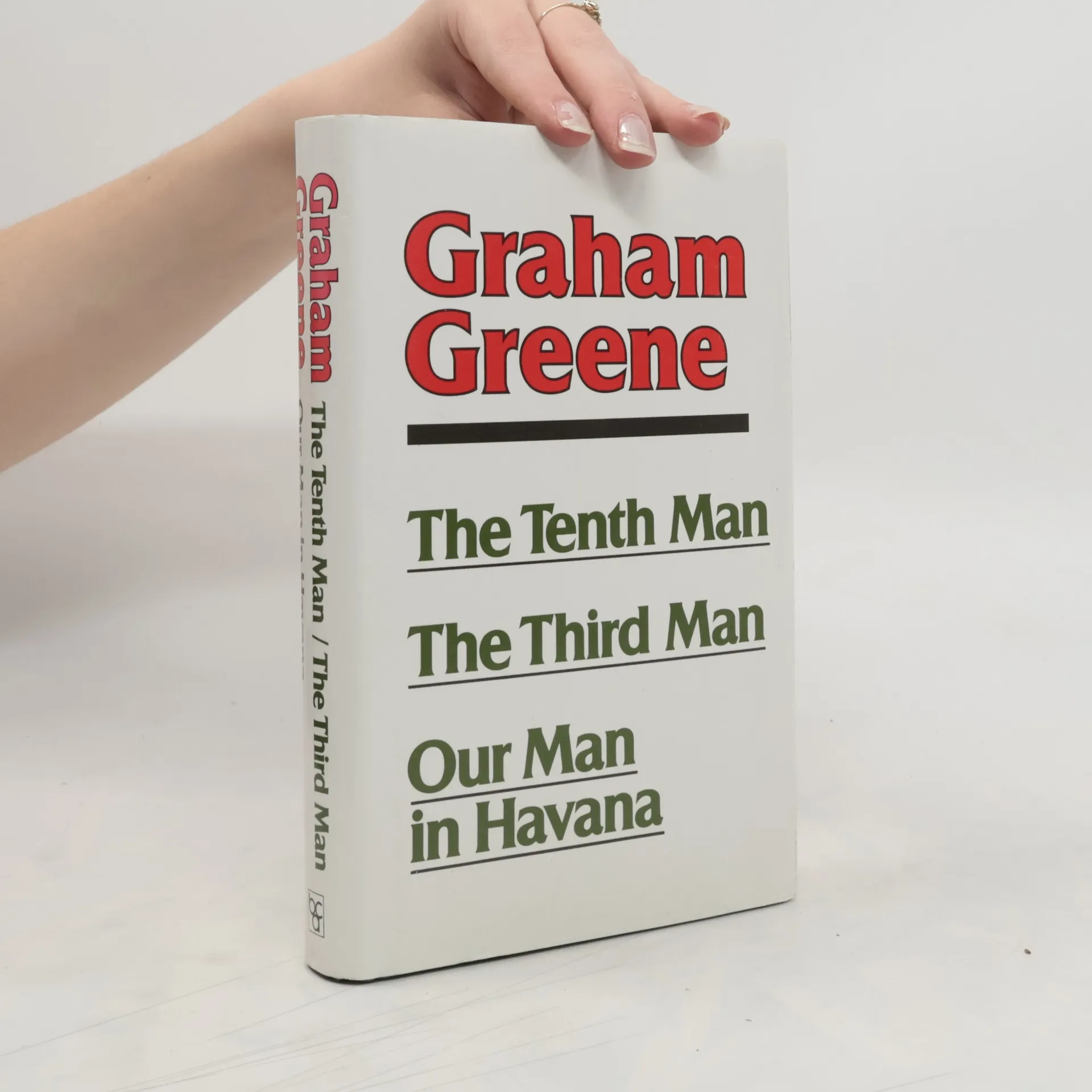
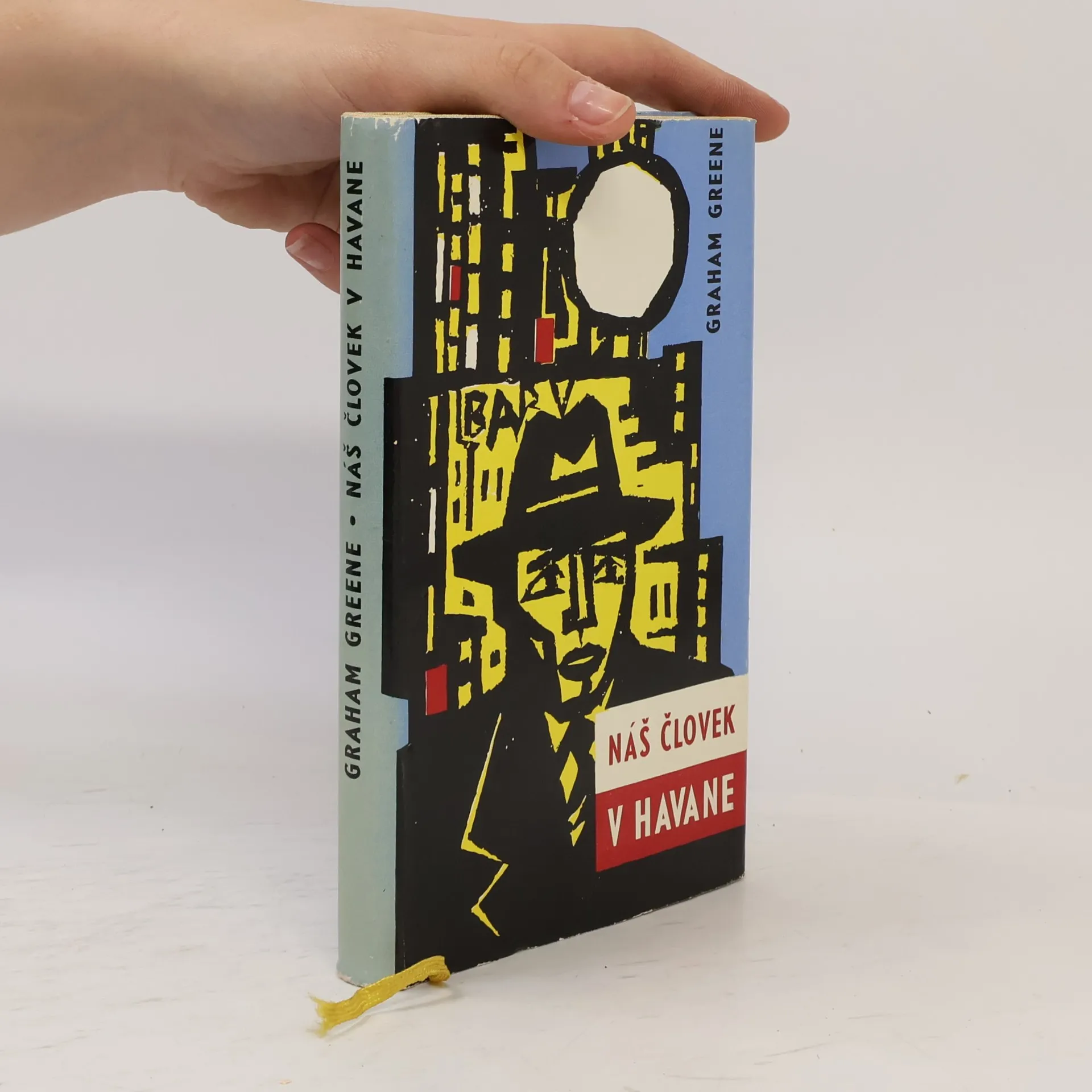
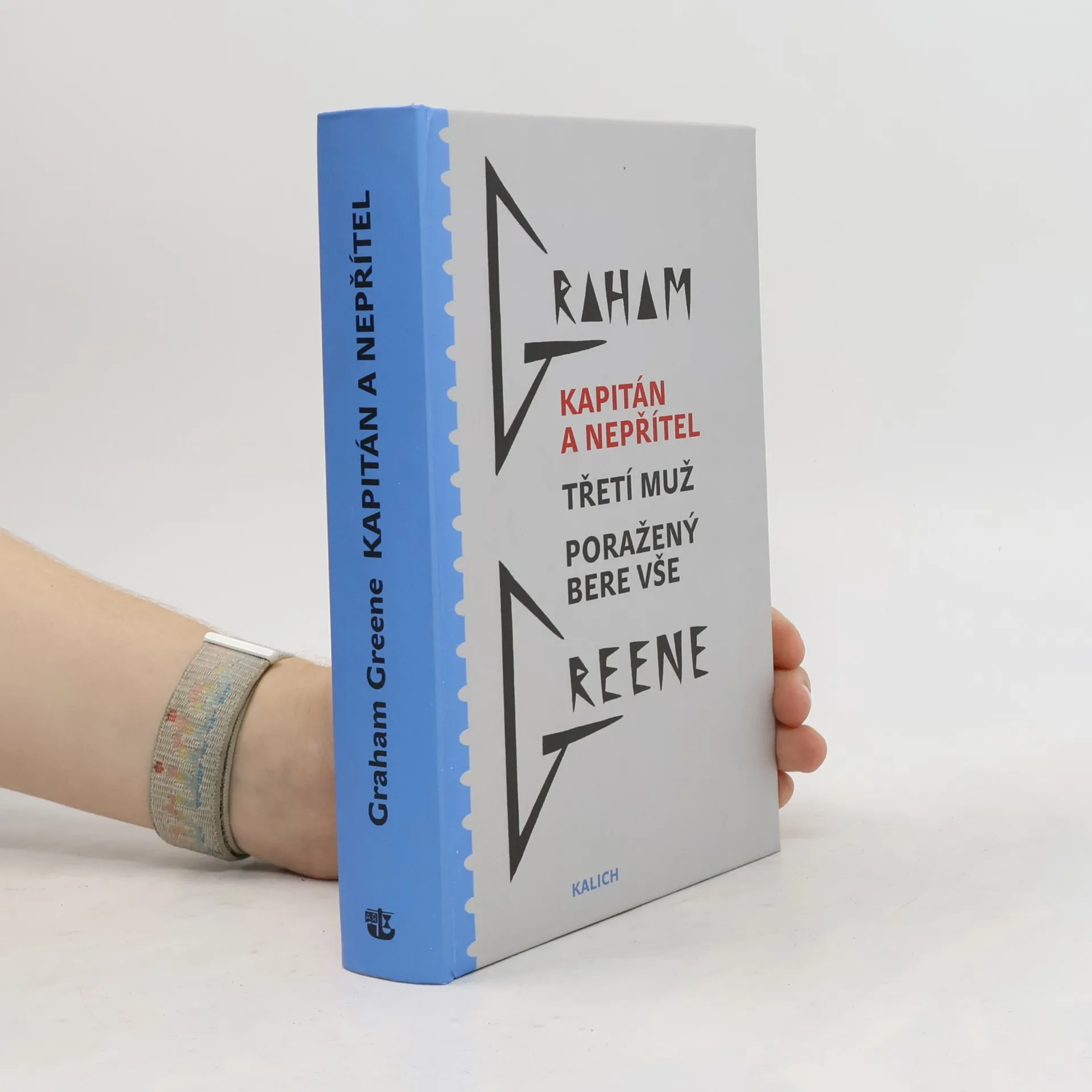
Tři do češtiny dosud nepřeložené Greenovy příběhy – Třetí muž, Poražený bere vše a Kapitán a nepřítel v jednom svazku. Třetí muž (1949), psán původně jako filmový scénář, představuje typické greenovské postavy se svými „mravními úrazy“ v prostředí okupované poválečné Vídně. Poražený bere vše (1955) je greenovské divertimento s mravním ponaučením, jakkkoli autor v dedikaci knihy říká, že „příběh nemá nikoho varovat před hazardem“. Kapitán a nepřítel je poslední Greenovo dílko, z roku 1988, kdy bylo autorovi čtyřiaosmdesát let, a podstatně doplňuje náš obraz jednoho z největších anglicky píšících spisovatelů minulého století.
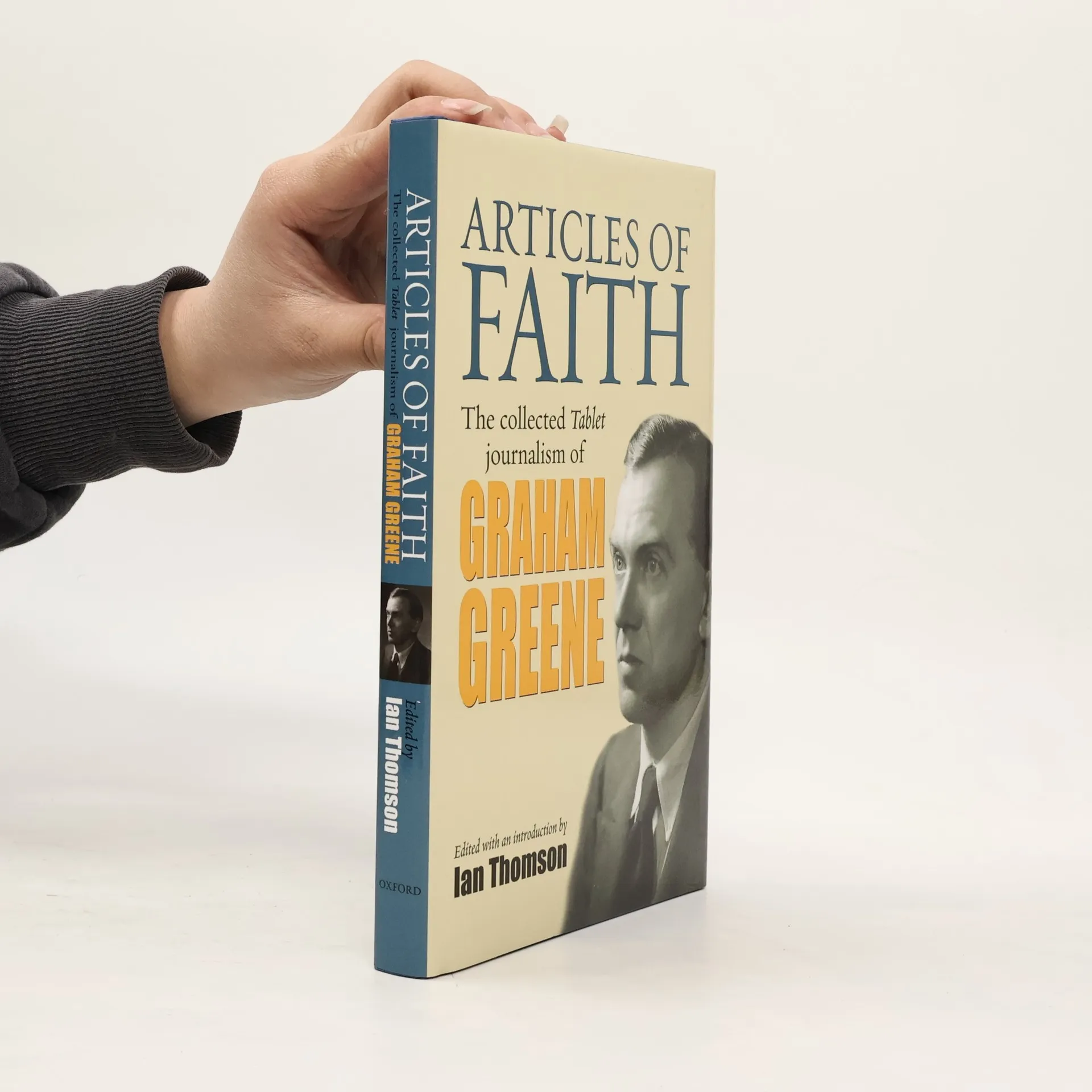
When Graham Greene passed away in 1991 at 86, he was recognized as a significant Catholic writer, known for his exploration of sin and challenging themes. His work in the British Catholic journal The Tablet allowed him to share both his literary endeavors and unconventional religious perspectives. Greene was particularly fascinated by martyrdom, and his experiences in 1930s Mexico, where Roman Catholicism faced severe oppression, inspired impactful journalism first published in The Tablet. This collection features four of his Mexico despatches: "Mexican Sunday," "A Catholic Adventurer and his Mexican Journal," "In Search of a Miracle," and "The Dark Virgin." Additionally, it includes a long essay on the Assumption, "Our Lady and Her The Only Figure of Perfect Love," from 1951, along with 26 book reviews for The Tablet's "Fiction Chronicle." Greene's reviews highlight his broad-mindedness, praising works by authors such as Ignazio Silone and Karel Čapek. This volume gathers Greene's contributions to The Tablet, much of which has not been published in fifty years. It also features "Two Friends," an essay detailing Greene's friendship with diplomat Peter Leslie, alongside previously unseen correspondence between them.
Английский язык с Г. Грином. Третий человек
- 315 stránok
- 12 hodin čítania
В книге предлагается произведение Г.Грина "Третий человек", адаптированное (без упрощения текста оригинала) по методу Ильи Франка. Уникальность метода заключается в том, что запоминание слов и выражений происходит за счет их повторяемости, без заучивания и необходимости использовать словарь.Пособие способствует эффективному освоению языка, может служить дополнением к учебникам по грамматике или к основным занятиям. Предназначено для студентов, для изучающих английский язык самостоятельно, а также для всех интересующихся английской культурой.
Complete Short Stories
- 594 stránok
- 21 hodin čítania
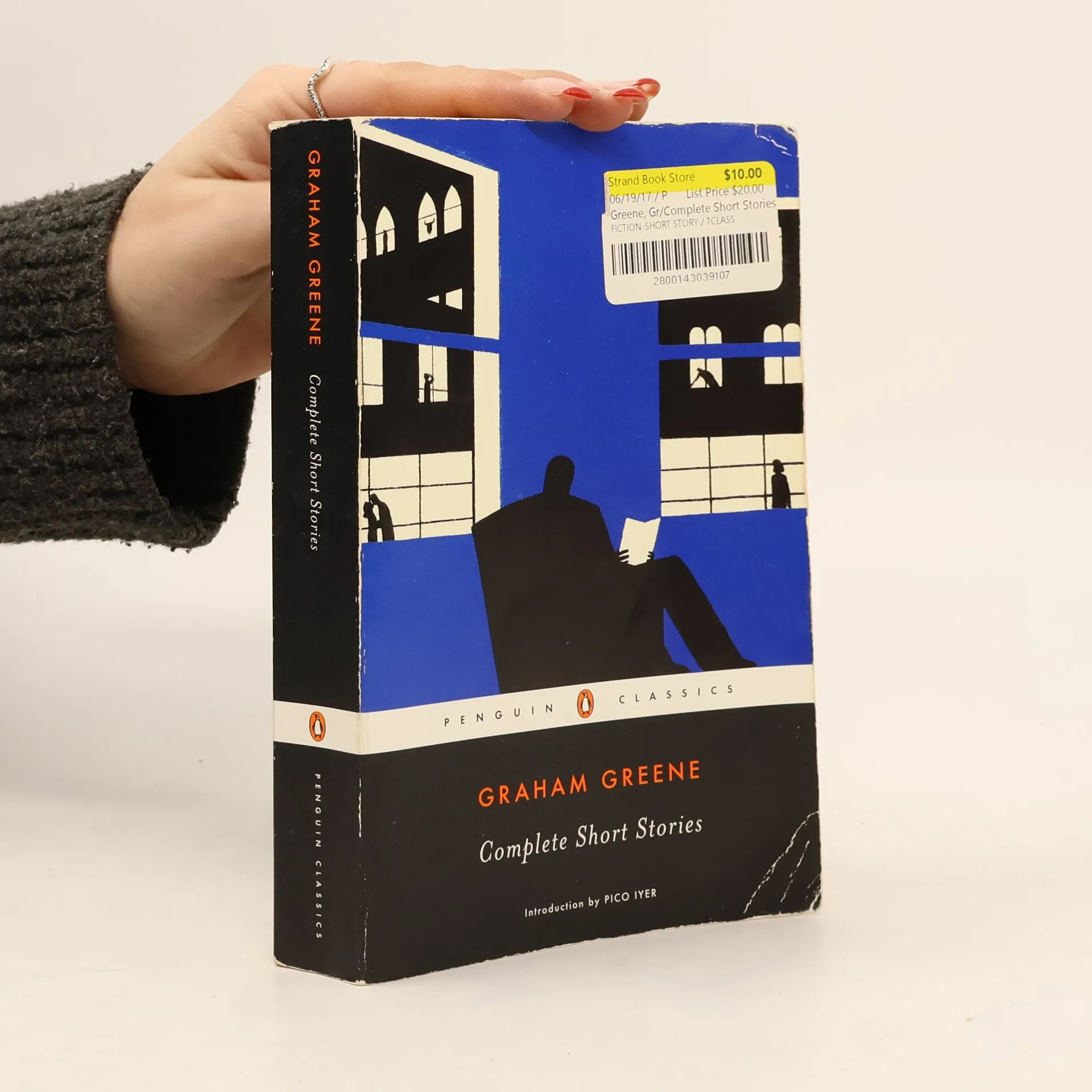
Affairs, obsessions, ardors, fantasy, myth, legends, dreams, fear, pity, and violence—this magnificent collection of stories illuminates all corners of the human experience. Including four previously uncollected stories, this new complete edition reveals Graham Greene in a range of contrasting moods, sometimes cynical and witty, sometimes searching and philosophical. Each of these forty-nine stories confirms V. S. Pritchett’s declaration that Greene is “a master of storytelling.”This Penguin Classics edition features an introduction by Pico Iyer.
Конец одного романа 055
The End of Affair
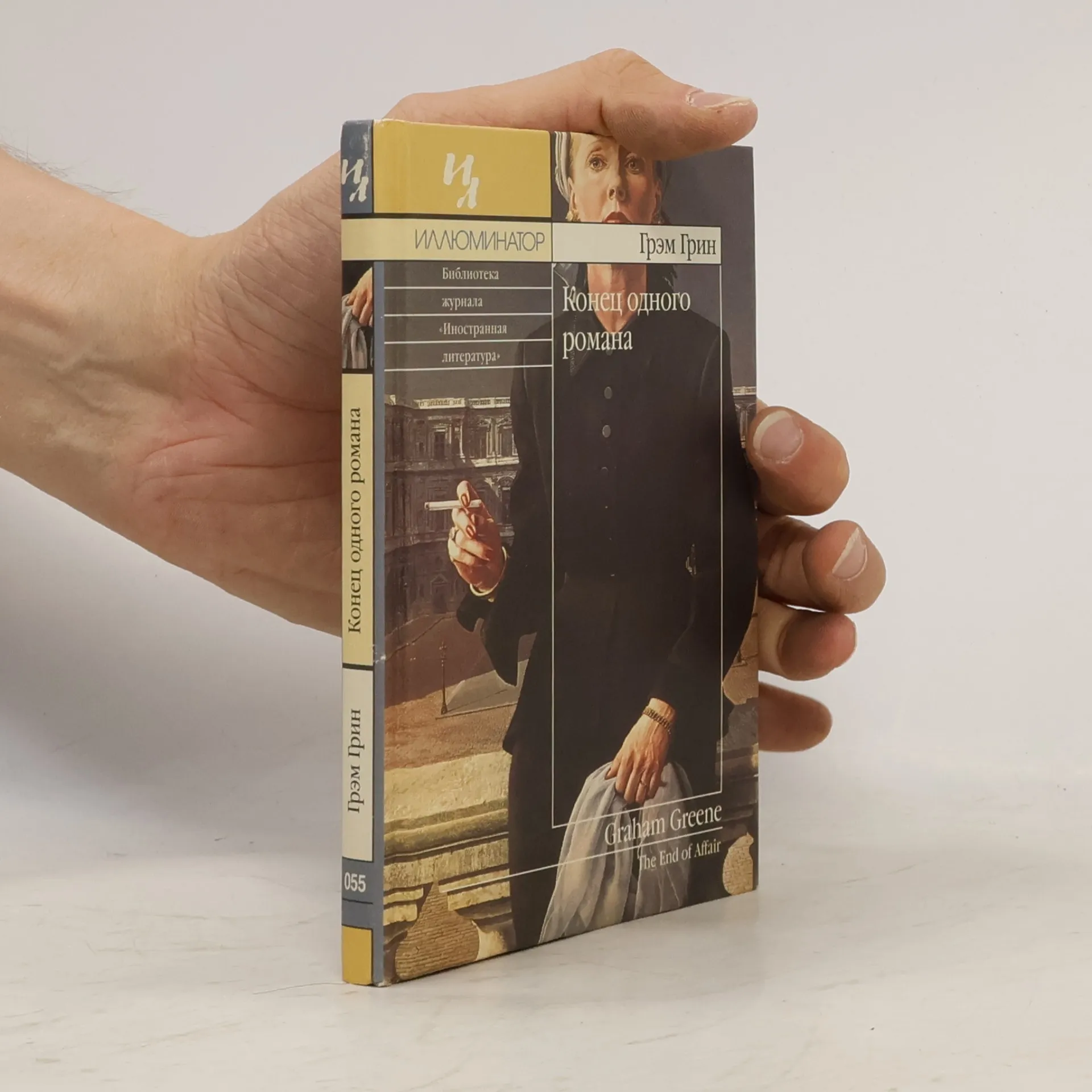
Конец одного романа считается лучшей из его христианских книг - в ней поражает сочетание глубокой печали и прямой, детской, почти сказочной веры в чудо. Именно этот писатель, нередко считавшийся едва ли не еретиком, сумел изобразить двуслойный мир - царство себялюбия и суеты и царство милости и правды, где зло побеждено.
Modern Short Stories: For Students of English
- 136 stránok
- 5 hodin čítania
Ten unabridged short stories by twentieth-century authors of various nationalities, including Hemingway, Joyce, Naipaul, Dahl, Greene, and Lessing.
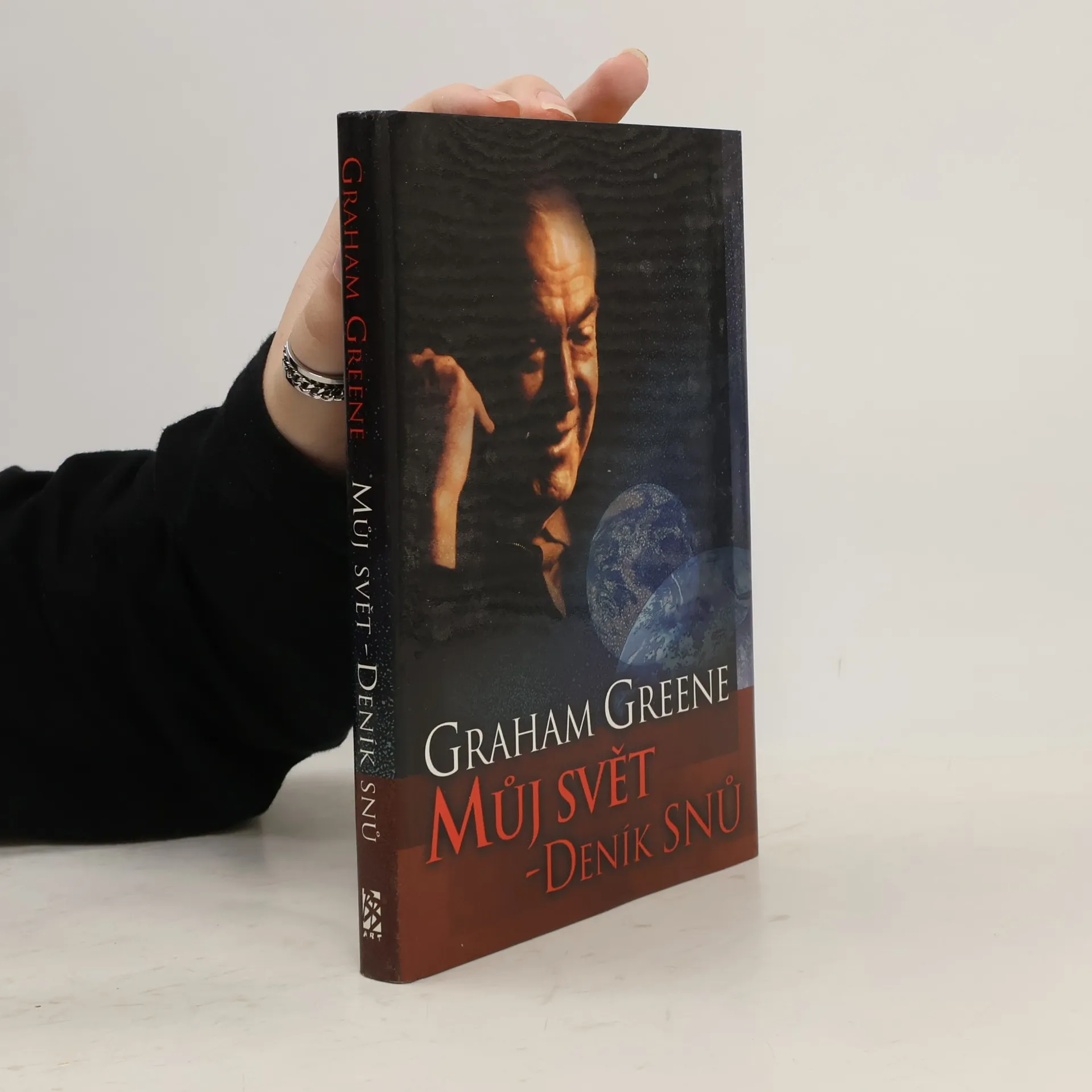
Můj svět. Deník snů
- 136 stránok
- 5 hodin čítania
Známý spisovatel krátce před svou smrtí vybral a převyprávěl své sny, jež si dlouhé roky (mezi lety 1965–1981) zapisoval. Ve své poslední knize nám autor dává nahlédnout do svého intenzivního vnitřního života, z něhož se po dobu své tvůrčí činnosti inspiroval, ale nedával do něj příliš nahlédnout. Stručné záznamy snů se liší od románové či povídkové stavby prostředky i stylem, jsou však psány tak sugestivně, jako by šlo o reálný děj. Dostáváme se na různá místa planety a do společnosti různých slavných osobností, které nějakým způsobem autorovi „ležely na srdci“ a s nimiž prožívá někdy snově fantasmagorické, ale někdy velmi realistické zážitky. Sny nejsou řazeny chronologicky, nýbrž tematicky, vznikl tak jakýsi zvláštní, dojímavý a hluboce osobní vzpomínkový cyklus. Pochopitelně tak vystupují jasné kontury autorových postojů, názorů, tužeb a hlavních životních zážitků.
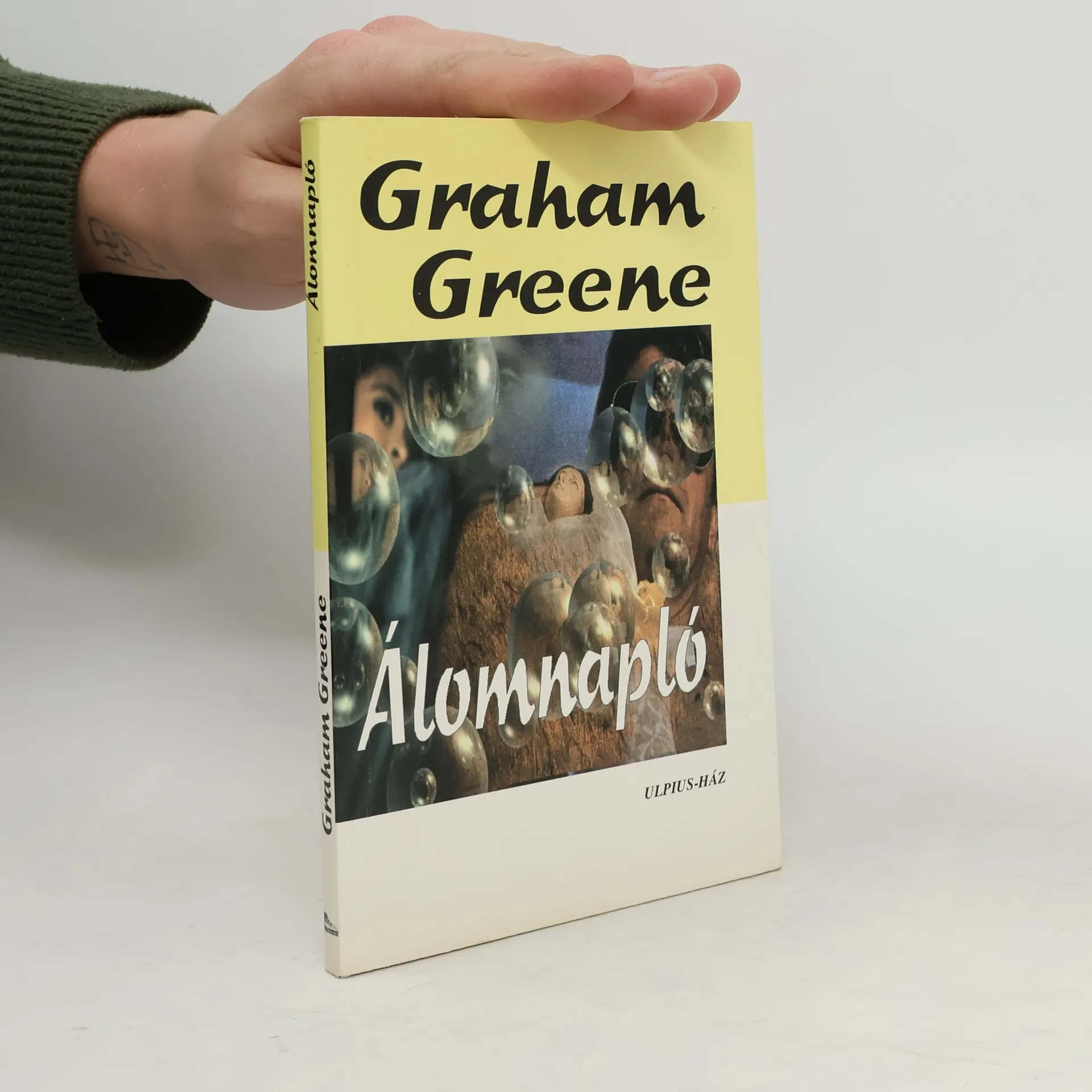
Álomnapló
- 95 stránok
- 4 hodiny čítania
Contemporary British Short Stories 1
- 40 stránok
- 2 hodiny čítania
Hrsg. von Dietrich U. Becker und weiteren, darunter Joyce Cary, Roderick Finlayson und Graham Greene.
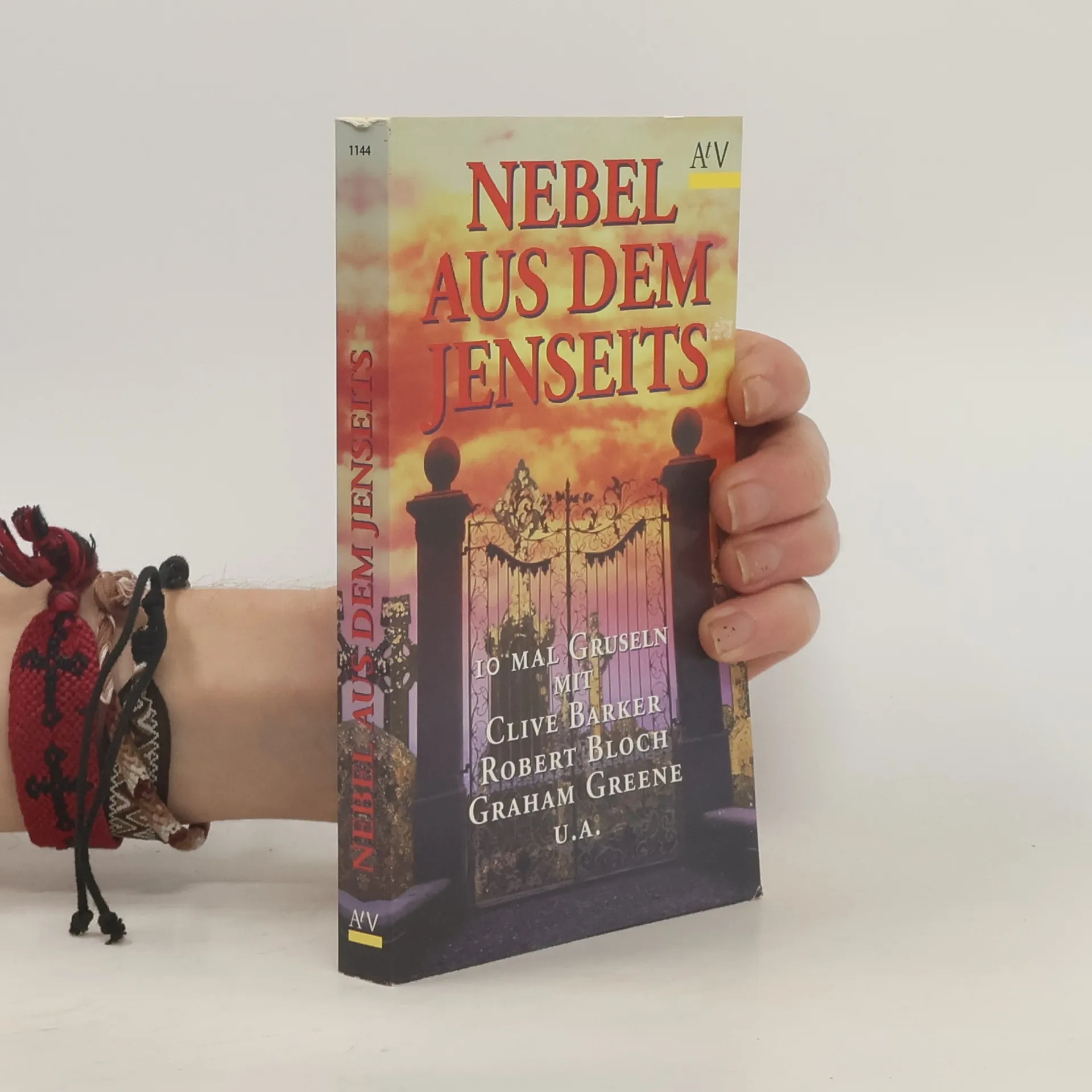
Nebel aus dem Jenseits. 10mal Gruseln.
- 213 stránok
- 8 hodin čítania
Herausgegeben von Martin Greenberg und Robert U. Weinberg, enthält dieses Buch Beiträge von Clive Barker, Robert Bloch und Graham Greene und umfasst 213 Seiten.
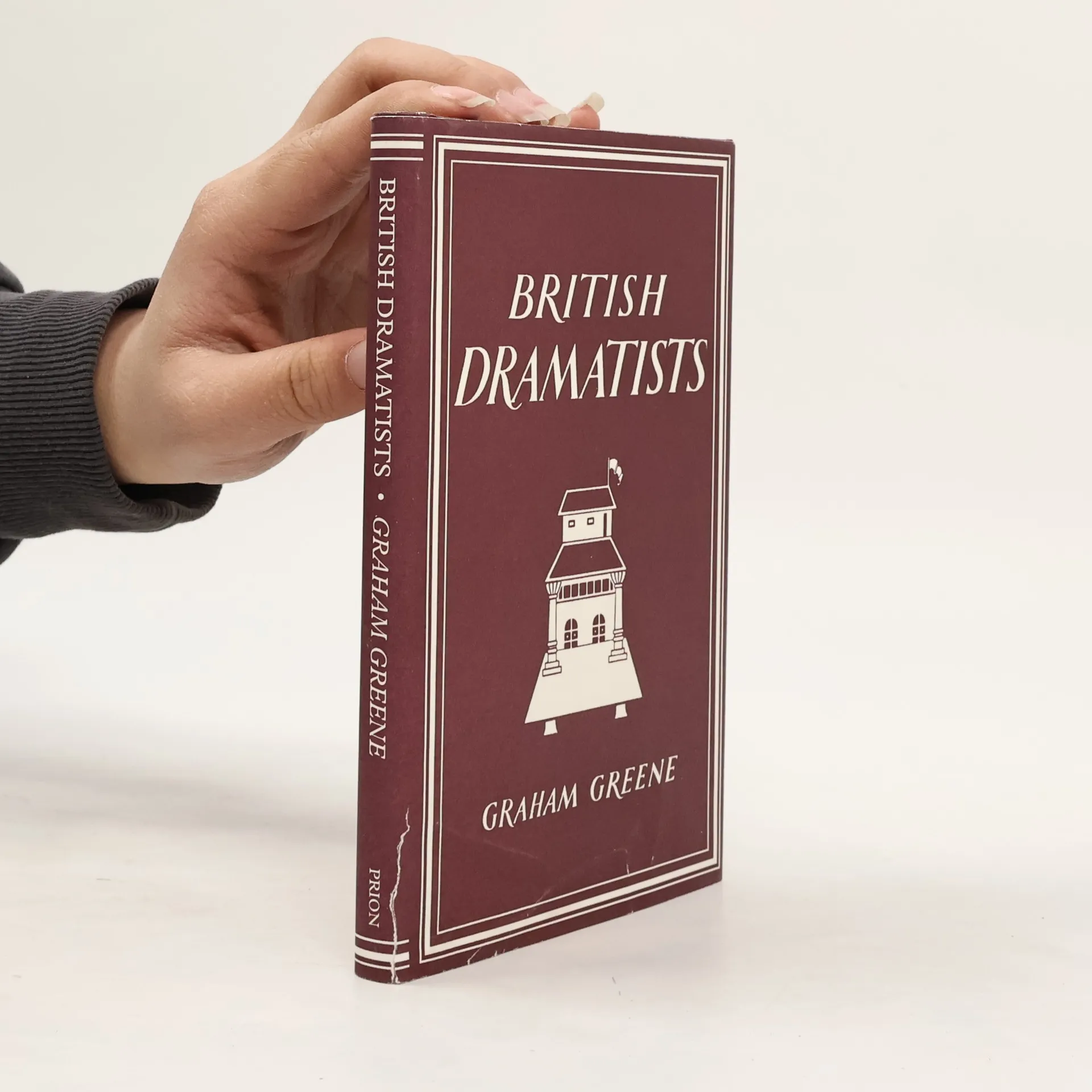
British Dramatists
- 96 stránok
- 4 hodiny čítania
Part of the Writers' Britain series, first published in the 1940s. This work offers Graham Greene's evaluation of British drama, from its roots in the Mystery and Miracle plays of the market carnival through Shakespeare and the Restoration to the 20th century.
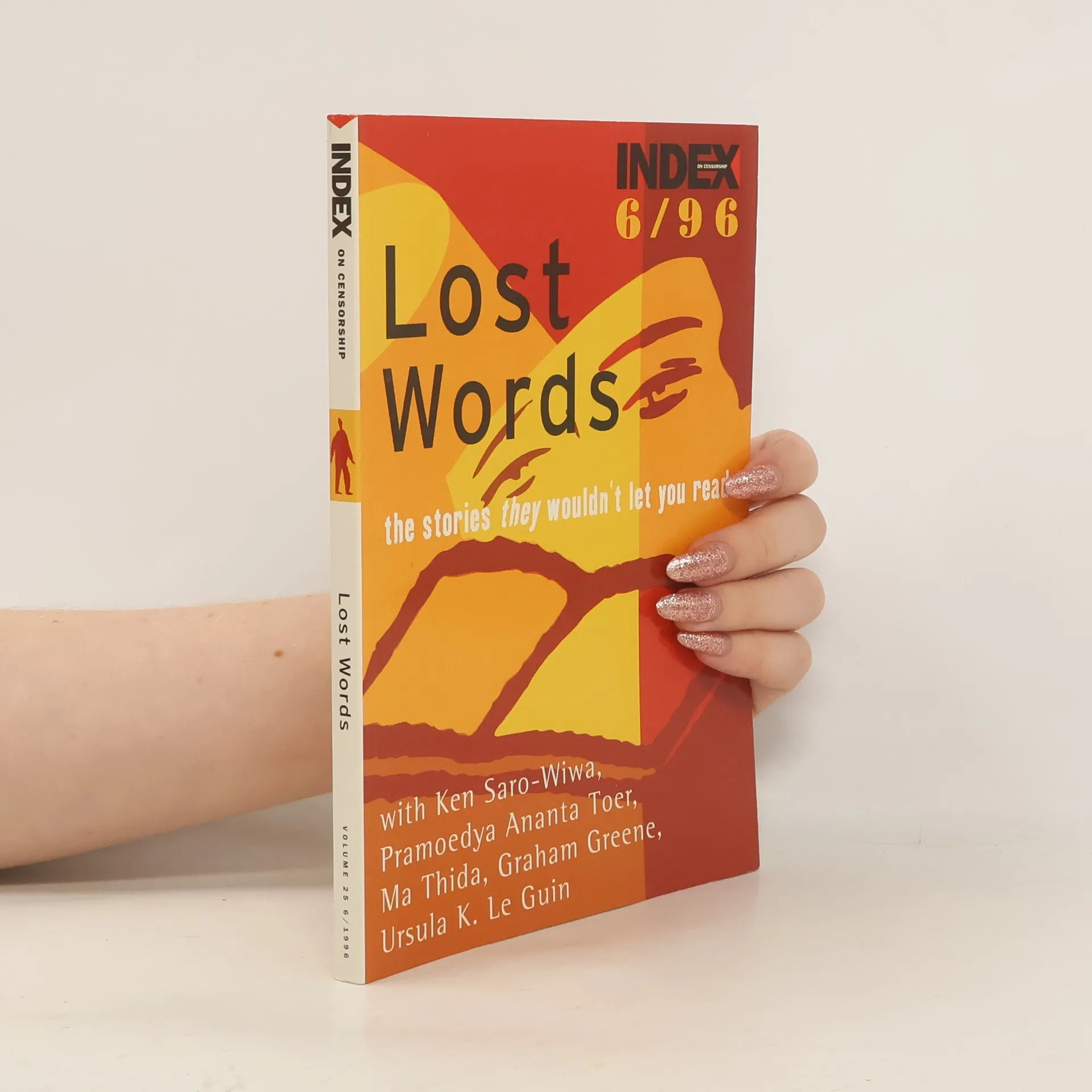
Index on Censorship - 25: Lost Words
The Stories They Wouldn't Let You Read
- 192 stránok
- 7 hodin čítania
This collection of fiction from around the world is concerned with censorship taboos and includes work from writers who remain censored, exiled or imprisoned. It includes writing by Willaim Trevor, Ken Saro-Wiwa, Aicha Lemsing and Breyten Breytenbach.
The Rose of Tibet
- 384 stránok
- 14 hodin čítania
'I hadn't realised how much I had missed the genuine adventure story until I read The Rose of Tibet .' Graham Greene A filmmaker is reported dead near Mount Everest. His brother, Charles Houston, is convinced he's alive and is determined to find him. It's a dangerous expedition. He travels from India to the forbidden land of Tibet. In the Yamdring monastery, he discovers an emerald treasure guarded by a woman with a deadly secret. But the Chinese army is coming.'Thrilling ... a perilous journey across Tibet in search of [a] missing brother.' Jake Kerridge, Telegraph
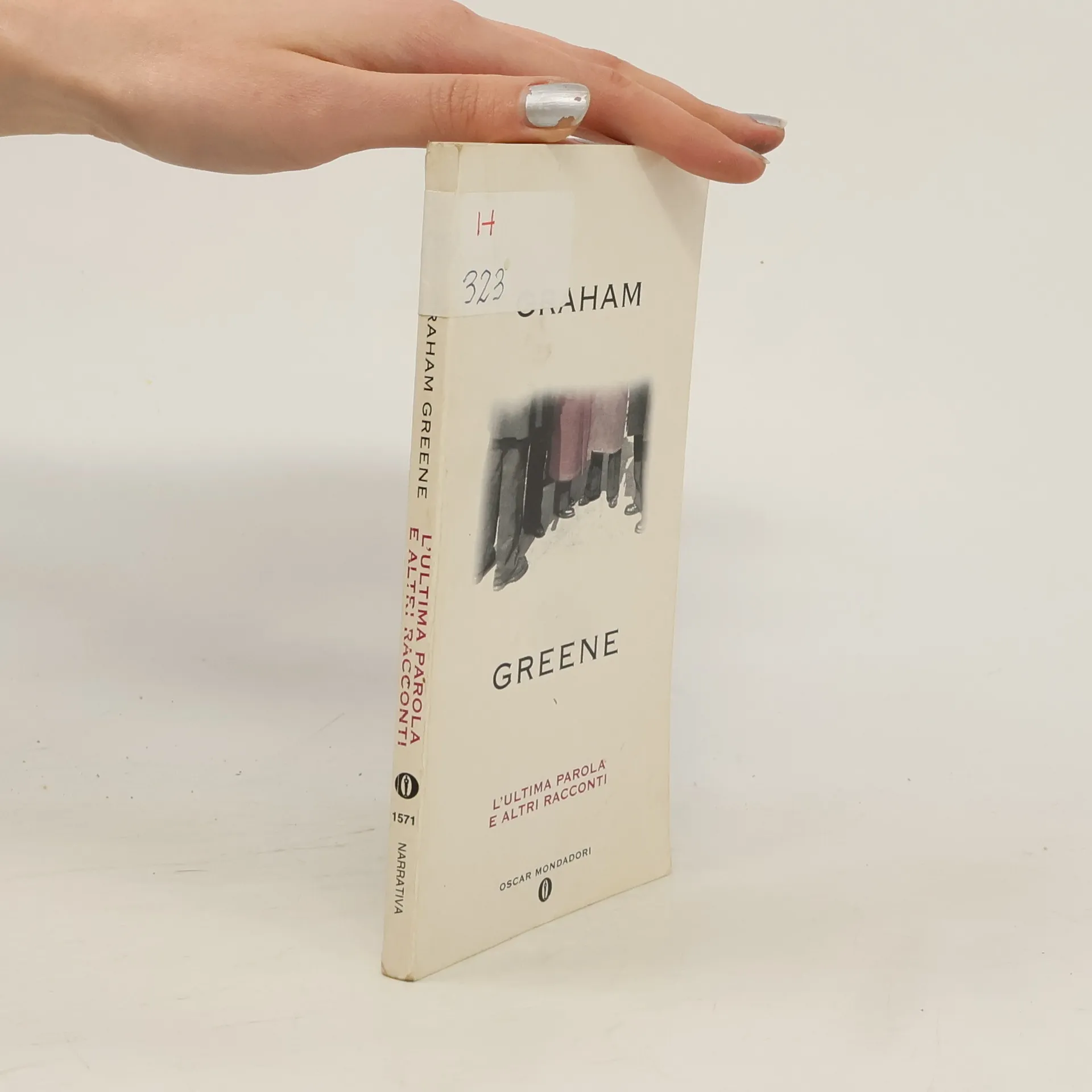
Oscar scrittori moderni - 1571: L'ultima parola e altri racconti
- 153 stránok
- 6 hodin čítania
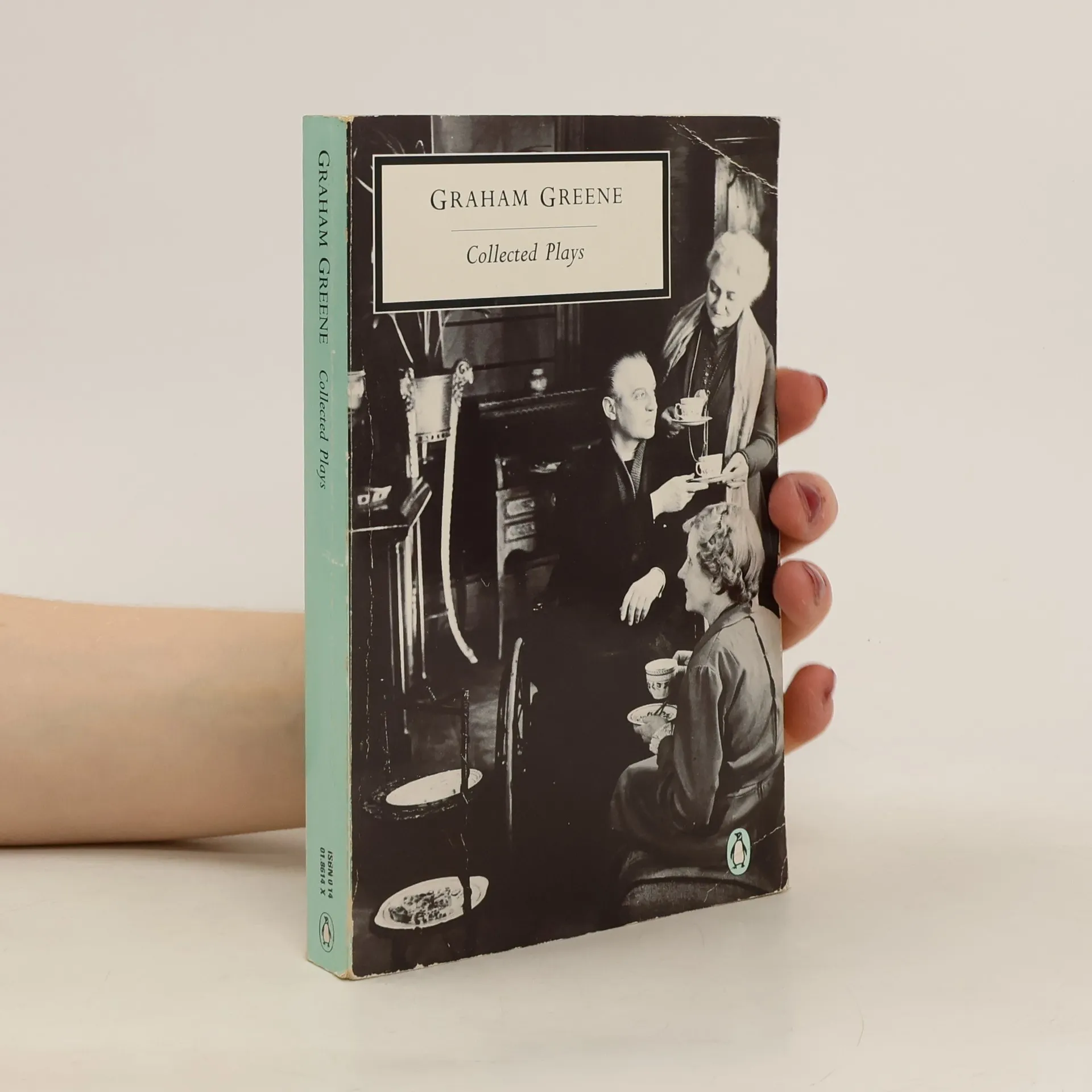
The Collected Plays of Graham Greene
- 416 stránok
- 15 hodin čítania
The Living Room ; The Potting Shed ; The Complaisant Lover ; Carving a Statue ; The Return of A.J. Raffles ; The Great Jowett ; Yes and No ; For Whom the Bell Chimes .In these eight plays Graham Greene demonstrates his skill as a dramatist. The Living Room portrays a love triangle, and Carving a Statue , his most innovative play, portrays an artist in pursuit of his masterpiece, a depiction of God the Father. The other plays The Return of AJ Raffles , a glorious Edwardian comedy; The Great Jowett , Greene's only radio play; The Potting Shed ; The Complaisant Lover ; Yes and No ; and For Whom the Bell Chimes .
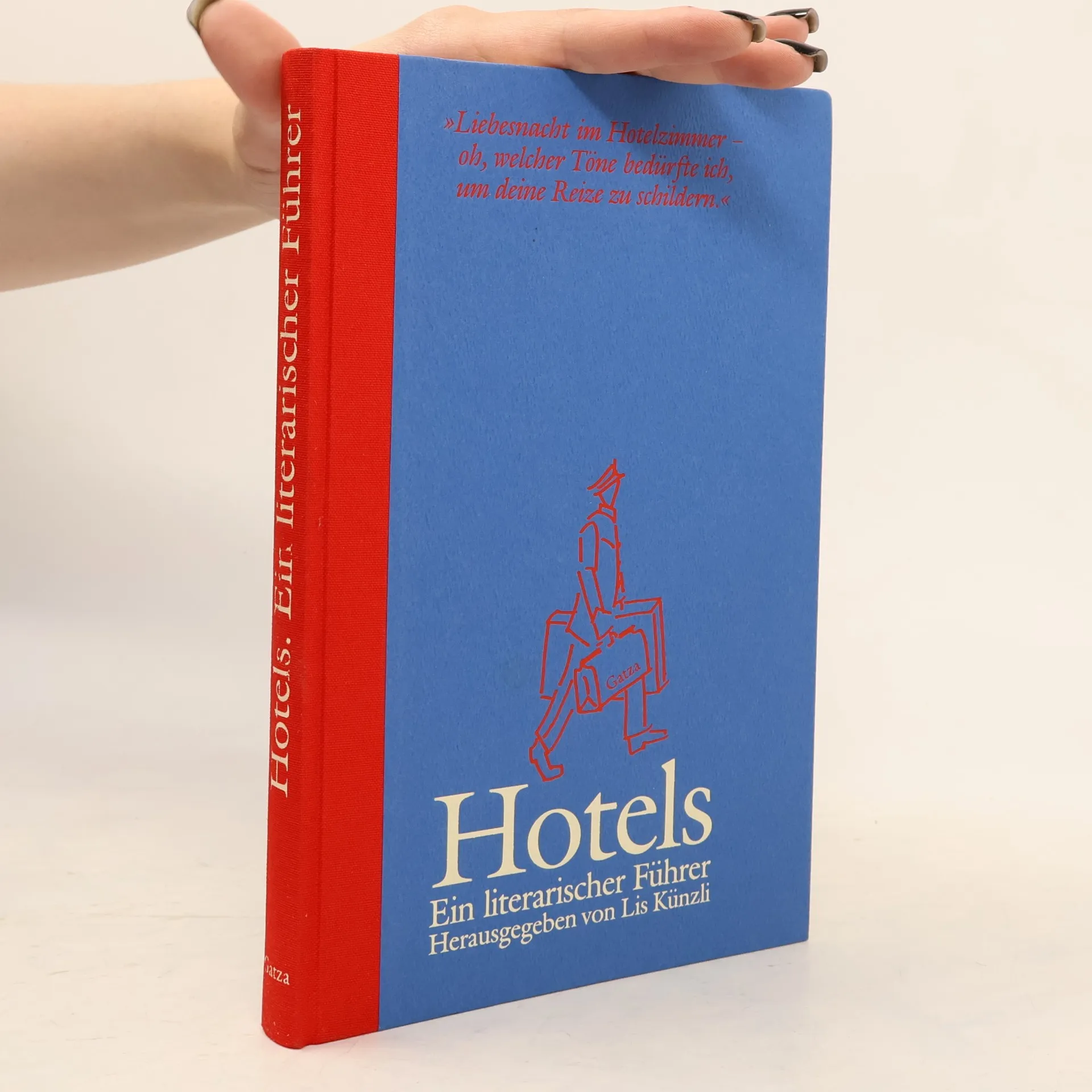
Hotels
Ein literarischer Führer
Joseph Roth: Ich will hier heimise.. Der nicht zu Hause. Ich möchte kommen und gehen, kommen und gehen. Thomas Mann: Schließlich, man braucht eine Kommode! Anaïs Nirs: Dagegen habe ich festgestellt, daß die Betten fremder Hotelzimmer, in denen anonyme Liebende gelegen hatten, meine Einbildungskraft anstachelten. Kurt Tucholsky: In einem fremden Hotelzimmer öffnet man das Fenster und macht es wieder zu und geht hin und her. Dann lege ich den Kopf an die Scheibe und mache ein dummes Gesicht. Die Nägel könnte ich mir auch mal schneiden. Was tue ich eigentlich hier? Franz Kafka: Ich kann fast von jedem Hotelzimmer, in dem ich gelebt habe, nur das Beste erzählen. Eine Liebeserklärung an das Leben im Hotel.
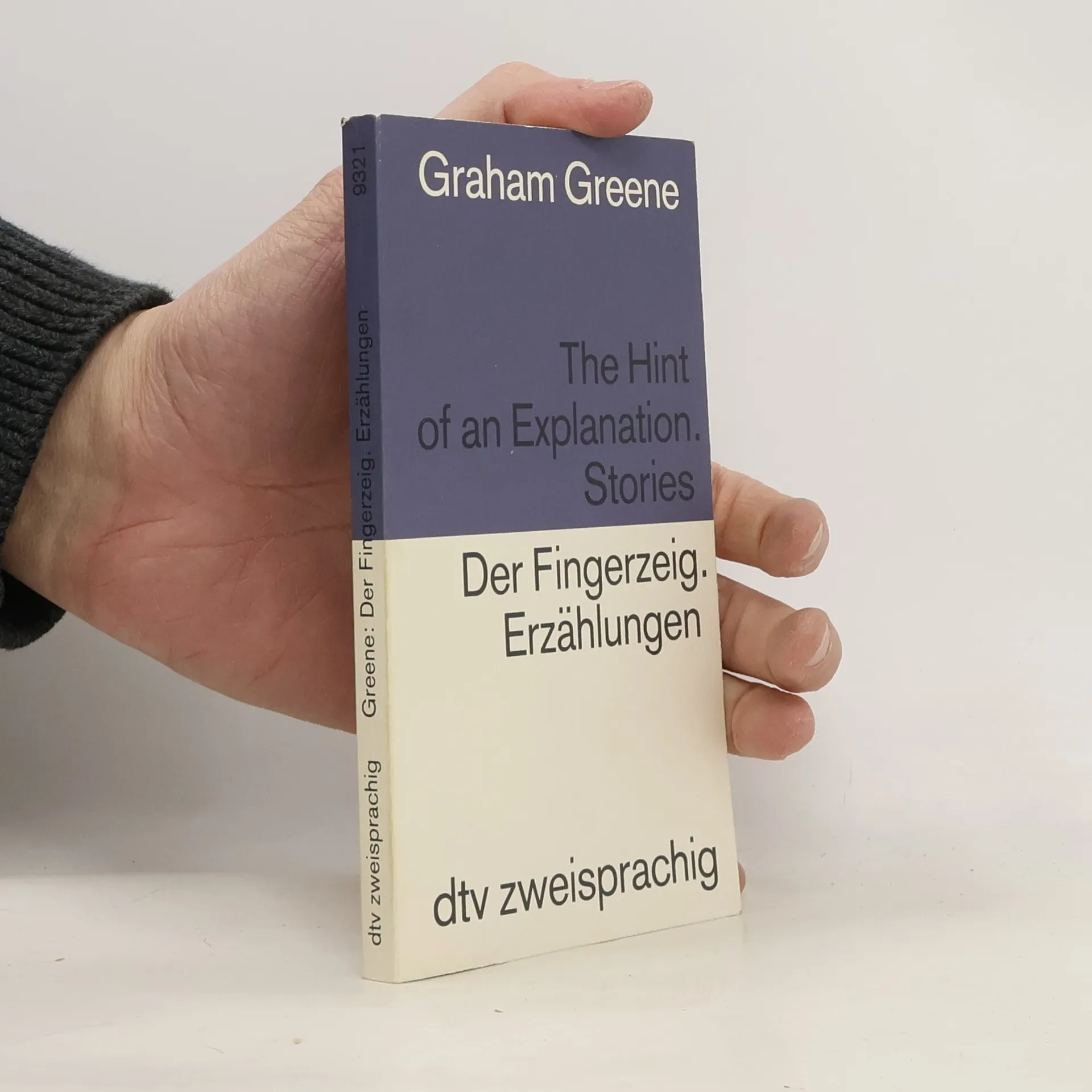
dtv zweisprachig: Der Fingerzeig / The Hint of an Explanation
Stories – Erzählungen. Zweisprachige Ausgabe. Englisch / Deutsch.
- 144 stránok
- 6 hodin čítania
Keuze van verhalen van buitenlandse auteurs uit het fonds van de uitgeverijen Bert Bakker en Prometheus.
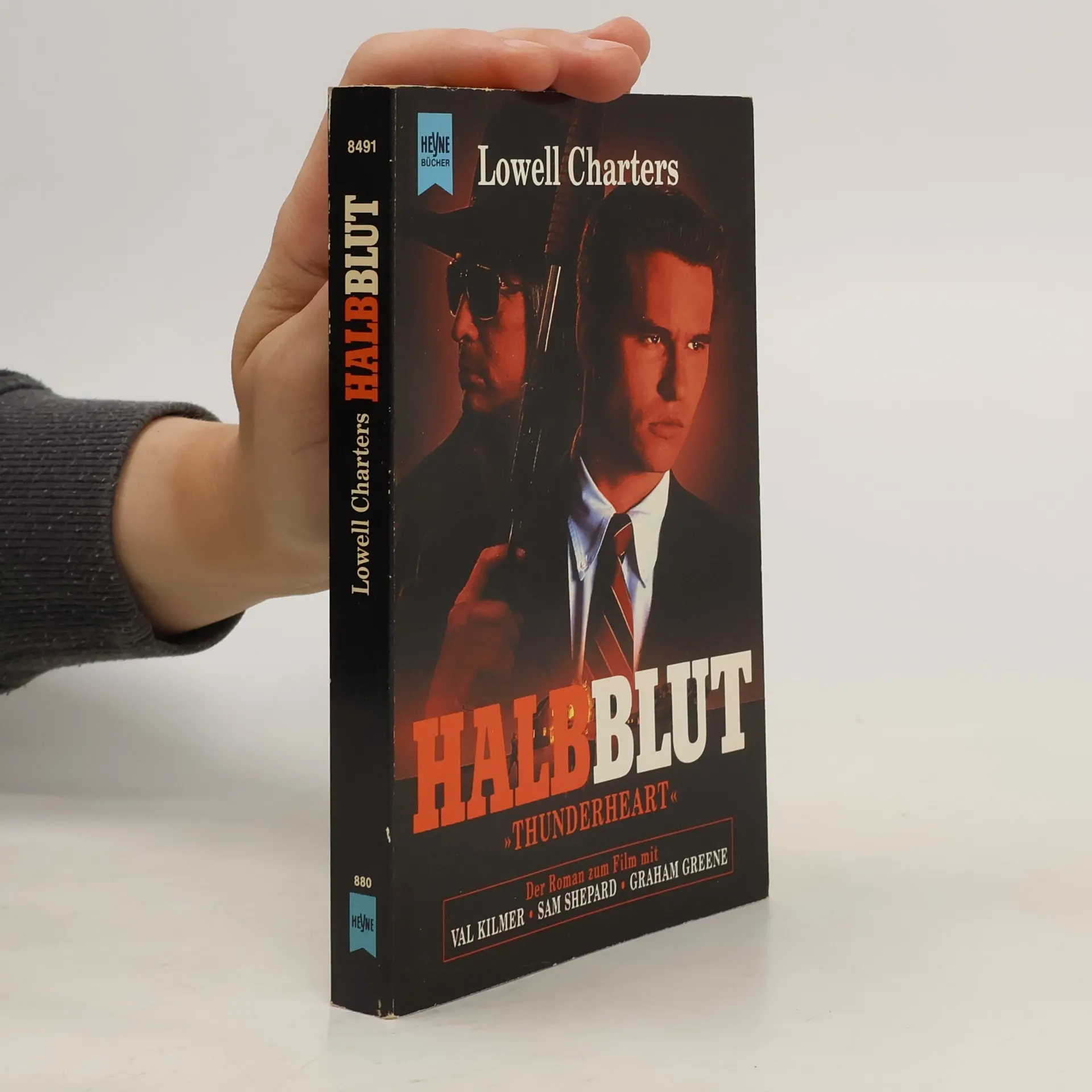
Halbblut. 'Thunderheart'.
- 251 stránok
- 9 hodin čítania
Roman zum Film mit Val Kilmer, Sam Shepard und Graham Greene, basierend auf einem Drehbuch von John Fusco, inklusive Farbphotographien.
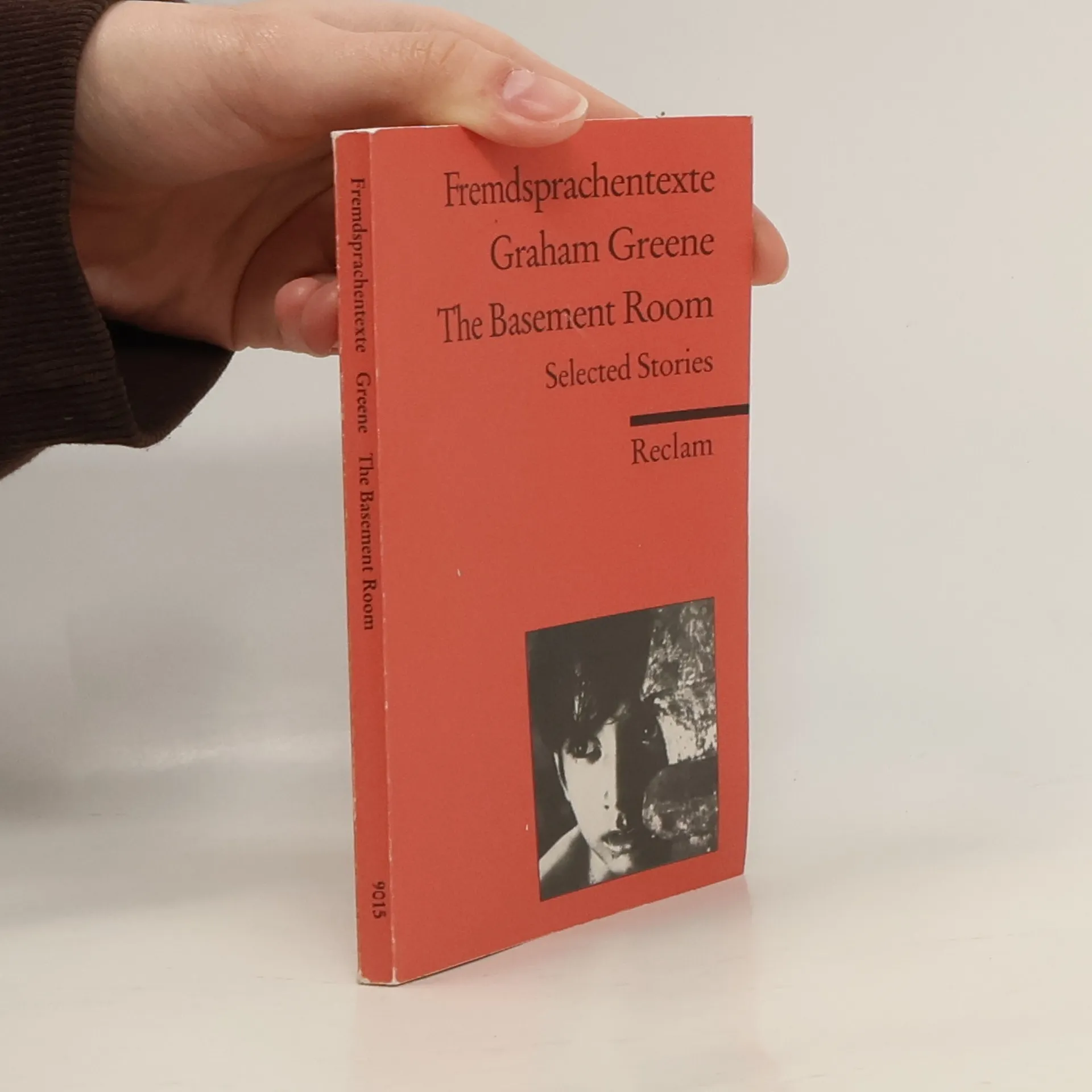
The Basement Room. Selected Stories. Text in Englisch
- 144 stránok
- 6 hodin čítania
Inhaltsverzeichnis - 'The end of the party'; 'The basement room'; 'A drive in the country'; 'The hint of explanation'; 'The destructors'.
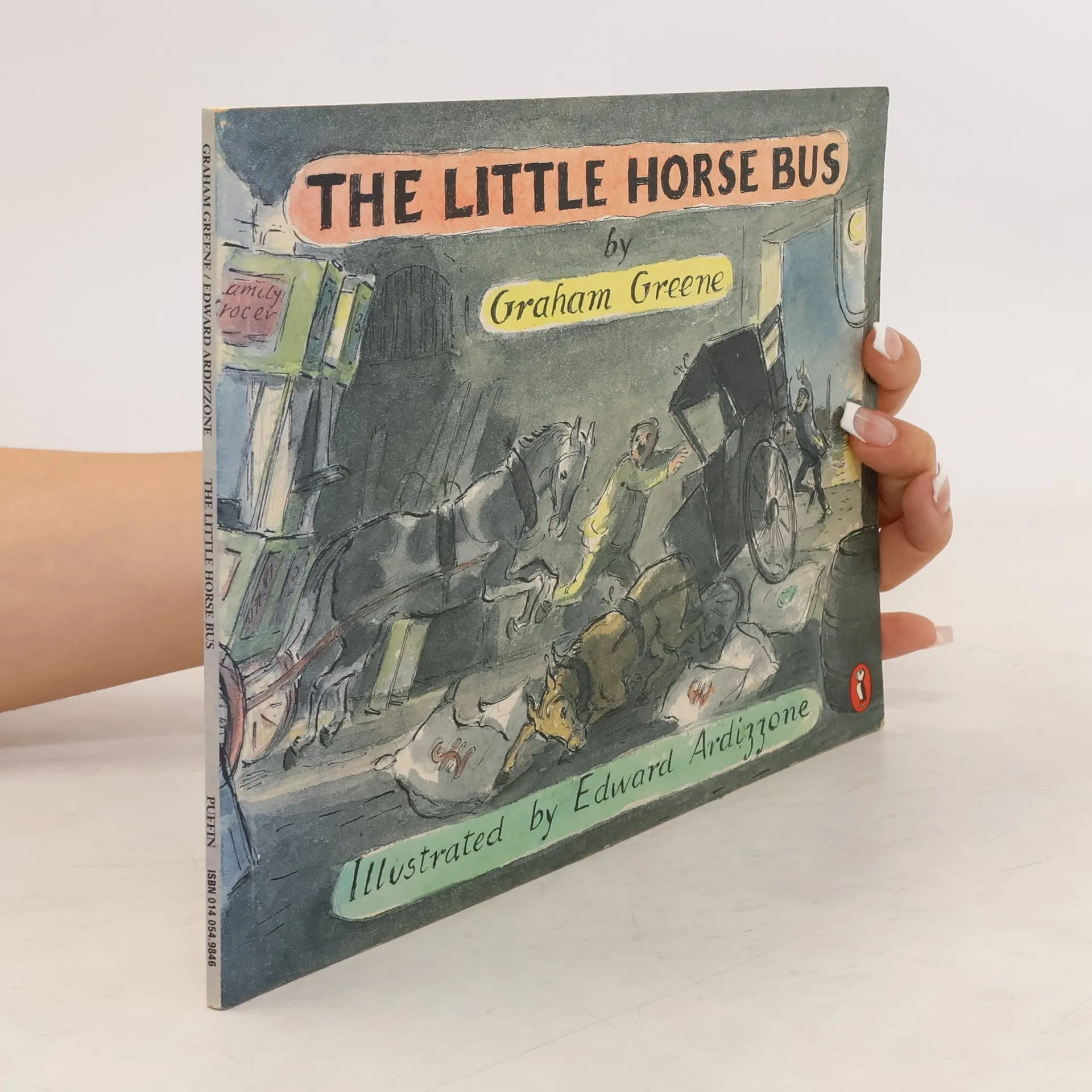
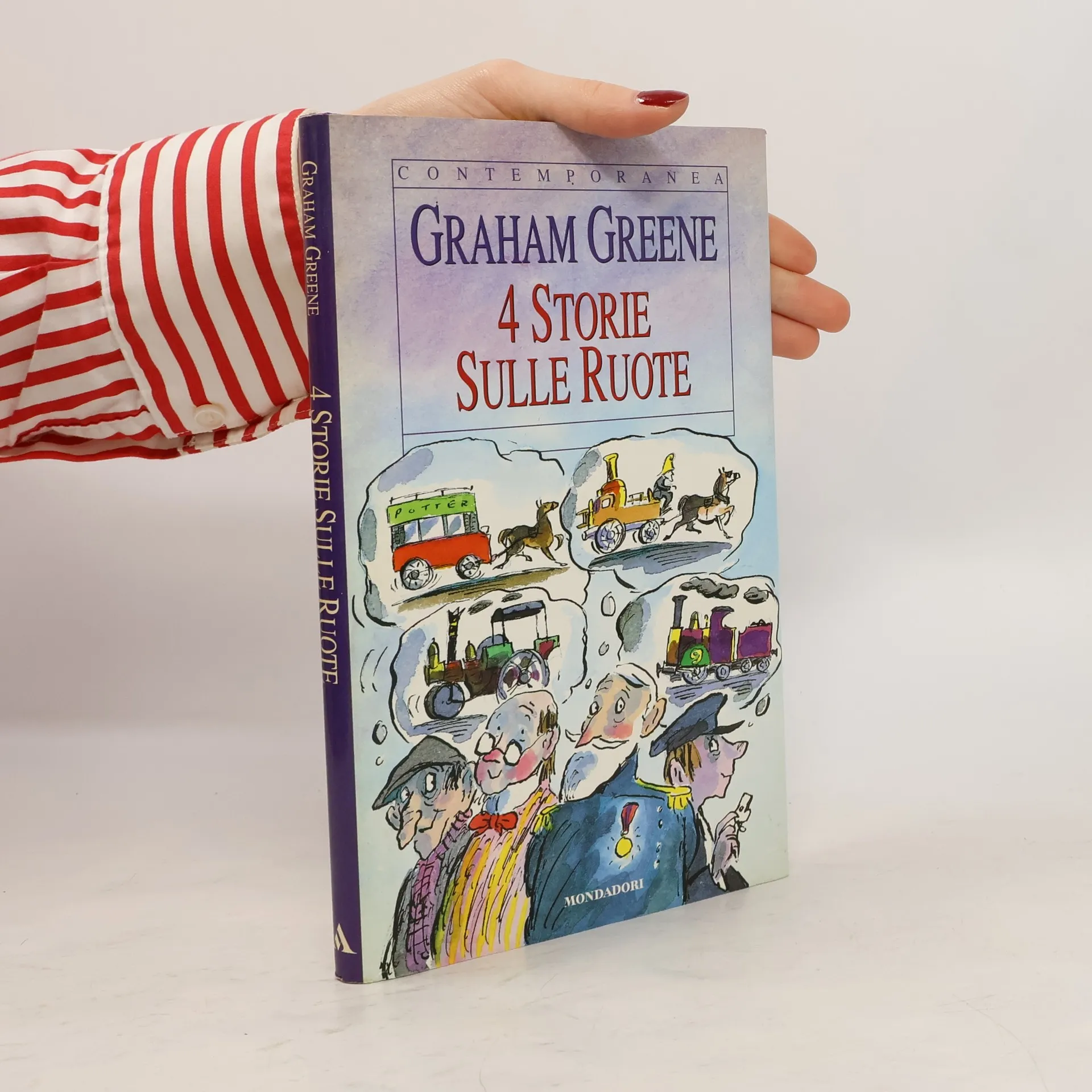
Little Horse Bus
- 48 stránok
- 2 hodiny čítania
Mr Potter is a proud shopkeeper with a busy shop, until one day a big superstore opens across the street. The new store has a delivery service so Mr Potter employs an old little horse bus to deliver his wares. But when the superstore's delivery cart is stolen there is only one little horse bus to save the day!
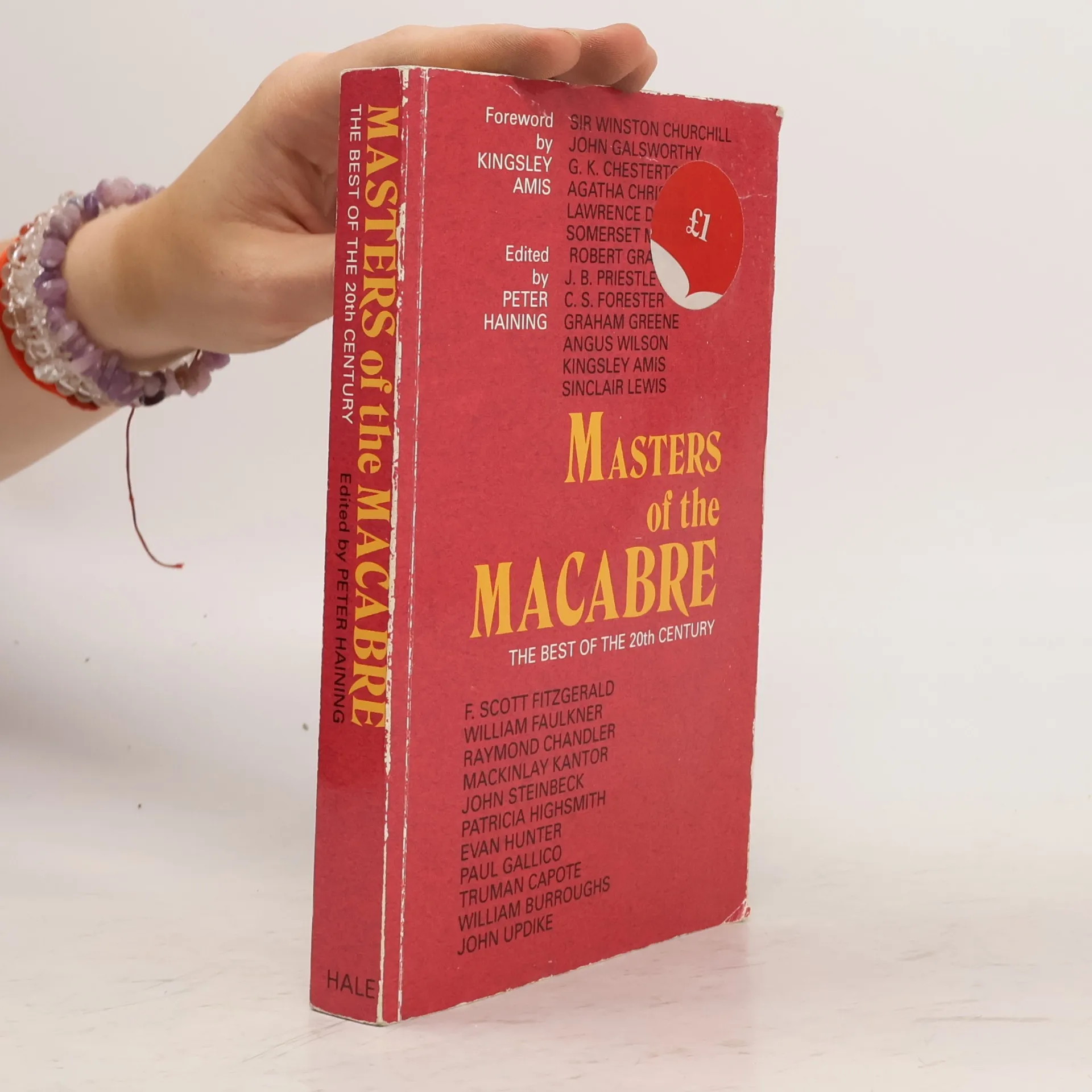
Stories included: Man Overboard (Sir Winston Churchill) Timber (John Galsworthy) The Angry Street (G. K. Chesterton) The Call of Wings (Agatha Christie) The Cherries (Lawrence Durrell) A Man From Glasgow (Somerset Maugham) Earth to Earth (Robert Graves) The Grey Ones (J. B. Priestley) The Man Who Didn't Ask Why (C. S. Forester) All But Empty (Graham Greene) Animals or Human Beings (Angus Wilson) Something Strange (Kingsley Amis) The Post-Mortem Murder (Sinclair Lewis) The Dance (F. Scott Fitzgerald) A Rose for Emily (William Faulkner) The Bronze Door (Raymond Chandler) A Man Who Had No Eyes (MacKinlay Kantor) The Affair at 7 Rue de M-- (John Steinback) The Snail Watcher (Patricia Highsmith) Inferiority Complex (Evan Hunter) The Terrible Answer (Paul Gallico) Miriam (Truman Capote) Exterminator (William Burroughs) During the Jurassic (John Updike)
Diese Erzählungen sind in den Jahren zwischen 1923 und 1989 entstanden und bieten einen repräsentativen Überblick über das erzählerische Schafen Graham Greenes. Die Auswahl wurde vom Autor selbst getroffen.
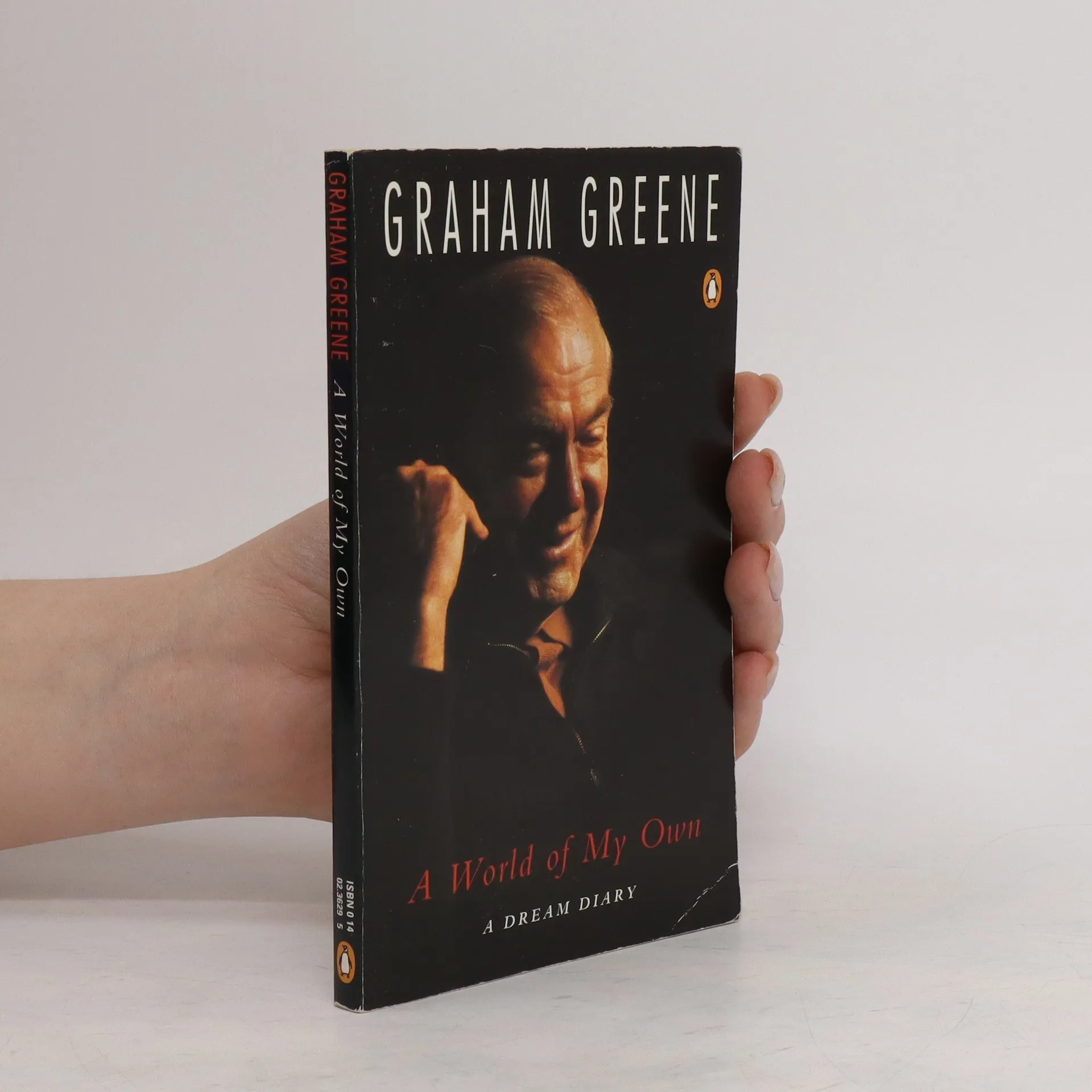
Graham Greene trained himself to wake four or five times during a night to record his dreams in a diary over a 25 year period. Before his death in 1991, he prepared this diary which provides readers with an insight into the world of Graham Greene.
Three Entertainments
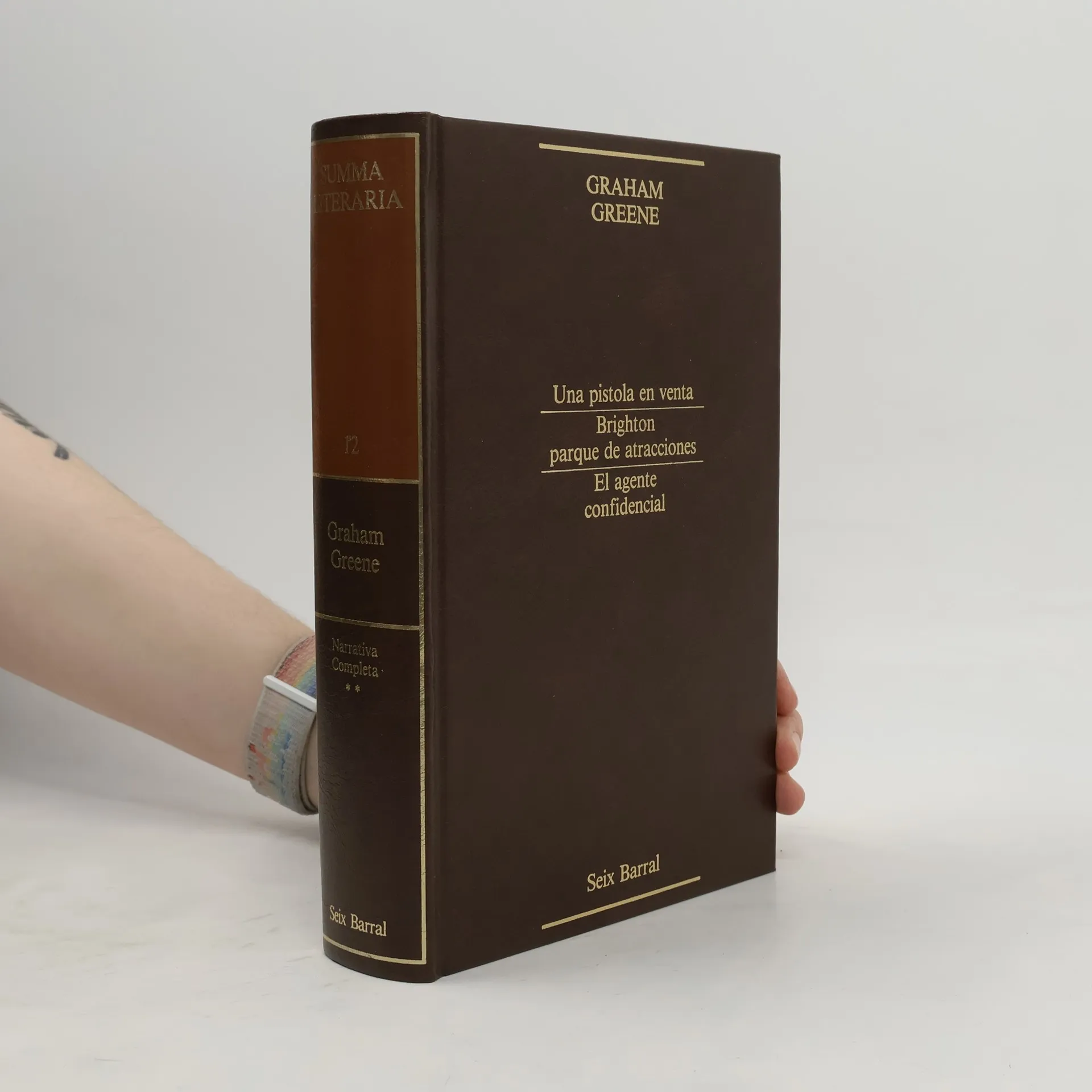
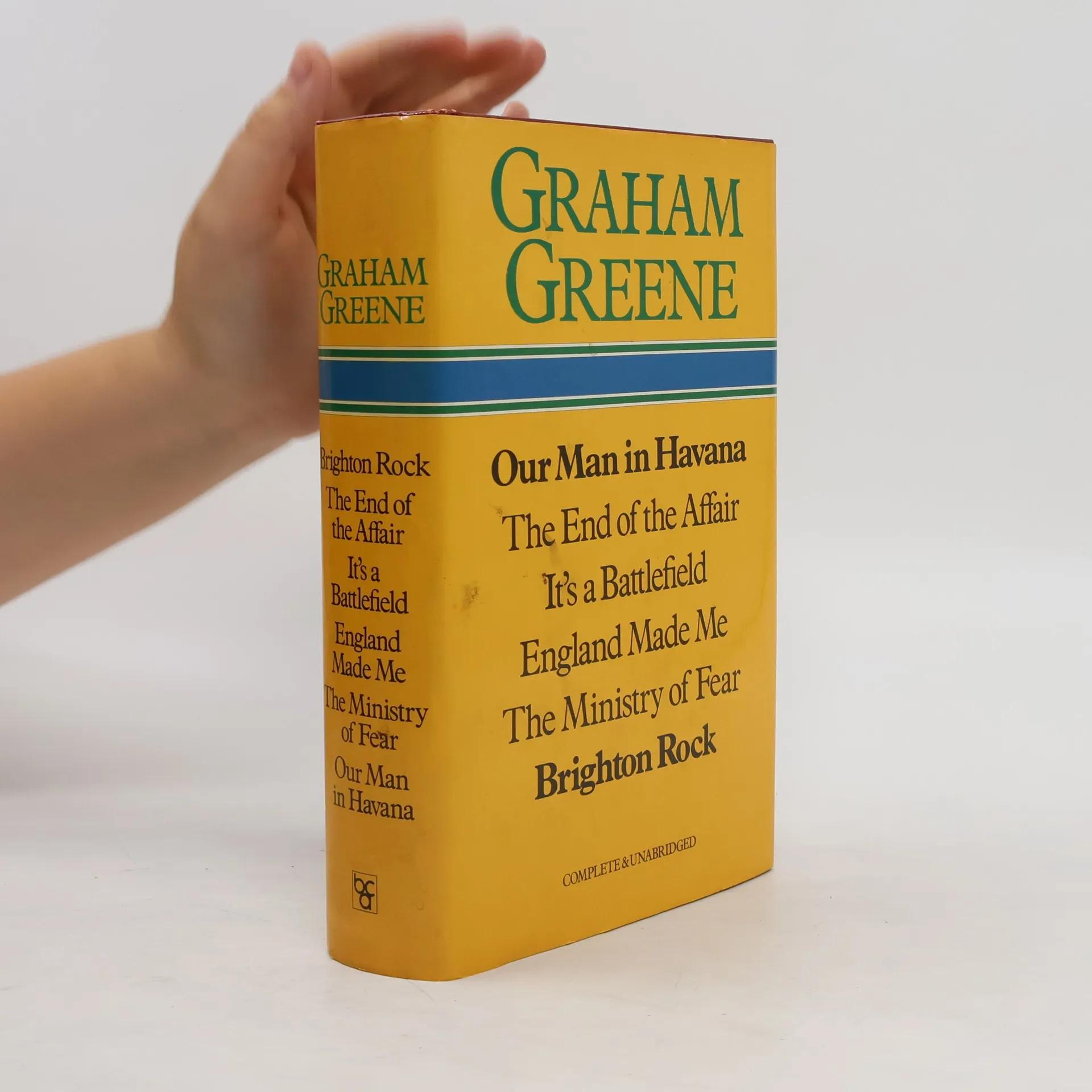
This Gun for Hire; Ministry of Fear; Confidential Agent
- 624 stránok
- 22 hodin čítania
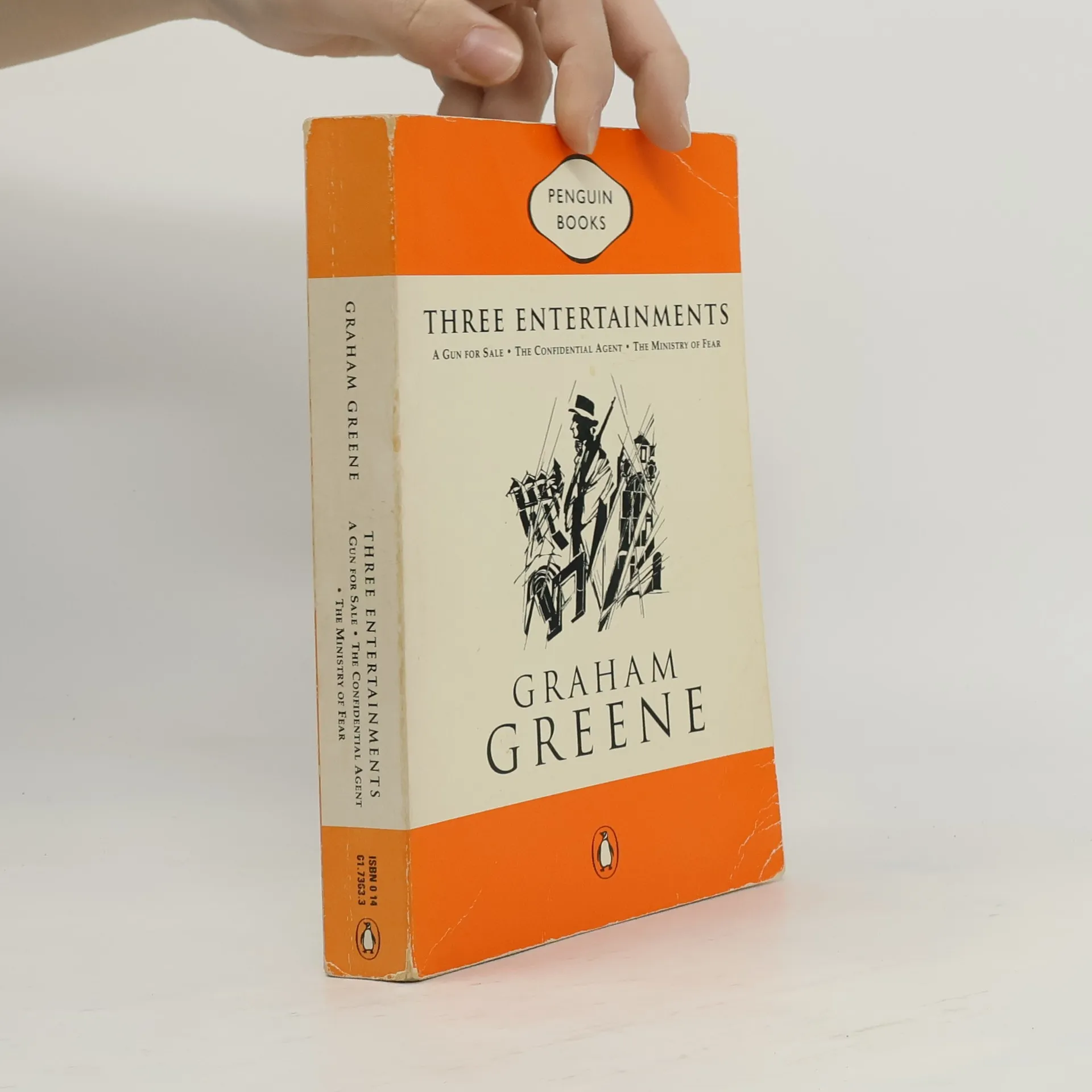
Here in one volume are three of the best thrillers - or "entertainments" as the author calls them - that Graham Greene has written. These earlier full-length novels are no less the work of a distinguished artist and master storyteller.
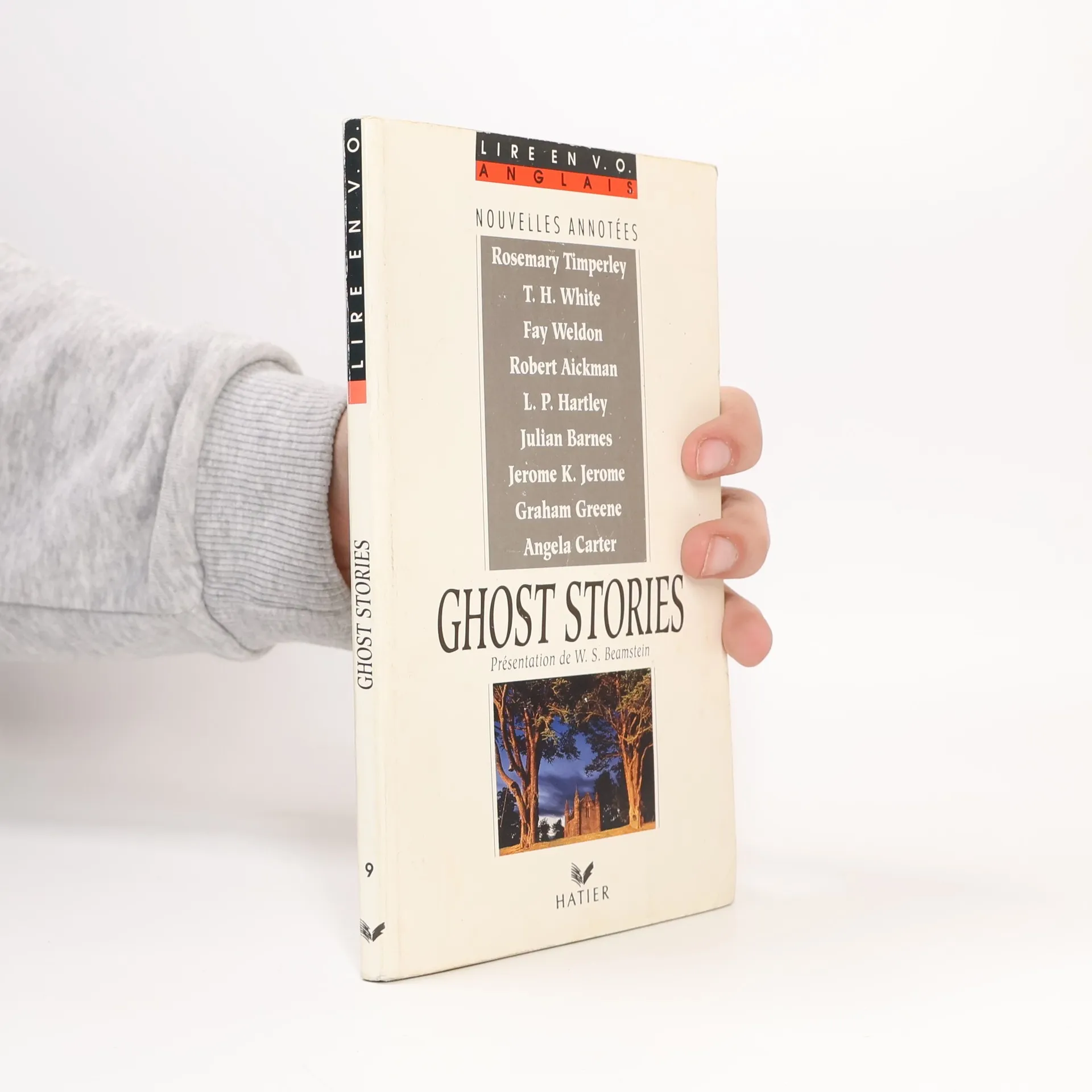
Lire en V. O. Anglais - 9: Ghost Stories
Nouvelles annotées - Présentation de W. S. Beamstein
- 151 stránok
- 6 hodin čítania
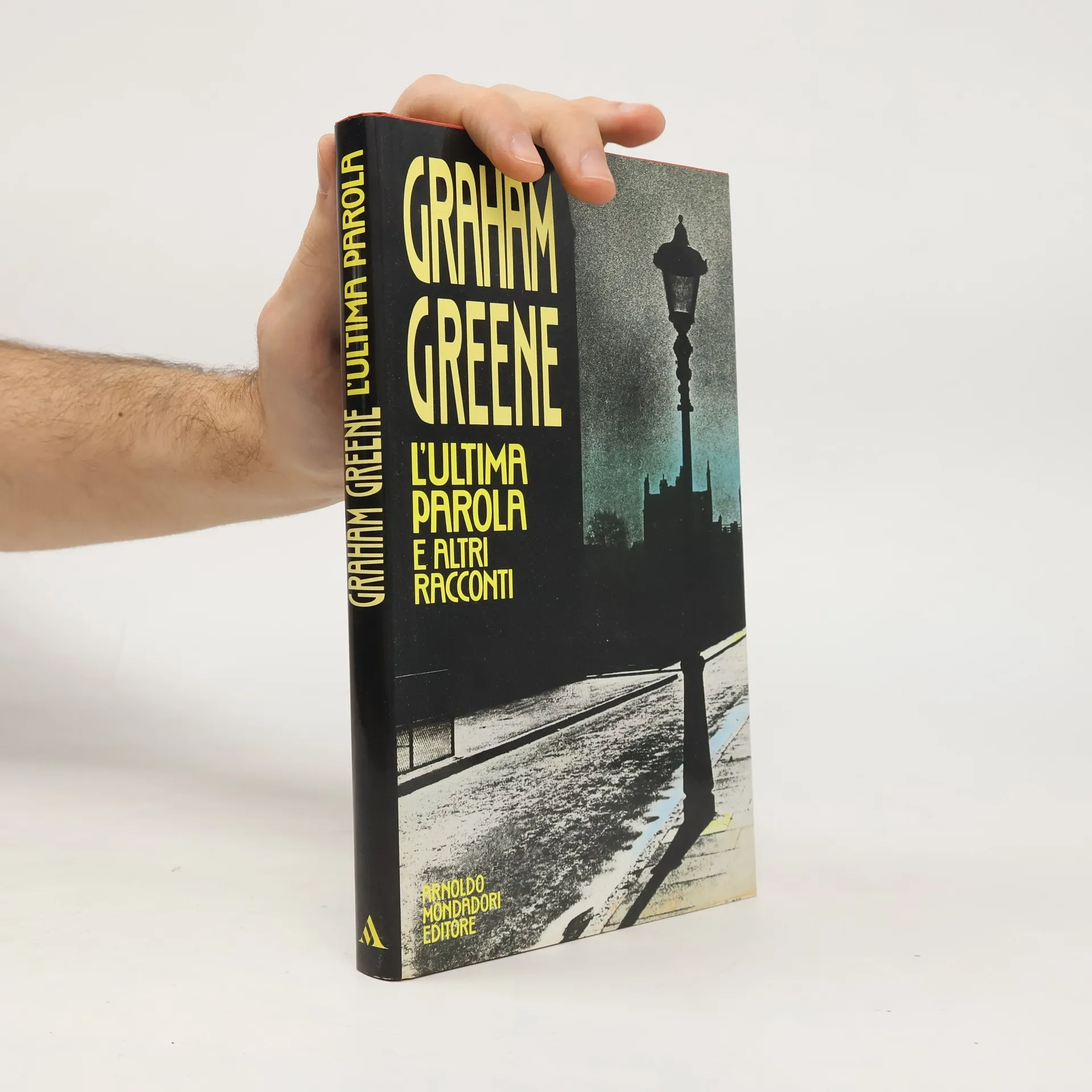
L'ultima parola e altri racconti
- 155 stránok
- 6 hodin čítania
"L'ultima parola e, altri racconti" raccoglie le storie scritte da Graham Greene lungo un arco oltre sessant'anni, dal 1923 al 1989, e offre quindi una panoramica completa su tutta la produzione dell'autore, dagli esordi fino agli ultimi anni. Tra gli altri ritroviamo in queste pagine il primo racconto pubblicato da Greene sull'"Oxford Outlook", la rivista da lui diretta;"Assassinio per la ragione sbagliata", che testimonia il suo profondo interesse, costante lungo tutti gli anni Trenta, per il genere del giallo; "Il tenente morì per ultimo", ispirato a un episodio della Seconda guerra mondiale, e ancora "Il biglietto della lotteria", che riecheggia i romanzi maggiori "Strade senza legge" e "Il potere e la gloria".
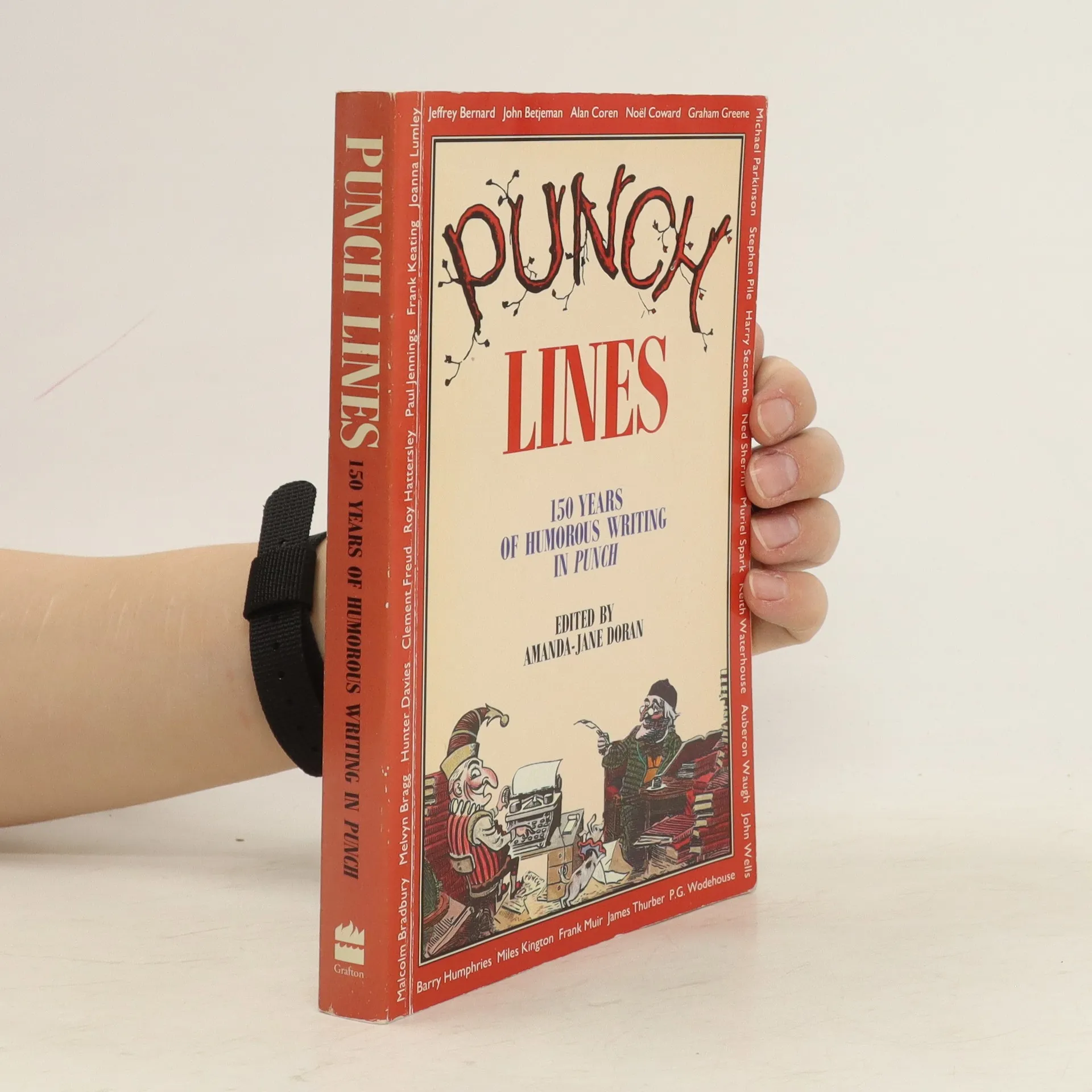
Punch Lines
- 384 stránok
- 14 hodin čítania
An anthology of the best comic writing in Punch from 1841 to 1991.
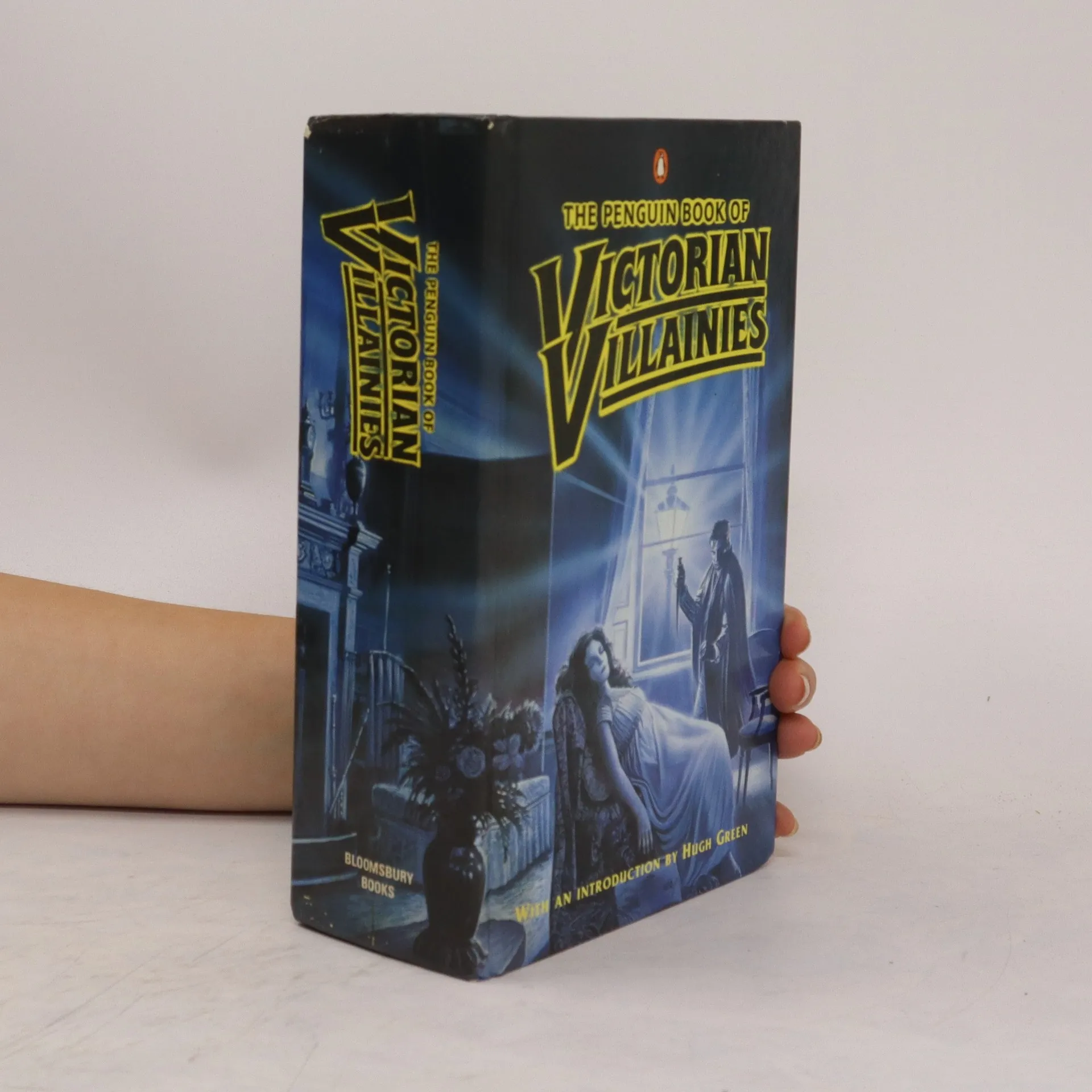
Victorian Villainies
- 704 stránok
- 25 hodin čítania
FRAUD, MURDER, POLITICAL INTRIGUE AND HORROR IN FOUR STORIES OF VICTORIAN VILLAINY. The Great Tontine, considered to be Hawley Smart's best book, concerns the unforeseen dangers of trying to make money in a lottery. Arthur Griffiths made a special study of the French police, and his sardonic amusement over their methods is evident in the classic train thriller The Rome Express. In the Fog, Richard Harding Davis's ingeniously plotted novel, is one of the very best accounts of foggy Victorian London. Haunted by figures of strange horror, Richard Marsh's The Beetle shed fascinating sidelights on forgotten aspects of the Victorian age. All in all, a splendid selection of works rescued from dusty oblivion - a rare treat!
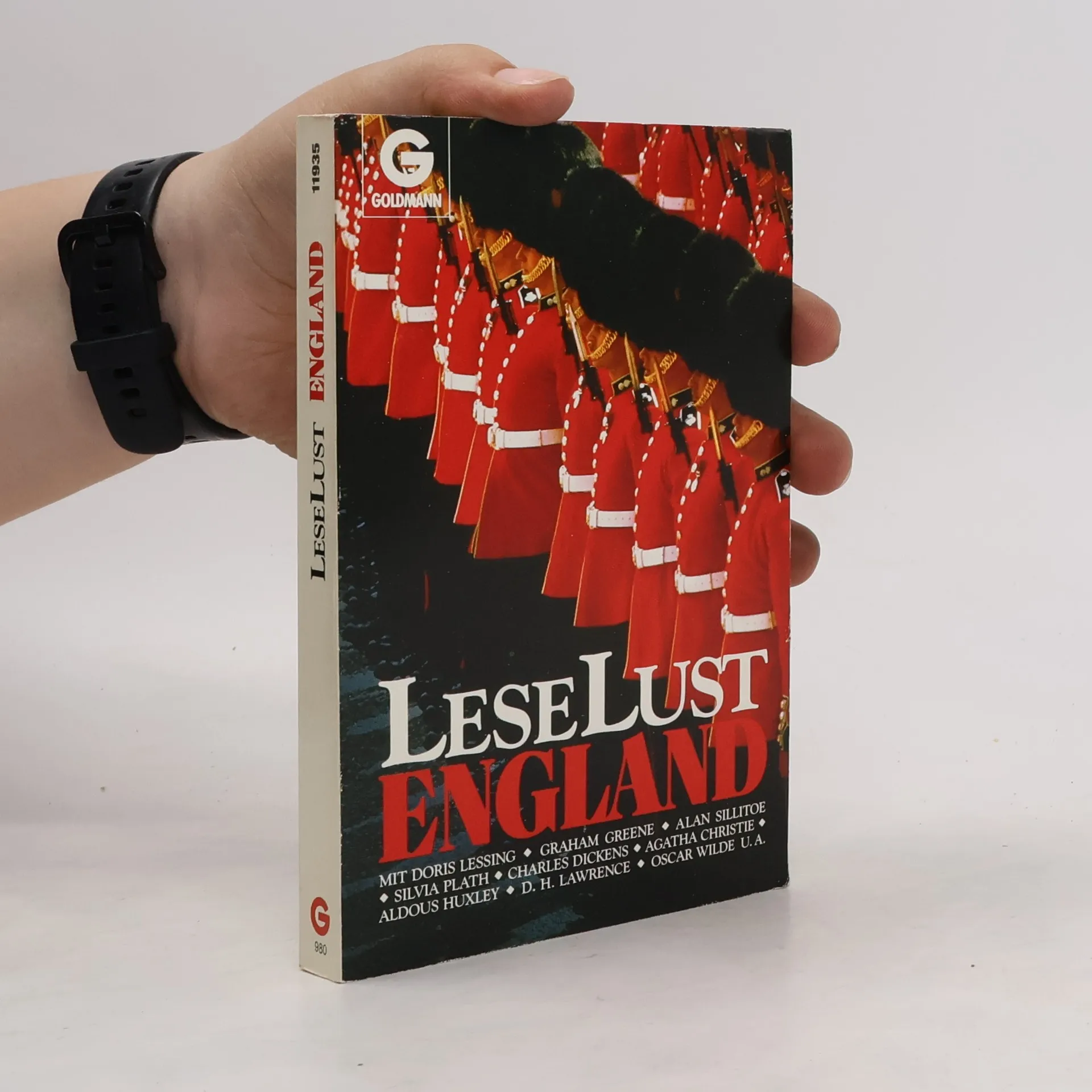
LeseLust England.
- 313 stránok
- 11 hodin čítania
Hrsg. von Hans Christian Meiser, enthält Geschichten von Lessing, Graham Greene und Alan Sillitoe. 313 Seiten.
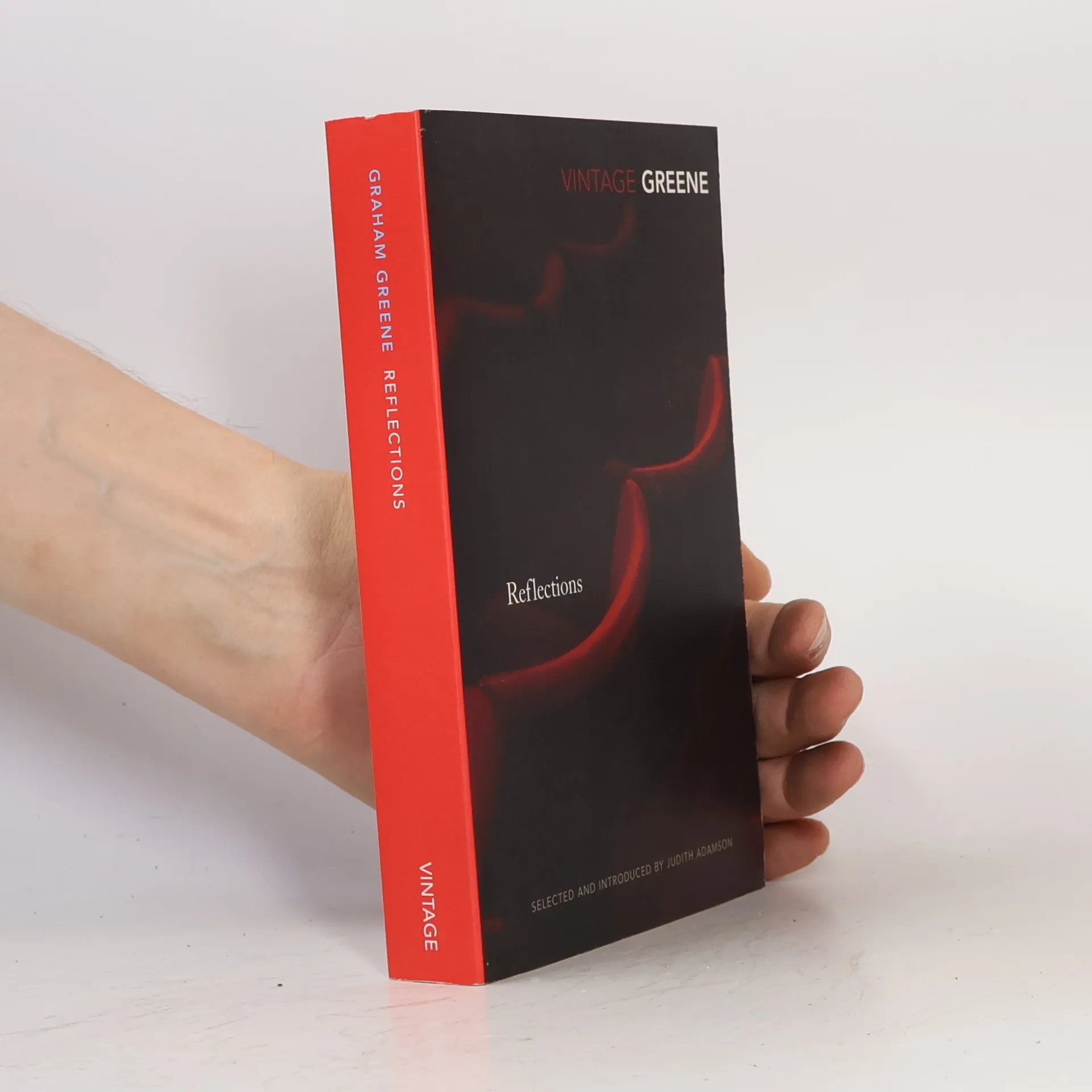
Reflections
- 448 stránok
- 16 hodin čítania
UPDATED AND EDITED WITH A NEW INTRODUCTION BY JUDITH ADAMSONWhether reporting from the London cinema, Cotswolds villages, second-hand bookshops, war zones or political trouble spots, Graham Greene's novelistic gifts for detail, drama and compassionate curiosity provide unique and resonant insights into his life and times.
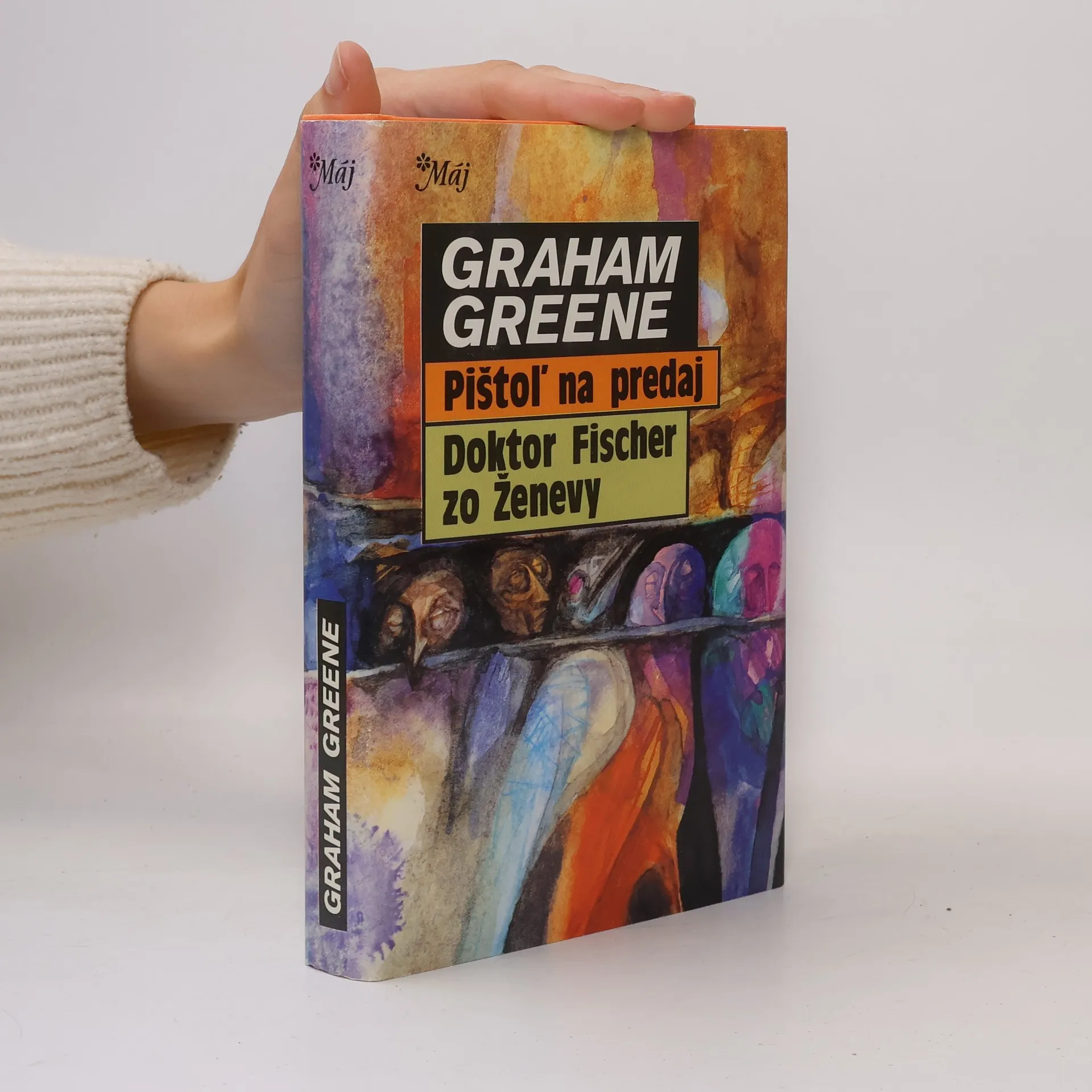
Pištoľ na predaj ; Doktor Fischer zo Ženevy
- 304 stránok
- 11 hodin čítania
Dva romány anglického autora. V prvom príbehu kriminálna téma nadobúda hlbší psychologický a etický význam, najatý vrah spácha politickú vraždu, ale neskôr zistí, že sa s ním hrala špinavá hra – vyplatili ho bankovkami z lúpeže, ktoré boli označené. Je rozhodnutý pomstiť sa. V druhom príbehu sa mieša tradičná moralita s modernou tragickou groteskou a autorova satira sa obracia proti ľudskej hrabivosti. Doktor Fischer je multimilionár, ktorý verí, že čím je človek bohatší, tým je lakomejší, s radosťou ponižuje bohatých priateľov...
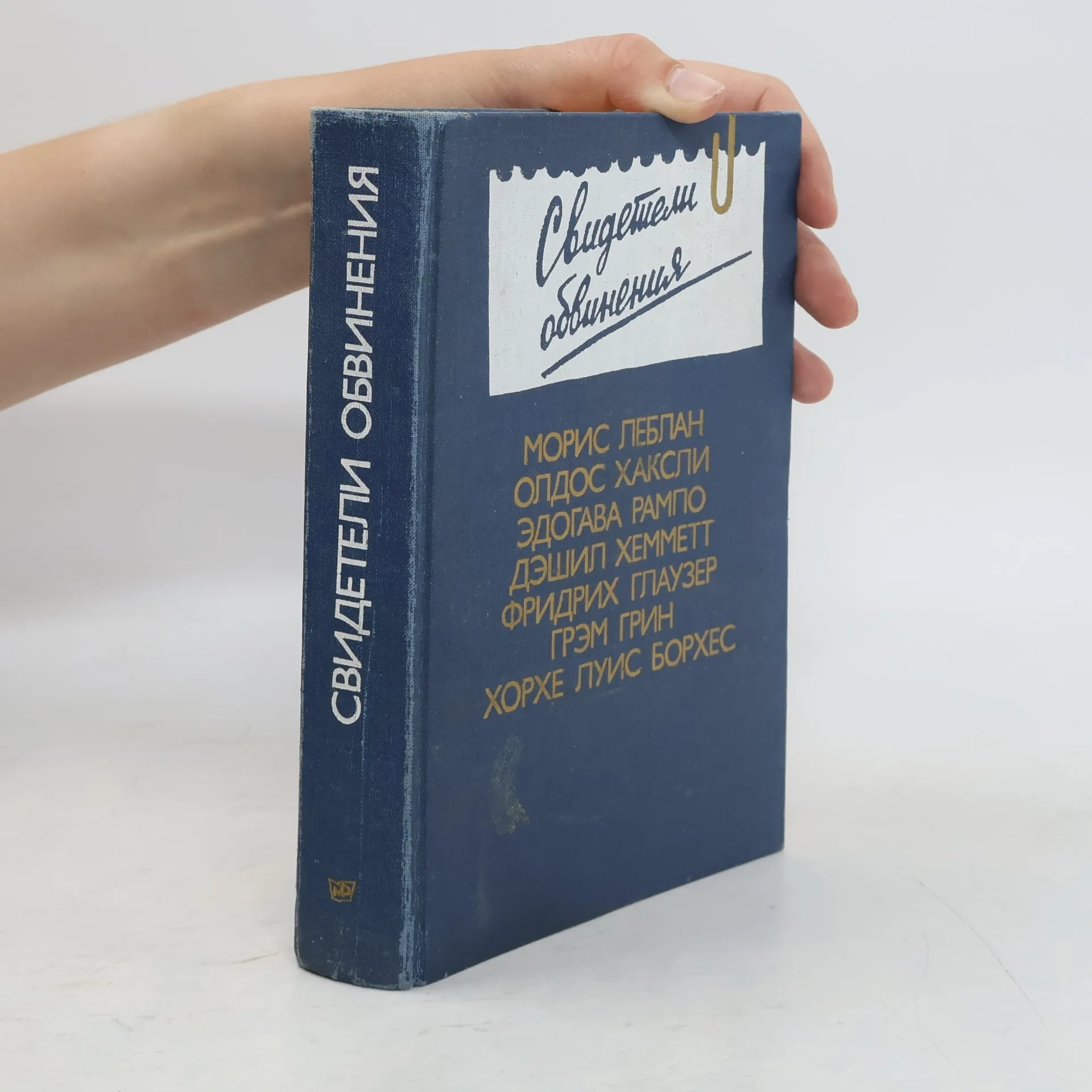
Свидетели обвинения
- 556 stránok
- 20 hodin čítania
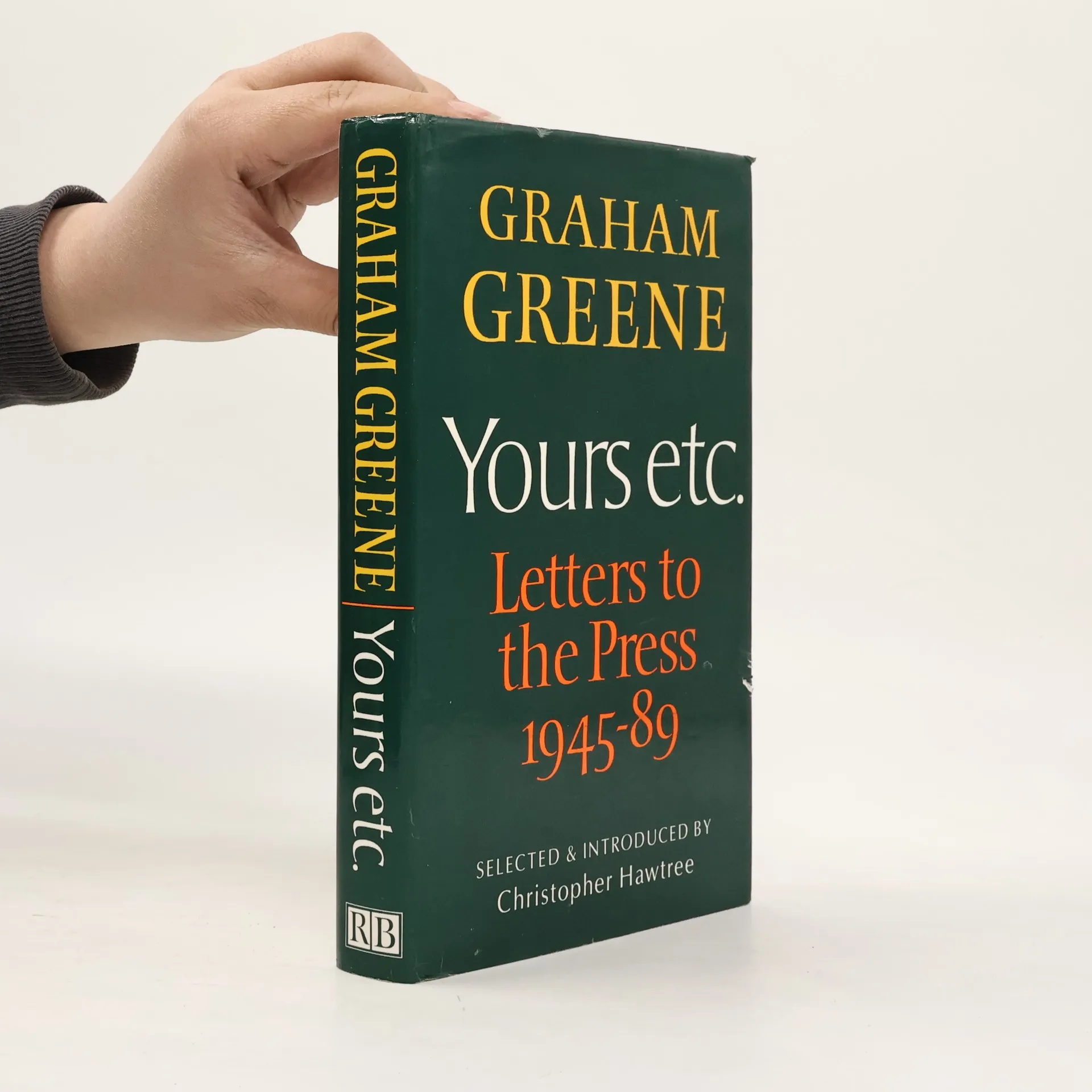
This collection of Graham Greene's letters to the press, begins in 1945 with a body of letters to "The Times". The letters dating from 1945 are supplemented by later ones to "The Independent", "The New Statesman", "Spectator" and "Le Monde".
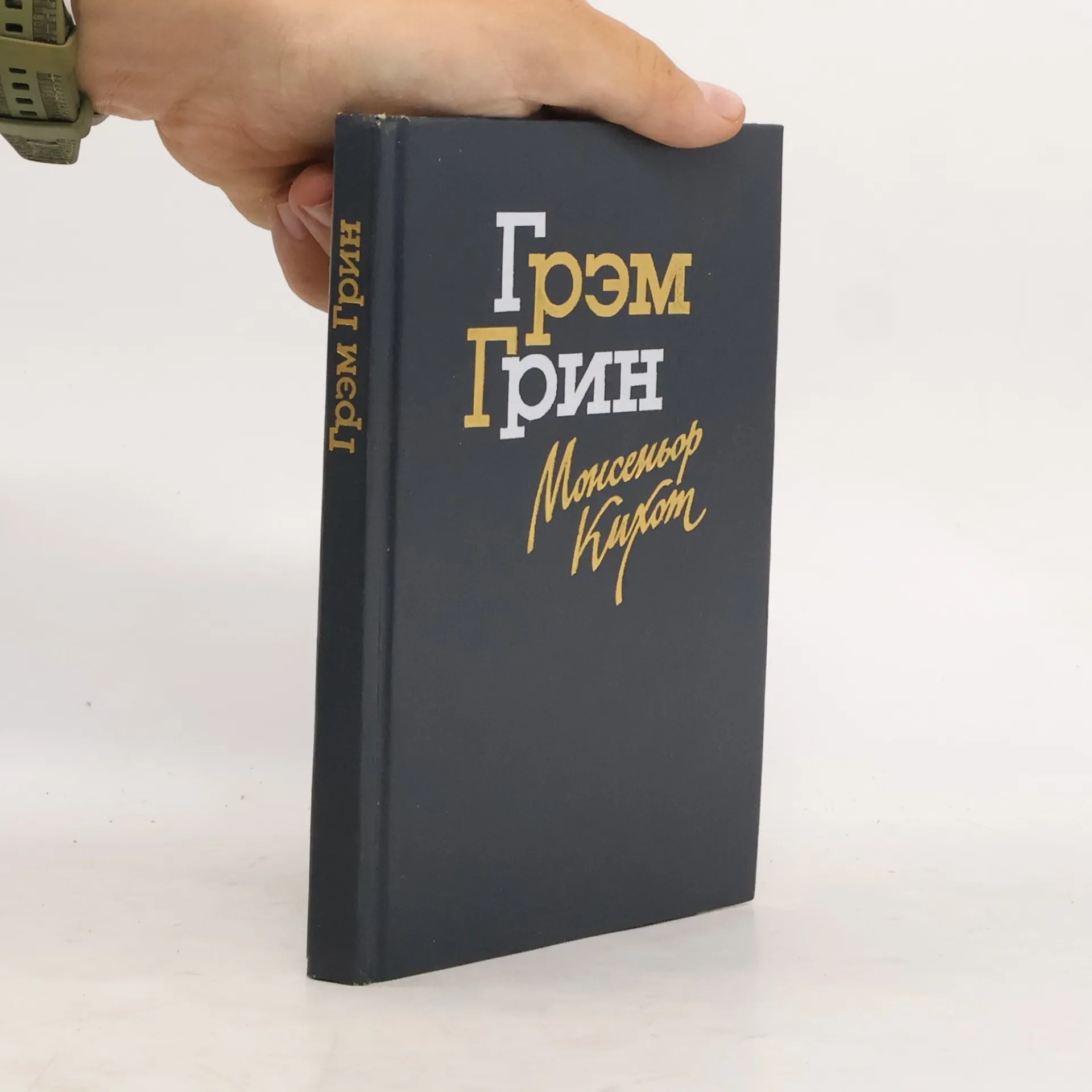
«Монсеньор Кихот» – роман крупнейшего английского писателя Грэма Грина. Произведение это неожиданное. Автор как бы переносит сюжет и бессмертных героев Сервантеса в день сегодняшний, наделяет их современными чертами. Остроумный замысел позволил автору противопоставить и в то же время соединить двух людей – носителей противоположных воззрений – католического священника и коммуниста. Диалог между ними, собственно, и составляет философскую и психологическую основу романа.
Mr. Wormold, egy porszívó-kereskedő, pénzhiányban szenvedett. Lánya drága korba lépett — ezért elfogadta Hawthorne ajánlatát, és M.I.6 havannai embereként 59200/5 ügynök lett. A munka megtartása érdekében Wormold színleli, hogy alügynököket toboroz, és hamis történeteket küld. Aztán a történetek kezdik zavaróan valósággá válni.
The Captain and the Enemy
- 192 stránok
- 7 hodin čítania
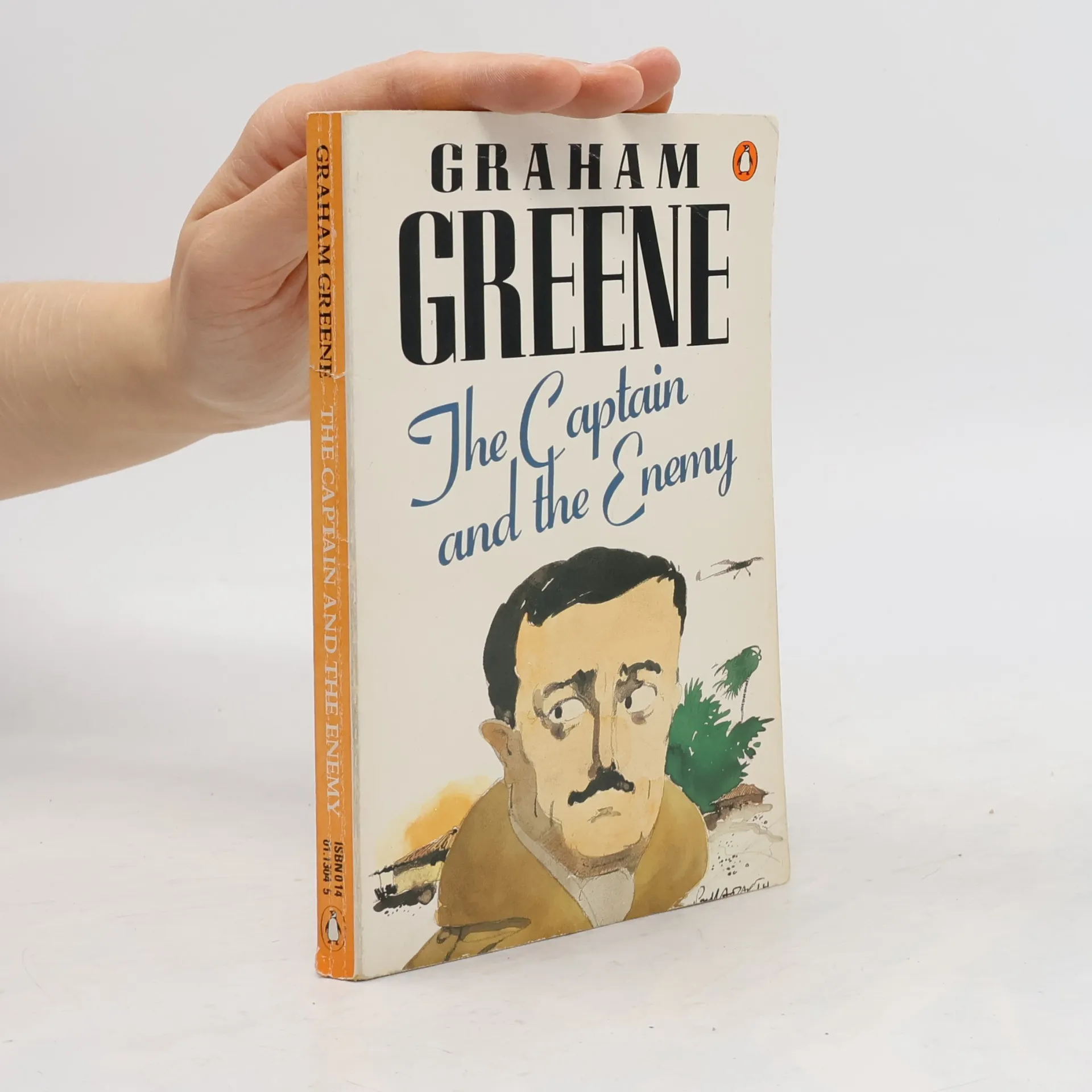
Victor Baxter is a young boy when a secretive stranger known simply as "the Captain" takes him from his boarding school to live in London. Victor becomes the surrogate son and companion of a woman named Liza, who renames him "Jim" and depends on him for any news about the world outside their door. Raised in these odd yet touching circumstances, Jim is never quite sure of Liza's relationship to the Captain, who is often away on mysterious errands. It is not until Jim reaches manhood that he confronts the Captain and learns the shocking truth about the man, his allegiances, and the nature of love. This Penguin Classics edition features an introduction by John Auchard.
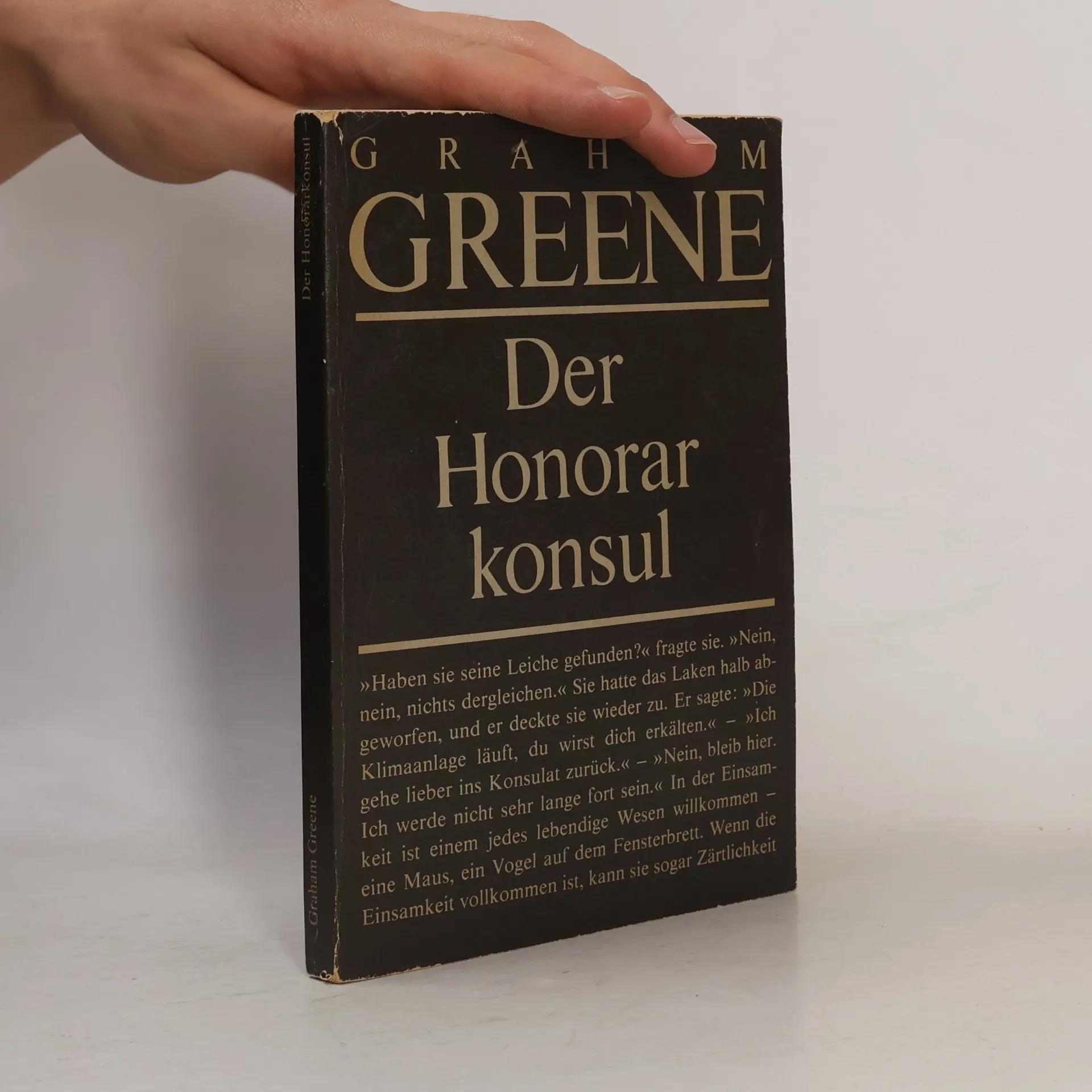
Děj se odehrává na jihoamerickém kontinentě. Osou příběhu je amatérský omyl paraguayských partyzánů, kteří na severu Argentiny unesou místo amerického velvyslance bezvýznamného britského honorárního konzula.
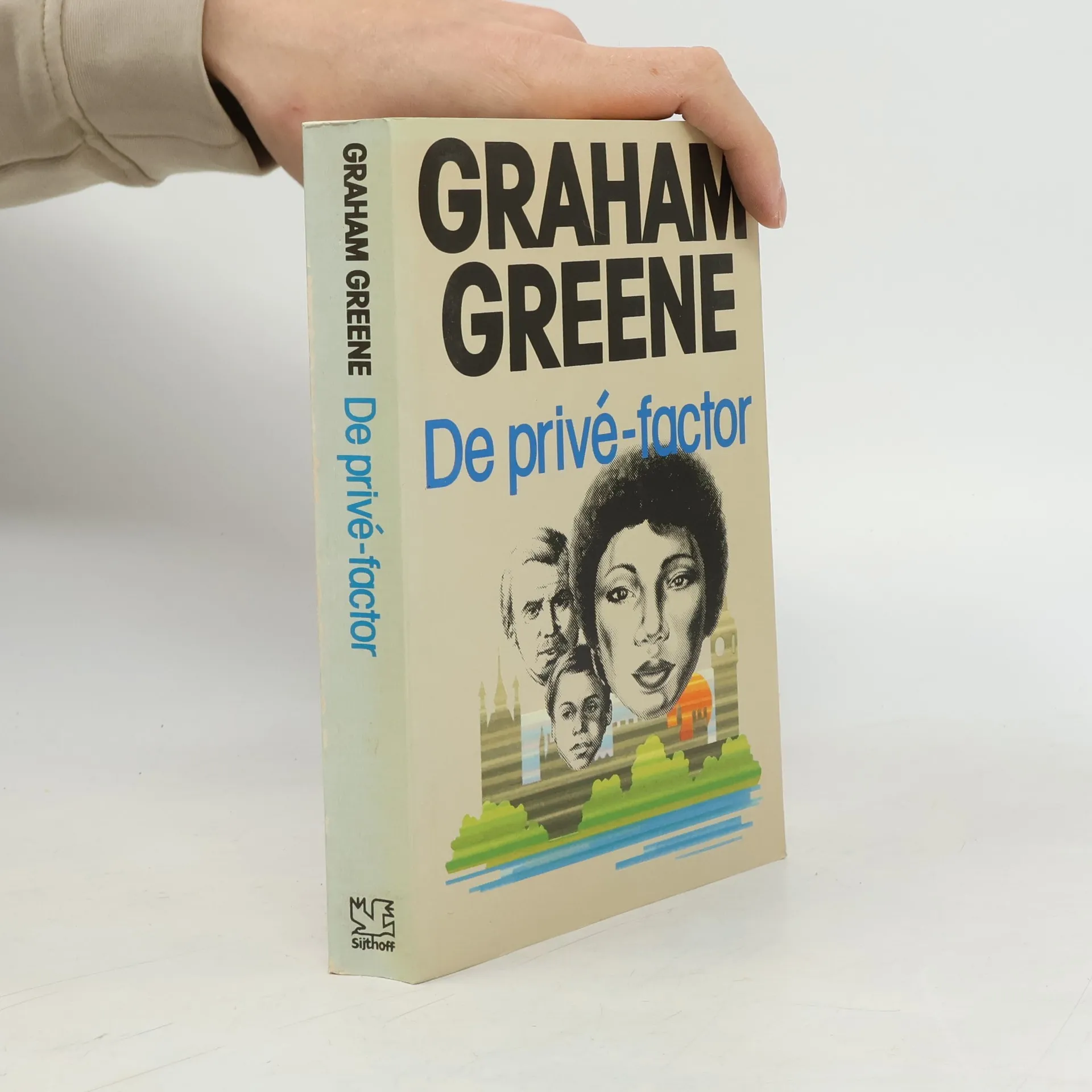
De privé-factor
- 240 stránok
- 9 hodin čítania
De ontdekking van een lek bij de Britse geheime dienst leidt op tragische wijze tot de ontmaskering van de ware aard der betrokkenen.
At age 82, Clifton Fadiman continues his prolific publishing career, here presenting 62 of the world's best short stories from 16 countries. His criteria? "Each story had to be both interesting and of high literary merit." Fadiman fulfills both requirements and much more, offering a cornucopia of superior 20th-century writers that includes Franz Kafka, D. H. Lawrence, Isaac Babel, F. Scott Fitzgerald, William Faulkner, Ernest Hemingway, John Cheever, Sean O'Faolain, Graham Greene, Robert Penn Warren, Colette, John Updike, Donald Barthelme, and James Thurber. (Regrettably, J. D. Salinger is not included due to lack of permission.) Here is a truly remarkable collection of this century's short stories that readers from all over the world will read with delight.
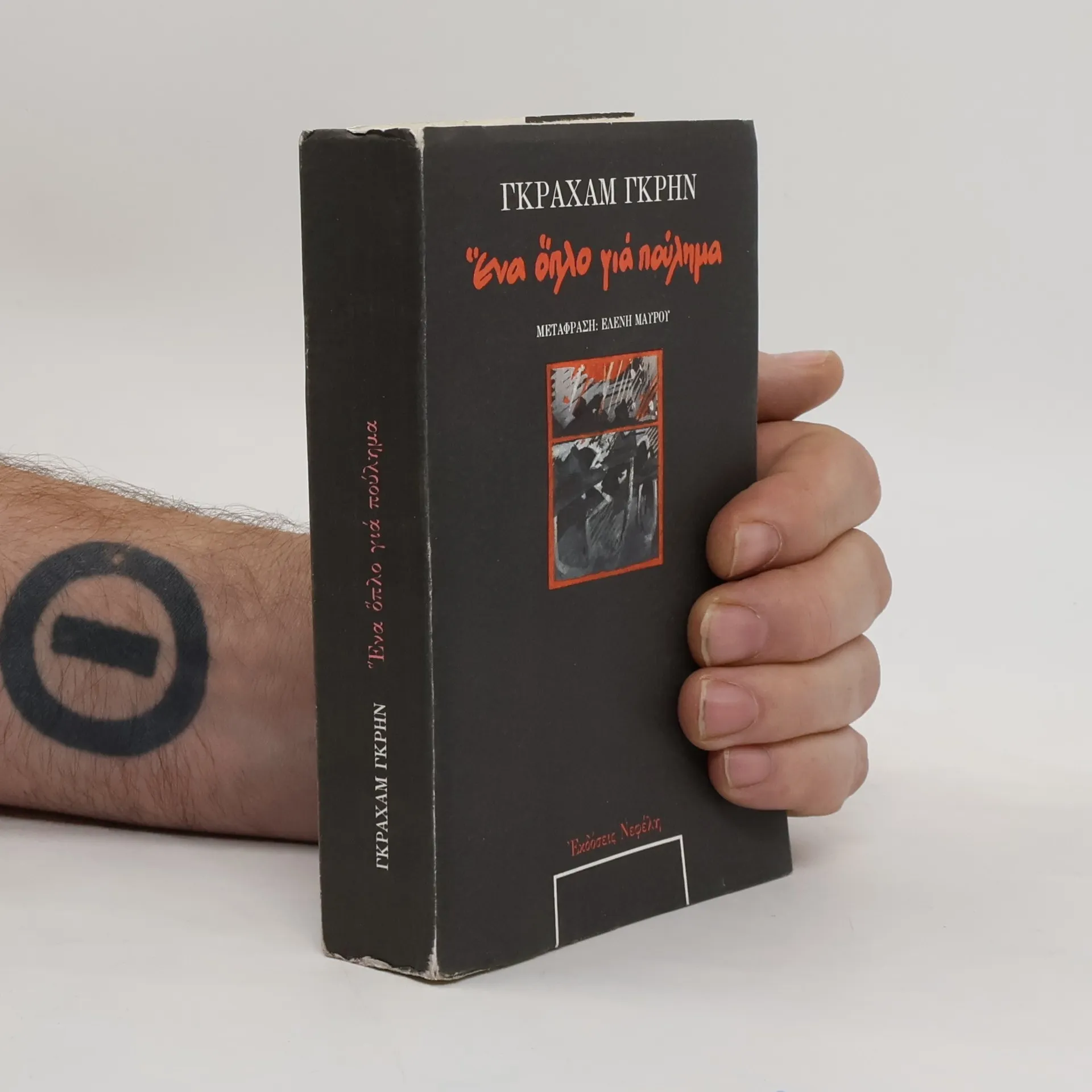
Ένα όπλο για πούλημα
- 360 stránok
- 13 hodin čítania
"Μια δολοφονία για τον Ράβεν, δε σήμαινε και πολλά πράγματα. Ήταν απλά μια καινούργια δουλειά. Έπρεπε να προσέχει, να βάζει το μυαλό του να δουλεύει. Το μίσος, ήταν γι΄αυτόν πολυτέλεια. ?.Ο κρύος άνεμος μαστίγωσε το πρόσωπο του Ράβεν ενώ βάδιζε στη φαρδιά Κοντινένταλ Στρίτ. Καλή δικαιολογία για να σηκώσει το γιακά του παλτού του και να κρύψει το στόμα του. Η λαγοχειλία ήταν ένα σοβαρό μειονέκτημα στη δουλειά του. Όταν έχεις ένα τόσο χαρακτηριστικό σημάδι, δε γίνεται να μην είσαι αδίστακτος στις μεθόδους που χρησιμοποιείς. Γι΄αυτό, ο Ράβεν έπρεπε πάντα να προσέχει να μην αφήνει ίχνη?"
Dva romány snažící se o průhled do nitra moderního člověka a postižení jeho psychologie. V Jádru věci jde o příběh netypického policejního úředníka, jehož smysl pro spravedlnost naráží na bariéru zkorumpovaného koloniálního prostředí a který nakonec podlehne beznaději. Konec dobrodružství je milostný příběh z Londýna na konci války. Citový vztah spisovatele a vdané ženy přerůstá v životní lásku, ale ta skončí ve slepé uličce, protože každý z partnerů usiluje o něco jiného a pravdu o sobě se dovídají až po letech, kdy hrdinka umírá na zápal plic.
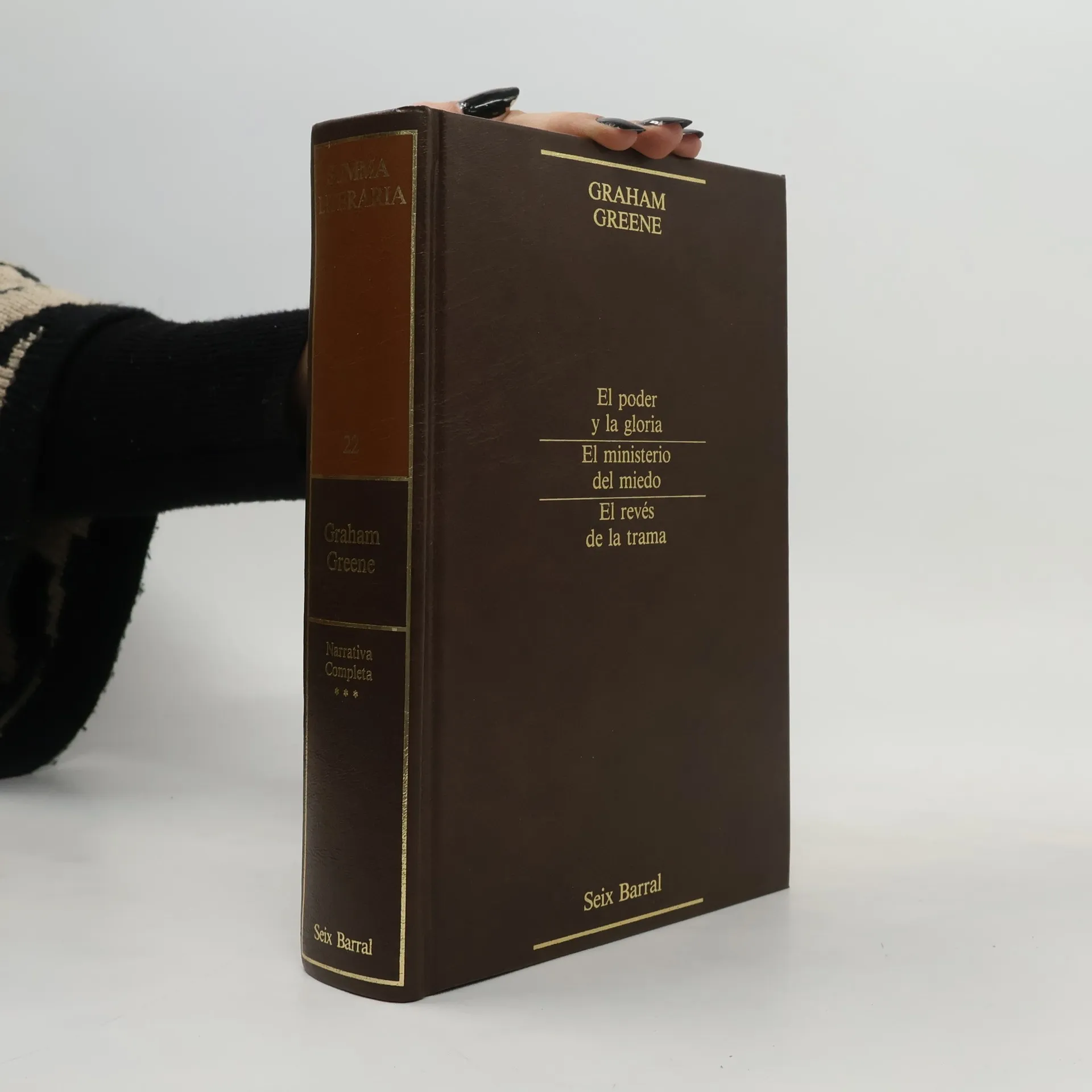
El poder y la gloria / El ministerio del miedo / El revés de la trama
Narrativa Completa
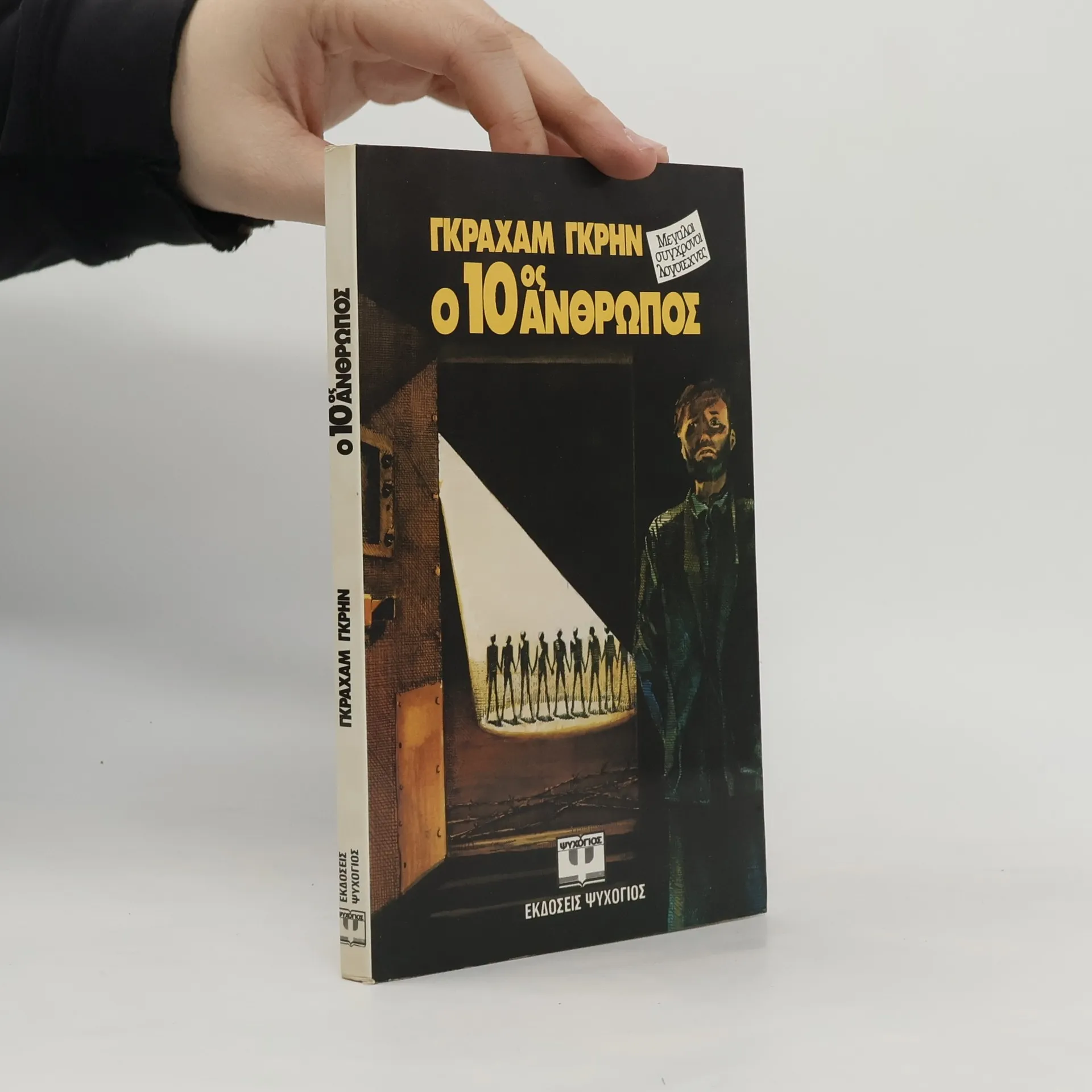
Ο 10ος άνθρωπος
- 156 stránok
- 6 hodin čítania
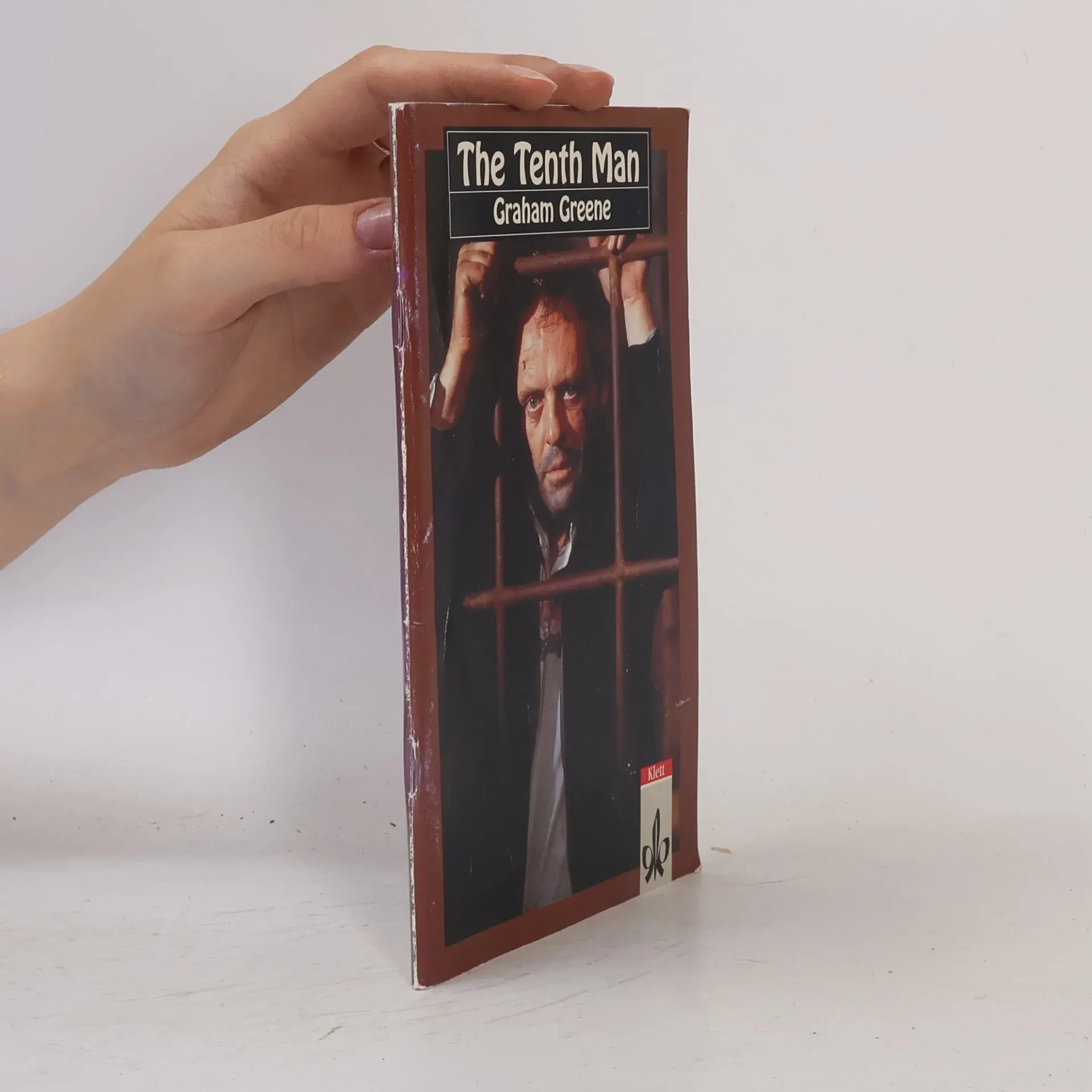
The Tenth Man
- 88 stránok
- 4 hodiny čítania
Englisch; Lektüre; Kommentar für Lehrperson.
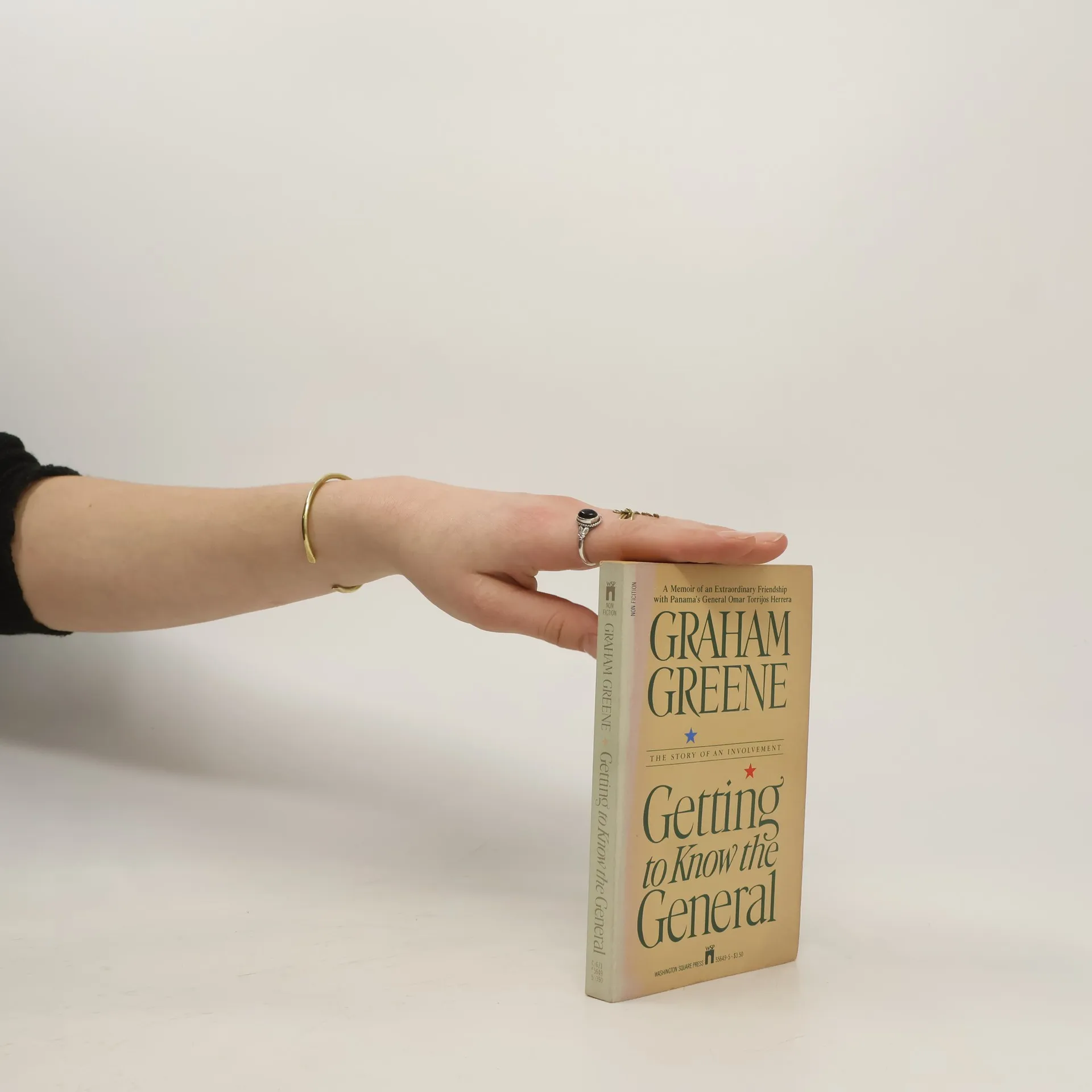
Getting to Know the General
- 220 stránok
- 8 hodin čítania
'In August 1981 my bag was packed for my fifth visit to Panama when the news came to me over the telephone of the death of General Omar Torrijos Herrera, my friend and host. . . At that moment the idea came to me to write a short personal memoir. . . of a man I had grown to love over those five years' GETTING TO KNOW THE GENERAL is Graham Greene's account of a five-year personal involvement with Omar Torrijos, ruler of Panama from 1968-81 and Sergeant Chuchu, one of the few men in the National Guard whom the General trusted completely. It is a fascinating tribute to an inspirational politician in the vital period of his country's history, and to an unusual and enduring friendship.
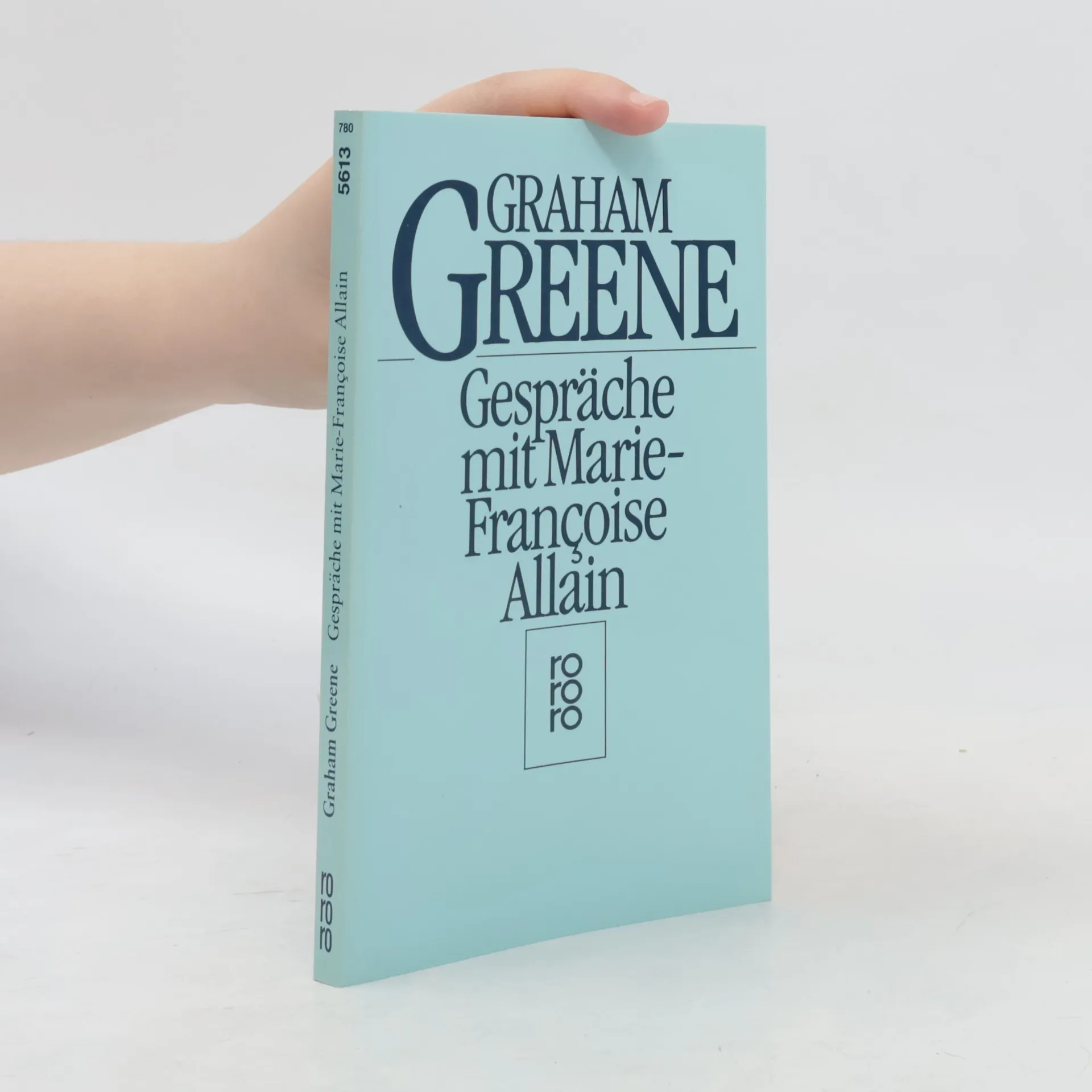
Gespräche mit Marie-Françoise Allain
- 183 stránok
- 7 hodin čítania
Libro usado en buenas condiciones, por su antiguedad podria contener señales normales de uso
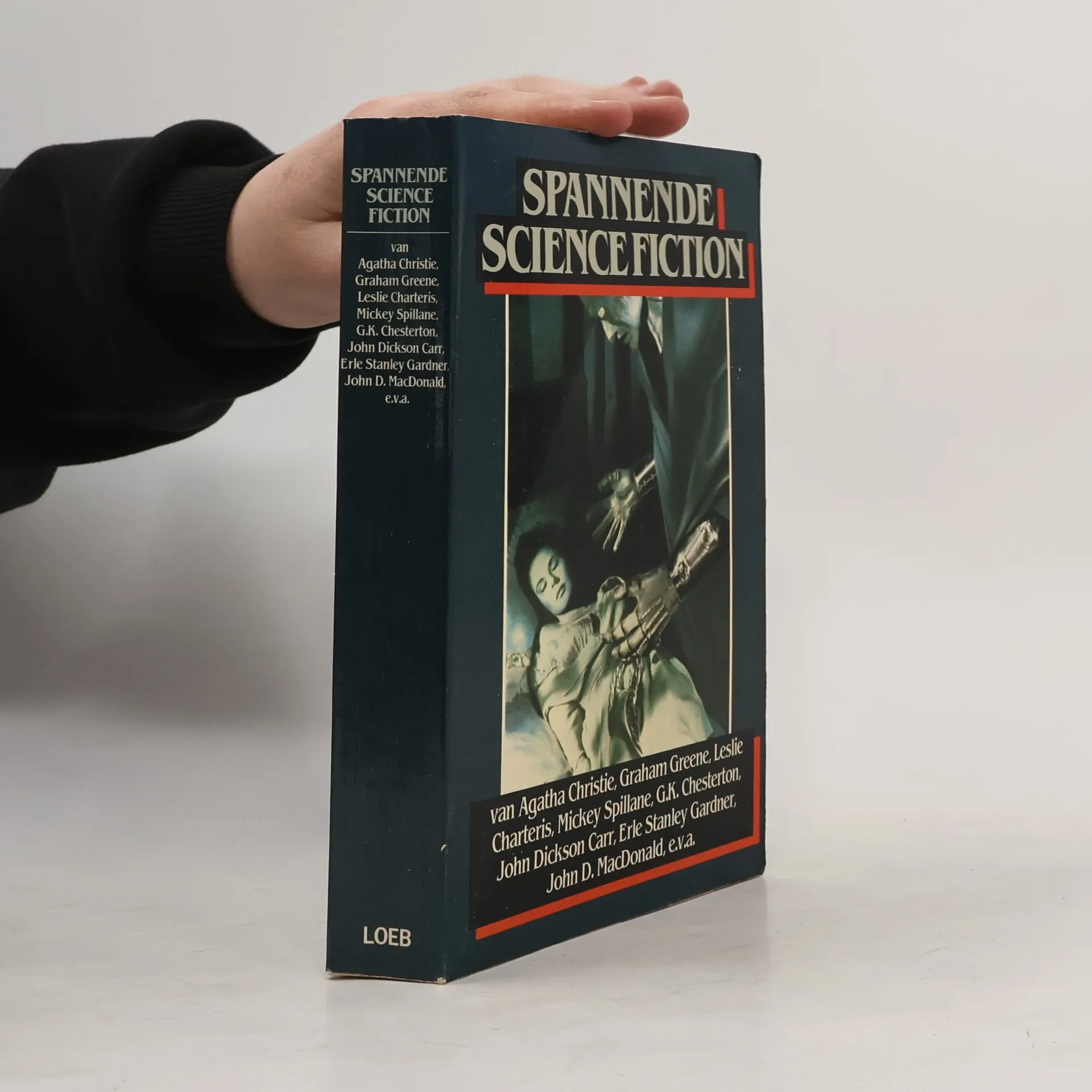
Spannende Science Fiction
- 423 stránok
- 15 hodin čítania
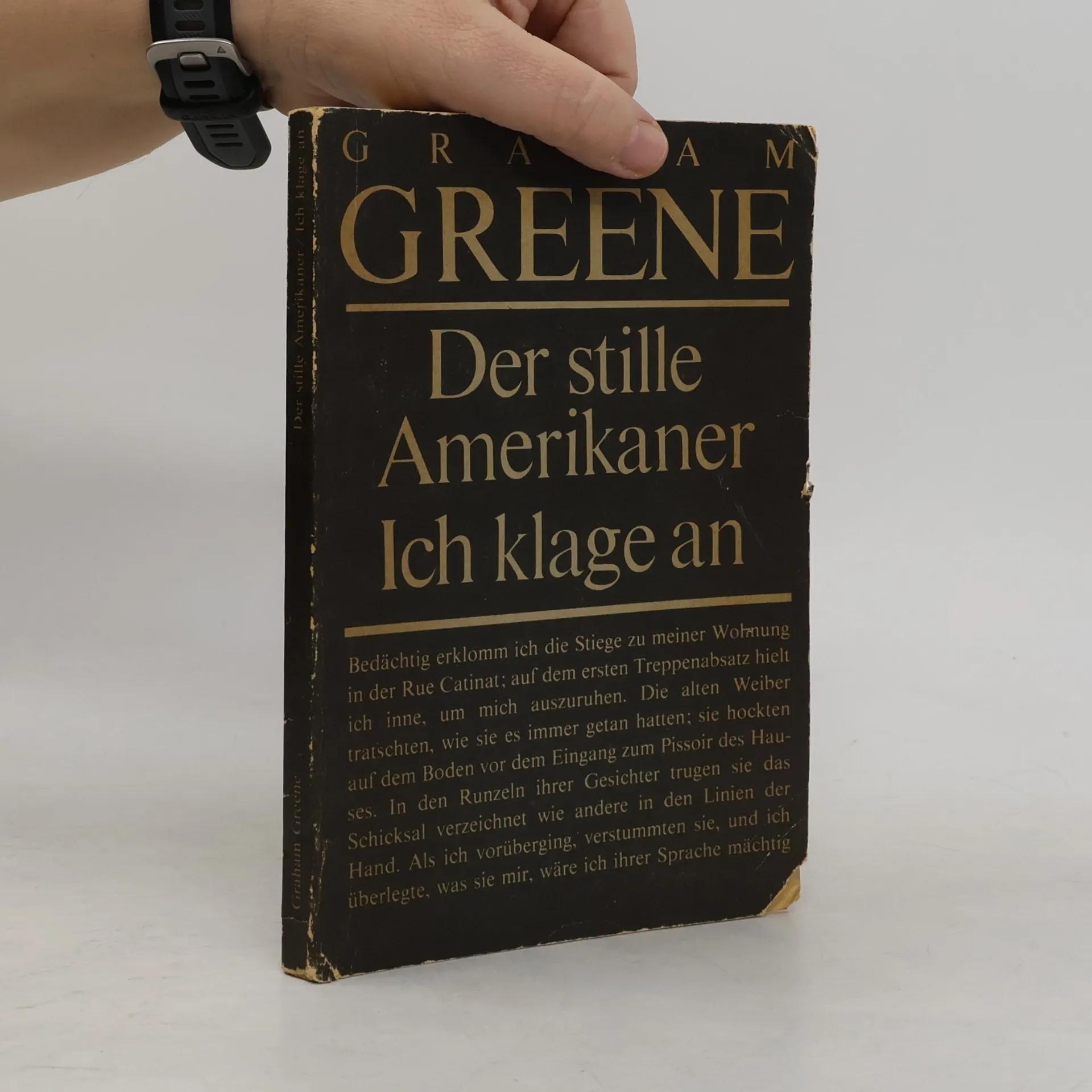
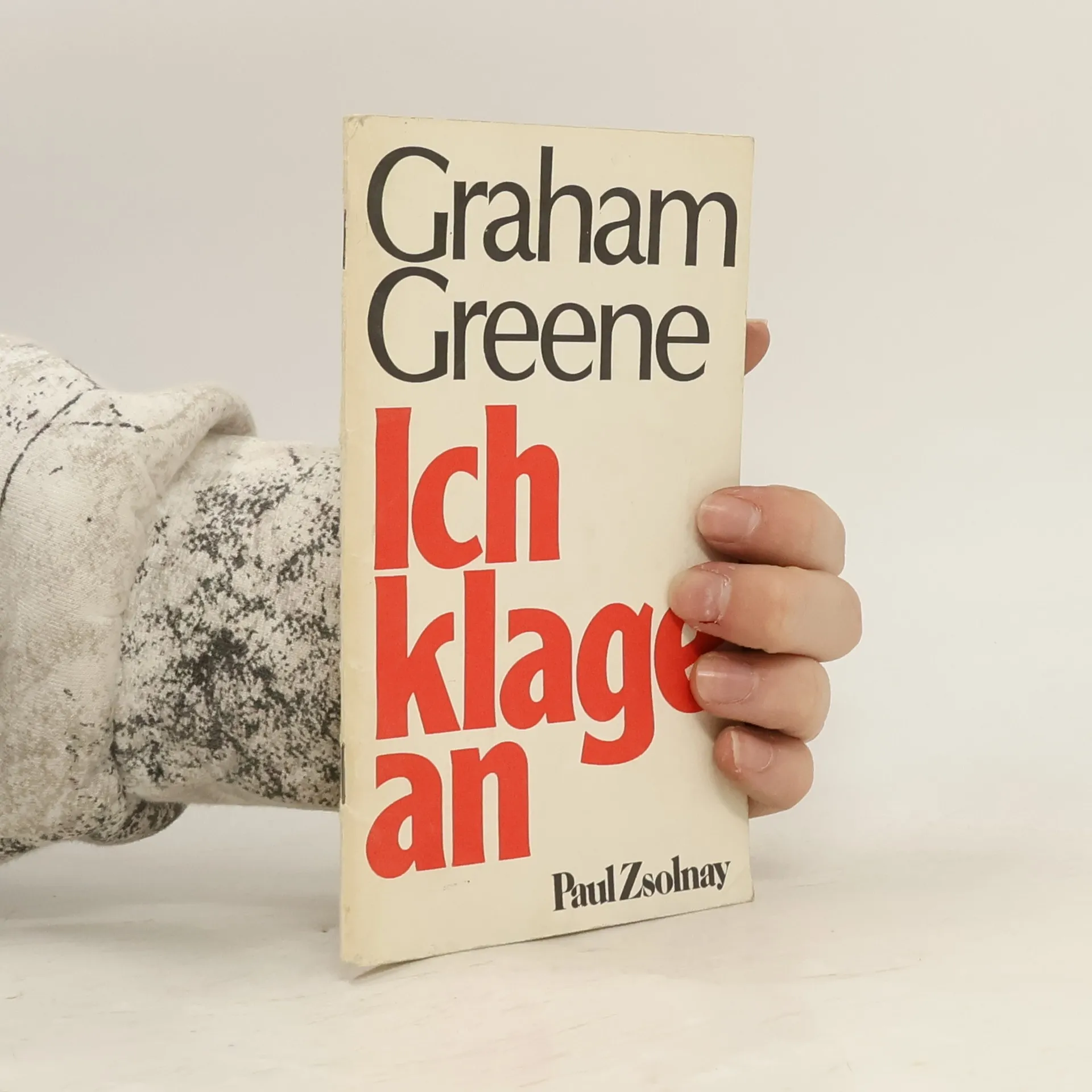
„Organisiertes Verbrechen“ bleibt so lange ein teil toter Statistiken, bis man an Hand der Wirklichkeit zeigt, was es bedeutet. In Nizza gedeiht das „organisierte Verbrechen“, stellte Greene fest, unter Schutz von Polizei und Gerichten. Wie Zola in seinem berühmten "J'accuse„ die Wiederaufnahme der Affäre Dreyfus erzwang, will Graham Greene mit “Ich klage an" der Korruption die Maske herunterreißen. Und wie Zola spricht Graham Greene, seinem Auftrag getreu, im Namen der Opfer.
Monsignor Quijote. Tvorba národov
- 200 stránok
- 7 hodin čítania
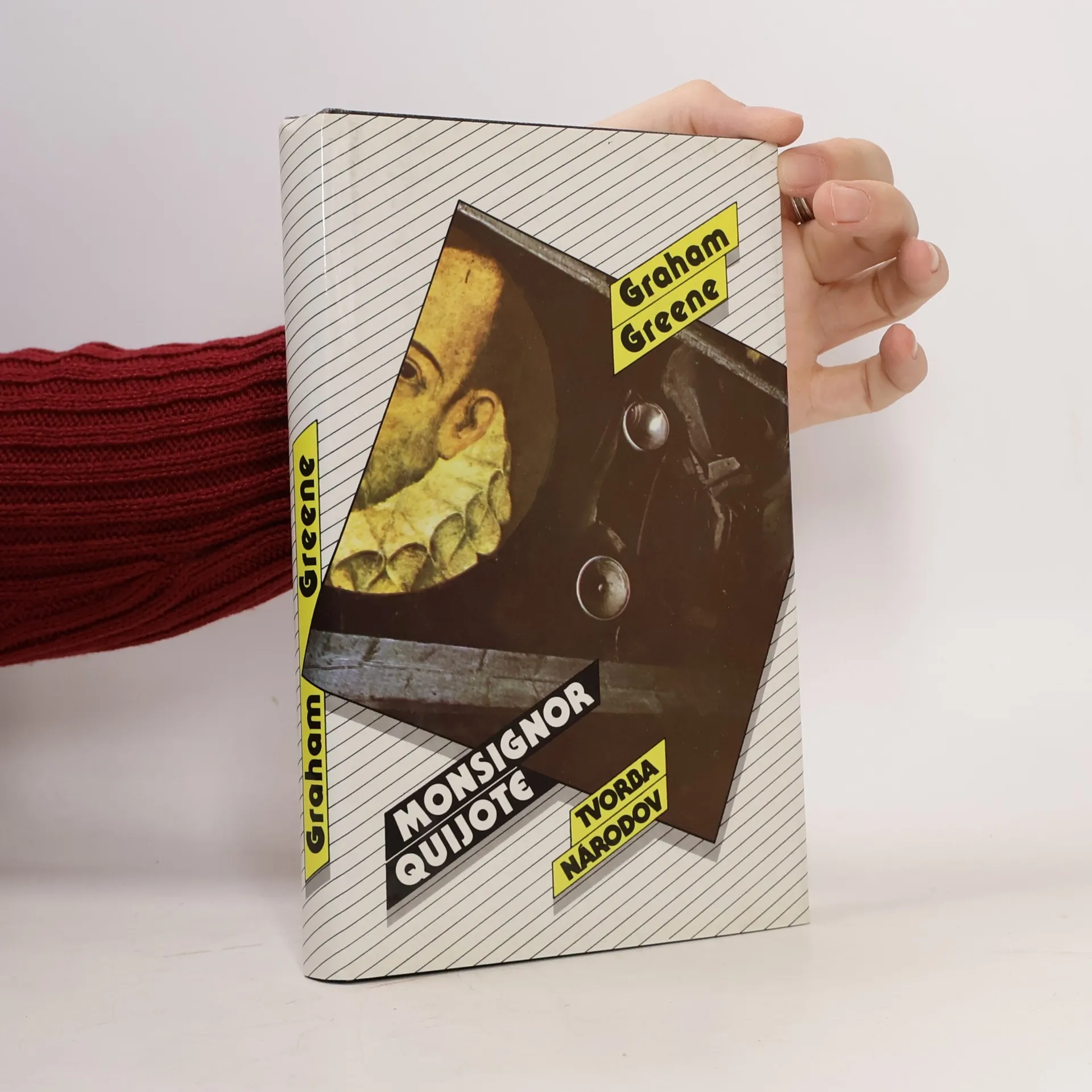
Moderná parafráza slávneho Cervantesovho románu Don Quijote. Hrdinom tragikomického príbehu je nasledovník Dona Quijota, skromný vidiecky farár Quijote v španielskej obci Toboso. Viac-menej nedopatrením je povýšený na monsignora, svoje staré rozhegané auto volá Rosinante podobne ako Don Quijote svoju mitru a na potulky sa vyberie s bývalým komunistickým starostom obce Sanchom, s ktorým sa priatelí. Spolu cestujú do Španielska, prežívajú veselé i vážne dobrodružstvá a dostávajú sa do konfliktu s políciou. Hlavnou myšlienkovou náplňou sú filozofické dišputy oboch priateľov, ktorí sú si ľudsky blízki, obhajujú na pohľad protichodné názory a vyhľadávajú slabiny protivníka. V ich rozhovoroch je trocha ironický humor. Za výrokmi oboch protagonistov cítiť úvahy a postoje samotného autora, o ktorom je známe, že sa vždy zasadzoval o humánne riešenie ľudských záležitostí a o existencie rôznych ideí a ich zbližovanie. Vydanie prvé.





![Graham Greene, Doktor Fischer ze Ženevy, aneb, Večírek s třaskavinou : [příležitostný tisk k premiéře] ve Stavovském divadle 5. a 6. prosince 1996](https://rezised-images.knhbt.cz/1920x1920/90510872.webp)