


Z Knihobotu sa stal Bookbot!
Bookbot

Maurice Halbwachs

    11. marec 1877 – 16. marec 1945
    Maurice Halbwachs
    Suhrkamp Taschenbuch Wissenschaft - 538: Das Gedächtnis und seine sozialen Bedingungen
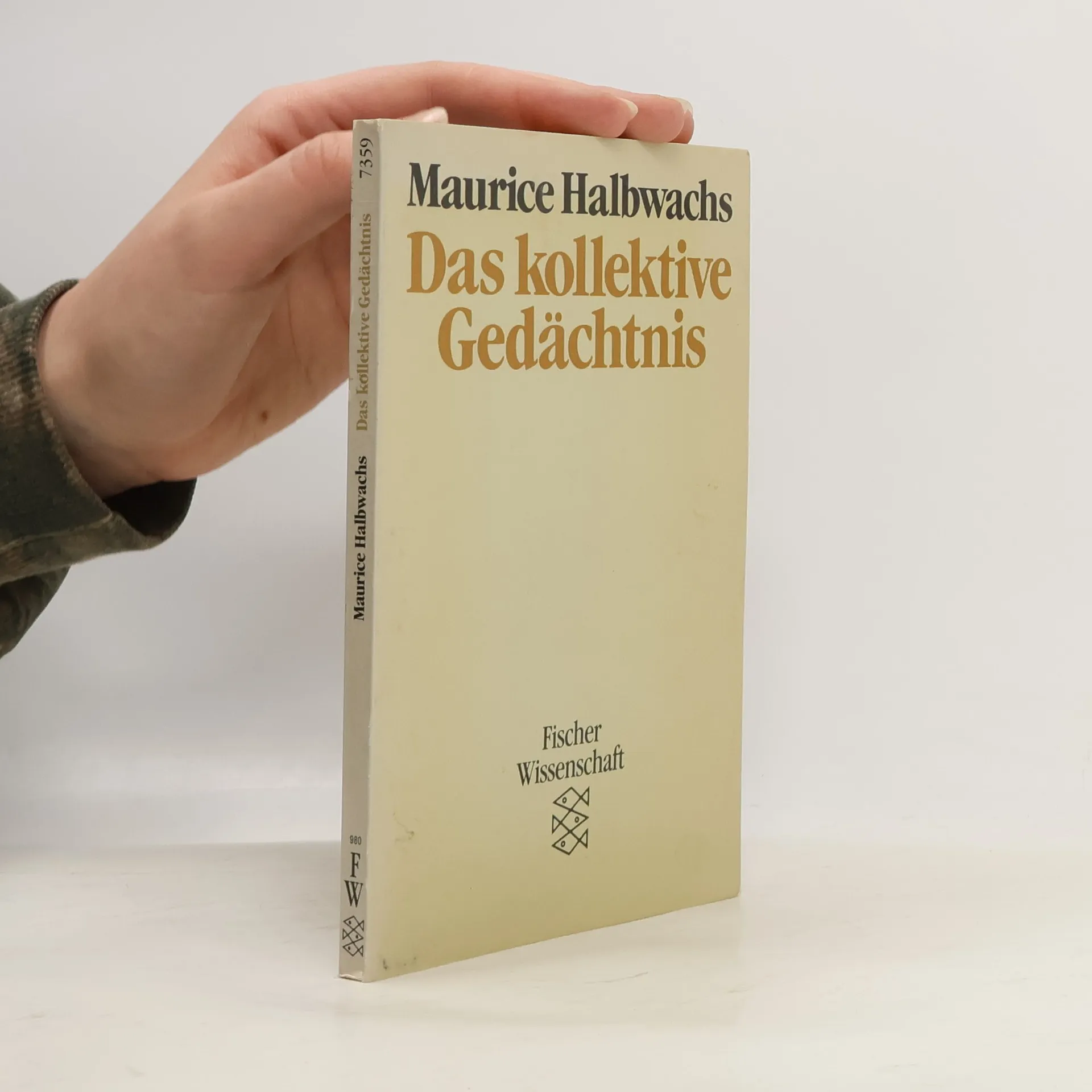
    Das kollektive Gedächtnis
    Das Gedächtnis
    La Mémoire collective
    On Collective Memory
    Pôvod náboženského vedomia podľa E. Durkheima
    • Durkheimovo dielo našlo v osobnosti Mauricea Halbwachsa jedinečného interpreta... V knižke o počiatkoch náboženského vedomia podľa Durkheima Halbwachs vyložil v koncentrovanej podobe myšlienky svojho učiteľa. Ján Komorovský Ak by sme dobre pochopili povahu jedného náboženstva, akokoľvek jednoduchého, mohli by sme mať zároveň šancu postihnúť to, čo je podstatné v každom náboženstve. ...zatiaľ čo sa zdá, že náboženstvo spočíva celé vo vnútri jednotlivca, práve spoločnosť je živým prameňom, z ktorého sa napája... Bohovia umierajú vtedy, keď umiera národ, pretože... bohovia sú len symbolicky chápanými národmi... V náboženstve je čosi... čo je predurčené, aby prežilo všetky jednotlivé symboly, do ktorých sa náboženské myslenie postupne zahalilo. Doslov napísal prof. PhDr. Ján Komorovský CSc. Vydanie prvé

      Pôvod náboženského vedomia podľa E. Durkheima
    • On Collective Memory

      • 254 stránok
      • 9 hodin čítania
      3,9(336)Ohodnotiť

      How do we use our mental images of the present to reconstruct our past? Maurice Halbwachs (1877-1945) addressed this question for the first time in his work on collective memory, which established him as a major figure in the history of sociology. This volume, the first comprehensive English-language translation of Halbwach's writings on the social construction of memory, fills a major gap in the literature on the sociology of knowledge.Halbwachs' primary thesis is that human memory can only function within a collective context. Collective memory, Halbwachs asserts, is always selective; various groups of people have different collective memories, which in turn give rise to different modes of behavior. Halbwachs shows, for example, how pilgrims to the Holy Land over the centuries evoked very different images of the events of Jesus' life; how wealthy old families in France have a memory of the past that diverges sharply from that of the nouveaux riches; and how working class construction of reality differ from those of their middle-class counterparts.With a detailed introduction by Lewis A. Coser, this translation will be an indispensable source for new research in historical sociology and cultural memory.Lewis A. Coser is Distinguished Professor of Sociology Emeritus at the State University of New York and Adjunct Professor of Sociology at Boston College.

      On Collective Memory
    • Halbwachs' Buch ist ein Klassiker der Soziologie und zugleich Ausgangs- und Bezugspunkt der Gedächtnisforschung, die in den letzten Jahrzehnten in der Geschichts-, aber auch der Kultur- und Literaturwissenschaft einen Forschungsbereich von herausragender Bedeutung darstellte. Halbwachs geht in seinem Buch, das erstmals 1925 erschien, von der Beobachtung aus, daß nicht nur einzelne Menschen über eine Erinnerung verfügen, sondern auch Gesellschaften und alle Formen von sozialen Gruppen ein kollektives Gedächtnis ausbilden, das der eigenen Identitätssicherung und -stabilisierung dient. Diese These eines kollektiven Gedächtnisses bestimmt bis heute Theoreme der Gedächtnisforschung, wie nicht zuletzt Pierre Noras großangelegte Geschichte der »Gedächtnisorte «, der »lieux de mémoire«, zeigt.

      Suhrkamp Taschenbuch Wissenschaft - 538: Das Gedächtnis und seine sozialen Bedingungen