Z Knihobotu sa stal Bookbot!
Bookbot

László Krasznahorkai

    5. január 1954

    László Krasznahorkai je maďarský prozaik a scenárista, známy svojimi literárne náročnými románmi s dystopickými a melancholicky ponurými témami. Jeho diela sú často označované za postmoderné a vyznačujú sa jedinečným, hypnotickým štýlom. Spolupráca s režisérom Bélom Tarrom na niekoľkých filmoch prispela k jeho medzinárodnému veДоu. Krasznahorkaiho texty skúmajú temné stránky existencie a ľudského údelu s mimoriadnou naliehavosťou a literárnou silou.

    László Krasznahorkai
    Baron Wenckheim's Homecoming
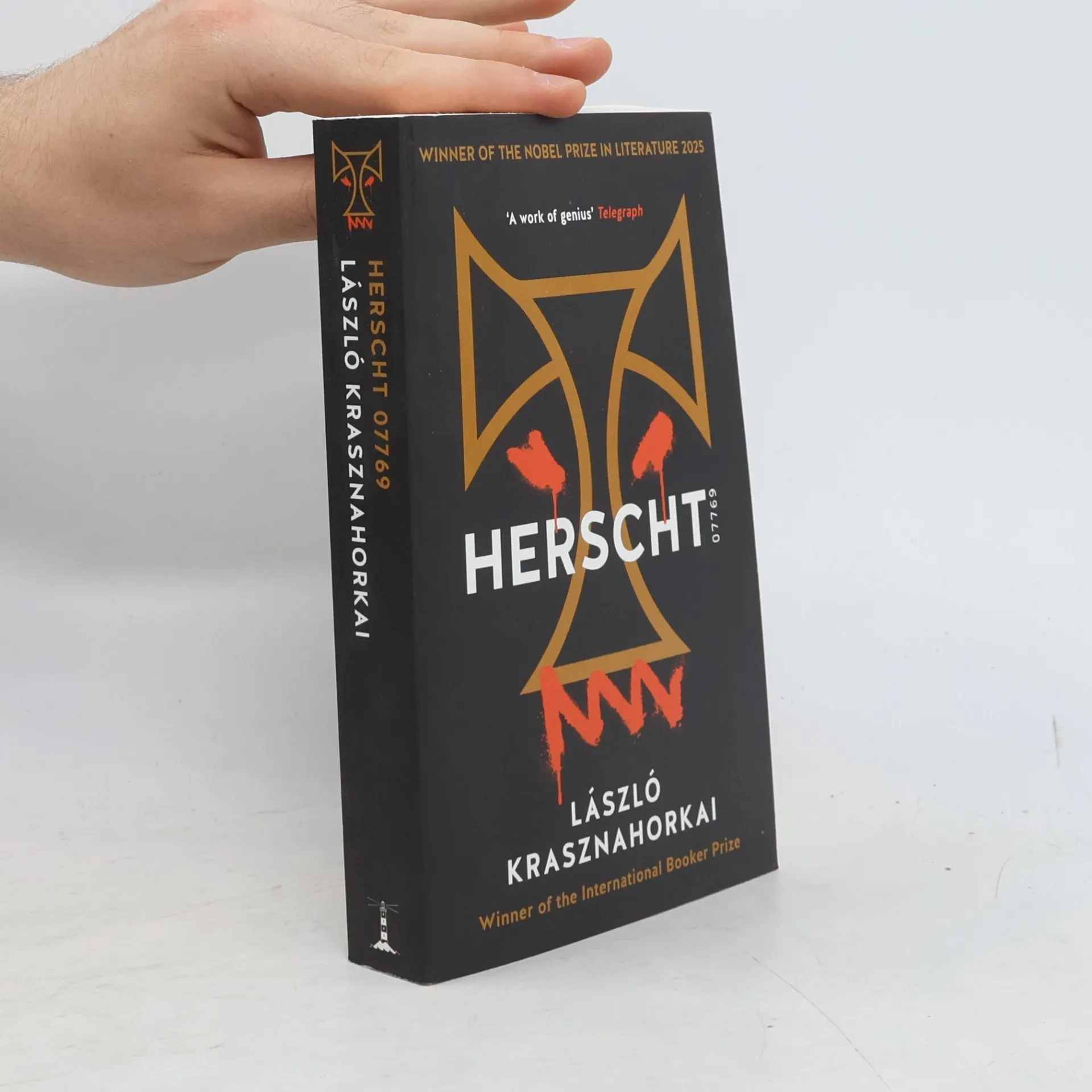
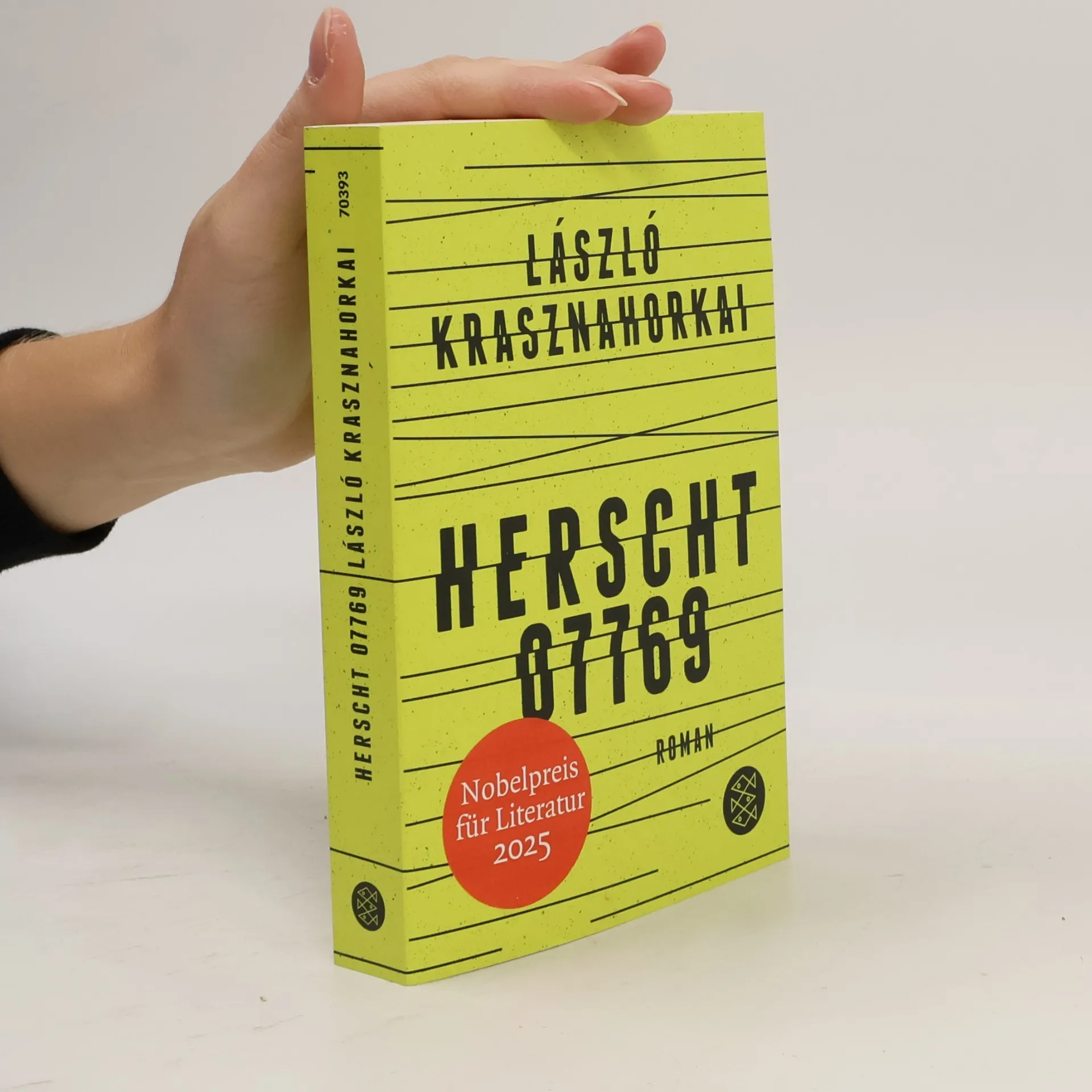
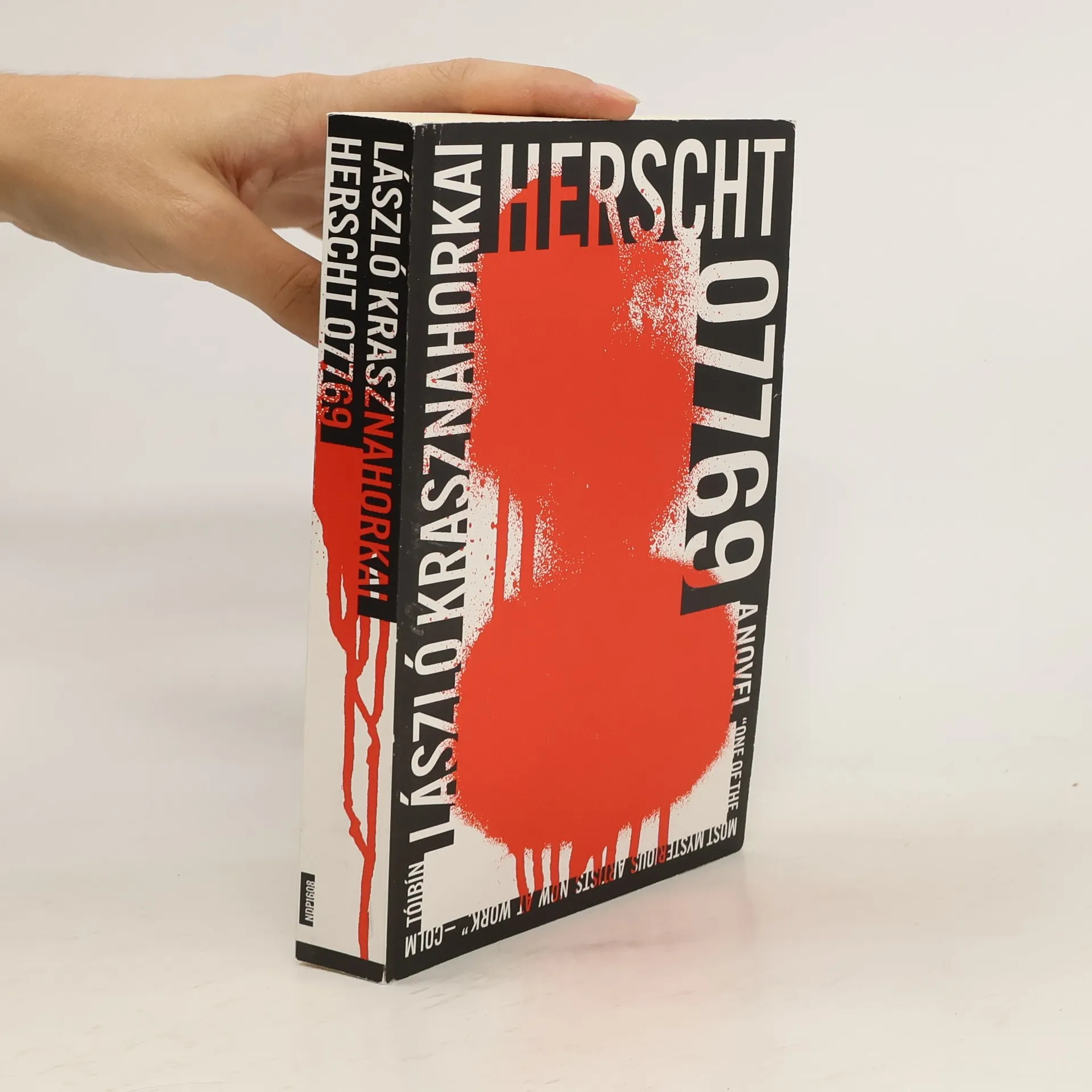
    Herscht 07769
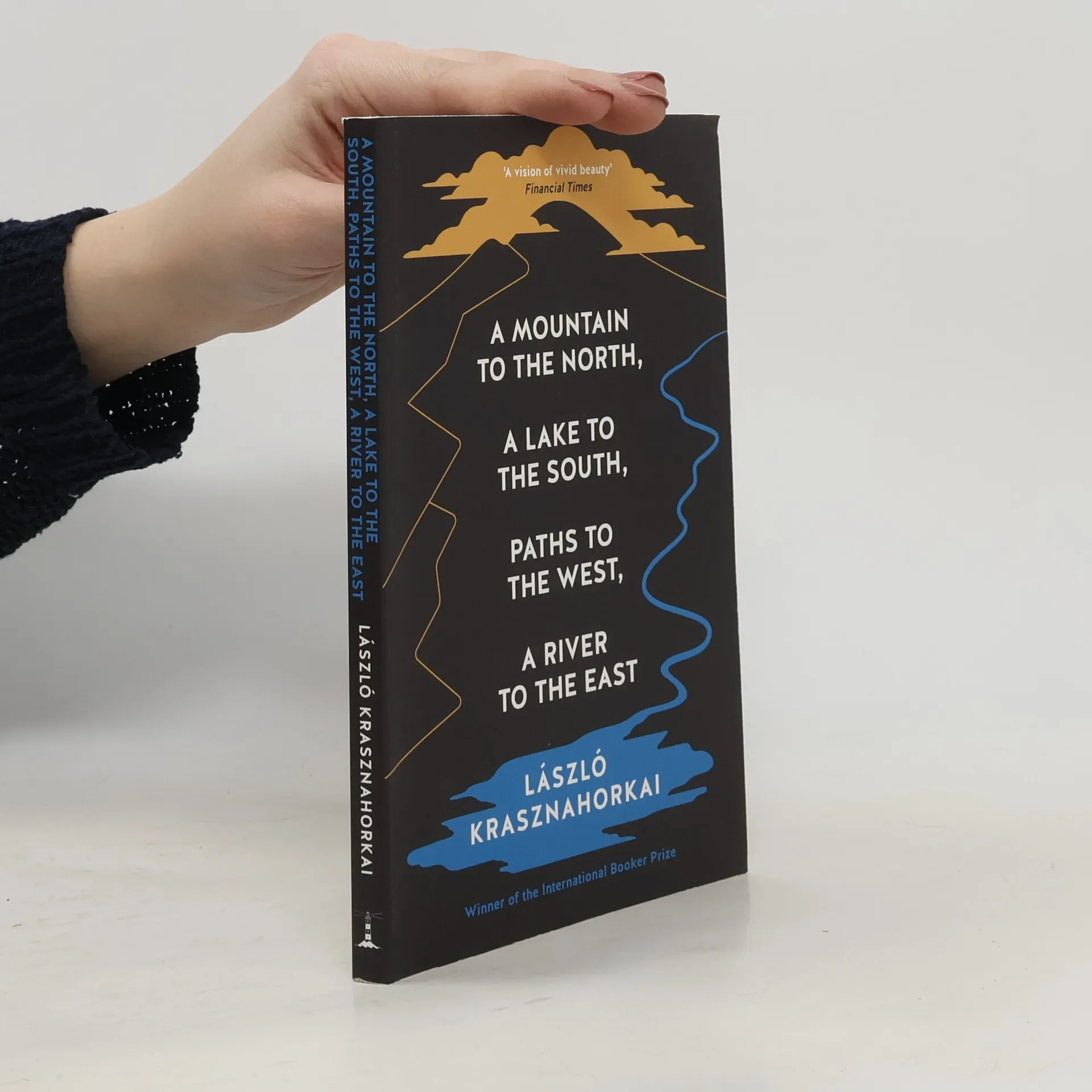
    A Mountain to the North, A Lake to The South, Paths to the West, A River to the East
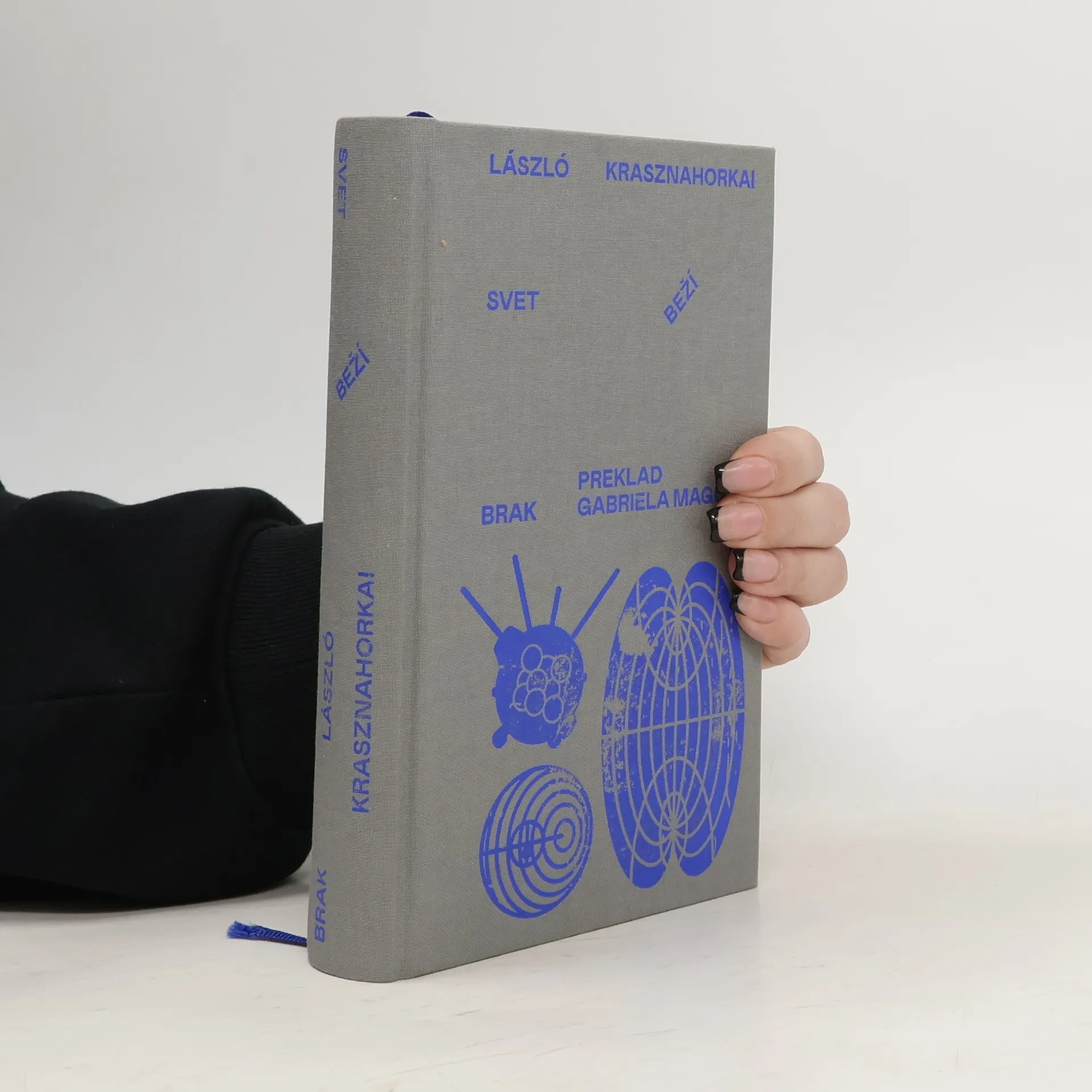
    Svet beží
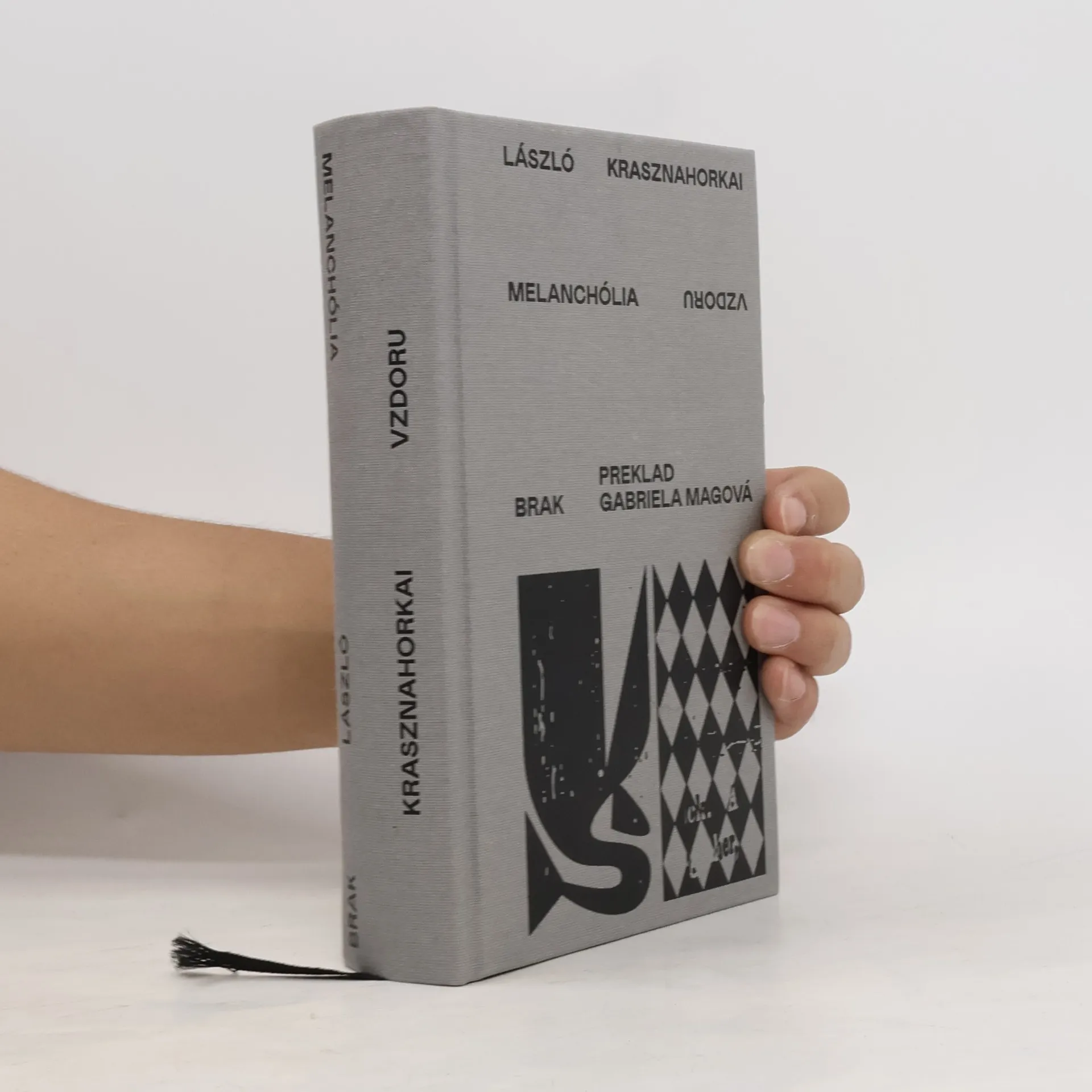
    Melanchólia vzdoru
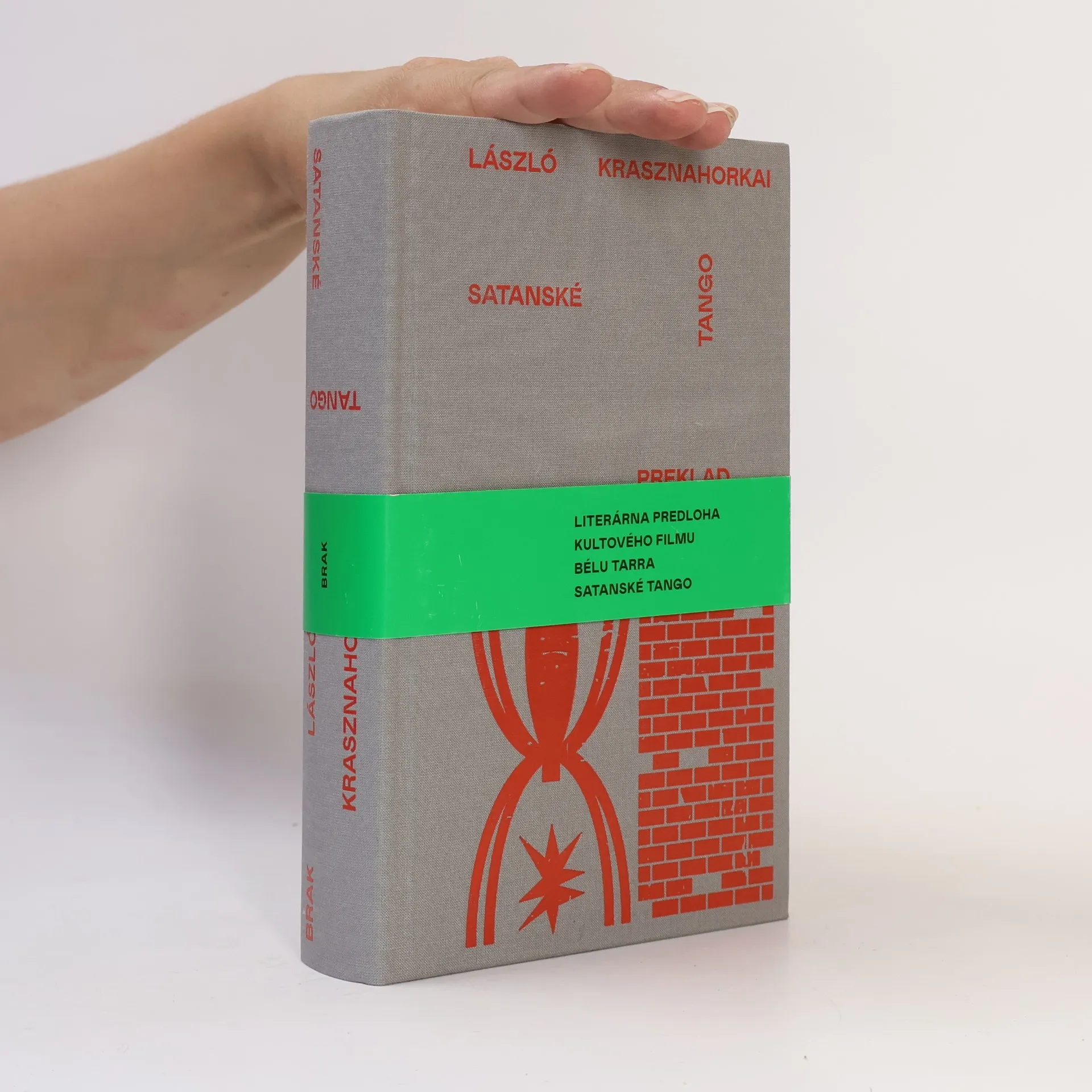
    Satanské tango
    • Satanské tango

      • 356 stránok
      • 13 hodin čítania
      4,3(581)Ohodnotiť

      Na odľahlej rovine sužovanej vetrom a neustálym dažďom žije bezútešne posledných niekoľko členov upadajúceho hospodárstva a bezmocne čakajú na zázrak, ktorý by im prinavrátil stratenú budúcnosť. Medzitým spriadajú intrigy, navzájom sa špehujú, podvádzajú, okrádajú. Až jedného dňa dostanú správu, že do osady sa vracia Irimiáš, ktorý bol považovaný za mŕtveho. To vzbudí v malej komunite osadníkov rozporuplné reakcie – u jednej to vyvolá nečakanú nádej pripisovanú príchodu mesiáša a druhí sa obávajú pomsty a zatratenia. Autor všetko udržiava dôsledne zahalené v neprestajnej hmle, a tak tento apokalyptický, parodický román, ktorý inšpiroval Bélu Tarra ku kultovému rovnomennému filmu, nestráca svoju hrozivú aktuálnosť.


      Satanské tango
    • Melanchólia vzdoru

      • 424 stránok
      • 15 hodin čítania
      4,3(3178)Ohodnotiť

      Zlovestný cirkus priváža do vidieckeho mesta obrovské vypchaté zviera, veľrybu, samotného Leviatana. Čoskoro vypukne násilie a knihu ako celok možno opísať ako víziu, satirickú a prorockú, temnej historickej provincie, ktorá je známa pod názvom západná civilizácia. To, čo čitateľa zasiahne najsilnejšie v tejto knihe, ale vlastne v celom Krasznahorkaiho diele, sú neobyčajné vety, vety neuveriteľnej dĺžky, prechádzajúce nevyspytateľne zo vznešeného tónu do pojašeného, posmešného, bezútešného; impozantné vety ako lepiaca rolka zbierajú všetky možné čudné a nečakané veci a neúprosne ich akumulujú do odsekov, ktoré sú zároveň monumentálne, drsné a muzikálne.

      Melanchólia vzdoru
    • Svet beží

      • 200 stránok
      • 7 hodin čítania
      3,9(68)Ohodnotiť

      Cestovateľ, snažiac sa uniknúť z hlučnej biedy Váránasí, stretáva muža rozjímajúceho nad kvapkou vody. Detský robotník z portugalského mramorového lomu na jeden deň uniká zo svojho beznádejne ťažkého života. Opitý tlmočník v šanghajskej križovatke túži aspoň raz vidieť vodopád. Psychiatrický pacient snuje teóriu o Gagarinovi, ktorý objavil raj na zemi. Maliar verí, že v ženskom dekolte sa skrýva jeho milovaný kraj. Zbierka textov, v ktorej dominuje rozprávač, nás sprevádza filozofickými úvahami a existenciálnymi otázkami, pričom ich vyvažuje trpkou iróniou. Rozprávač nás zanecháva s poetickou rozlúčkou a textom, ktorý nevidíme, pričom vety sa rozpínajú a presviedčajú nás o autorovom presvedčení, že inak sa to napísať nedá. Zúfalstvo človeka, ktorý je na pokraji zániku a rezignuje na spomienky, sa konfrontuje s indiferentným svetom, ktorý jeho tragédiu ignoruje. Napriek tomu v nás zostáva nádej, že raz objavíme niečo, čo sa nás týka. Dielo porušuje konvencie a testuje hranice jazyka, pričom ponúka transcendentálny zážitok, ktorý je úplne odlišný od ostatného. László Krasznahorkai, maďarský prozaik, je nositeľom prestížnych literárnych ocenení.

      Svet beží
    • The grandson of Prince Genji lives outside of space and time and wanders the grounds of an old monastery in Kyoto. The monastery, too, is timeless, with barely a trace of any human presence. The wanderer is searching for a garden that has long captivated him. This novel by International Booker Prize winner Laszlo Krasznahorkai - perhaps his most serene and poetic work - describes a search for the[Bokinfo].

      A Mountain to the North, A Lake to The South, Paths to the West, A River to the East
    • The National Book Award winner's breathtaking new novel about neo-Nazis, particle physics, and Johann Sebastian Bach

      Herscht 07769
    • Baron Wenckheim's Homecoming

      • 608 stránok
      • 22 hodin čítania
      4,4(38)Ohodnotiť

      "Set in contemporary times, Baron Wenckheim's Homecoming tells the story of a Prince Myshkin-like figure, Baron Bela Wenckheim, who decides to return at the end of his life to the provincial Hungarian town of his birth. Having escaped from his many casino debts in Buenos Aires, where he was living in exile, he wishes to be reunited with his high school sweetheart Marika. What follows is an endless storm of gossip, con men, and local politicians, vividly evoking the small town's alternately drab and absurd existence. All along, the Professor--a world-famous natural scientist who studies mosses and inhabits a bizarre Zen-like shack in a desolate area outside of town--offers long rants and disquisitions on his own attempts to immunize himself from thought. Spectacular actions are staged, death and the abyss loom, until finally doom is brought down on the unsuspecting residents of the town"-- Provided by publisher

      Baron Wenckheim's Homecoming
    • Seiobo There Below

      • 451 stránok
      • 16 hodin čítania
      4,3(1266)Ohodnotiť

      A Japanese goddess returns to the mortal realms in search of a glimpse of perfection.

      Seiobo There Below
    • "This cahier is the result of a collaboration undertaken specially for The Cahiers Series, between a writer and a painter. Hungarian novelist László Krasznahorkai, author of The Melancholy of Resistance and War & War, responds with fourteen texts to fourteen depictions of a strange and ill-formed creature made by his friend the renowned German painter Max Neumann. The texts speak from within the head of Neumann's creature that seems to be menacing existence itself; serving, as they do so, to confirm Susan Sontag's estimate of Krasznahorkai as 'The Hungarian Master of Apocalypse'. All fourteen of Neumann's paintings are reproduced alongside the texts (translated by Ottilie Mulzet). The cahier is introduced with a preface by Irish novelist Colm Tóibín." http://www.sylpheditions.com/C14/c14.html.

      Animalinside
    • Winner of the 2015 Man Booker International Prize War & War begins at a point of danger: on a dark train platform Korim is on the verge of being attacked and robbed by thuggish teenagers. From here, we are carried along by the insistent voice of this nervous clerk. Desperate, at times almost mad, but also keenly empathic, Korim has discovered in a small Hungarian town's archives an antique manuscript of startling beauty: it narrates the epic tale of brothers-in-arms struggling to return home from a disastrous war.Korim is determined to do away with himself, but before he commits suicide, he feels he must escape to New York with the precious manuscript and commit it to eternity by typing it all out onto the world wide web. Following Korim with obsessive realism through the streets of New York (from his landing in a Bowery flophouse to his move far uptown with a mad interpreter), War and War relates his encounters with a fascinating range of people in a world torn between viciousness and mysterious beauty.Following the eight chapters of War & War is a short 'prequel acting as a sequel', 'Isaiah', which brings us to a dark bar, years before in Hungary, where Korim rants against the world and threatens suicide. Written like nothing else (turning single sentences into chapters), War & War affirms W. G. Sebald's comment that Krasznahorkai's prose far surpasses all the lesser concerns of contemporary writing.

      War and War
    • "In this literary diary, Krasznahorkai chronicles his attempts to fathom the life of Herman Melville, which is also the source of inspiration for his forthcoming novella Spadework for a Palace. Retracing Melville's steps, Krasznahorkai becomes engrossed in a web of chance encounters and coincidences that stretch from Manhattan to Nantucket, to London and to Berlin. Over the course of his wanderings, Krasznahorkai finds himself increasingly alienated from his present-day surroundings, drawn instead to the company of ghosts: the novelist Malcolm Lowry when he was down-and-out, the visionary architect Lebbeus Woods and of course - Melville himself. Ornan Rotem's photographic essay follows Krasznahorkai on his forays, both in space and time, creating a subtle portrait of a creative mind at work and the places he encounters."--Publisher

      The Manhattan Project