Z Knihobotu sa stal Bookbot!
Bookbot

Paul Verhaeghe

    5. november 1955
    Narcissus in mourning
    Says Who?
    On Being Normal and Other Disorders
    Does the Woman Exist?
    What about Me?
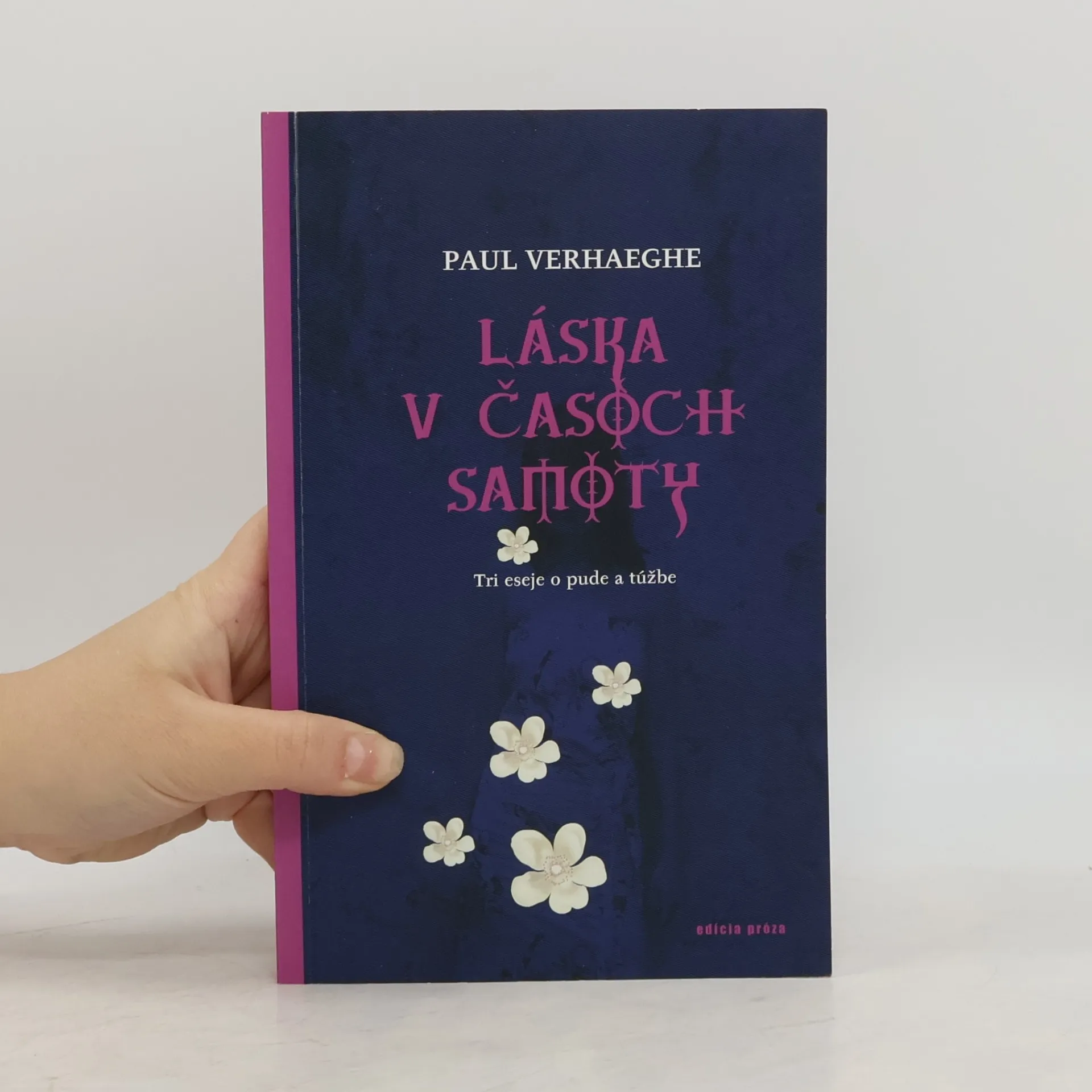
    Láska v časoch samoty
    • 2022

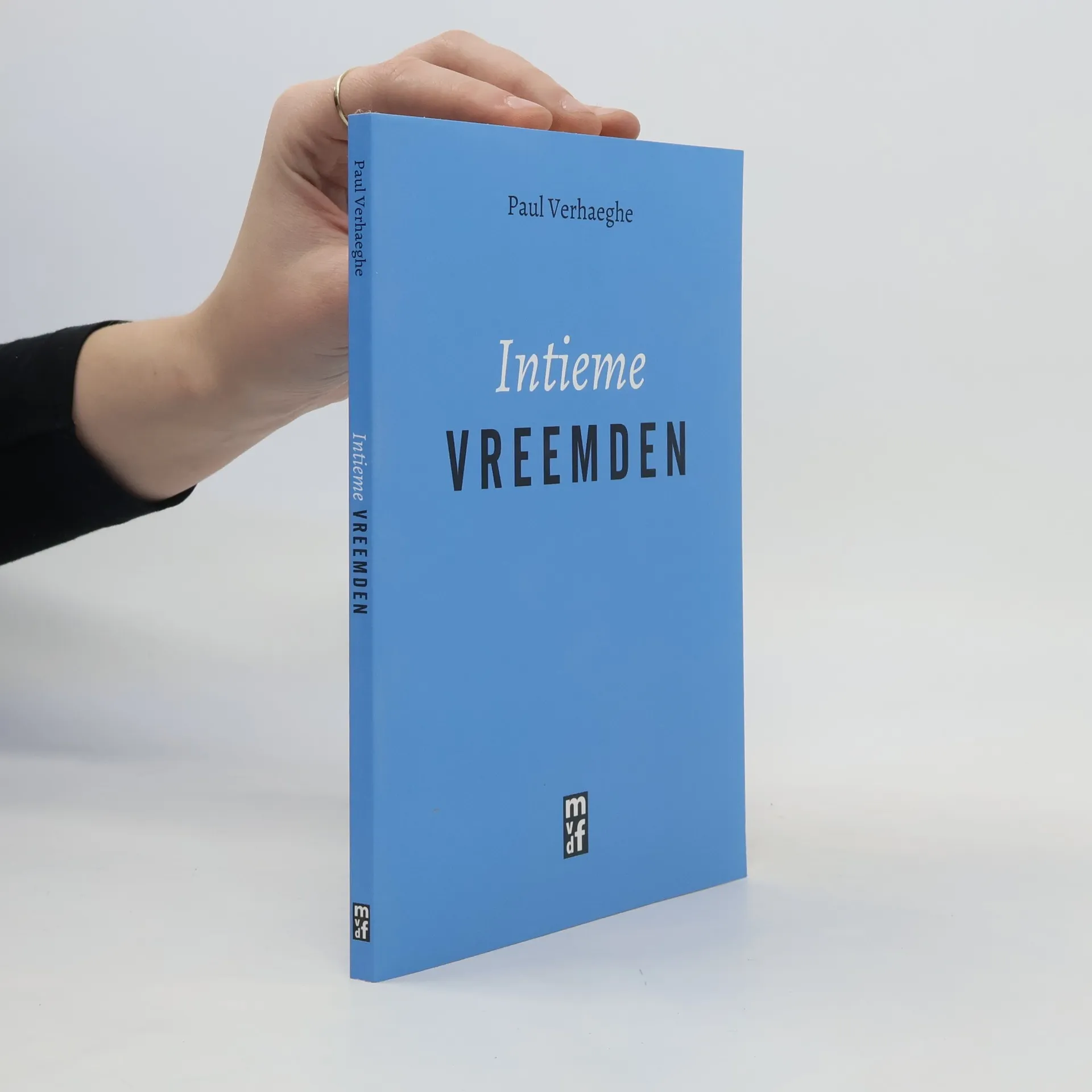
      Intieme vreemden

      • 79 stránok
      • 3 hodiny čítania

      In Intieme vreemden onderzoekt Paul Verhaeghe hoe ons zelfbeeld door de eeuwen heen veranderde zonder dat we er echt achter kwamen wie wij zijn. We werden zondaars die onze aardse driften moeten wantrouwen, rationele wezens die de zuivere rede beoefenen en talenten die werken aan een betere versie van onszelf. De enige constante is het gevoel dat we tekortschieten. We blijven vertwijfeld, soms zelfs vervreemd achter.Wie we zijn wordt in grote mate bepaald door onze intimiteit met anderen: onze ouders, onze geliefden, onze kinderen. Maar hoe intiem we ook met elkaar zijn, toch willen we ons ook steeds weer losmaken, zelfstandig zijn.Welke tegengestelde krachten zijn hier aan het werk? Op zoek naar antwoorden neemt Paul Verhaeghe ons mee op een spannend gedachte-experiment waarbij hij Freuds Eros- en Thanatosdrift als vertrekpunt neemt om te eindigen bij de thermodynamica. Kan het zijn dat ons maken en vernietigen, onze intimiteit en onze vervreemding, niets meer zijn dan menselijke variaties op kosmische processen die het universum al sinds de oerknal bepalen?
      Intieme vreemden
    • 2017

      Says Who?

      • 304 stránok
      • 11 hodin čítania

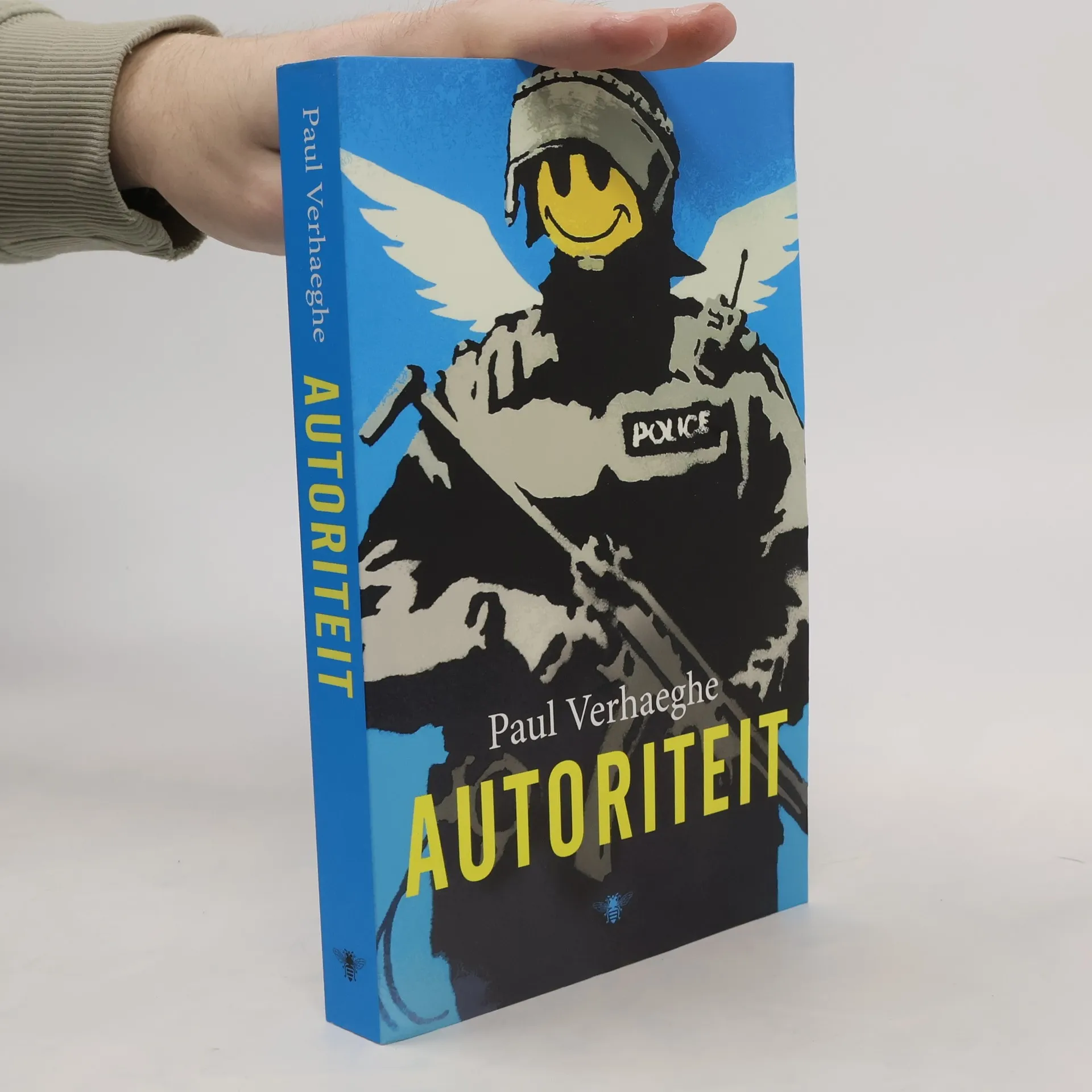
      'We live in an extremely controlling society in which authority has disappeared ... traditional authority is lapsing into brute force ... and we ourselves must take the first steps towards creating a new social order.' This was the trenchant diagnosis by Paul Verhaeghe at the end of his acclaimed book about identity, What About Me?Now he returns to investigate another aspect of our lives under threat: authority. In Says Who?, Verhaeghe examines how authority functions and why we need it in order to develop healthy psyches and strong societies. Going against the laissez-faire ethics of a free-market age, he argues that rather than seeing authority as a source of oppression we should invest in developing it in the places that matter. Only by strengthening the power of horizontal groups within existing social structures, such as in education, the economy, and the political system, can we restore authority to its rightful place. Whether you are a parent or child, teacher or student, employer or employee, Says Who?provides the answers you need.

      Says Who?
    • 2016

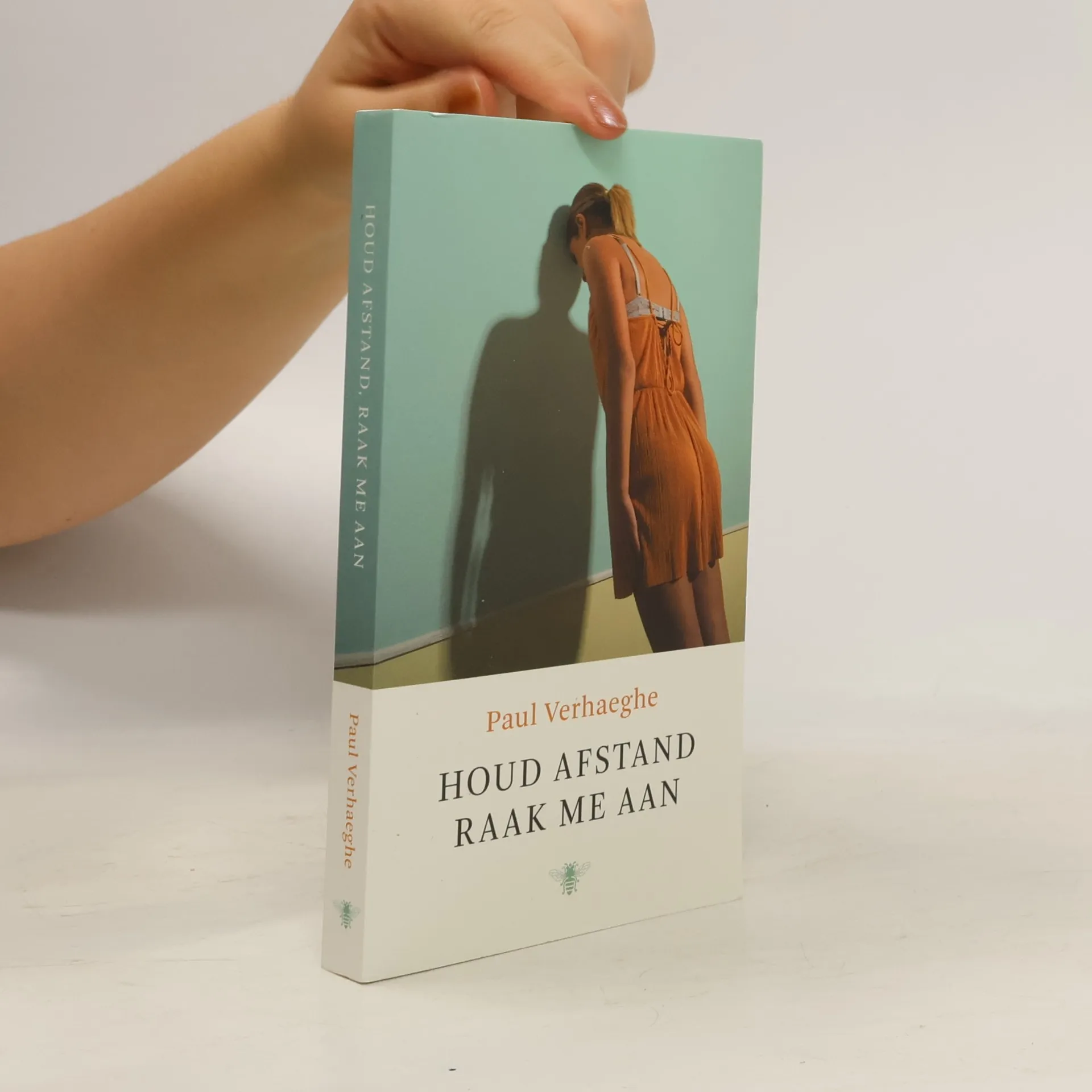
      Wie konnten sich westliche Normen und Werte derart wandeln? Wie konnte Solidarität zum Unwort werden, Geiz zur Tugend und Genuss zur Pflicht? Warum wir eine neue Form von Autorität brauchen und wie sie funktionieren kann. In einer verunsicherten Gesellschaft wird der Ruf nach Autorität immer lauter: nach dem starken Staat und klar definierbaren Werten und Normen – die nicht zuletzt in der Kindererziehung wieder für klare Verhältnisse sorgen sollen. Doch haben wir uns nicht gerade von autoritären Strukturen losgesagt, von der Macht der Patriarchen, moralischen Zwängen, religiösen Dogmen? Wie in seinem bahnbrechenden Buch Und ich? Identität in einer durchökonomisierten Gesellschaft geht der belgische Psychoanalytiker dem rasanten Wertewandel unserer westlichen Gesellschaften unter dem Diktat der neoliberalen Ökonomie auf den Grund. Er beschreibt jedoch auch neue, ermutigende Beispiele von Netzwerken und Gruppen mit flachen Hierarchien, sei es in Bürgerinitiativen, Elternvereinigungen oder Aktionärsversammlungen. In Umweltbewegungen und Stadtverwaltungen, in Erziehung und Pflege ist der Wandel zu dieser neuen Form von »horizontaler Autorität« bereits erfolgreich auf dem Weg.

      Autorität und Verantwortung
    • 2015

      One way to understand a concept is to contrast it with its opposite. For the psychoanalyst Verhaeghe, narcissism is the counterpart of melancholia. Narcissism implies completeness and omnipotence. It harks back to the identification with the almighty mother. She is almighty because she can give what the child lacks. During the oedipal period, this identification disappears. Melancholia implies loss and helplessness. The failure of the original fantasy of omnipotence is the inevitable failure of the father and the safety that he was meant to guarantee; there is in fact no final phallic guarantee whatever. Consequently, a typically neurotic reaction is the endless search for a substitute, creating a series of imaginary fathers. This leads to secondary narcissism and stays within the realm of phallic thinking. We are accustomed to interpreting these ideas at the level of the individual – the child with his parents, the oedipus complex and so on. When Freud was writing his essays ‘On Narcissism’ and ‘Mourning and Melancholia’, the very same clash was happening on a global scale. Phallic narcissism was brutally shattered by the First World War, and a period of universal mourning followed – the mourning of the father, of »The« Father. In Verhaeghe’s view, this mourning announced the end of patriarchy, in other words, the end of traditional authority. This compels us to rethink the concept of authority as such.

      Narcissus in mourning
    • 2015

      Narziss in Trauer

      Das Verschwinden des Patriarchats

      Eine Methode, einen Begriff zu verstehen, ist die Gegenüberstellung mit seinem Gegenteil. Für den Psychoanalytiker Verhaeghe bildet Narzissmus den Gegenpol zu Melancholie. Narzissmus bedeutet Vollständigkeit und Omnipotenz und greift zurück auf die Identifikation mit der allmächtigen Mutter. Allmächtig deshalb, weil sie dem Kind alles geben kann, was es benötigt. Während der ödipalen Phase löst sich diese Identifikation auf. Melancholie resultiert aus Verlust und Hilflosigkeit. Wir sind es gewohnt, diese Ideen auf der Ebene des Individuums zu interpretieren – das Kind mit seinen Eltern, der Ödipuskomplex usw. Als Freud seine Texte »Zur Einführung des Narzissmus« und »Trauer und Melancholie« schrieb, ereignete sich dieser Konflikt auf globaler Ebene. Der Erste Weltkrieg erschütterte den phallischen Narzissmus auf brutale Art und Weise, worauf eine Phase des allgemeinen Trauerns folgte: Trauer über den Verlust des Vaters: »des« Vaters. Nach Verhaegehe kündigte diese Trauer das Ende des Patriarchats bzw., mit anderen Worten, das Ende traditioneller Autorität an. Dies zwingt uns, das Konzept der Autorität als solches zu überdenken.

      Narziss in Trauer
    • 2014

      In What about Me? , Verhaeghe shows the profound impact that social change is having on mental health, even affecting the nature of the disorders from which we suffer.

      What about Me?
    • 2013

      Noch nie, heißt es, ging es uns so gut – doch noch nie haben wir uns so schlecht gefühlt. Die neoliberale Ideologie durchdringt unser Leben inzwischen bis in den letzten Winkel: Sie prägt unsere Selbstwahrnehmung, unsere Beziehung zu unserem Körper, unseren Partnern und Kindern – in anderen Worten, unsere Identität. Offenbar hat die neue Freiheit und Selbstverantwortung eine dunkle Kehrseite. Ihre implizite Botschaft lautet: Jeder kann perfekt sein, jeder kann alles haben. Wer versagt, hat sich nicht genug angestrengt; wer scheitert, ist allein schuld. Beschämung und Schuldgefühle sind die Folge, Wut, Aggression und diffuse Trauer, Selbstzweifel und »bipolare Störungen« – oder gar Täuschung und Betrug, wenn es gilt, die ausufernden Leistungskataloge der modernen Arbeitswelt zu erfüllen. Keineswegs zufällig werden sie uns im Gewande objektiver, wissenschaftlich geprüfter Erfordernisse präsentiert, gegen die aufzubegehren zwecklos ist. In einer furiosen Anklage zeigt der Psychoanalytiker Paul Verhaeghe, welche Auswirkungen das Selbstverständnis einer Gesellschaft, die jeden Lebensbereich unter das Diktat der Ökonomie stellt, auf die Psyche der Menschen hat.

      Und ich?
    • 2008

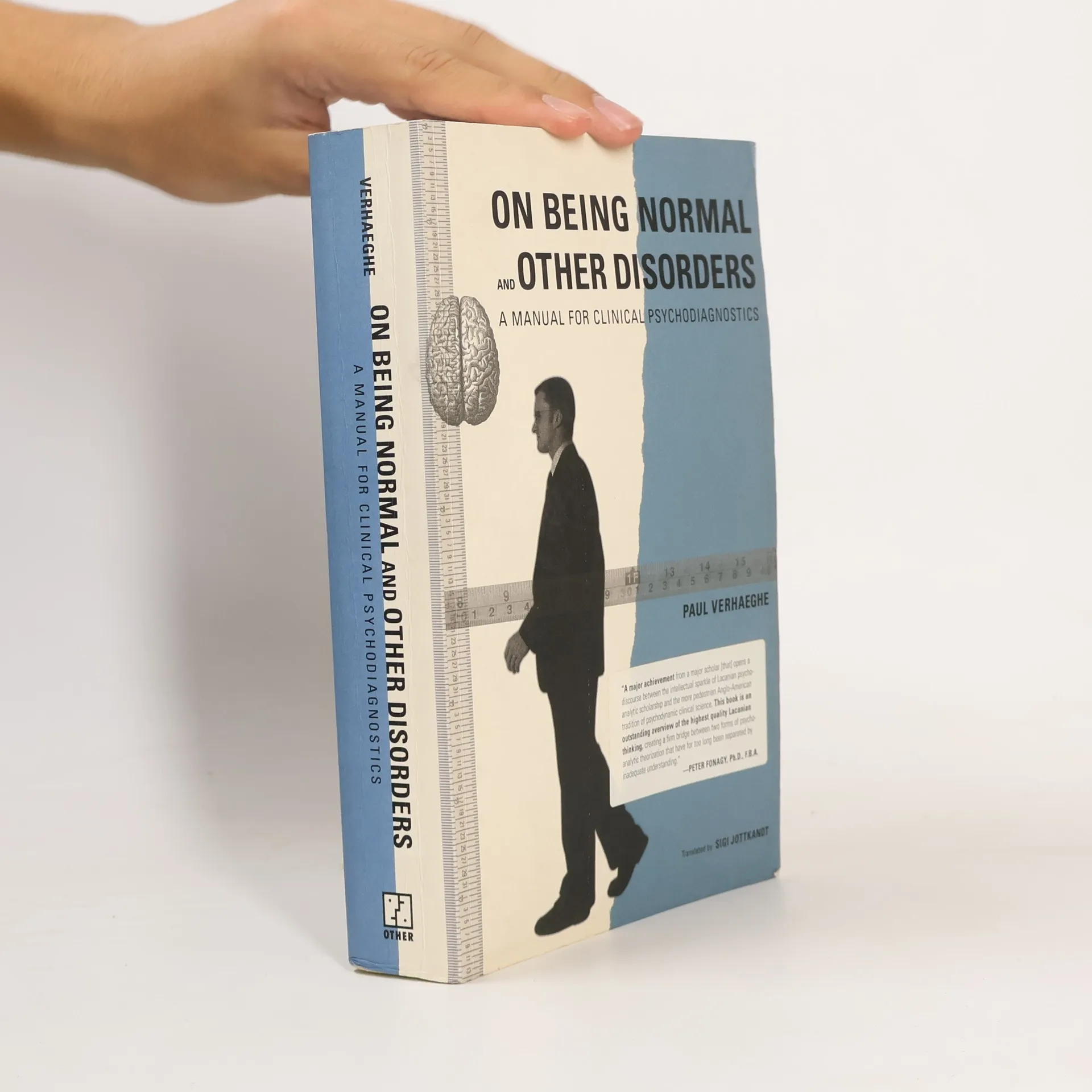
      On Being Normal and Other Disorders

      A Manual for Clinical Psychodiagnostics

      • 528 stránok
      • 19 hodin čítania

      The book offers a critical evaluation of the DSM diagnostic system, highlighting how the absence of an updated metapsychology affects its therapeutic efficacy. It proposes a new foundation for metapsychology by integrating Freudo-Lacanian concepts with contemporary empirical research, aiming to enhance the understanding and application of DSM categories in therapy.

      On Being Normal and Other Disorders
    • 2004

      On Being Normal and Other Disorders

      A Manual for Clinical Psychodiagnostics

      • 528 stránok
      • 19 hodin čítania

      Winner of the 2005 Goethe Award in Psychoanalytic ScholarshipThe central argument of On Being Normal and Other Disorders is that psychic identity is acquired through one's primary intersubjective relationships. Thus, the diagnosis of potential pathologies must also be founded on this relation. Given that the efficacy of all forms of treatment depends upon the therapeutic relation, a diagnostic of this sort has wide-ranging applications.Paul Verhaeghe's critical evaluation of the contemporary DSM-diagnostic shows that the lack of reference to an updated governing metapsychology impinges on the therapeutic value of the DSM categories. In response to this problem, the author sketches out the foundations of such a metapsychology by combining a Freudo-Lacanian approach with contemporary empirical research. Close attention is paid to the processes of identity acquisition to show how the self and the Other are not two separate entities. Rather, subject formation is seen as a process in which both the subject's and the Other's identity, as well as the relationship between them, comes into being.By engaging this new theoretical approach in a constant dialogue with the findings of contemporary research, this book provides a compass for the practical applications of such a differential diagnostic. Post-modern categories of anxiety disorders, personality disorders, and post-traumatic stress disorders are approached both through the well-known neurotic, psychotic, and perverse structures, as well as through the less familiar distinction between an actual pathology and a psychopathology. These two outlooks, which involve the role of language and the subject's relation to the Other, are spelled out to show their implications for treatment at every turn.

      On Being Normal and Other Disorders
    • 2004

      Láska v časoch samoty

      • 243 stránok
      • 9 hodin čítania
      3,5(171)Ohodnotiť

      V týchto troch esejách sa autor vydáva hľadať to, čo nás najviac uvádza do pohybu a zároveň ochromuje: sexualitu a erotiku. Prvá esej nazvaná Nemožný pár prináša humornú, no ostrú analýzu súčasného vzťahu medzi mužom a ženou. V druhej eseji Otcovia na úteku autor dokladá, ako Freudov oidipovský komplex dnes úplne chýba, čoho výsledkom je roztrieštenie klasických rôl pohlaví. Postmoderná morálka odcudzuje v porovnaní s tou predchádzajúcou, pretože nariaďuje povinnosť pôžitku a vzrušenia. Stáva sa ešte viac cudzou vtedy, ak sme nútení zistiť, že očakávaný pôžitok sa nedostavuje a na jeho miesto nastupuje skôr znudenie, či dokonca úzkosť a agresia. V tretej eseji o pude prichádza na rad hľadanie príčin. Táto záverečná esej ukazuje, že pud je v prvom rade traumatický pre vlastné Ja, pretože práve tento pud necháva zaniknúť ego v bázlivej forme pôžitku.

      Láska v časoch samoty