Albert Schweitzer bol alsaský teológ, hudobník, filozof a lekár. Jeho teologická práca spochybnila sekulárne aj tradičné kresťanské pohľady na historického Ježiša a predstavila Ježiša očakávajúceho bezprostredný koniec sveta. Schweitzer je známy svojou filozofiou „úcty k životu“, ktorú uplatňoval mnohými spôsobmi, najvýznamnejšie založením a podporou nemocnice Lambaréné v Gabone. Táto filozofia odráža jeho hlboký humanizmus a celoživotné odhodlanie slúžiť druhým.
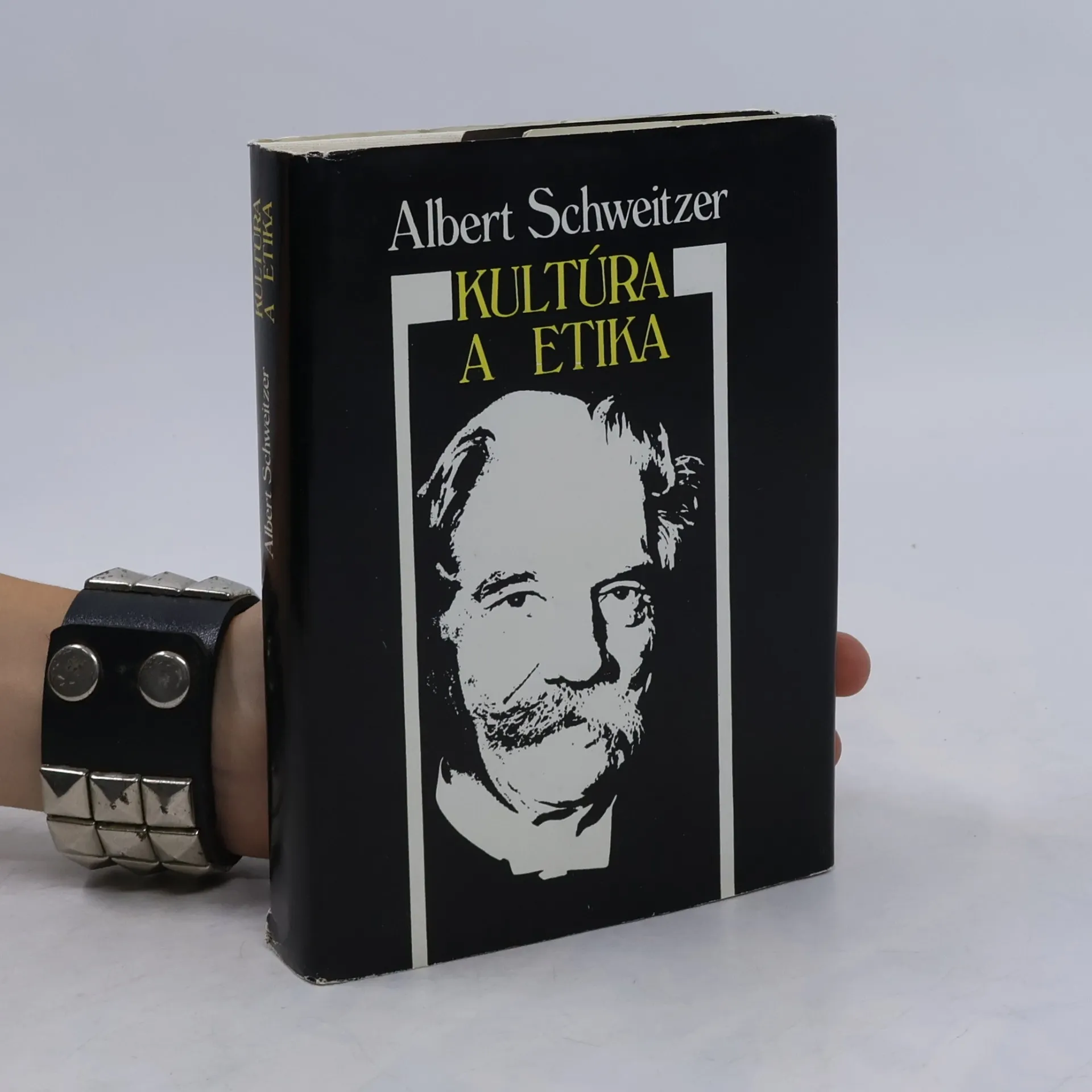
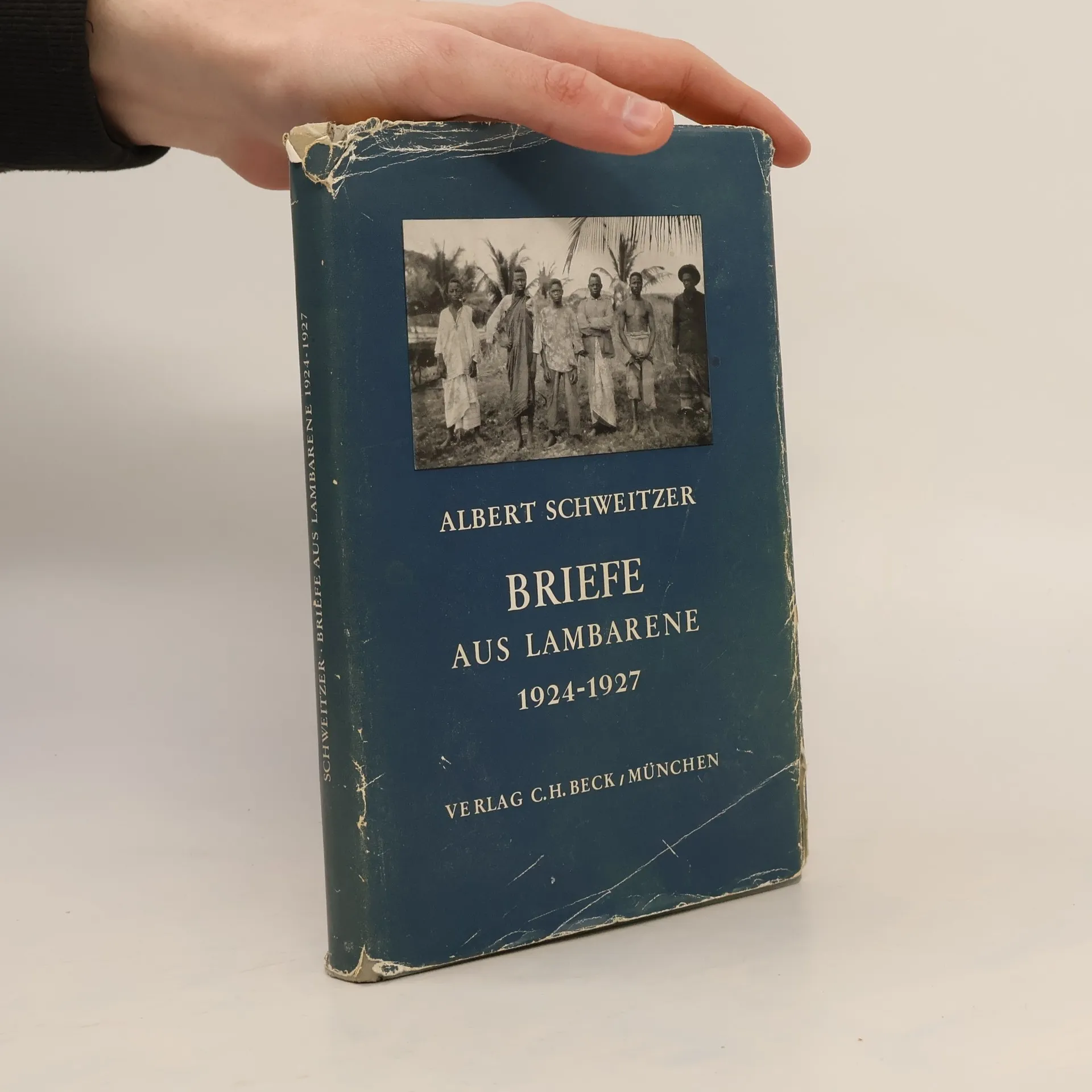
Kniha z pera výnimočnej postavy svetových kultúrnych dejín. Autor, nositeľ Nobelovej ceny za mier za rok 1953, začínal ako študent na teológickej fakulte, no tu sa nestotožnil s ortodoxným výkladom kresťanskej vierouky, budúcnosť kresťanstva vidí v opustení tzv.dogmatického kresťansta a prikláňa sa ku kresťanstvu etickému. Neskôr sa stane lekárom, ktorý odchádza do Afriky. Tu, v pralese, vybudoval bez akejkoľvek podpory štátu nemocnicu. Ďalej tu vybudoval misijnú stanicu, pavilón pre duševne chorých a dedinu pre malomocných. V tejto knihe približuje toto obdobie v Afrike
V tejto knihe autor varuje pred kultúrnou krízou a jej úpadkom, ktorá zasiahla modernú západnú civilizáciu.Zároveň zdôvodňuje filozofiu úcty k životu, ktorá by opäť regenerovala kultúru.
V knize vzpomíná známý lékař a humanista, nositel Nobelovy ceny míru, na první roky svého působeni v rovníkové Africe, kde na řece Ogooué počal uprostřed pralesů budovat dnes už známou nemocnici v Lambaréné. Líčí v ní svou práci mezi domorodci, těžké životní podmínky i obtíže, s nimiž se setkával. Je svědectvím veliké obětavosti a ušlechtilosti člověka, který zasvětil celý svůj život myšlence být "člověkem všem lidem, kteří potřebují člověka."
Kniha obsahuje zápisky z působení A. Schwaitzera v Africe v Lambaréné. Rozděleny jsou do dvou částí: Lidé v pralese (1913–1918) a Zprávy z Lambaréné (1924–1927). Hovoří o úžasné obětavosti, trpělivosti a soucitu lékaře, který pracuje za nejtěžších podmínek. Většinu finančníchprostředků získává svými knížkami, přednáškami a koncerty, s nimiž odjíždí do Evropy i do Ameriky.
Out of My Life & Thought shatters the old myth and reveals the real Albert Schweitzer, whose moral example remains relevant and compelling. Esteemed for many works, Schweitzer valued his autobiography most, aiming to remind readers he was just a man shaped by the influences of others. He recognized his fortune in meeting thoughtful individuals and wanted to acknowledge his debts to them. Through this narrative, he clarifies his motivations and methods while addressing critics, all while honoring a principle greater than himself: reverence for life. This motto brought him both pain and joy as he sought to respect the uniqueness of each life. He believed in a way of living that embraces the world, finding joy within it—insights gained from his deep engagement and sacrifices. This fascinating volume, newly translated and corrected based on recently discovered material, presents the life of the world-renowned missionary doctor, organist, philosopher, theologian, and Nobel Peace Prize-winner. It stands as an authentic 20th-century classic, having profoundly impacted the lives and values of countless individuals.
Umfassendes Werk des Arztes, Theologen und Organisten Albert Schweitzers, der sich intensiv mit dem Leben und dem Schaffen des einzigartigen deutschen Komponisten und Organisten Johann Sebastian Bach auseinandersetzt. Das Buch basiert auf einer kritischen und zugleich persönlich engagierten Bewertung der Quellen und Literatur, vor allem jedoch auf den lebenslangen Erfahrungen des Autors und seiner Überlegungen zur Interpretation von Bachs Musik. Es enthält einen Namenregister, eine Liste von Bachs Kompositionen sowie einen Nachsatz und eine abschließende Überlegung des Übersetzers D. Jerie am Ende des Buches.
In einer Zeit, die zunehmend von Kriegen, Umweltzerstörungen und Hungersnöten bedroht ist, hat Albert Schweitzers Ethik der Ehrfurcht vor dem Leben nichts an Aktualität eingebüßt. Das Prinzip der Ehrfurcht vor dem Leben ist für ihn an keine bestimmte Religion oder Philosophie gebunden. Es ist die elementare und überlebensnotwendige Richtlinie, die allem Denken und Handeln zugrundeliegen soll. Dieses Buch vereinigt Schlüsseltexte Schweitzers aus den Jahren 1919 bis 1963, die die zentralen Linien seiner Ethik philosophisch und theologisch herausarbeiten.
This book provides the only personal portrait of Schweitzer, here as a young man on a quest to better the lot of humankind, and of the woman who helped to shape that pursuit. Schweitzer was twenty-six and Helene Bresslau twenty-two when they met. He was preparing for an academic life in theology and philosophy, while his skill as a musician supplemented his intellectual work. Helene stepped beyond the conventions of the day by entering the nursing field, by founding a welfare program for single mothers, and fearlessly stating her own opinions. While Schweitzer searched for his path, Bresslau provided the sounding board for many of his ideas.
Scion of the Pittsburgh oil and banking family, William Larimer Mellon, Jr., was married, the father of three, and a successful rancher in Arizona when, at thirty-seven, he read a Life magazine article about Albert Schweitzer's "reverence for life" that guided his mission hospital in a remote area of Gabon, Africa. Mellon immediately wrote to the famous humanitarian in Lambarene, expressing admiration of Schweitzer's life of service and the wish to engage in similar work with his wife, Gwendolyn. Schweitzer's reply in March 1948 was a lengthy letter of realistic encouragement. In time, Mellon received his medical degree from Tulane University and later established a well-equipped hospital in one of the poorest regions of Haiti, where, with his wife, he spent the rest of his life working as a physician and a community development engineer. The hospital continues to thrive. Brothers in Spirit brings together sixty-five of the letters written between 1947 and Schweitzer's death in 1965. Presented here in both English and the original French, they eloquently tell the story of a comfortable life abandoned for the goal of serving humanity.
A Critical Study of Its Progress from Reimarus to Wrede
432 stránok
16 hodin čítania
In the late eighteenth century, scholars revisited foundational debates regarding the essence of Christianity, utilizing advanced linguistic and historical methods. They aimed to uncover the original Jesus by questioning the New Testament's silence on much of his life and examining Paul's writings. The exploration delved into Jesus's Jewish identity and the discrepancies among the Gospels, revealing a complex figure with multiple interpretations. This scholarly inquiry highlighted the diverse perspectives on Jesus, challenging the notion of a singular "true" representation.
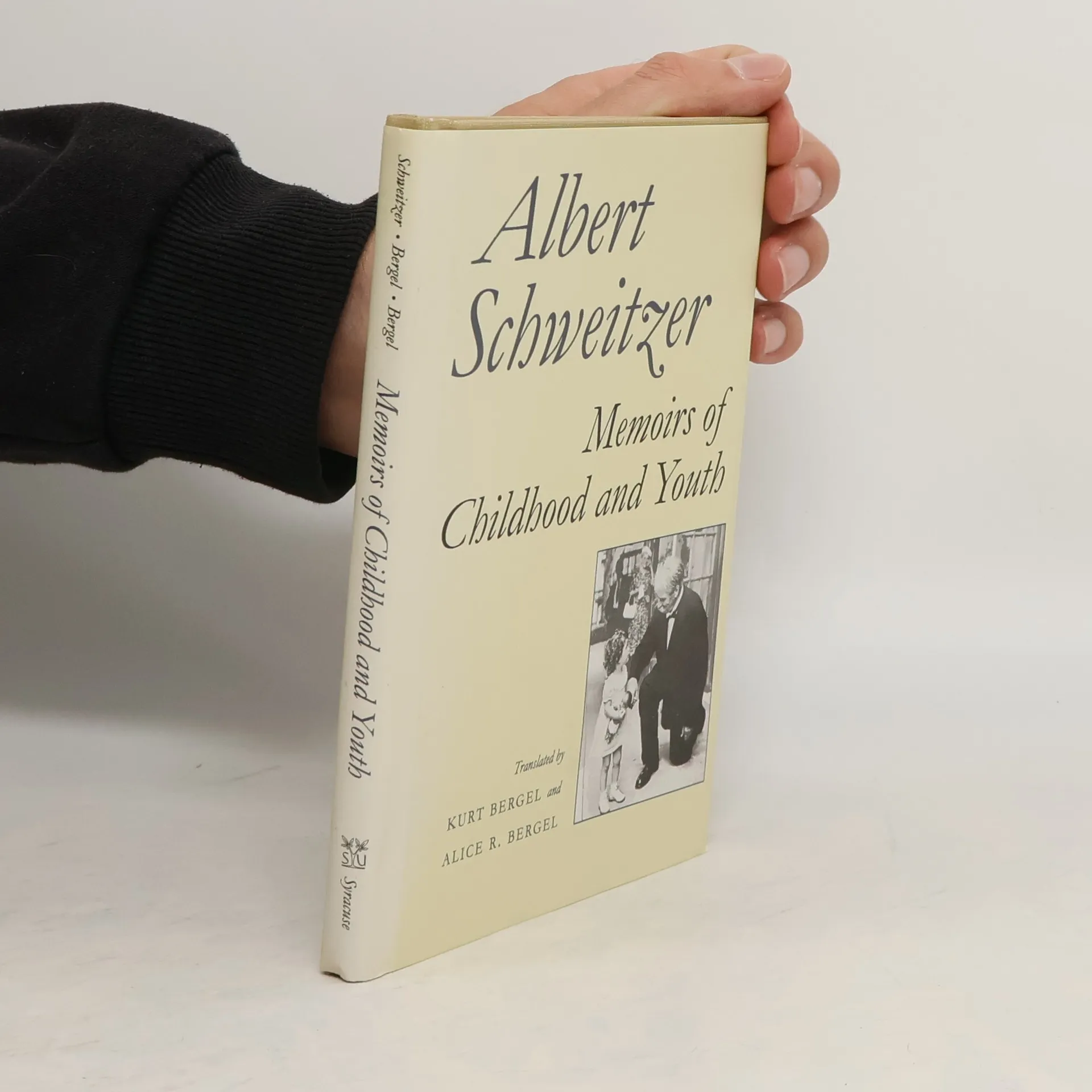
In this charming autobiographical essay, Albert Schwenzer tells of his first nineteen years in Upper Alsace and his youthful discoveries of religion, music, and the inspiration of friendship. Even in his boyhood there were traces of what was to become his "reverence for life": as a boy, he writes, he managed to dissuade several companions from going fishing because of the pain he felt the deed gave to both the worm and the fish. In poignant vignettes, Schweitzer also describes his unhappiness at discovering that he had better food or better clothing than chose around him. Memoirs of Childhood and Youth offers wonderful insights on Dr. Schweitzer's childhood journey that eventually led him to dedicate himself to medical service in African colonies. This new translation also has rarely seen photographs of Schweitzer, both as a youth and as an adult.
The Secret Of Jesus' Messiahship And Passion (1914)
284 stránok
10 hodin čítania
Exploring the concept of the Kingdom of God, the book examines Jesus' role as the Messiah, emphasizing his message of establishing a new social order rooted in love, justice, and compassion. Schweitzer introduces the notion of the "messianic secret," positing that Jesus intentionally concealed his true identity until the appropriate moment. Drawing on his extensive biblical knowledge, this scholarly work is a significant contribution to New Testament studies and remains a classic in the field. The reprint aims to preserve its cultural importance.
Independent of his humanitarian fame, Albert Schweitzer is also celebrated as a prominent musicologist, particularly recognized for this influential study of J. S. Bach. This work stands as one of the most comprehensive examinations of the composer, his life, and his music, significantly shaping the performance of Bach's works and earning Schweitzer a lasting legacy in music scholarship. The first volume presents a thorough history of Protestant church music, exploring its role in early services across Europe while linking it to contemporary art, poetry, philosophy, and historical events. Focusing on Germany, Schweitzer delves into the musical forms that influenced Bach, particularly the German chorale, and evaluates the contributions of his predecessors, including Schütz and Buxtehude. This volume also provides a detailed account of Bach's life and his compositions for various instruments, offering practical performance suggestions. The second volume focuses on Bach's choral music, including cantatas and passions, featuring an insightful analysis supported by numerous musical examples. Schweitzer's original theories on the pictorial representation of text in Bach's music and his recommendations for performance techniques make this work a vital resource. Accessible and engaging, it appeals to both music students and enthusiasts alike.
The Playboy of the Western World and Riders to the Sea (Dover Thrift Plays) The plays of John Millington Synge (1871–1909) are filled with the humors, sorrows, and dreams of the country folk of the Aran Islands and the western Irish coastlands, where, in Synge's works, "we have a popular imagination that is fiery and magnificent, and tender." The Playboy of the Western World, his most famous play, is sweetly funny and ironic as it follows its young hero's progress, in the eyes of others, from timid weakling to paragon of bravery.The shorter one-act play, Riders to the Sea, is a dark elegy to the fragile existence of those who live at the mercy of the sea. Both are beautifully crafted dramas that celebrate Irish gifts for lyrical language. They are reprinted here from authoritative editions, complete with Synge's preface to The Playboy of the Western World.
Albert Schweitzers humanitäres Engagement in einem afrikanischen Urwald-Krankenhaus und seine Lehre von der Ehrfurcht vor dem Leben sind gerade in Krisenzeiten wichtige ethische Orientierungspunkte. Harald Steffahn hat in diesem Lesebuch die wichtigsten und schönsten Texte des Friedensnobelpreisträgers und Bestsellerautors versammelt. Es ist chronologisch nach den Lebensstationen Albert Schweitzers angelegt, von der Jugend in Günsbach bis zu den letzten Jahren in Lambarene. Alle Themen seiner großen Werke sind hier Theologie, Musik und Literatur, Kulturphilosophie, Ethik und Politik. Wie ein roter Faden durchziehen Schweitzers autobiographische Texte den Band. So ist eine eindrucksvolle Dokumentation zu Leben und Werk Albert Schweitzers entstanden.
In seiner Arbeit versucht der Autor, die Ursachen der Krise der westeuropäischen Kultur zu analysieren und sucht dabei Antworten in der altindischen Philosophie sowie bei den größten indischen Denkern: Ramakrishna, Vivekananda, Tagore, Aurobindo und anderen. Der Autor vertraut die Leser die grundlegenden Ideen der indischen Philosophie über einen Zeitraum von drei Jahrtausenden an. Das gesamte Buch ist so aufgebaut, dass die Entwicklung des indischen Denkens als Wechselwirkung und Kampf zweier Weltanschauungen: der ethischen und der mystischen betrachtet wird.
Die wiederentdeckten Vorlesungen von Albert Schweitzer aus den Jahren 1902 bis 1912 bieten einen faszinierenden Einblick in seine neutestamentliche Lehre an der Universität Straßburg. Diese Texte, die als verschollen galten, zeigen seine wissenschaftliche Akribie und die Art und Weise, wie er komplexe Themen wie Taufe und Abendmahl anschaulich und verständlich seinen Studenten näherbrachte. Schweitzer interpretiert diese Sakramente als eschatologisch, beleuchtet jedoch deren Entwicklung und Enteschatologisierung. Die Veröffentlichung dieser Manuskripte stellt eine bedeutende Bereicherung der neutestamentlichen Wissenschaft dar.
Die Auseinandersetzung mit nichtchristlichen Kulturen und Religionen beleuchtet die Einzigartigkeit des Christentums sowie die Vielfalt ethischer Konzepte. Albert Schweitzers Überlegungen zu diesen Themen sind nach wie vor relevant und werden in zwei bedeutenden Beiträgen erörtert. Ulrich Neuenschwander, ein Experte für Schweitzers Werk, bietet eine verständliche Einführung in das Leben und die Philosophie des Religionsdenkers, wodurch dessen Einfluss auf die heutige Diskussion verdeutlicht wird.
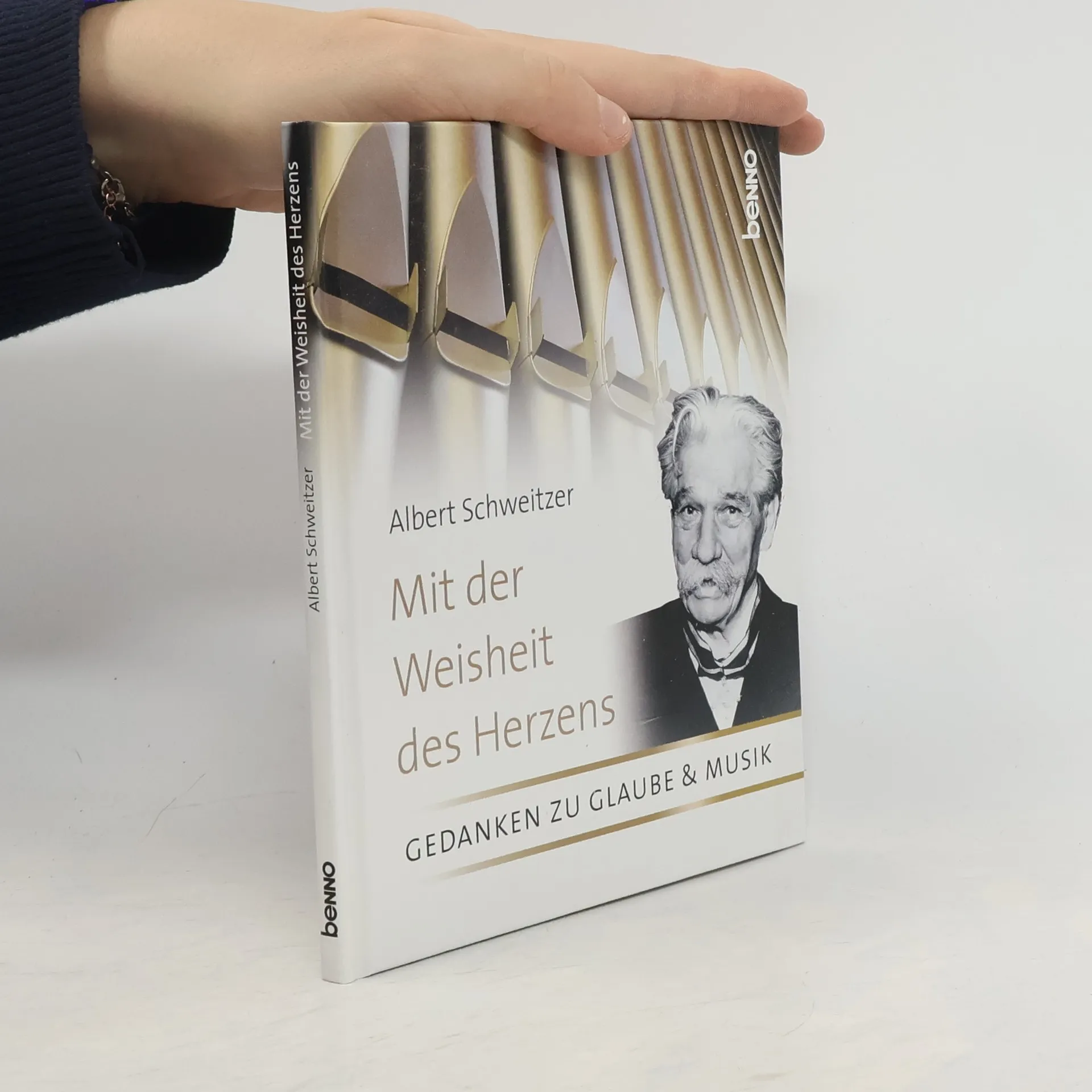
"Ehrfurcht vor dem Leben" ist ein Lesebuch, das die zentralen Gedanken Albert Schweitzers, eines bedeutenden Humanisten und Arztes, zusammenfasst. Es enthält prägnante Zitate und ansprechende Fotos, die seine Ethik der Verantwortung und sein Engagement für Menschlichkeit und Frieden verdeutlichen. Ein biographischer Abriss ergänzt das Werk.
Ehrfurcht vor dem Leben als Grundsatz menschlichen Handelns – Albert Schweitzer sah im Evangelium den Auftrag, dem Leben zu dienen, und setzte diese Überzeugung als Arzt in Lambarene in die Tat um. Eine Sammlung mit Auszügen aus seinen Texten, die auffordern, der Liebe für die Mitmenschen im Herzen Raum zu geben.
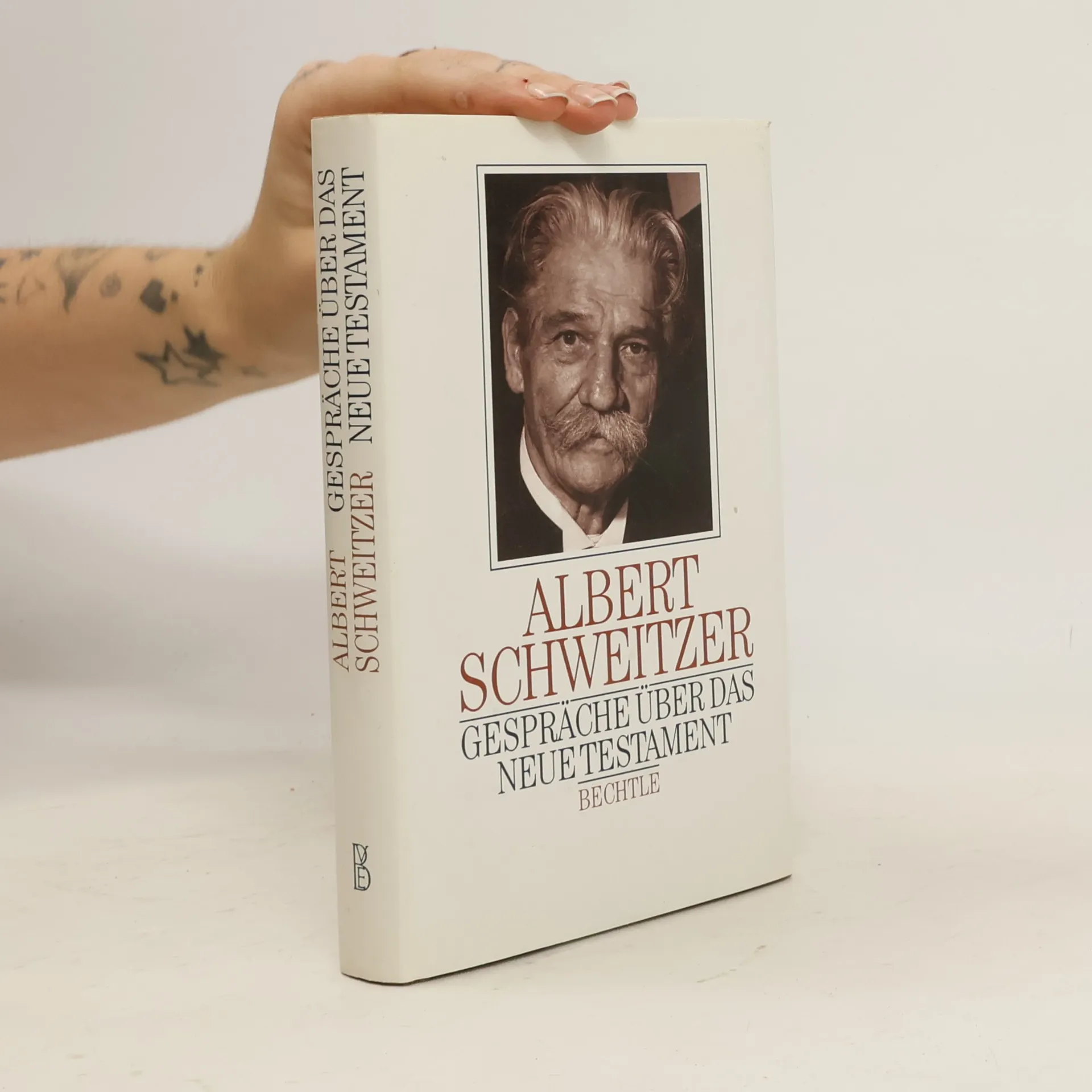
Von 1901 bis 1904, während seiner frühen Straßburger Jahre als Privatdozent für neutestamentliche Theologie, hat Albert Schweitzer 33 Gespräche über das Neue Testament in einem elsässischen Kirchenblatt erscheinen lassen. Die Gespräche bieten nach dem Urteil des Bonner Theologen Erich Gräßer nichts Geringeres als eine Einführung in das Verständnis vom Wesen des Christentums.