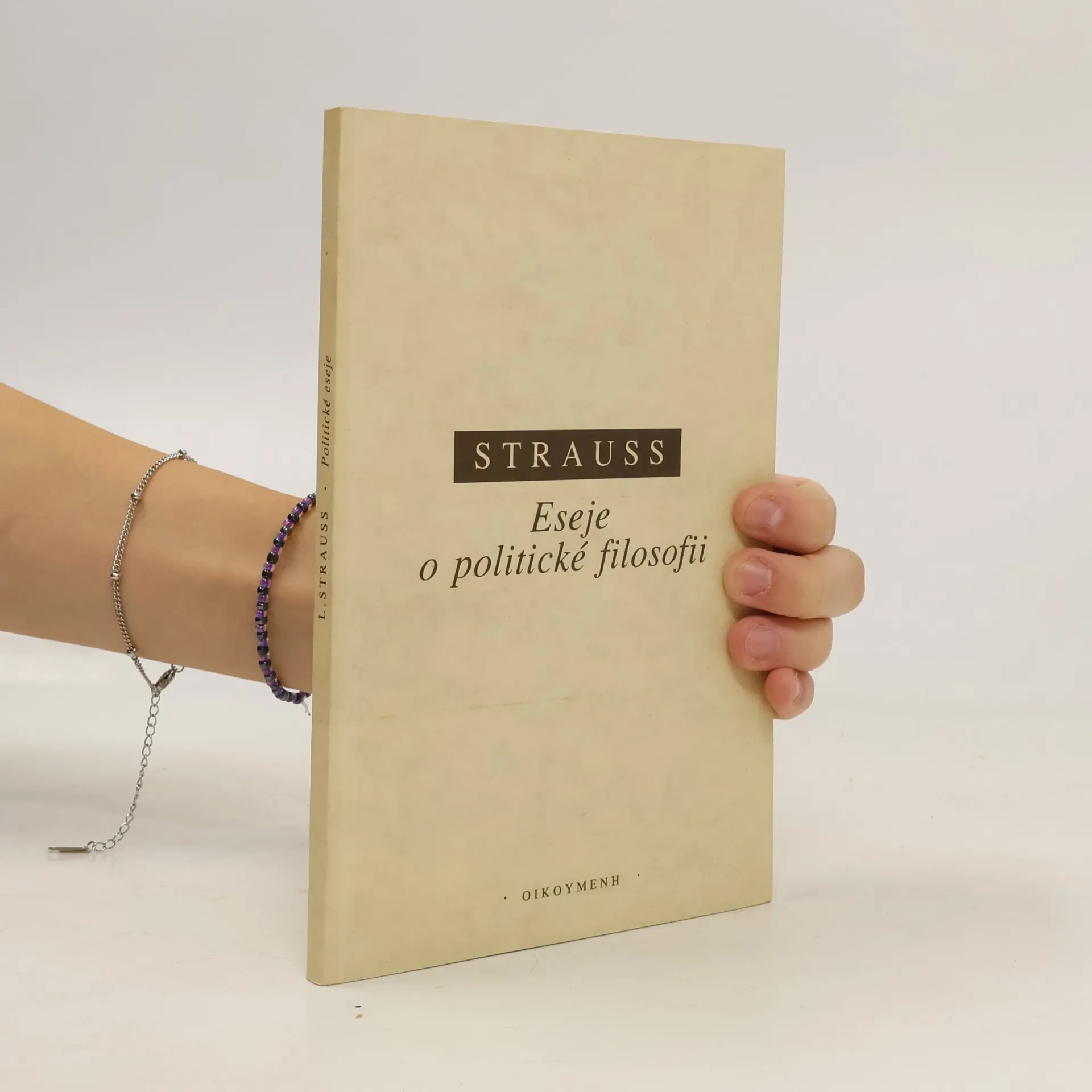
Leo Strauss bol nemecko-americký filozof a filológ, ktorý sa venoval starogréckym textom. Jeho dielo sa hlboko ponára do politickej filozofie a klasického myslenia, skúmajúc vzťah medzi filozofiou a politikou v priebehu dejín. Strauss je známy svojim jedinečným prístupom k interpretácii filozofických textov, často odhaľujúc skryté významy a podtexty. Jeho myšlienky naďalej ovplyvňujú súčasné diskusie o politike a filozofii.
The seminar focuses on Socrates' dialogue with the sophist Protagoras, exploring themes such as the nature of virtue, the distinction between Socratic and Sophistic political arts, and the interplay of knowledge and ethics. Strauss examines the teachability of virtue and its connections to courage, justice, and wisdom, while also addressing the complexities of rhetoric and the significance of myth. This insightful analysis, edited by Robert Bartlett, highlights Strauss's Platonist perspective and his deep engagement with key philosophical questions surrounding how one ought to live.
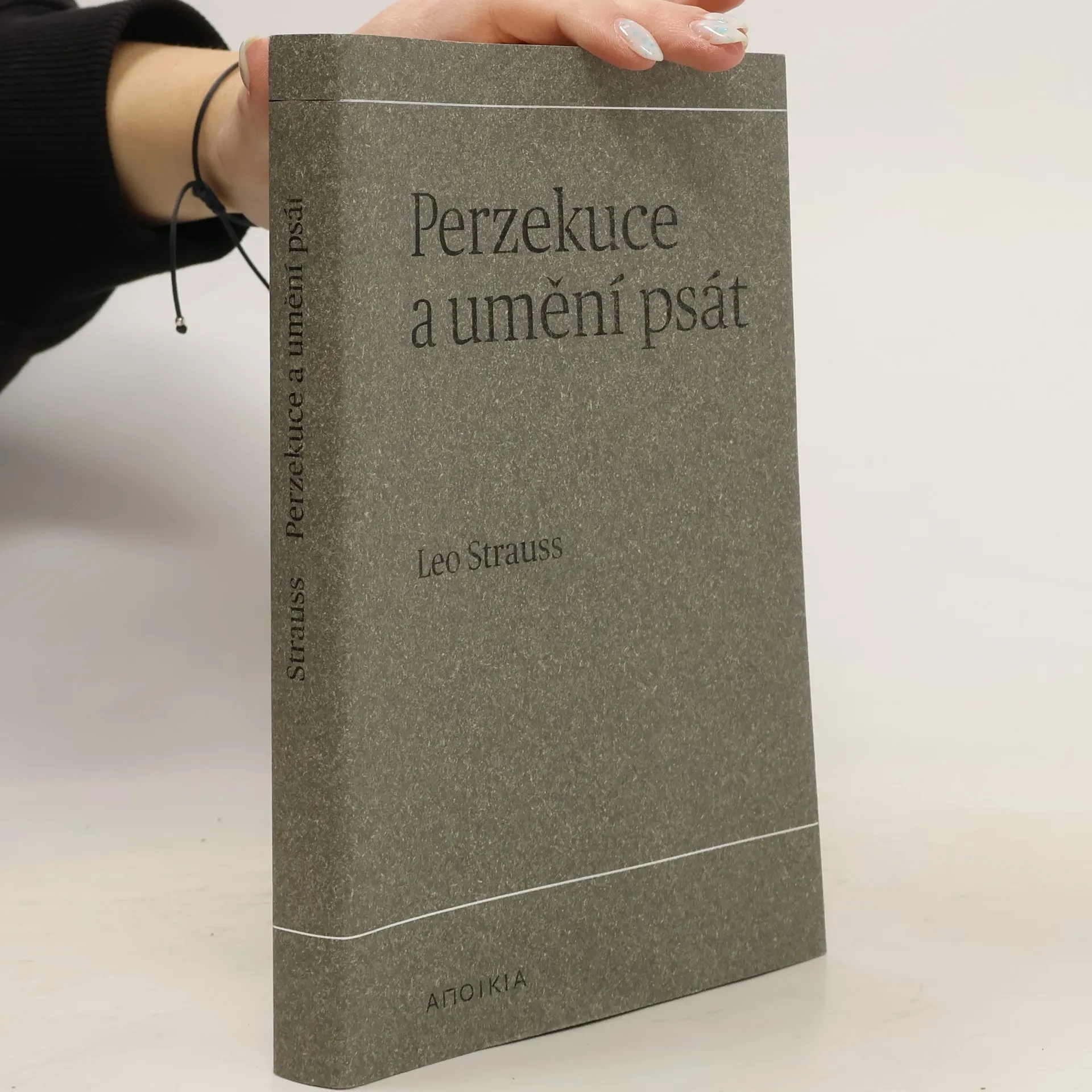
Kniha Perzekuce a umění psát, již mnozí znalci Straussovy filosofie považují za jeho vůbec nejdůležitější dílo, je souborem esejů, jež spojuje téma vztahu politiky a filosofického spisovatelství. Leo Strauss ukazuje na výkladu děl tří židovských myslitelů (Maimonides, ha-Levi, Spinoza), že vznik řady filosofických spisů, včetně těch náležejících do hlavního kánonu západní tradice, byl zásadně ovlivněn snahou jejich autorů vyhnout se politickému pronásledování. Tato snaha vedla k vytvoření specifického umění, jež autorovi umožňuje sdělit, co sdělit chce, aniž by to přitom — s ohledem na politickou situaci — musel říkat otevřeně. Toto spisovatelské umění, jež je vlastní celé tradici politického myšlení až do osvícenství, zahrnuje kombinaci spolehlivé komunikace se znalým čtenářem a dovedného skrývání důležitých částí nauk, zvláště těch, které mohou být považovány za neortodoxní.
Leo Strauss's lectures on Nietzsche's Thus Spoke Zarathustra reveal his critical engagement with Nietzsche's thought, particularly in relation to political philosophy. Richard L. Velkley presents these lectures with detailed annotations, highlighting the influence of Nietzsche on Strauss's ideas. The work also explores the interplay between Strauss and Heidegger, examining Heidegger's critiques of Nietzsche and positioning him as a counterpoint to Strauss's interpretation. This study offers valuable insights into the philosophical inquiries surrounding modernity and the crisis of Western civilization.
Responding to the Challenge of Positivism and Historicism
272 stránok
10 hodin čítania
Focusing on the significance of political philosophy, the book compiles Leo Strauss's 1965 introductory lectures at the University of Chicago, aimed at making his complex ideas accessible. Strauss critiques contemporary challenges like positivism and historicism, arguing for the relevance of classical political thought in defining the common good. He explores the evolution of political philosophy, examining key figures such as Plato, Aristotle, Comte, and Kant, to assess whether modern skepticism about the "good society" is justified.
The book delves into Leo Strauss's 1965 seminar on Hegel at the University of Chicago, highlighting Strauss's unique perspective on Hegelian thought, particularly in relation to modern political philosophy. Strauss emphasizes Hegel's "Philosophy of History," arguing for the significance of religion in Hegel's framework. The text includes a comprehensive transcript of the seminar, alongside annotations that enhance understanding and provide context. Through this exploration, the book sheds light on the interplay between empirical history and philosophy in Hegel's work.
Ve svém nejznámějším díle Přirozené právo a dějiny Leo Strauss popisuje a hodnotí důvody, které vedly k odmítnutí přirozeného práva. Vysvětluje důsledky tohoto odmítnutí i to, proč argumenty proti přirozenému právu nejsou platné. Těm, kdo ho odmítli ve jménu bezbřehé tolerance, připomíná paradox jejich volby. Podle něj pak totiž platí, že „čím více vzděláváme rozum, tím více vzděláváme nihilismus“. A „nevyhnutelným praktickým důsledkem nihilismu je fanatické tmářství a zpátečnictví“, připomíná Strauss.
První díl dvousvazkového výboru nejvýznamnějších esejů L. Strausse, tvůrce svébytného pojetí politické filosofie a zakladatele vlivné školy politického myšlení. Výbor je koncipován tak, aby čtenáře seznámil s oběma pilíři Straussovy koncepce, v níž systematická zkoumání jsou vždy opřena o výsledky bádání v oblasti dějin politického myšlení. První svazek obsahuje texty zkoumající pojmy politické filosofie, modernity, dějin a přirozeného zákona.
Der Band bietet eine tiefgehende Analyse von Maimonides und seinen arabischen Vorläufern im Kontext der politischen Philosophie Platons. Strauss untersucht den mittelalterlichen Rationalismus und den Einfluss der Offenbarungsreligionen auf die Philosophie. Ergänzend zu dem Hauptwerk aus dem Jahr 1935 enthält der Band vier weitere Aufsätze sowie 30 Erstveröffentlichungen früherer Schriften, die sich mit Themen wie der Orthodoxie und Aufklärung befassen. Die zweite Auflage ist zudem mit Marginalien aus Strauss' Handexemplar bereichert.
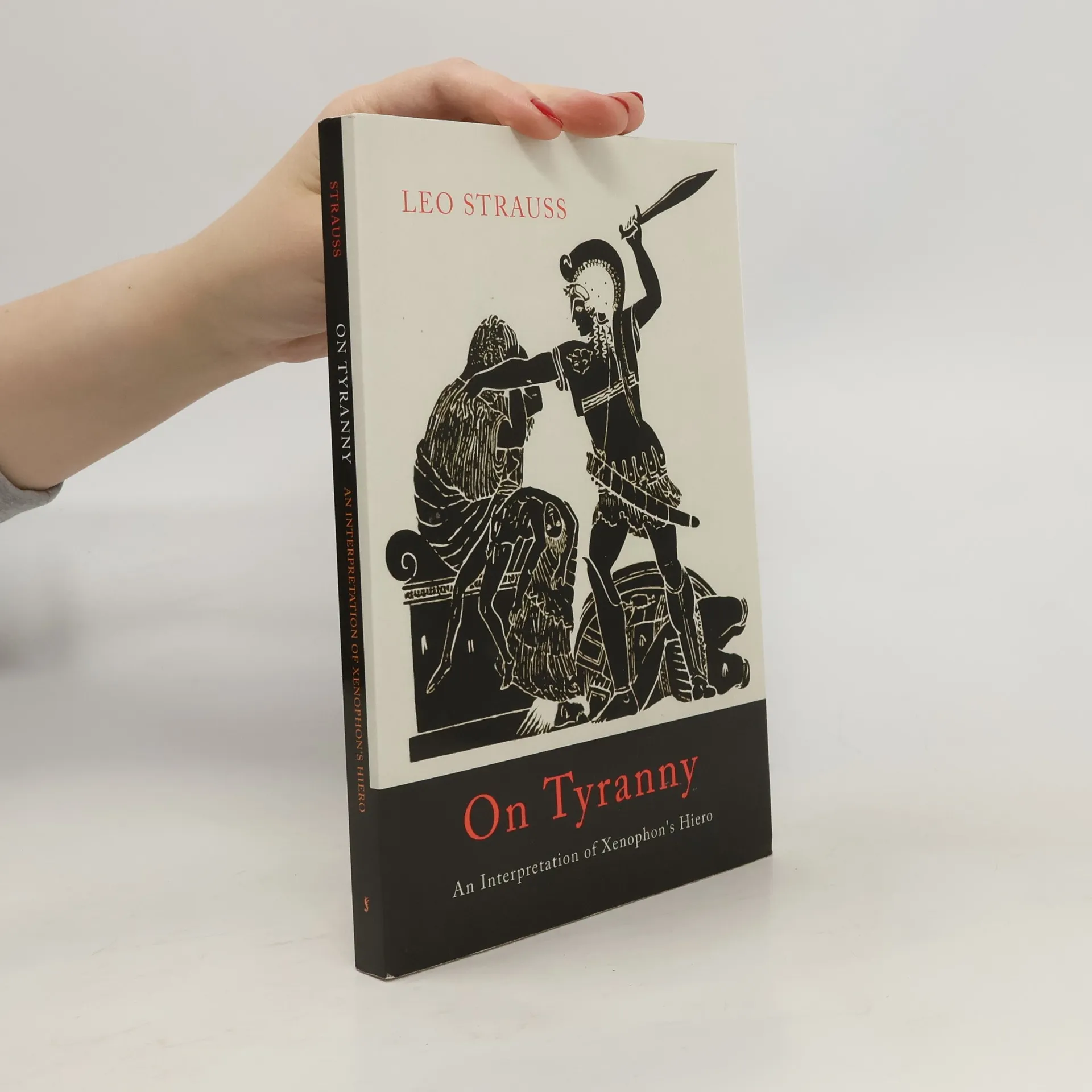
"On Tyranny" by Leo Strauss explores Xenophon's dialogue "Hiero," where the tyrant Hiero and poet Simonides debate tyranny's pros and cons. Strauss critiques modern liberalism's tendency toward nihilism, linking it to both brutal regimes and the aimlessness of contemporary society. He advocates a return to classical political philosophy for guidance.
Die Freundschaft von Alexandre Kojève und Leo Strauss reicht bis in die frühen 30er Jahre des letzten Jahrhunderts zurück. Sie äußerte sich, wie ihr Briefwechsel (1932-1965) zeigt, in erster Linie als intellektuelle Auseinandersetzung, die zuweilen auch publizistische Früchte, wie „Über Tyrannis“ (1963), trug. Der vorliegende Band vereint zwei Texte zu einem anderen Thema: Die Kunst des Schreibens. Zum einen Alexandre Kojèves Text „Kaiser Julian und die Kunst des Schreibens“, der zuerst 1964 in englischer Übersetzung in einer Festschrift für Leo Strauss erschien, zum anderen den Aufsatz des Jubilars von 1941, auf den sich Kojève ausdrücklich bezieht: „Verfolgung und die Kunst des Schreibens“. Es geht also um das Verhältnis von Exoterik und Esoterik, um das, was gesagt wird und das, was unausgesprochen bleibt. Und darum, ob es eine spezielle Schreibtechnik gibt, „eine Technik, an die wir denken, wenn wir vom Zwischen-den-Zeilen-Schreiben sprechen“, die zu verstehen gibt, was nicht ausgesprochen wird. Abschließend stellt Friedrich Kittler Kaiser Julians so genannte Apostasie in ihren medien- und institutionsgeschichtlichen Kontext, in den jede „Kunst des Schreibens“ eingebunden ist.
Kniha sestává z eseje o Aristotelově Politice, Platónově Ústavě a o Thúkydidových Dějinách peloponnéské války. Všechny tři eseje slouží autorovi k tomu, aby na klasické politické filosofii ukázal ideologičnost moderní politické filosofie.
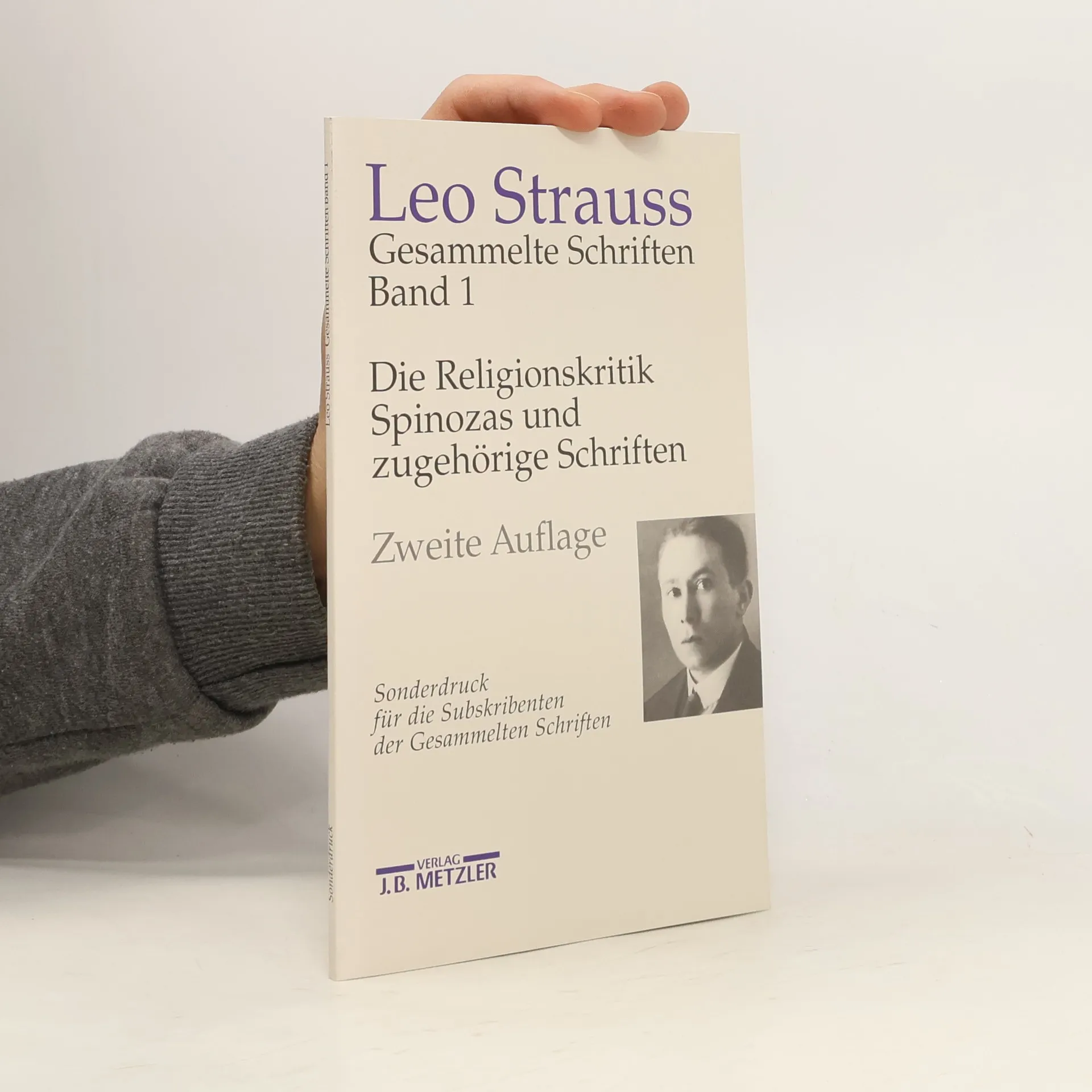
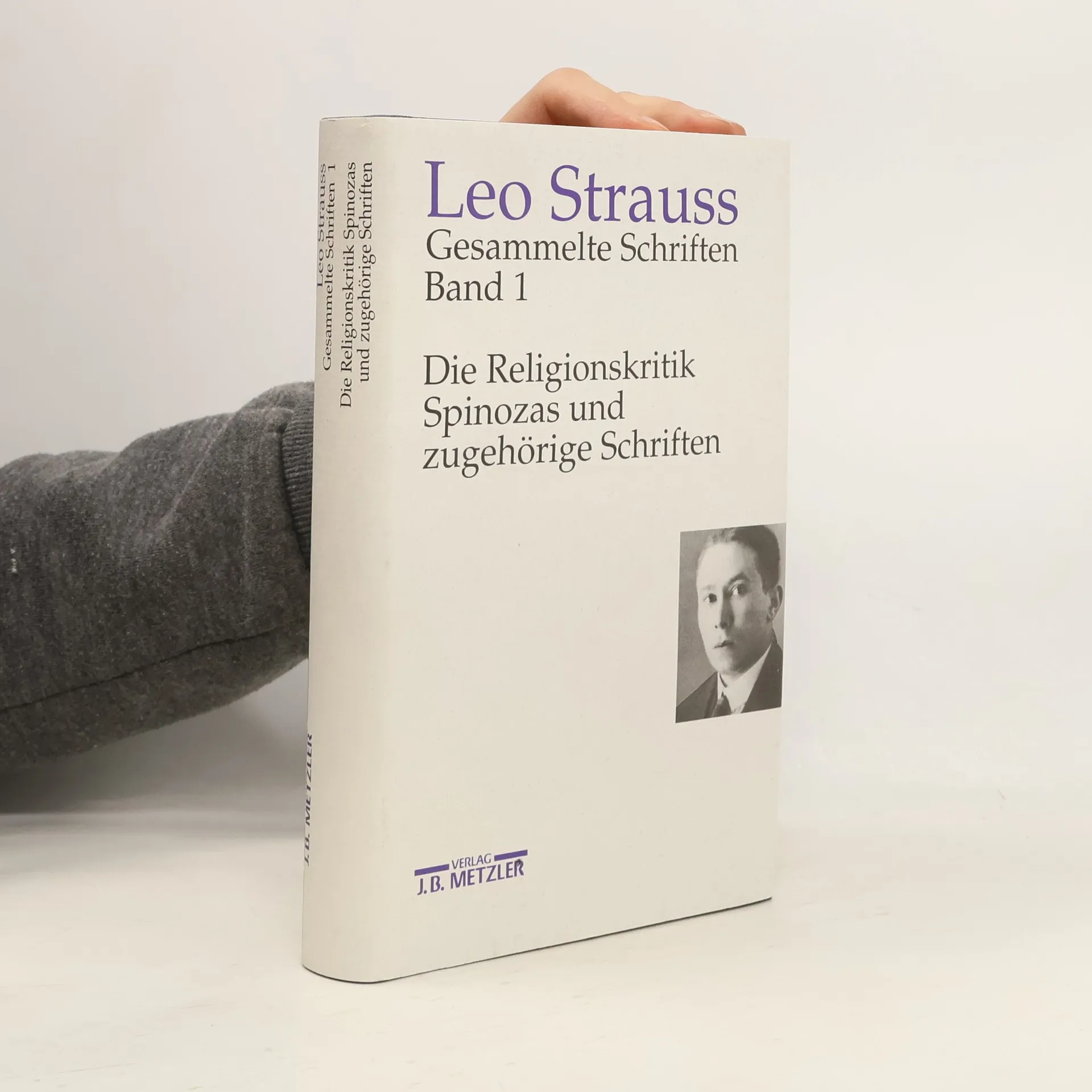
Band 1 der "Gesammelten Schriften" (insgesamt 6 Bände) enthält die Neuedition von Strauss' klassischer Studie über die Religionskritik Spinozas. Vorangestellt ist ihr in deutscher Erstübersetzung ein umfangreicher Essay, in dem der Autor eine Art intellektueller Autobiographie bis zum Beginn der 30er Jahre zeichnet.
The book delves into the challenges faced by Jews and Judaism in the context of modernity, examining the dilemmas that arise from contemporary life. It offers a thorough analysis of these issues and proposes solutions aimed at addressing the unique struggles within the Jewish community. Through this exploration, it seeks to illuminate the ongoing relevance of Jewish identity and beliefs in a rapidly changing world.
Die Religionskritik Spinozas und zugehörige Schriften
434 stránok
16 hodin čítania
Im Mittelpunkt des ersten Bandes steht die Neuedition der Monografie 'Die Religionskritik Spinozas', in der Strauss den Streit zwischen Aufklarung und Orthodoxie einer eingehenden Untersuchung unterzieht. Das Erstlingswerk wird durch drei Aufatze aus den Jahren 1924 bis 1932 sowie einen umfangreichen Essay erganzt, den Strauss selbst als eine "Quasi-Autobiografie" betrachtete.
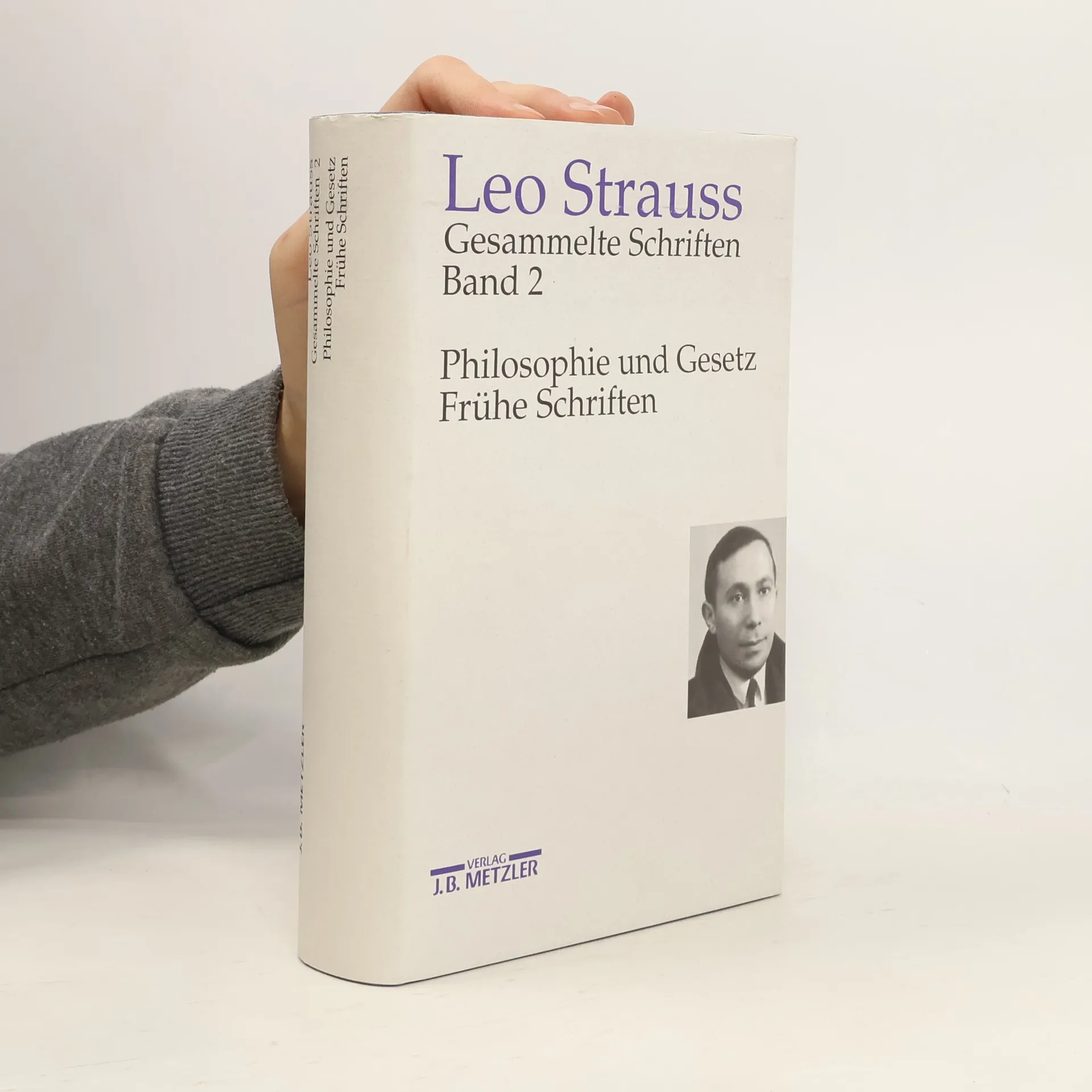
Band 2 der "Gesammelten Schriften" bietet eine Neuedition von Strauss' einflussreichen Studien zu Maimonides und seinen arabischen Vorläufern. Die "Frühen Schriften" umfassen 29 Arbeiten aus den Jahren 1921-1937, viele davon in Erstpublikation. Strauss beschreibt Maimunis Rationalismus als das natürliche Vorbild, das den modernen Rationalismus herausfordert. "Philosophie und Gesetz" leitet ein neues Verständnis von Maimonides im Kontext der platonischen Politischen Philosophie ein. Das 1935 in Berlin erschienene Buch konnte aufgrund der politischen Umstände nicht veröffentlicht werden und wird nun nach über sechzig Jahren neu zugänglich gemacht. Ergänzt wird es durch vier Aufsätze aus 1936/37 über Farabi, Maimonides und Abravanel, die den neuen Interpretationsansatz weiterführen. Die "Frühen Schriften" beinhalten Einleitungen von M. Mendelssohn, eine ausführliche Darstellung des Streits über Lessings "Spinozismus", sowie Artikel zum Zionismus und Rezensionen. Ein herausragender Essay, der den Konflikt zwischen Orthodoxie und Aufklärung behandelt, bildet den Auftakt des Bandes. Strauss, geboren 1899, promovierte 1921 bei Cassirer und lehrte später an der University of Chicago, wo er die Politische Philosophie maßgeblich prägte. Der Herausgeber Heinrich Meier, geboren 1953, leitet die Carl Friedrich von Siemens Stiftung und hat bedeutende Arbeiten zur Politischen Philosophie veröffentlicht.
Der erste Band der »Gesammelten Schriften« von Leo Strauss widmet sich der kritischen Auseinandersetzung mit dem Konflikt zwischen Aufklärung und Orthodoxie durch die Linse von Spinozas »Theologisch-politischem Traktat«. Strauss untersucht die Entwicklung der modernen Religionskritik und strebt an, die Philosophiegeschichte neu zu beleuchten, um die Philosophie als nicht selbstverständliche Disziplin zu verteidigen. Ergänzt wird der Band durch drei Essays zu Spinoza sowie einen umfangreichen Essay von 1965 und fünf frühe Artikel, darunter bislang unbekannte Texte über Zionismus und Freud.
"Philosophie und Gesetz" markiert den Beginn eines umwälzenden Neuverständnisses von Maimonides und seiner arabischen Vorgänger im Horizont der platonischen Politischen Philosophie. um die erstmals transkribierten Marginalien in Strauss Handexemplar von "Philosophie und Gesetz" erweitert.
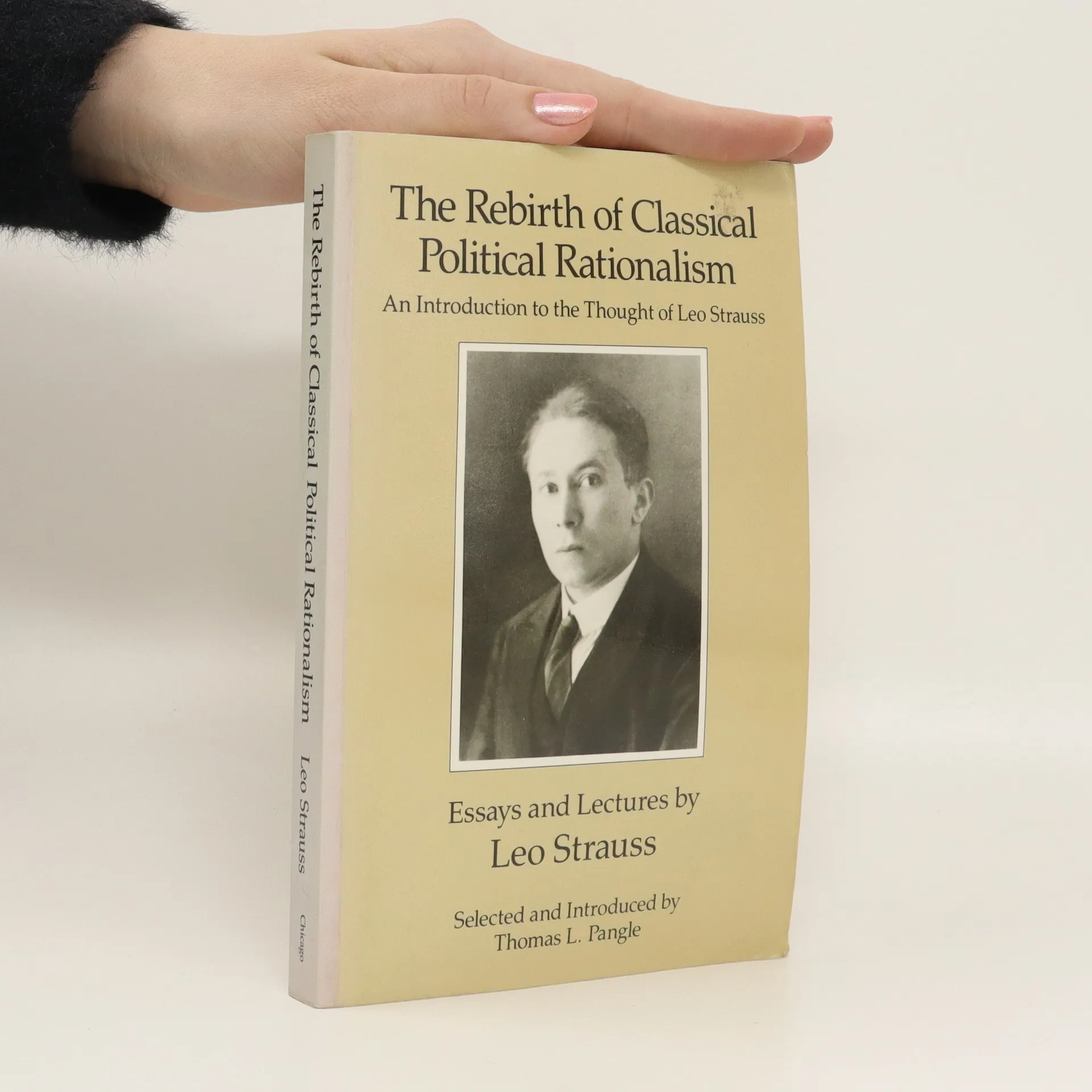
This concise and accessible introduction to Strauss's thought provides, for wider audience, a bridge to his more complex theoretical work. Editor Pangle has gathered five of Strauss's previously unpublished lectures and five hard-to-find published writings and has arranged them so as to demonstrate the systematic progression of the major themes that underlay Strauss's mature work."[These essays] display the incomparable insight and remarkable range of knowledge that set Strauss's works apart from any other twentieth-century philosopher's."—Charles R. Kesler, National Review
This volume provides an unequaled introduction to the thought of chief contributors to the Western tradition of political philosophy from classical Greek antiquity to the twentieth century. Written by specialists on the various philosophers, this third edition has been expanded significantly to include both new and revised essays.
One of the outstanding thinkers of our time offers in this book his final words to posterity. Studies in Platonic Political Philosophy was well underway at the time of Leo Strauss's death in 1973. Having chosen the title for the book, he selected the most important writings of his later years and arranged them to clarify the issues in political philosophy that occupied his attention throughout his life.As his choice of title indicates, the heart of Strauss's work is Platonism—a Platonism that is altogether unorthodox and highly controversial. These essays consider, among others, Heidegger, Husserl, Nietzsche, Marx, Moses Maimonides, Machiavelli, and of course Plato himself to test the Platonic understanding of the conflict between philosophy and political society. Strauss argues that an awesome spritual impoverishment has engulfed modernity because of our dimming awareness of that conflict.Thomas Pangle's Introduction places the work within the context of the entire Straussian corpus and focuses especially on Strauss's late Socratic writings as a key to his mature thought. For those already familiar with Strauss, Pangle's essay will provoke thought and debate; for beginning readers of Strauss, it provides a fine introduction. A complete bibliography of Strauss's writings if included.
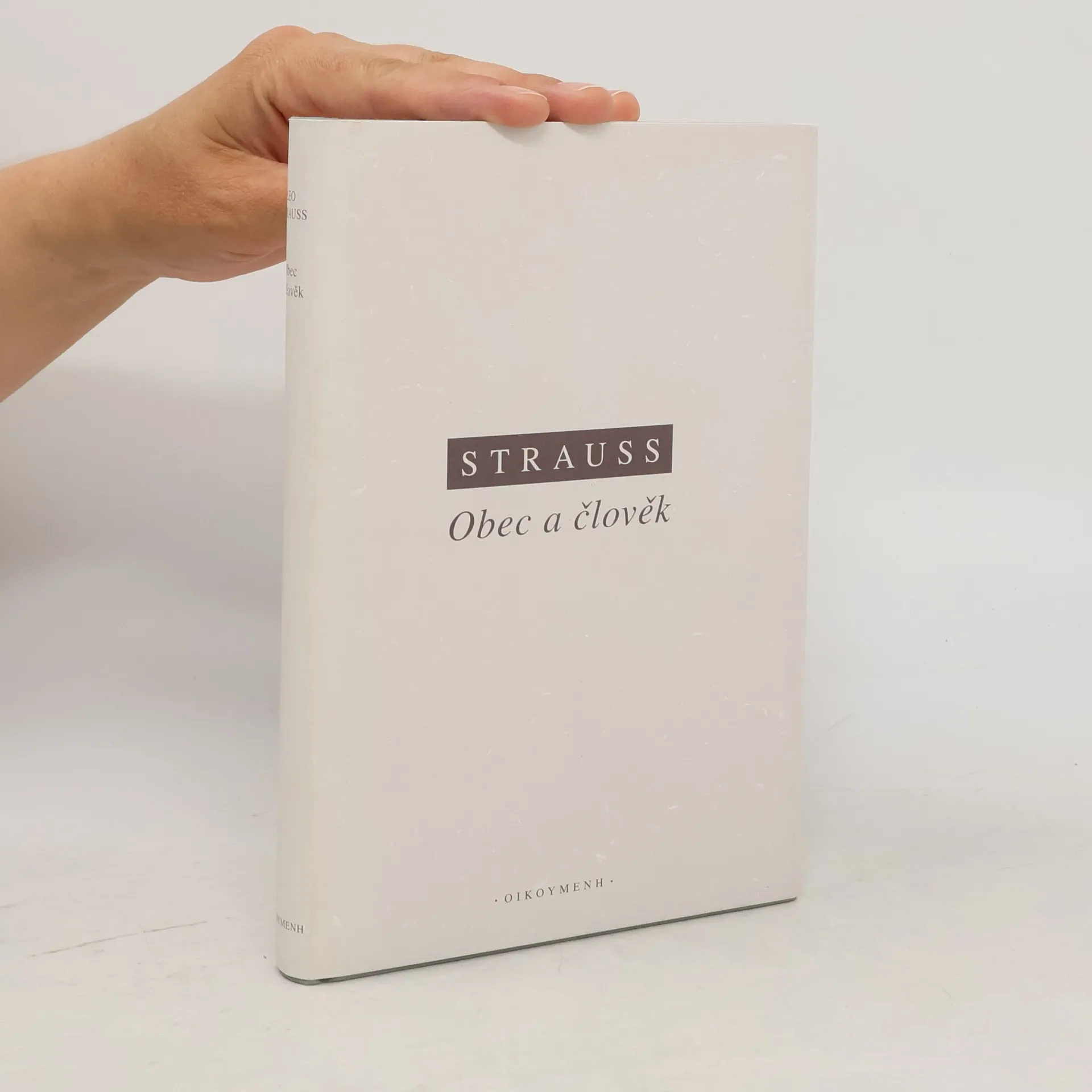
The City and Man consists of provocative essays by the late Leo Strauss on Aristotle's Politics , Plato's Republic , and Thucydides' Peloponnesian Wars . Together, the essays constitute a brilliant attempt to use classical political philosophy as a means of liberating modern political philosophy from the stranglehold of ideology. The essays are based on a long and intimate familiarity with the works, but the essay on Aristotle is especially important as one of Strauss's few writings on the philosopher who largely shaped Strauss's conception of antiquity. The essay on Plato is a full-scale discussion of Platonic political philosophy, wide in scope yet compact in execution. When discussing Thucydides, Strauss succeeds not only in presenting the historian as a moral thinker of high rank, but in drawing his thought into the orbit of philosophy, and thus indicating a relation of history and philosophy that does not presuppose the absorption of philosophy by history.
Strauss᾿ Buch, erstmals 1956 auf Deutsch veröffentlicht, beschäftigt sich mit der historischen Rekonstruktion naturrechtlichen Denkens. Es analysiert sowohl klassisches als auch modernes Naturrecht (Hobbes, Locke, Rousseau) sowie die Staatsphilosophie von Edmund Burke, einem der Väter des modernen politischen Konservativismus. Auf den ersten Blick scheint es wenig aktuell, doch bei näherer Betrachtung wird seine potenzielle Relevanz für die gegenwärtige politische und rechtsphilosophische Diskussion deutlich. Strauss rehabilitiert ein Denken, das das herrschende positive Recht nicht als das „letzte“ und „gültige“ akzeptiert. Er strebt danach, einen Maßstab zu gewinnen, der es ermöglicht, über positives Recht zu urteilen, und der jenseits dessen liegt, was als „rechtens“ definiert wird. Diese Überzeugung basiert auf der Annahme, dass es im Menschen etwas gibt, das seiner Gesellschaft nicht vollständig unterworfen ist und die gegenwärtige Positivität transzendiert. In der Einleitung zur deutschen Ausgabe von 1956 bemerkte Gerhard Leibholz, dass die restaurativen Kräfte, die heute wieder aufkommen, alles daran setzen, naturrechtliches Denken, das die großen bürgerlichen Revolutionsbewegungen inspirierte, in Misskredit zu bringen. Diese Beobachtung erscheint, angesichts der aktuellen Versuche, Positionen der Aufklärung zu untergraben, besonders relevant.