Z Knihobotu sa stal Bookbot!
Bookbot

Urs Widmer

    21. máj 1938 – 2. apríl 2014

    Urs Widmer bol výrazným hlasom v literatúre, známy svojím jedinečným prístupom k rozprávaniu príbehov a skúmaním zložitých tém. Jeho diela sa ponárajú do ľudského údelu so zmesou intelektu a emócií, čo je charakteristické pre jeho hlboký literárny štýl. Vytváral naratívy, ktoré rezonovali s čitateľmi a zanechávali trvalý dojem svojou hĺbkou a originalitou. Widmerov prínos literatúre je poznačený jeho neustálym odhodlaním k literárnej excelencii a inovatívnemu vyjadreniu.

    Urs Widmer
    The Blue Soda Siphon
    In the Congo
    Top dogs
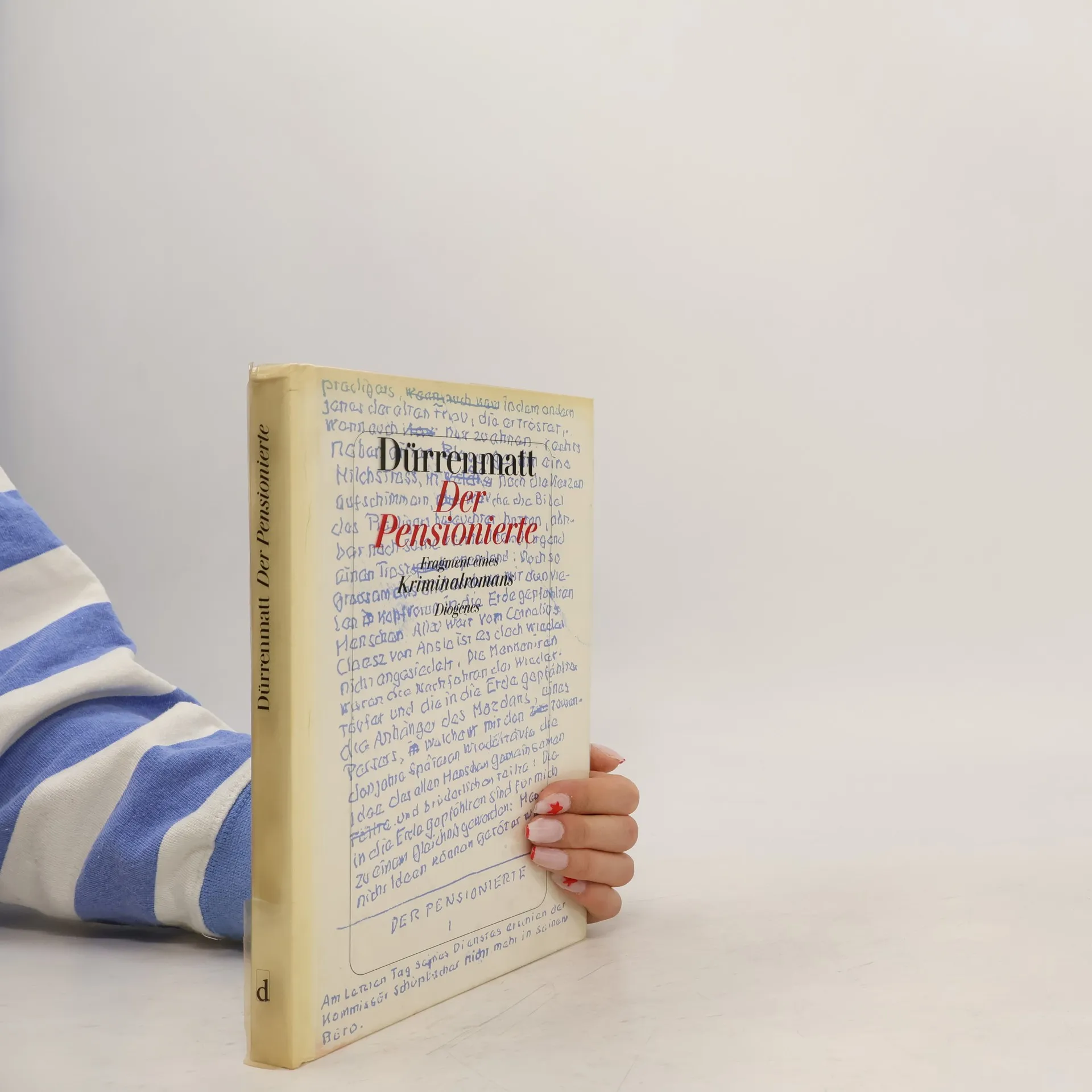
    Penzista. Fragment detektivního románu
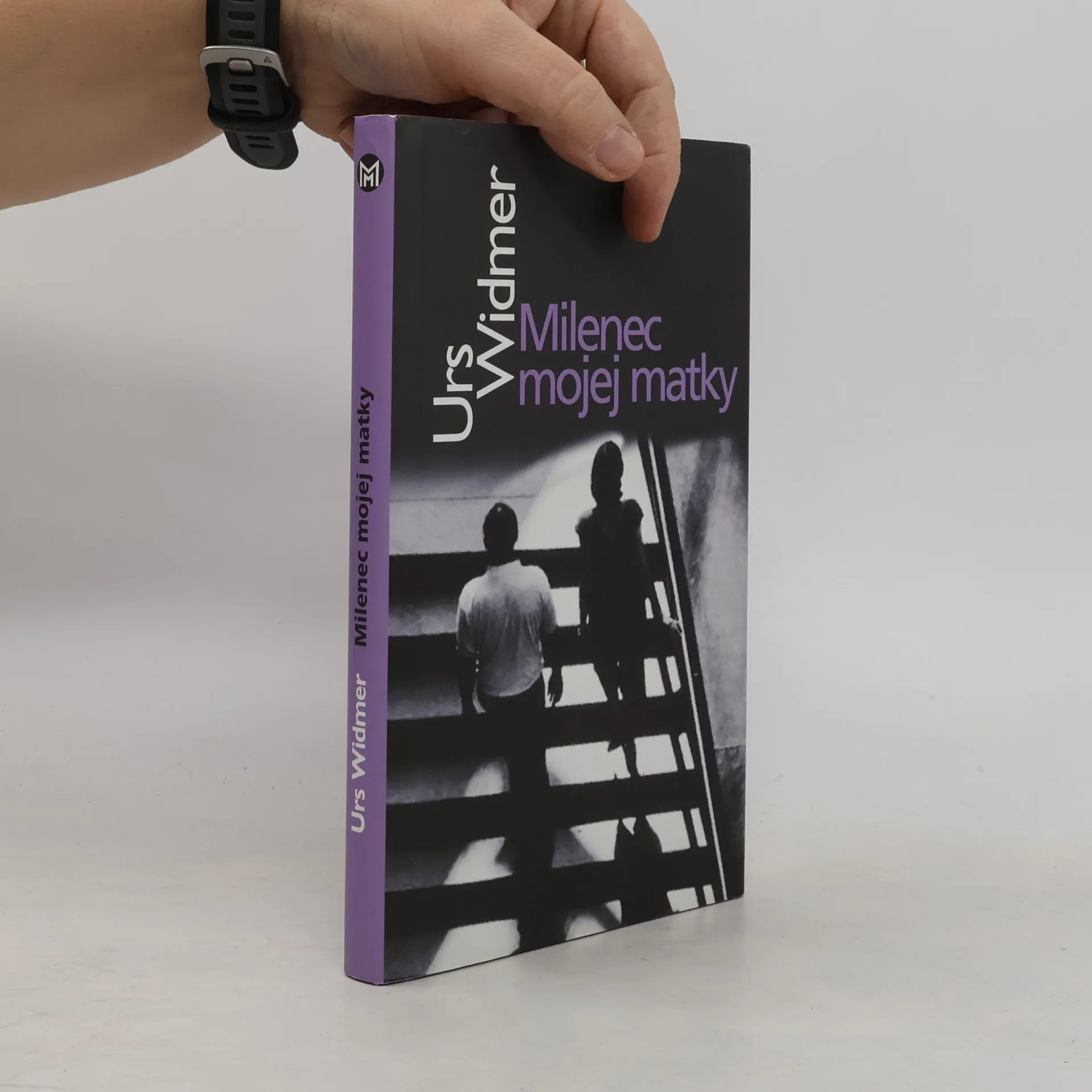
    Milenec mojej matky
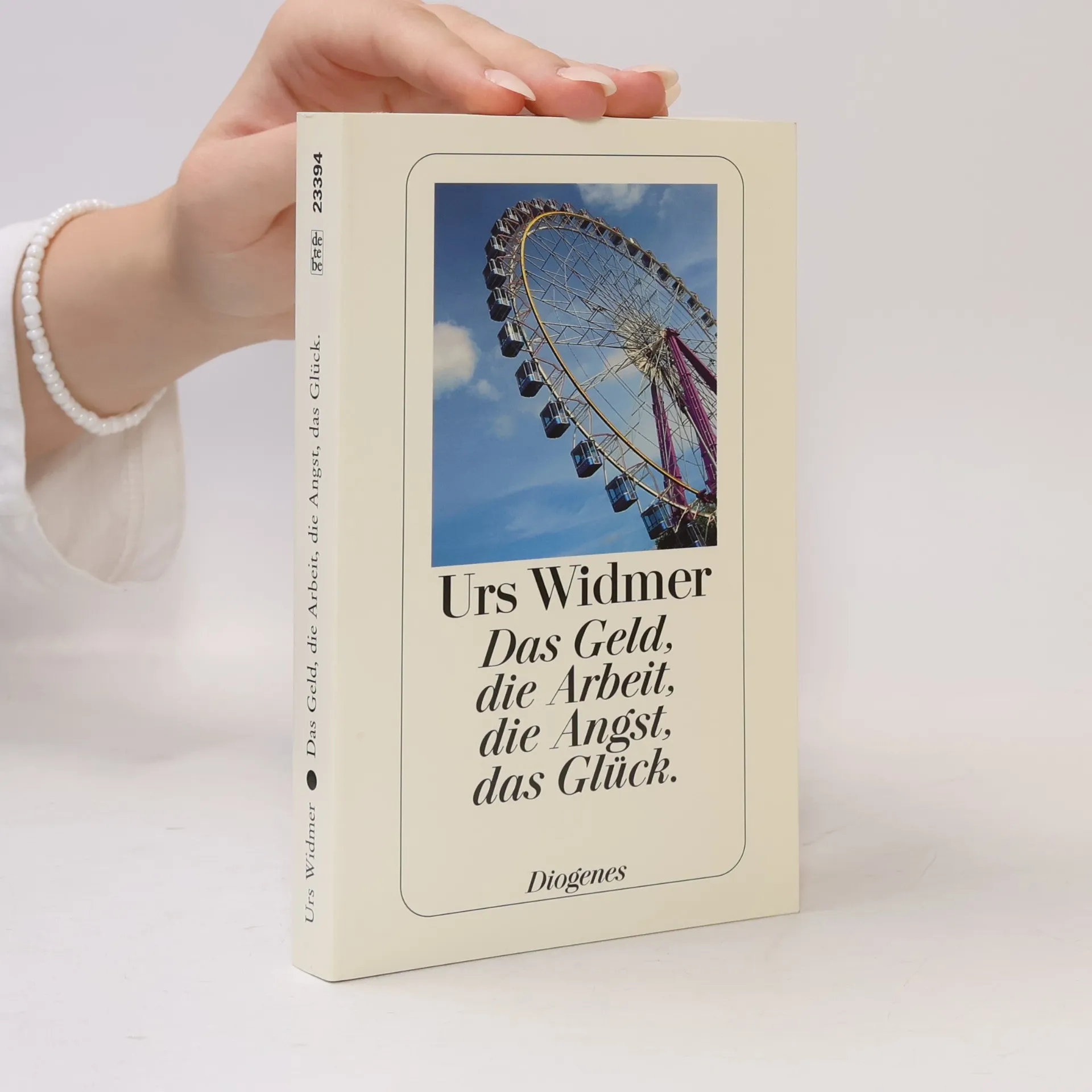
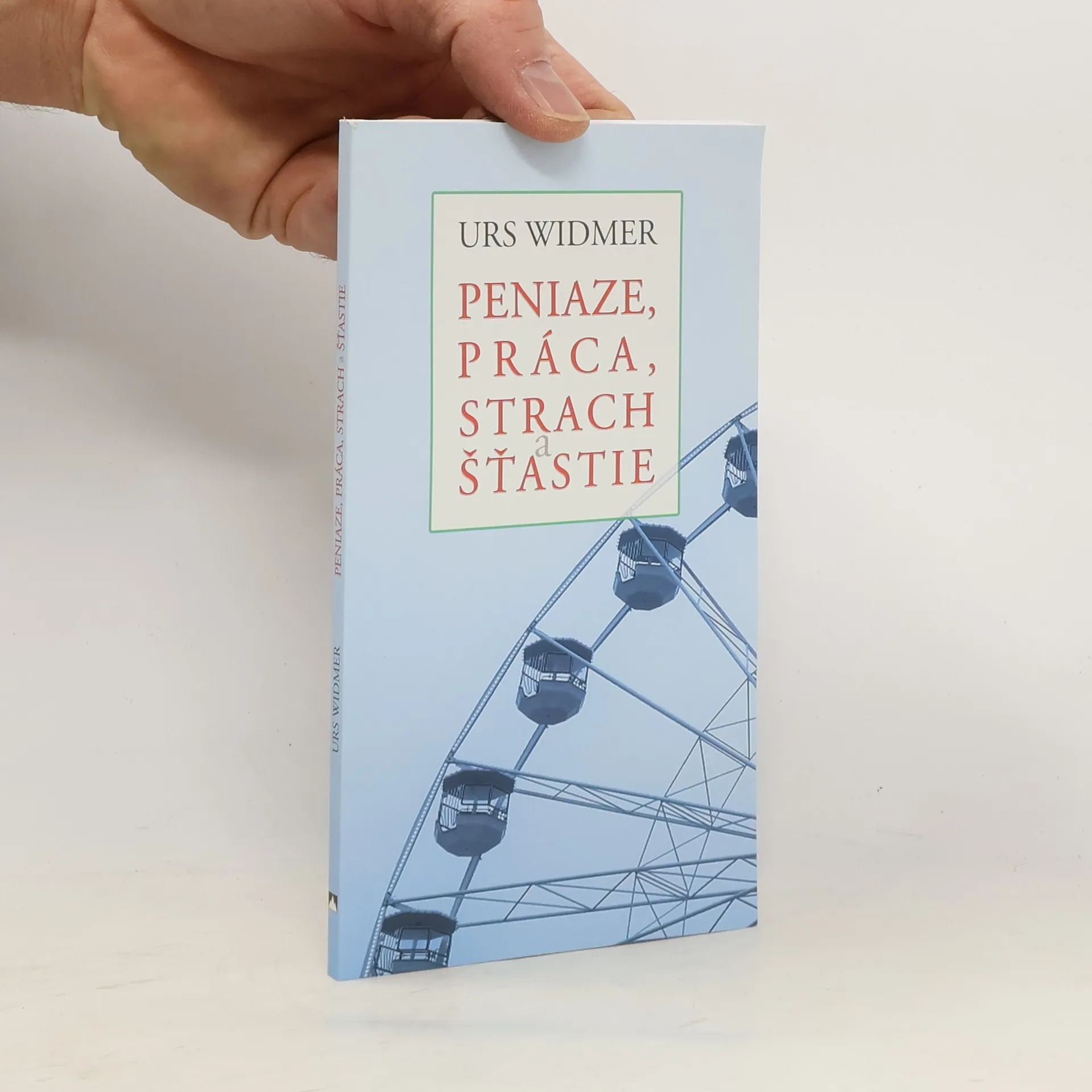
    Peniaze, práca, strach a šťastie
    • Peniaze, práca, strach a šťastie

      • 112 stránok
      • 4 hodiny čítania

      Švajčiarsky spisovateľ, dramatik a prekladateľ Urs Widmer (21. 5. 1938 – 2. 4. 2014) je považovaný za jedného z najuniverzálnejších švajčiarskych autorov. Písal romány, poviedky, eseje, divadelné a rozhlasové hry a za svoju tvorbu získal veľa významných ocenení. Zmysel pre iróniu a satiru popri autentickom zobrazení reality sú ingredienciou, ktorou si podmaňuje čitateľov. Kniha Peniaze, práca, strach a šťastie je výberom z esejí , ktoré napísal za 10 – 13 rokov, a stĺpčekov, ktoré vznikli medzi januárom 2001 a aprílom 2002 pre Magazin novín Tages-Anzeiger. Je to zbierka fejtónov a úvah o všetkom, čo tvorí náš život. Sú to vtipné súkromné postrehy, ktoré však výstižne definujú celospoločenské problémy.
      Peniaze, práca, strach a šťastie
    • Milenec mojej matky

      • 144 stránok
      • 6 hodin čítania
      3,5(260)Ohodnotiť

      Milenec mojej matky je predovšetkým príbehom o matke, prerozprávaný z perspektívy jej syna. Román sa začína a končí zmienkou o smrti známeho švajčiarskeho dirigenta a hoci výrazne ovplyvnil život ženy v jeho tieni, autor sa o ňom zmieňuje iba okrajovo. Retrospektívne nás však oboznamuje s matkiným detstvom, jej despotickým otcom a jeho rodostromom až po mýtického predka – afrického leva. Smrť matky z nej urobila zo dňa na deň dospelú ženu, pravú ruku nielen v rodičovskej domácnosti, ale aj pre mladého talentovaného dirigenta a jeho orchester. Matka s ním prežije krátky románik, milenec ju však bez okolkov opustí, ožení sa, urobí kariéru a zbohatne. Matku naopak vojna a hospodárska kríza pripraví o všetko. S manželom a dieťaťom sa vysťahuje z mesta a uchýli sa na vidiek. Pod oknami dirigentovho paláca však naďalej sníva o celkom inom živote – s iným mužom.
      Milenec mojej matky
    • Román Penzista patří mezi Durrenmattova významná prozaická díla a zapadá do linie detektivních románů zpochybňujících fenomén justice a relativizujících otázku viny a trestu.

      Penzista. Fragment detektivního románu
    • In the Congo

      • 256 stránok
      • 9 hodin čítania
      3,4(97)Ohodnotiť

      Kuno, a male nurse in a Swiss retirement home, has a new inmate: his father. In the confines of their new home, the pair does something surprising--they finally begin to talk. Kuno had always regarded his father as a boring man without a history or a destiny, until they are thrust together and he learns that his father risked his life in the war. Stunned, Kuno embarks on a journey into his own psyche, taking him to the depths of the Congo. Here, longings awaken and dreams come true--rays of light in the darkness, meetings with kings, seductive women, and the songs of the jungle. This alluring far-away place he once regarded as the heart of darkness suddenly becomes an exciting locale of lunacy, wildness, and tests of inner strength. In Urs Widmer's characteristic style, In the Congo is a riveting yarn, threading through not only the relationship between a father and son, but that of Africa and Europe. Translated by Donal McLaughlin, this novel will delight Widmer fans the world over and will turn our notions of colonialism on their heads.

      In the Congo
    • A magnificent example of Widmer's characteristic humor, literary genius, and unparalleled imagination. In the wildly entertaining novel The Blue Soda Siphon, the narrator unexpectedly finds himself back in the world of his childhood: Switzerland in the 1940s. He returns to his childhood home to find his parents frantic because their son is missing. Then, in another switch, the young boy that he was back then turns up in the present of the early 1990s, during the Gulf War, where he meets himself as an older man, and meets his adult self's young daughter. These head-scratching, hilarious time shifts happen when both the adult narrator and his childhood self go to the cinema and see films, the subjects of which echo their own lives. Translated into English for the first time by Donal McLaughlin, this novel, in which the eponymous blue soda siphon bottle is a recurring symbol, is a magnificent example of Urs Widmer's characteristic humor, literary genius, and unparalleled imagination.

      The Blue Soda Siphon
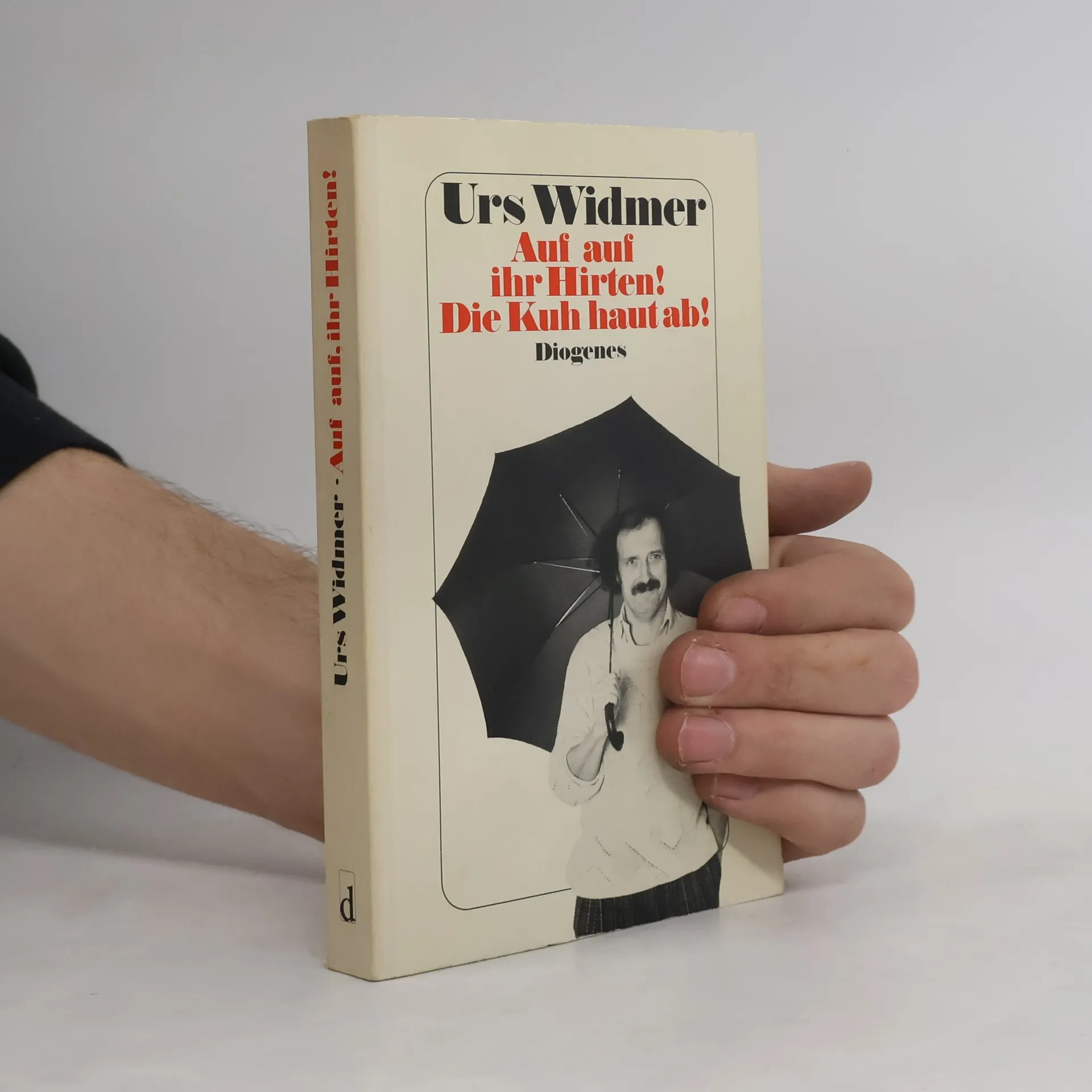
    • "kolumnen sind Lektüre für Minuten, aber Urs Widmer präsentiert die Inhalte wie eine geballte Ladung Schnupftabak: Das Gehirn wird gründlich freigeblasen." Basler Zeitung

      Auf auf ihr Hirten! Die Kuh haut ab!
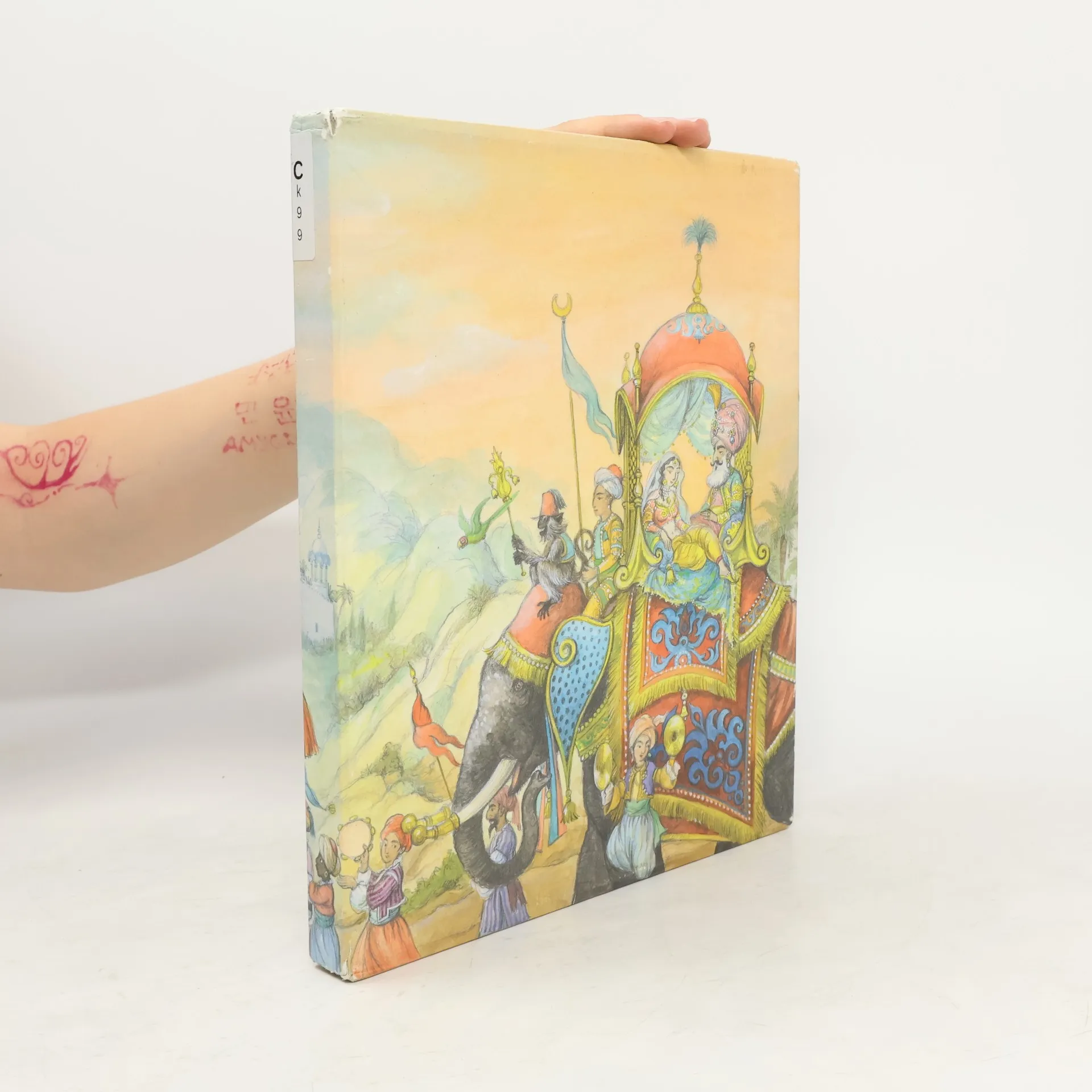
    • Urs Widmer hat die wundervollen Geschichten aus Tausendundeiner Nacht behutsam gerafft, ohne ihnen das orientalische Flair zu nehmen. Höchst anschaulich, deftig und kurzweilig erzählt er die sechs berühmtesten Geschichten der unsterblichen Scheherzad neu. Und damit die große Märchensammlung für alle Sinne »eine Quelle unendlichen Genusses, das reichste Bilderbuch der Welt« (Hermann Hesse) werde, hat Tatjana Hauptmann sich ans Werk gemacht, DIE Künstlerin, um die orientalische Üppigkeit und Subtilität ins Bild zu holen.

      Die schönsten Geschichten aus Tausendundeiner Nacht