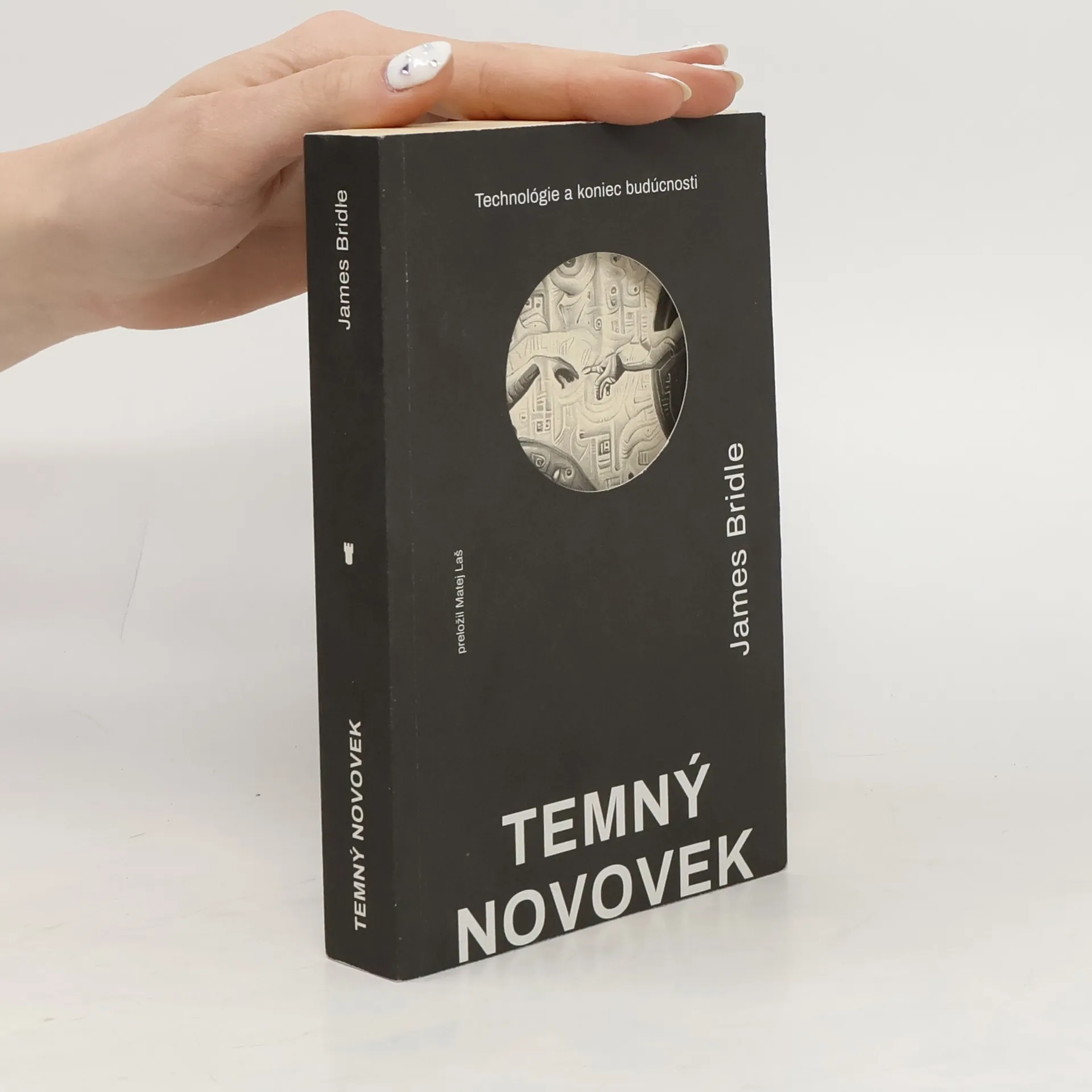
Doba neustálych technologických zmien pretvára aj naše videnie sveta. James Bridle nám ukazuje, ako sa tomuto vývoju oddávame aj bez hlbšieho poznania, a zároveň kritizuje matematické myslenie, ktoré zvádza k viere, že každý problém je možné vyriešiť výpočtami. Temný novovek je volaním po technologickej gramotnosti a nových metaforách, ktoré nám ponúknu iný pohľad na to, ako technológie naozaj fungujú.
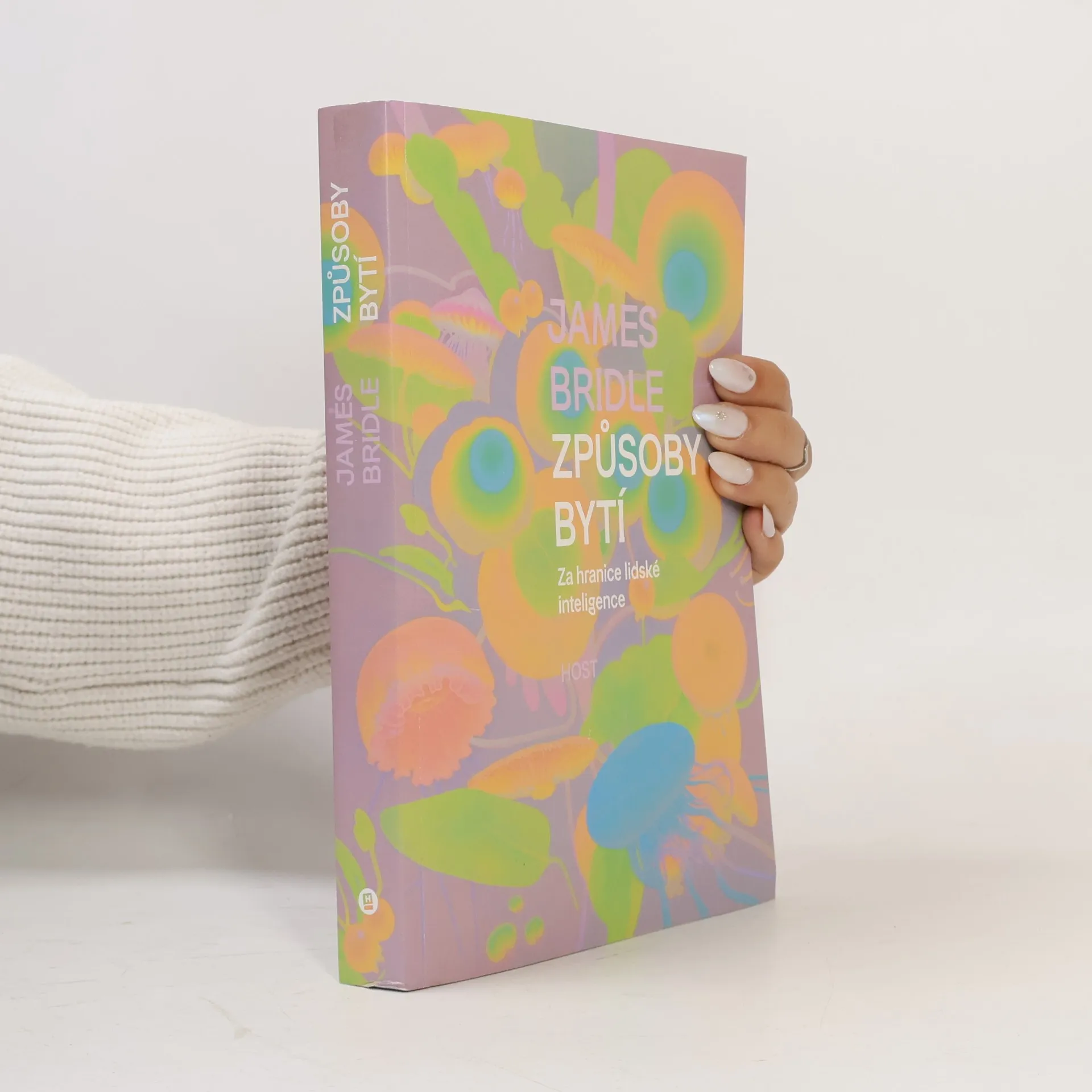
Co to vůbec znamená být inteligentní? Inteligence byla dlouho považována za výlučně lidskou vlastnost. Avšak vědecké výzkumy, technologický pokrok i posuny ve filozofii v posledních letech ukazují něco jiného. Člověk byl jediným inteligentním tvorem proto, že se definice inteligence odvíjela od jeho ustrojení, zkušeností a prostředí. Pokud však tuto perspektivu rozšíříme a pootočíme, rázem se ocitneme ve světě plném inteligentních stvoření a systémů. Nejde jen o AI, které nám mění realitu před očima, ale rovněž o kooperující zvířata, rostlinné sítě a celá přírodní společenství, která dnes lidskou inteligenci stavějí do úplně jiného světla. Co to znamená pro člověka a lidskou civilizaci? Je možné tyto jiné inteligence a jejich perspektivy zahrnout do lidského myšlení, nebo dokonce politiky? Originální myslitel a umělec James Bridle ve Způsobech bytí neotřelým a pro něj typickým způsobem kombinuje biologii a literaturu, počítačovou vědu a filozofii a hledá cesty, kudy vykročit za hranice lidské inteligence.
From breakfast to lunch and snacks to supper, Sarah Bridle gives the carbon footprint of the food we eat, using very clear diagrams, and looks at how to combat climate change by changing our diet.
Intelligenz umfasst weit mehr als nur menschliche und maschinelle Fähigkeiten. James Bridle lädt uns ein, die beeindruckende Vielfalt intelligenter Lebensformen auf unserem Planeten neu zu entdecken. Von Mimosen über Gibbons bis hin zu Krabbencomputern und Satelliten erzählt er eine radikal neue Geschichte über Ökologie, Technik und unsere gemeinsame Welt. Unsere übermäßige Fokussierung auf menschliche Intelligenz hat uns von anderen Existenzformen entfremdet und zur Zerstörung unserer Umwelt beigetragen. Diese Misere ist das Ergebnis gängiger Vorstellungen von Intelligenz und Technologie, die stark vom Egoismus der Menschheit und einer profitgetriebenen Denkweise geprägt sind. Um unsere Beziehung zur Erde zu verbessern, fordert Bridle uns auf, anders zu denken und zu erfahren. Nur so können wir die Vielfalt intelligenter Wesen um uns herum erkennen und von ihnen lernen. Er regt an, unsere Gesellschaften zu transformieren, um in eine blühende Gemeinschaft mit diesen Wesen einzutreten. Bridle bietet eine verständliche und avantgardistische Perspektive auf die Verbindung zwischen Ökologie und Technik, die uns dazu anregt, unsere Sichtweise grundlegend zu überdenken.
Hat uns die technologische Entwicklung in ein neues dunkles Zeitalter geführt? So jedenfalls sieht es James Bridle, Künstler und Experte für Künstliche Intelligenz, der hierbei weder ein düsteres Zukunftsszenario noch eine Rückkehr ins Mittelalter im Sinn hat. Es geht ihm vielmehr um eine nüchterne Bestandsaufnahme unserer von Computertechnologien durchdrungenen Gegenwart. Er spürt den paradoxen und tragischen Momenten nach, zu denen die menschlichen Bemühungen einer technischen Beherrschung der Welt geführt haben. So zeigt er auf, wie Navigationssysteme Touristen in den Ozean leiten, Autopiloten Flugzeugabschüsse provozieren, algorithmisierter Hochfrequenzhandel Börsencrashs auslöst und eine zu große Datenfülle wissenschaftlichen Fortschritt hemmt. Unsere Abhängigkeit von technologischen Systemen sei, so Bridle, jedoch nicht einfach rückgängig zu machen. Vielmehr plädiert er dafür, diese überhaupt erst ins Bewusstsein zu bringen. Dies gelinge nur durch ein Denken, das sich von der Vorstellung einer perfekten Berechenbarkeit der Welt verabschiedet und die komplexen Interaktionen zwischen natürlicher Umwelt, Technik und unserer sozialen Lebenswelt in den Blick nimmt.