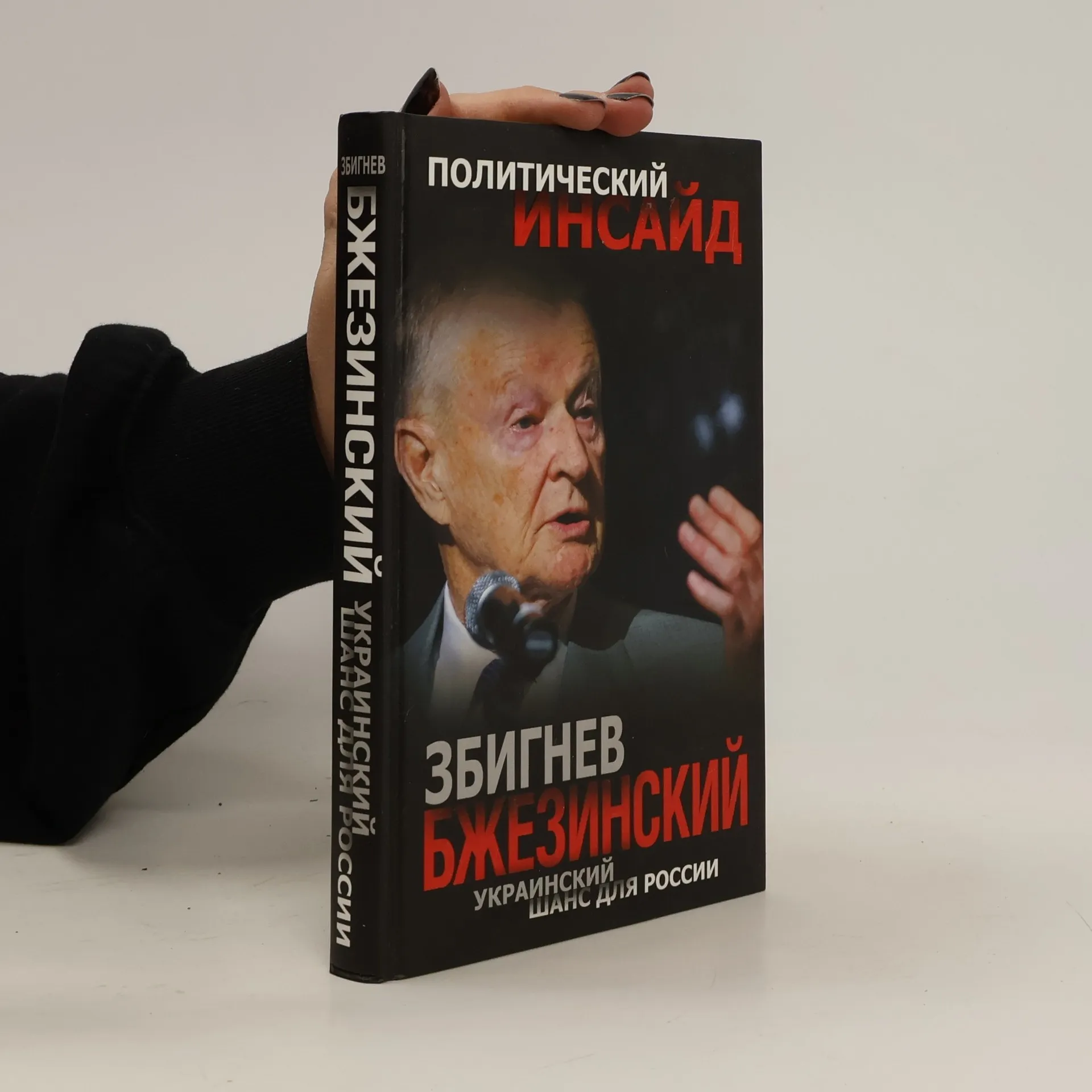
Zbigniew Brzezinski bol poľsko-americký politický vedec a štátnik, ktorého práca sa sústredila na geostratégiu a zahraničnú politiku. Jeho prístup bol charakterizovaný ako realistický a presadzoval vplyvné zahraničnopolitické stratégie v čase, keď sa Demokratická strana prikláňala k jastrabiemu krídlu. Jeho analýzy sa často zameriavali na zložité vzťahy medzi národmi a mocenskými blokmi a na dlhodobé dôsledky medzinárodných udalostí. Brzezinski skúmal dynamiku svetovej politiky a navrhoval stratégie na formovanie medzinárodného poriadku, pričom kládol dôraz na strategické myslenie a globálnu perspektívu.
Amerikas Strategie der Vorherrschaft und der Kampf um Eurasien
Zbigniew Brzezinskis Werk „Die einzige Weltmacht“ analysiert die geopolitische Bedeutung der Ukraine und die amerikanische Strategie zur Wahrung ihrer globalen Vormachtstellung im 21. Jahrhundert. Mit Fokus auf Europa und Eurasien beleuchtet es aktuelle Entwicklungen wie den Ukrainekrieg und den Aufstieg Chinas. Ein essentielles Buch für das Verständnis globaler Konflikte.
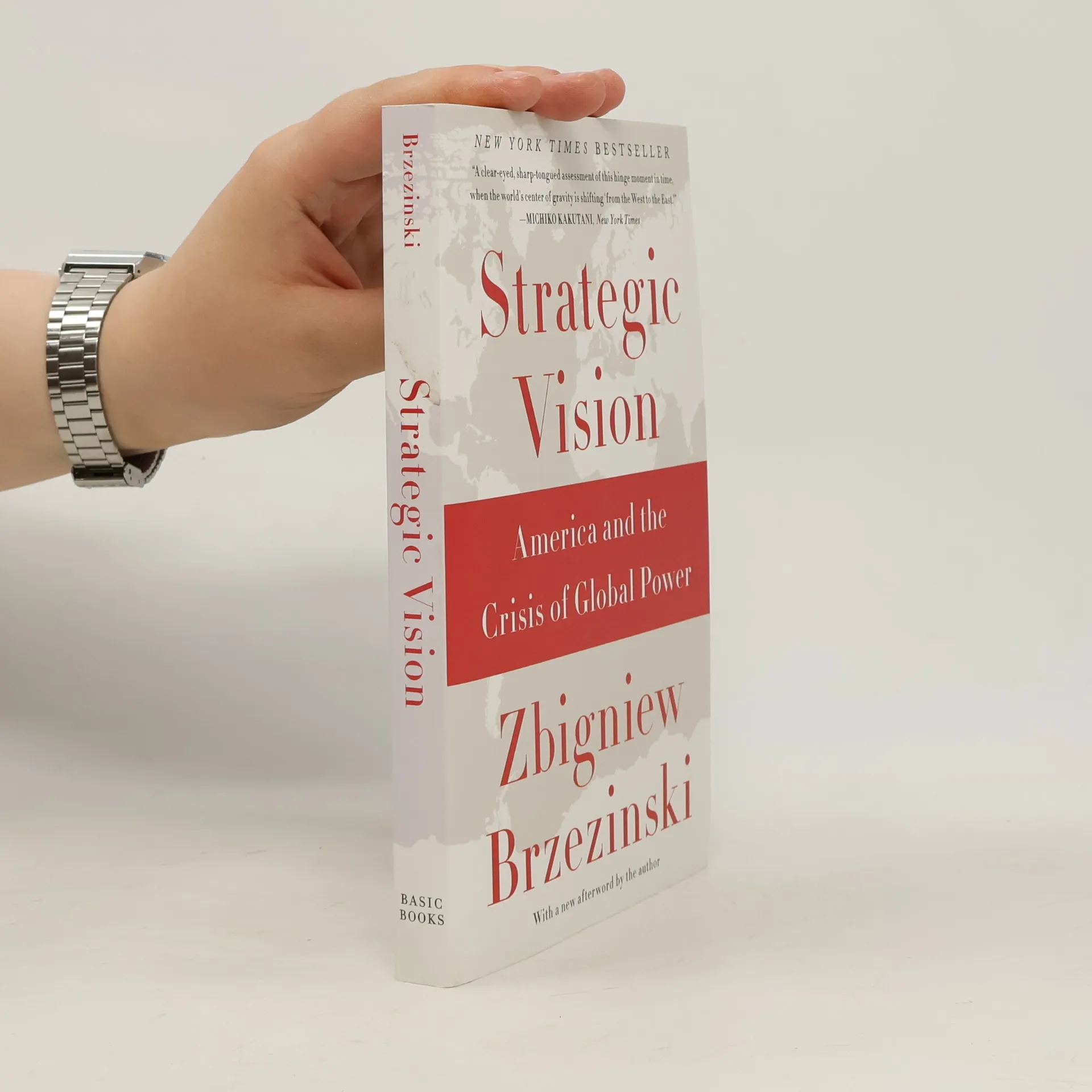
America And The Crisis Of Global Power - With A New Afterword By The Author
240 stránok
9 hodin čítania
One of the wise men of American foreign policy explains America's vital role in achieving global stability and provides a long-term strategic vision for America.
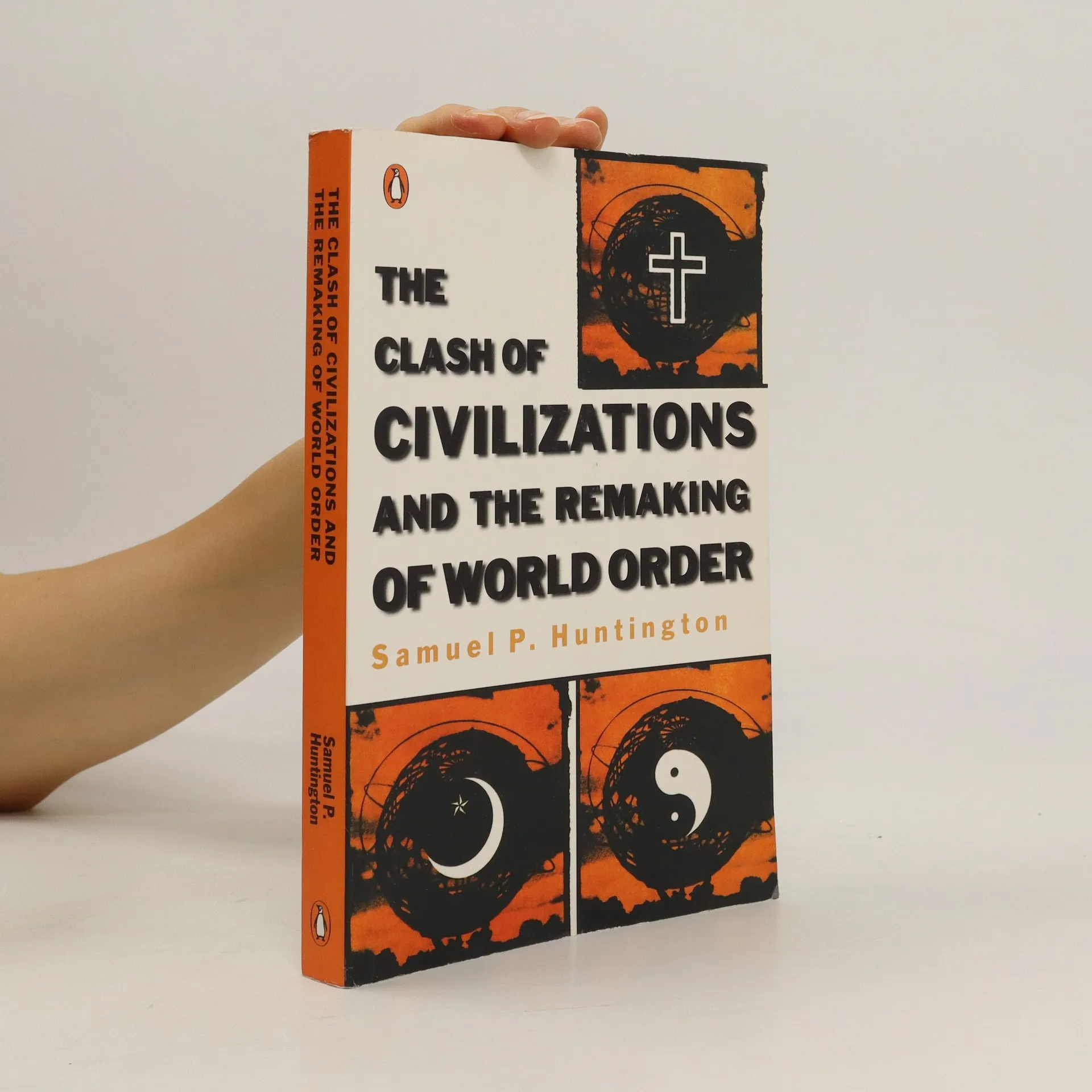
An Insightful And Powerful Analysis Of The Forces Driving Global Politics Today And Into The Next Century. In The Summer Of 1993 Foreign Affairs Published An Article Entitled The Clash Of Civilizations? By Samuel Huntington. No Article, According To The Editors Of That Distinguished Journal, Had Generated More Discussion Since George Kennan S X Article On Containment In The 1940 S. Now, Huntington Expands On His Article, Explores Further The Issues He Raised Then, And Develops Many New Penetrating And Controversial Analyses. In The Article, He Posed The Question Whether Conflicts Between Civilizations Would Dominate The Future Of World Politics. In The Book, He Gives His Answer, Showing Not Only How Clashes Between Civilizations Are The Greatest Threat To World Peace But Also How An International Order Based On Civilizations Is The Best Safeguard Against War.
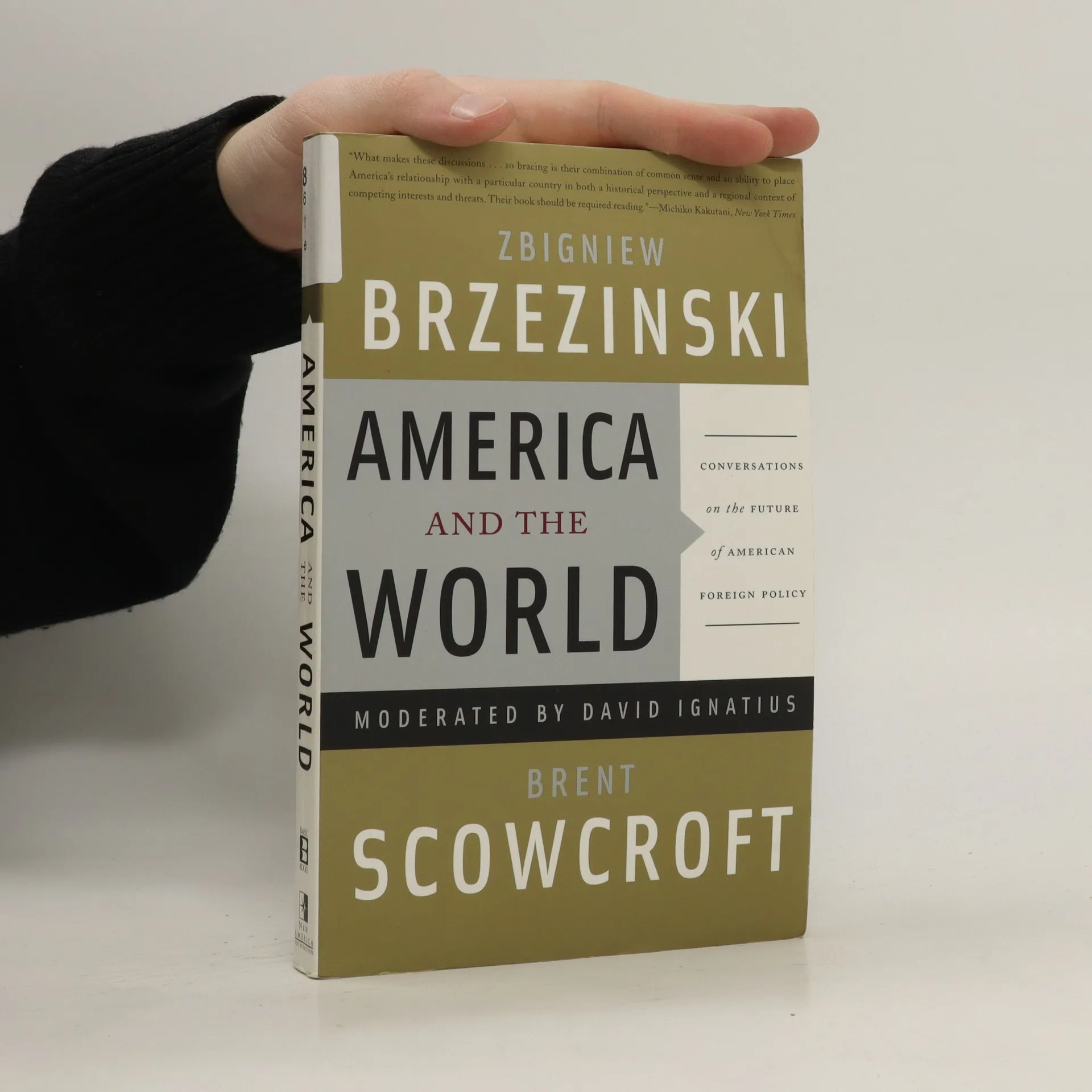
America's status as a world power remains at a historic turning point. The strategies employed to win the wars of the twentieth century are no longer working, and the US must contend with the changing nature of power in a globalized world. In America and the World, two of the most respected figures in American foreign policy, Zbigniew Brzezinski and Brent Scowcroft, dissect the challenges facing the US today: the Middle East, Russia, and China, among others. In spontaneous conversations the two authors explore their agreements and disagreements. Defining the center of responsible opinion on American foreign policy, America and the World is an essential primer on a host of urgent issues at a time when our leaders' decisions could determine how long our nation remains a superpower.
A story of wasted opportunity and squandered prestige: a critique of the last three U.S. presidents' foreign policy. Distinguished commentator on foreign policy, former National Security Adviser Brzezinski, offers a reasoned but unsparing assessment of the last three presidential administrations' foreign policy. Though spanning less than two decades, these administrations cover a vitally important turning point in world history: the period in which the United States, having emerged from the Cold War with unprecedented power and prestige, managed to squander both in a remarkably short time. This is a tale of decline: from the competent but conventional thinking of the first Bush administration, to the well-intentioned self-indulgence of the Clinton administration, to the mortgaging of America's future by the "suicidal statecraft" of the second Bush administration. Brzezinski concludes with a chapter on how America can regain its lost prestige. This scholarly yet highly opinionated book is sure to be both controversial and influential.--From publisher description.
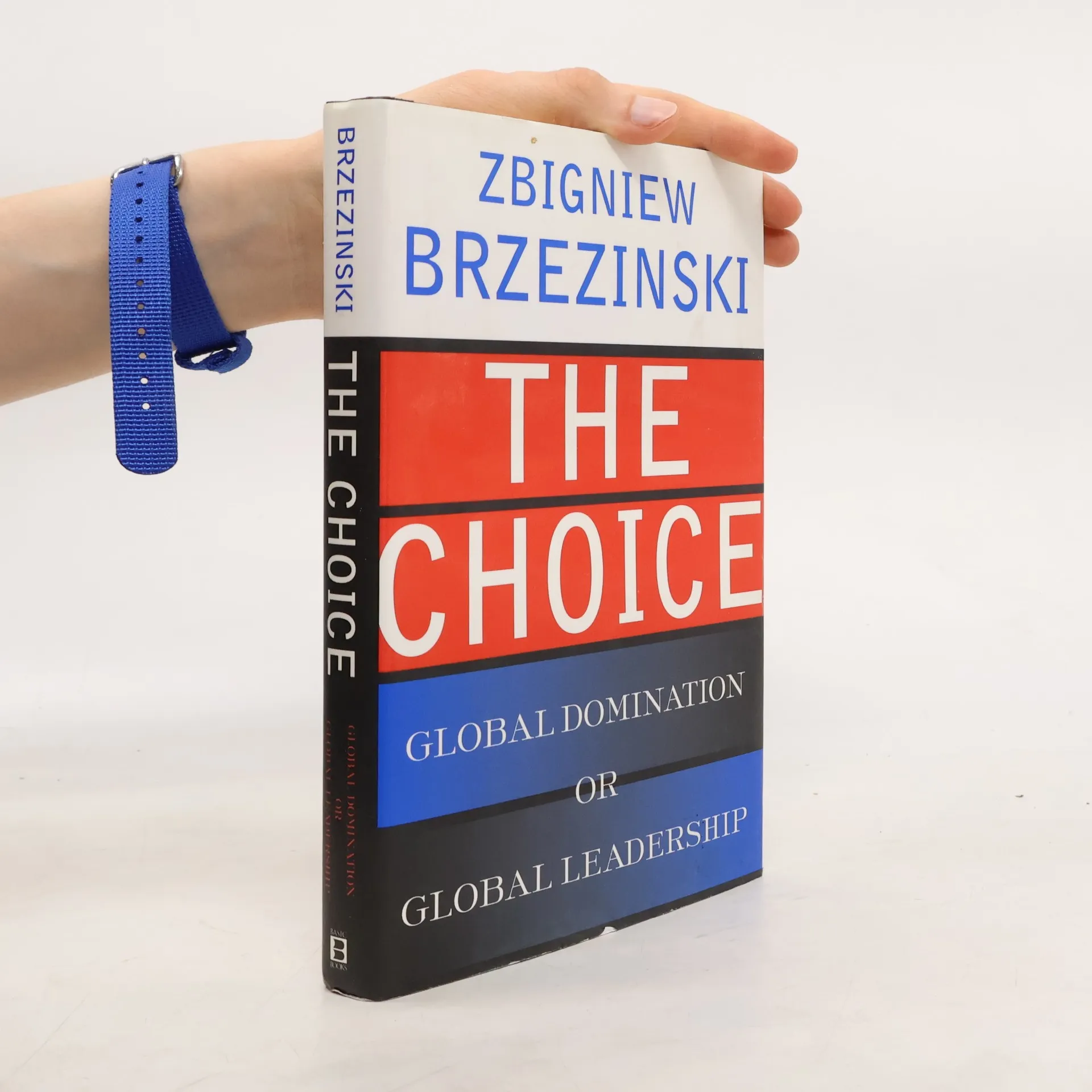
The overwhelming reality of our time is this: In the opening years of the 21st century, the United States finds itself not only the most powerful nation on earth but the most powerful nation that has ever existed. Given the contradictory roles America plays in the world, we are fated to be the catalyst for either a new global community or for global chaos. If we don't lead, Zbigniew Brzezinski contends, rather than merely dominate by force, we could face worldwide hostility much like the regional hostility now confronting Israel.Brzezinski argues for a more complex and sophisticated view of our global role than much of our media and political leadership are willing to entertain. We are the world's policeman, but we have to be seen as a fair one. We are entitled to a higher level of security than other nations (because we assume greater risks), but we are also the proponent of essential freedoms. We are uniquely powerful, but our homeland is uniquely -and chronically-vulnerable. "Globalization" precludes immunity for even the most powerful. This is an impressively lucid assessment, informed by decades of experience on the front lines of foreign policy, of where we stand in the world and where we should go from here.
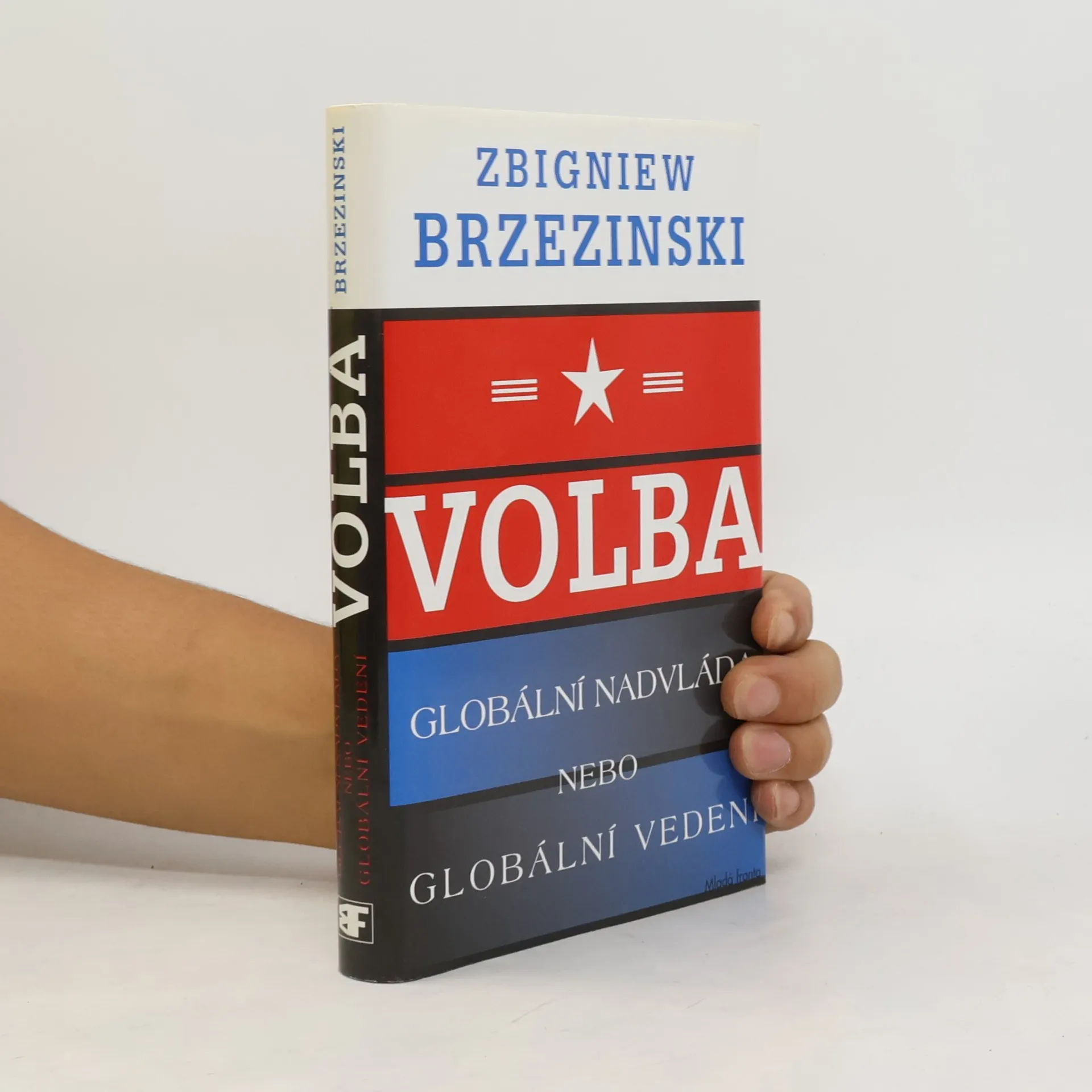
Amerika stojí před historickou volbou: bude usilovat o dominaci ostatnímu světu, nebo se jej pokusí vést? definuje Zbigniew Brzezinski základní problém, před kterým stojí nejmocnější stát světa. Ale moc Ameriky je také její největší slabostí. Brzezinski, který má tu výhodu, že se nepodílí na nynější konfrontační americké zahraniční politice, si může dovolit luxus zabývat se tématy, jež by měla stát u kořenů každé zodpovědné diplomacie a koncepce strategické vojenské bezpečnosti.
Jeho symetrická otázka má výstavbu klasického dramatu: v pěti kapitolách rozdělených do dvou oddílů, autor předkládá pět dilemat: národní bezpečnost, nový globální pořádek, řízení globálních aliancí, globalizace a hegemonní demokracie. Brzezinského novu knihu je možné vnímat nejen jako zničující kritiku, ale i jako závažný alternativní námět k aktuální podobě americké zahraniční politiky.
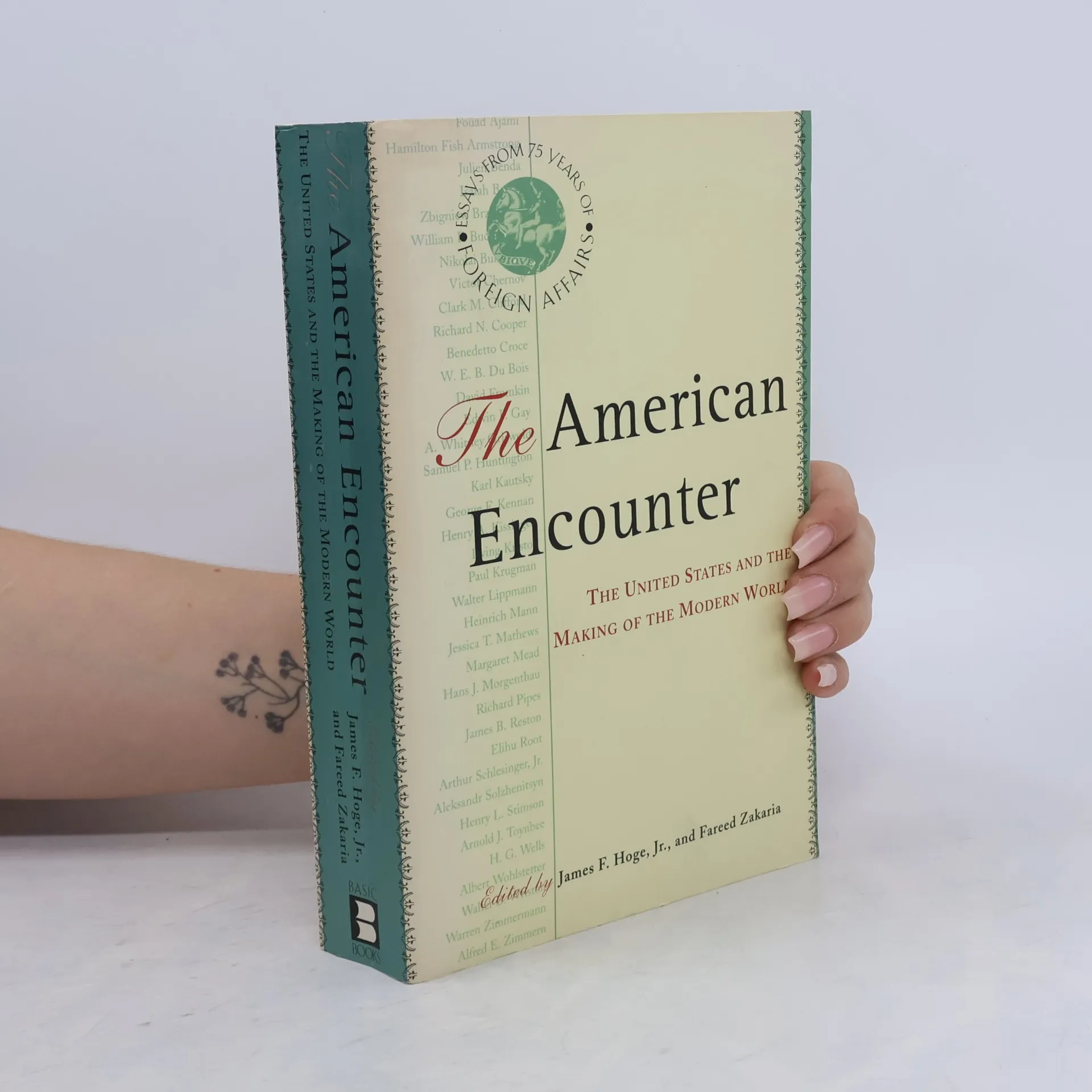
The United States and the Making of the Modern World: Essays from 75 Years of Foreign Affairs
672 stránok
24 hodin čítania
Since its founding in 1922, Foreign Affairs has established itself as the premier journal of international relations, offering profound commentary on global politics and economic policy. America's significant role in world events—military, political, economic, and ideological—has been central to discussions within its pages. Notably, it was here that George Kennan introduced the containment policy, shaping U.S. Cold War strategy. The journal has hosted debates among statesmen-scholars like Henry Kissinger and Arthur Schlesinger on critical issues such as nuclear weapons and human rights, while journalists like Walter Lippmann and James Reston have provided insightful analyses of American foreign policy. Thinkers like Isaiah Berlin and Samuel Huntington have explored the evolving dynamics of the world. In The American Encounter , readers will discover landmark essays that reflect a unique intellectual history of the past century and America's extraordinary influence within it. This collection stands apart, as there is no other publication like Foreign Affairs . The American Encounter serves as a vital connection to historical giants—visionaries whose insights and warnings resonate today, enhancing our understanding of America's role on the global stage.
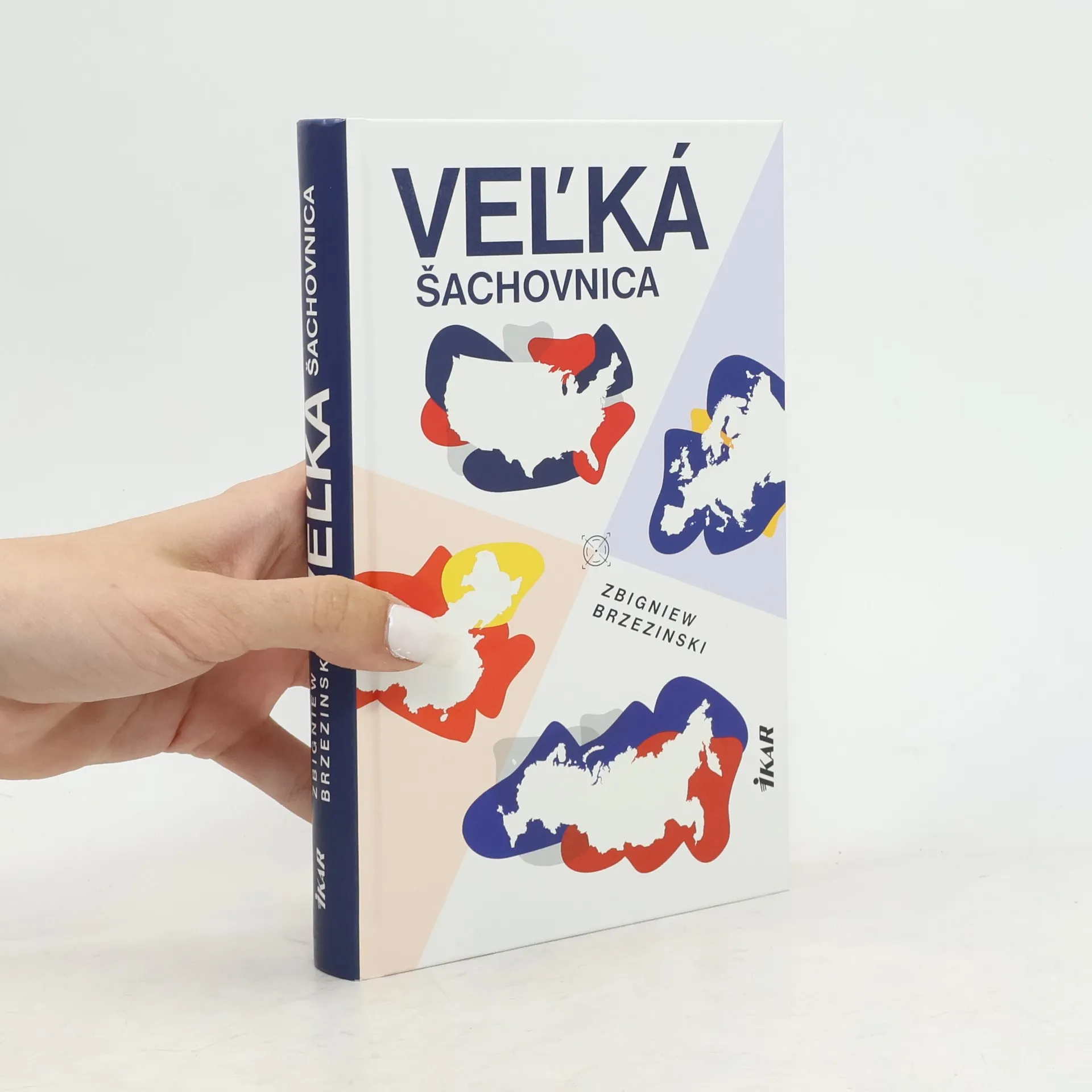
Je polovica deväťdesiatych rokov. Stredná Európa si zvyká na slobodu a mieri do EÚ a NATO, čerstvo nezávislé postsovietske krajiny sa snažia oslobodiť od vplyvu Kremľa a novú situáciu chce na svoje posilnenie využiť aj Čína ako najľudnatejšia krajina sveta. Rusku sa to nepáči, ale zmietané hospodárskym prepadom, všadeprítomnou korupciou a organizovaným zločinom je príliš slabé, aby s tým niečo robilo. A na to všetko sa prizerá nespochybniteľný svetový hegemón, prvá a posledná skutočne globálna a neohrozená superveľmoc – Spojené štáty. Ako využijú svoje jedinečné postavenie? Je v ich záujme podporiť integráciu strednej Európy do EÚ? Do akej miery je vhodné podporovať Moskvu ohrozujúce ambície Pekingu, tak aby neohrozila Washington? A je možné pomôcť Rusku, aby sa stalo súčasťou západného sveta? Brzezinského Veľká šachovnica je žánrovou klasikou, historickým exkurzom, učebnicou geopolitiky aj napínavým románom, v ktorom sme tiež zohrali svoju rolu.
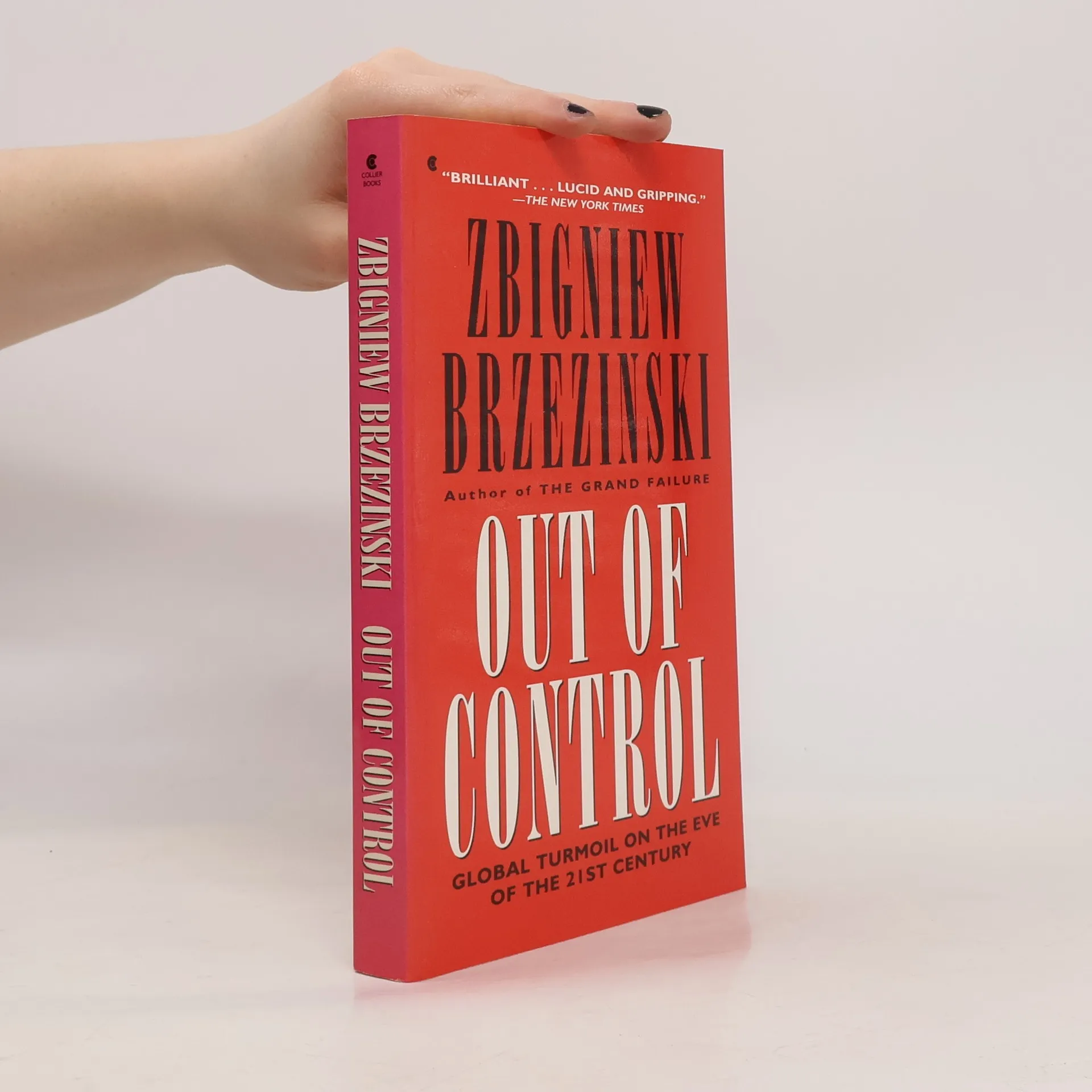
Global Turmoil on the Eve of the Twenty-First Century
240 stránok
9 hodin čítania
As we rush toward the 21st century, former Director of the National Security Council Brzezinski takes time out to issue an "urgent warning" about the current state of global politics. He believes we are in peril of repeating the "megadeath" of this century--a century that has witnessed the slaughter of 187 million people in the name of politics.
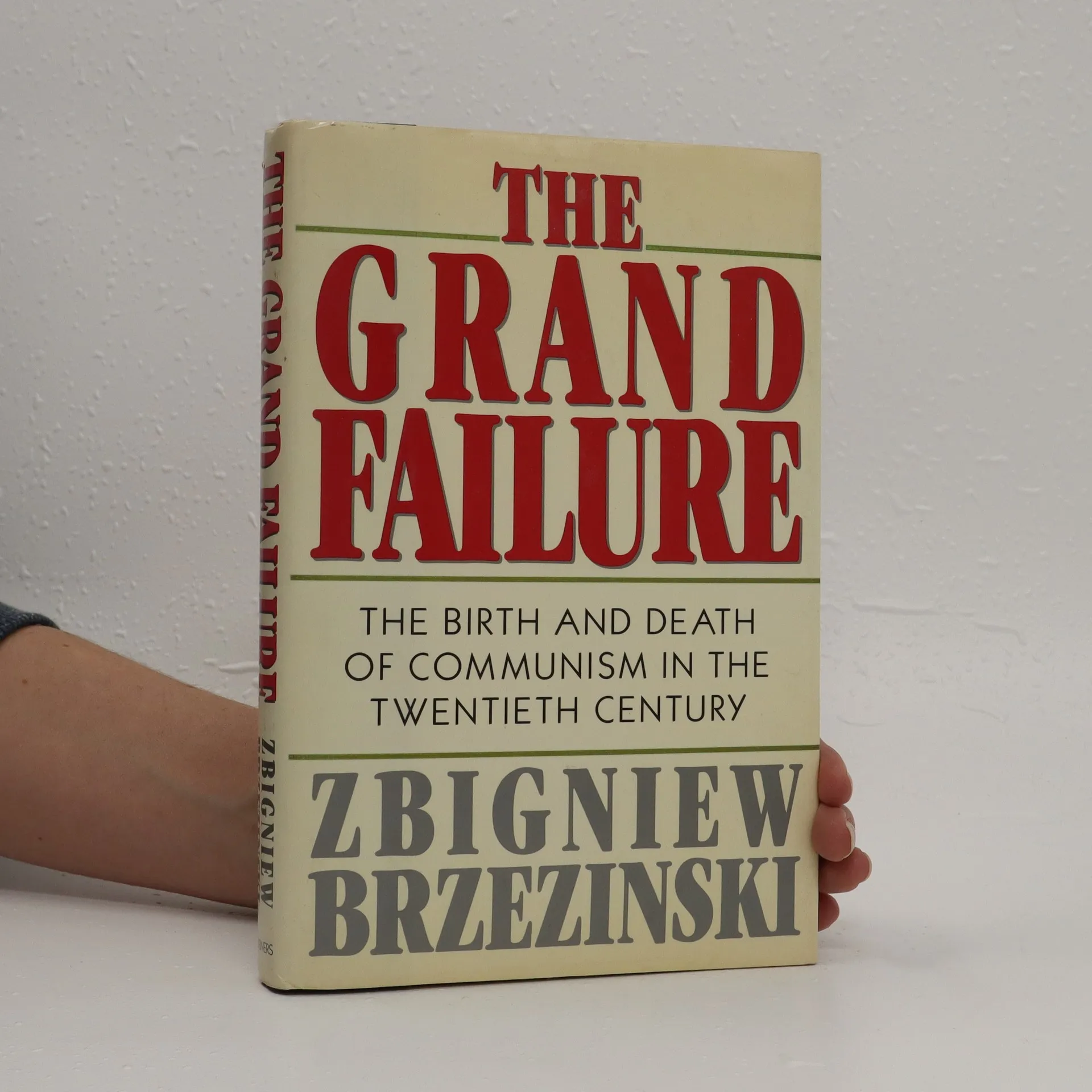
The Grand Failure: The Birth and Death of Communism in the Twentieth Century is Zbigniew Brzezinski's prescient analysis of "the terminal crisis of communism." One of the most astute foreign policy experts of our time, Brzezinski argues that the advent of communism was a critical phenomenon in the history of the century. From the Cold War, to the building of the Berlin Wall, Sputnik, the Vietnam War, and the war in Afghanistan, Americans have lived in the light of the Soviet Union as their predominant and most forbidding antagonist. But Marxist theory has proved a failure, as have its practical applications. "By the next century," Brzezinski concludes, "communism's irreversible historical decline will have made its practice and its dogma largely irrelevant to the human condition. Prospering only where it abandons its internal substance even while retaining some of its external labels, communism will be remembered largely as the twentieth century's most extraordinary political and intellectual aberration."
Jimmy Carter's Assistant for National Security Affairs offers a detailed account of his experiences between 1977 and 1981, and an analysis of the achievements and consequences of United States foreign policy during those years
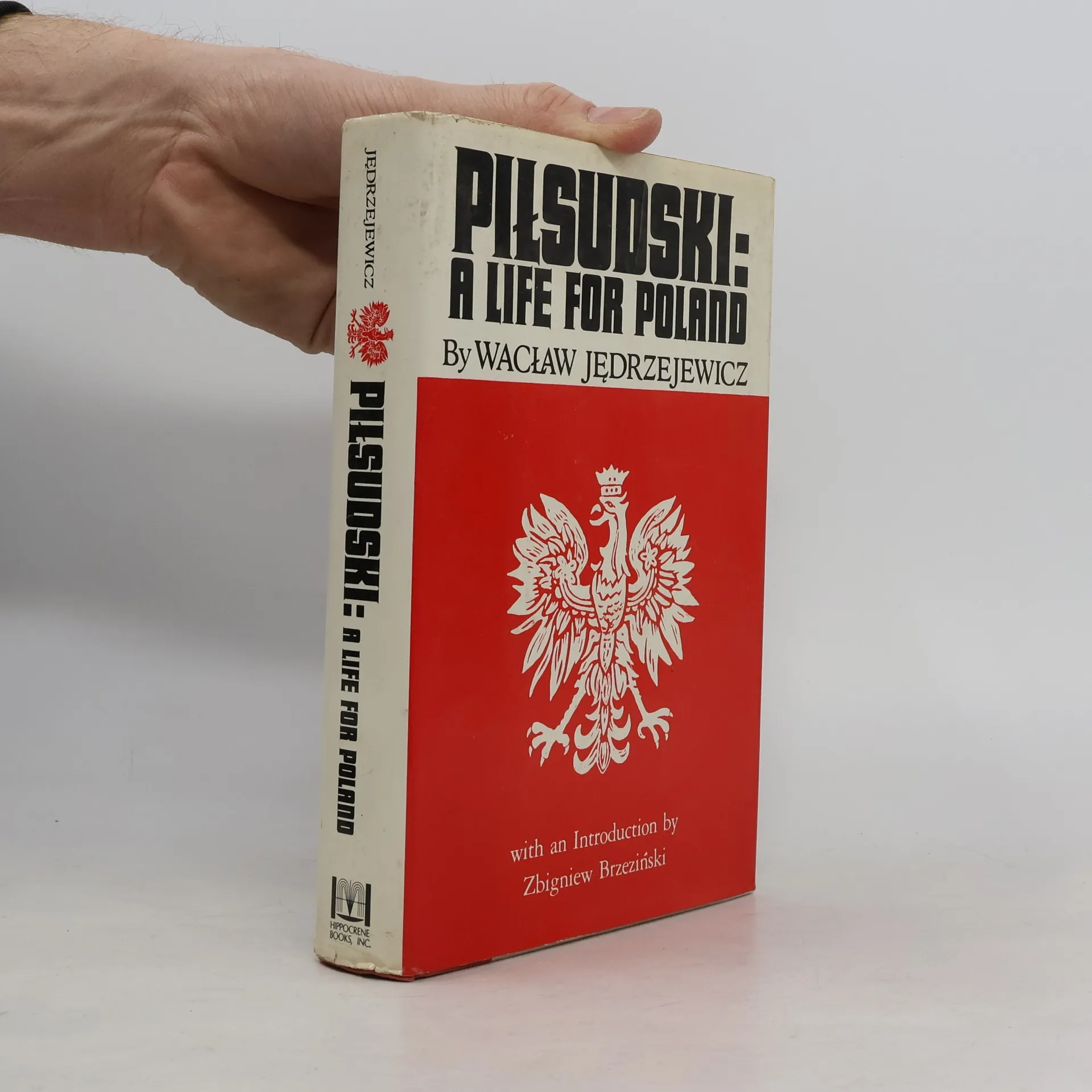
Józef Pilsudski, Marshal of the Polish armies who defeated the Soviets in 1920 before the gates of Warsaw, occupies a special niche in the hearts of his countrymen. This biography by one of the great Marshal’s contemporaries is the first in more than forty years. Pilsudski is one of the major figures of Polish history and certainly one of its most important leaders in the 20th Century. As a founder of the Polish Socialist party, soldier, commander-in-chief of the Polish Army and victor of the 1919-1920 Polish-Bolshevik War, and premier, he exercised paramount influence over the policies of Poland during the last decade of his life which ended in 1935. This biography is in no sense “official” but a balanced account addressed to the general reader with an interest in history and political science.
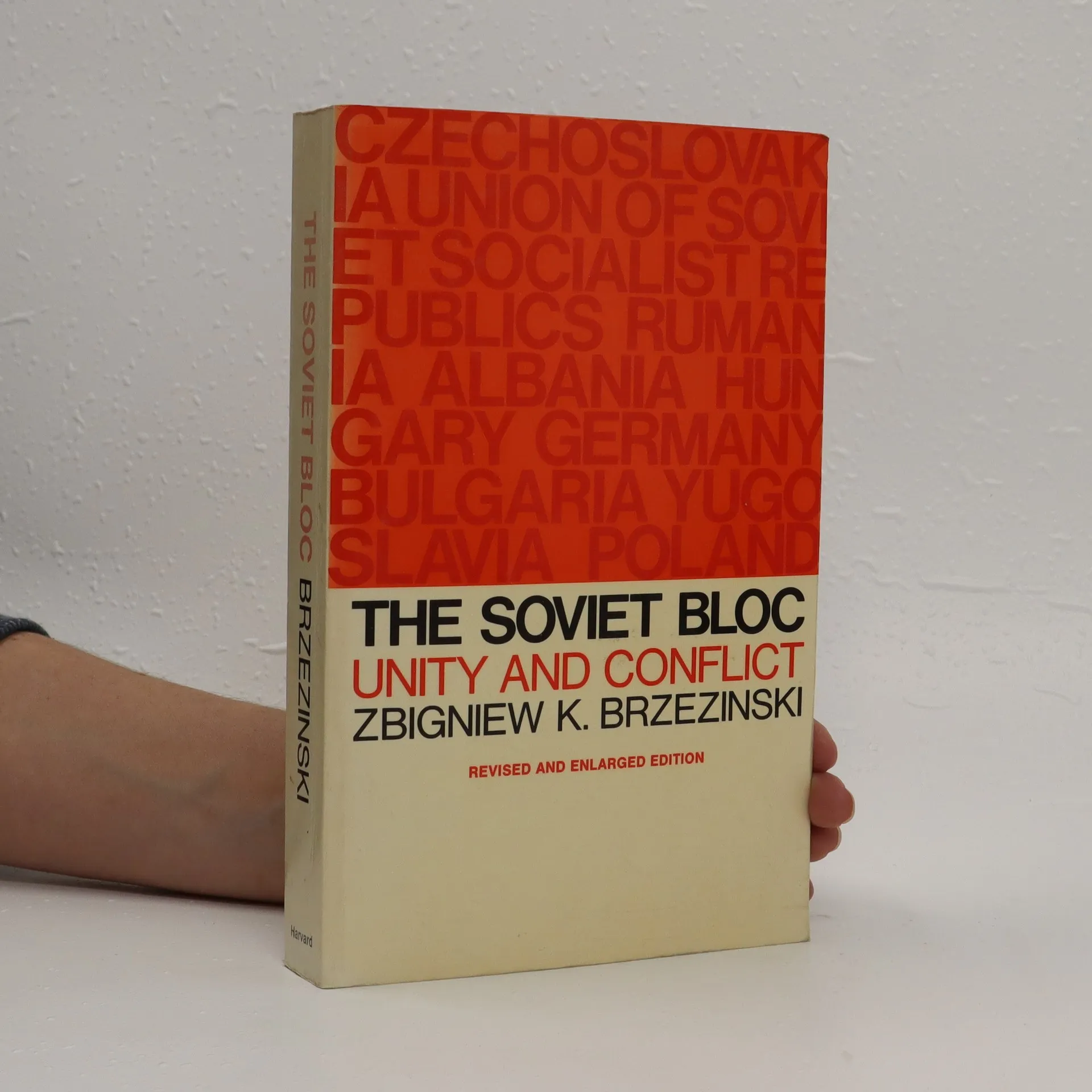
When this book was first published in 1960, The New York Times commented: "[Mr.] Brzezinski...is uniquely qualified to sift the scattered and often seemingly contradictory data on this subject...the volume is marked by unusual insight, richness of information, and stimulating thought." Mr. Brzezinski, who is on leave from his post as Professor and Director of the Research Institute on Communist Affairs, Columbia University serving on State Department's Policy Planning Council, has revised and updated his important study wherever necessary and added three new chapters on recent developments. He gives particular attention to the Sino-Soviet dispute.