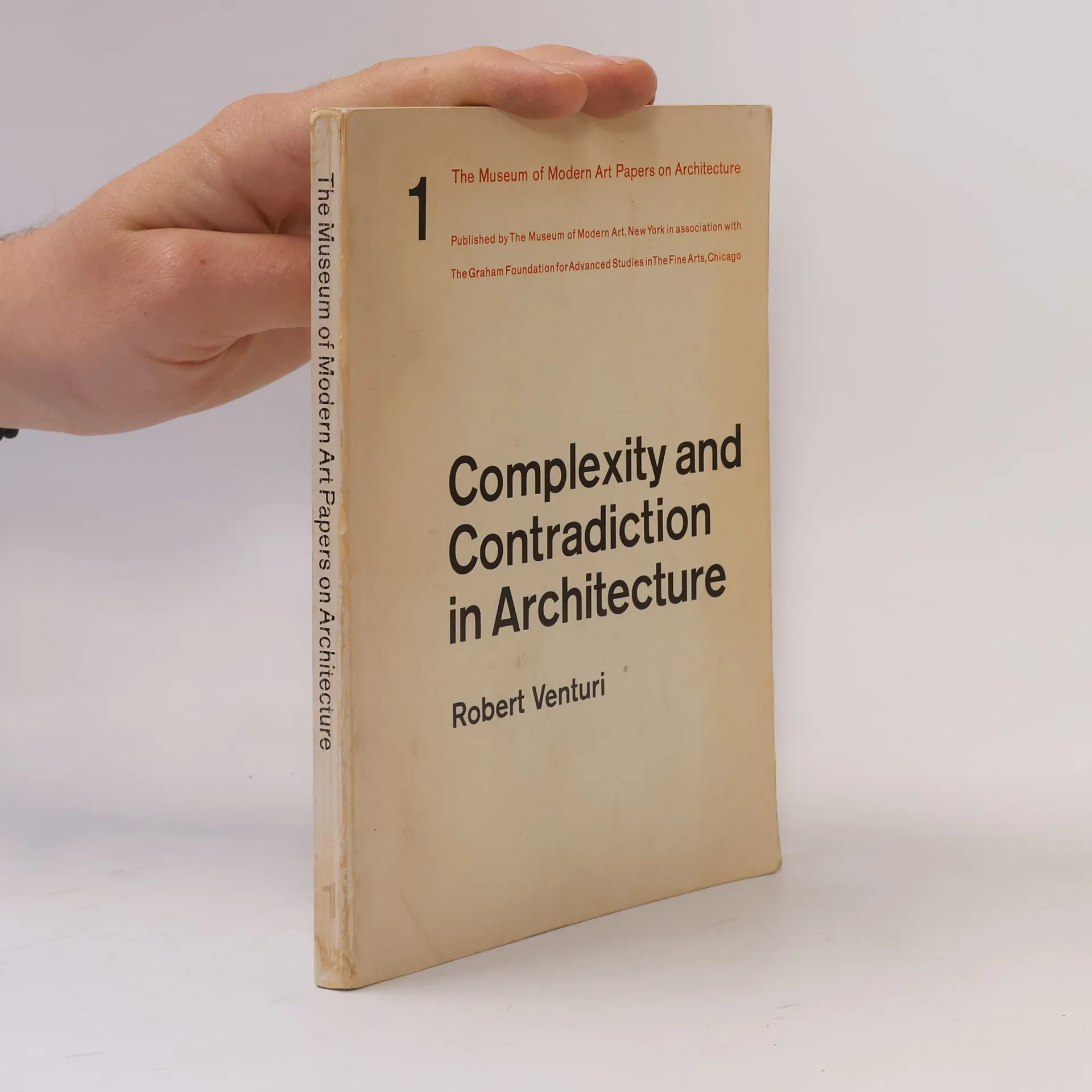
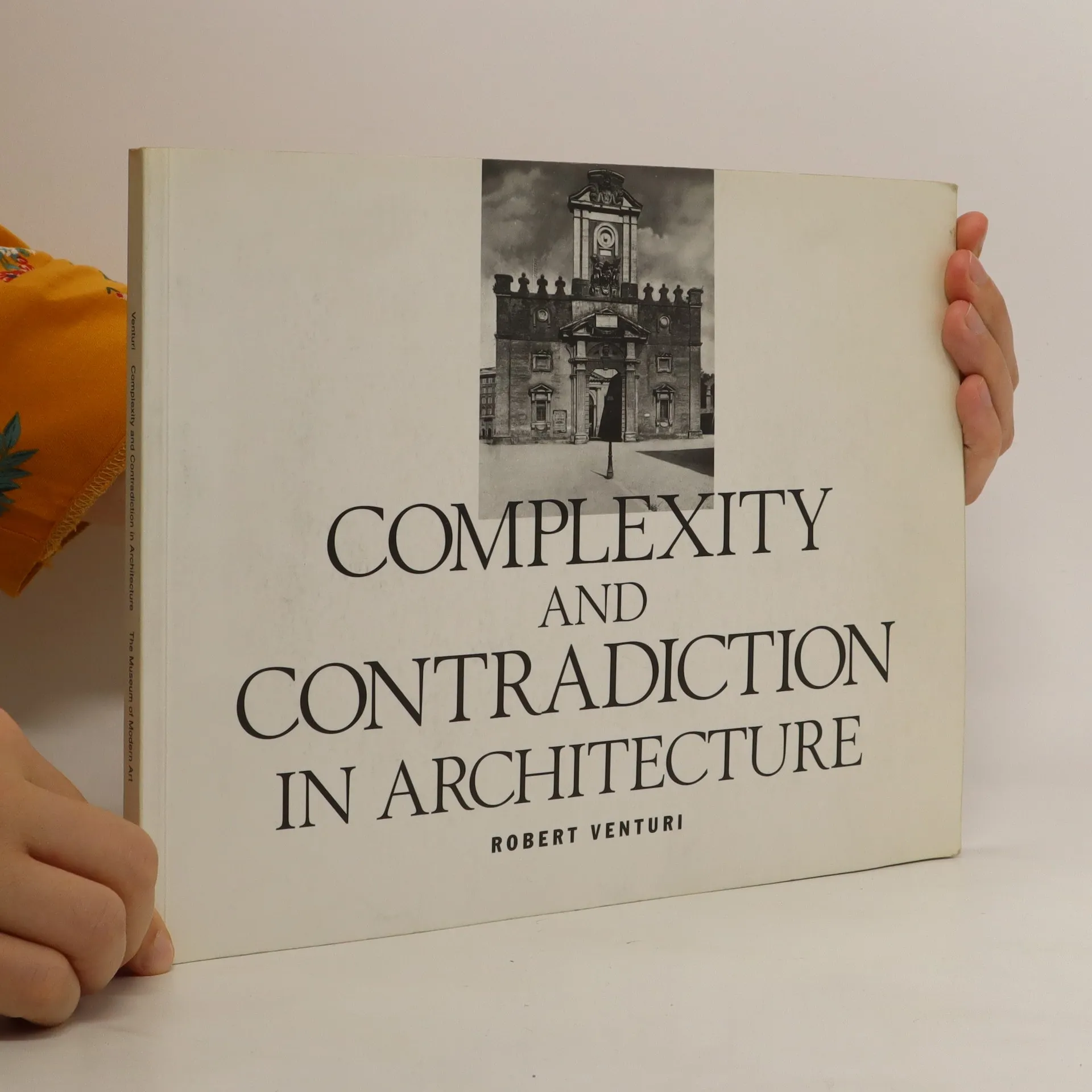
First published in 1966, and since translated into 16 languages, this remarkable book has become an essential document in architectural literature. As Venturi's "gentle manifesto for a nonstraightforward architecture," Complexity and Contradiction in Architecture expresses in the most compelling and original terms the postmodern rebellion against the purism of modernism. Three hundred and fifty architectural photographs serve as historical comparisons and illuminate the author's ideas on creating and experiencing architecture. Complexity and Contradiction in Architecture was the winner of the Classic Book Award at the AIA's Seventh Annual International Architecture Book Awards.
Robert Venturi Knihy
25. jún 1925 – 18. september 2018
Robert Charles Venturi, Jr. bol americký architekt a spoluzakladateľ spoločnosti Venturi, Scott Brown and Associates, ktorý významne ovplyvnil architektonické myslenie 20. storočia. Spoločne s manželkou Denise Scott Brown zásadne premenili vnímanie architektúry a amerického urbanizmu u generácií architektov, urbanistov a študentov. Ich architektonické realizácie, teoretické práce a pedagogická činnosť rozšírili diskurz o architektúre. Venturi je známy aj ako autor hesla „Menej je nuda“, postmoderného pendantu slávneho modernistického výroku Miesa van der Rohe „Menej je viac“.


Architect
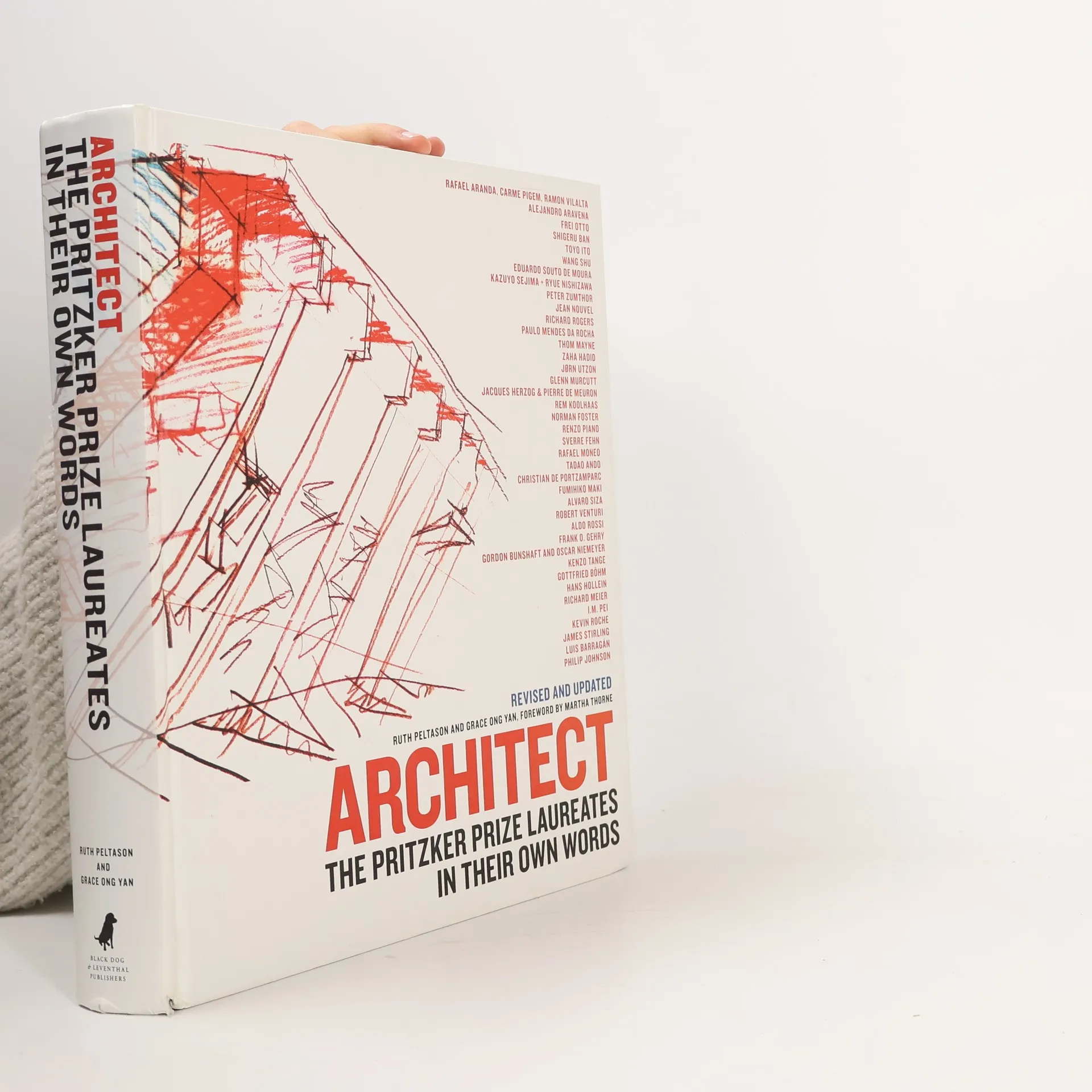
The Pritzker Prize Laureates in Their Own Words - Revised and Updated
- 464 stránok
- 17 hodin čítania
In this completely revised and up-to-date edition, the world's most accomplished architects -- Gehry, Pei, Meier, Nouvel, Piano, and 37 more-express their views on creativity, inspiration, and legacy in this visually stunning, one-of-a-kind collection. The Pritzker Prize is the most prestigious international prize for architecture. Architect includes all 42 recipients of the Pritzker Prize, and captures in pictures and their own words their awe-inspiring achievements. Organized in reverse chronological order by laureate each chapter features four to six of the architect's major works, including museums, libraries, hotels, places of worship, and more. The text, culled from notebooks, interviews, articles, and speeches illuminates the architects' influences and inspirations, personal philosophy, and aspirations for his own work and the future of architecture. The book includes More than 1000 stunning photographs, blueprints, sketches, and CAD drawings. Architect offers an unprecedented view into the minds of some of the most creative thinkers, dreamers, and builders of the last three decades and reveals that buildings are political, emotional, and spiritual.
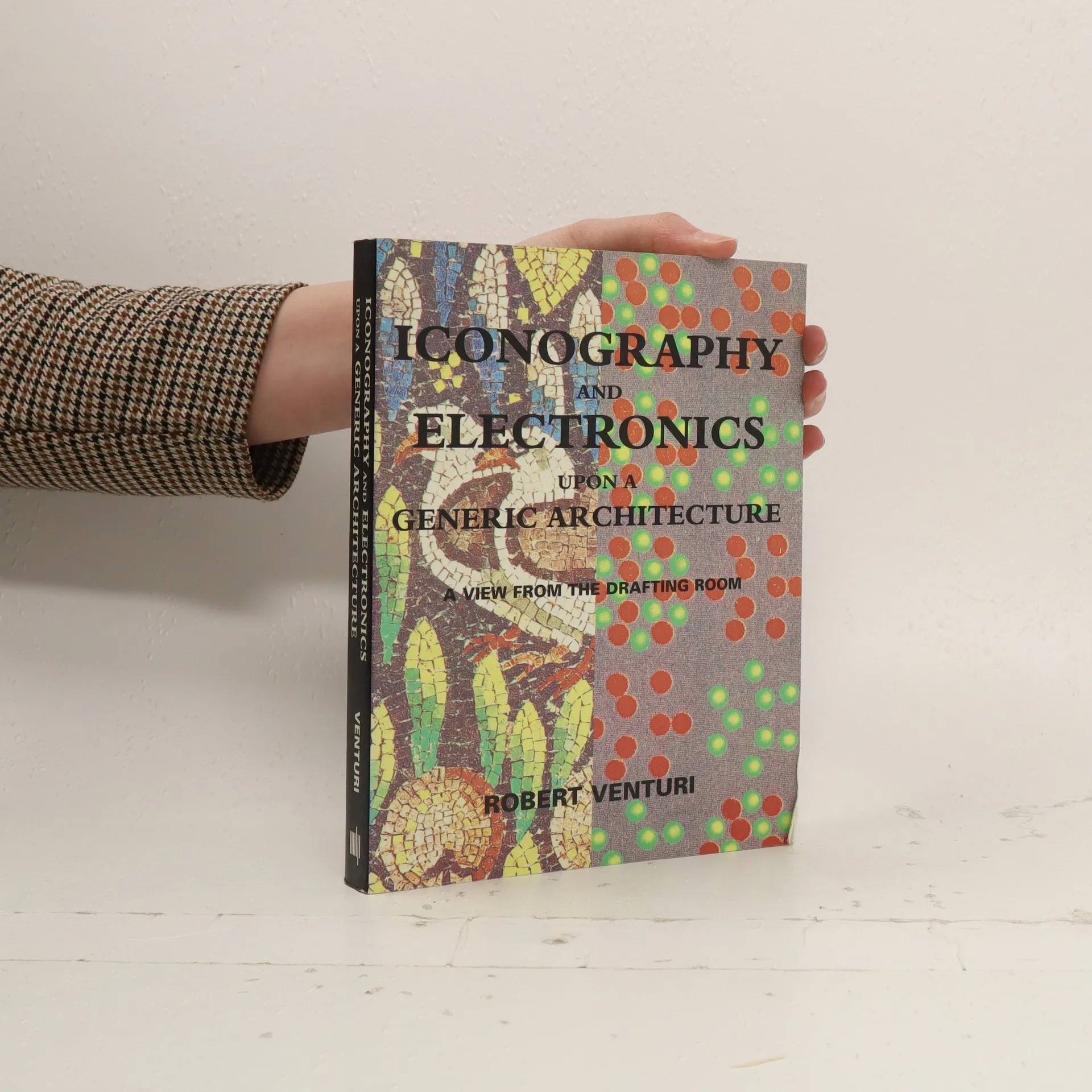
Iconography and Electronics Upon a Generic Architecture
- 390 stránok
- 14 hodin čítania
This new collection of writings in a variety of genres argues for a genericarchitecture defined by iconography and electronics, an architecture whose elemental qualitiesbecome shelter and symbol.
Learning from Las Vegas created a healthy controversy on its appearance in 1972, calling for architects to be more receptive to the tastes and values of "common" people and less immodest in their erections of "heroic," self-aggrandizing monuments. This revision includes the full texts of Part I of the original, on the Las Vegas strip, and Part II, "Ugly and Ordinary Architecture, or the Decorated Shed," a generalization from the findings of the first part on symbolism in architecture and the iconography of urban sprawl. (The final part of the first edition, on the architectural work of the firm Venturi and Rauch, is not included in the revision.) The new paperback edition has a smaller format, fewer pictures, and a considerably lower price than the original. There are an added preface by Scott Brown and a bibliography of writings by the members of Venturi and Rauch and about the firm's work.
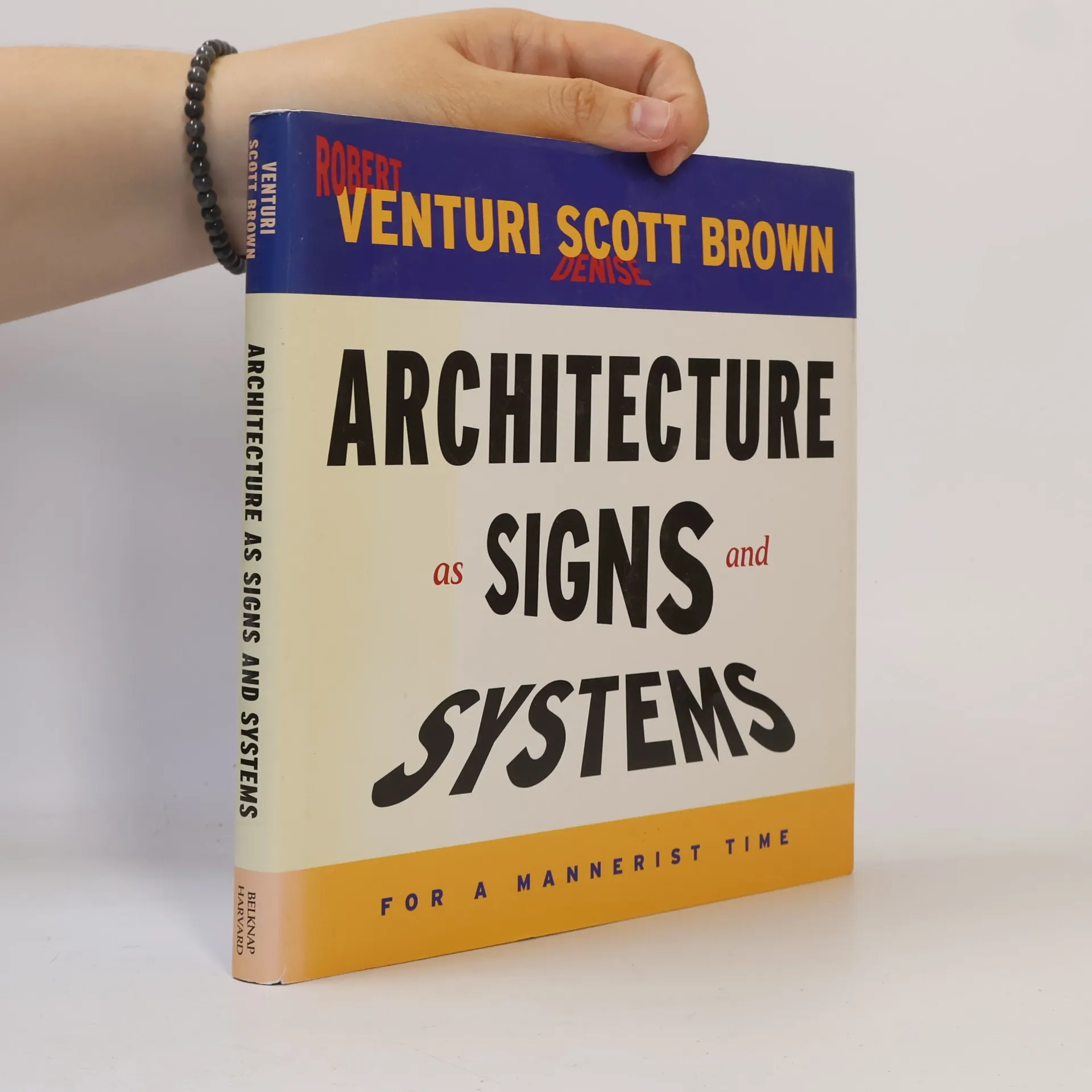
Architecture as Signs and Systems
For a Mannerist Time - The William E. Massey Sr. Lectures in the History of American Civilization
- 264 stránok
- 10 hodin čítania
Robert Venturi made a significant impact on architecture in 1966 with his bold ideas in Complexity and Contradiction, followed by further controversy in 1972 with Learning from Las Vegas, co-authored with Denise Scott Brown and Steven Izenour. In this work, the duo reflects on their influential partnership and the innovative architecture it has inspired. Their perspectives have shaped architectural discourse for nearly fifty years, advocating for pluralism, multiculturalism, symbolism, and the integration of popular culture and everyday landscapes. They explore concepts such as generic building and electronic communication, offering a comprehensive retrospective of their contributions and the theoretical foundations behind them. This book is accessible, informative, and richly illustrated, making it essential for architecture and urban planning students, as well as those interested in these pivotal cultural figures. Venturi and Scott Brown have dedicated their careers to expanding our understanding of the built environment and the roles of its practitioners. By revisiting their life's work, they uncover signs and systems that lead to a humane Mannerist architecture suited for a complex, multicultural society.
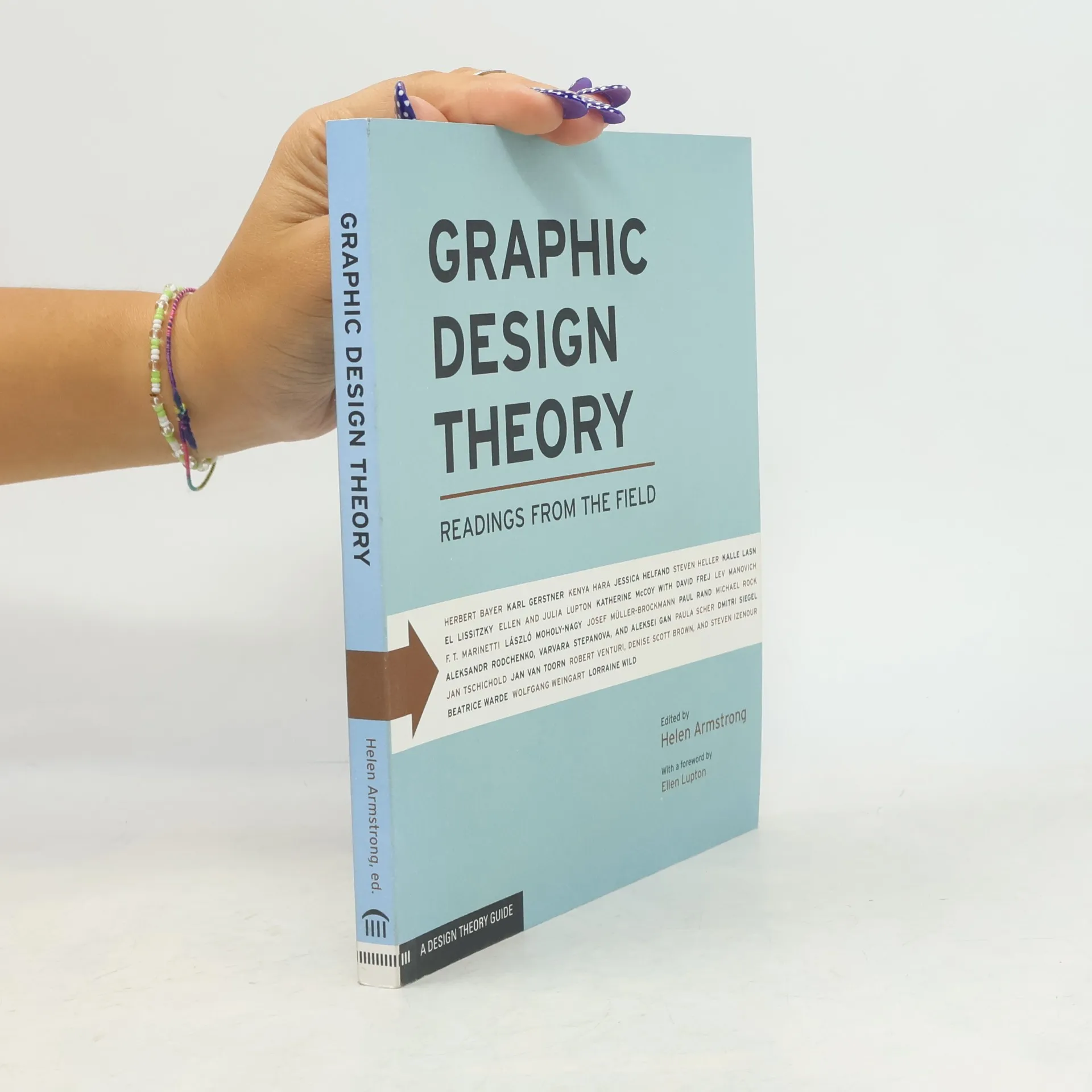
Graphic Design Theory
- 151 stránok
- 6 hodin čítania
Graphic Design Theory presents groundbreaking, primary texts from the most important historical and contemporary design thinkers. From Aleksandr Rodchenko’s "Who We Are: Manifesto of the Constructivist Group" to Kenya Hara’s "Computer Technology and Design," this essential volume provides the necessary foundation for contemporary critical vocabulary and thought. Graphic Design Theory is organized in three sections: "Creating the Field" traces the evolution of graphic design over the course of the early 1900s, including influential avant-garde ideas of futurism, constructivism, and the Bauhaus; "Building on Success" covers the mid- to late twentieth century and considers the International Style, modernism, and postmodernism; and "Mapping the Future" opens at the end of the last century and includes current discussions on legibility, social responsibility, and new media. Striking color images illustrate each of the movements discussed and demonstrate the ongoing relationship between theory and practice. A brief commentary prefaces each text, providing a cultural and historical framework through which the work can be evaluated.