
Z Knihobotu sa stal Bookbot!
Bookbot

William James

    11. január 1842 – 26. august 1910
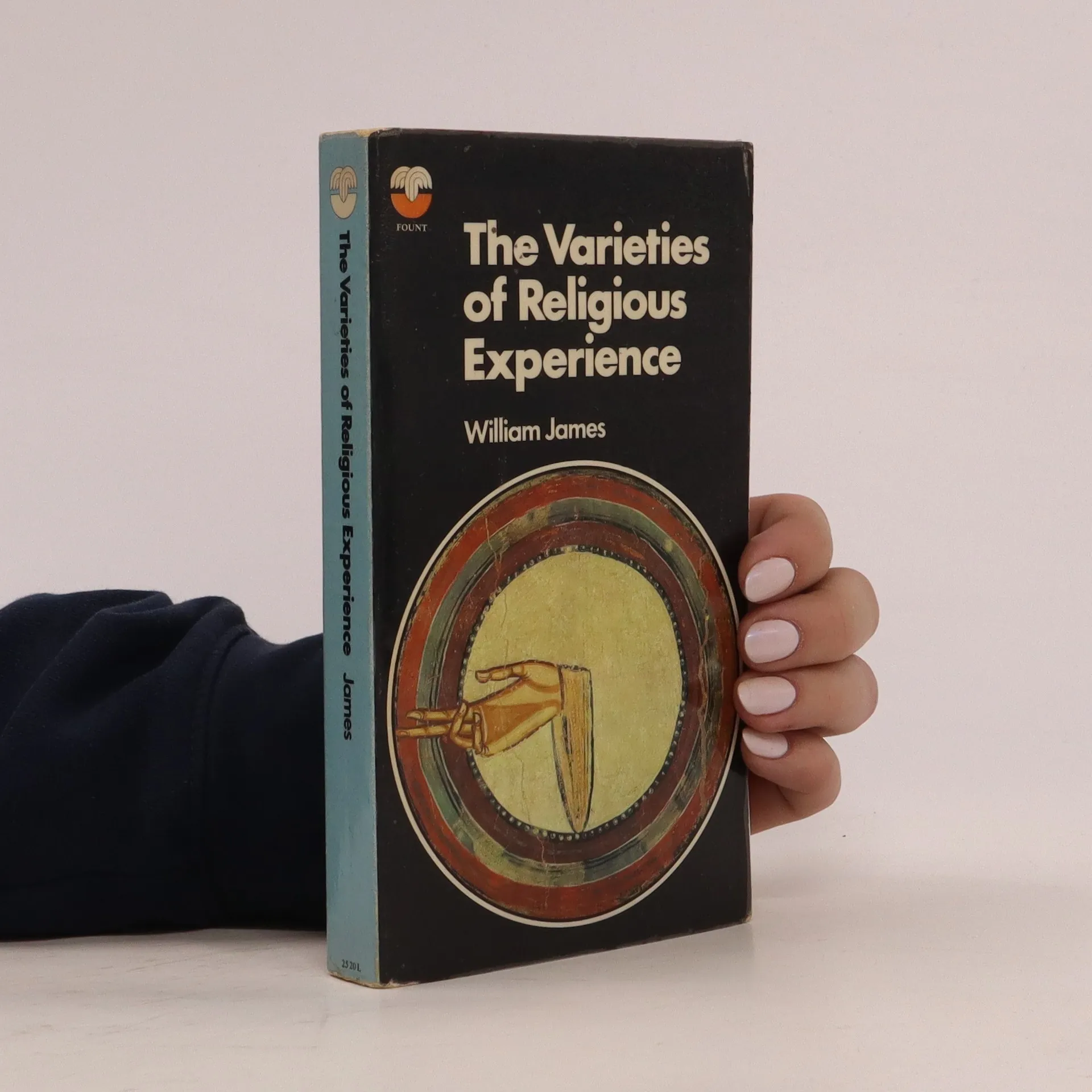
    The Varieties of Religious Experience
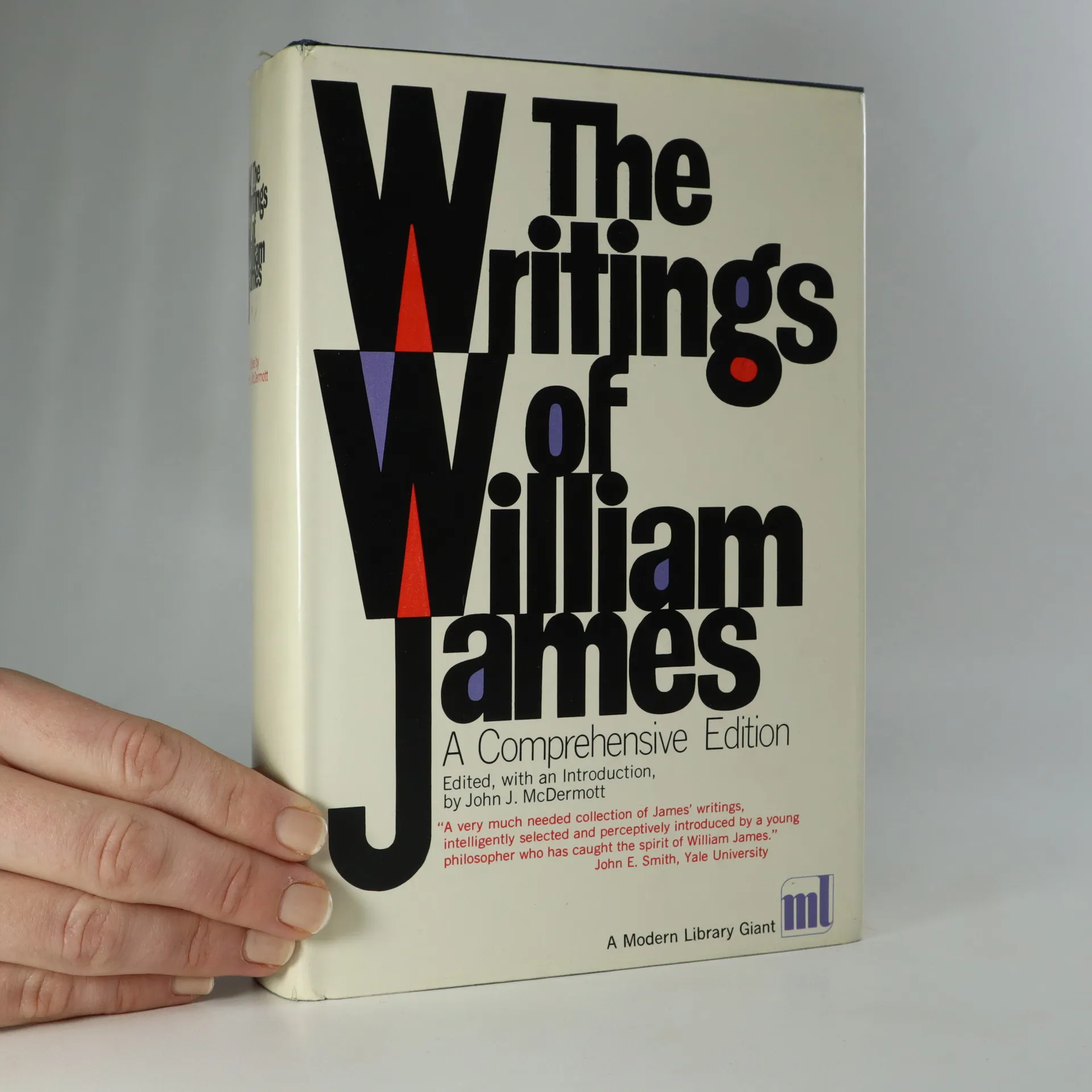
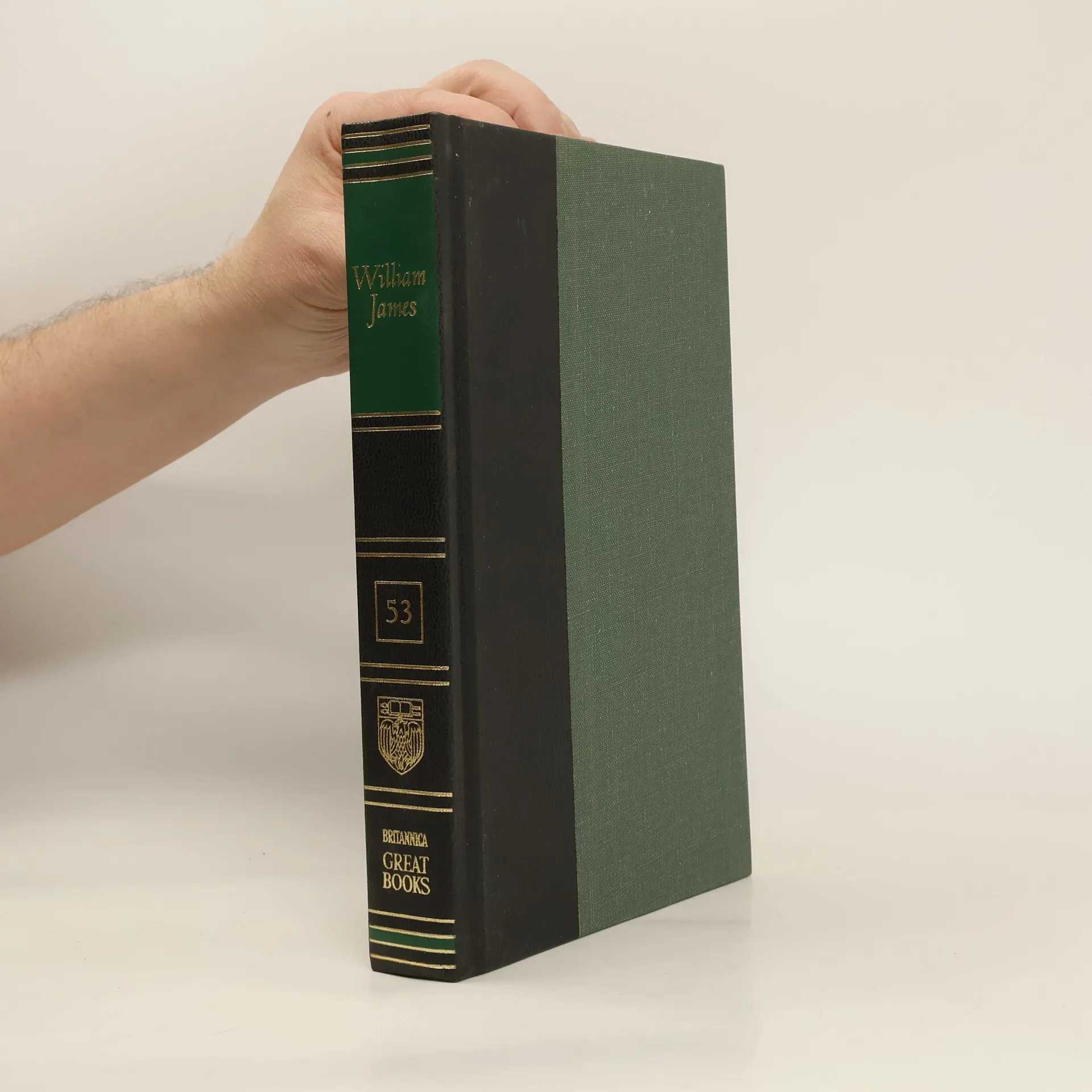
    Great Books of the Western World 53. William James
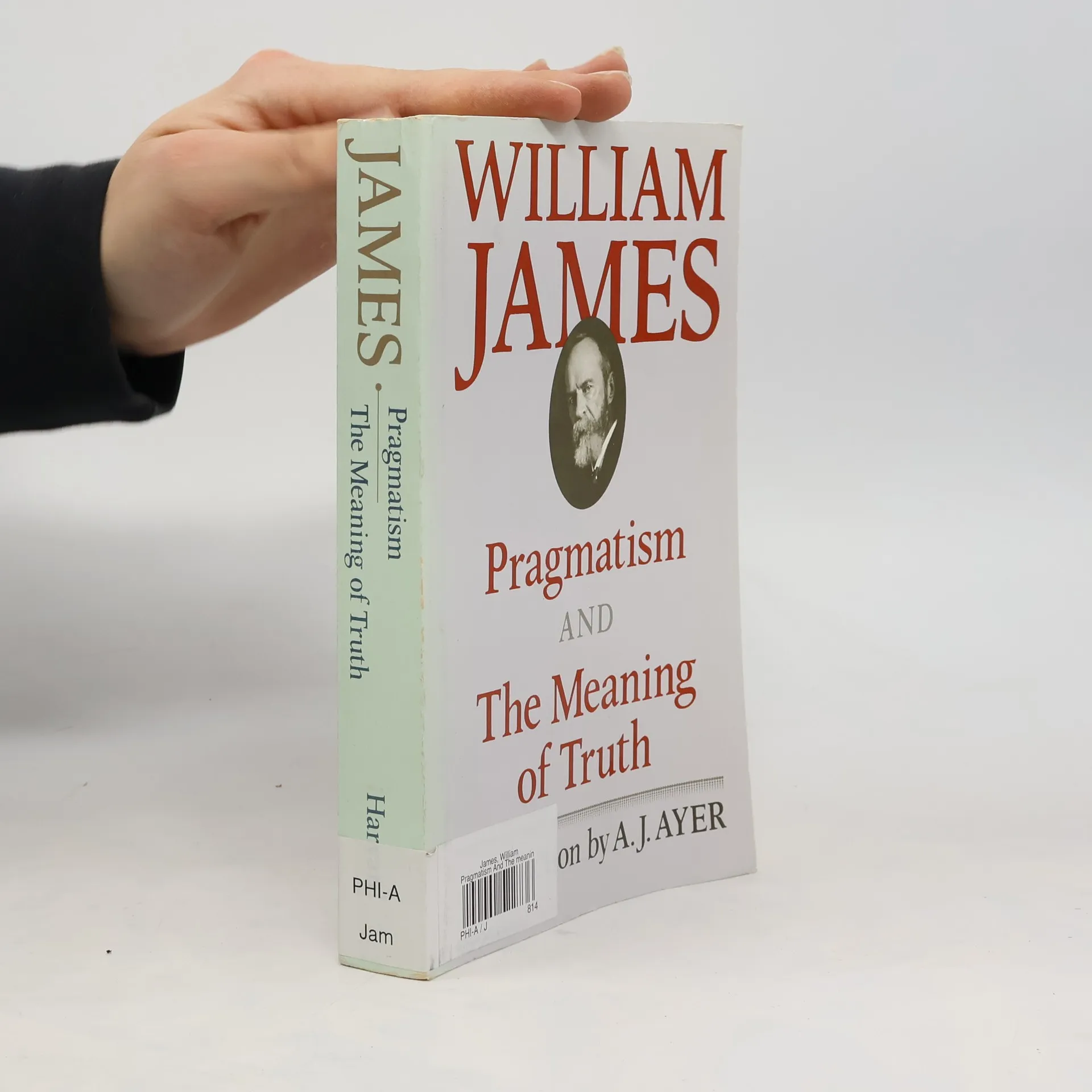
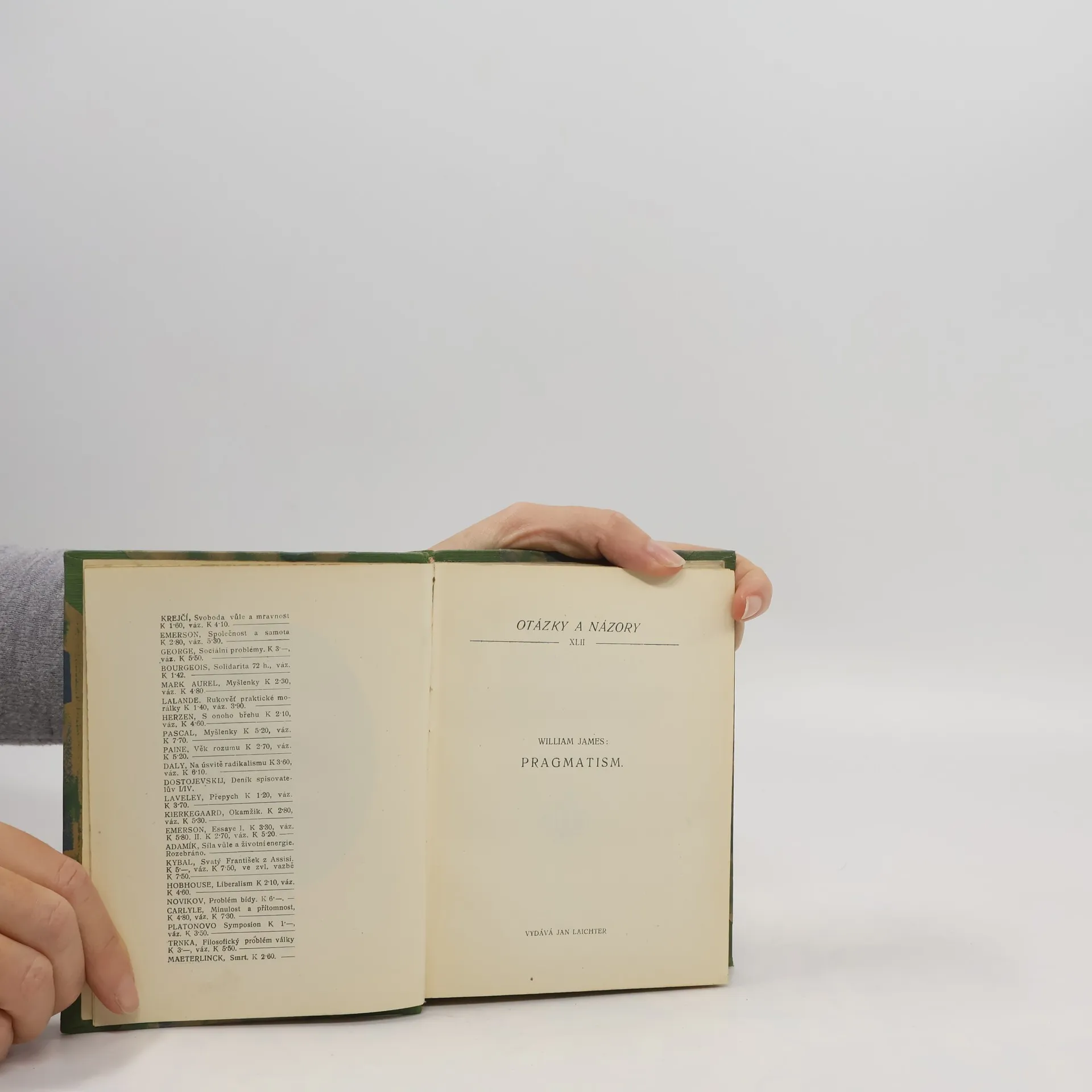
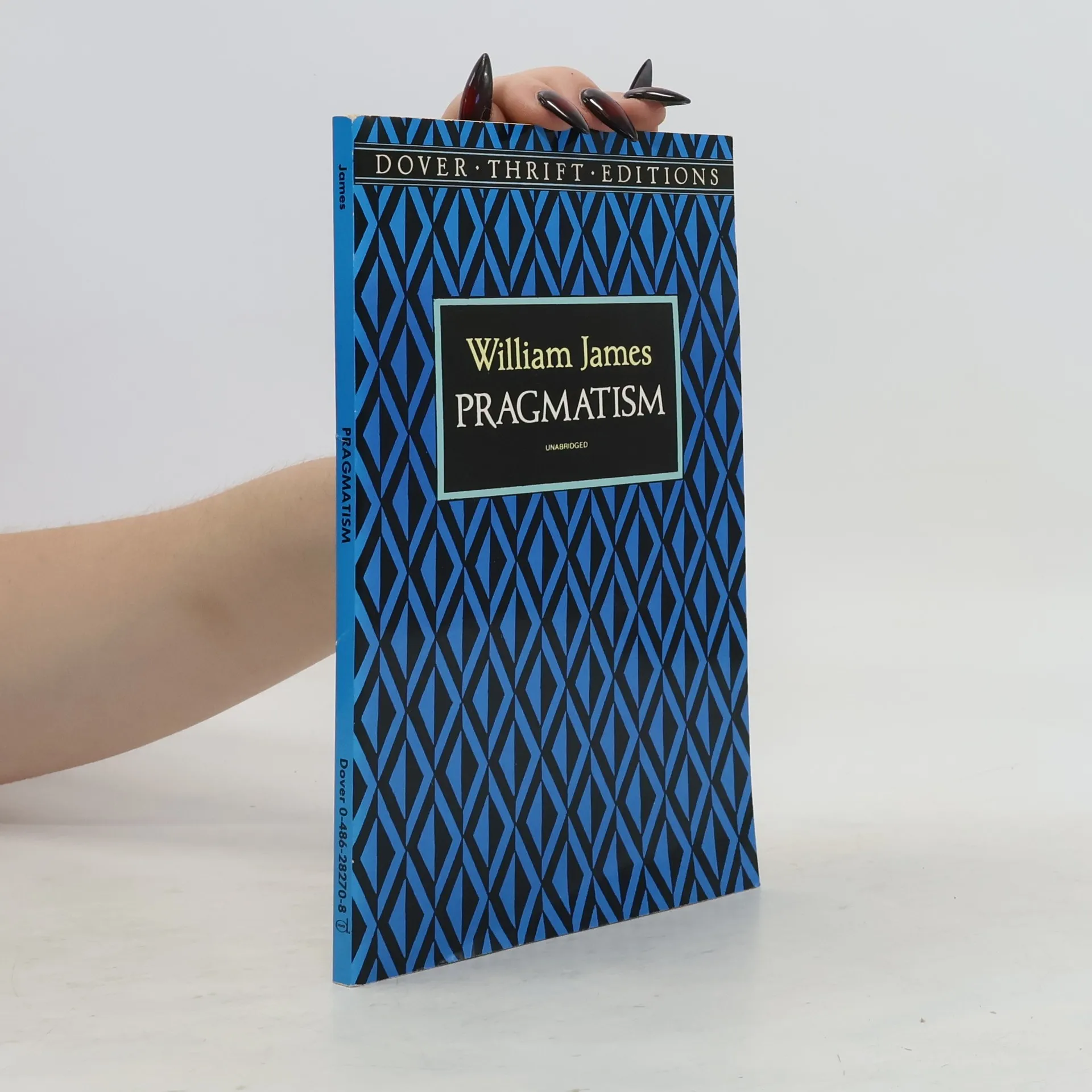
    Pragmatism. Nové jméno pro staré způsoby myšlení
    Pragmatismus
    Druhy náboženské zkušenosti
    Pragmatizmus
    • Pragmatizmus

      • 569 stránok
      • 20 hodin čítania

      Obsah: Predhovor k Malej antológii filozofie 20. storočia (František Mihina - Emil Višňovský) PRAGMATIZMUS VČERA A DNES (Emil Višňovský — František Mihina) Klasický pragmatizmus CHARLES SANDERS PEIRCE (František Mihina) — Upevňovanie viery — Ako vyjasniť naše idey — Princípy fenomenológie — Základy pragmatizmu — Logika ako semiotika: teória znakov — Filozofia a vedy: klasifikácia — Uniformita WILLIAM JAMES (František Mihina) — Prúd myslenia — Existuje „vedomie“? — Radikálny empirizmus — Pragmatizmus a radikálny empirizmus — Pragmatizmus a zdravý rozum — Pragmatistická koncepcia pravdy — Pragmatistický výklad pravdy a jeho nesprávne pochopenia — Pragmatizmus a humanizmus — Pragmatizmus a náboženstvo — Vôľa veriť JOHN DEWEY (Emil Višňovský) — Prečo študovať filozofiu? — Filozofia a americký národný život — Vplyv darvinizmu na filozofiu — Vplyv pragmatizmu na výchovu — Filozofia výchovy — Potreba obnovy filozofie — Skúsenosť a filozofická metóda — Súkromné a verejné — Indivíduum v kultúrnej kríze — Únik z ohrozenia — Model skúmania — Budúcnosť filozofie v nalej ére vedy (Jej rola nikdy nebola väčšia) Neopragmatizmus RICHARD RORTY (Emil Višňovský) — Čo je pragmatizmus — Pragmatizmus a filozofia — Pragmatizmus je politický skrz-naskrz Vybraná bibliografia k štúdiu filozofie pragmatizmu Edičná poznámka Menný register... celý text

      Pragmatizmus
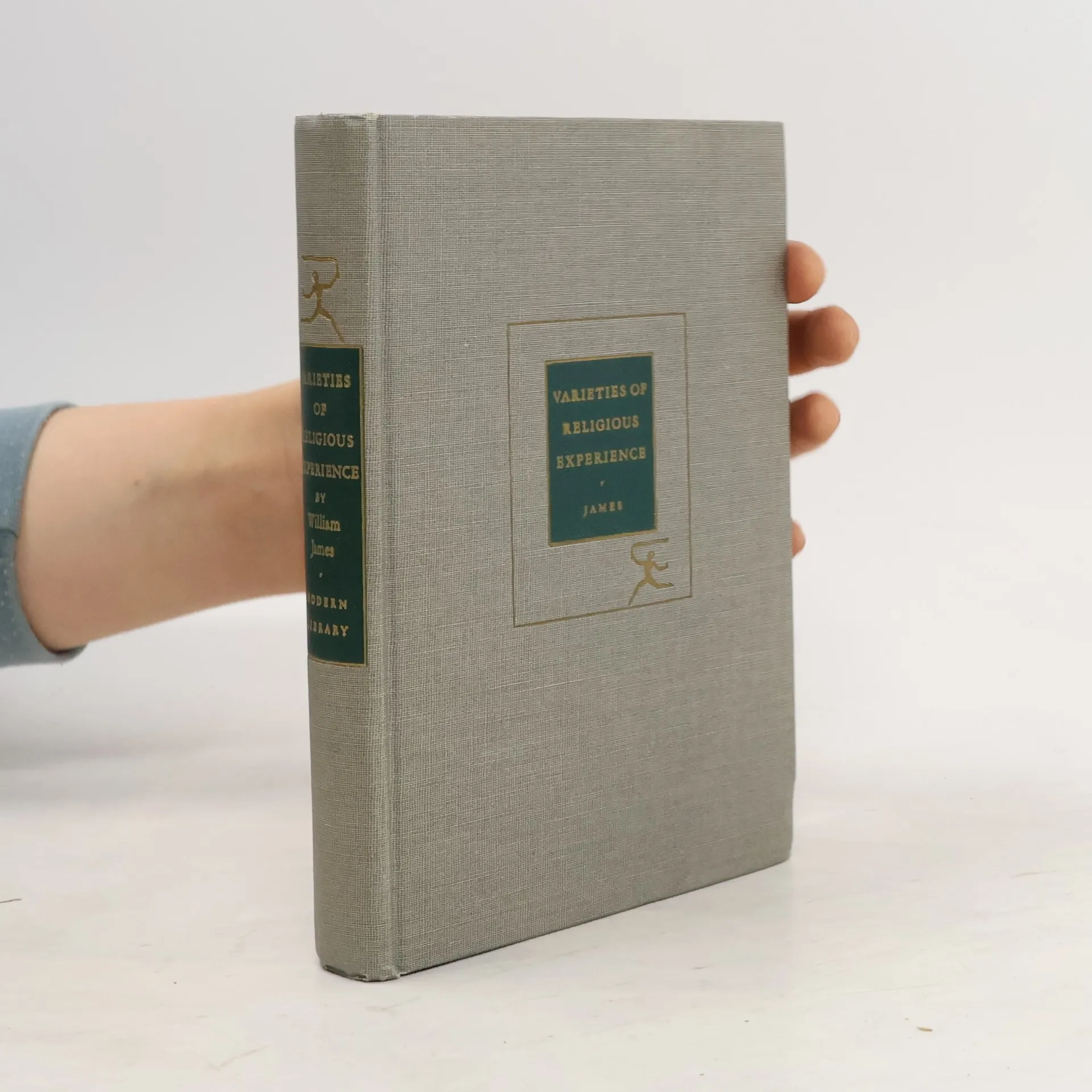
    • Druhy náboženské zkušenosti (v originále The Varieties of Religious Experience: A Study in Human Nature) je kniha amerického psychologa Williama Jamese. Je sestavena z editovaných přednášek, které James pronesl v rámci tzv. Giffordových přenášek na University of Edinburgh ve Skotsku na samém počátku 20. století. James ve své knize klade důraz na prožívání náboženské zkušenosti v životě jednotlivce. Pozitivně vnímá velké množství nejrůznějších náboženství, jelikož lidé jsou natolik rozdílní, že není možné, aby všichni vyznávali jedno univerzální náboženství. Je si také vědom toho, že je veliký rozdíl ve vnímání náboženství (náboženských prožitků) vědce a stoupence daného náboženství.

      Druhy náboženské zkušenosti
    • Pragmatismus

      Ein neuer Name für einige alte Denkweisen

      4,0(13)Ohodnotiť

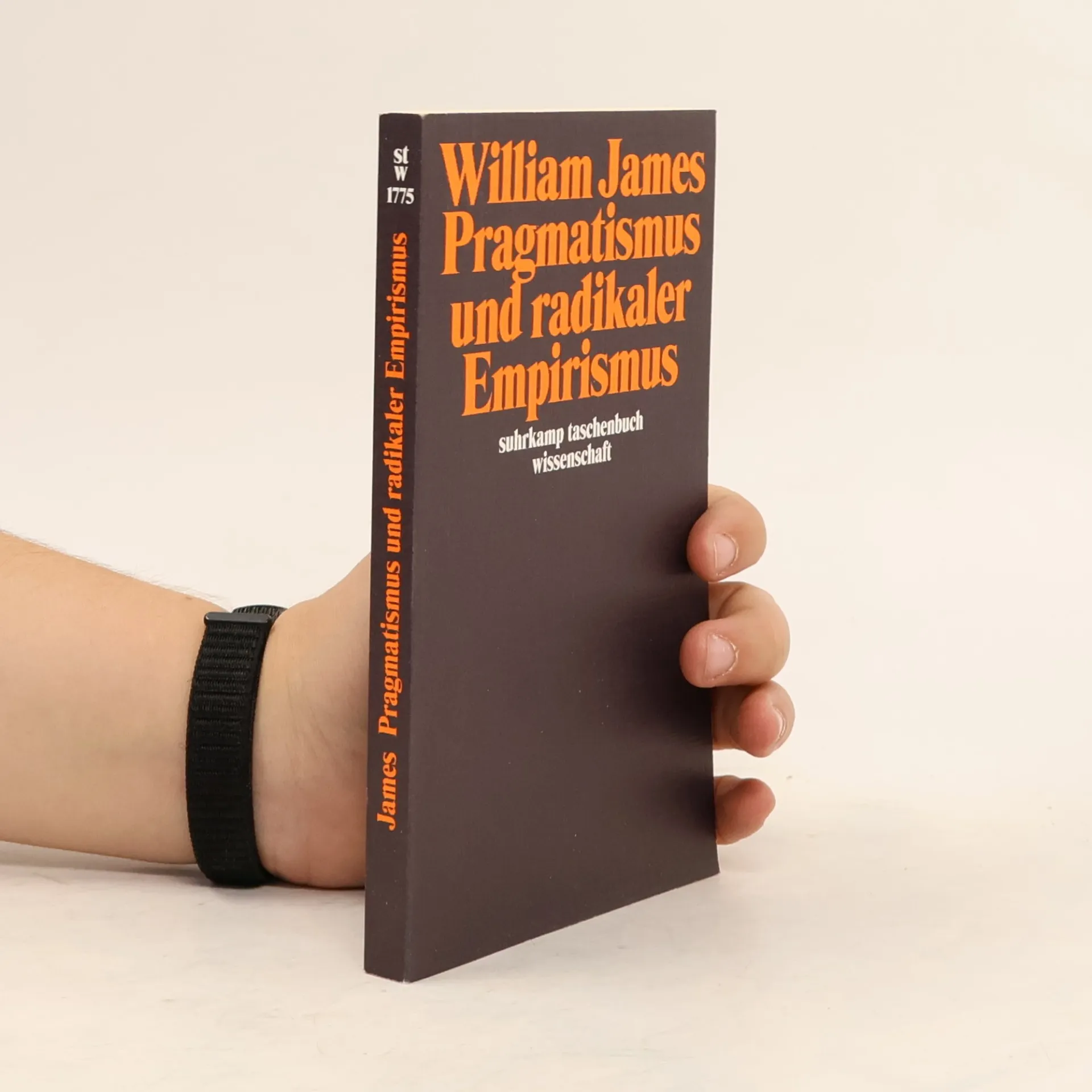
      William James’ Vorlesungen Pragmatism. A new name for some old ways of thinking gehören zu den einflussreichsten Texten des amerikanischen Pragmatismus. Kurz nach der Veröffentlichung in zahlreiche Sprachen übersetzt, gelten sie als Programmschrift einer Philosophie, die eine umfassende Neubegründung des Denkens aus einer Theorie der menschlichen Tätigkeit anstrebt. In acht Vorträgen, die sich an ein breites Publikum richten, bietet James eine allgemeinverständliche Einführung in die pragmatistische Denkweise und setzt sich mit zentralen Problemen der abendländischen Philosophie auseinander, wie dem Substanzproblem und dem Wahrheitsbegriff. Besonders sein Ansatz zur Wahrheit, den er gegenüber Peirce weiter schärft, führte zu Missverständnissen und heftigen Diskussionen, in denen man ihm »Hemdsärmeligkeit« vorwarf und den amerikanischen Pragmatismus als »Philosophie des Dollars« diskreditierte. James schlägt die ›Verifizierbarkeit‹ als dynamisches Wahrheitskriterium vor, wobei Wahrheit als praktisches Geltendmachen eines Erkenntnisanspruchs verstanden wird: eine Vorstellung ›wird‹ wahr, anstatt ›ist‹. Sein prozessorientiertes und pluralistisches Denken hatte im 20. Jahrhundert großen Einfluss, insbesondere in den Sozialwissenschaften und der politischen Philosophie. Die Neuausgabe enthält eine Einleitung der Herausgeber und kommentierende Anmerkungen, die die über 100 Jahre alte Erstübersetzung ersetzen.

      Pragmatismus
    • The Varieties of Religious Experience

      A Study in Human Nature

      • 552 stránok
      • 20 hodin čítania

      Focusing on the subjective nature of religious experience, this treatise explores the psychological aspects of belief in a transcendent reality, whether conceived as God or a higher spiritual force. Originally presented in the Gifford Lectures at Edinburgh University, it offers a comprehensive overview of the religious imagination, transcending specific creeds and theologies. Its insights remain relevant across various religious contexts, including Christianity, Judaism, Islam, Buddhism, and New Age beliefs, making it a timeless study in the psychology of faith.

      The Varieties of Religious Experience
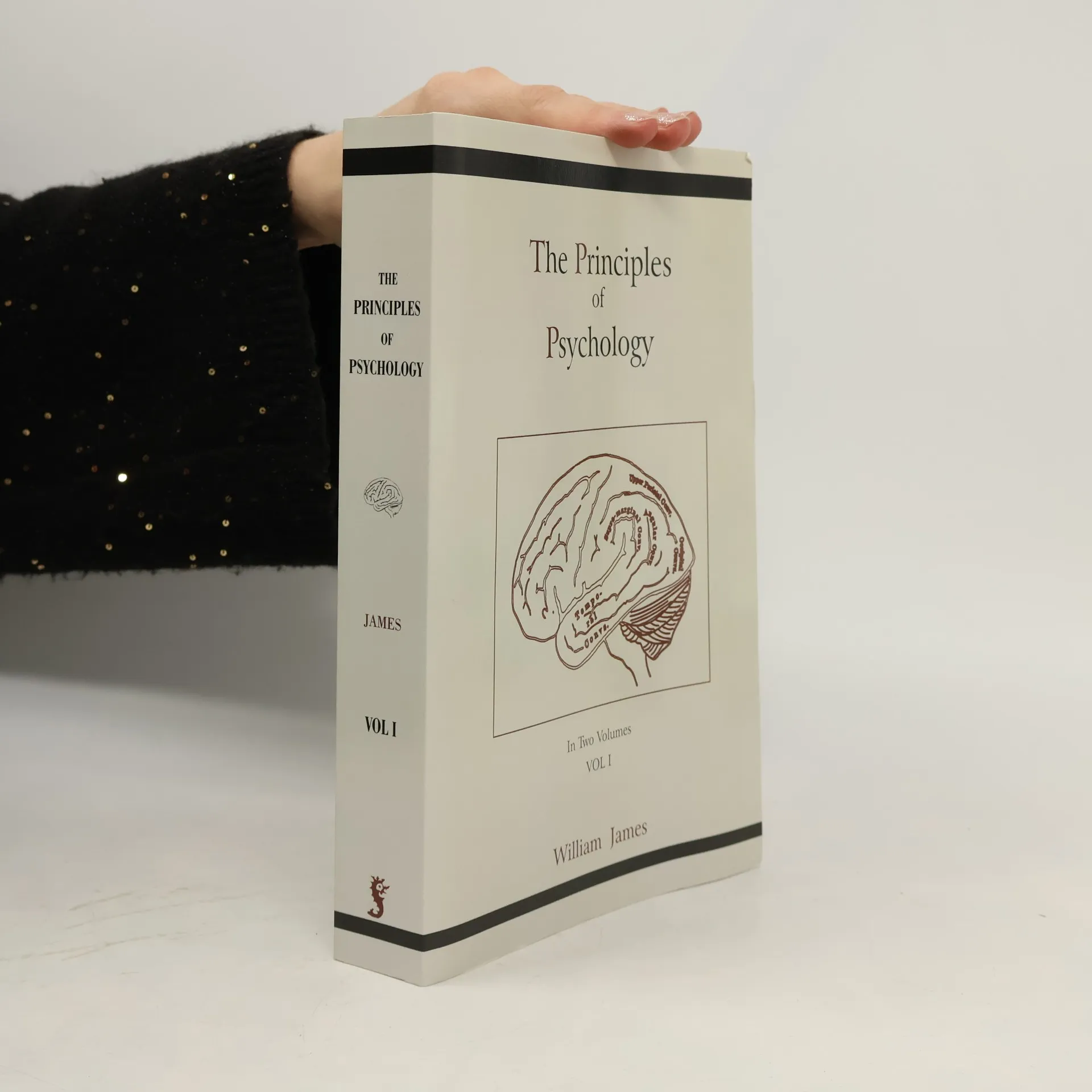
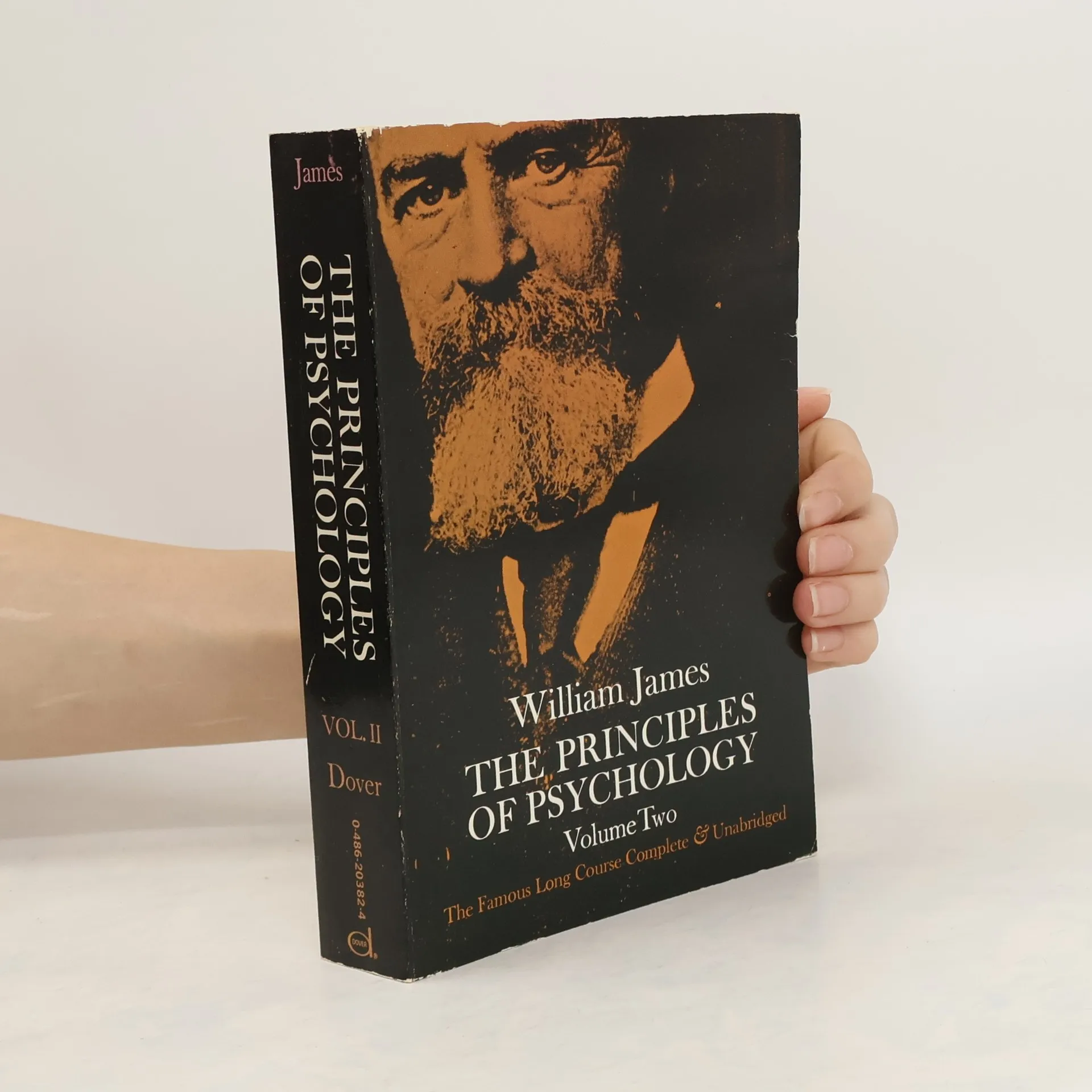
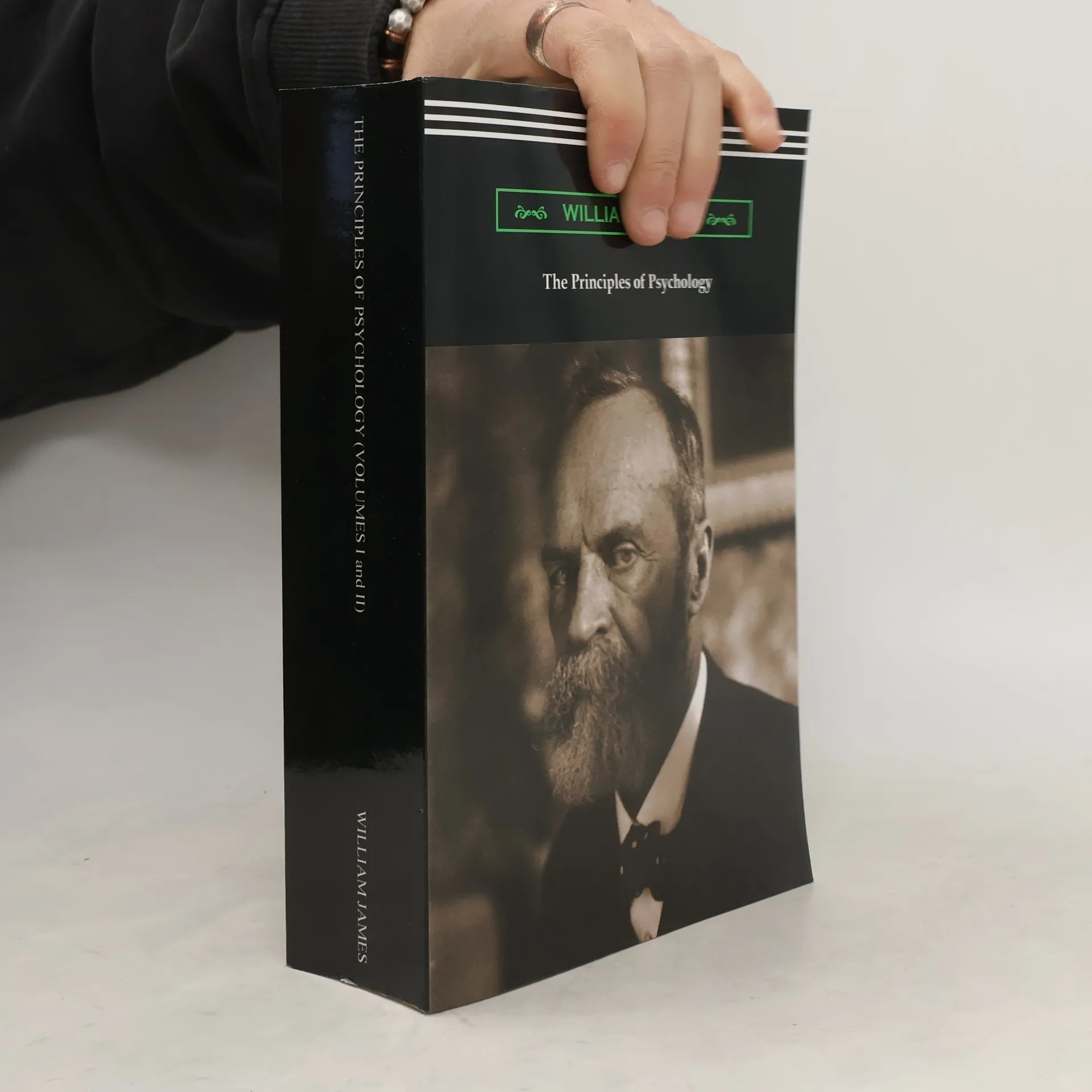
    • The Principles of Psychology

      • 463 stránok
      • 17 hodin čítania

      Brother of novelist Henry James and godson of eminent philosopher, essayist and poet Ralph Waldo Emerson, William James earned his own reputation for the monumental contributions he made in the field of Psychology. Here is the second volume of James' two part "Principles of Psychology," a textbook which took James twelve years to complete, and which is still prevalent in contemporary psychology texts. James' writings were influenced by Charles Darwin's ideas about adaptive evolutionary change, philosophical pragmatism, and various German psychologists who focused on the study of psychological processes. These two volumes delve into James' assumption that developmental processes involve an interaction of nature and nurture, a view that almost all contemporary developmental psychologists hold. His fundamental theories on brain processes and abstract thought, behavioral tendencies and states of consciousness, all of which he presented a decade before Sigmund Freud, have become integral to the framework of modern social psychology.

      The Principles of Psychology
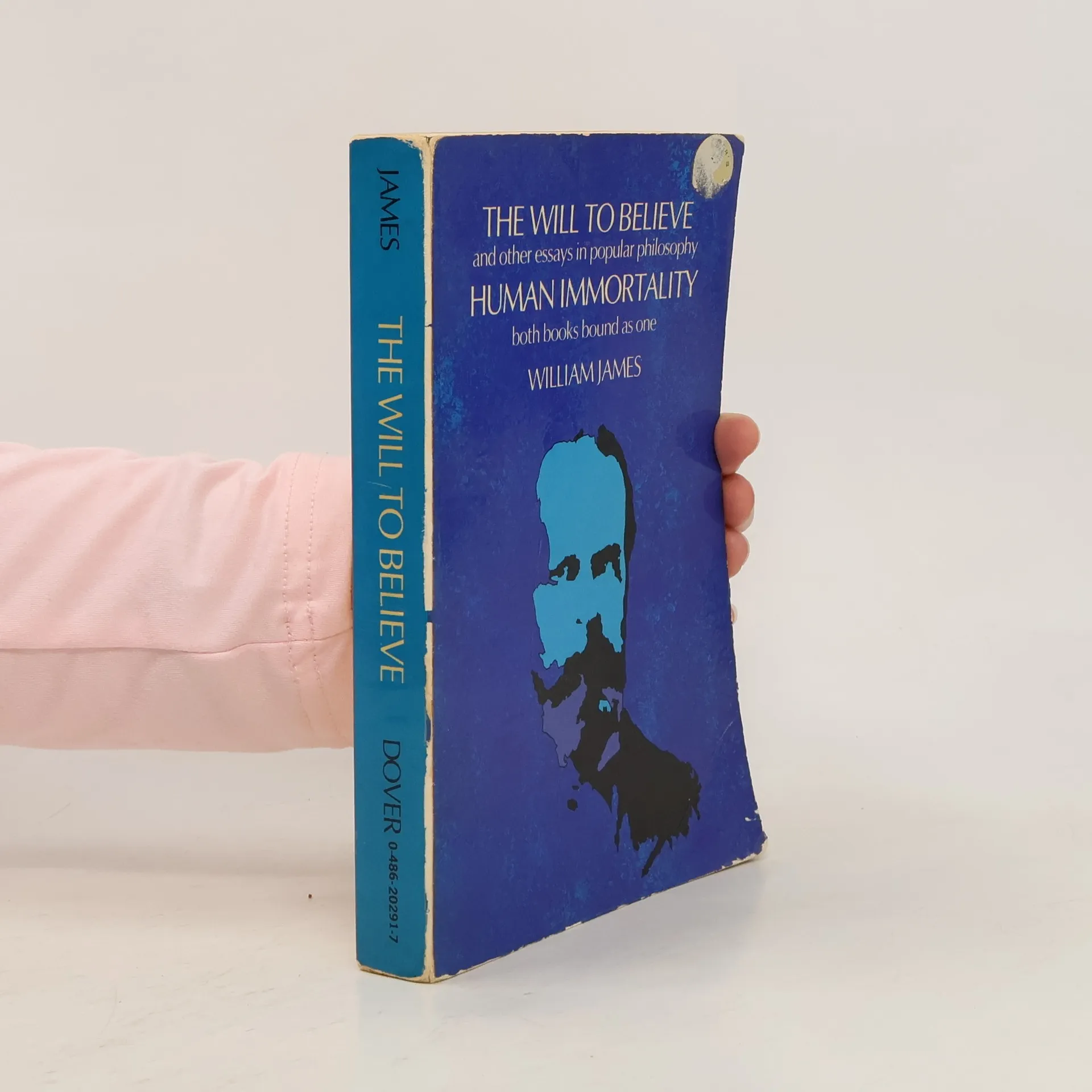
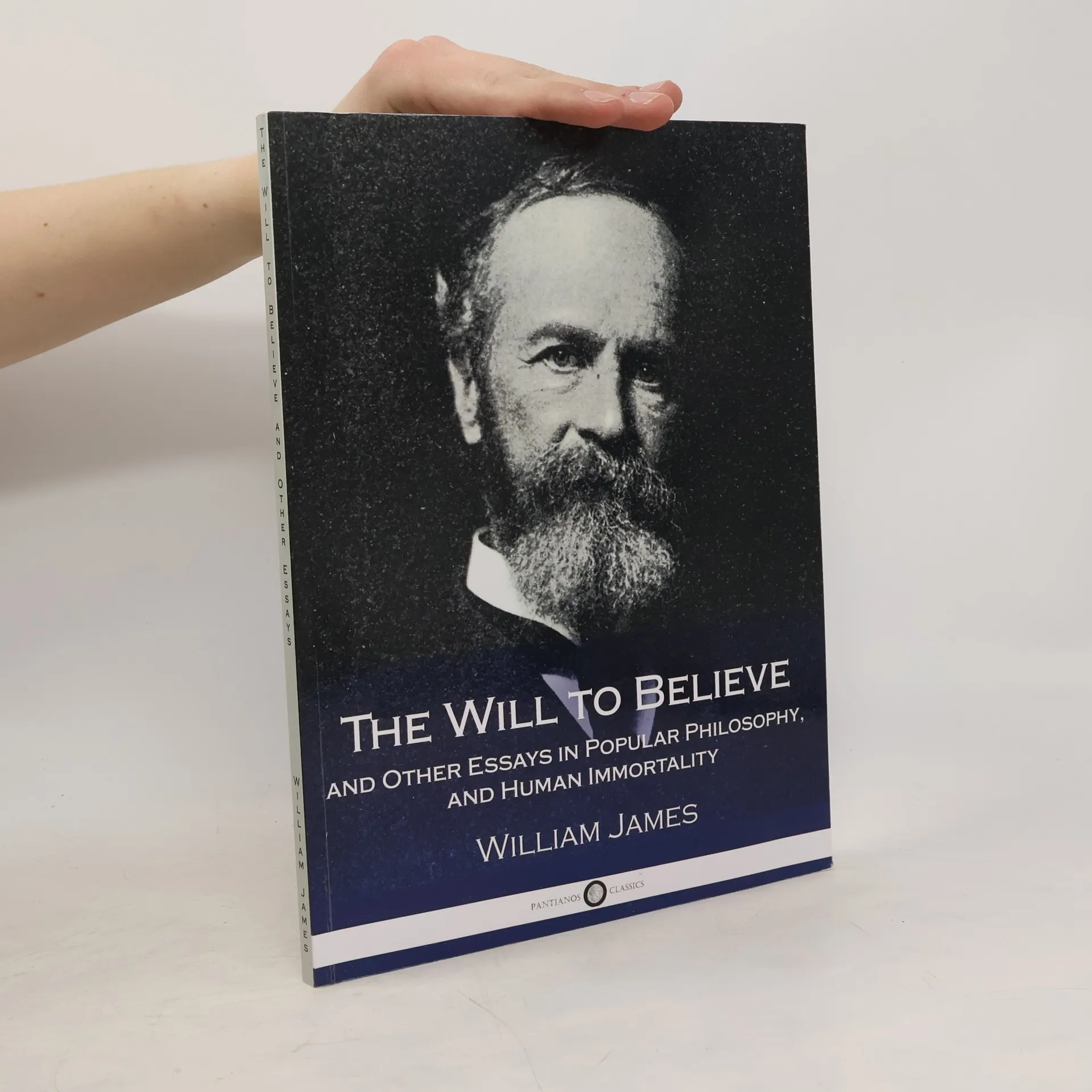
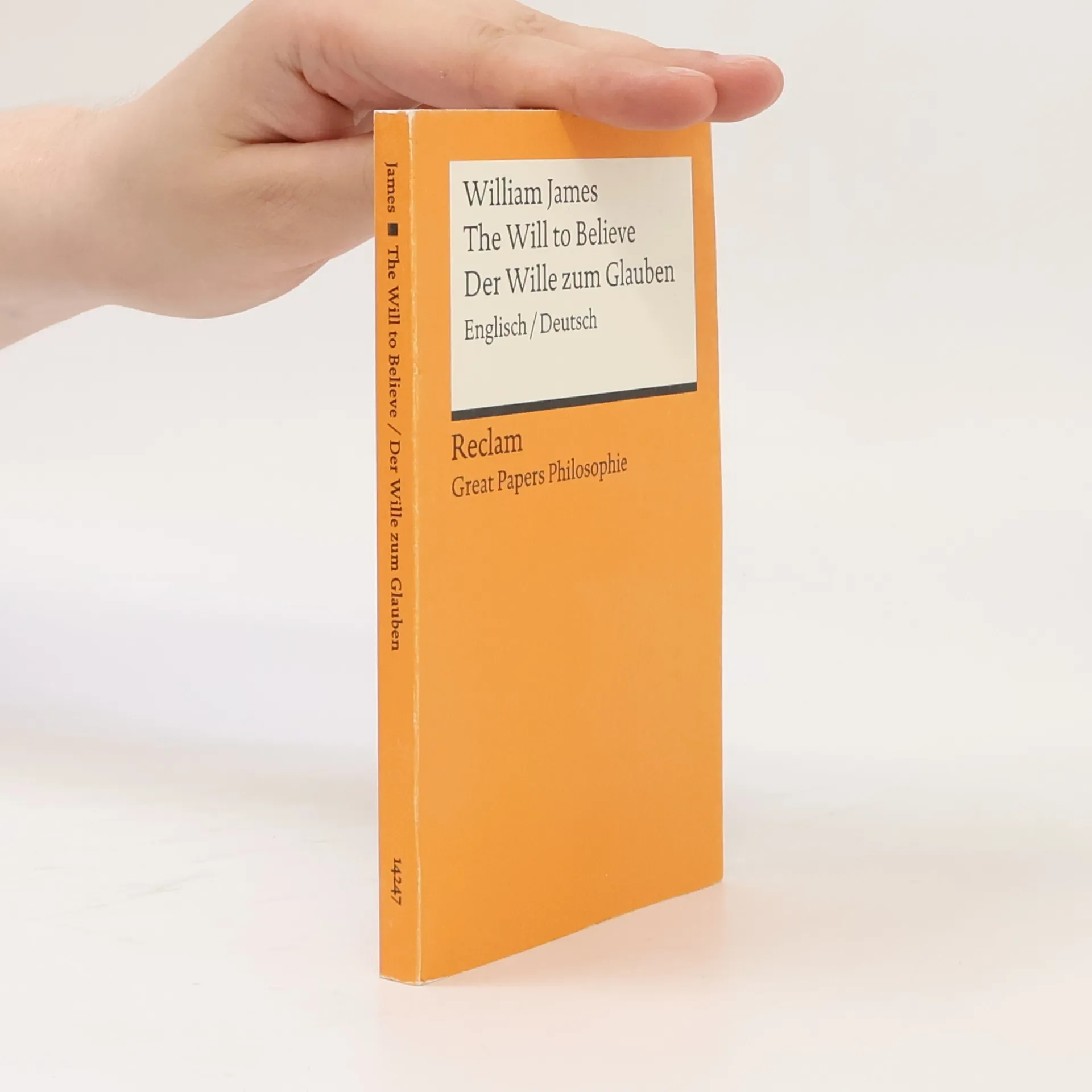
    • Exploring philosophical themes, this unabridged edition features a collection of essays that delve into belief, the value of life, rationality, and the interplay between determinism and morality. It examines the influence of great individuals and their environments, alongside reflections on Hegel's ideas and the achievements of physical research. A comprehensive index enhances accessibility, making it a valuable resource for those interested in philosophical discourse and the complexities of human thought.

      The Will to Believe and Other Essays in Popular Philosophy and Human Immortality
    • "For the psychologist, standard reading, to all readers, a classic of interpretation." — Psychiatric Quarterly This is the first inexpensive edition of the complete Long Course in Principles of Psychology, one of the great classics of modern Western literature and science and the source of the ripest thoughts of America’s most important philosopher. As such, it should not be confused with the many abridgements that omit key sections. The book presents lucid descriptions of human mental activity, with detailed considerations of the stream of thought, consciousness, time perception, memory, imagination, emotions, reason, abnormal phenomena, and similar topics. In its course it takes into account the work of Berkeley, Binet, Bradley, Darwin, Descartes, Fechner, Galton, Green, Helmholtz, Herbart, Hume, Janet, Kant, Lange, Lotze, Locke, Mill, Royce, Schopenhauer, Spinoza, Wundt, and scores of others. It examines contrasting interpretations of mental phenomena, treating introspective analysis, philosophical interpretations, and experimental research. Although the book originally appeared nearly 75 years ago, it remains unsurpassed today as a brilliantly written survey of William James’ timeless view of psychology. "Rereading James brings a sense of perspective and even a little humility to our regard for more modern achievements." — Journal of Consulting Psychology

      The Principles of Psychology, Vol. 1
    • This is the first inexpensive edition of the complete Long Course in Principles of Psychology, one of the great classics of modern Western literature and science and the source of the ripest thoughts of America’s most important philosopher. As such, it should not be confused with the many abridgements that omit key sections. The book presents lucid descriptions of human mental activity, with detailed considerations of the stream of thought, consciousness, time perception, memory, imagination, emotions, reason, abnormal phenomena, and similar topics. In its course it takes into account the work of Berkeley, Binet, Bradley, Darwin, Descartes, Fechner, Galton, Green, Helmholtz, Herbart, Hume, Janet, Kant, Lange, Lotze, Locke, Mill, Royce, Schopenhauer, Spinoza, Wundt, and scores of others. It examines contrasting interpretations of mental phenomena, treating introspective analysis, philosophical interpretations, and experimental research. Although the book originally appeared nearly 75 years ago, it remains unsurpassed today as a brilliantly written survey of William James’ timeless view of psychology.

      The Principles of Psychology, Vol. 2