Německé tanky na východní frontě
- 334 stránok
- 12 hodin čítania
Publikace rekapituluje bojová nasazení tankové divize generála Rause na východní frontě v letech 1941 až 1945.





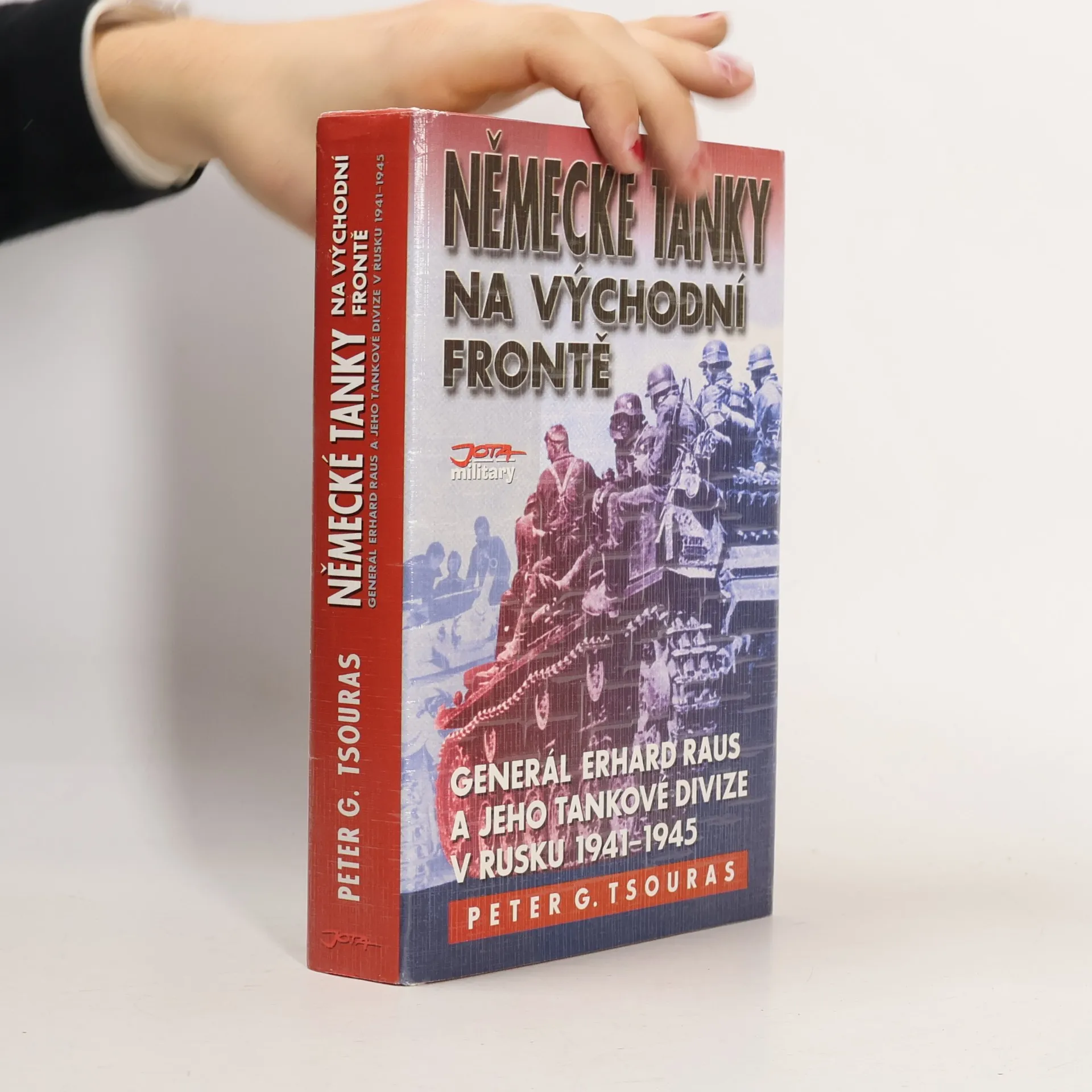
Publikace rekapituluje bojová nasazení tankové divize generála Rause na východní frontě v letech 1941 až 1945.
„...tam nahoře v tundře před Murmanském to vypadá jako krátce po stvoření světa. Ani jeden strom či keř, žádné lidské sídlo. Žádná cesta nebo stezka. Jen skály a suť. Mezitím nesčetné divoké potoky, jezera a prudké řeky s peřejemi a vodopády. V létě močál, v zimě led, sníh a 40 až 50 stupňů pod nulou. Během osmi měsíců trvající polární noci dují ledové vichřice. Těch sto kilometrů široký pás tundry, která se rozprostírá kolem Murmanska jako ochranný pancíř, je nehostinná pustina. V této tundře se ještě nikdy nevedla válka, poněvadž kamenná poušť bez cest je pro vojenské jednotky prakticky neprostupná.
Autor soustředil vojenské moudrosti zahrnující všechny možné aspekty vojenské praxe za téměř 5000 let existence lidské společnosti. Zkompiloval je pro všechny, kteří nelitují času zamyslet se nad moudrem a poučit se jak z dávných, tak i ne zcela vzdálených zkušeností. Kniha nabízí celkem na 6000 citátů od více než 800 válečníků a vojenských myslitelů, rozdělených do 500 specifických skupin a uvádí i kontext vybraných citací, nejen jejich krátké znění.
This collection of alternate history scenarios looks at what would have happened if, for example, the Germans had captured the whole of the BEF at Dunkirk, the RAF had been defeated in the Battle of Britain, or if Rommel had been triumphant - in short, how the Germans could have won the war, and what the consequences would have been.
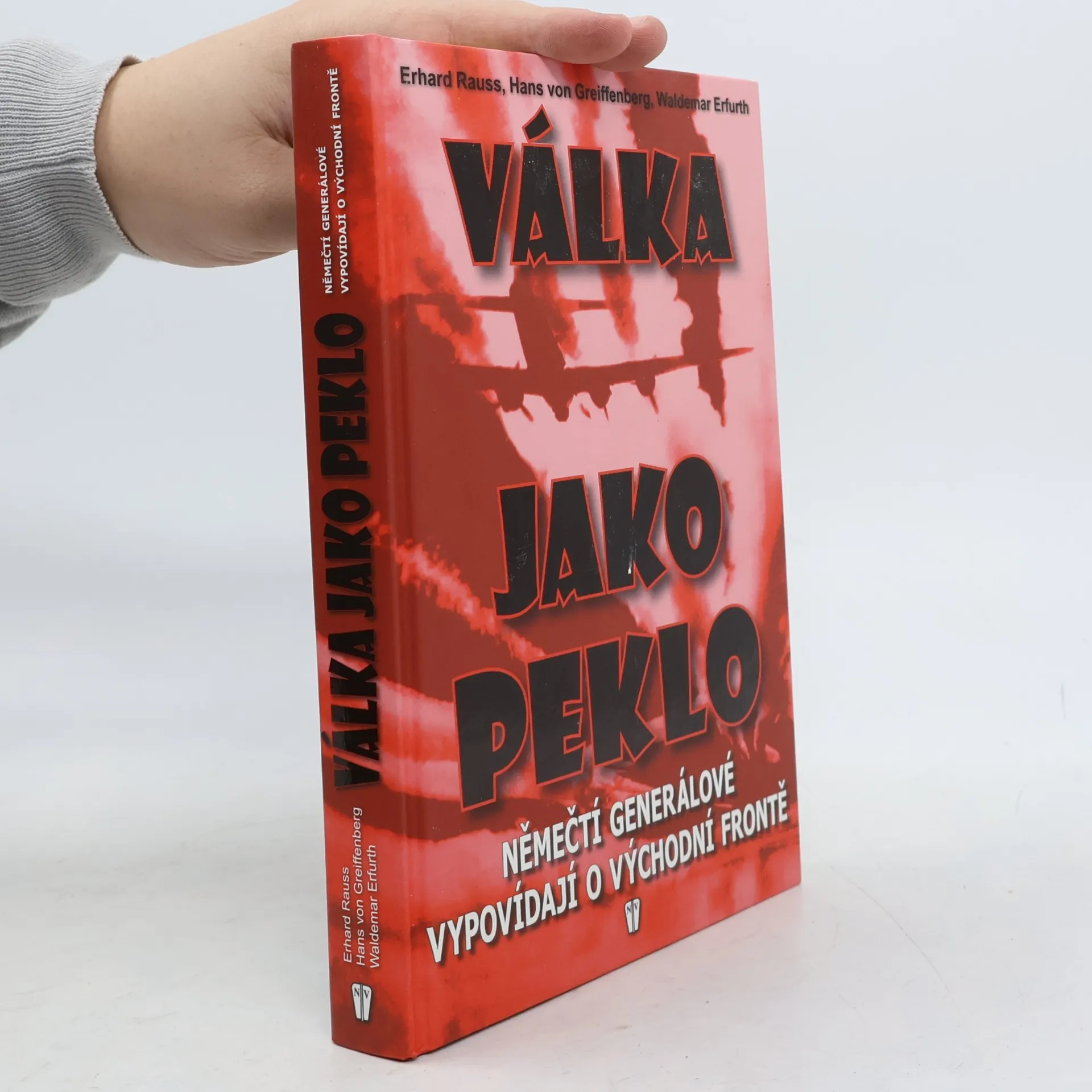
On 22 June 1941, the German army invaded the Soviet Union, one hundred fifty divisions advancing on three axes in a surprise attack that overwhelmed and destroyed whatever opposition the Russians were able to muster. The German High Command was under the impression that the Red Army could be destroyed west of the Dnepr River and that there would be no need for conducting operations in cold, snow, and mud. They were wrong. In reality, the extreme conditions of the German war in Russia were so brutal that past experiences simply paled before them. Everything in Russia--the land, the weather, the distances, and above all the people--was harder, harsher, more unforgiving, and more deadly than anything the German soldier had ever faced before. Based on the recollections of four veteran German commanders of those battles, FIGHTING IN HELL describes in detail what happened when the world's best-publicized "supermen" met the world's most brutal fighting. It is not a tale for the squeamish.