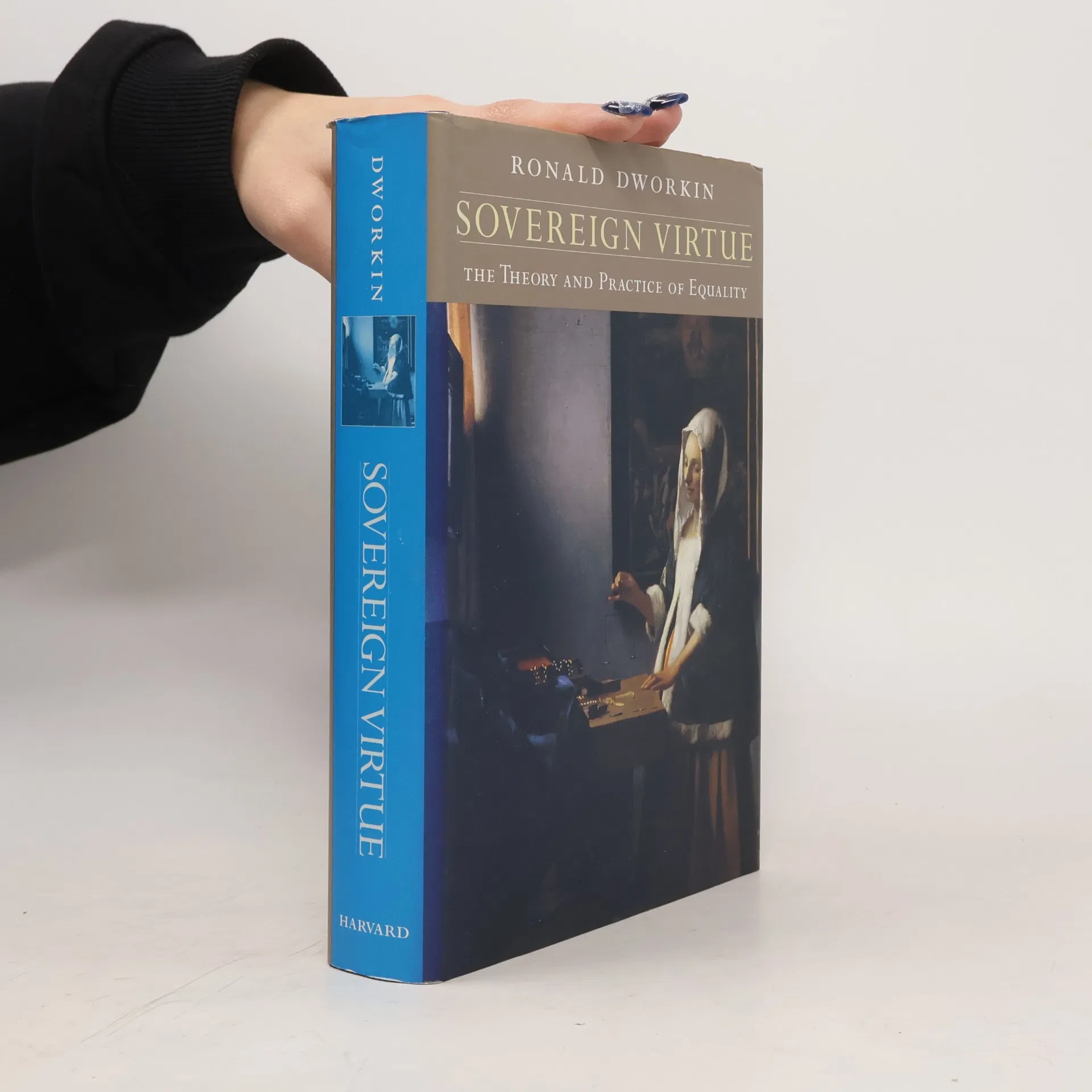
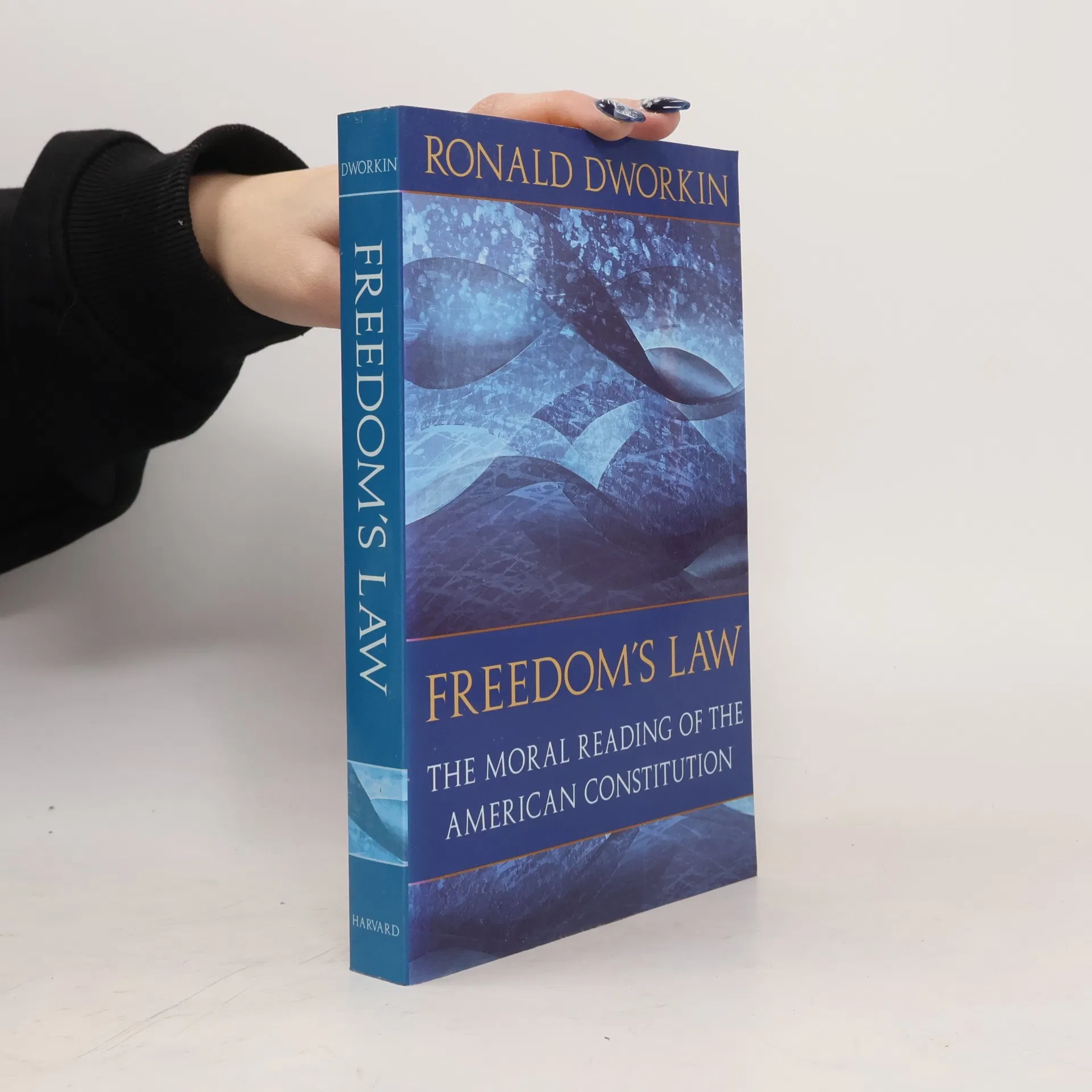
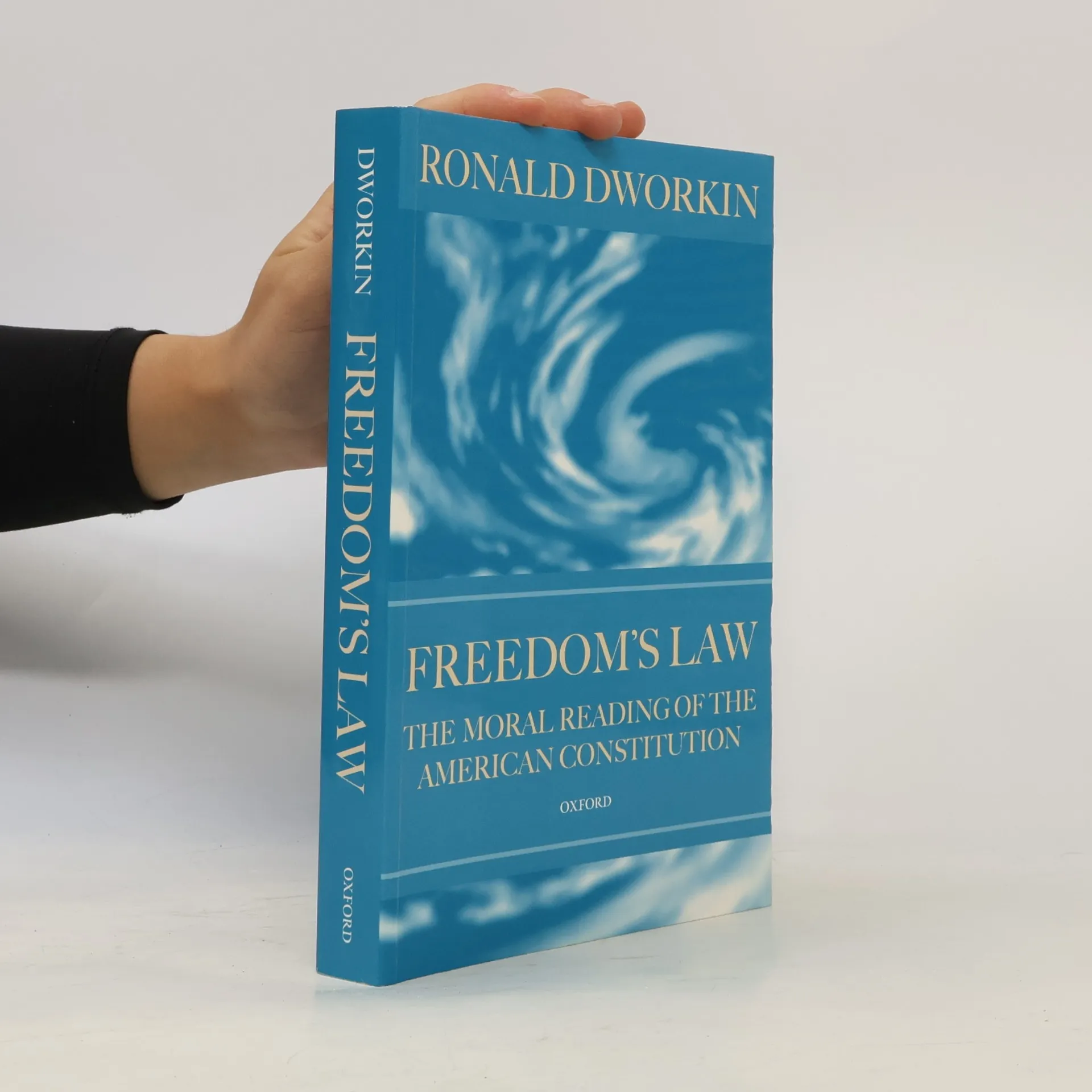
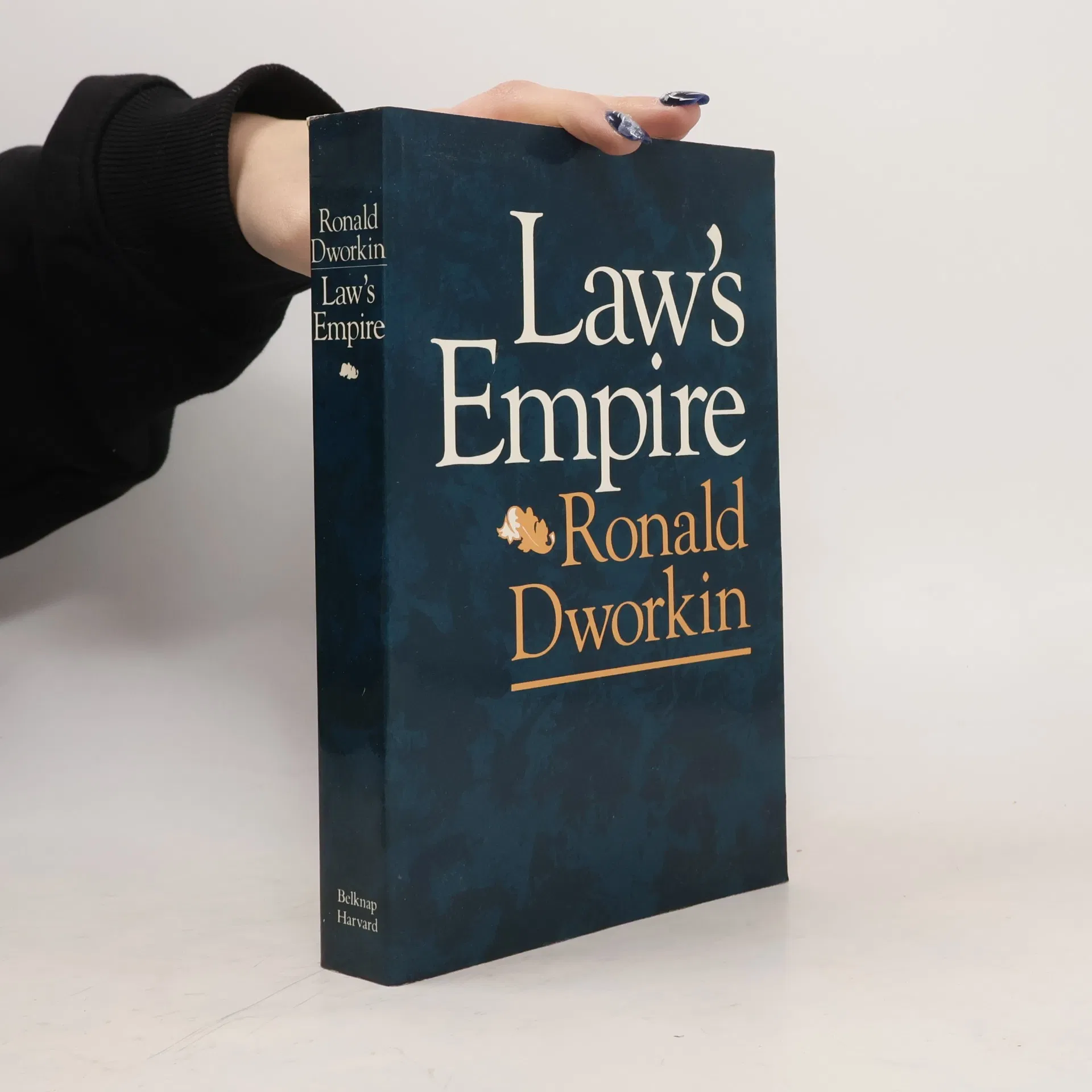
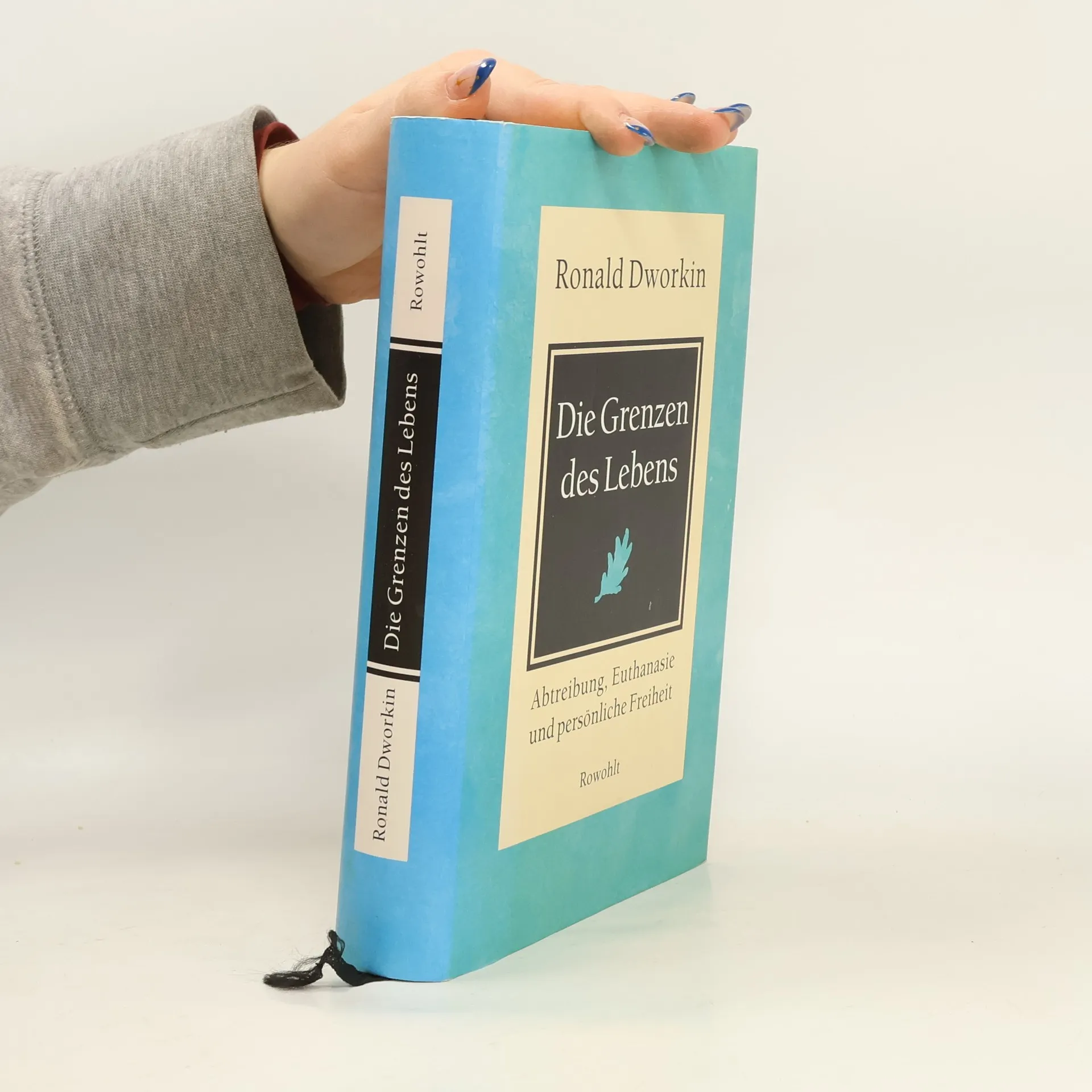
Ronald Dworkin bol americký filozof práva, ktorého vplyvné diela formovali súčasnú debatu o práve a politickej filozofii. Jeho teória práva ako integrity predstavuje jednu z najvýznamnejších koncepcií povahy práva. Dworkin sa zaoberal hlbokými otázkami spravodlivosti a interpretácie, čím zanechal nezmazateľnú stopu v právnom myslení. Jeho prístup zdôrazňoval etické základy právnych systémov a ich prepojenie s politickými ideálmi.
Das Zentrum wahrer Religiosität, so der bekennende Atheist Albert Einstein, sei die Ehrfurcht vor den Mysterien des Universums, deren höchste Weisheit wir nur rudimentär begreifen können. In diesem Sinne bezeichnete er sich als tiefreligiös. Doch was ist religiös an einer Haltung, in der Gott keine Rolle spielt? Ronald Dworkin beschäftigte sich in seinen Einstein-Vorlesungen mit dieser Frage. Er definiert Religion als eine Sicht auf die Welt, die von einem tiefen Glauben an objektive Werte getragen wird – etwa an die Würde der Geschöpfe, die Erfüllung oder das Versagen eines Lebens und die unerklärliche Schönheit, die über unsere Sinnesorgane hinausgeht. Theisten teilen diese Werte, glauben jedoch, dass sie gottgegeben sind. Dworkin hingegen argumentiert, dass die Idee eines Gottes aus der Existenz dieser Werte hervorgeht. Der Glaube an Gott ist eine Möglichkeit, dies auszudrücken, aber nicht die einzige.
Das Buch erkundet den Perspektivwechsel, der mit einem gottlosen Verständnis von Religion verbunden ist, und reicht von Physik über Politik bis zum Recht. Es schließt mit einer eindrucksvollen Reflexion über Tod und Unsterblichkeit und präsentiert das Vermächtnis eines bekennenden religiösen Atheisten, der den Blick für das Wesentliche weitet.
Ríša práva, ktorá je jednou z najdôležitejších prác v rámci filozofie práva, sa po prvý raz dostáva k čitateľom v slovenskom preklade Dezidera Kamhala. Popredný americký filozof Ronald Dworkin v nej predstavuje svoju teóriu morálneho odôvodnenia práva, ktorá spája či prepája osobnú morálku, právne zdôvodnenie a politickú legitimitu. Ponúka tak odpoveď na otázku ako chápať právo a zároveň ponúka politickú teóriu, ktorá zdôvodňuje takéto chápanie práva. Slovenské vydanie knihy dopĺňa aktuálny doslov Alexandra Bröstla.
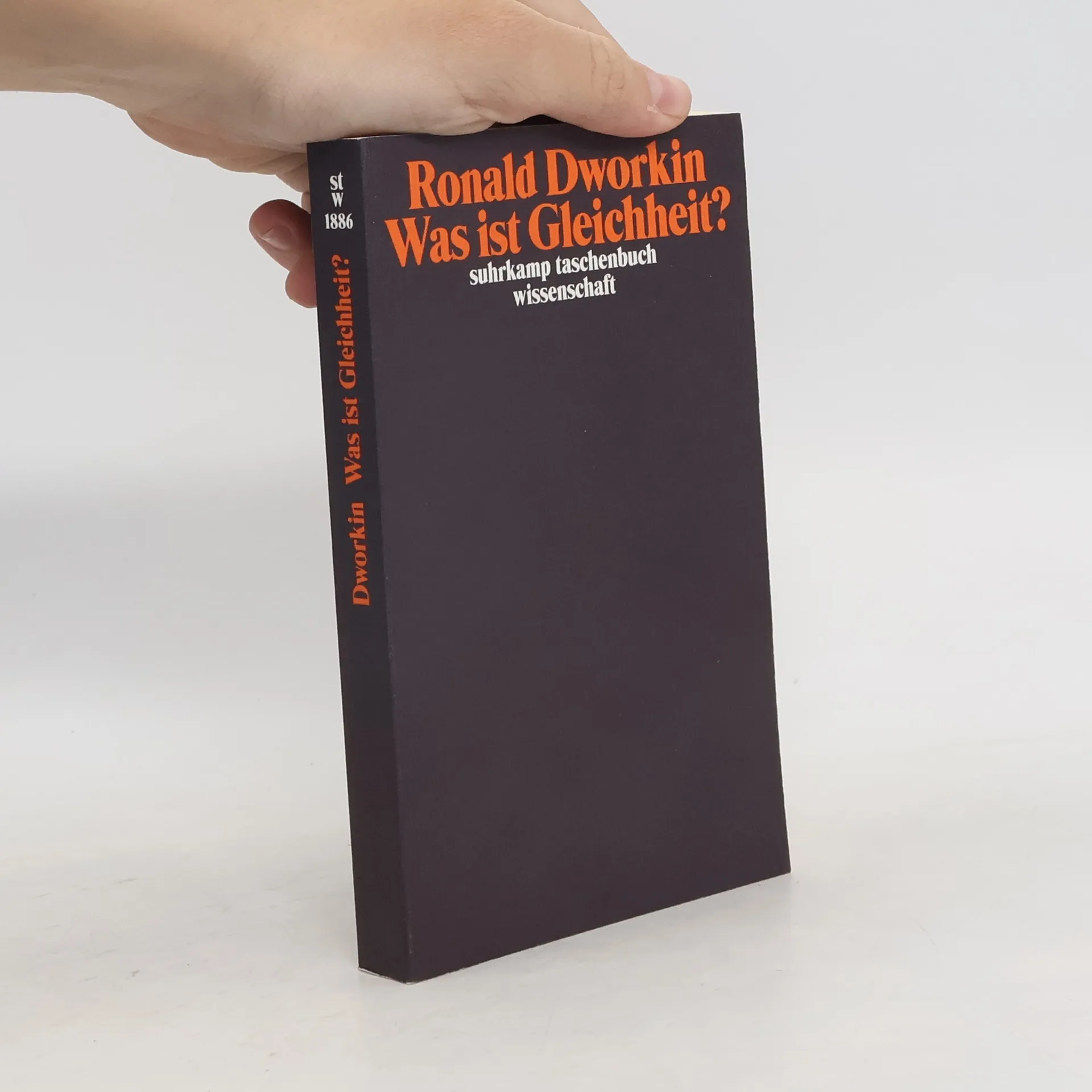
Ronald Dworkin ist einer der herausragenden Philosophen, dessen Arbeiten zum Egalitarismus nur noch durch das Werk von John Rawls übertroffen werden. Mit Was ist Gleichheit? liegen nun zentrale Texte Dworkins erstmals in deutscher Sprache vor. Sie entwickeln eine Theorie der Ressourcengleichheit, der zufolge eine Gesellschaft dann gerecht ist, wenn in ihr alle Ressourcen gleich verteilt sind. Dies bedeutet für Dworkin nicht, daß alle Menschen das gleiche Niveau an Wohlstand oder Lebenszufriedenheit erlangen können oder daß dies überhaupt wünschenswert wäre. Zwar sollte ein Staat individuell unabwendbare Unglücksfälle zu kompensieren suchen, es ist aber nicht seine Aufgabe, die Vor- und Nachteile zu egalisieren, die sich aus eigenverantwortlichen Entscheidungen ergeben. Gerechtigkeit, so Dworkins zentrale These, erfordert vor allem eine gleiche Ausgangsposition für alle.
The fox knows many things, the Greeks said, but the hedgehog knows one big thing. In his most comprehensive work, Ronald Dworkin argues that value in all its forms is one big thing: that what truth is, life means, morality requires, and justice demands are different aspects of the same large question. He develops original theories on a great variety of issues very rarely considered in the same book: moral skepticism, literary, artistic, and historical interpretation, free will, ancient moral theory, being good and living well, liberty, equality, and law among many other topics. What we think about any one of these must stand up, eventually, to any argument we find compelling about the rest. Skepticism in all its forms—philosophical, cynical, or post-modern—threatens that unity. The Galilean revolution once made the theological world of value safe for science. But the new republic gradually became a new empire: the modern philosophers inflated the methods of physics into a totalitarian theory of everything. They invaded and occupied all the honorifics—reality, truth, fact, ground, meaning, knowledge, and being—and dictated the terms on which other bodies of thought might aspire to them, and skepticism has been the inevitable result. We need a new revolution. We must make the world of science safe for value.
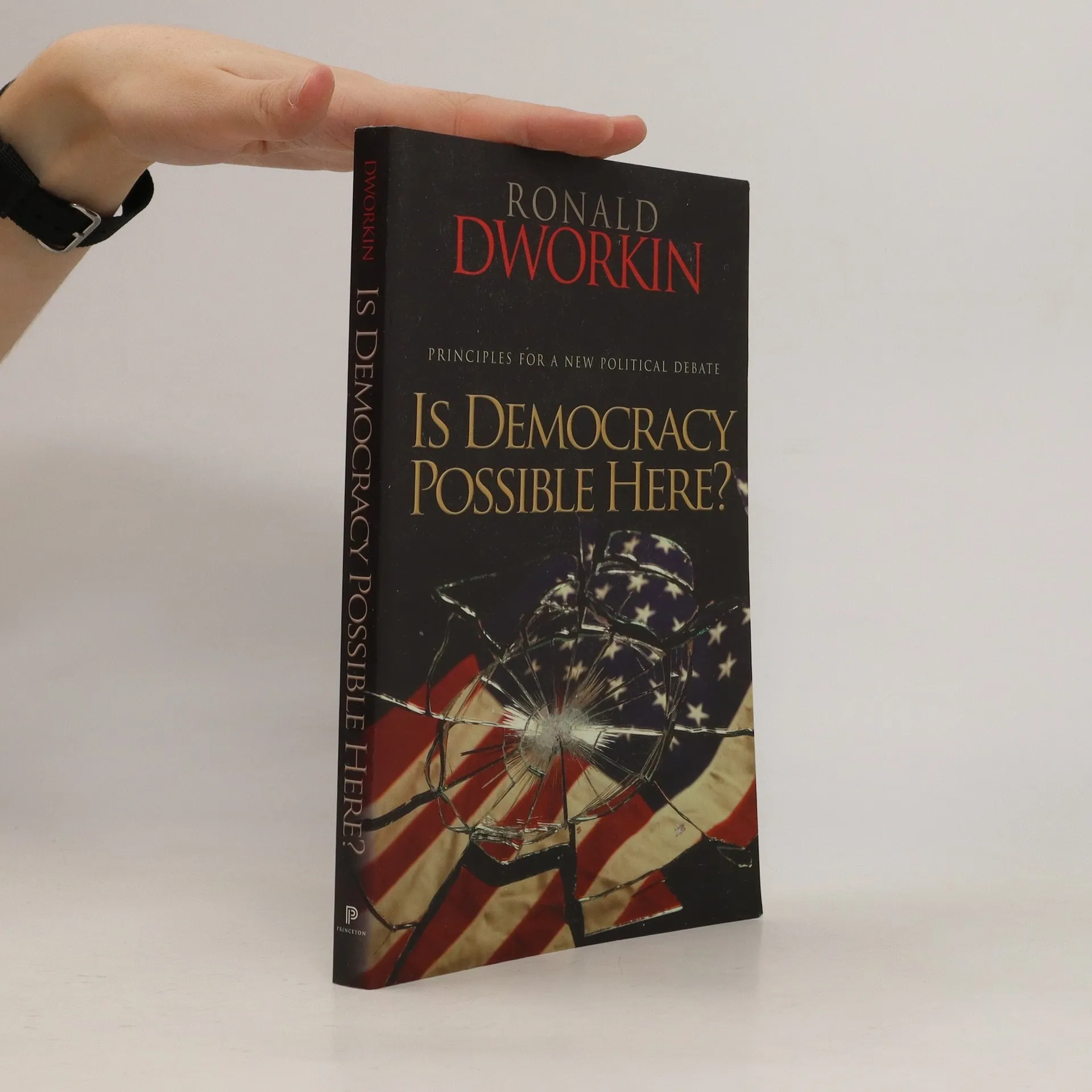
Politics in America are more polarized and trivialized than ever, with fierce battles between the right and left resembling contact sports. This deeply depressing political culture, as noted by Ronald Dworkin, is ill-equipped to tackle social justice or emerging threats like terrorism. Yet, can hope for change emerge? Dworkin, a prominent legal and political philosopher, identifies core principles of personal and political morality that can unite citizens. He argues that recognizing these shared principles can foster substantial political discourse and replace contempt with mutual respect, enabling democracy's full promise to be realized. The two core principles he emphasizes are: first, the intrinsic and equal value of each human life; and second, the inalienable personal responsibility of individuals to identify and realize value in their lives. Dworkin explores the implications of these principles for human rights, the role of religion in public life, economic justice, and the essence of democracy. He posits that liberal conclusions naturally arise from these principles, which challenge the goals of religious conservatives and current tax and social policies, as well as aspects of the War on Terror. Ultimately, Dworkin aims to persuade Americans across the political spectrum—and citizens of similar cultures worldwide—that they can and must defend their convictions through their interpretations of these shared values.
Dnes klasické dílo právní a politické filosofie je ucelenou studií o lidských právech a liberálním pojetí právního státu. Dworkin předestírá své teze o přirozenoprávním konceptu a staví se do opozice vůči konceptu pozitivněprávnímu (především proti svému předchůdci na stolici právní vědy v Oxfordu H. L. A. Hartovi).
Equality is the endangered species of political ideals. Even left-of-center politicians reject equality as an ideal: government must combat poverty, they say, but need not strive that its citizens be equal in any dimension. In his new book Ronald Dworkin insists, to the contrary, that equality is the indispensable virtue of democratic sovereignty. A legitimate government must treat all its citizens as equals, that is, with equal respect and concern, and, since the economic distribution that any society achieves is mainly the consequence of its system of law and policy, that requirement imposes serious egalitarian constraints on that distribution. What distribution of a nation's wealth is demanded by equal concern for all? Dworkin draws upon two fundamental humanist principles--first, it is of equal objective importance that all human lives flourish, and second, each person is responsible for defining and achieving the flourishing of his or her own life--to ground his well-known thesis that true equality means equality in the value of the resources that each person commands, not in the success he or she achieves. Equality, freedom, and individual responsibility are therefore not in conflict, but flow from and into one another as facets of the same humanist conception of life and politics. Since no abstract political theory can be understood except in the context of actual and complex political issues, Dworkin develops his thesis by applying it to heated contemporary controversies about the distribution of health care, unemployment benefits, campaign finance reform, affirmative action, assisted suicide, and genetic engineering.
Ronald Dworkin argues that Americans have been systematically misled about what their Constitution is, and how judges decide what it means. The Constitution, he observes, grants individual rights in extremely abstract terms. The First Amendment prohibits the passing of laws that "abridge the freedom of speech"; the Fifth Amendment insists on "due process of law"; and the Fourteenth Amendment demands "equal protection of the laws" for all persons. What does that abstract language mean when it is applied to the political controversies that divide Americans--about affirmative action and racial justice, abortion, euthanasia, capital punishment, censorship, pornography, and homosexuality, for example? Judges, and ultimately the justices of the Supreme Court, must decide for everyone, and that gives them great power. How should they decide? Dworkin defends a particular answer to that question, which he calls the "moral reading" of the Constitution. He argues that the Bill of Rights must be understood as setting out general moral principles about liberty and equality and dignity, and that private citizens, lawyers, and finally judges must interpret and apply those general principles by posing and trying to answer more concrete moral questions. Is freedom to choose abortion really a basic moral right and would curtailing that right be a deep injustice, for example? Why? In the detailed discussions of individual constitutional issues that form the bulk of the book, Dworkin shows that our judges do decide hard constitutional cases by posing and answering such concrete moral questions. Indeed he shows that that is the only way they <i>can</i> decide those cases. But most judges--and most politicians and most law professors--pretend otherwise. They say that judges must never treat constitutional issues as moral issues because that would be "undemocratic"--it would mean that judges were substituting their own moral convictions for those of Congressmen and state legislators who had been elected by the people. So they insist that judges can, and should, decide in some more mechanical way which involves no fresh moral judgment on their part. The result, Dworkin shows, has been great constitutional confusion. Is the premise at the core of this confusion really sound? Is the moral reading--the only reading of the American Constitution that makes sense--really undemocratic? In spirited and illuminating discussions both of the great constitutional cases of recent years, and of general constitutional principles, Dworkin argues, to the contrary, that the distinctly American version of government under principle, based on the moral reading of the Constitution, is in fact the best account of what democracy really is.
Written by the world's best-known political and legal theorist, Freedom's Law: The Moral Reading of the American Constitution is a collection of essays that discuss almost all of the great constitutional issues of the last two decades, including abortion, euthanasia, capital punishment, homosexuality, pornography, and free speech. Professor Dworkin offers a consistently liberal view of the Constitution and argues that fidelity to it and to law demands that judges make moral judgments. He proposes that we all interpret the abstract language of the Constitution by reference to moral principles about political decency and justice. His `moral reading therefore brings political morality into the heart of constitutional law. The various chapters of this book were originally published separately and are now drawn together to provide the reader with a rich, full-length treatment of Dworkin's general theory of law.
With the incisiveness and lucid style for which he is renowned, Ronald Dworkin has written a masterful explanation of how the Anglo-American legal system works and on what principles it is grounded. Law’s Empire is a full-length presentation of his theory of law that will be studied and debated―by scholars and theorists, by lawyers and judges, by students and political activists―for years to come.Dworkin begins with the question that is at the heart of the whole legal in difficult cases how do (and how should) judges decide what the law is? He shows that judges must decide hard cases by interpreting rather than simply applying past legal decisions, and he produces a general theory of what interpretation is―in literature as well as in law―and of when one interpretation is better than others. Every legal interpretation reflects an underlying theory about the general character of Dworkin assesses three such theories. One, which has been very influential, takes the law of a community to be only what the established conventions of that community say it is. Another, currently in vogue, assumes that legal practice is best understood as an instrument of society to achieve its goals. Dworkin argues forcefully and persuasively against both these he insists that the most fundamental point of law is not to report consensus or provide efficient means to social goals, but to answer the requirement that a political community act in a coherent and principled manner toward all its members. He discusses, in the light of that view, cases at common law, cases arising under statutes, and great constitutional cases in the Supreme Court, and he systematically demonstrates that his concept of political and legal integrity is the key to Anglo-American legal theory and practice.
Susanne Höbel, geboren 1953 in Unna, studierte in Birmingham Literatur und übersetzte u. a. Nadine Gordimer, John Updike, William Faulkner, Thomas Wolfe und Graham Swift. Sie lebt in Hamburg und Südengland. Cornelia Holfelder-von der Tann, geboren 1950, beschloss nach dem Studium (Anglistik, Germanistik, Romanistik) und einem Lehramtsreferendariat, es mit dem literarischen Übersetzen zu probieren und ist seither hauptberuflich dabeigeblieben. 2021 wurde sie mit dem Übersetzerpreis für langjähriges Übersetzen, „Rebekka“, ausgezeichnet.
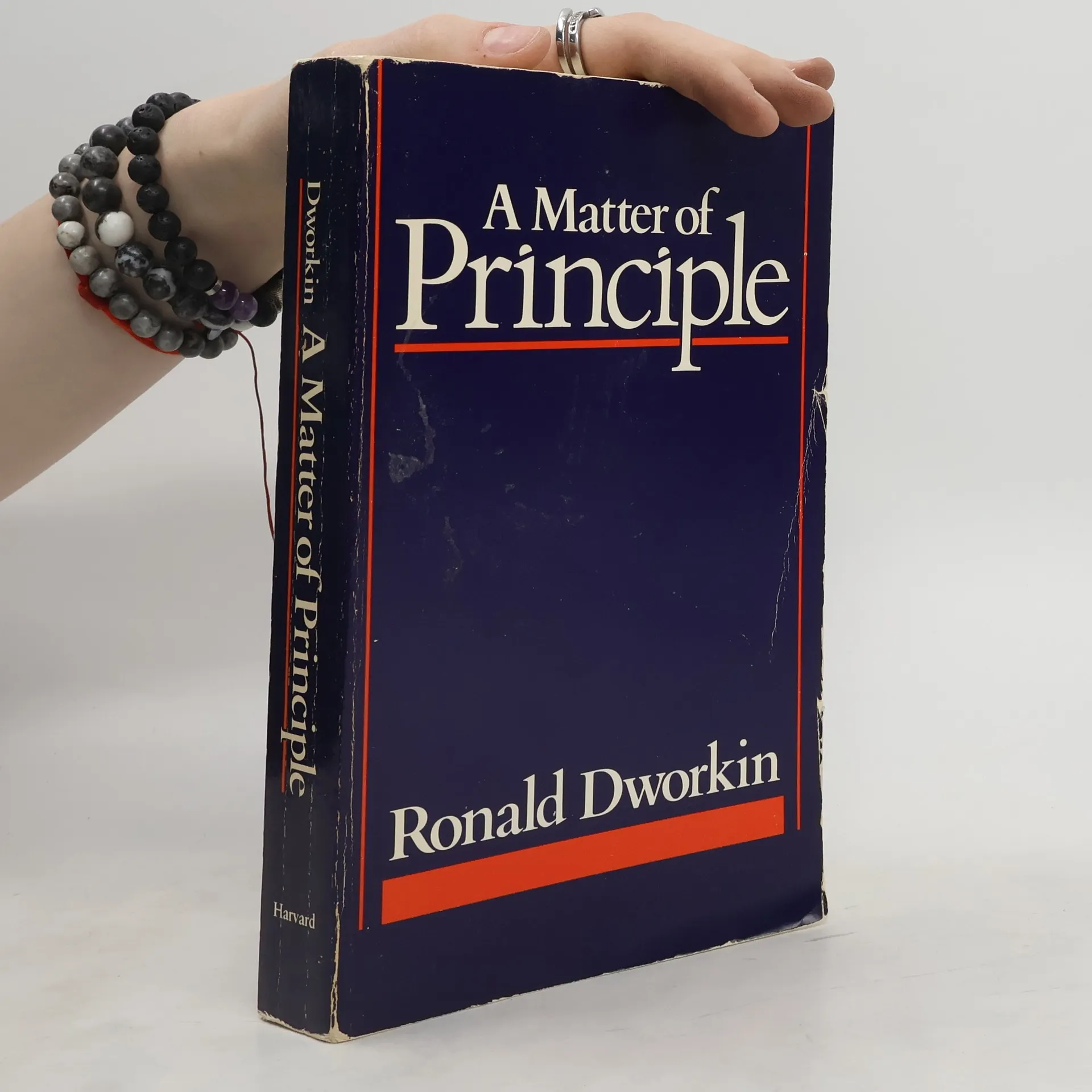
This is a book about the interplay of urgent political issues and hotly debated questions of moral philosophy. The controversies it joins are old; but history has given them fresh shape. Dworkin addresses questions about the Anglo-American legal system as protector of individual rights and as machinery for furthering the common good.