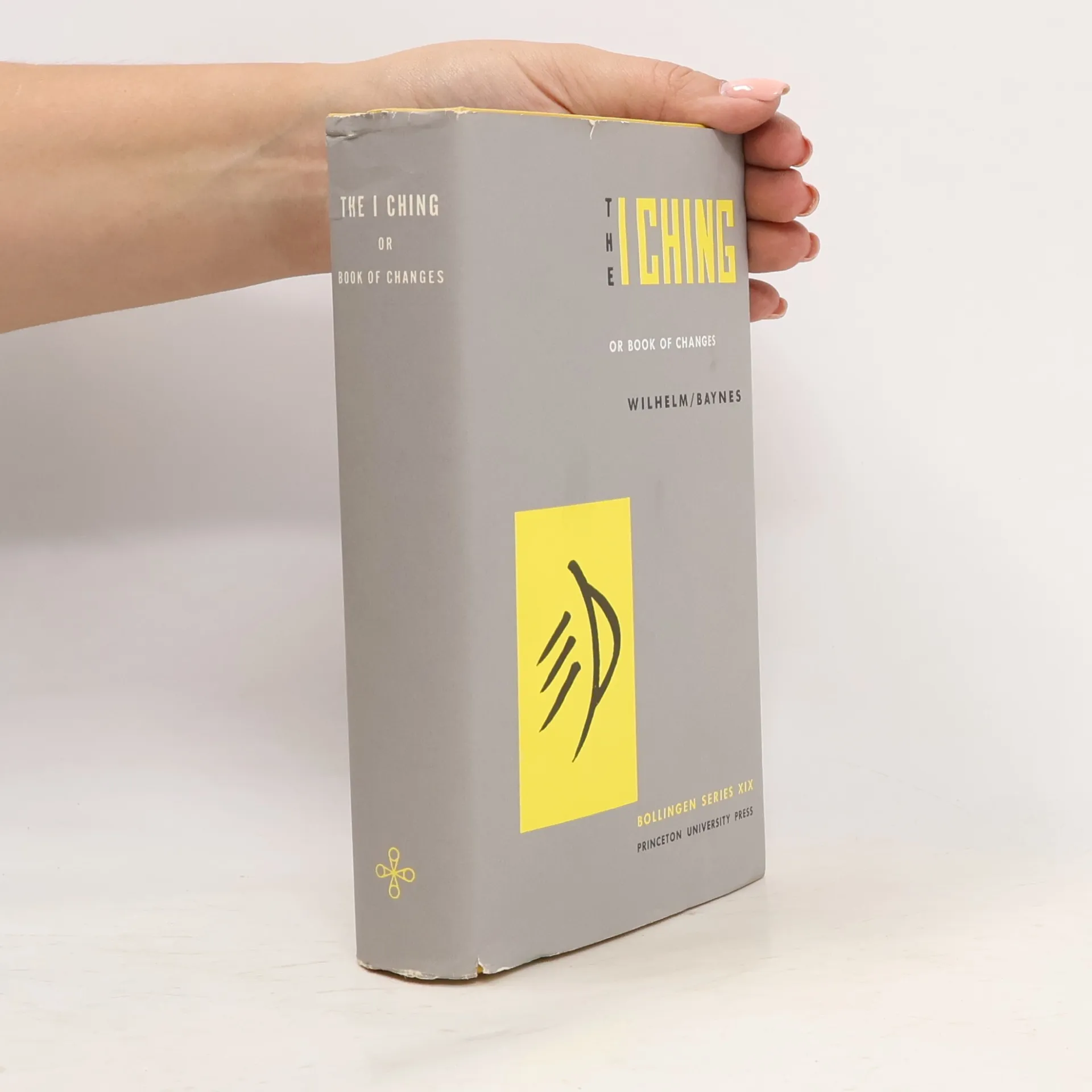
1.vydání. I-t'ing je pravděpodobně jednou z nejstarších knih Číny. Sinolog Richard Wilhelm, žijící v minulém století, tuto bohatou pokladnici staré čínské moudrosti během svého pobytu na Tchaj-wanu po čínské revoluci prostudoval a svým dnes již klasickým překladem ji zpřístupnil evropským čtenářům. Od té doby tato životní moudrost oslovuje nové a nové čtenáře. Jako orákulum, divinační techniku, lze I-t'ing využít k dotazování se, jak jednat v konkrétních životních situacích. Odpovědi obrazného rázu pak pomáhají porozumět současné situaci i směru, kterým se může budoucnost člověka ubírat. V tomto pojetí je I-t'ing úzce spjat s myšlenkou synchronicity, jak ji představila jungovská analytická psychologie.
Richard Wilhelm Knihy
10. máj 1873 – 1. marec 1930
Richard Wilhelm bol nemecký prekladateľ, ktorý sa špecializoval na preklady filozofických diel z čínštiny do nemčiny. Jeho preklady, ktoré neskôr ovplyvnili mnohé ďalšie svetové jazyky, sú cenené pre svoju hĺbku a presnosť. Wilhelmov preklad I ťing je dodnes považovaný za jeden z najlepších, rovnako ako jeho preklad Tajomstvo zlatej kvetiny. Tieto diela dopĺňajú úvody jeho priateľa, švajčiarskeho psychológa Carla Junga, čo dodáva jeho literárnemu odkazu ďalšiu vrstvu.


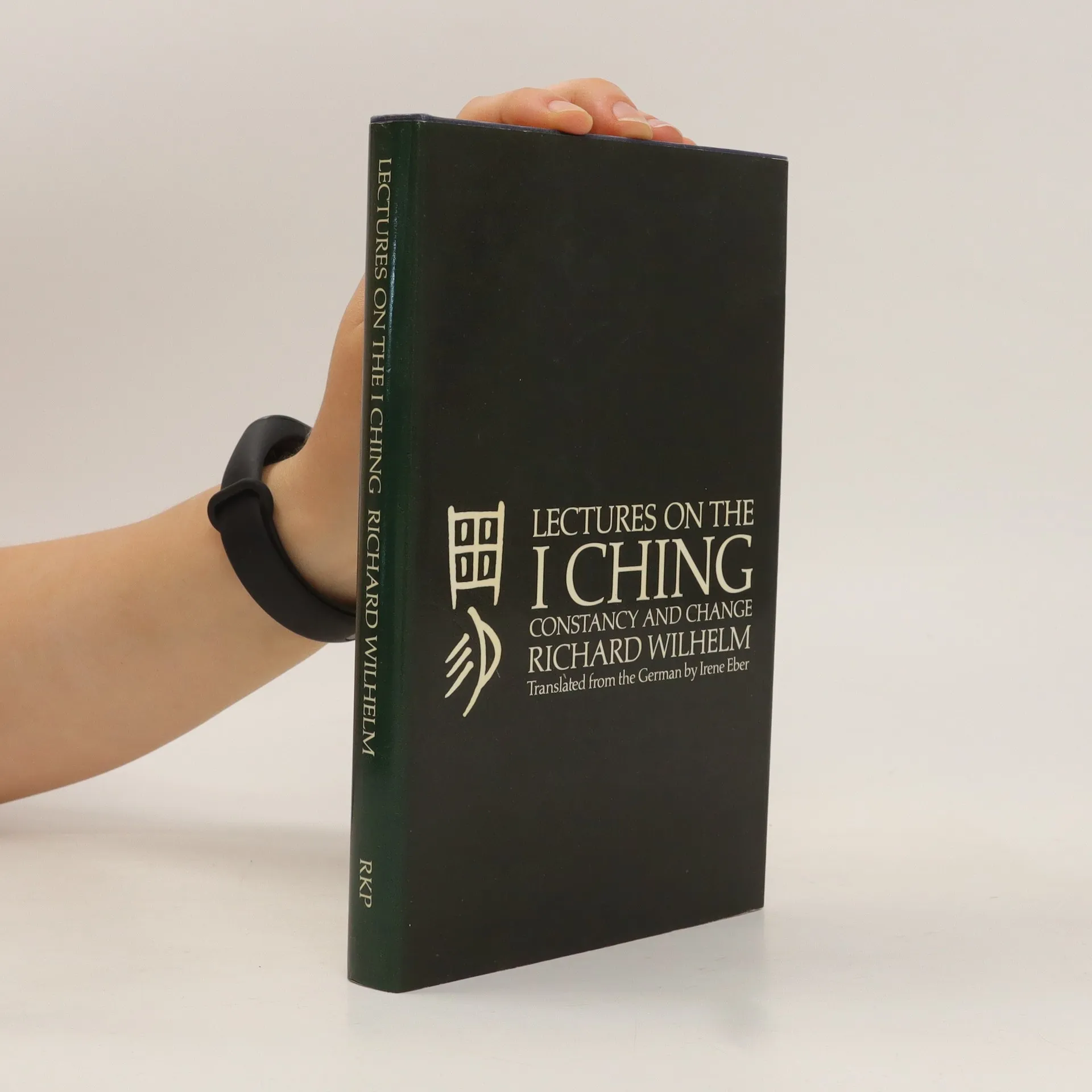
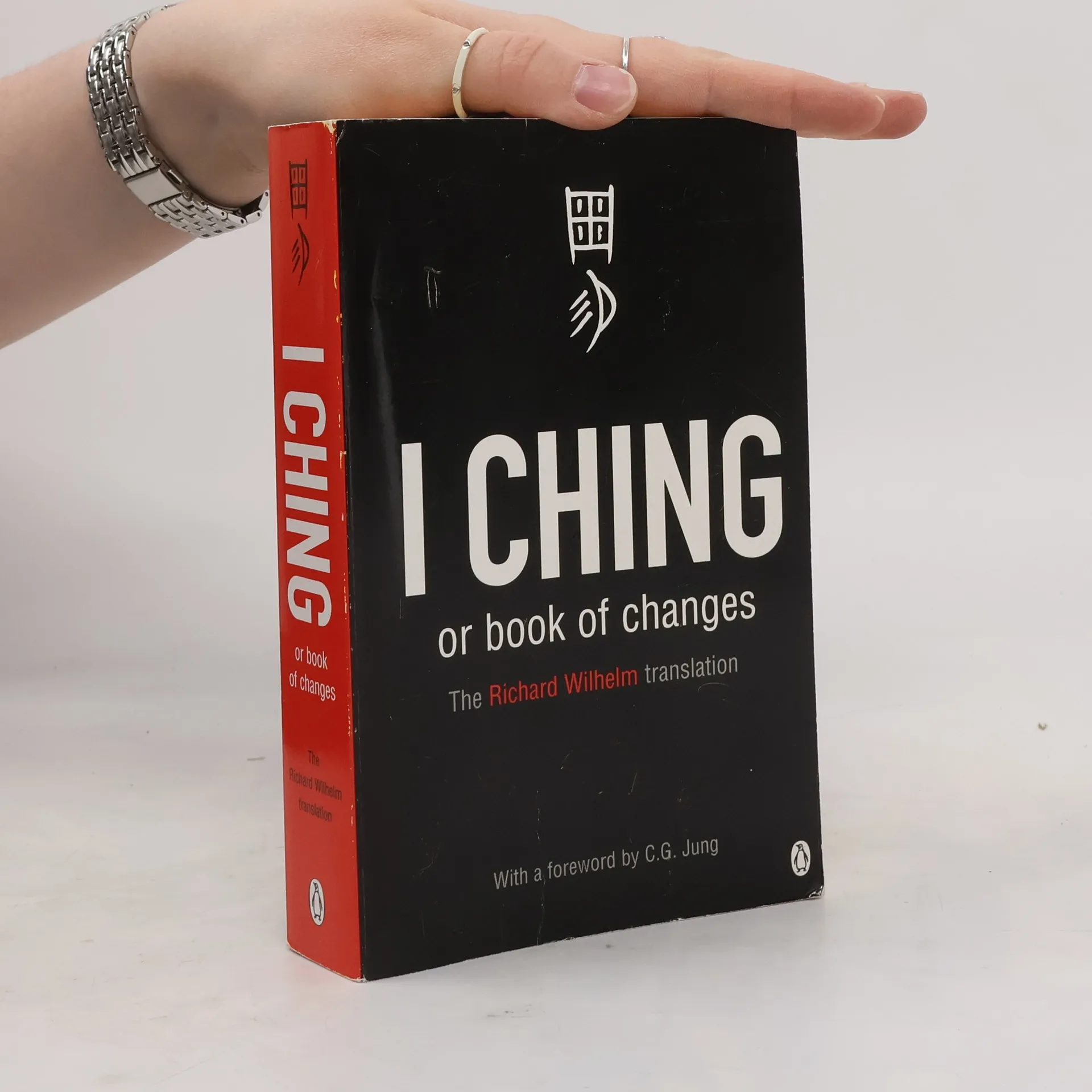
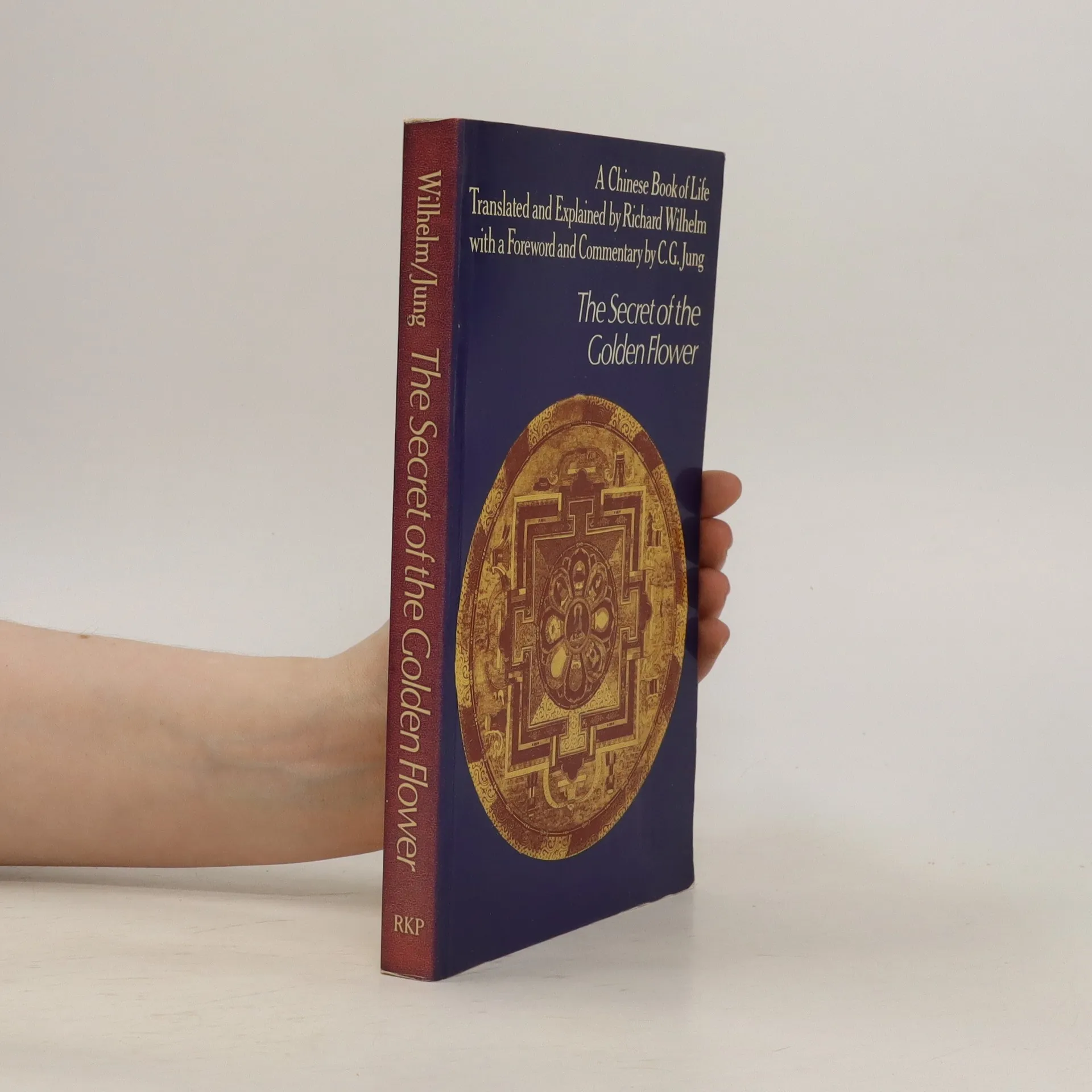
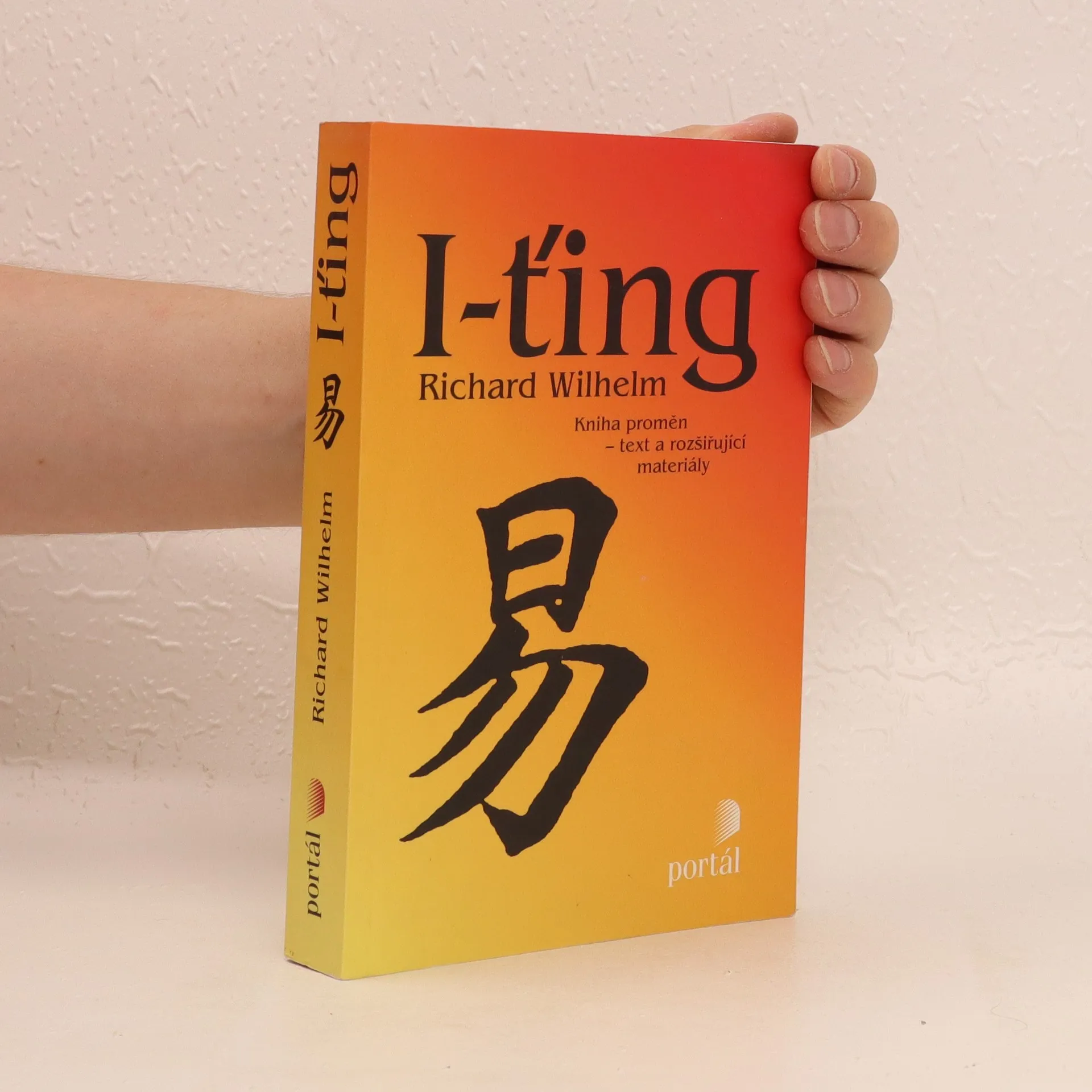
Covers I Ching - a book of oracles containing the whole of human experience.
This unique text of esoteric Taoism provides insight into the secret religious traditions of ancient China while exploring the relationship between Western and Eastern traditions, as well as Jung's concept of the unconscious. The ancient esoteric text, influenced by Buddhism, Confucianism, and possibly Nestorian Christianity, includes practical instructions for meditation exercises that enable the practitioner to break free from worldly attachments, achieve health, and ultimately experience the "birth of the golden flower," symbolizing spiritual rebirth. C. G. Jung utilized the opportunity to comment on the text not only to write a study comparing the psychology and spiritual lives of Western and Eastern individuals, highlighting important practical implications of this comparison, but also to vividly articulate the foundations of his theory of the collective unconscious, for which the Chinese text provided valuable evidence.
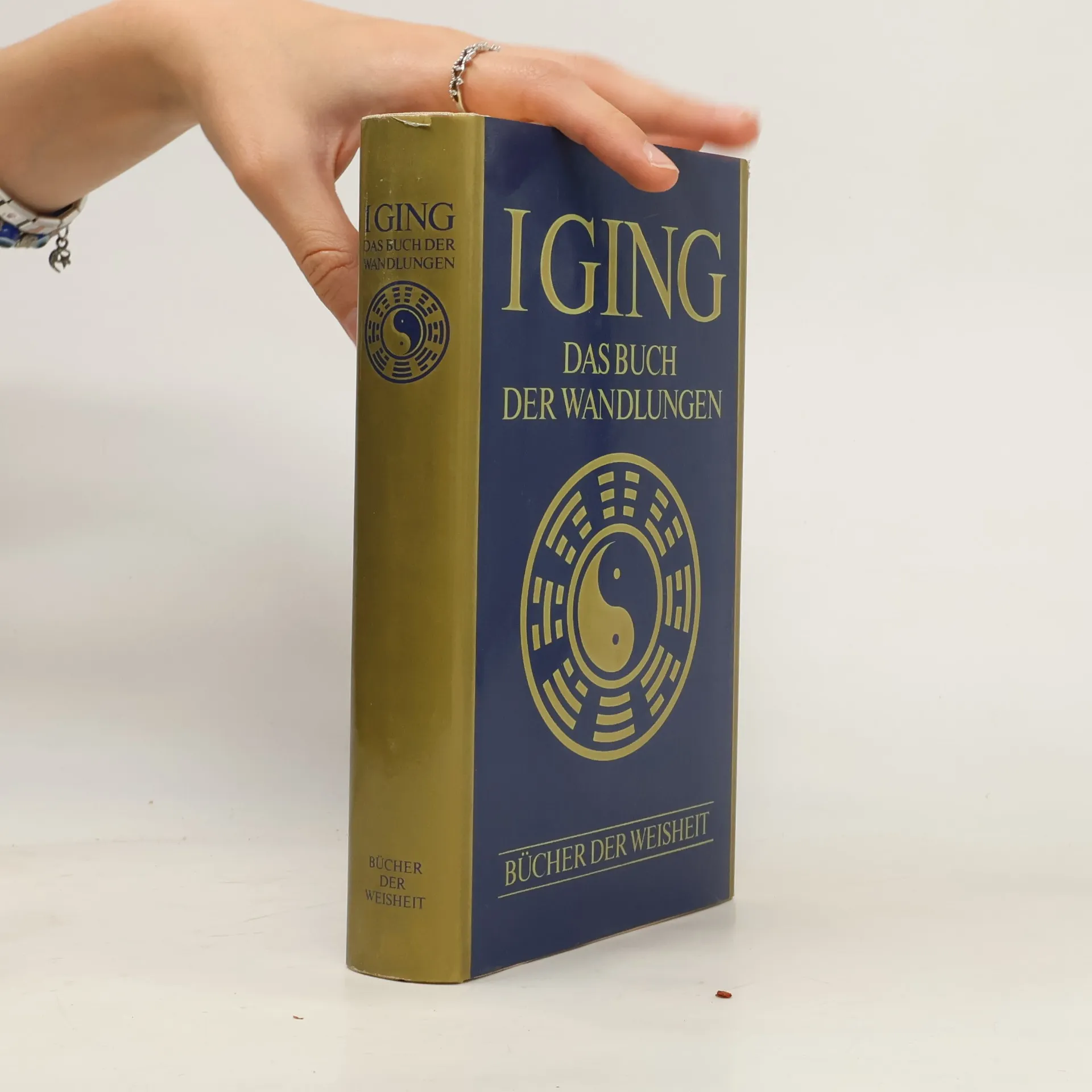
I Ching or Book of Changes
- 816 stránok
- 29 hodin čítania
Covers I Ching - a book of oracles containing the whole of human experience.
Wilhelm frequently wrote & lectured on the Book of Changes, supplying guidelines to its ideas & ways of thinking. Collected here are four lectures he gave between 1926 & 1929. The lectures are significant not only for what they reveal about Chinese tradition & culture, but also for their reflections of the scholarly & cultural milieu prevalent in Germany during that time.
The Chinese Fairy Book
- 362 stránok
- 13 hodin čítania
This collection features a diverse array of oriental fairy tales, offering a rich tapestry of stories for American readers. Children will be captivated by the vibrant colors and fantastical elements, while older readers will find depth and enjoyment in the narratives. Among the poetic tales are "The Flower-Elves," "The Lady of the Moon," and "The Herd Boy and the Weaving Maiden," which evoke a sense of beauty and wonder. Other stories, like "How Three Heroes Came By Their Deaths Because Of Two Peaches," provide a dramatic glimpse into the Chinese age of Chivalry. The collection also includes quasi-religious dramas such as "The Ape Sun Wu Kung" and "Notcha," alongside the intriguing sorceries of "The Kindly Magician." Additionally, delightful ghost stories like "A Night on the Battlefield" and "The Ghost Who Was Foiled" offer happy endings that charm readers of all ages. This work is a reproduction of an important historical text, preserved and restored by Forgotten Books, which utilizes advanced technology to maintain the original format while addressing imperfections. Any remaining flaws are intentionally retained to honor the historical integrity of the collection.
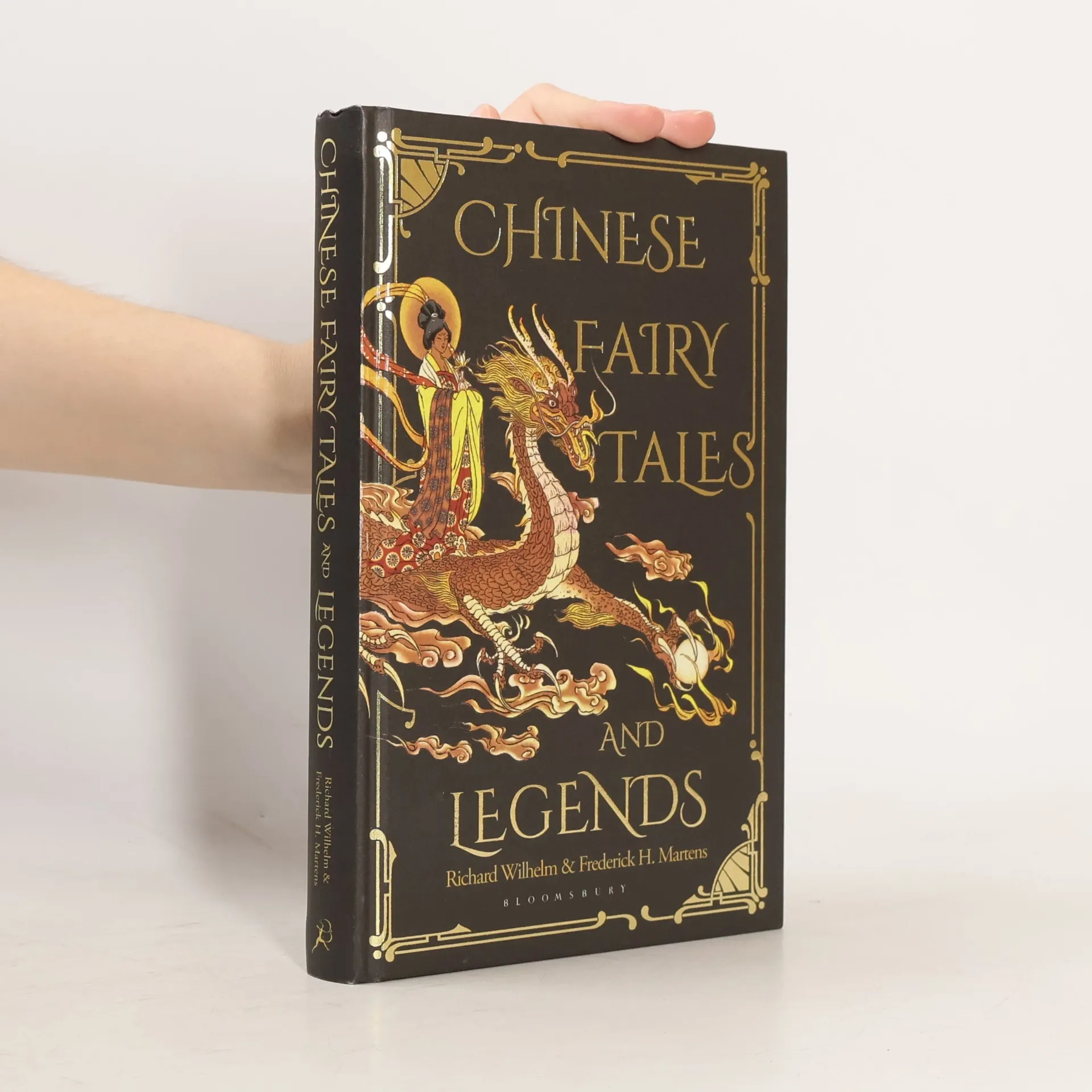
Chinese Fairy Tales and Legends
- 288 stránok
- 11 hodin čítania
An elegantly packaged new edition of a classic Chinese folk tale collection that responds to the contemporary fascination with the ancient culture of the Far East.
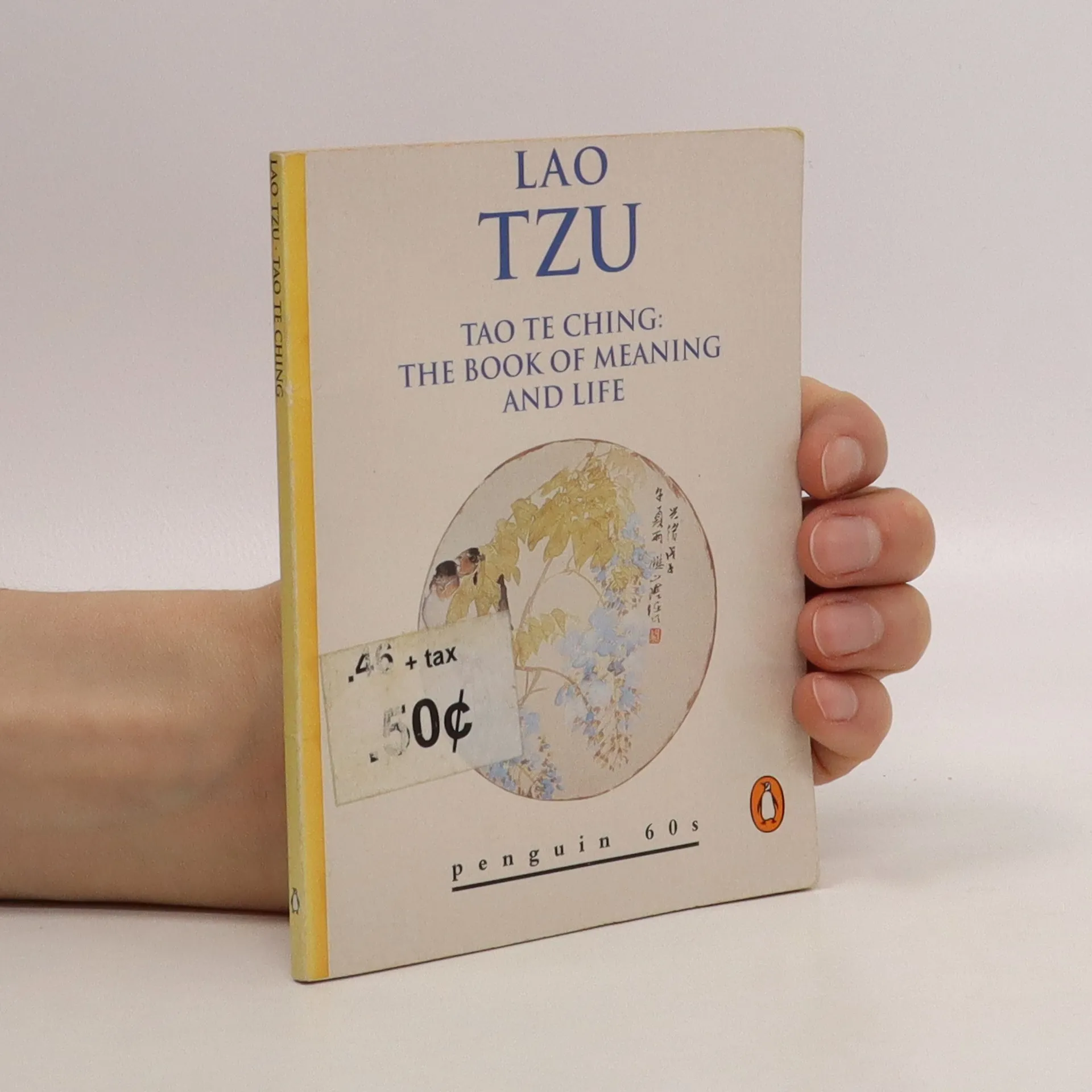
Tao Te Ching: The Book of Meaning and Life
- 64 stránok
- 3 hodiny čítania
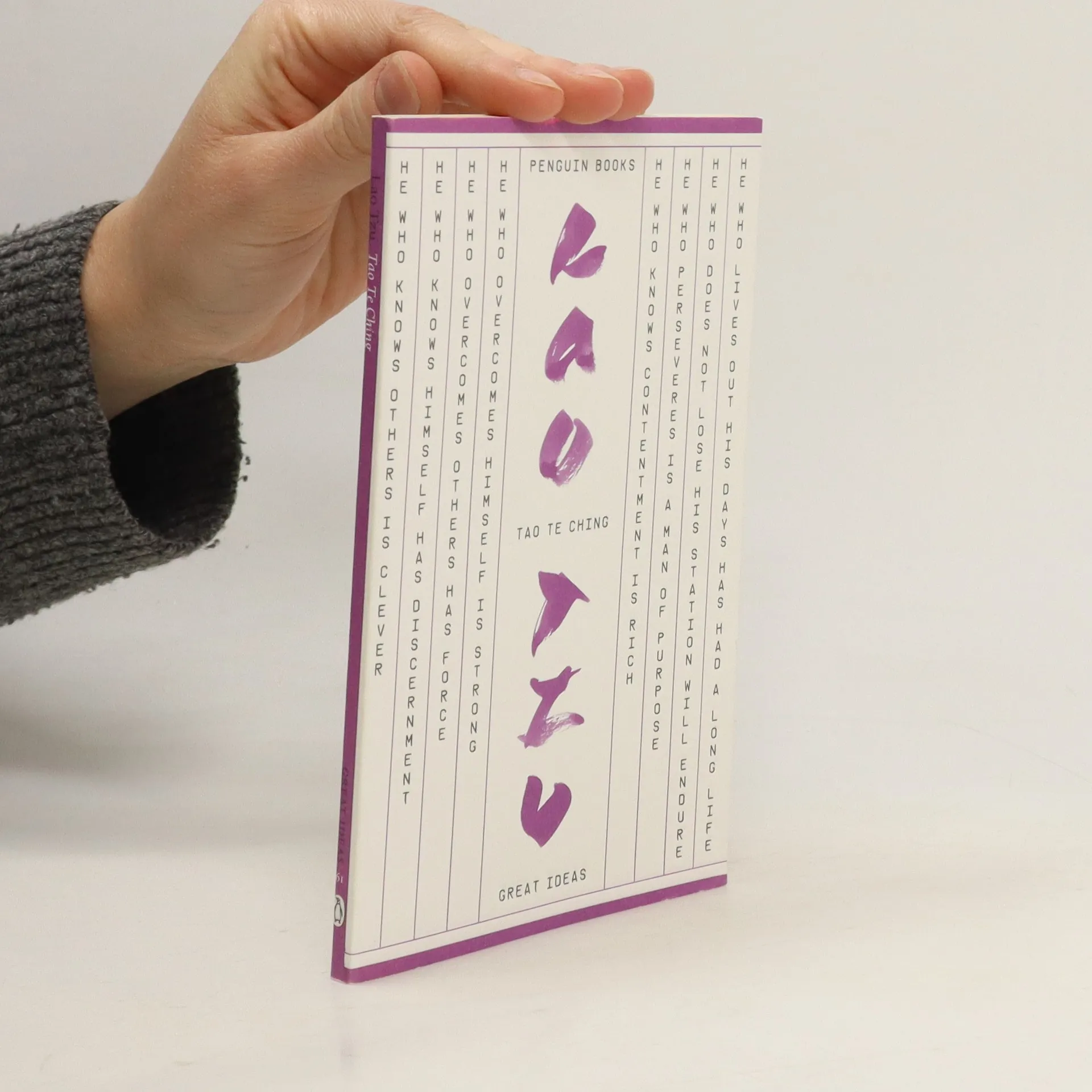
"Tao Te Ching," also commonly known as "Lao Tzu," is perhaps the most important of Chinese classical texts, with an unparalleled influence on Chinese thought. This bilingual edition consists of two parts. The English text in Part One is a reprint of the earlier translation of the so-called "Wang Pi" text, first published by Penguin Books in 1963. Part Two is the fresh translation of a text which is a conflation of two manuscripts of the "Lao Tzu," dating at the latest from the early Western Han and discovered at Ma Wang Tui in December 1973. The result is a text with a fuller use of particles, free from the scribal errors and editorial tampering of subsequent ages.
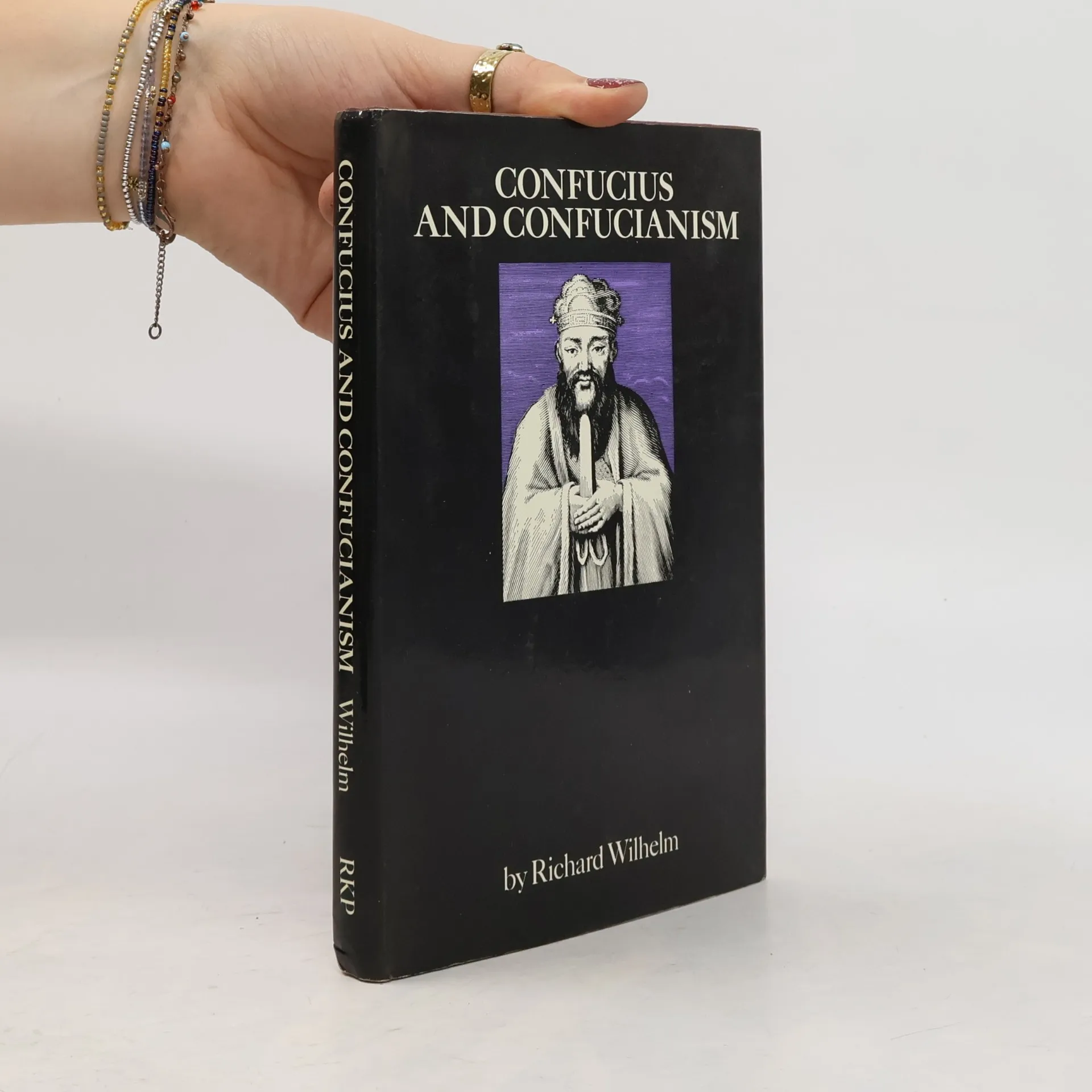
Confucius and Confucianism
- 181 stránok
- 7 hodin čítania
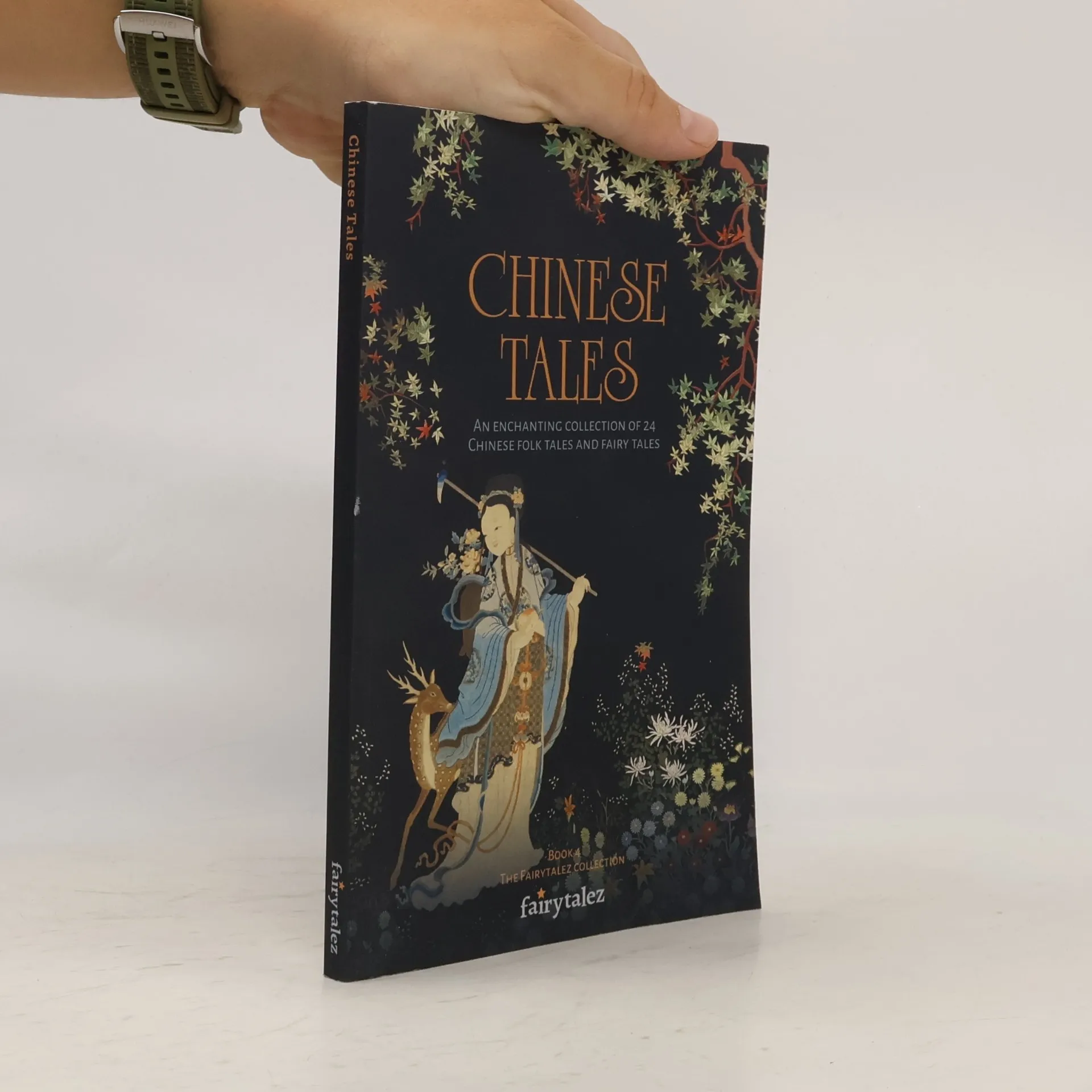
The Fairytalez Collection - 4: Chinese Tales
An Enchanting Collection of 24 Chinese Folk Tales and Fairy Tales
- 150 stránok
- 6 hodin čítania
Chinese tales are a part of China's rich culture and their enduring legacy can be traced back centuries. Stories from China include explanations of nature, moral lessons, and adventure stories. The rich tapestry of Chinese stories can't be ignored, especially as these tales still captivate today. Chinese folktales, fairy tales, myths, and stories are brimming with wisdom and lessons. The stories have been passed down through generations for years and are still powerful representations of their culture. Fairytalez is delighted to share a collection of Chinese fairy tales, folk tales, myths, and legends. Discover why these stories have endured for thousands of years with this exciting collection.
Im Vorwort wird betont, dass die alte Vorstellung, in China nach Jahrhunderten zu rechnen, nicht mehr zutrifft. Das Leben in China entwickelt sich heute rasant, mit täglichen Ereignissen und Entwicklungen, die auf das Entstehen einer neuen Welt hindeuten. Diese Transformation hat langsam begonnen, nimmt aber an Geschwindigkeit zu: Altes wird in die Vergessenheit verdrängt, während Neues aus dem Nichts emporsteigt. Der Autor reflektiert über seine fünfundzwanzigjährige Zeit in China, in der er Land und Volk lieben lernte. Diese Jahre waren entscheidend, da sie den Zusammenstoß von Altem und Neuem erlebten. Er hat das alte China gesehen, das für Jahrtausende zu bestehen schien, und den Zusammenbruch miterlebt, aus dem neues Leben erwuchs. Trotz der Veränderungen bleibt die Seele Chinas erkennbar, die sich weiterentwickelt, aber ihre Milde und Ruhe bewahrt hat. Der Autor hofft, dass etwas von dieser Seele dem Leser nahegebracht wird, was den Zweck des Buches erfüllt.
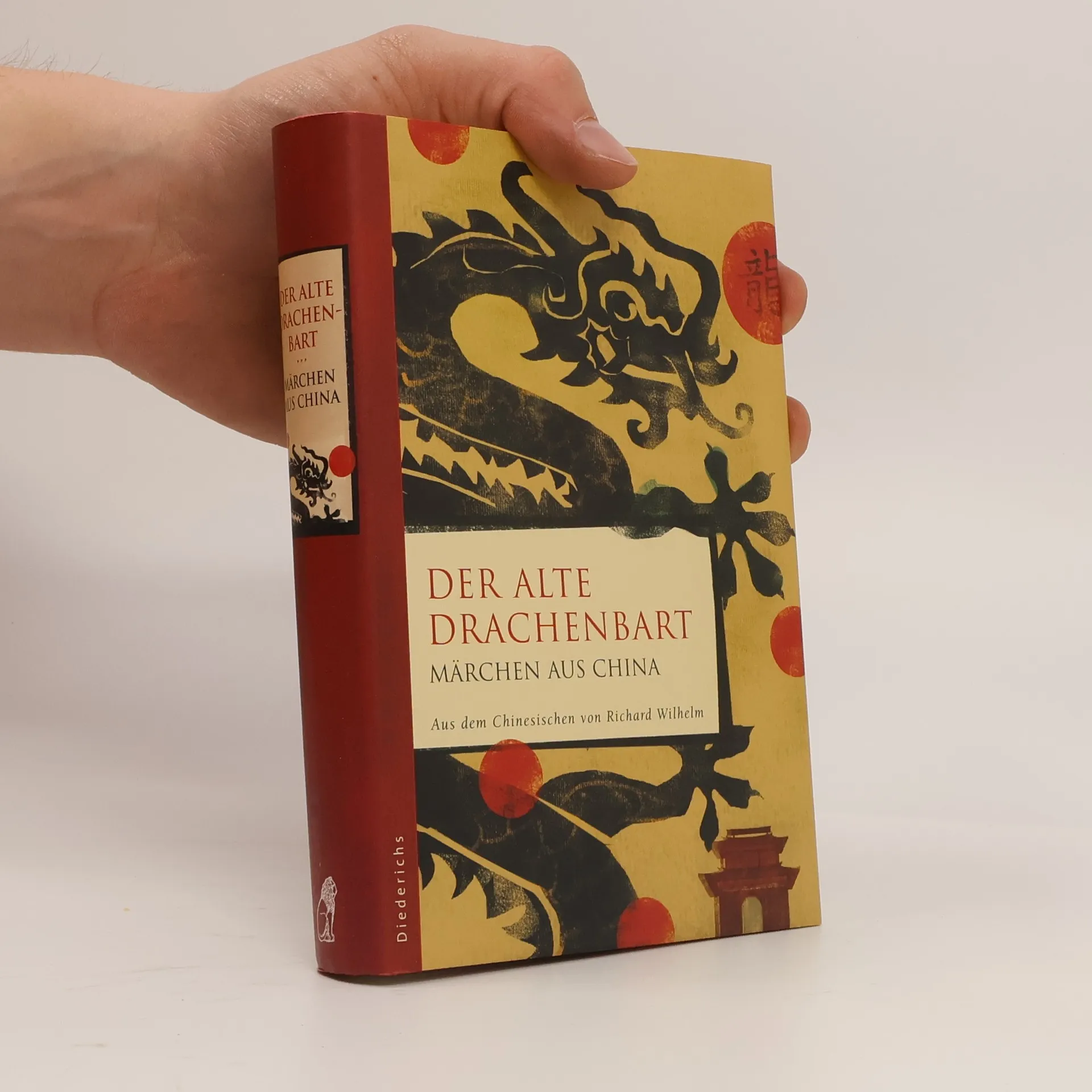
Der alte Drachenbart
- 271 stránok
- 10 hodin čítania
Märchenhaftes Reich der Mitte Das Reich der Mitte kann auf eine mehr als zwei Jahrtausende lange Märchentradition zurückblicken. Der Sinologe Richard Wilhelm hat die schönsten, rührendsten und geheimnisvollsten Texte gesammelt und übersetzt. Seine bis heute unübertroffene Standardanthologie enthält neben Kindermärchen auch Götter- und Heldensagen sowie Gespenstergeschichten von höchstem literarischem Rang.
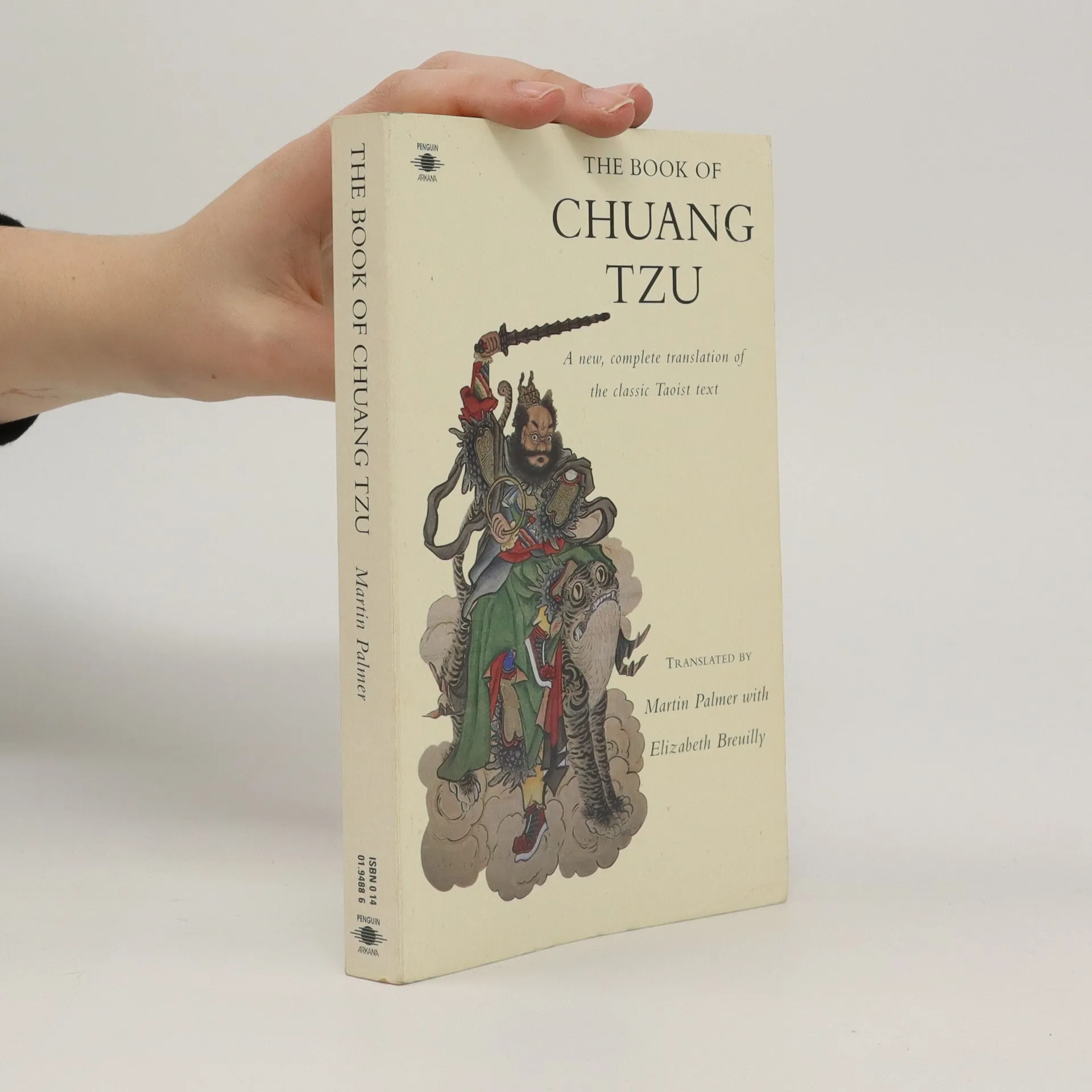
The book of Chuang Tzu
- 352 stránok
- 13 hodin čítania
A masterpiece of ancient Chinese philosophy, second in influence only to the "Tao Te Ching" One of the founders of Taoism, Chuang Tzu was firmly opposed to Confucian values of order, control, and hierarchy, believing the perfect state to be one where primal, innate nature rules. Full of profundity as well as tricks, knaves, sages, jokers, unbelievably named people, and uptight Confucians, "The Book of Chuang Tzu" perceives the Taothe Way of Naturenot as a term to be explained but as a path to walk. Radical and subversive, employing wit, humor, and shock tactics, "The Book of Chuang Tzu" offers an intriguing look deep into Chinese culture.
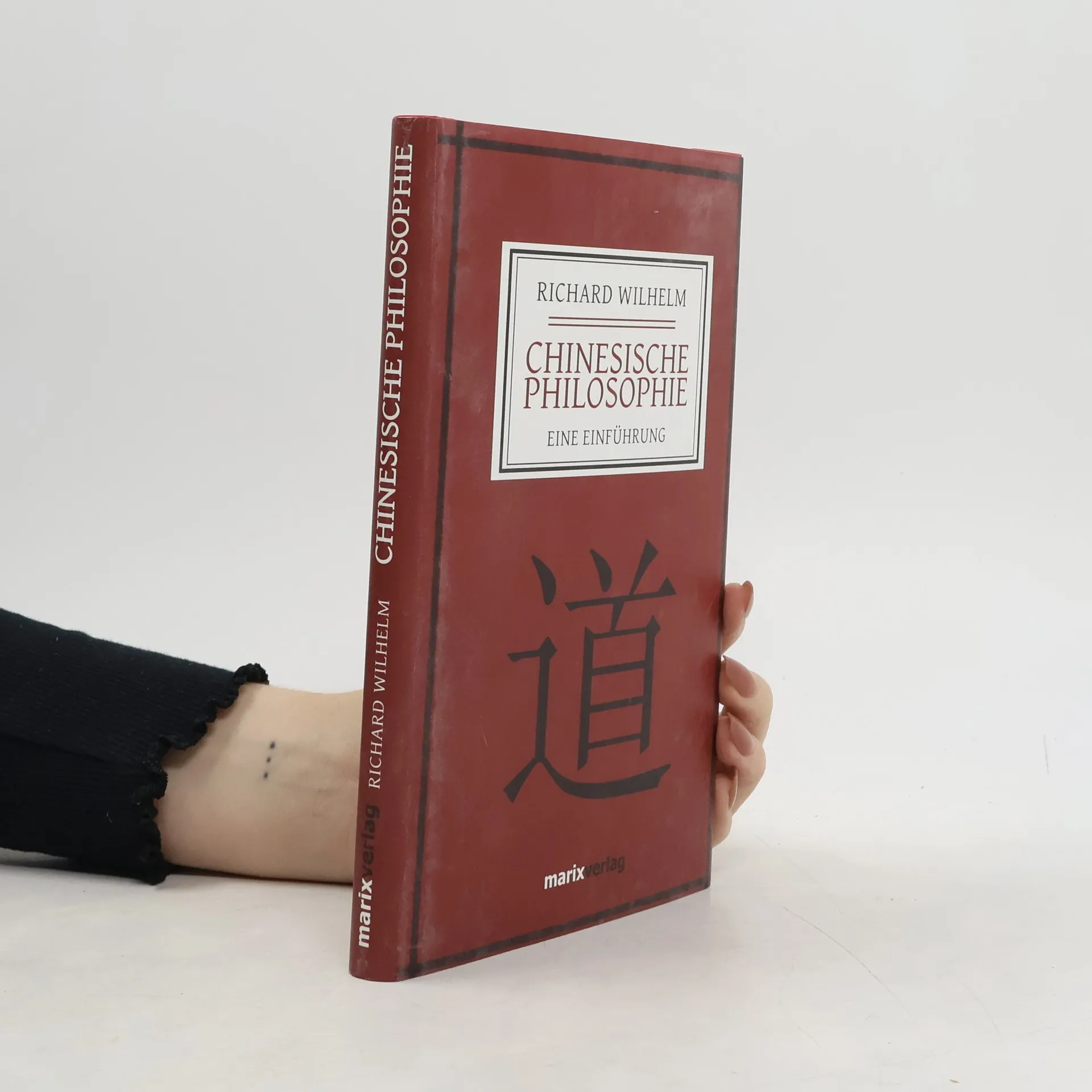
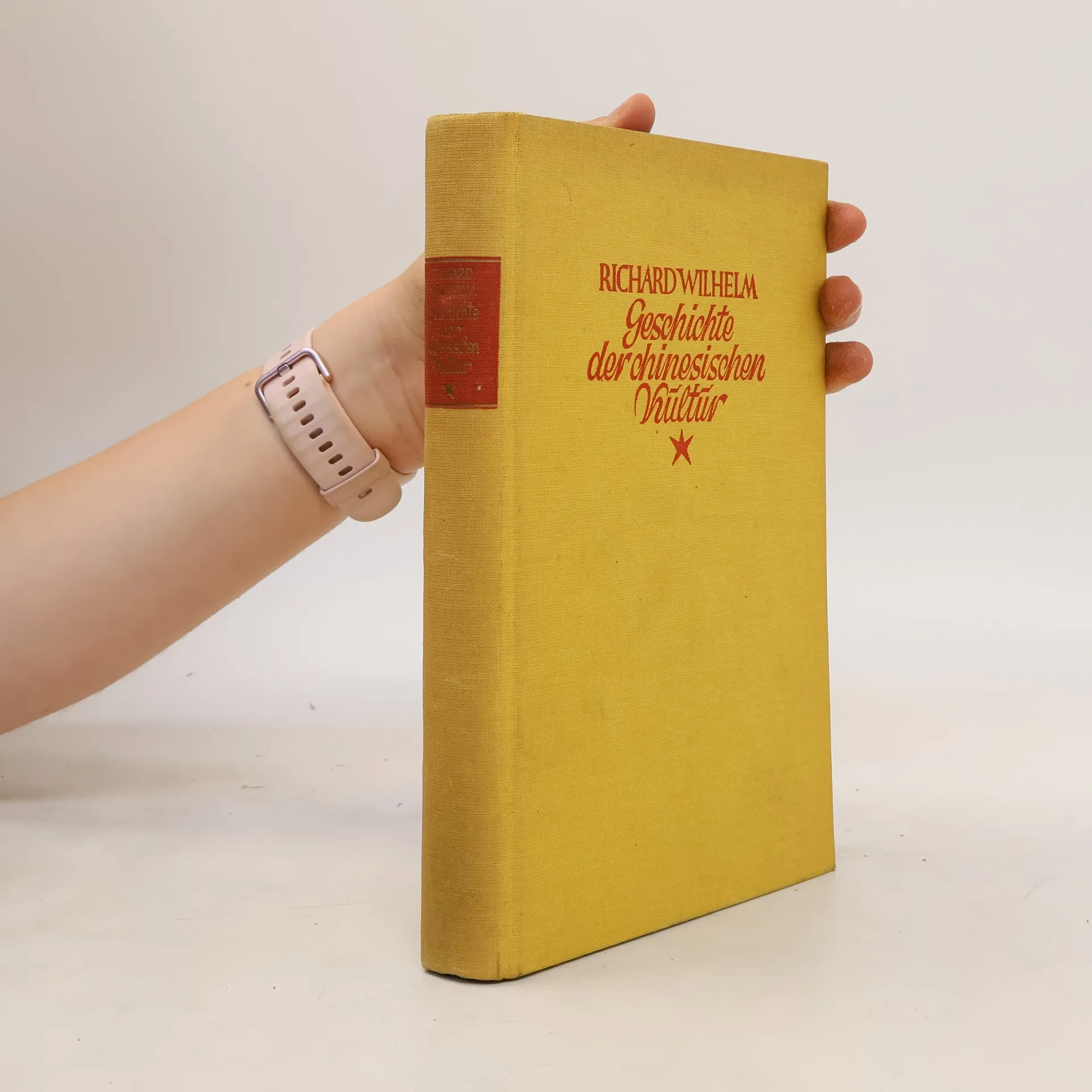
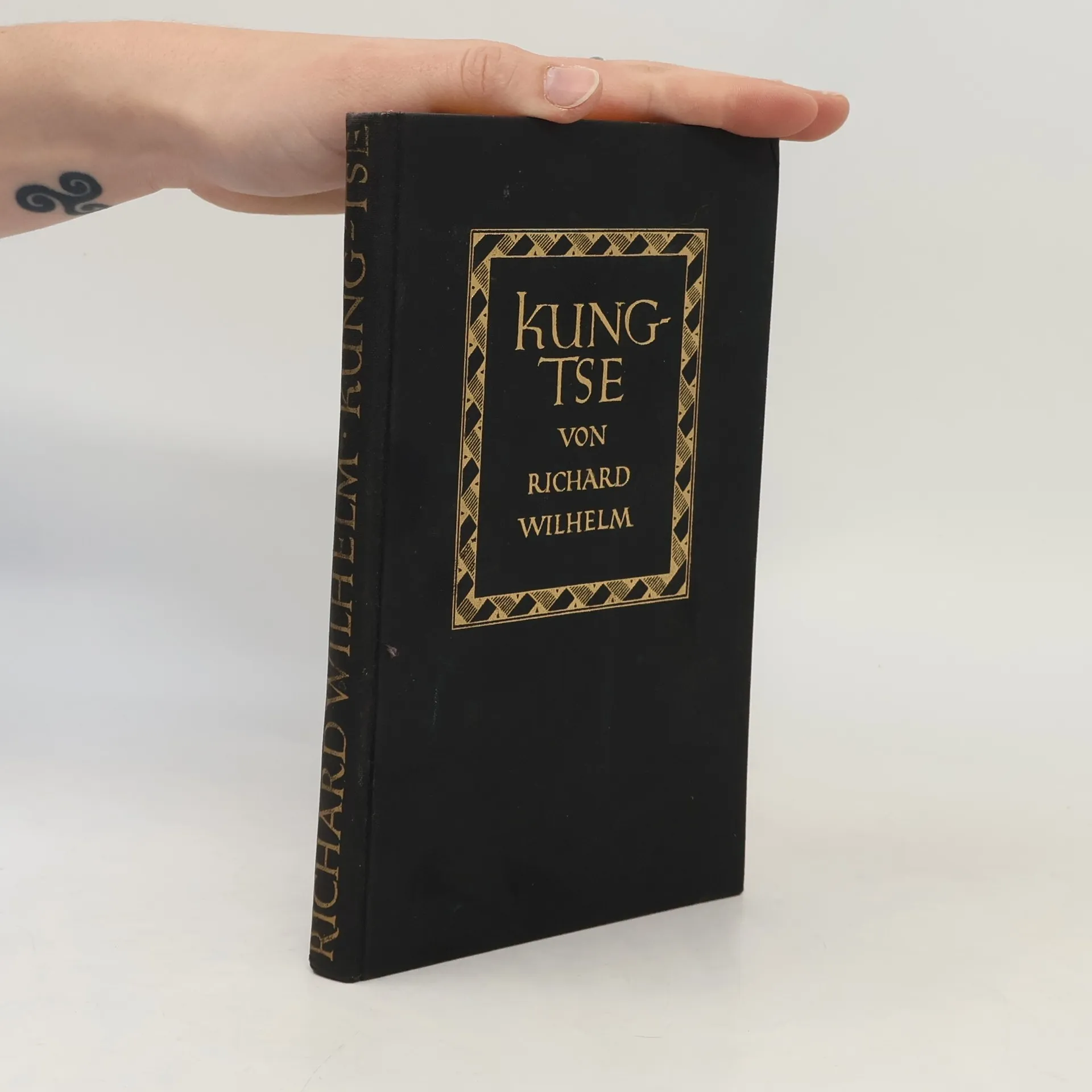
Dieses Buch bietet eine allgemeinverständliche Gesamtdarstellung derchinesischen Philosophie von ihren Anfängen im 6. Jahrhundert vorChristus bis zum 18. Jahrhundert. Richard Wilhelm, einer der bedeutendsten deutschen Sinologen, hat die vorliegende Geschichte der chinesischen Philosophie nach den Urquellen bearbeitet und bietet im vorliegenden Buch einen konzisen Überblick von der Entstehung des philosophischen Denkens, über die verschiedenen philosophischen Schulen und Lehren – Taoismus, Konfuzianismus und Buddhismus - bis hin zur Philosophie des 18. Jahrhunderts.
Tao te ching
- 96 stránok
- 4 hodiny čítania
Throughout history, some books have changed the world. They have transformed the way we see ourselves - and each other. They have enriched lives - and destroyed them. Fundamental to Chinese philosophy and religion, this title includes topics ranging from political advice to common wisdom.
Geheimnis der Goldenen Blüte. Das Buch von Bewußtsein und Leben.
- 191 stránok
- 7 hodin čítania
Kommentar von Carl Gustav Jung, übersetzt aus dem Chinesischen von Richard Wilhelm. Sonderausgabe mit Abbildungen, 191 Seiten.
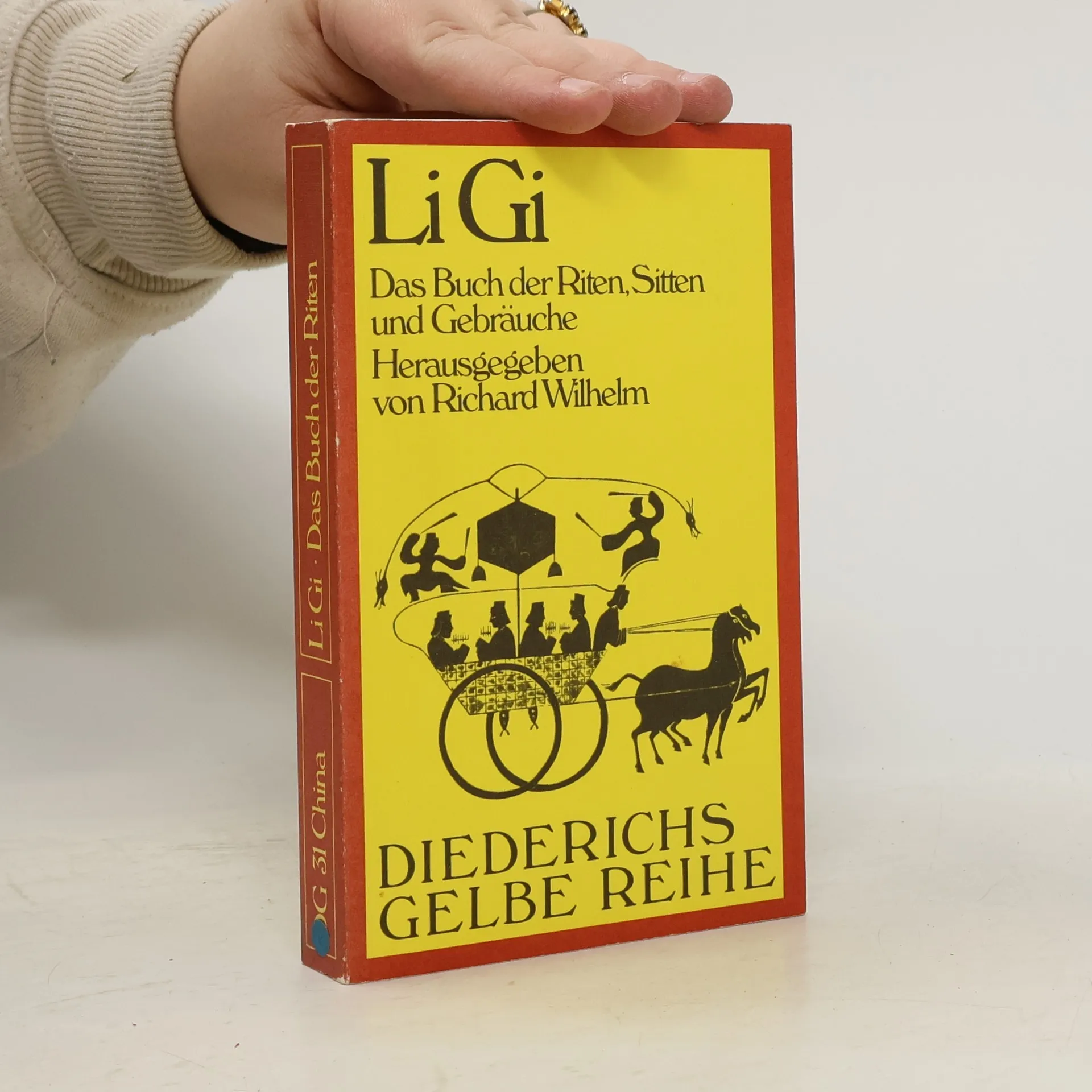
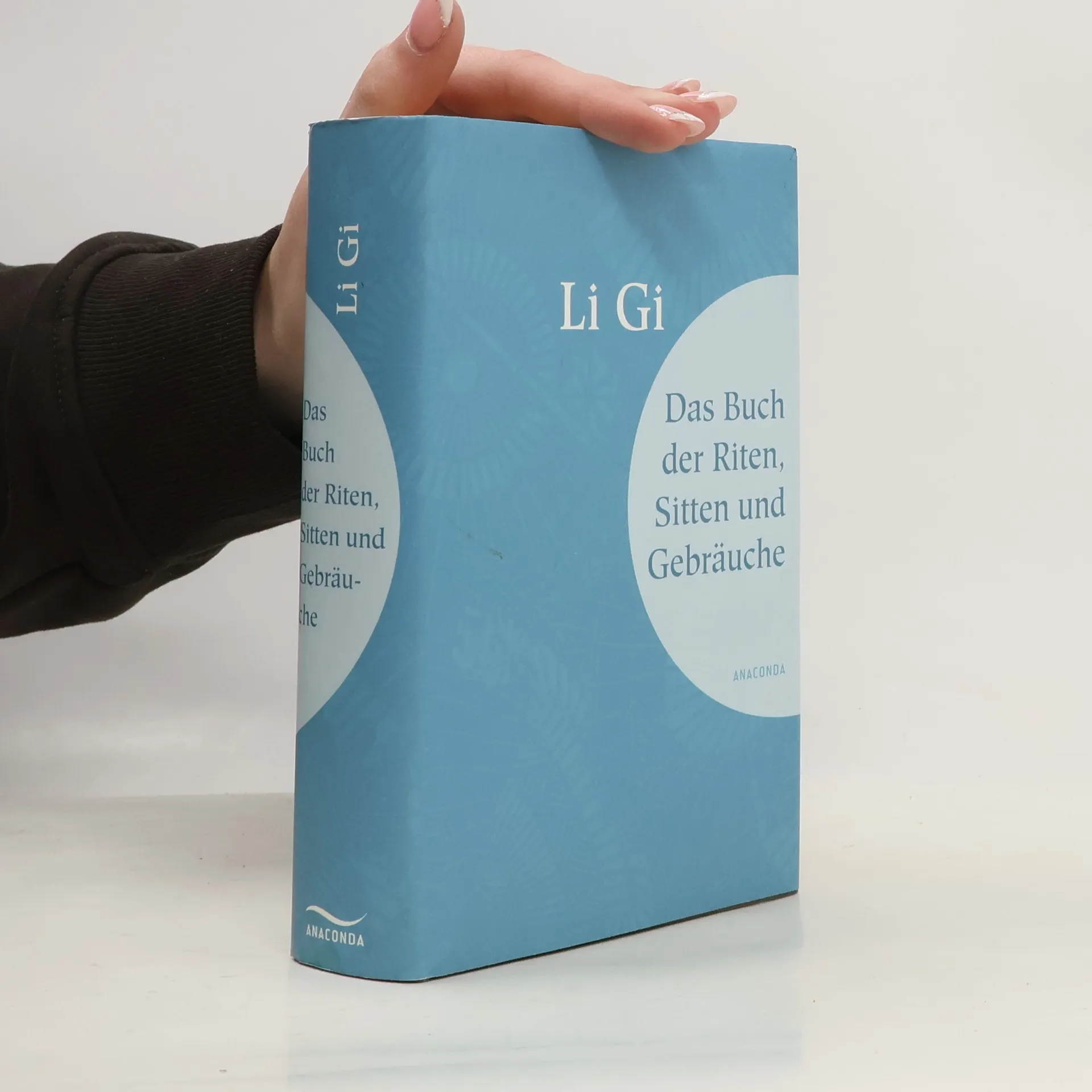
Li Gi. Das Buch der Riten, Sitten und Gebräuche
- 415 stránok
- 15 hodin čítania
Das 'Li Gi' ist eines der fünf großen Weisheitsbücher Chinas, übersetzt von Richard Wilhelm. Es fasst Lebensregeln und den chinesischen Staatskodex zu Themen wie Pädagogik, Ethik, Sitte, Gesellschaft, Religion, Naturphilosophie sowie Riten und Verhaltensregeln zusammen.
Chinesische Lebensweisheit
- 116 stránok
- 5 hodin čítania
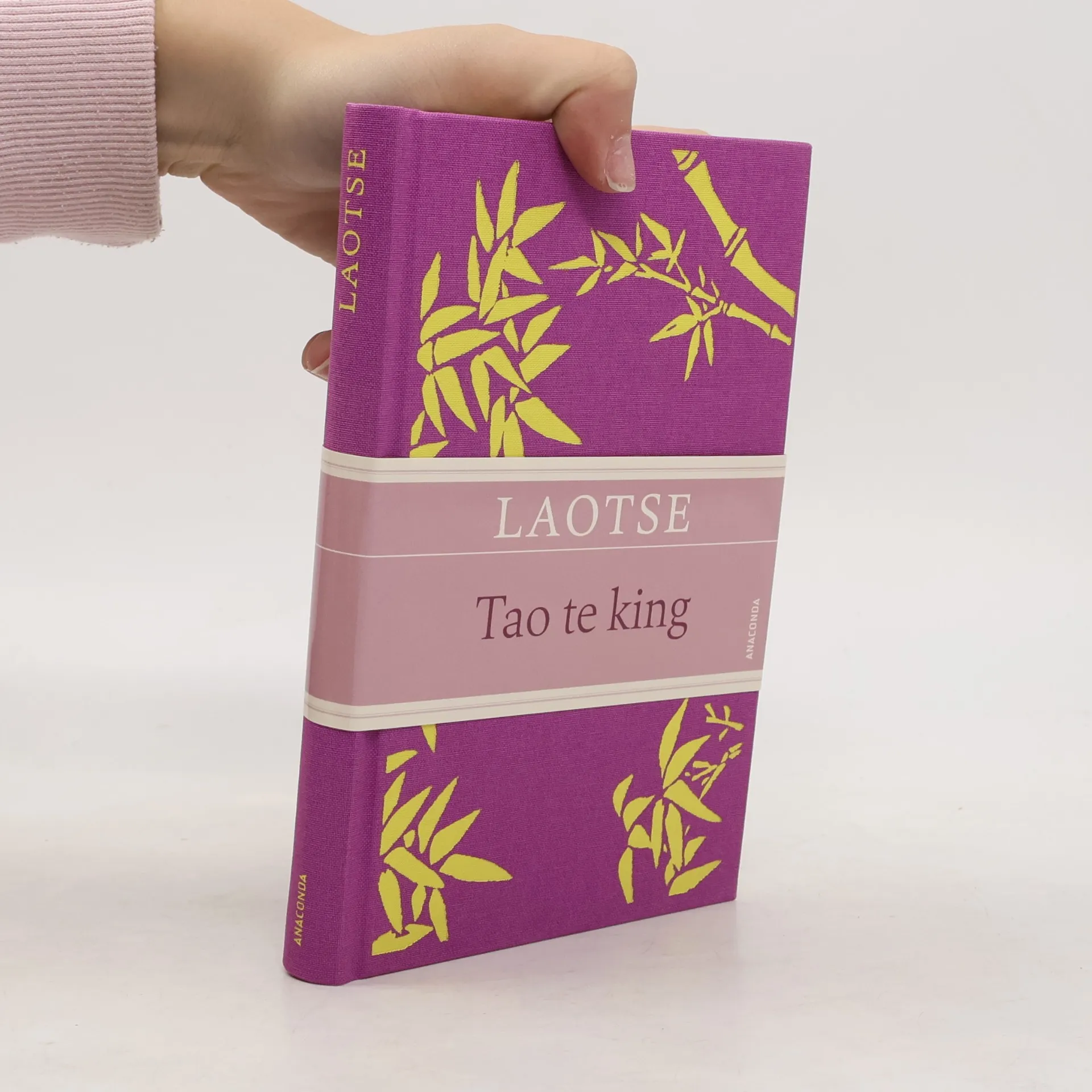
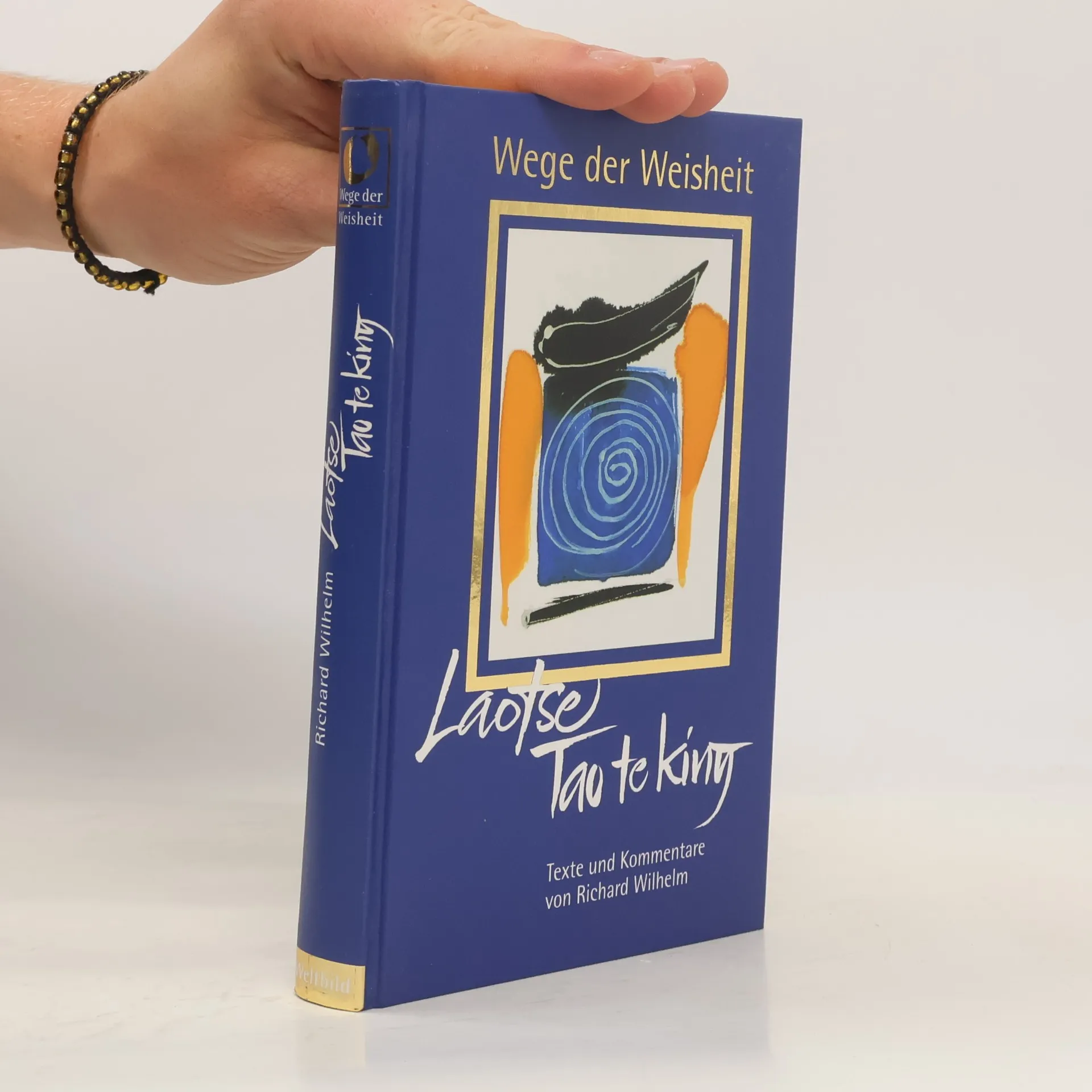
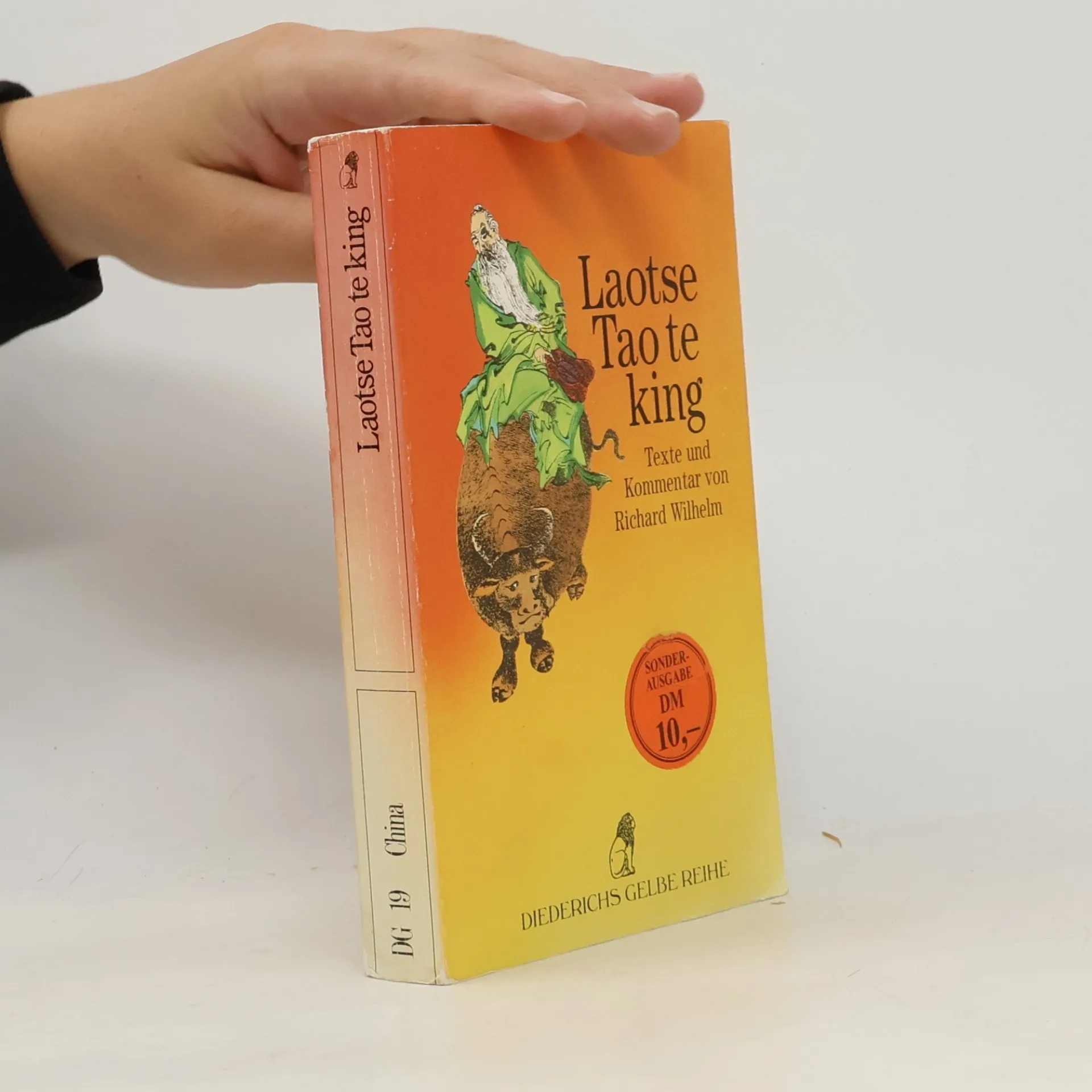
Laotse Tao te king
Wege der Weisheit. Texte und Kommentare
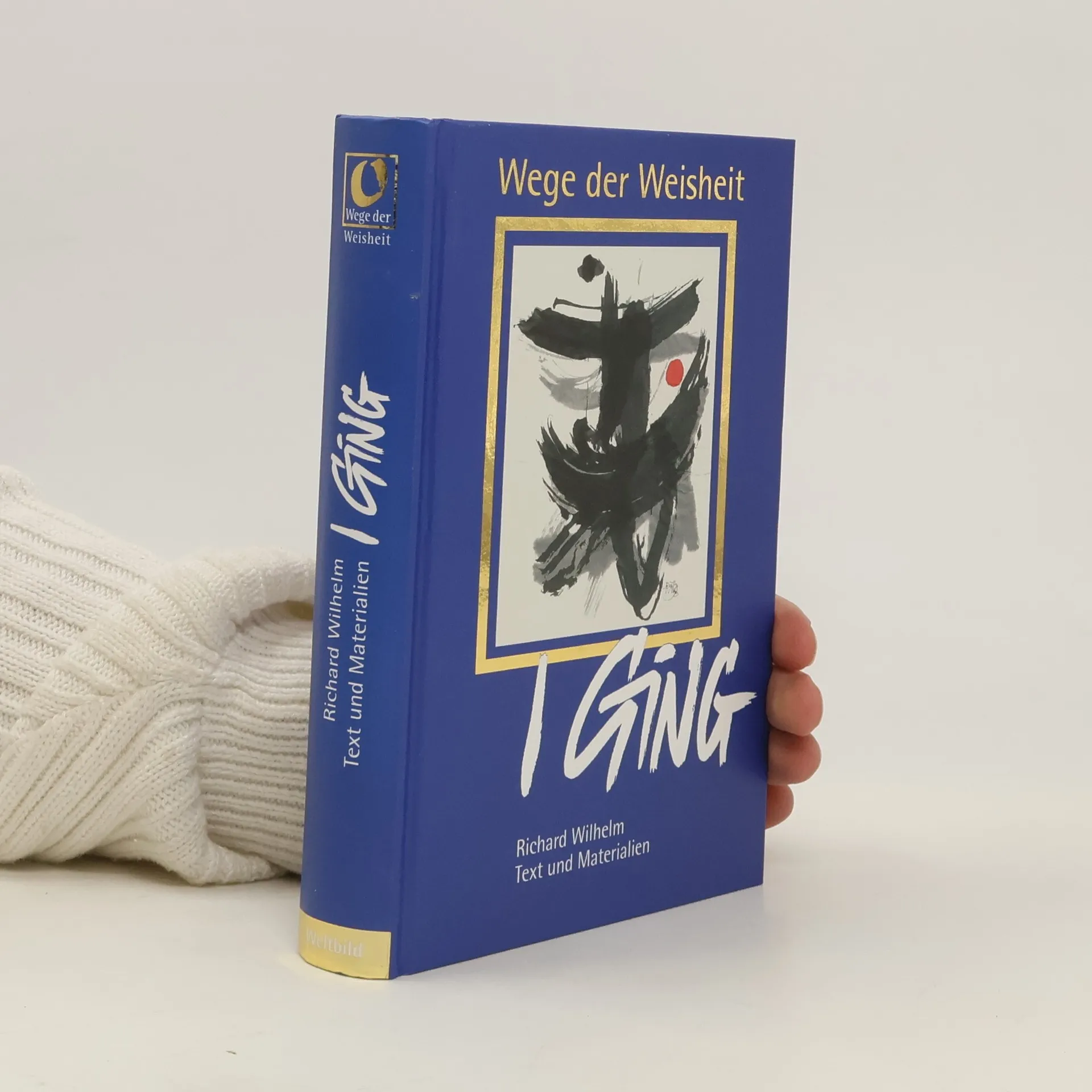
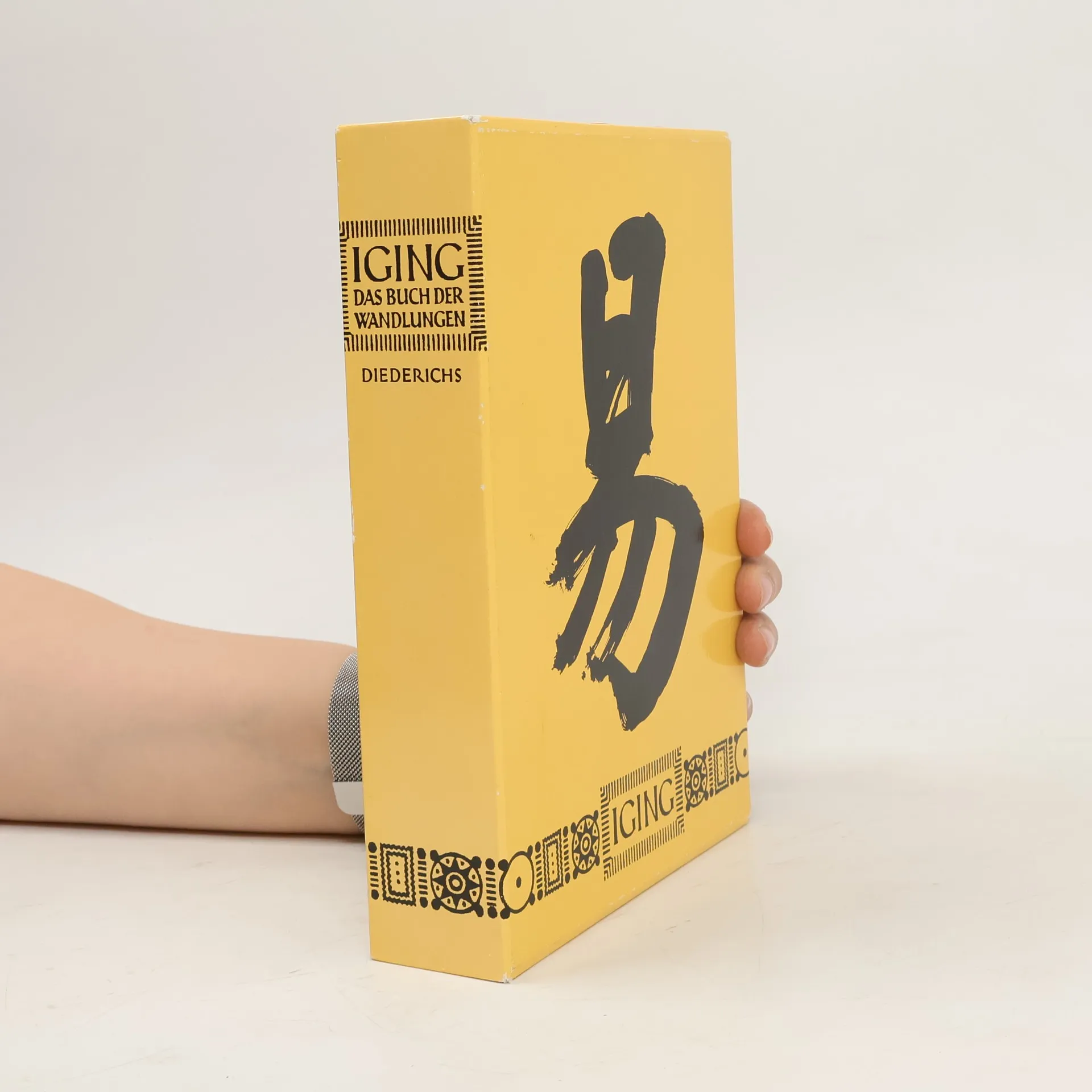
Das I Ging ist ein bedeutendes Werk der alten chinesischen Kosmologie und Philosophie, das die Balance der Gegensätze und die Akzeptanz von Veränderungen betont. Es beschreibt die Welt in 64 Hexagrammen und wird in der westlichen Kultur als Weisheits- und Weissagungsbuch sowie in China als Orakel genutzt.
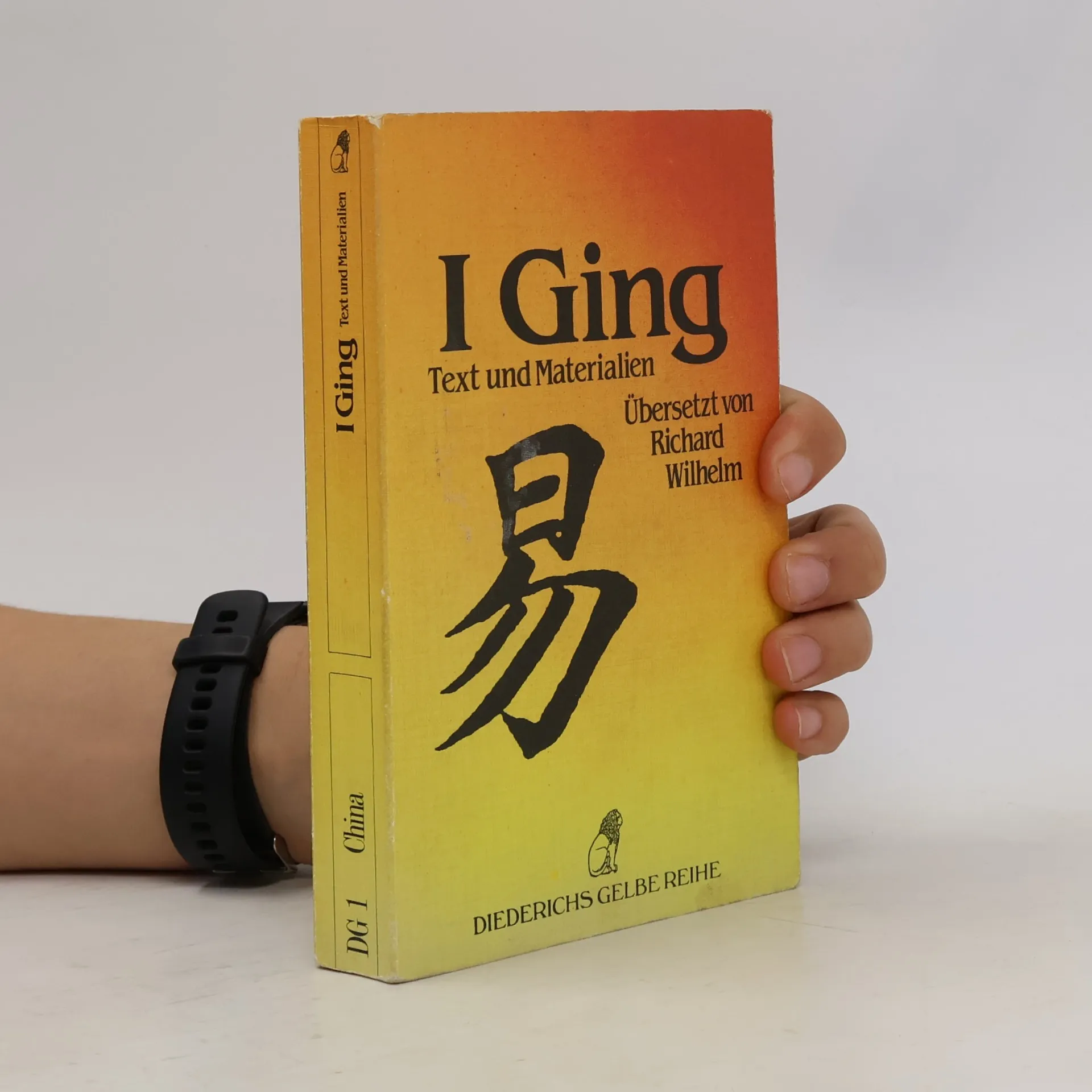
I Ging. Text und Materialien
- 352 stránok
- 13 hodin čítania
Seit Jahrhunderten wird das I Ching als Orakel für spezifische Ratschläge oder allgemeine Orientierung konsultiert. Die Chinesen glauben, dass es hilft, Erfolg und Glück zu fördern sowie Balance und Perspektive in das Leben zu bringen.
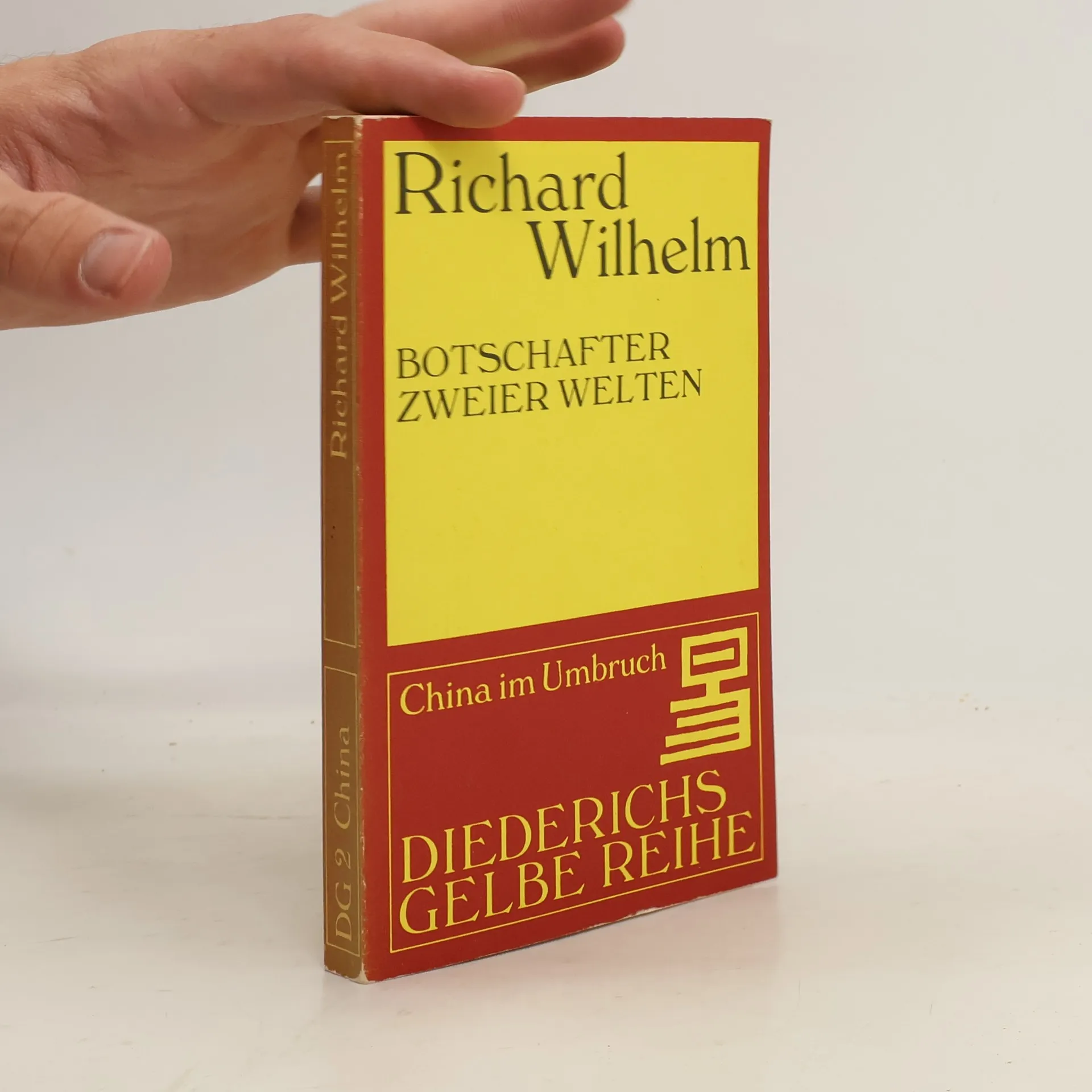
Botschafter zweier Welten
- 207 stránok
- 8 hodin čítania
Laotse Tao te king: Texte und Kommentar
- 230 stránok
- 9 hodin čítania
Hrsg. v. Günther, Michael Übersetzt u. m. e. Kommentar v. Wilhelm, Richard 5 Abb. 230 S.
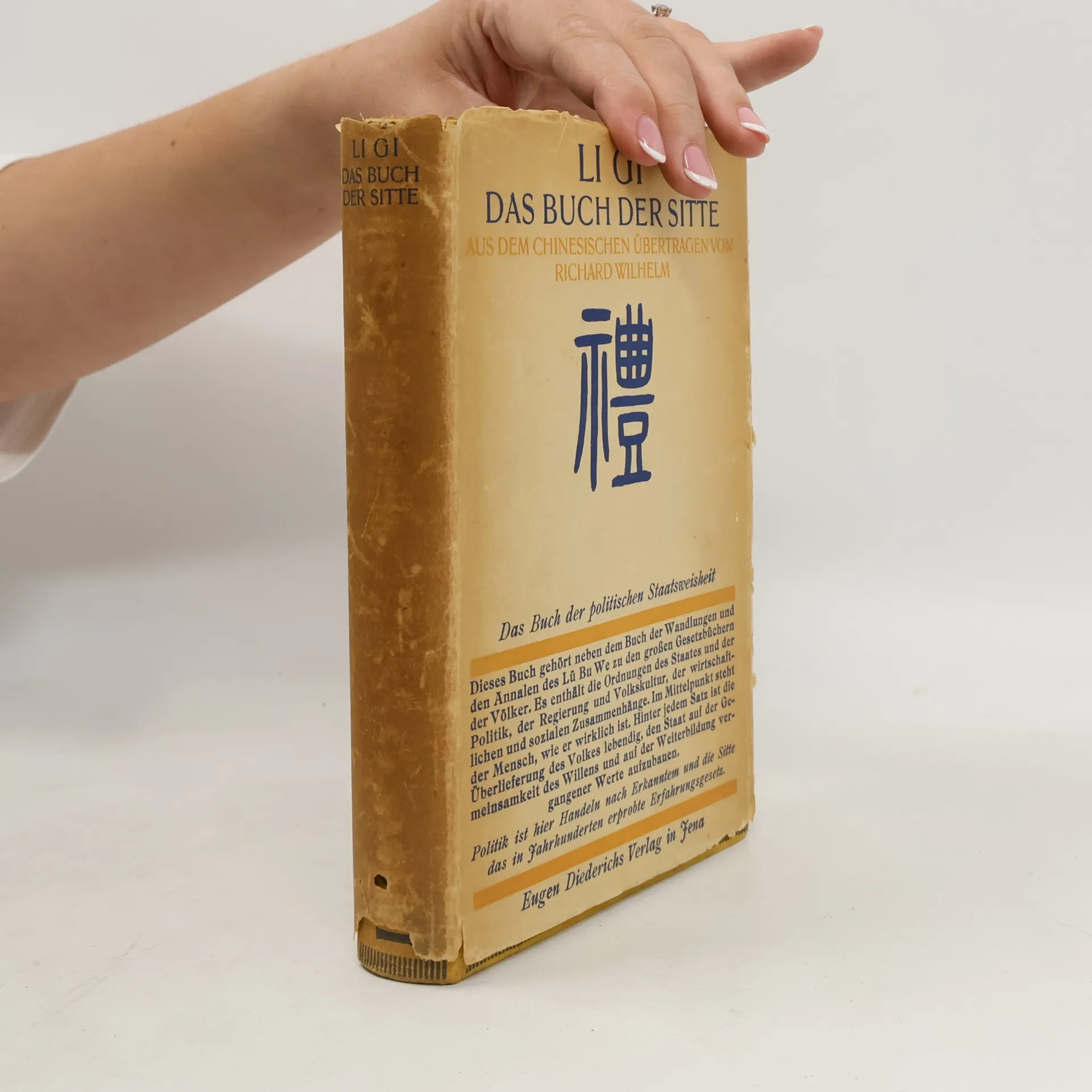
Li Gi: Das Buch der Sitte
Das Buch der politischen Staatsweisheit
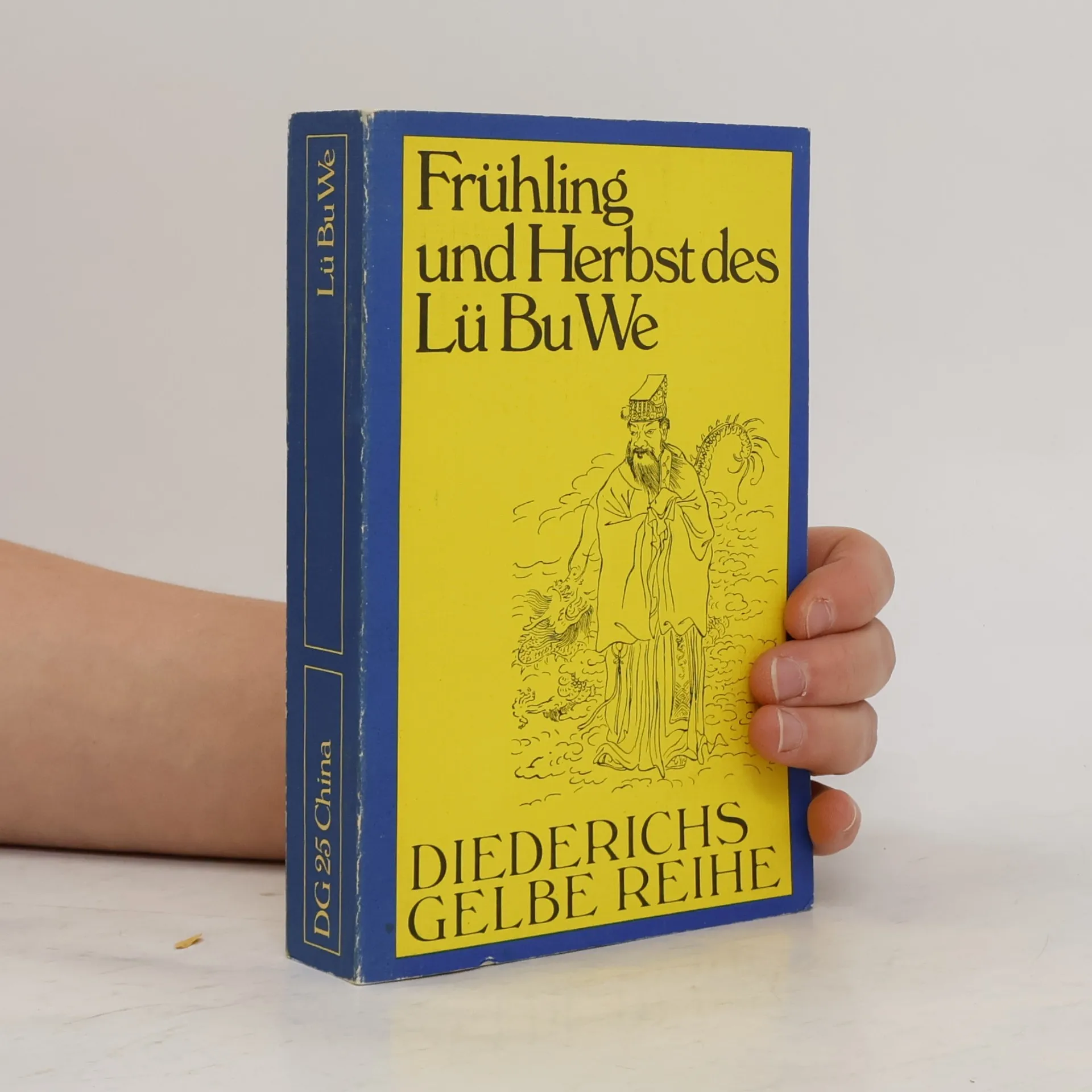
Diederichs Gelbe Reihe - 25: Frühling und Herbst des Lü Bu We
- 541 stránok
- 19 hodin čítania
Hrsg. Wilhelm, Richard. Einleitg. v. Bauer, Wolfgang. XXII, 541 S. Neuausg.
Li gi
Das Buch der Sitte des älteren und jüngeren Dai
Wandlung und Dauer
Die Weisheit des I Ging
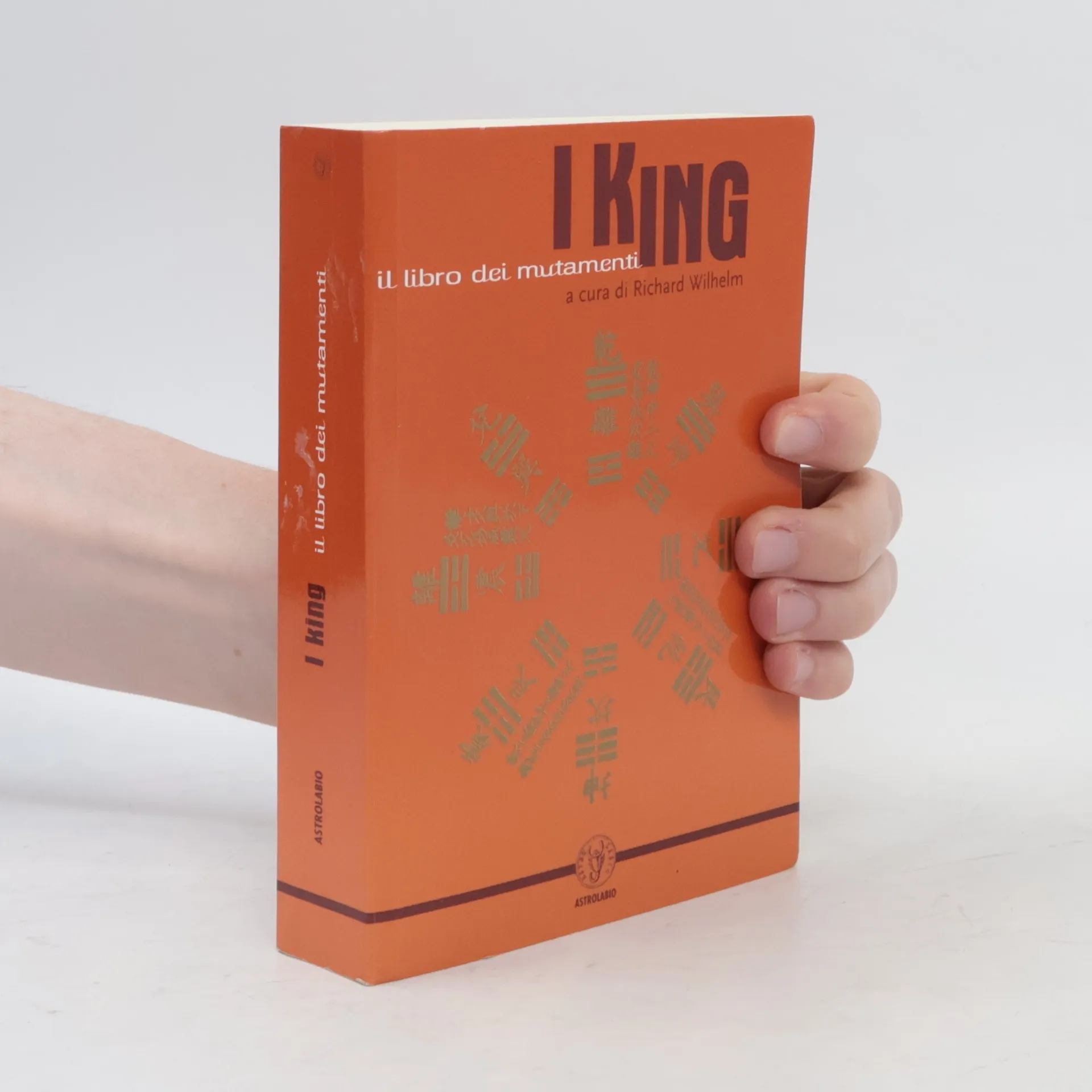
Schegge di saggezza: I King. Il libro dei mutamenti
- 619 stránok
- 22 hodin čítania
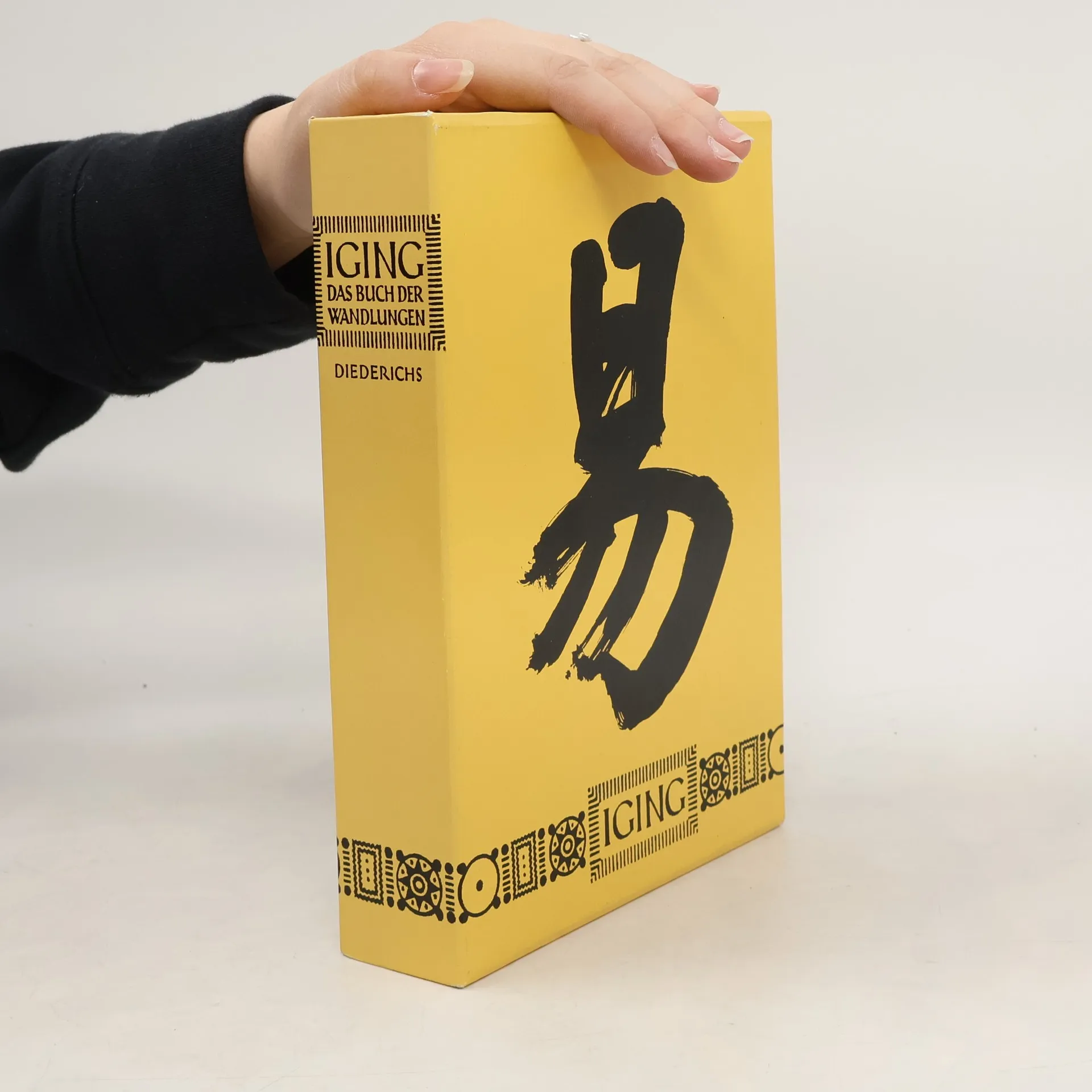
Facsimile der zweibändigen Erstausgabe von 1924, aus dem Chinesischen übersetzt und erläutert von Richard Wilhelm. Limitierte Auflage von 999 nummerierten Exemplaren, bestehend aus 2 Bänden mit insgesamt 552 Seiten, komplett in einem Schuber.