

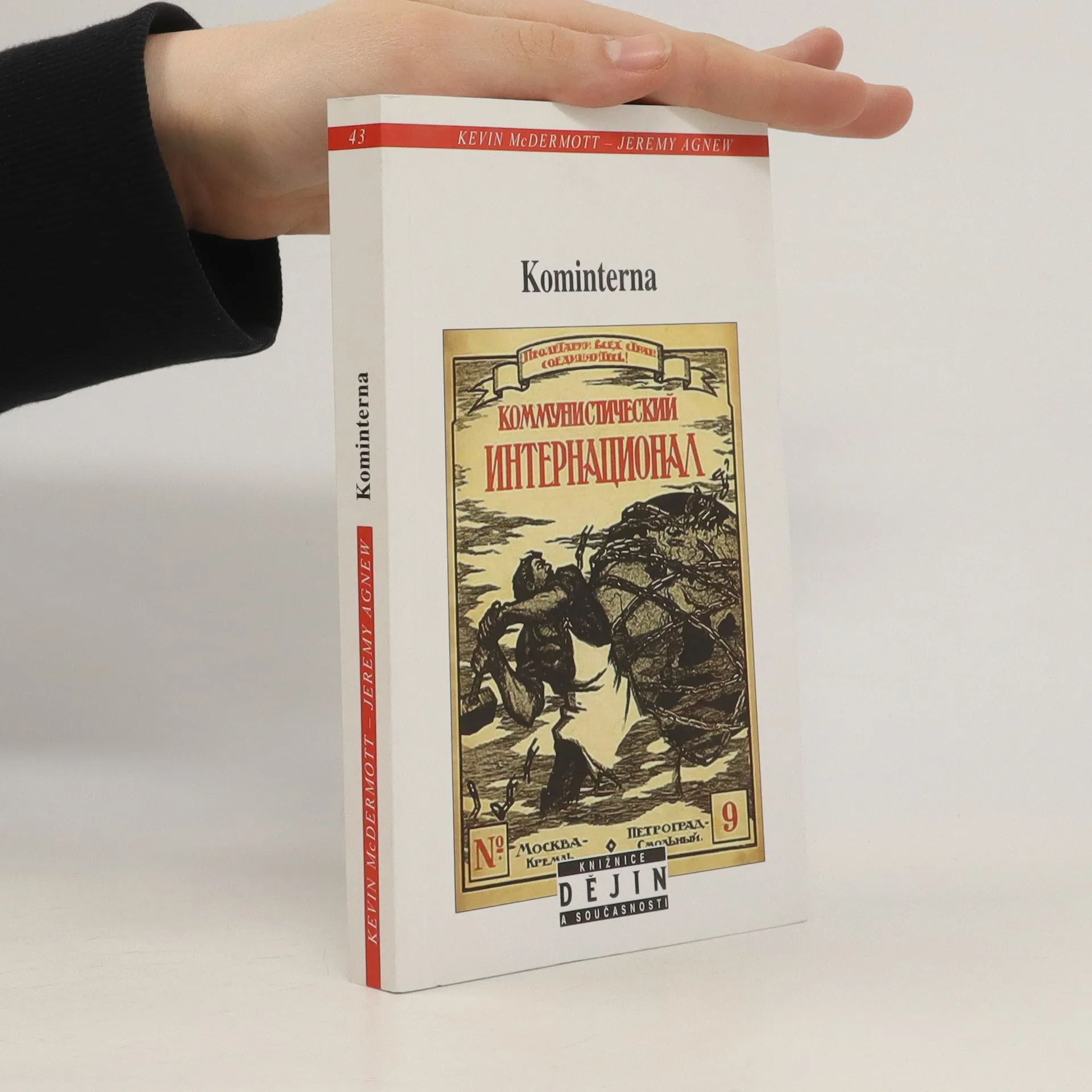
Kniha z pera britských historiků Kevina McDermotta a Jeremy Agnewa je fundovanou a zároveň čtivou monografií o dějinách Komunistické internacionály. Autoři svůj text založili nejen na studiu velkého množství východní i západní odborné literatury, ale také na vlastním výzkumu v moskevských archivech. Publikace podává přehled dějin mezinárodního komunismu v letech 1919-1943 z perspektivy jeho centrální organizace i jednotlivých národních sekcí. Namísto kategorických soudů se snaží v maximální šíři představit odborné diskuze, které se ke klíčovým otázkám historie Kominterny v historiografii vedou, a nabídnout tak množství podnětů k dalšímu promýšlení historického fenoménu komunismu. Dodnes se jedná o nejucelenější a nejmodernější syntézu dějin někdejší Třetí internacionály.
Jeremy Agnew Knihy
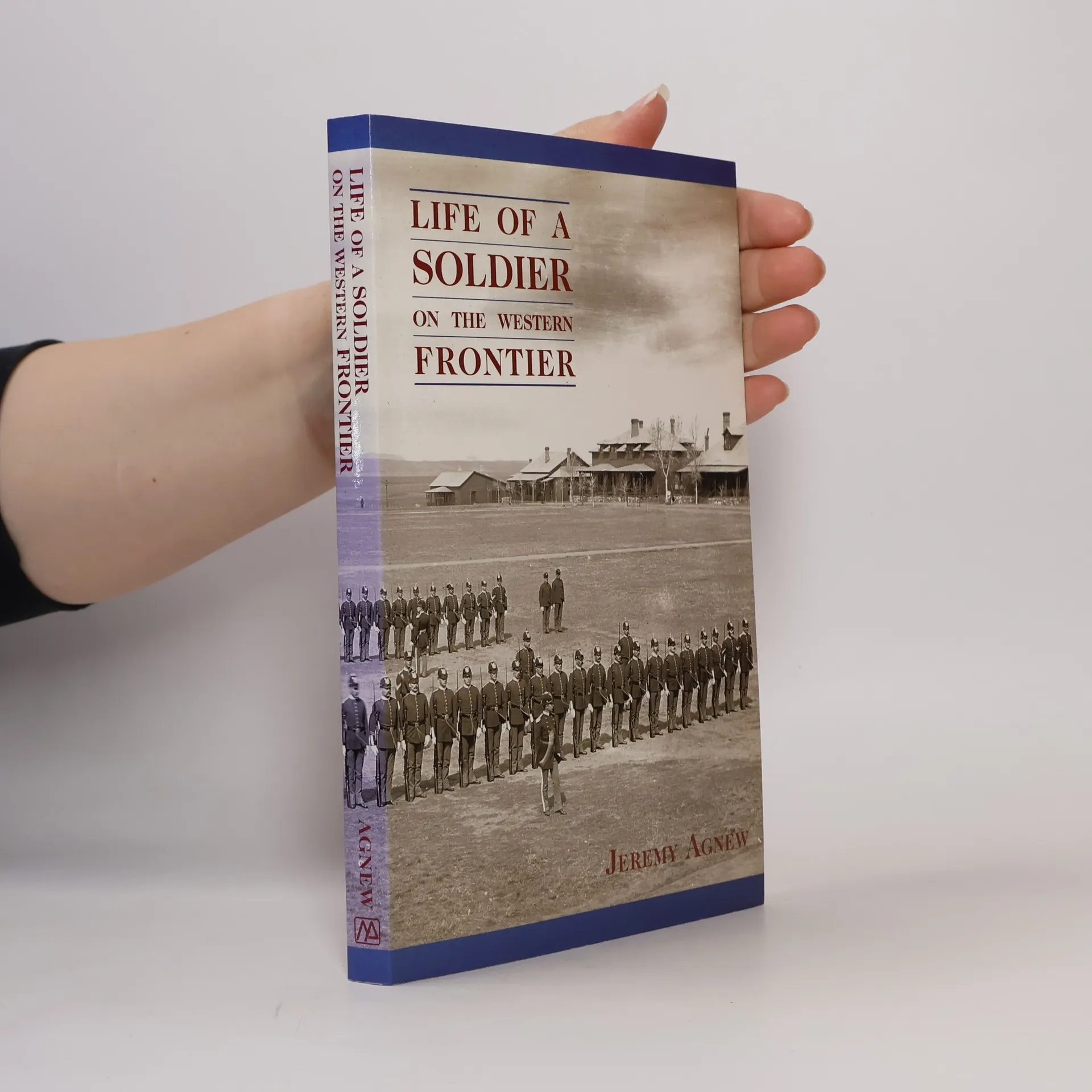
Life of a Soldier on the Western Frontier
- 282 stránok
- 10 hodin čítania
Focusing on the Indian Wars from the 1840s to the 1890s, this book delves into the often harsh and monotonous life of soldiers in the frontier army. It highlights their daily struggles, including tedious drills and poor living conditions, while examining their role in the American expansion. The narrative encompasses the perspectives of both military personnel and Native Americans, detailing the post-Civil War army's structure and equipment. Additionally, it features appendices on significant battles and western forts, complemented by numerous photos and maps for enhanced understanding.
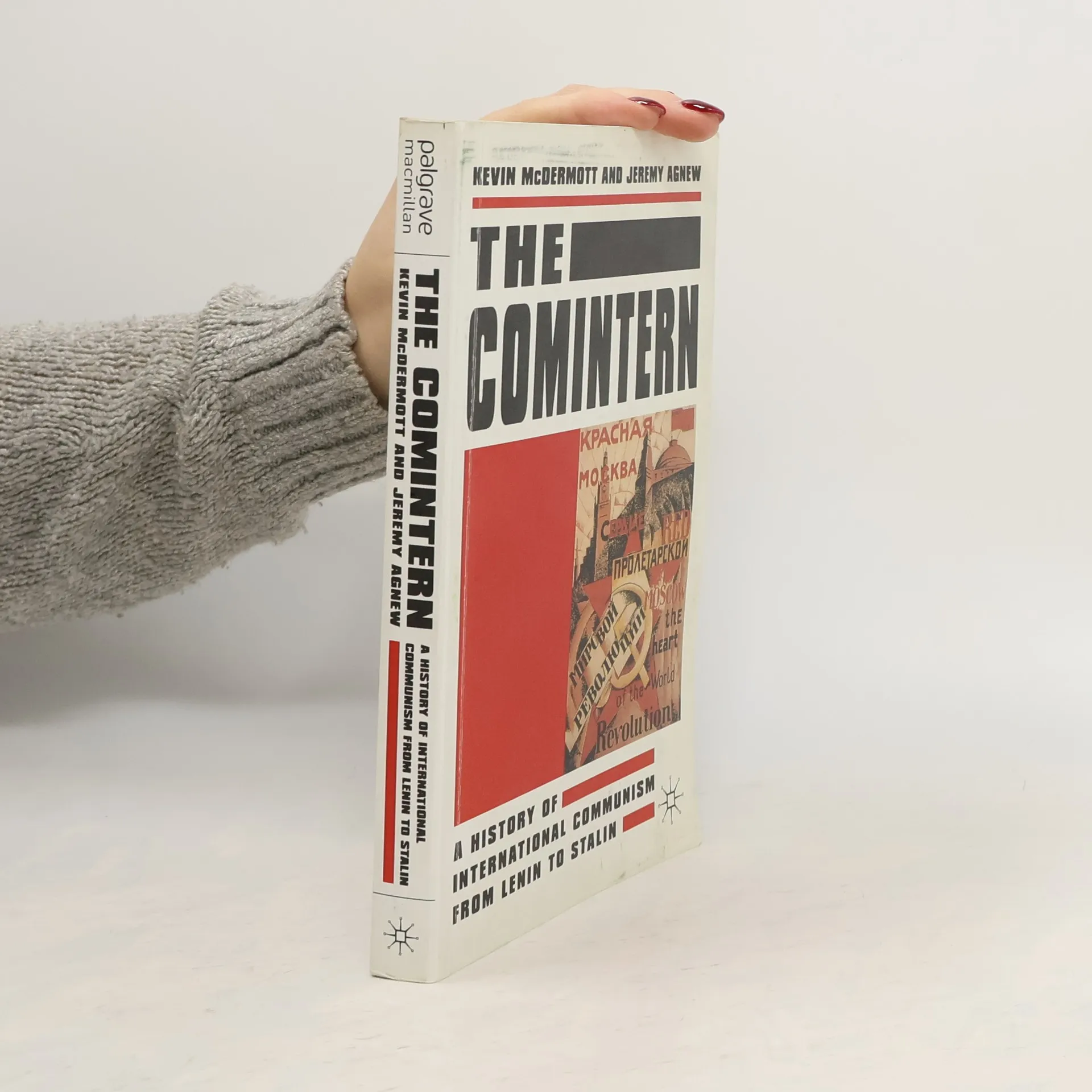
This accessible text provides a comprehensive narrative and interpretative account of the entire history of the Communist International, 1919-1943. By incorporating the most recent Western and Soviet research the authors explain the legendary complexities of Comintern history and chart its degeneration from a revolutionary internationalist organisation into an obedient instrument of Soviet foreign policy. Key themes include: continuities and discontinuities between the Leninist and Stalinist phases, Bolshevisation versus national traditions, and the role of leading individuals in the Comintern apparatus. A selection of documents will elucidate these central themes.