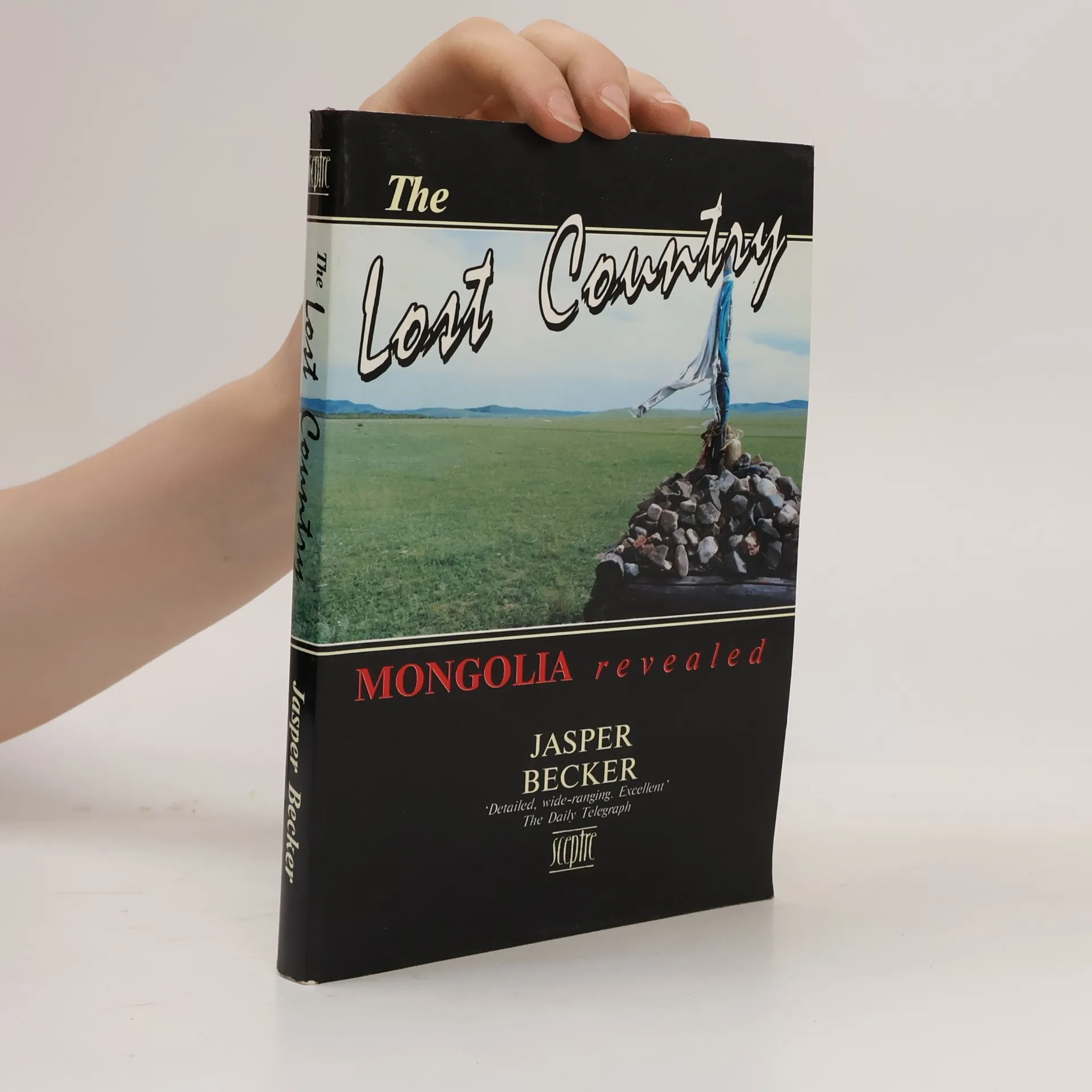
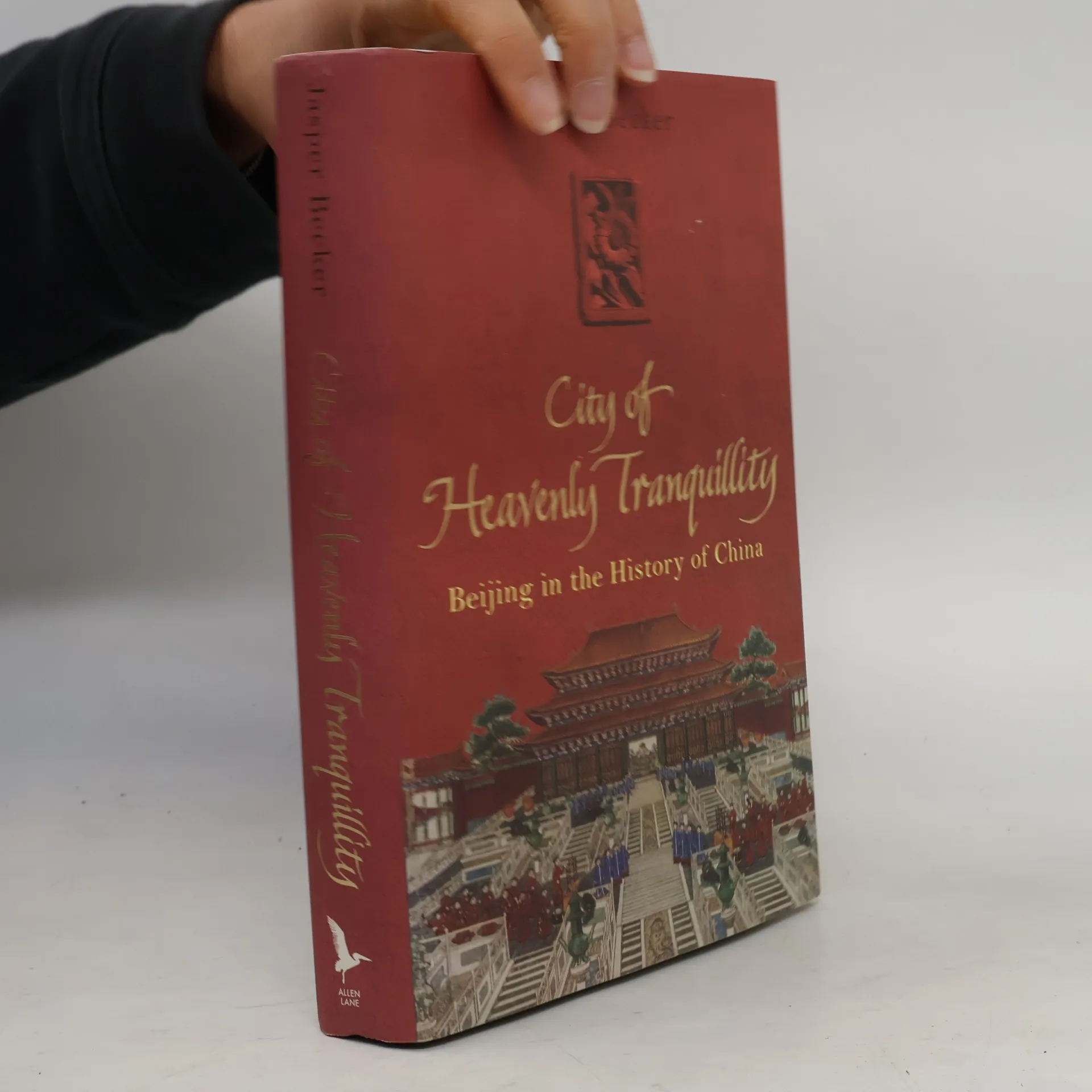
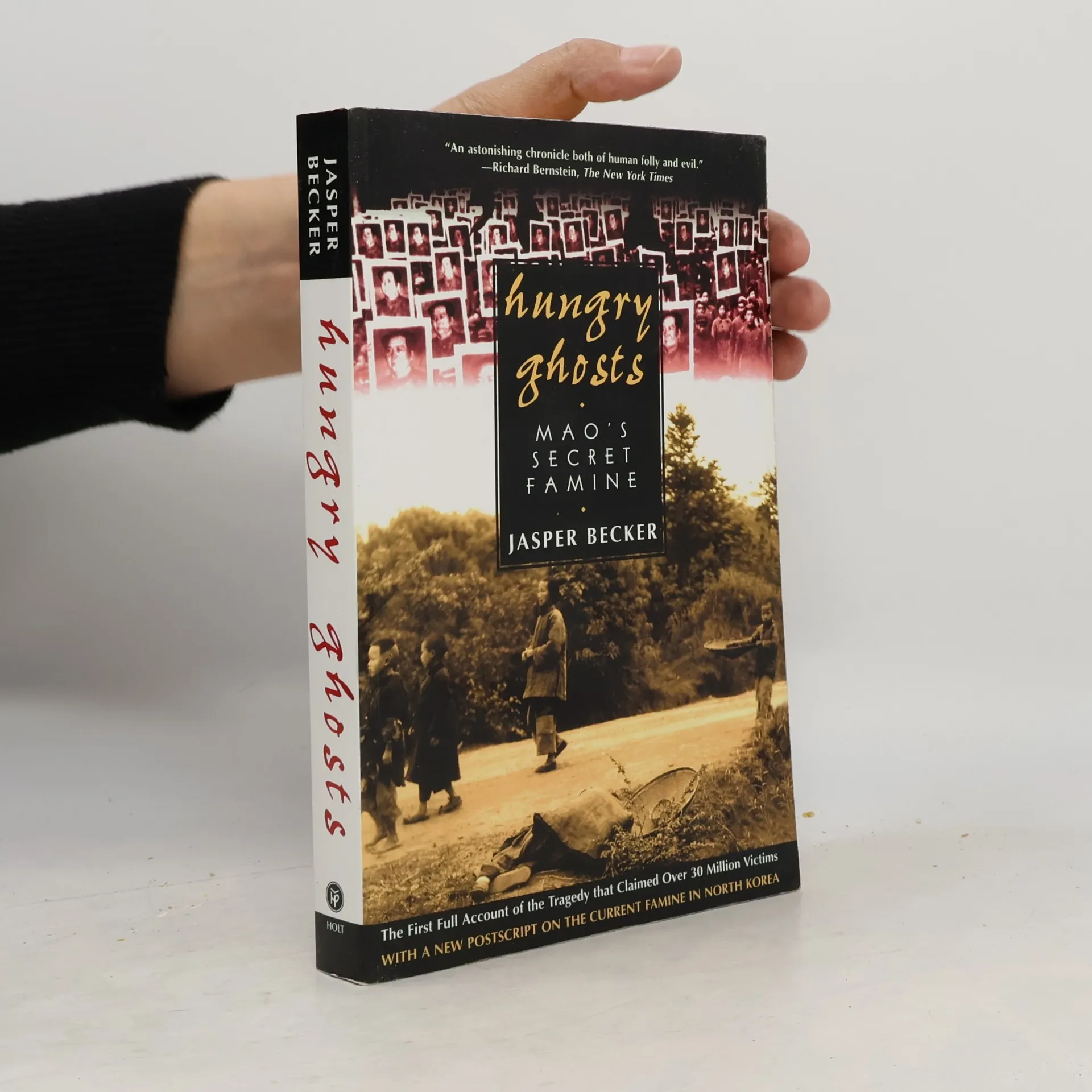
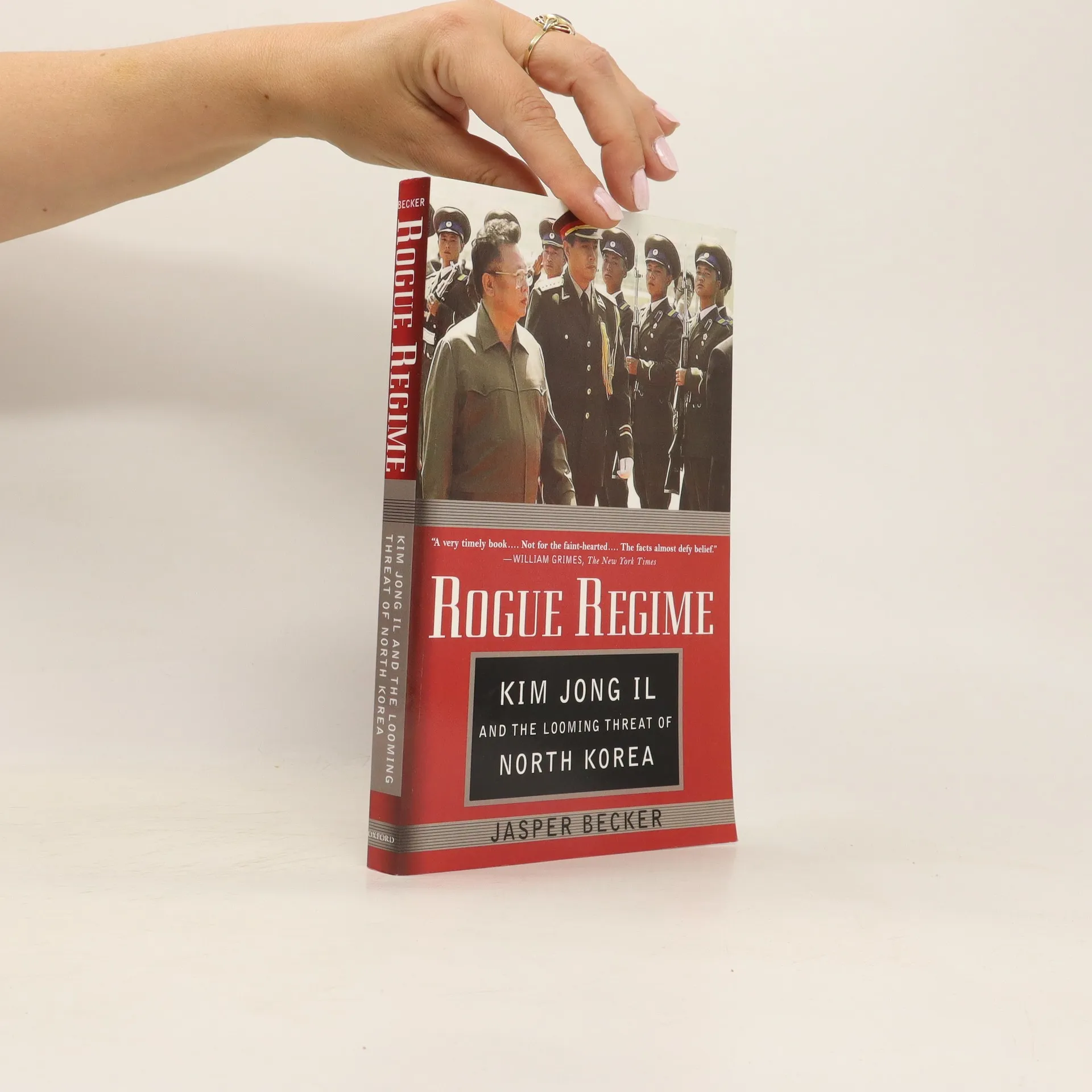
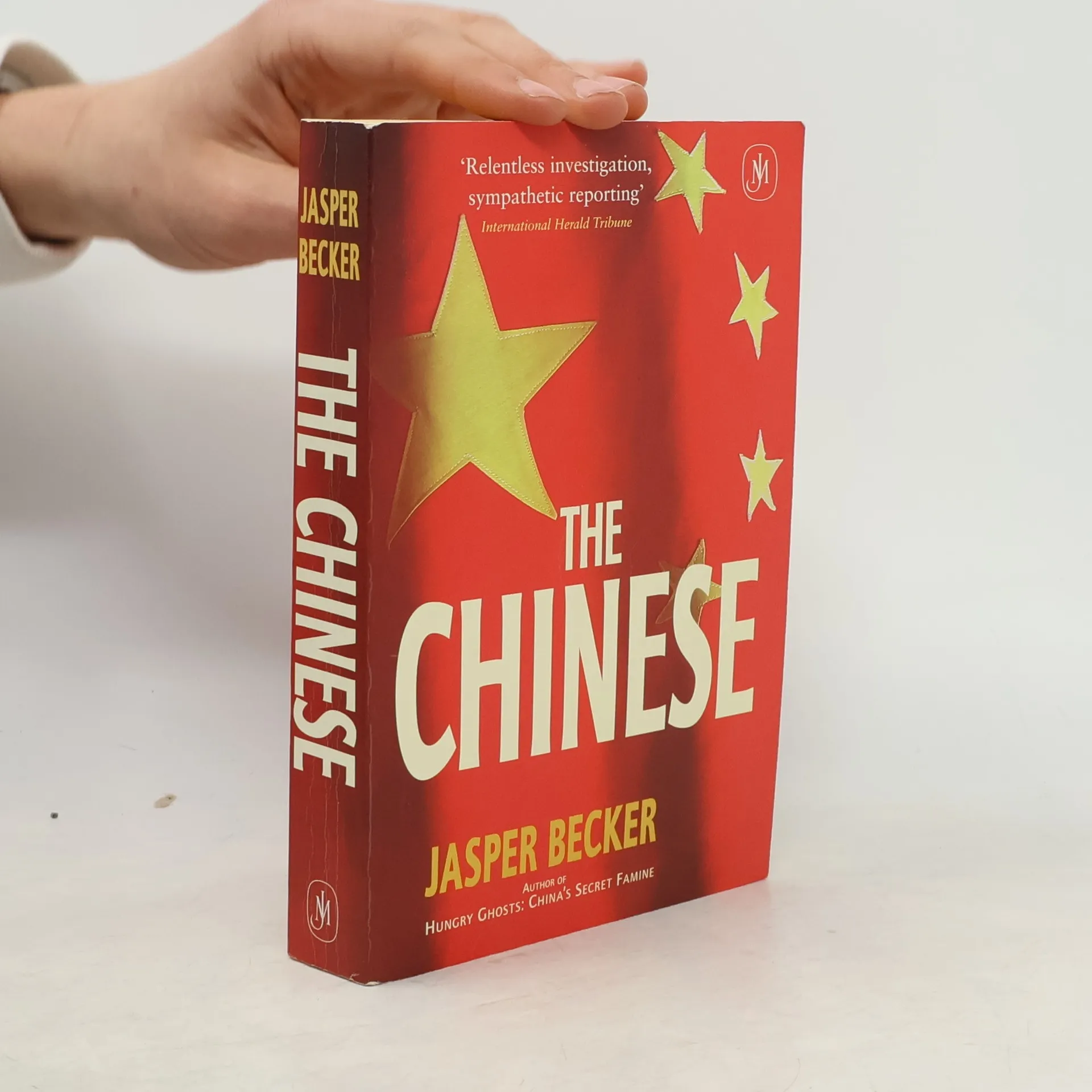
Jasper Becker je britský novinár, ktorý strávil 30 rokov pokrývaním Ázie. Jeho diela sa často zameriavajú na ničivý dopad komunizmu a na ľudské osudy v Číne, Tibete a Severnej Kórei. Beckerov štýl sa vyznačuje prenikavým pohľadom na politické a spoločenské fenomény, často odhaľujúc skryté hrôzy a dopady ideológií na obyčajných ľudí. V jeho knihách sa objavuje dôraz na ľudské príbehy zasadené do širšieho historického a politického kontextu, čo čitateľom ponúka hlboké pochopenie zložitých ázijských realít.
Monografie přibližuje současnou ekonomickou, politickou i společenskou situaci ČLR především z hlediska postavení jednotlivých vrstev obyvatelstva.
Becker se prostřednictvím interpretace některých skutečností vývoje současné Číny snaží přiblížit aktuální postavení jednotlivých společenských skupin (např. zemědělců, intelektuálů, nositelů moci). Cílem je prokázat, že život většiny Číňanů zůstává již po staletí stejný, neboť nejpočetnější skupinu obyvatelstva stále tvoří chudí rolníci a na samém vrcholku společenské pyramidy stojí úzká mocenská elita, která ovládá celou zemi.
China has entered the 21st century as the world's last surviving empire, a vast bureaucratic dictatorship with around 1.3 billion people from 56 different races. The People's Republic of China, part Communist and part capitalist, is the heir to a dynastic tradition spanning over 2000 years. This book offers a general introduction to the Chinese experience, exploring the lives of the poorest in remote mountainous areas to the most powerful families in the capital. It examines how workers in state-owned enterprises and new capitalists are navigating the shift from a planned to a market economy, highlighting the winners and losers in the quest for profit in this emerging consumer market.
The failure to create an egalitarian society has led to significant inequality. The book delves into rural China's challenges, including the struggles of barefoot doctors, rural teachers, and migrant workers, set against the backdrop of urbanization affecting a billion peasants. It also addresses the transformation of urban China, with its booming coastal cities and special economic zones where millions work in sweatshops.
The new market economy necessitates a revamped bureaucracy, smaller armed forces, a modern legal system, a freer intelligentsia, and potentially a different political system. Concluding with reflections on past modernization efforts, the book questions whether the world's oldest continuous civilization can thrive in the new
An inside study of North Korea exposes the dangers this highly volatile country continues to pose to the world order, and the internal chaos, blind faith, rampant corruption, and terrifying cruelty of its rulers.
The narrative explores the devastating impact of the Great Leap Forward in late 1950s and early 1960s China, which led to a catastrophic famine resulting in the deaths of over thirty million people. It highlights the tragic consequences of Chairman Mao Zedong's misguided policies, illustrating how his utopian vision turned into a historical disaster, driven not by natural calamities but by human error and political ideology.