

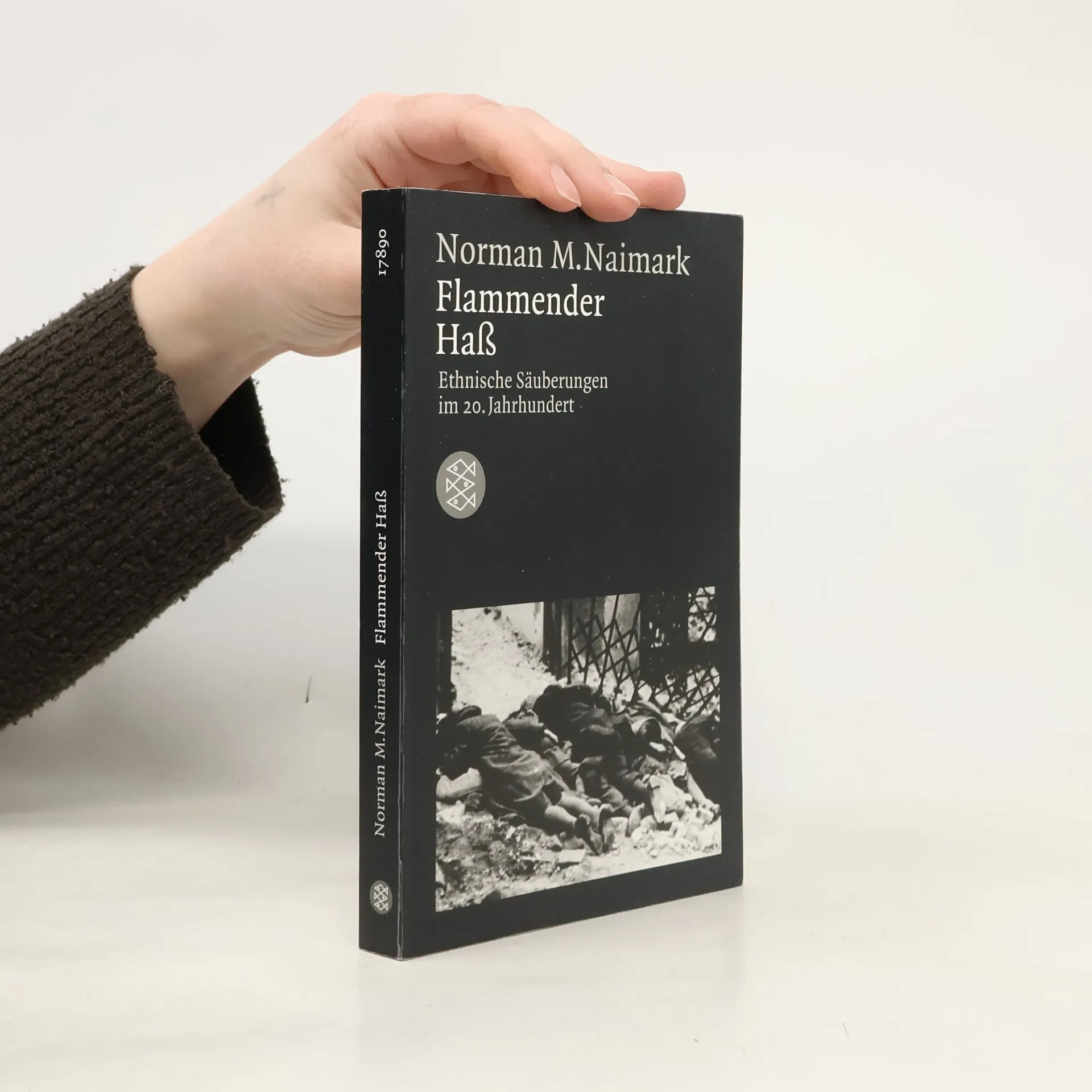
„Ethnische Säuberungen“ charakterisieren die Geschichte des europäischen 20. Jahrhunderts als ein Jahrhundert der Gewalt. Der Versuch, ganze Bevölkerungsgruppen zur Konfliktvermeidung rigoros voneinander zu trennen, war nicht in erster Linie ein Produkt eines angeblich seit uralten Zeiten überlieferten nationalen Antagonismus, sondern hatte seine Ursachen in den politischen Zielen des modernen Nationalstaates.
Norman M. Naimark Knihy
1. január 1944
Tento autor sa špecializuje na východoeurópske štúdiá a skúma zložité historické a politické otázky tohto regiónu. Jeho práca sa zameriava na hlbšie pochopenie historických procesov a ich dopadu na súčasnosť. Prostredníctvom svojho písania ponúka prenikavý pohľad na dynamiku moci a spoločenské zmeny. Jeho analýzy sú cenené pre svoju hĺbku a intelektuálnu prísnosť.



Europe on Trial
The Story of Collaboration, Resistance, and Retribution during World War II
- 284 stránok
- 10 hodin čítania
In Europe on Trial , acclaimed historian István Deák explores the history of collaboration, retribution, and resistance during World War II. These three themes are examined through the experiences of people and countries under German occupation, as well as Soviet, Italian, and other military rule. Those under foreign rule faced innumerable moral and ethical dilemmas, including the question of whether to cooperate with their occupiers, try to survive the war without any political involvement, or risk their lives by becoming resisters. Many chose all three, depending on wartime conditions. Following the brutal war, the author discusses the purges of real or alleged war criminals and collaborators, through various acts of violence, deportations, and judicial proceedings at the Nuremberg International Military Tribunal as well as in thousands of local courts. Europe on Trial helps us to understand the many moral consequences both during and immediately following World War II. Foreword by Norman M. Naimark
Stalin's Genocides
- 176 stránok
- 7 hodin čítania
Between the early 1930s and his death in 1953, Joseph Stalin had more than a million of his own citizens executed. Millions more fell victim to forced labor, deportation, famine, bloody massacres, and detention and interrogation by Stalin's henchmen. This book tells the story of these crimes.
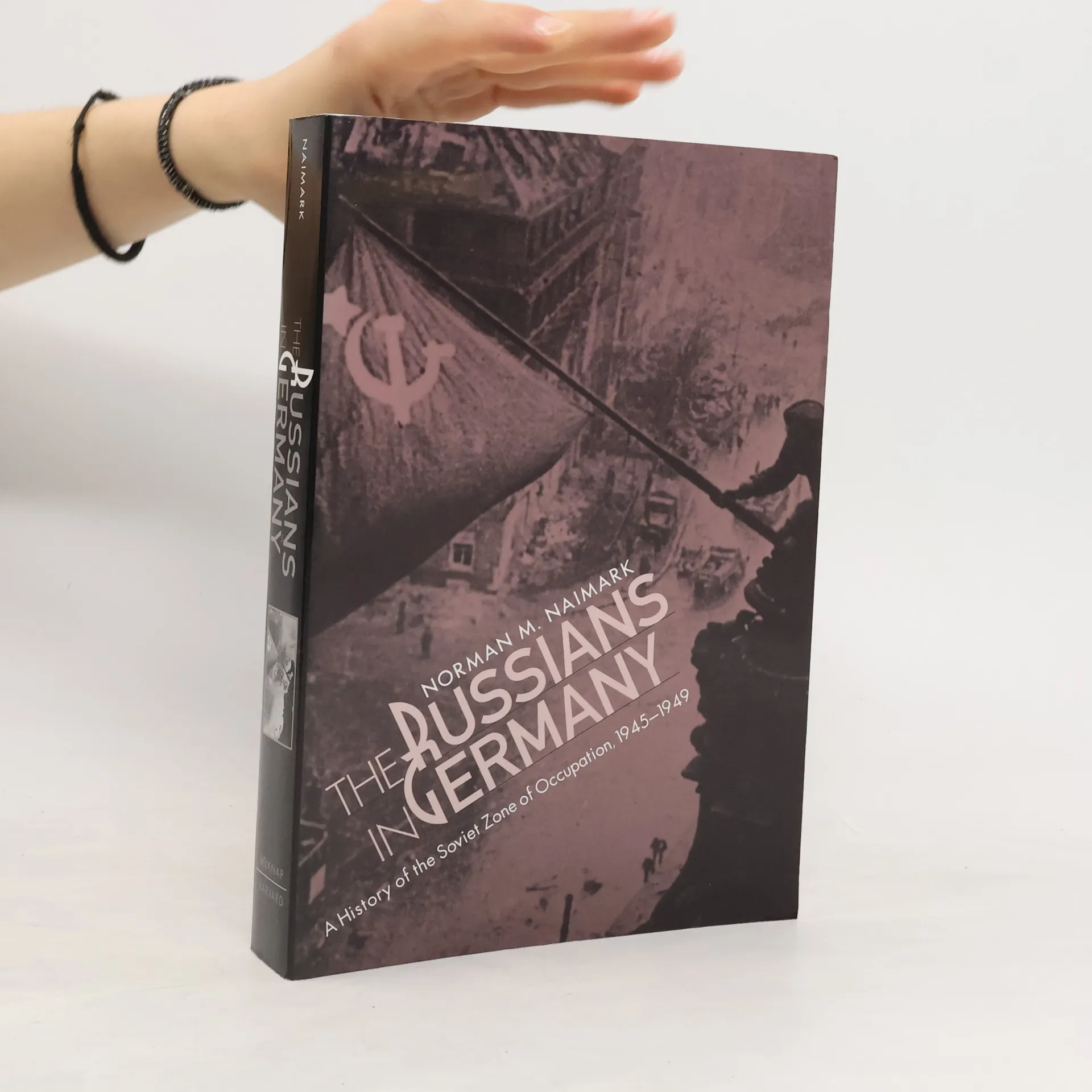
The Russians in Germany
A History of the Soviet Zone of Occupation, 1945-1949
- 608 stránok
- 22 hodin čítania
In 1945, when the Red Army marched in, eastern Germany was not “occupied” but “liberated.” This, until the collapse of the Soviet Bloc, is what passed for history in the GDR. Now, making use of newly opened archives in Russia and Germany, Naimark reveals what happened during the Soviet occupation of eastern Germany from 1945–1949.
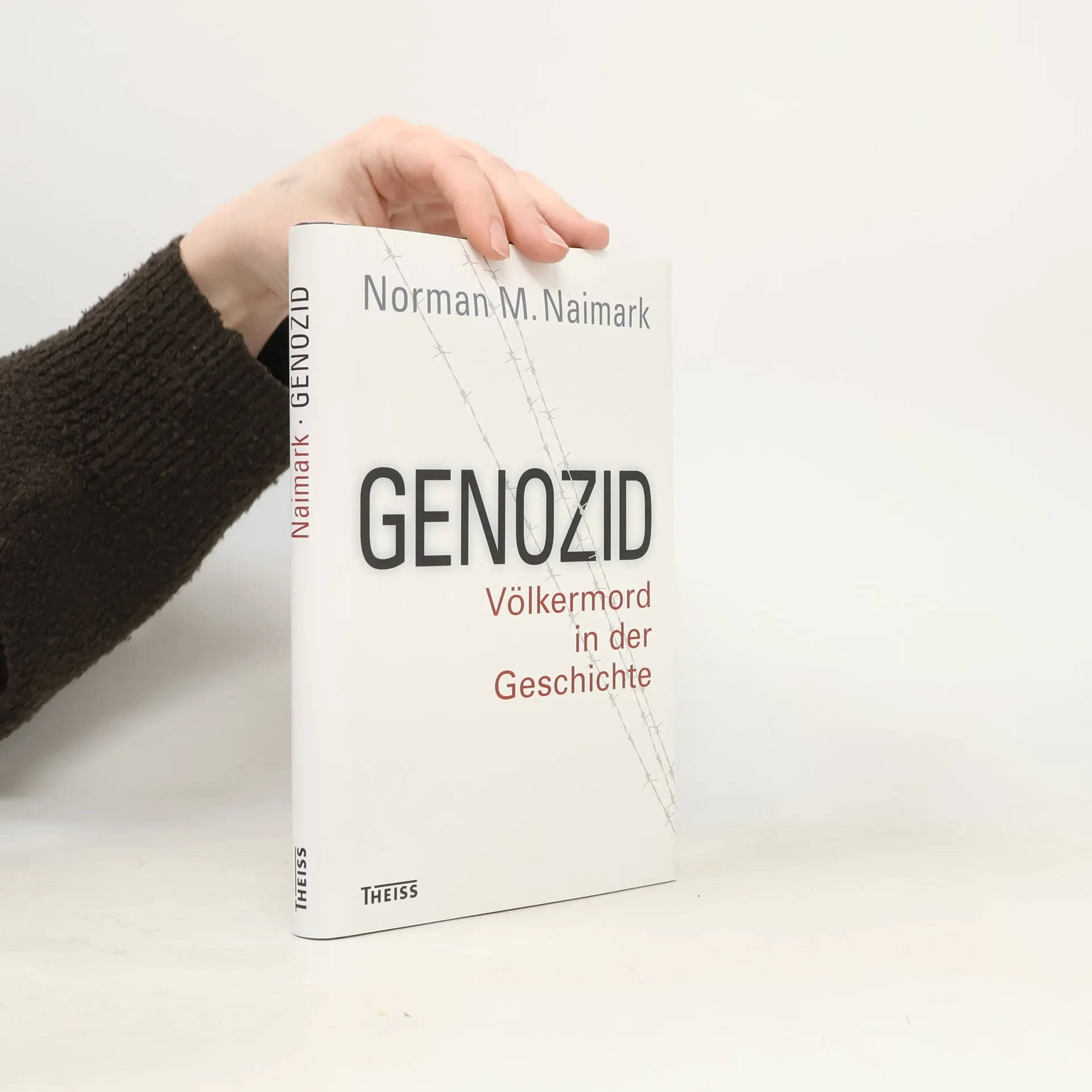
Genozid
- 224 stránok
- 8 hodin čítania
Genozid oder Völkermord ist das schlimmste aller Verbrechen im Völkerstrafrecht, im Englischen deshalb auch als 'crime of crimes' bezeichnet. Gemeint ist der Versuch, nationale, ethnische, religiöse oder eben auch politische und soziale Gruppen ganz oder teilweise auszulöschen. Ausgehend von der UN-Definition des Völkermords von 1948 untersucht Norman M. Naimark die wichtigsten Ereignisse in der Geschichte des Genozids von den Anfängen bis heute. Er zeigt, wie sich der Genozid in verschiedenen Zeiten unterschied, macht aber ebenso dessen Kontinuität in seiner mörderischen Dynamik über Epochen und Kontinente hinweg deutlich. Eindrücklich stellt er sowohl den Holocaust oder den Völkermord an den Armeniern, die Massaker in Ruanda oder Srebrenica in den jeweiligen historischen Zusammenhang. Er bezieht aber auch den Völkermord von Siedlern und Kolonialisten mit ein und zeigt, wie die Auslöschung der indigenen Bevölkerung in Afrika oder Amerika jüngste historische Entwicklungen beeinflusst.