Sir Muhammad Iqbal bol uznávaný básnik, filozof a mysliteľ, ktorého dielo skúma hlboké otázky islamského myslenia a moderného sveta. Jeho literárne dedičstvo spočíva v spojení západnej filozofie s islamským bádaniam, čím inšpiroval obrodu islamského myslenia. Iqbalova poézia a prozaické eseje sa zaoberajú témami identity, spirituality a budúcnosti moslimskej komunity. Jeho vízia a myšlienky naďalej rezonujú a podnecujú k zamysleniu nad súčasnými výzvami.
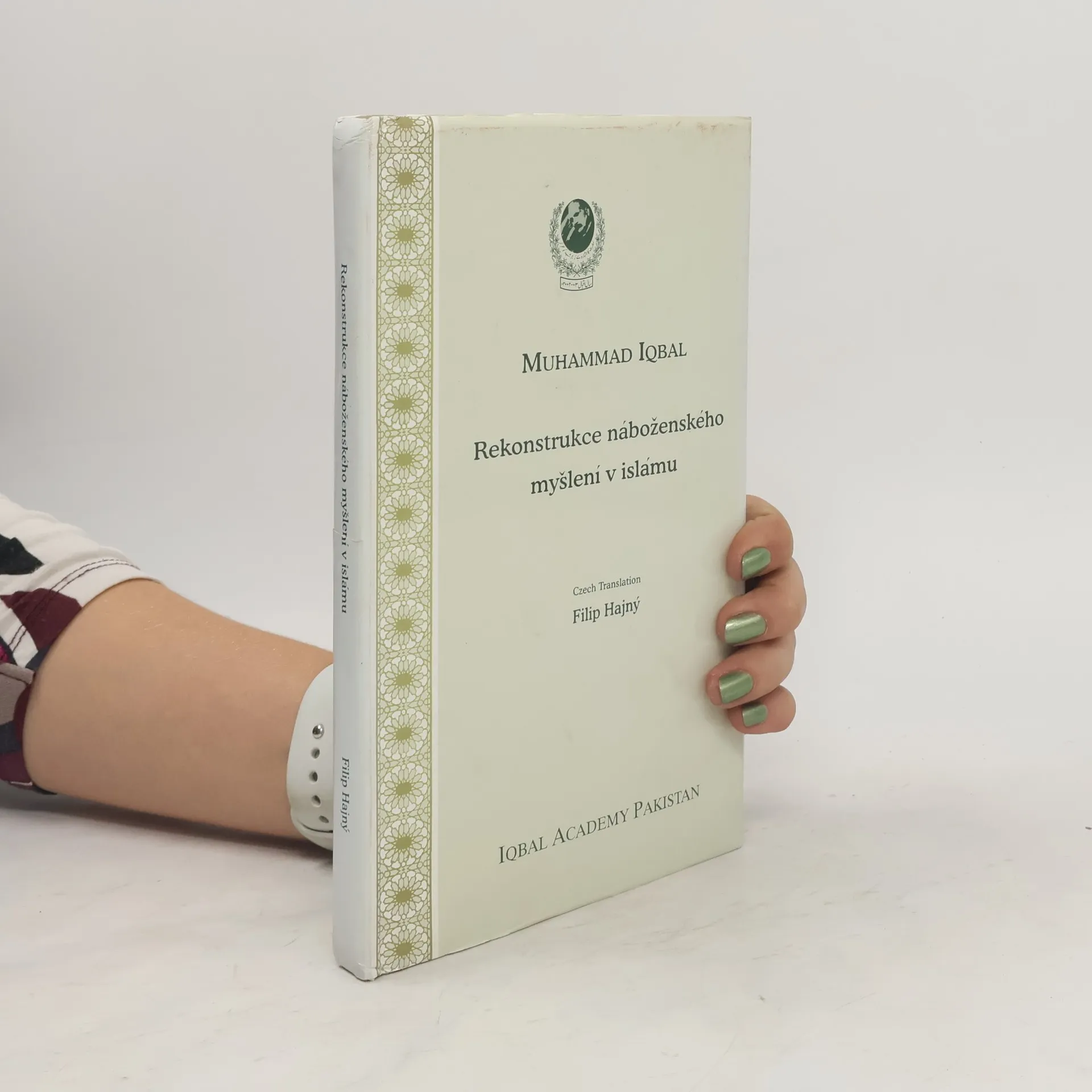
Muslimský básník a filozof píšící v 1. pol. 20. stol. se snaží přiblížit myšlenky i filozofii islámu a nalézt nové cesty ke sblížení s evropskou kulturou, filozofií a vědou. Autor je přesvědčen, že takové úsilí má smysl a že dialog Západu a Východu je nejen možný, ale též nezbytný.
In these two poems, Iqbal discusses the fall of the Muslim ummah, probes into its causes, shows his bereavement and offers a solution along with a message of hope. In the first poem, Iqbal complains to God about the deplorable condition of the Muslim world and society and prays for divine help. In the second poem, which he wrote a few years later, he relays a response to the complaints on behalf of God. In elaborating the causes of the rise and fall of the Muslim ummah, Iqbal hoped that Muslims would use them as a springboard for reviving their former status of prestige and glory. Iqbal’s poetry has such great variety that several anthologies of it could be compiled, each quite different from the other. The series aims at introducing Iqbal’s poetry to the English-speaking world. While scholars and students will benefit from the work, it is hoped that general readers, both Muslim and non-Muslim, will find this series useful and interesting
There is no disagreement between Sunnis and Shias that Imam Ḥusayn's martyrdom in Karbala was a historical event illustrating true Islamic leadership and the exemplary character of someone who made a sincere attempt at safeguarding the ideology of Islam with the intention to retain it as an exact replica of the setup of the Prophetic era. But of late we see attempts by some to make Ḥusayn's martyrdom a Sunni-Shia polemic.This book is in response to that, it contains four essays on Karbala by four highly respected Sunni scholars and leaders, and we have added a new foreword to expand the story and give the reader a more comprehensive understanding of the importance of this heart-rending tragedy in Islamic history.
Allama Muhammad Iqbal (1877-1938) war der erste muslimische Intellektuelle, dessen Schwerpunkt der Forschung westlich ausgerichtet war. Für ihn war der innere dynamische Geist der westlichen Kultur islamischen Ursprungs. Er argumentiert, dass die europäische Kultur auf ihrer intellektuellen Seite nichts als eine Fortentwicklung einiger der wichtigsten Phasen der Kultur des Islam ist. „Drei Reichen des Geistes gehört Sir Muhammad Iqbal an, drei Reiche des Geistes sind Quellen seines gewaltigen Werkes: die Welt Indiens, die Welt des Islam und die des abendländischen Denkes.“ (Hermann Hesse, Geleitwort zur deutschen Übersetzung des Javidname, 1957)