Nachdenken über Tibet
Chinesische Ansichten zur Orientalismus-Debatte


Wang Hui je popredný čínsky intelektuál a profesor, ktorého práca sa ponára do hlbín súčasnej čínskej literatúry a intelektuálnej histórie. Jeho analýzy sa vyznačujú prenikavým vhľadom do vývoja myslenia a literárnych prúdov v Číne. Prostredníctvom svojho rozsiahleho výskumu a akademickej činnosti ponúka čitateľom jedinečný pohľad na zložitosť čínskej kultúry a spoločnosti. Jeho intelektuálny prínos formuje pochopenie tak v akademických kruhoch, ako aj medzi širšou verejnosťou.

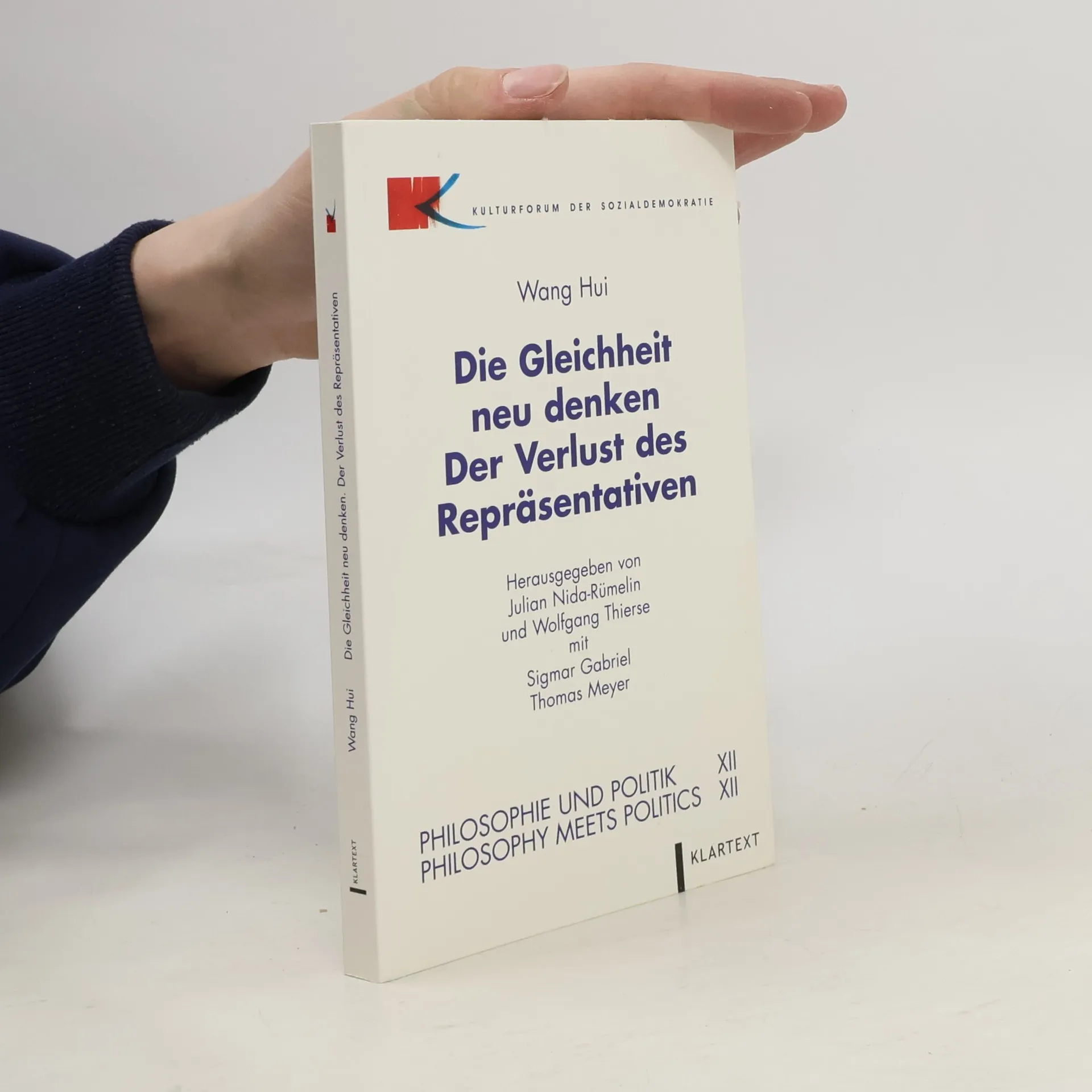
Chinesische Ansichten zur Orientalismus-Debatte
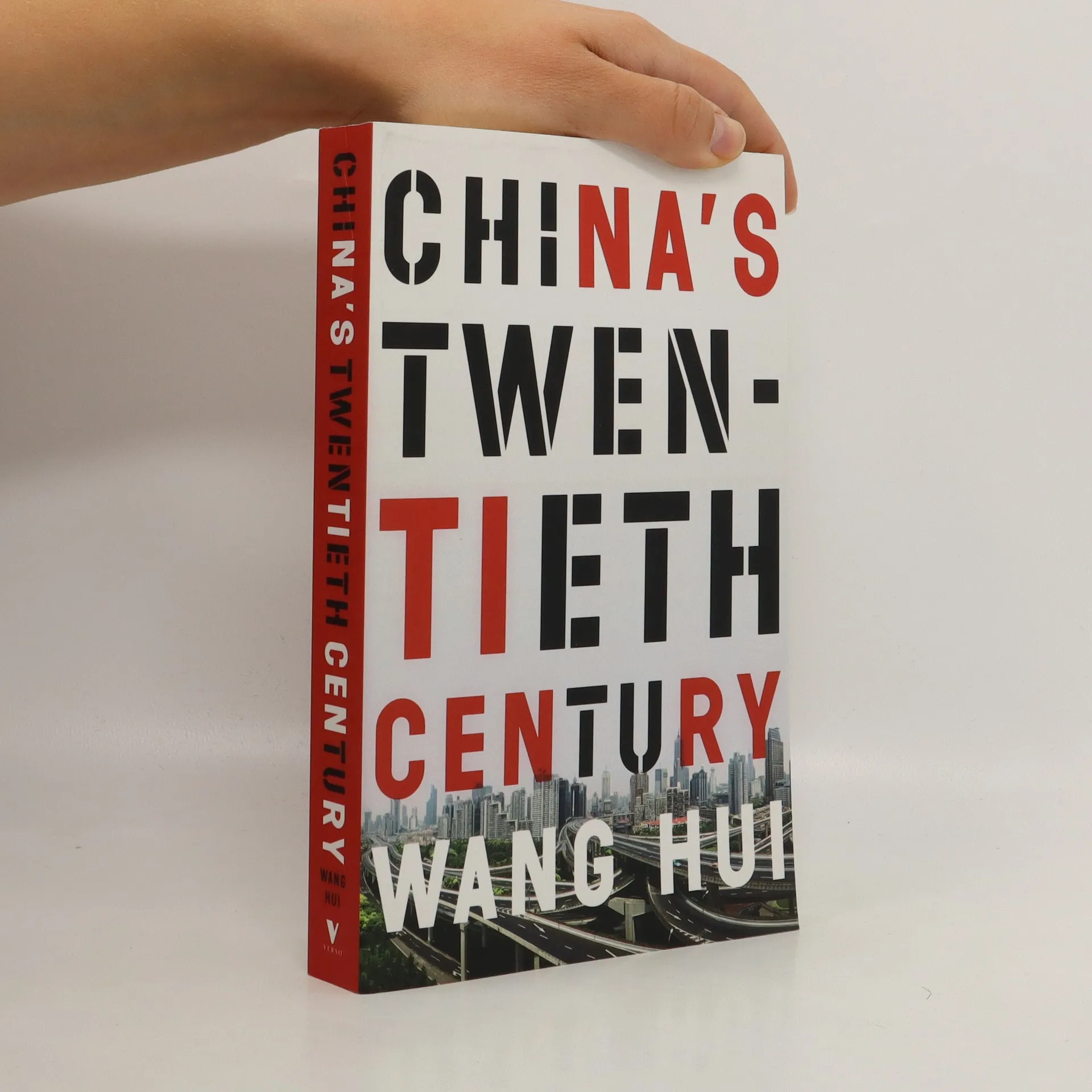
An examination of the shifts in politics and revolution in China over the last century What must China do to become truly democratic and equitable? This question animates most progressive debates about this potential superpower, and in China’s Twentieth Century the country’s leading critic, Wang Hui, turns to the past for an answer. Beginning with the birth of modern politics in the 1911 revolution, Wang tracks the initial flourishing of political life, its blossoming in the radical sixties, and its decline in China’s more recent liberalization, to arrive at the crossroads of the present day. Examining the emergence of new class divisions between ethnic groups in the context of Tibet and Xinjiang, alongside the resurgence of neoliberalism through the lens of the Chongqing Incident, Wang Hui argues for a revival of social democracy as the only just path for China’s future.
北京一古老而又充满活力的都城
古老而又充满活力的都城