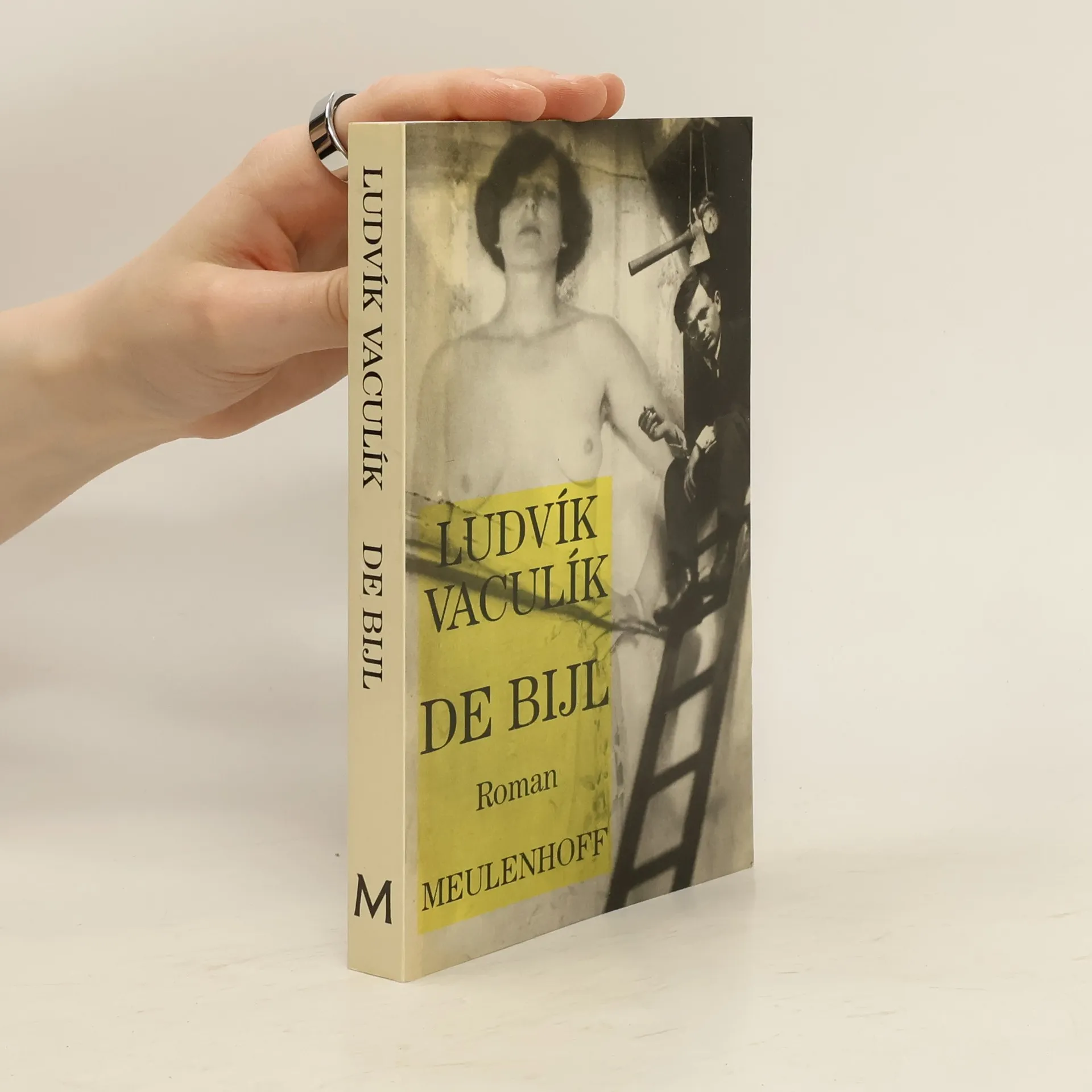
Ironisch levensverhaal van een journalist die na te zijn opgegroeid in een Moravisch dorp later moeilijkheden krijgt met de communistische autoriteiten in Tsjechoslowakije.
Kees Mercks Knihy

Gaps
- 144 stránok
- 6 hodin čítania
The narrative follows Hrabal as he receives the advance copy of his debut short story collection, marking the beginning of his literary career. It explores his ascent in the Czech literary scene, highlighting his connections with prominent artists and writers, while also showcasing the international acclaim he achieves with works like Closely Watched Trains. The story delves into themes of creativity, recognition, and the cultural landscape of Czechoslovakia during his rise as a writer.
The Gentle Barbarian
- 128 stránok
- 5 hodin čítania
The Gentle Barbarian is Bohumil Hrabal's homage to Vladim r Boudn k, one of the greatest Czech visual artists of the 1950s and 1960s, whose life came to a tragic end shortly after the Soviet invasion of 1968. Boudnik and Hrabal had a close and often contentious friendship. For a brief period, in the early 1950s, they both worked in the steel works in Kladno and lived in the same building in Prague. Written in the early seventies, Hrabal's anecdotal portrait of Boudnik includes another controversial member of that early group of the Czech avant-garde: the poet Egon Bondy. While Hrabal and Bondy were evolving their aesthetic of "total realism," Boudnik developed his own artistic approach that he called "Explosionalism," in which the boundaries between life and art become blurred, and everyday events take on the appearance and the substance of art. Hrabal's portrait of Boudnik captures the strange atmosphere of a time in which the traditional values and structures of everyday life in Czechoslovakia were being radically dismantled by the Communists. But as The Gentle Barbarian demonstrates, creative spirits are able to reject, ignore, or burrow beneath the superficial "revolutionary" atmosphere of the time, and find humor, inspiration, and a kind of salvation amidst its general intellectual and creative poverty.
Párožrúti
- 232 stránok
- 9 hodin čítania
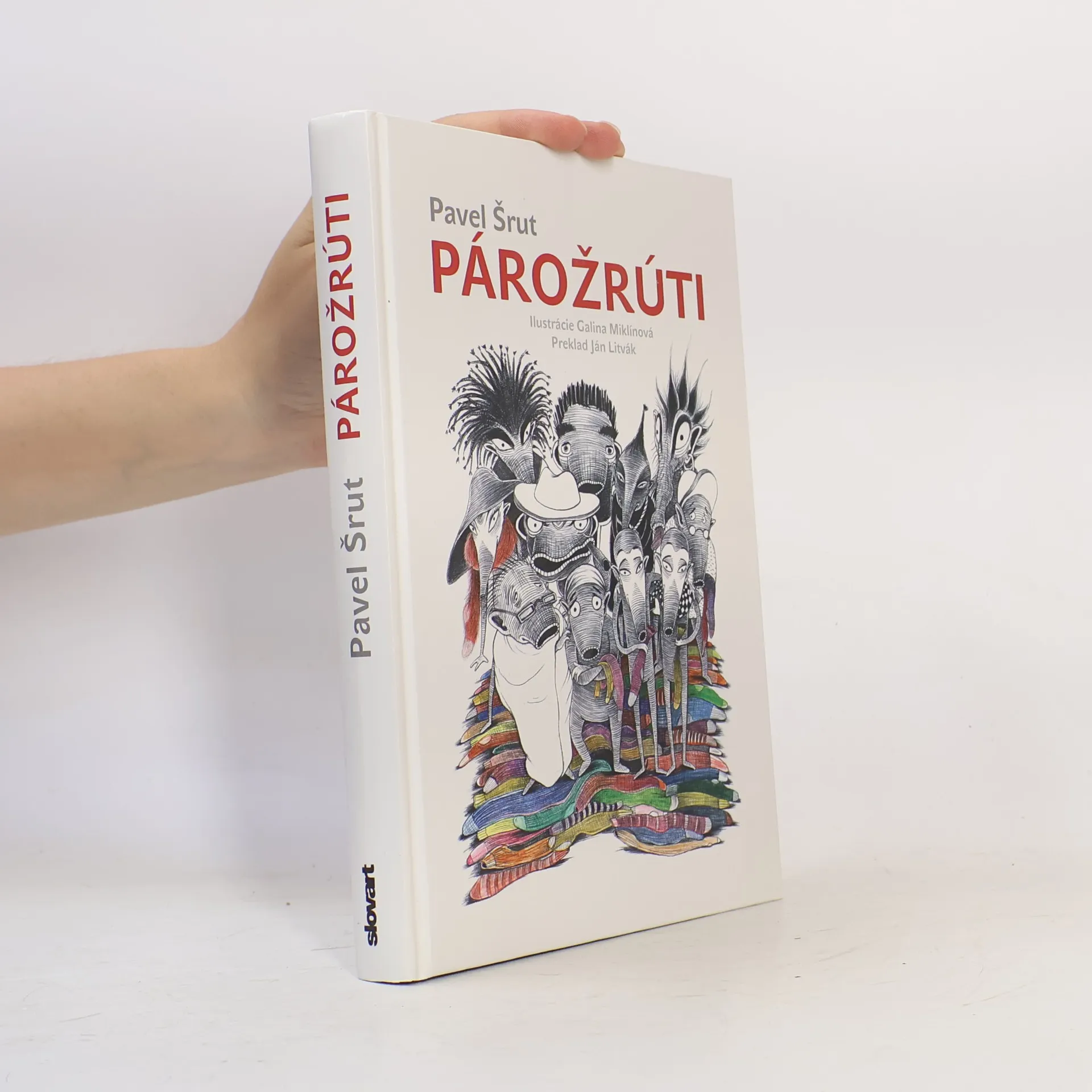
Možno sa aj vám včera alebo práve teraz stratila ponožka. Kto zato môže? Párožrút! Záhadný tvor, ktorý žerie ponožky, ale vždy len jednu z páru. Párožrútov žije na svete asi toľko, koľko je ľudí, takže celkom iste býva nejaký aj u vás doma. Len dvom vyvoleným sa však podarilo párožrúta vidieť: starému profesorovi Kučeráčikovi a mladému starému mládencovi Egonovi Vavrincovi. A práve vďaka nim prenikla do tajomného sveta ponožkožrútov autorská dvojica Pavel Šrut a Galina Miklínová a napísali napínavý a vtipný príbeh, ktorý by deti nemali čítať pred spaním. Nedovolí im totiž od strachu (alebo od smiechu)
Harlequin's Millions
- 312 stránok
- 11 hodin čítania
"By the writer whom Milan Kundera called Czechoslovakia's greatest contemporary writer comes a novel (now in English for the first time) peopled with eccentric, unforgettable inhabitants of a home for the elderly who reminisce about their lives and their changing country. Written with a keen eye for the absurd and sprinkled with dialogue that captures the poignancy of the everyday, this novel allows us into the mind of an elderly woman coming to terms with the passing of time. --
Love and Garbage
- 232 stránok
- 9 hodin čítania
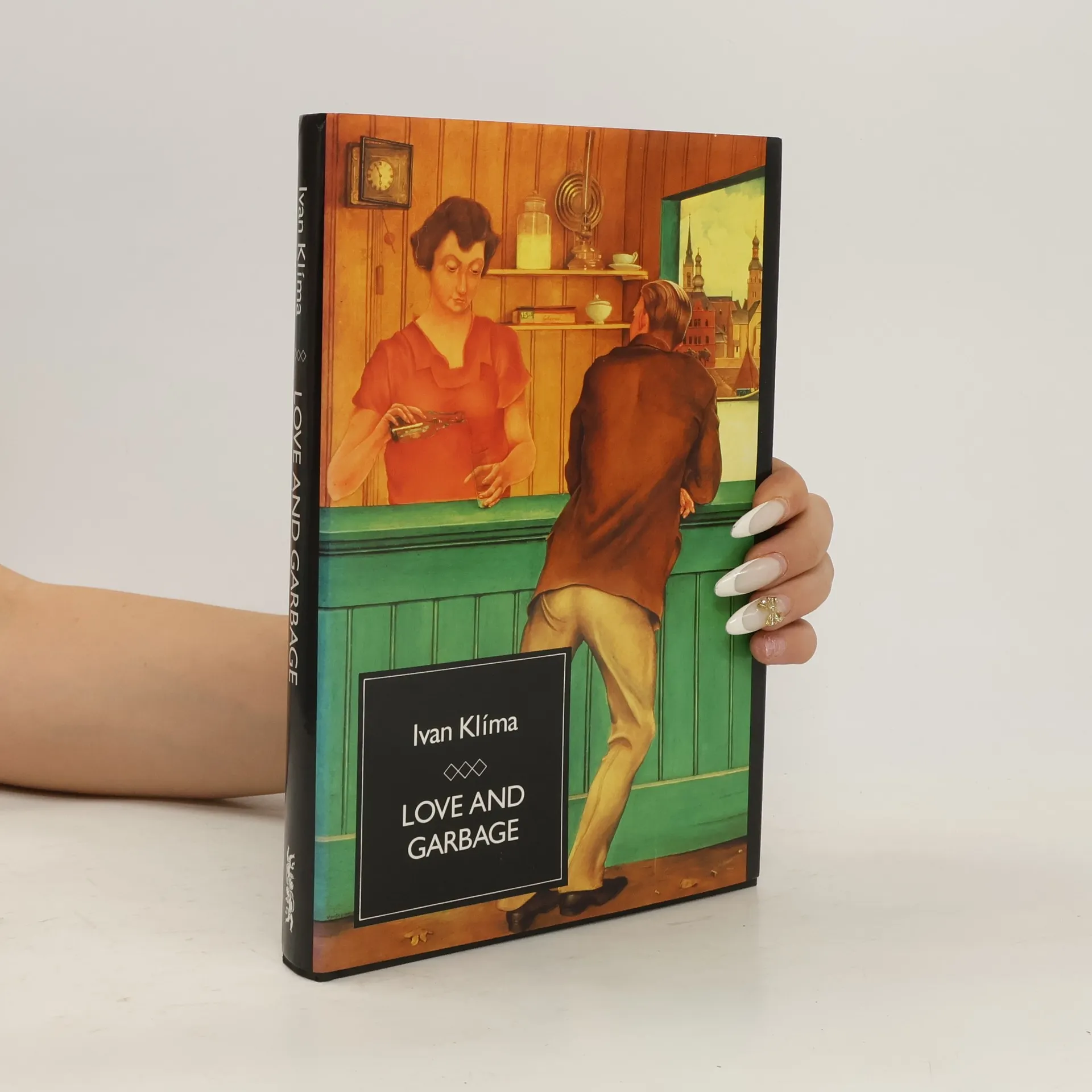
The narrator of Ivan Klima's novel has temporarily abandoned his work-in-progress -an essay on Kafka -and exchanged his writer's pen for the orange vest of a Prague road-sweeper. As he works, he meditates on Czechoslovakia, on Kafka, on life, on art and, obsessively, on his passionate and adulterous love affair with the sculptress Daria. Gradually he admits the impossibility of being at once an honest writer and an honest lover, and with that agonizing discovery comes a moment of choice.
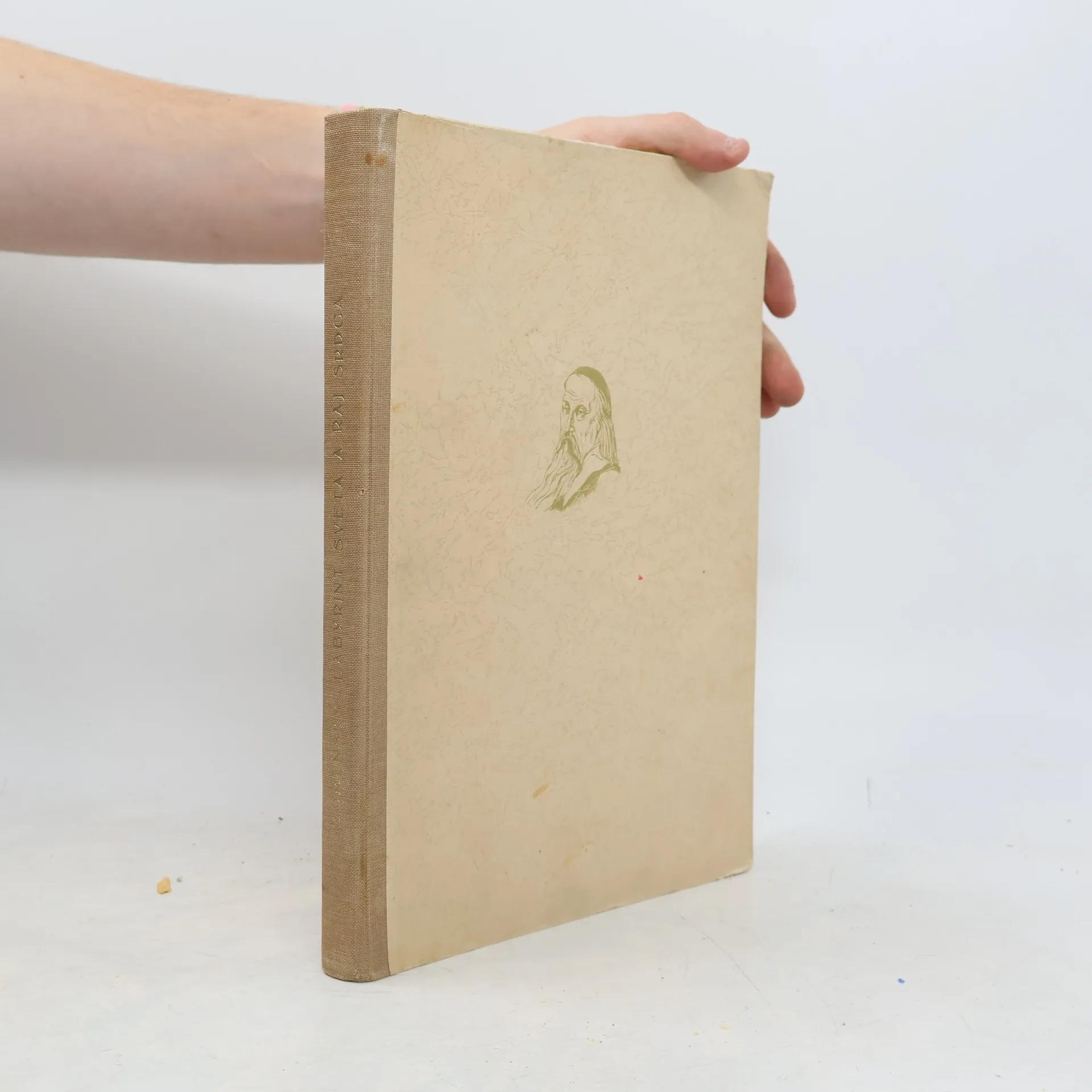
Alegorický príbeh. Rozprávač sa ocitá v okrúhlom meste uprostred ničoty, alegoricky predstavujúci svet. Jeho sprievodcovia Všezvěd Všudybud a Mámení mu líčia krásy dobre idúceho sveta, pútnik však vidí len klam, márnosť, faloš, biedu a smrť. Chce odtiaľ utiecť, ale nemá kam. Východiskozo zmätkov tohto sveta nachádza v otvorení svojho srdca, aby do neho mohol vstúpiť Ježiš Kristus.