This book centres on an examination of the stages of, and the reasons for, the growth of presidential government in France. It analyzes the obstacles to, and the limits of, presidentialism and argues that compared to the last regime, there is now a closer focus of authority on the office of presidency.
Begins by introducing the origins and historical development of the European Community and then progresses to provide an analysis of the powers, influence and functioning of its principal institutions and political actors as well as analysing its policy interests and processes.
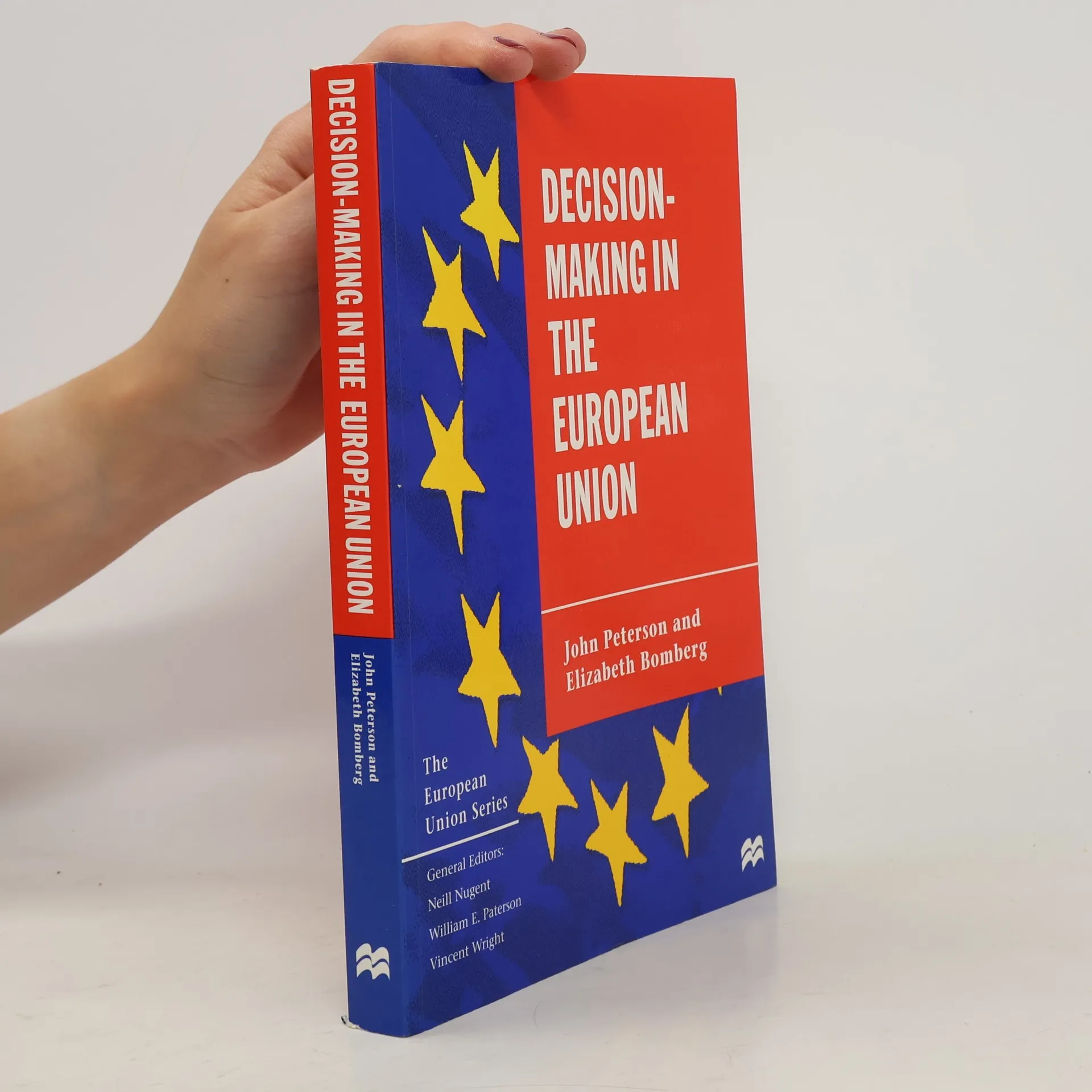
Based on exhaustive research, this book explains how the European Union makes decisions in seven major policy sectors. Written in a clear, user-friendly style, it brings the EU alive for a student and non-specialist audience. The book's central themes are that informal norms often matter more than formal rules, agency often matters more than structure, and abrupt change often punctuates deadlock. It offers a theoretically-based introduction to the lively, humorous and fascinating politics of a unique experiment in modern governance.
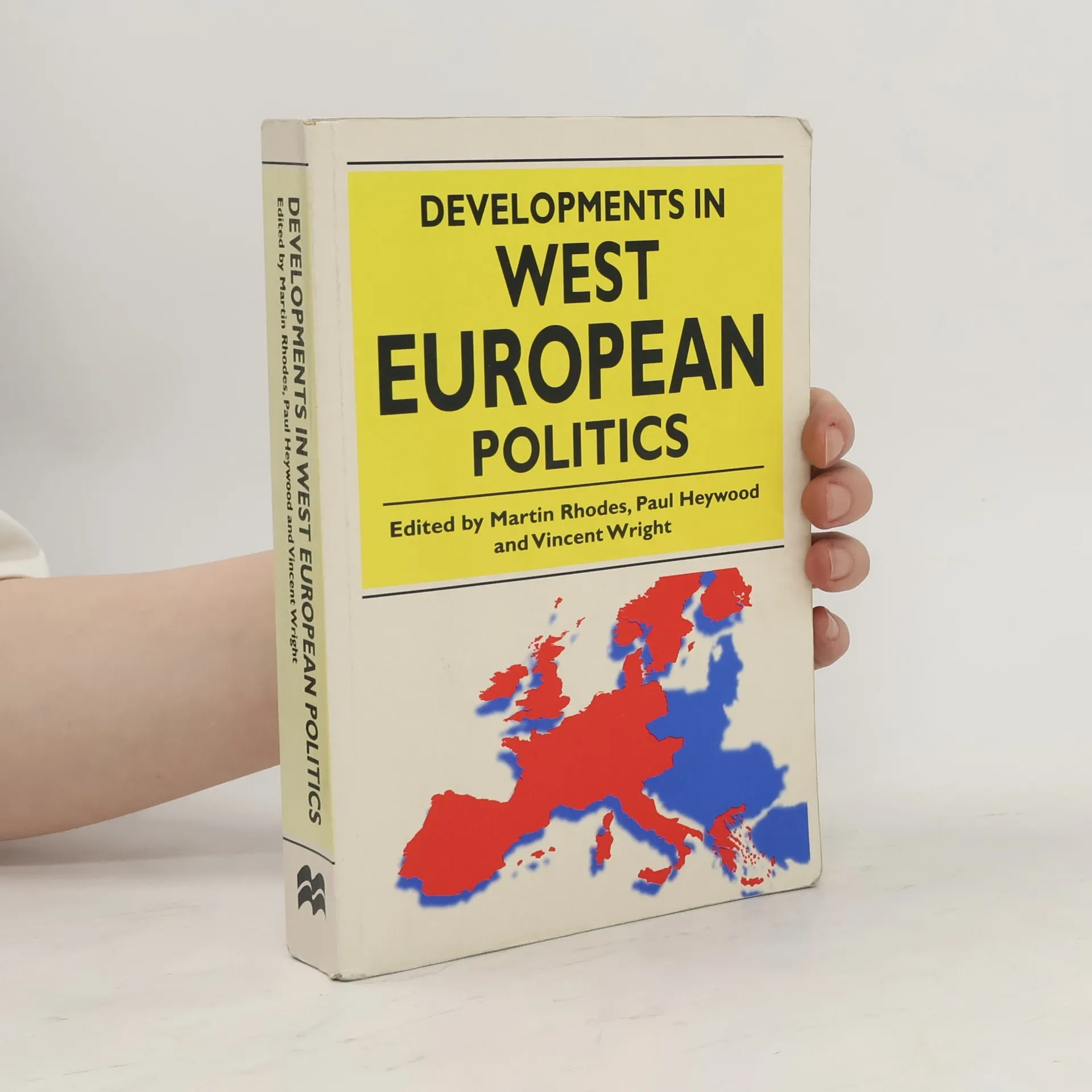
Western Europe is changing fast and dramatically. The traditional models of nation-state politics have been challenged by increasing political and economic integration in the European Union, the end of the Cold War division of the continent, the emergence of a global political economy and of new forms of ethnic and cultural identity. All aspects of political life have been affected, from institutions and policies, to party systems, values and beliefs. Developments in West European Politics brings together specially commissioned chapters by leading authorities to provide a tightly integrated analysis of politics, government and public policy set in a broad economic and social context. Its core focus is on the extent to which a new multilevel system of governance is emerging, its character and its implications.
A major new theoretical and empirical contribution to our understanding of the influence of EU institutions vis-á-vis governments in the major decisions about both widening and deepening the European Union. Engagingly written and based on significant new archival research and original interviews, Derek Beach offers both a new history of the major treaty negotiations of the EU and a new leadership model of European integration.