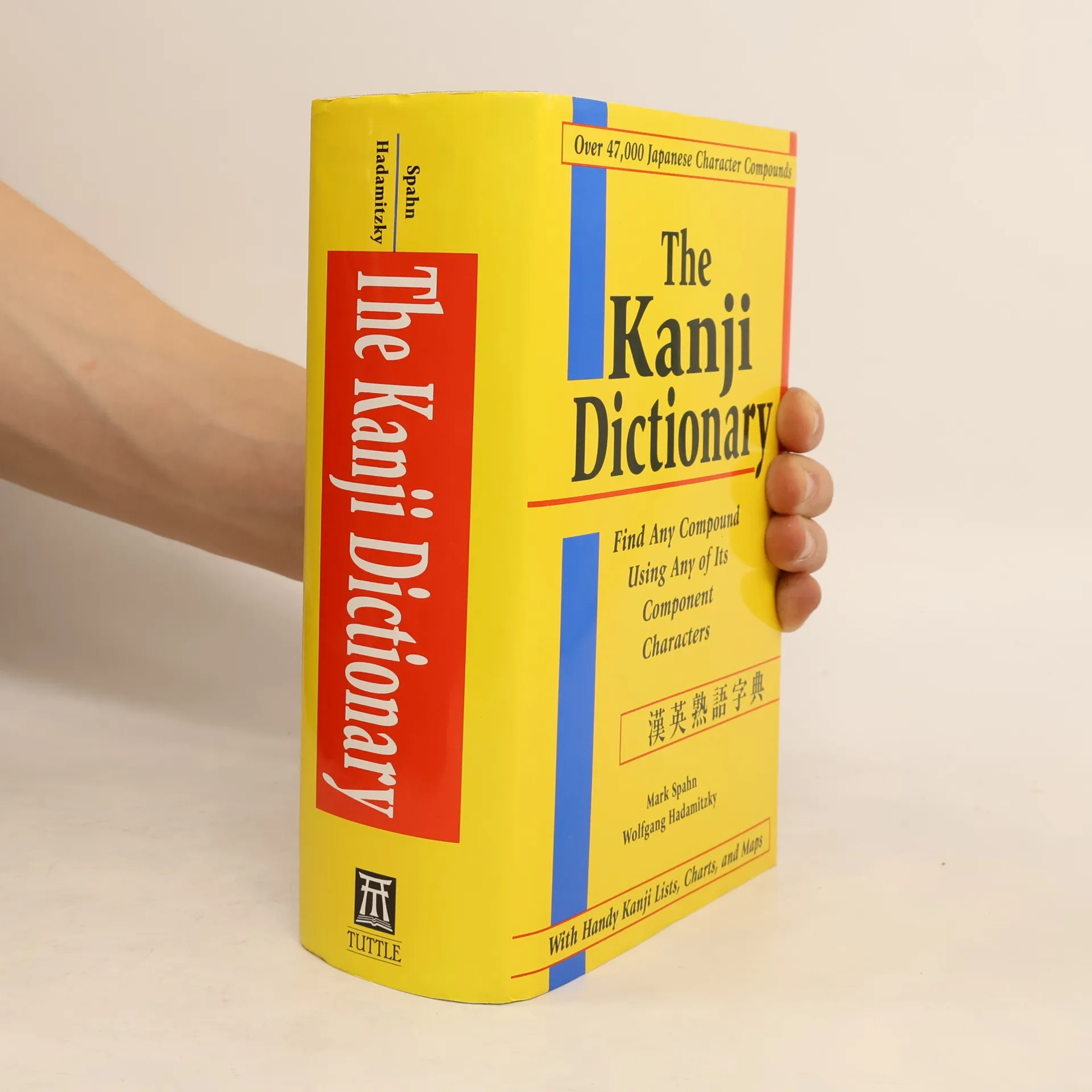
Wolfgang Hadamitzky je autorom materiálov na učenie japončiny. Jeho práca sa zameriava na praktické a prístupné spôsoby, ako si čitatelia môžu osvojiť japonské písmo a slovnú zásobu. Vďaka svojim skúsenostiam z akademickej sféry a medzinárodných kultúrnych inštitúcií prináša hlboké porozumenie lingvistickým a kultúrnym nuansám japončiny. Jeho materiály sú cenené pre svoju jasnosť a užitočnosť pre študentov.
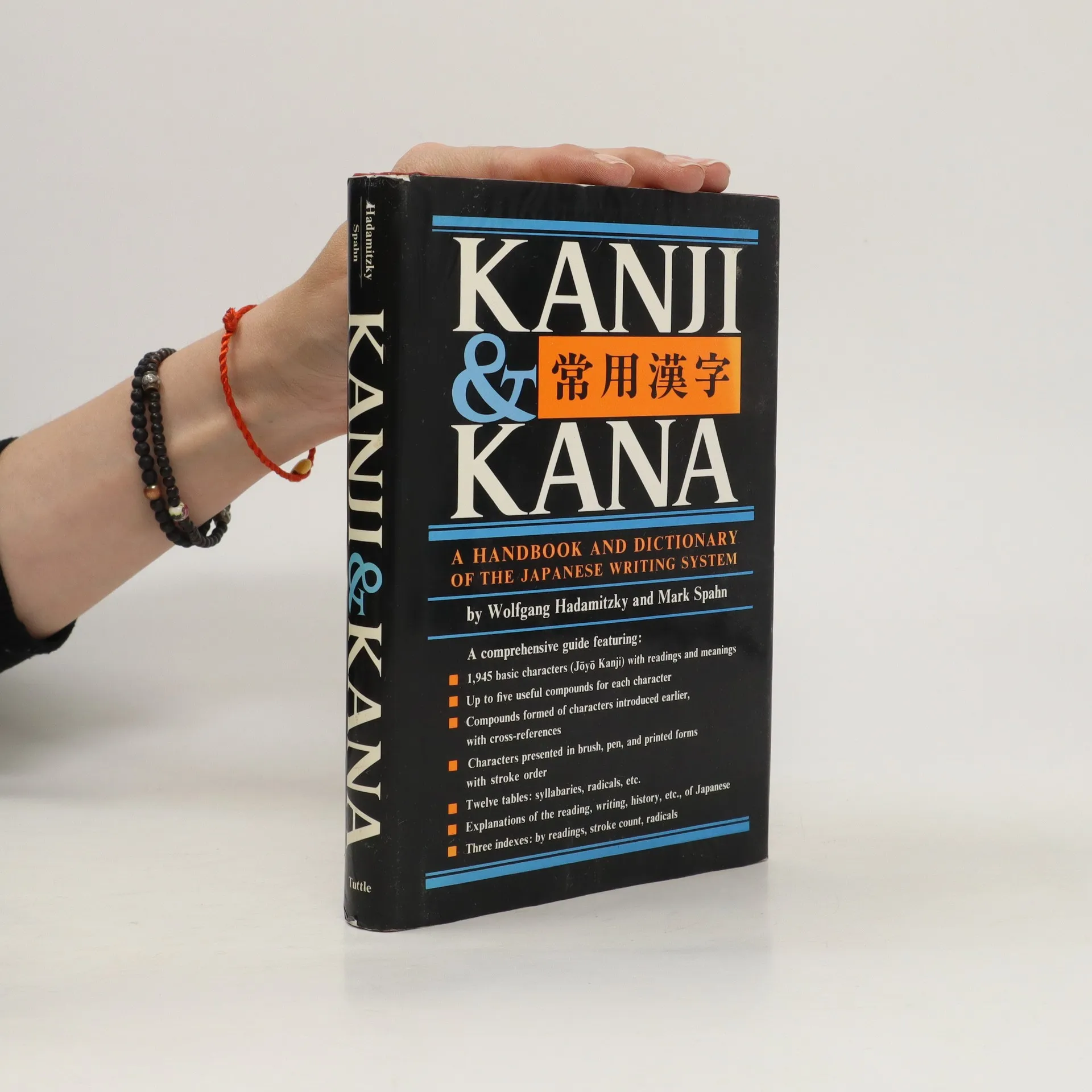
This comprehensive dictionary simplifies the Japanese written language by providing clear definitions and organized entries for kanji characters. It enhances accessibility through user-friendly features, making it an essential resource for learners and enthusiasts alike. With its systematic approach, it aids in understanding the nuances of kanji, promoting effective study and mastery of the language.
The introductory chapters provide an overview of the origins and current use of the syllabaries Hiragana and Katakana, as well as the Kanji used in Japan. Numerous charts support the learning and referencing of essential aspects of the Japanese writing system. The main section covers the 2,136 Joyo-Kanji, organized by frequency and complexity, according to the guidelines of the Japanese Ministry of Education from 2010. Each Kanji is presented in aesthetic brush script and standard writing. Small numbers at the beginning of each stroke indicate the writing order. For each Kanji, all officially approved readings and their meanings are listed. Additionally, information on the structure and components of the character is provided. To clarify the context of readings and meanings, up to five common compounds are exemplified, illustrating the practical use of the characters and avoiding rote memorization. This expands vocabulary and reinforces previously learned Kanji. The compounds primarily include characters with a lower index number in the book than that of the target character. The volume concludes with three indexes for quick reference on pronunciation, stroke count, and radicals.
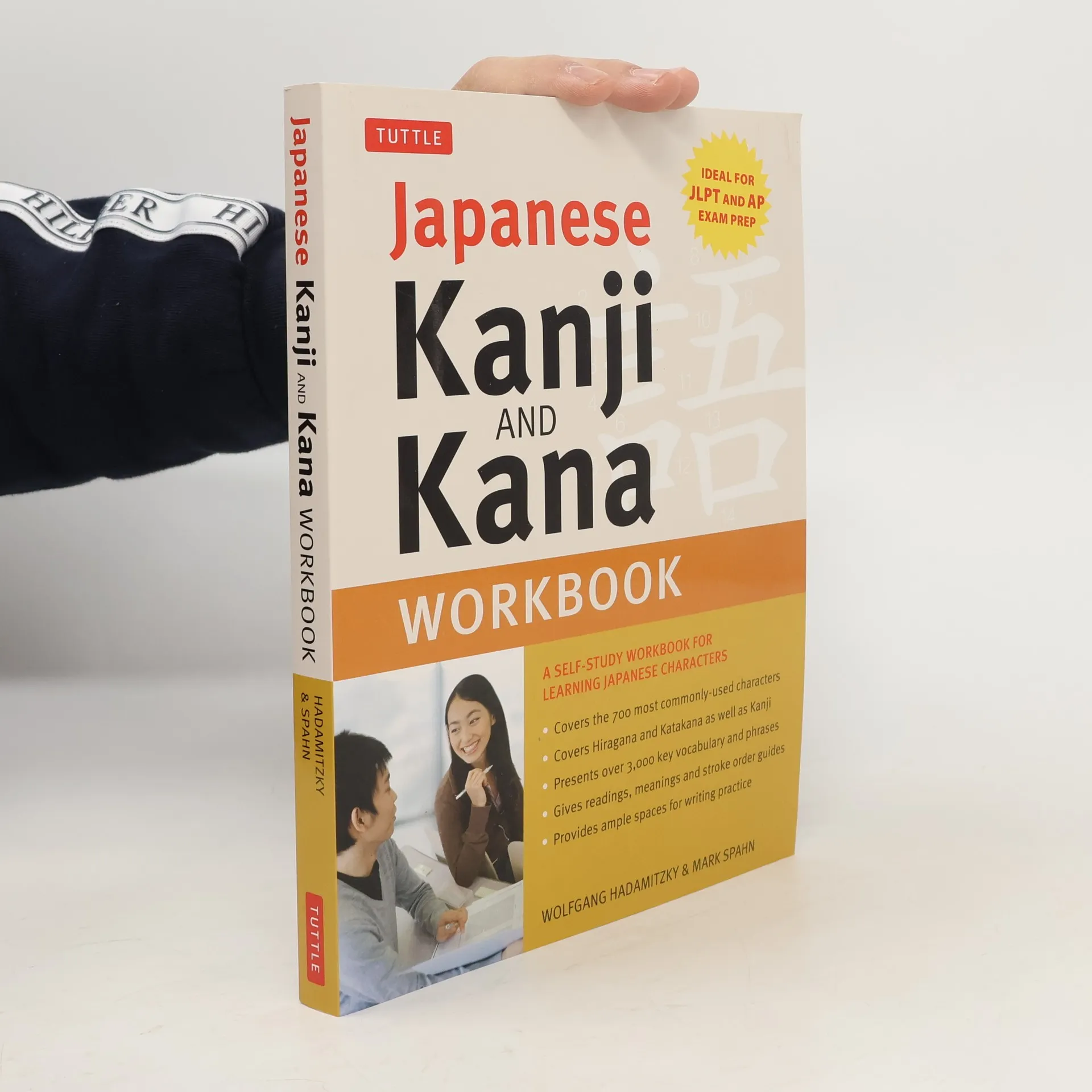
Japanese Kanji and Kana Workbook offers a systematic approach to learning
Japanese characters. It is designed to be used with the best-selling Japanese
Kanji and Kana: A Guide to the Japanese Writing System.
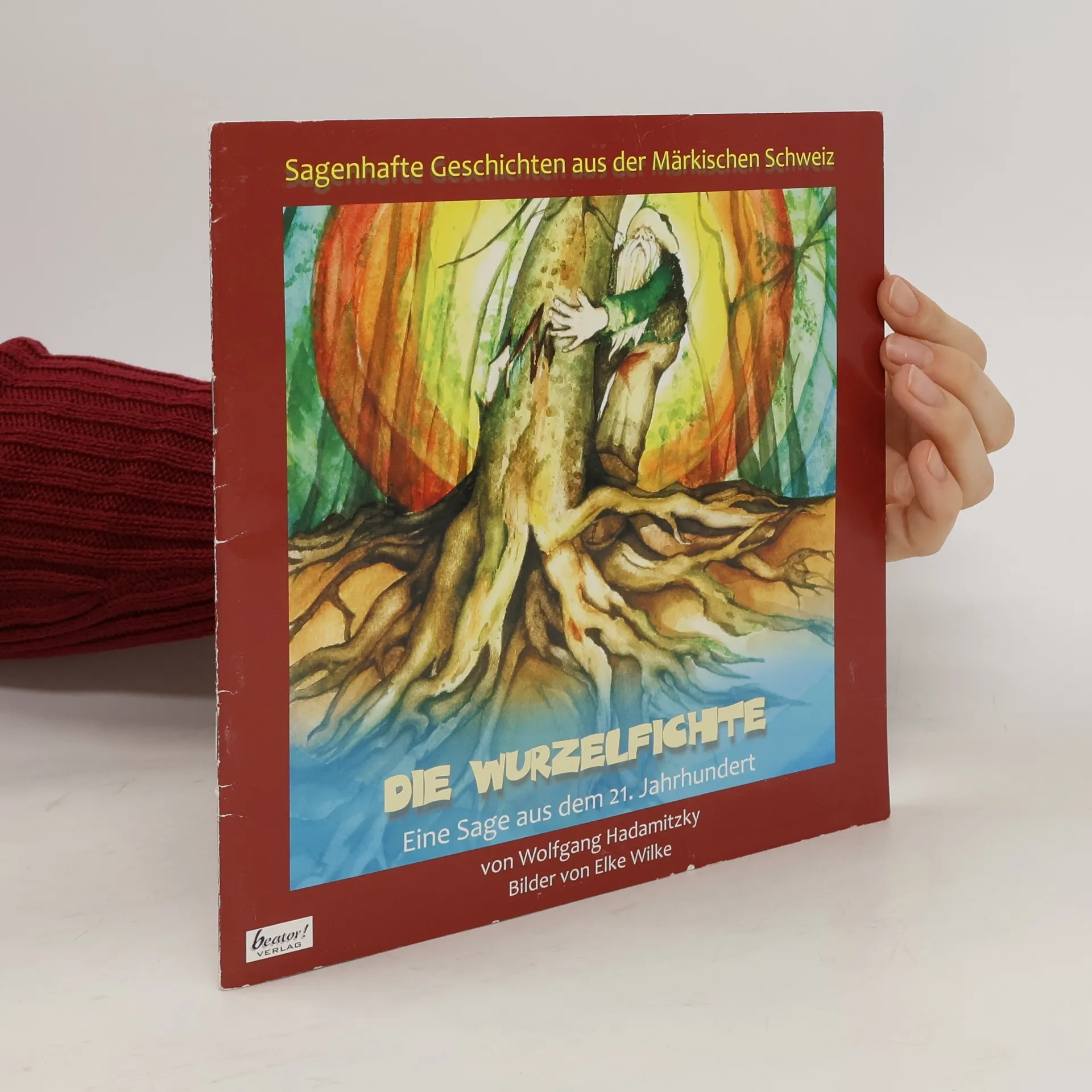
Die Erwachsenen behaupten, die 180 Jahre alte Wurzelfichte, eine Sehenswürdigkeit in der Märkischen Schweiz, sei vom Orkan Kyrill im Januar 2007 umgeknickt worden. Doch was geschah wirklich in den Wäldern um Buckow? Begleitet Kyrill und seine Freundin, die Fee, auf ihrer Reise und entdeckt, was sie erlebten. „Die Wurzelfichte“ ist eine moderne Sage von Wolfgang Hadamitzky, liebevoll illustriert von Elke Wilke. Die Geschichte spielt im Naturpark Märkische Schweiz, einem malerischen Ort in Brandenburg, bekannt für dichte Wälder, verwunschene Seen und moosbedeckte Findlinge. Diese faszinierende Landschaft, geprägt von der letzten Eiszeit, regt die Fantasie an. Buckow, die „Perle der Märkischen Schweiz“, ist der Ausgangspunkt vieler Geschichten und Mythen, mit dem Schermützelsee als größtem der sieben Seen. Die Wurzelfichte, einst 35 Meter hoch, fiel dem Orkantief Kyrill zum Opfer, doch ihr beeindruckendes Wurzelwerk kann noch immer bestaunt werden. Es ist ein magischer Anblick, der die Besucher in seinen Bann zieht.