
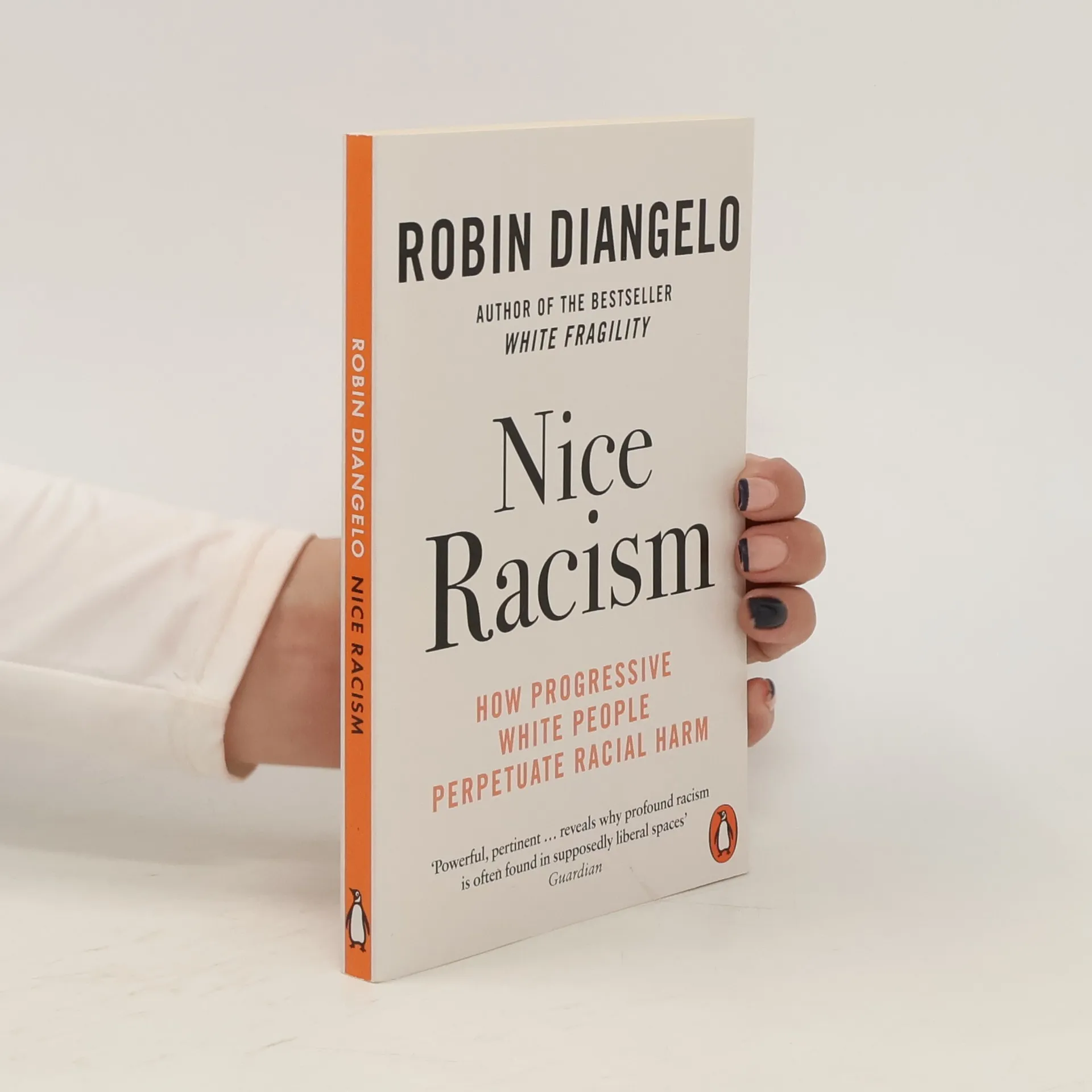
DiAngelo identifies racial patterns and breaks down how well-intentioned white people unknowingly perpetuate racial harm. These patterns include rushing to prove that we are 'not racist'; downplaying white advantage; romanticizing Black, Indigenous and other peoples of colour; pretending white segregation 'just happens'; expecting BIPOC people to teach us about racism; carefulness; and shame
Robin J. DiAngelo Knihy
Robin J. DiAngelo je americká akademická pracovníčka a autorka, známa svojím výskumom v oblasti kritickej analýzy diskurzu a štúdií belostnosti. Vytvorila koncept „bielej krehkosti“, ktorý opisuje obranné reakcie bielych ľudí pri konfrontácii s rasovými výhodami. Jej práca skúma, ako tieto reakcie udržiavajú a chránia rasové nerovnosti. DiAngelo sa zameriava na to, ako jazyk a diskurz formujú naše chápanie rasových otázok a prispievajú k udržiavaniu spoločenských štruktúr.


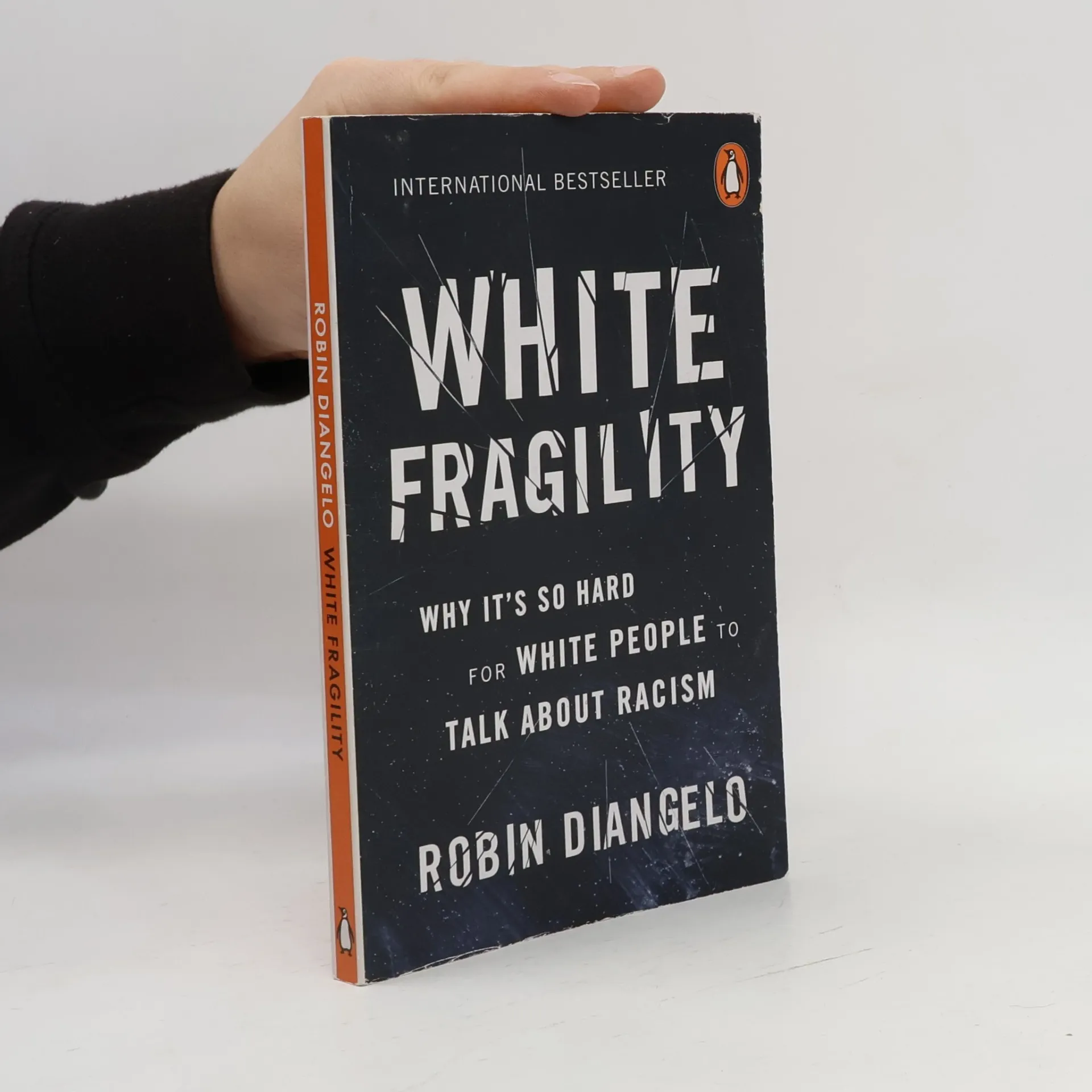
White Fragility
- 192 stránok
- 7 hodin čítania
Foreword by Michael Eric Dyson Author's Note Introduction: We Can't Get There from Here The Challenges of Talking to White People About Racism Racism and White Supremacy Racism After the Civil Rights Movement How Does Race Shape the Lives of White People? The Good/Bad Binary Anti-Blackness Racial Triggers for White People The Result: White Fragility White Fragility in Action White Fragility and the Rules of Engagement White Women's Tears Where Do We Go from Here? Resources for Continuing Education Acknowledgments Notes
Racism is not a simple matter of good people versus bad. In White Fragility, Robin DiAngelo explained how racism is a system into which all white people are socialized. She also made a provocative claim: that white progressives cause the most daily harm to people of colour. In Nice Racism, her follow-up work, she explains how they do so. Drawing on her background as a sociologist and over twenty-five years working as an antiracist educator, she moves the conversation forward. Writing directly to white people as a white person, DiAngelo identifies many common racial patterns and breaks down how well-intentioned white people unknowingly perpetuate racial harm. Writing candidly about her own missteps and struggles, she models a path forward, encouraging white readers to continually face their complicity and embrace courage, lifelong commitment and accountability. Nice Racism is an essential work for any white person who wants to take steps to align their values with their actual practice, and offers people of colour an 'insider's' perspective which may be helpful for navigating whiteness.