Charles Foster je autorom, ktorého diela sa venujú širokej škále tém, od cestovania a evolučnej biológie po prírodnú históriu, antropológiu a filozofiu. Jeho jedinečný prístup k písaniu pramení z rozmanitých skúseností, ktoré zahŕňajú akademické štúdium a právnu prax, ako aj extrémne expedície po celom svete. Táto zmes vedeckého poznania a dobrodružstva umožňuje Fosterovi skúmať zložité ľudské a prírodné svety s neobvyklou hĺbkou a perspektívou. Čitatelia ocenia jeho schopnosť prepájať zdanlivo nesúrodé odbory a vytvoriť tak podnetné a pútavé rozprávanie.
Všetci sme konfrontovaní s nepríjemnými pravdami, ktoré musia byť komunikované. Ale ako povedať našu pravdu inému človeku bez toho, aby sme spôsobili bolesť alebo niečo zbabrali? A ako máme vedieť, či je vôbec vhodné povedať pravdu?
A fox, grown strong on pepperoni pizza from the dustbins of the East End, dances along a railway track towards Essex, the territory of wild foxes and wilder huntsmen. An orca, mourning the loss of her mother in a valley west of Skye, knows that she must now lead the pod as matriarch. She swims again through her childhood, thinking about the old ways, the old roads, laid down thousands of years ago. But the old roads aren't so easy now. At moonrise in a West Country river, an otter floats slowly downstream. The tide, though it pushes him landwards when it exhales, seems to pull him out when it inhales. He turns on his back. He can see the stars clearly for the first time and wonders if he can swim to them. The land has never stopped waiting. It has only ever been in exile, right under our noses, waiting to confound, outrage and re-enchant.
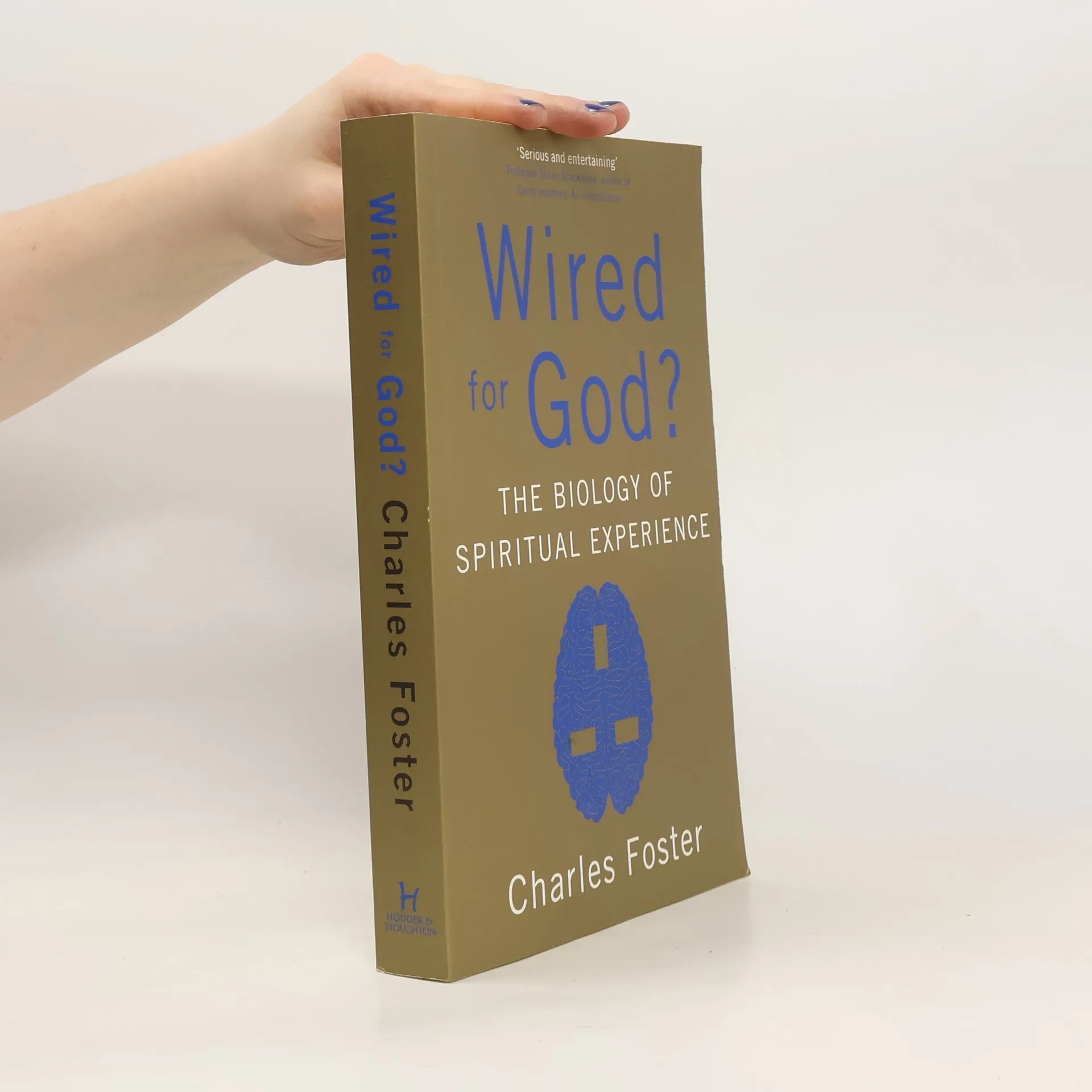
Human religious experiences are remarkably uniform; many can be pharmacologically induced. Recent research into the neurology of religious experience has shown that, when worshipping or praying, a certain part of the brain, apparently dormant during other activities, becomes active. What does all this mean for those of faith and those with none? In this fascinating book barrister Charles Foster takes a survey of the evidence -- from shamans to medieval mystics, to out-of-body experiences and epilepsy, via Jerusalem and middle-class Christianity -- and assesses its significance. Written in short, accessible chapters, this is a fascinating tour of religious and mystical experiences and their relation to human physiology.
Charles Foster set out to know the ultimate other: the non-humans, the beasts. And to do that, he tried to be like them, choosing a badger, an otter, a fox, a deer, and a swift. He lived alongside badgers for weeks, sleeping in a sett in a Welsh hillside and eating earthworms, learning to sense the landscape through his nose rather than his eyes. He caught fish in his teeth while swimming like an otter; rooted through London garbage cans as an urban fox; was hunted by bloodhounds as a red deer, nearly dying in the snow. And he followed the swifts on their migration route over the Strait of Gibraltar, discovering himself to be strangely connected to the birds.
Charles Foster untersucht in „Die Akte Jesus“ die Ereignisse nach der Kreuzigung Jesu mit modernen kriminalistischen Methoden. Er stellt zentrale Fragen zur Auferstehung und bewertet die Glaubwürdigkeit der Augenzeugen. Sein überraschendes Urteil: Die Geschichte der leiblichen Auferstehung ist überzeugender als viele Zweifel.
Wenige von uns haben positive Vorbilder für den effektiven Umgang mit problematischen persönlichen oder beruflichen Offenbarungen. In diesem weisen und beruhigenden Buch zeigt Foster, ein renommierter Therapeut, wann und wie man es sagt, damit Mitgefühl, Empathie, Verständnis und Takt eingesetzt werden können – alles, was dem anderen hilft, wirklich zu hören, was gesagt werden muss.
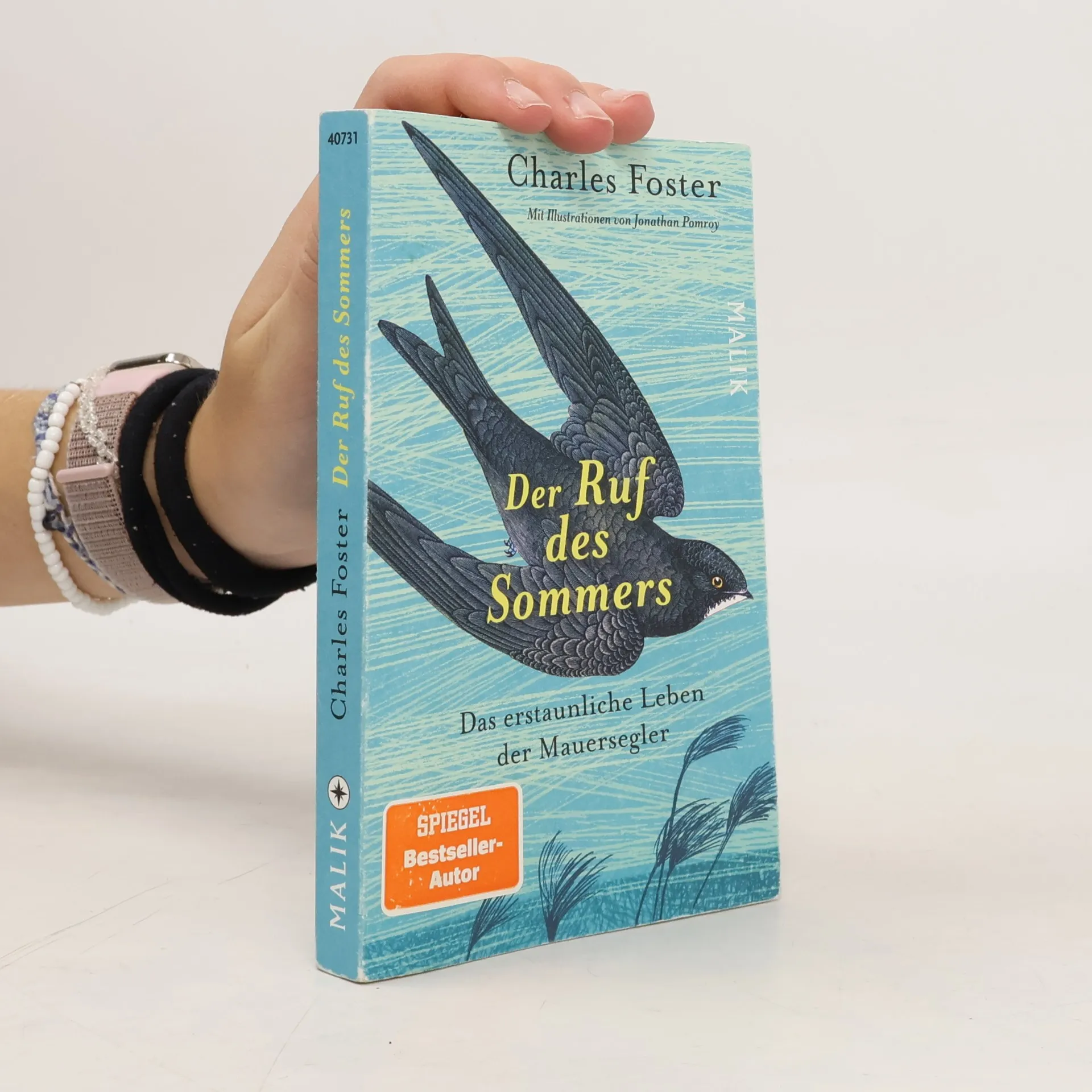
Das erstaunliche Leben der Mauersegler: Eine tiefgreifende Auseinandersetzung mit einer höchst spannenden Vogelart
224 stránok
8 hodin čítania
Ein poetisches Buch über die Akrobaten der Lüfte Mauersegler legen bis zu 50.000 Kilometer pro Jahr fliegend zurück, können im Flug schlafen, und wo sie sind, ist Sommer: Sie sind weitgereiste Weltenbummler; ihr Verhalten ist so faszinierend wie universell. Zwölf Monate lang folgt Charles Foster seinen Lieblingstieren. Er beobachtet, wie sie sich in Mosambik für den Flug gen Norden bereitmachen, verfolgt ihren Ritt auf dem Scirocco, der von der Sahara Richtung Mittelmeer fegt, und ihre Ankunft in Südeuropa. In England sieht er zu, wie die faszinierenden Vögel sesshaft werden und ihren Nachwuchs großziehen, um anschließend nach Afrika zurückzukehren. Eine herausragende Liebeserklärung, einfühlsam illustriert von Jonathan Pomroy. »Fosters Gabe, die Natur scharf zu beobachten und zu lesen, begeistert.« Badische Zeitung