


Bookbot

David Bromwich

    15. december 1951
    The Turn of the Screw
    American Breakdown
    Filozofia a zrkadlo prírody
    • Filozofia a zrkadlo prírody

      • 352 stránok
      • 13 hodin čítania

      Rortyho najambicióznejšia kniha, v ktorej sa mu podarilo spojiť do jedného myšlienkového celku analytickú filozofiu jazyka, hermeneutiku a pragmatizmus, ktoré väčšina filozofov pokladá za nezlúčiteľné. Výsledkom je filozofický názor, ktorý sa zvykne nazývať neopragmatizmus: podľa neho ľudské poznanie nie je zhoda medzi obsahom našej mysle a skutočnosťou nezávislou od tejto mysle.

      Filozofia a zrkadlo prírody
      4,1
    • American Breakdown

      • 192 stránok
      • 7 hodin čítania

      "American Breakdown is the brilliant political diary of one of America's leading essayists, David Bromwich, whose work has drawn wide appreciation for its incisive portraits and accurate prognosis. From his analysis of the Cheney-Bush co-presidency, in which foreign policy was reduced to permanent war, and Barack Obama's practice of reconciliation without truth, Bromwich chronicles the emergence of Donald Trump--the demagogue of a culture of corruption from which all traces of political interest and candor have dropped away. An unsparing account of the degradation of American democracy, the book leads off with a new introduction on the prospects for change during the new Democratic Congress"-- Provided by publisher

      American Breakdown
      3,7
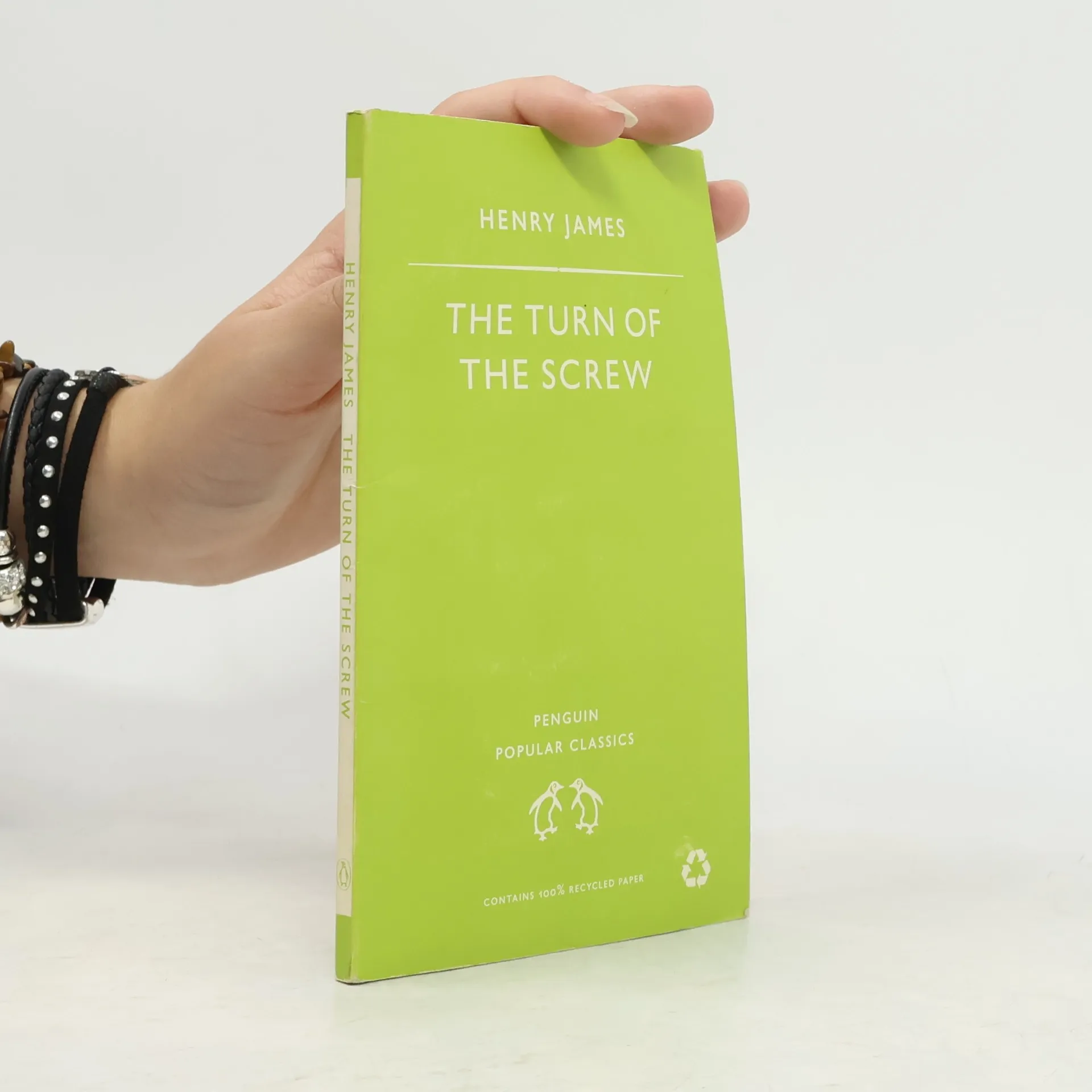
    • The Turn of the Screw

      Case Studies in Contemporary Criticism

      • 313 stránok
      • 11 hodin čítania

      The story starts conventionally enough with friends sharing ghost stories 'round the fire on Christmas Eve. One of the guests tells about a governess at a country house plagued by supernatural visitors. But in the hands of Henry James, the master of nuance, this little tale of terror is an exquisite gem of sexual and psychological ambiguity. Only the young governess can see the ghosts; only she suspects that the previous governess and her lover are controlling the two orphaned children (a girl and a boy) for some evil purpose. The household staff don't know what she's talking about, the children are evasive when questioned, and the master of the house (the children's uncle) is absent. Why does the young girl claim not to see a perfectly visible woman standing on the far side of the lake? Are the children being deceptive, or is the governess being paranoid? By leaving the questions unanswered, The Turn of Screw generates spine-tingling anxiety in its mesmerized readers.

      The Turn of the Screw
      3,4