Spirit of India
- 180 stránok
- 7 hodin čítania
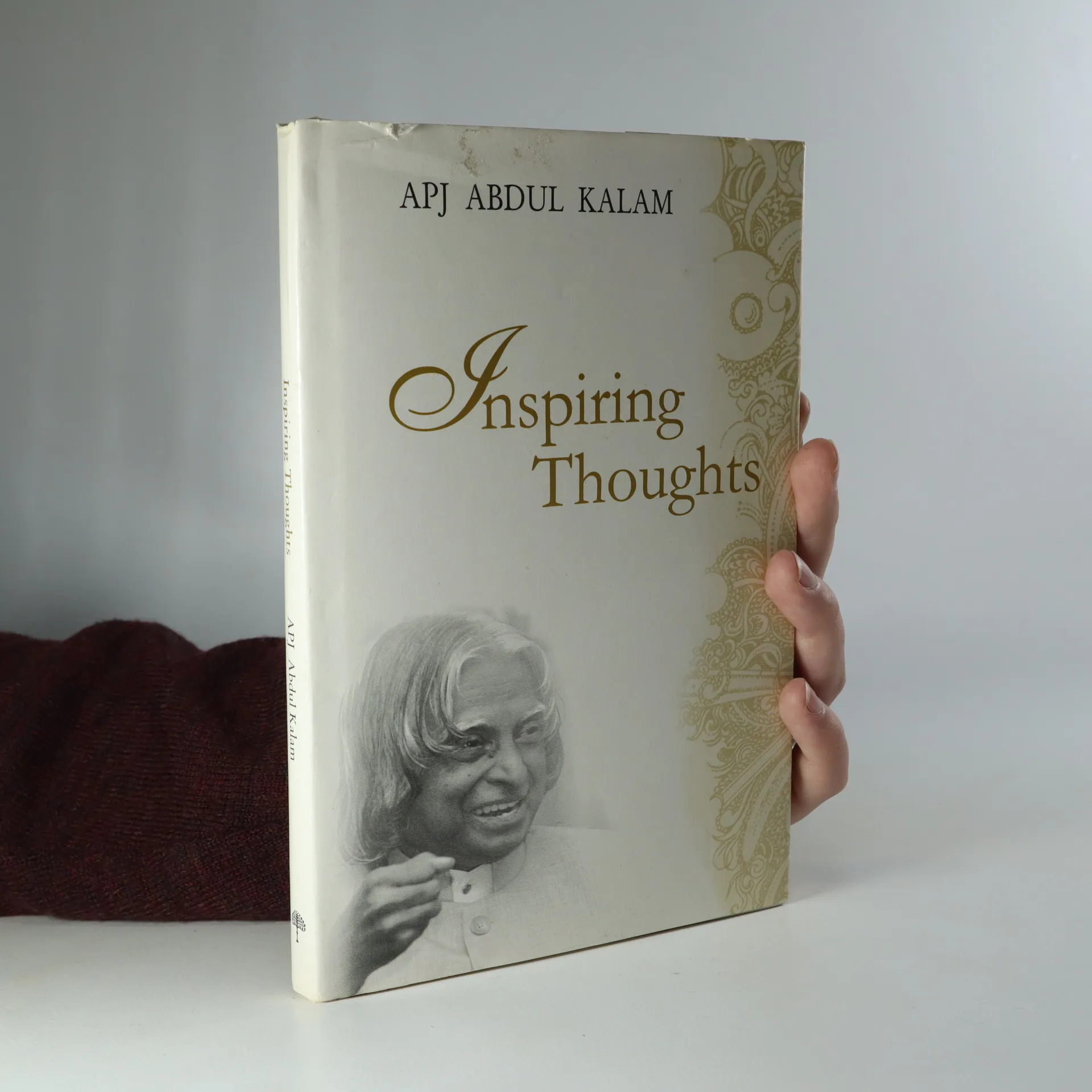
A compilation of questions and answers on building a progressive India.


Tento indický vedec, inžinier a profesor sa preslávil svojou prácou v oblasti letectva a kozmonautiky. Jeho technické a politické vedenie bolo kľúčové pri vývoji indických balistických rakiet a vesmírnych technológií, čo mu prinieslo prezývku 'raketový muž Indie'. Pôsobil ako profesor na Indickom inštitúte pre vesmírnu vedu a technológiu a ako 11. prezident Indie, kde si získal popularitu ako 'ľudový prezident'.


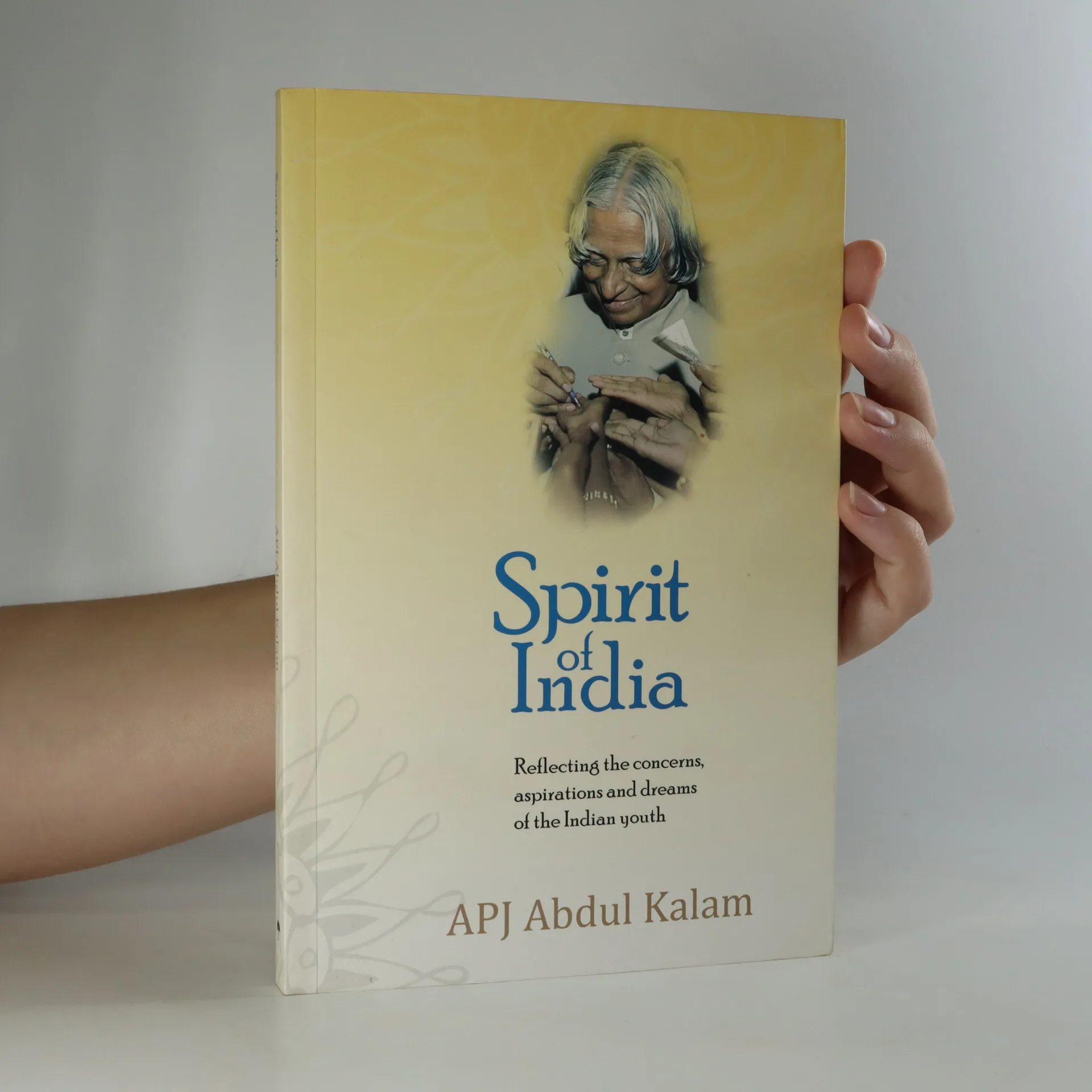
A compilation of questions and answers on building a progressive India.
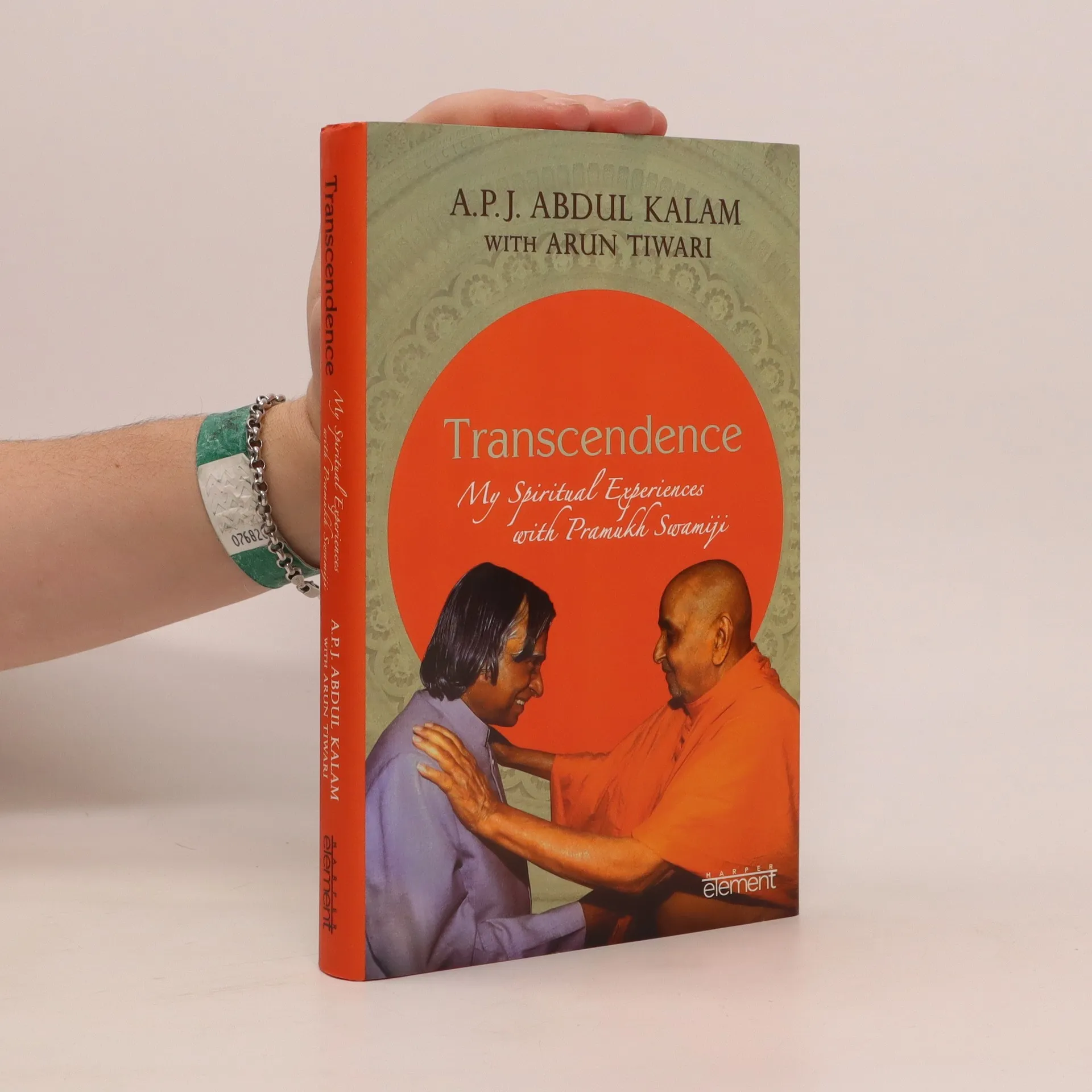
Pramukh Swamiji Maharaj, one of the most inspiring spiritual figures of modern times and the fifth spiritual successor of Bhagwan Swaminarayan, is the inheritor of a legacy of Gunatit gurus hearkening to the early nineteenth century. Pramukh Swamiji became a friend of the eleventh president of India, Dr A.P.J. Abdul Kalam. Together they created an unparalleled spirituality-science fellowship.In Transcendence, Dr Kalam and Arun Tiwari map a journey of self-realization reflected in the eyes of Pramukh Swamiji, painting a delightful fusion of spirituality, science and leadership.His candid vignettes from life on the centre stage of Indian technology and societal missions,Indian politics and world affairs are interwoven with revelations of a profound connection with Swamiji.Through the life of Pramukh Swamiji and the history of the Swaminarayan mission, Dr Kalam traces the great rise of the Indian diaspora across the world. Drawing from the lives of great scientists and creative leaders, Transcendence captures the spiritual essence of all religions and is as much a fountain of inspiration and a treasury of wisdom as it is a tribute to the multi-faith Indian society.
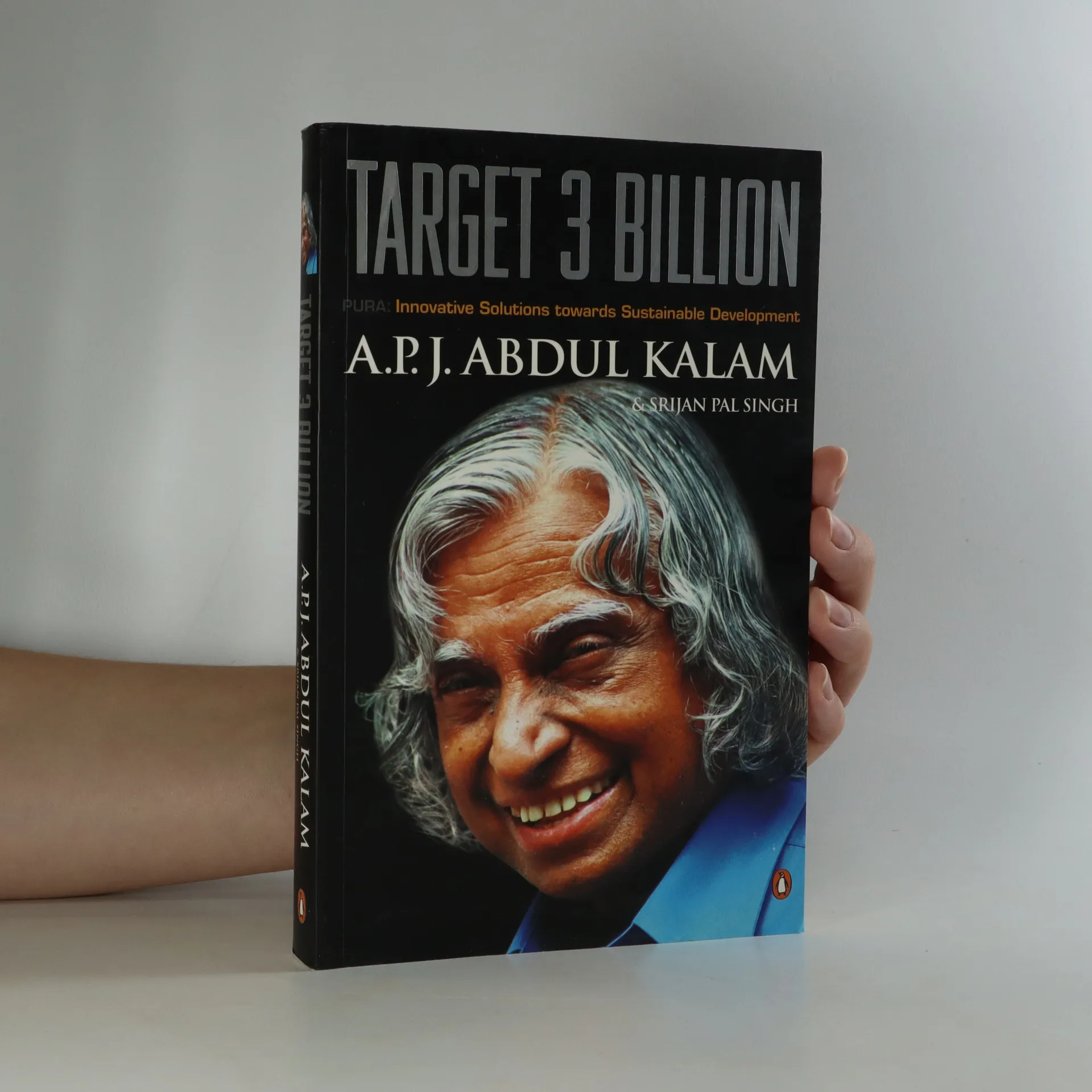
With 750 million people living in villages, India has the largest rural population in the world. Based on his Indian experience, Dr Kalam recommends a sustainable and inclusive development system called PURA—Providing Urban Amenities in Rural Areas—to uplift the rural masses not by subsidies but through entrepreneurship with community participation. To make his case, Dr Kalam cites the examples of individuals and institutions, in India and from across the world, who, with an entrepreneurial spirit and a burning desire to make a difference, have successfully generated and tapped into the potential of the rural masses. Fabio Luiz de Oliveira Rosa changed the face of the rural district of Palmares, Brazil, by acquiring for the farmers access to electricity and water, which effect combined with better agricultural methods led to an increase in prosperity and stemmed the migration to the cities The 123-strong Magar clan owned Magarpatta, a 430-acre plot on the outskirts of Pune, Maharashtra. In the 1990s, they organized and set up the Magarpatta city which is now home to over 35,000 residents and a working population of 65,000, and boasts of an IT park.
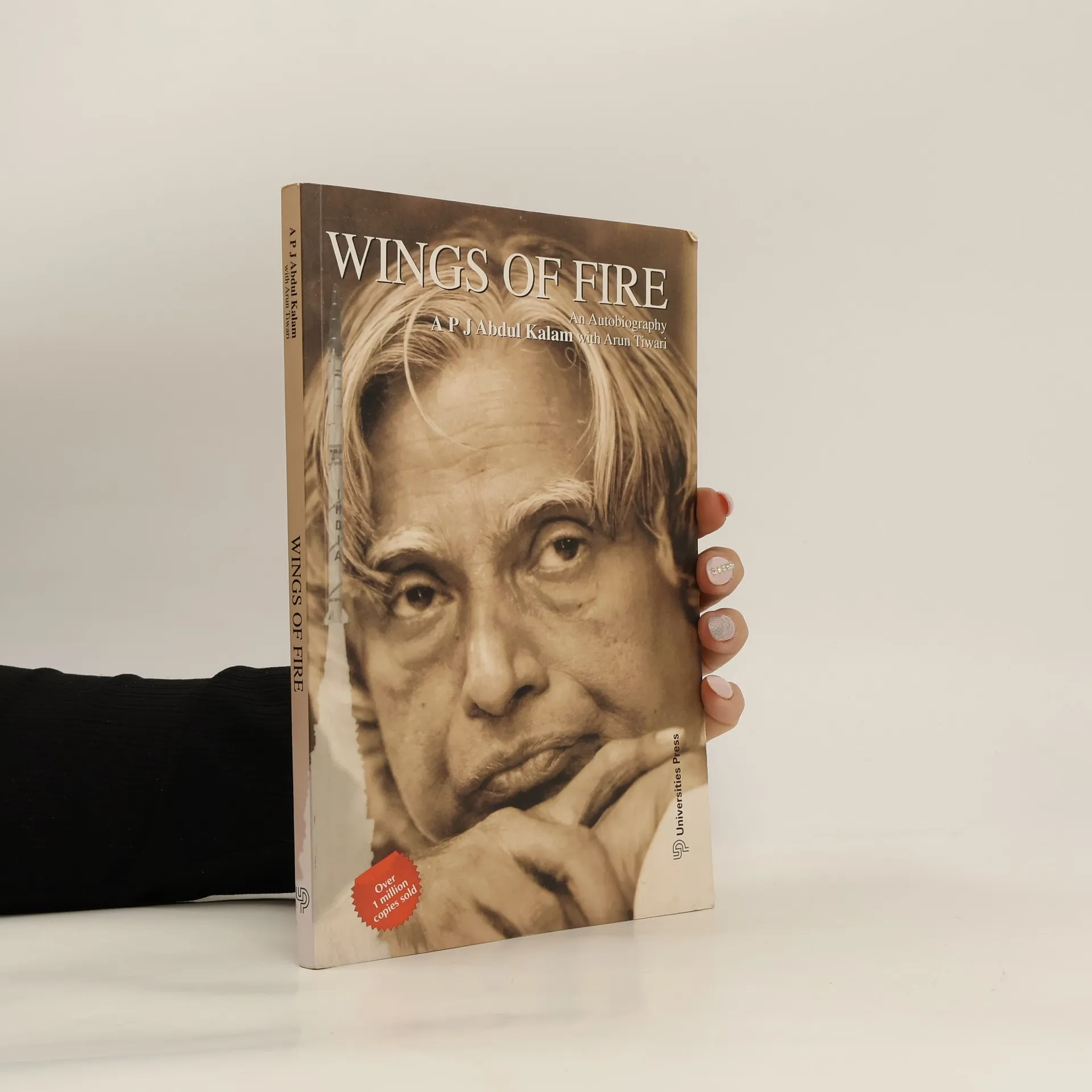
Avul Pakir Jainulabdeen Abdul Kalam, The Son Of A Little-Educated Boat-Owner In Rameswaram, Tamil Nadu, Had An Unparalled Career As A Defence Scientist, Culminating In The Highest Civilian Award Of India, The Bharat Ratna. As Chief Of The Country`S Defence Research And Development Programme, Kalam Demonstrated The Great Potential For Dynamism And Innovation That Existed In Seemingly Moribund Research Establishments. This Is The Story Of Kalam`S Rise From Obscurity And His Personal And Professional Struggles, As Well As The Story Of Agni, Prithvi, Akash, Trishul And Nag--Missiles That Have Become Household Names In India And That Have Raised The Nation To The Level Of A Missile Power Of International Reckoning.
It is not economic growth or military strength alone that make a society strong. Sustainable success comes from values, and these can sustain a society and a nation, even in times of hardship.
The inspiring sequel to Wings of Fire. Over 3 lakh copies sold. 'It was like any other day on the Anna University campus in Chennai. As I was returning to my room in the evening, the vice-chancellor, Prof. A. Kalanidhi, fell in step with me. Someone had been frantically trying to get in touch with me through the day, he said. Indeed, the phone was ringing when I entered the room. When I answered, a voice at the other end said, 'The prime minister wants to talk with you.' Some months earlier, I had left my post as Principal Scientific Adviser to the Government of India to return to teaching. Now, as I spoke to the PM, Atal Bihari Vajpayee, my life was set for an unexpected change.' Turning Points takes up the incredible Kalam story from where Wings of Fire left off. It brings together details from his career and presidency that are not generally known as he speaks out for the first time on certain points of controversy. It is a continuing saga, above all, of a journey - individual and collective - that will take India to 2020 and beyond as a developed nation.
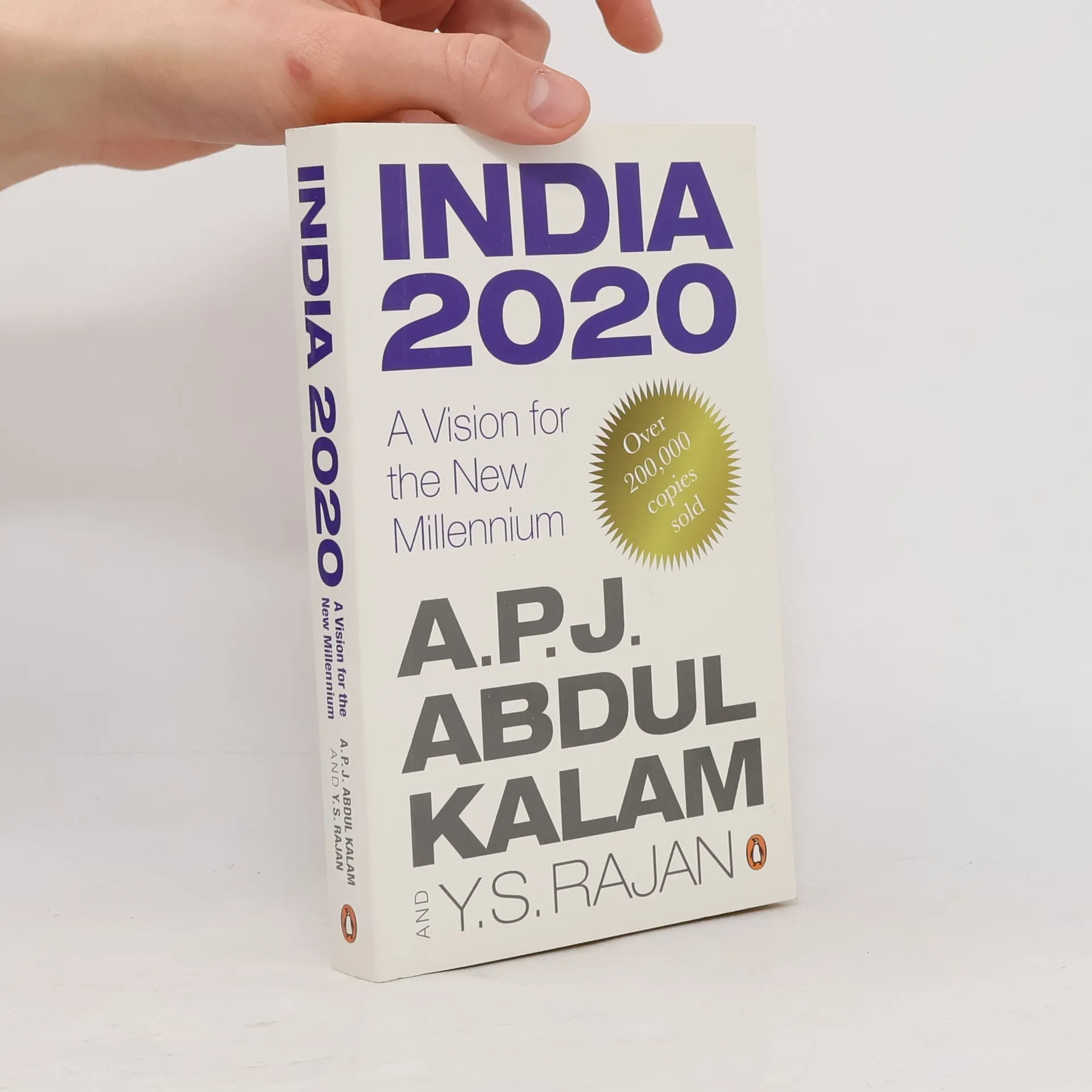
In this groundbreaking vision document, first published in 1998, Dr A.P.J. Abdul Kalam and Y.S. Rajan offer a blueprint for India to be counted among the world's top five economic powers by the year 2020. A sense of purpose can make us a prosperous, strong nation in a matter of years, assert Kalam and Rajan. This is a book that every citizen who hopes for a better India must read. 'A book of dreams rooted in reality.' Indian Express 'Combines the ideas of a visionary, the expertise of a great planner and the considered recommendations of some of India's best technology experts. ' Businessworld 'This is no ordinary book . . . It should be in all libraries and on the desk of everyone who dreams about the future of India.' Tribune