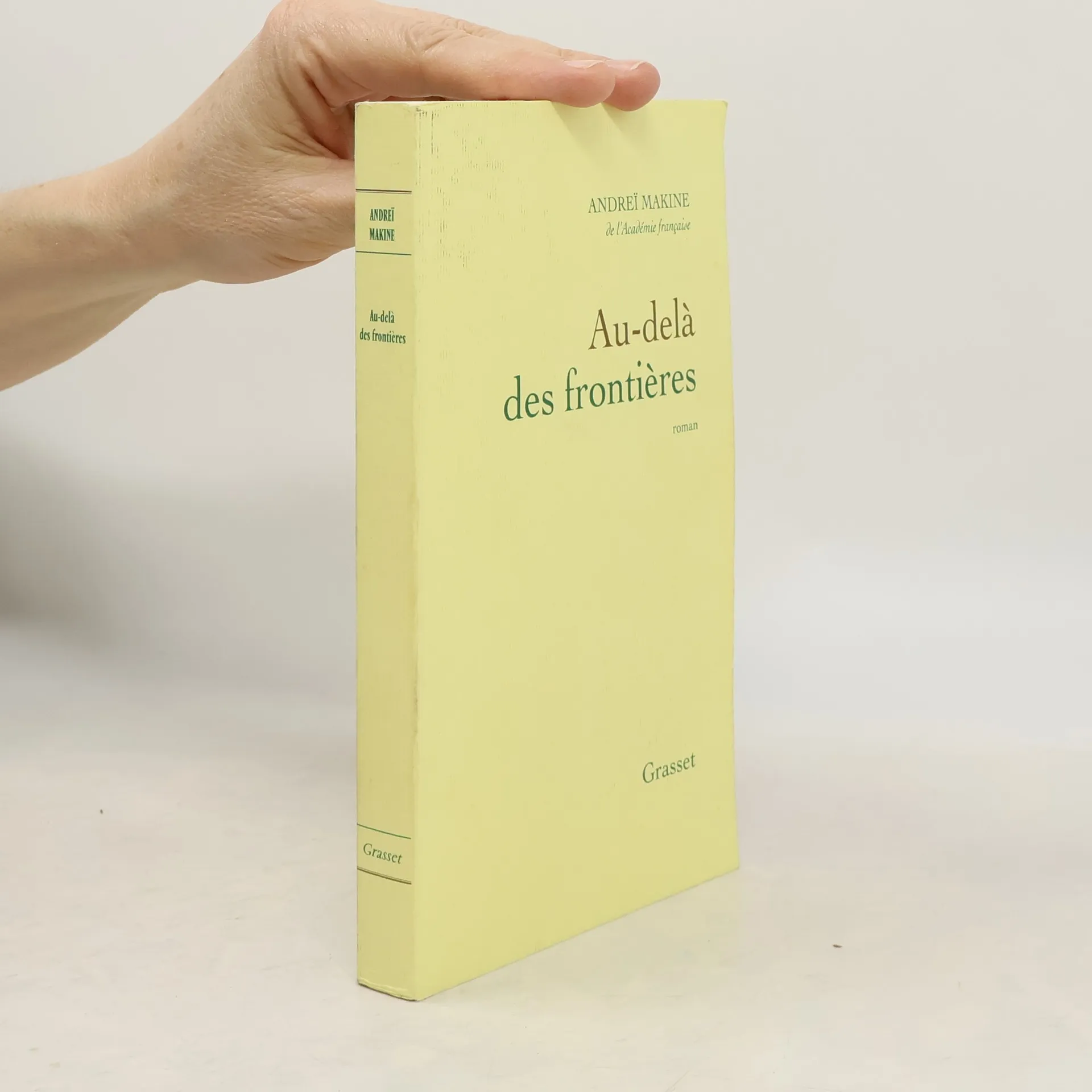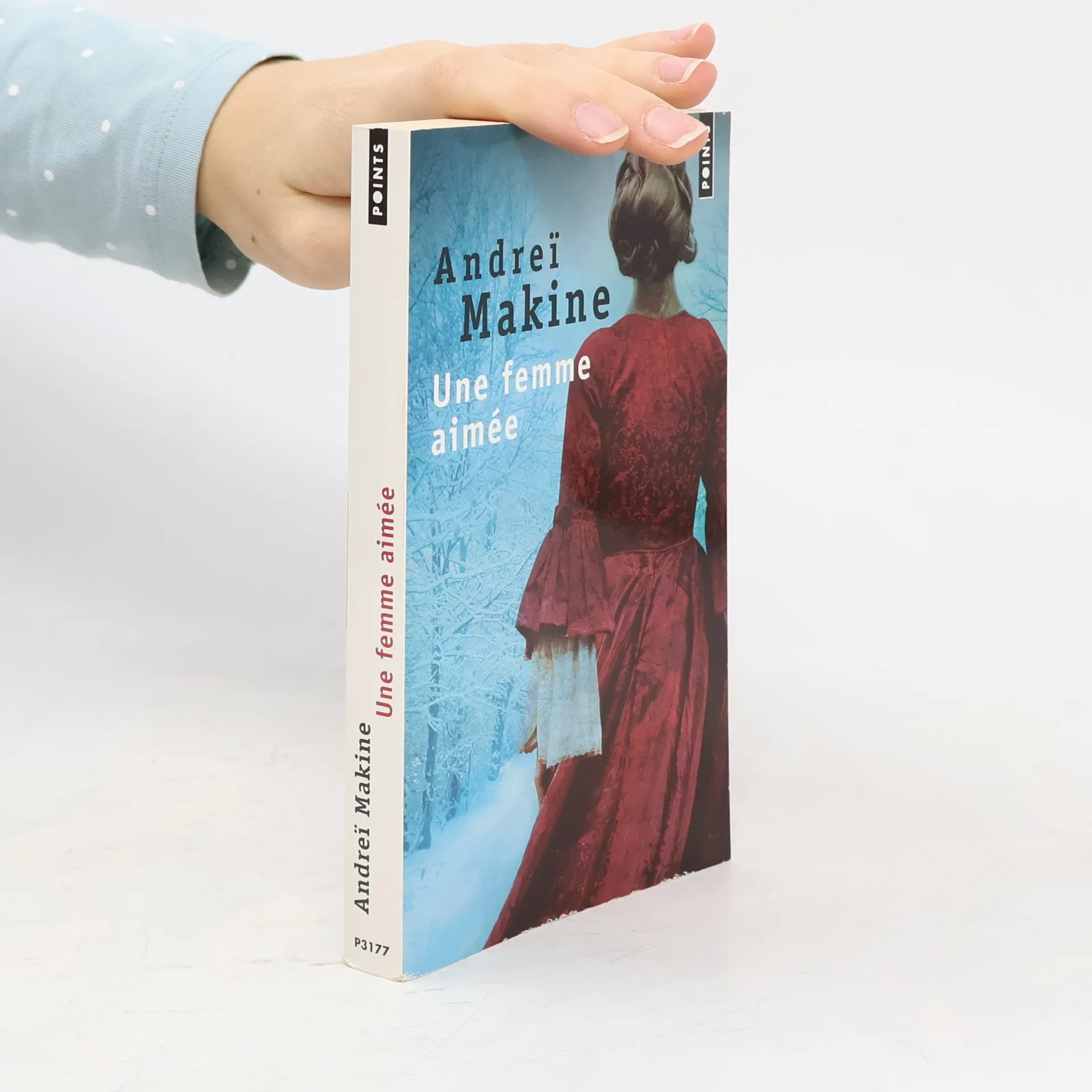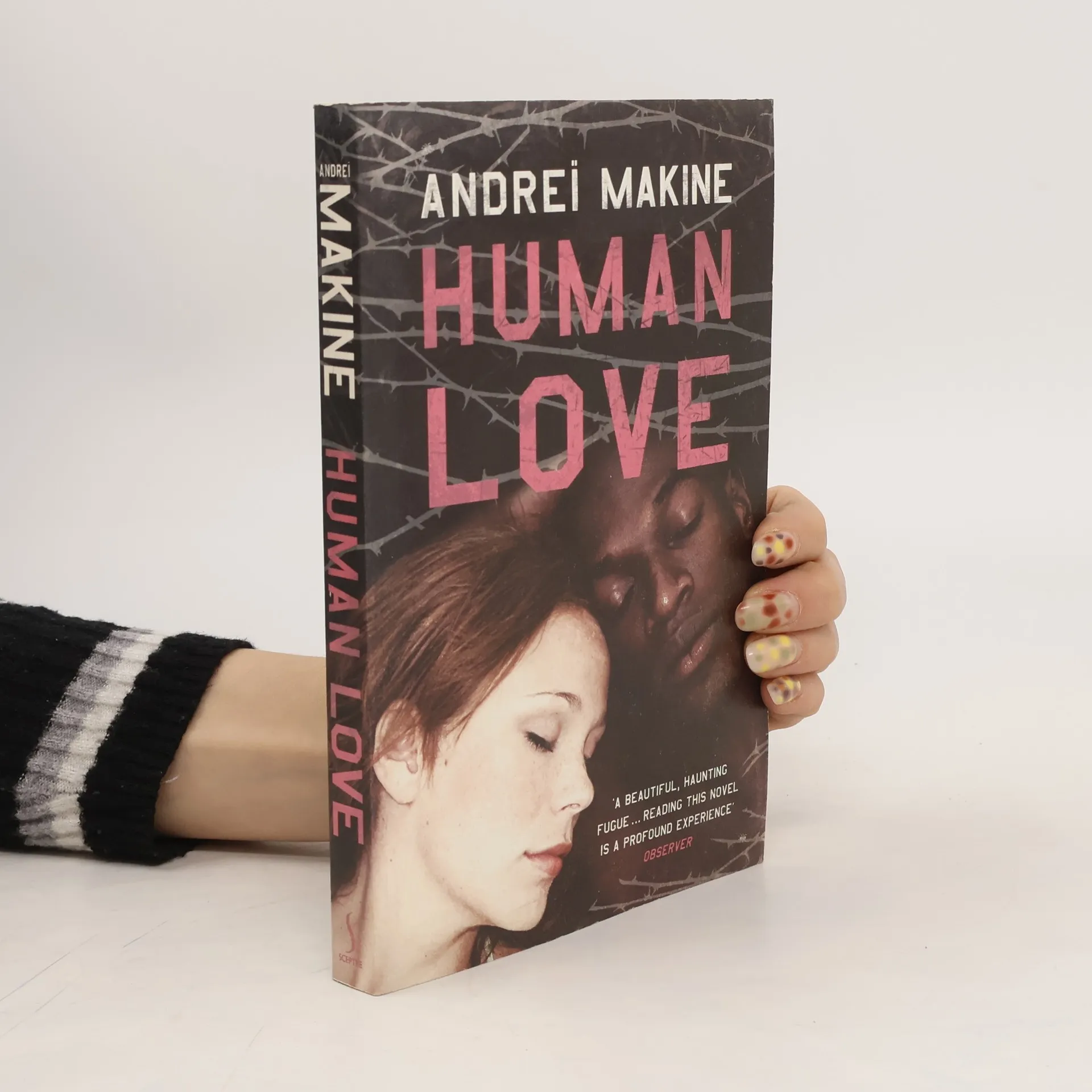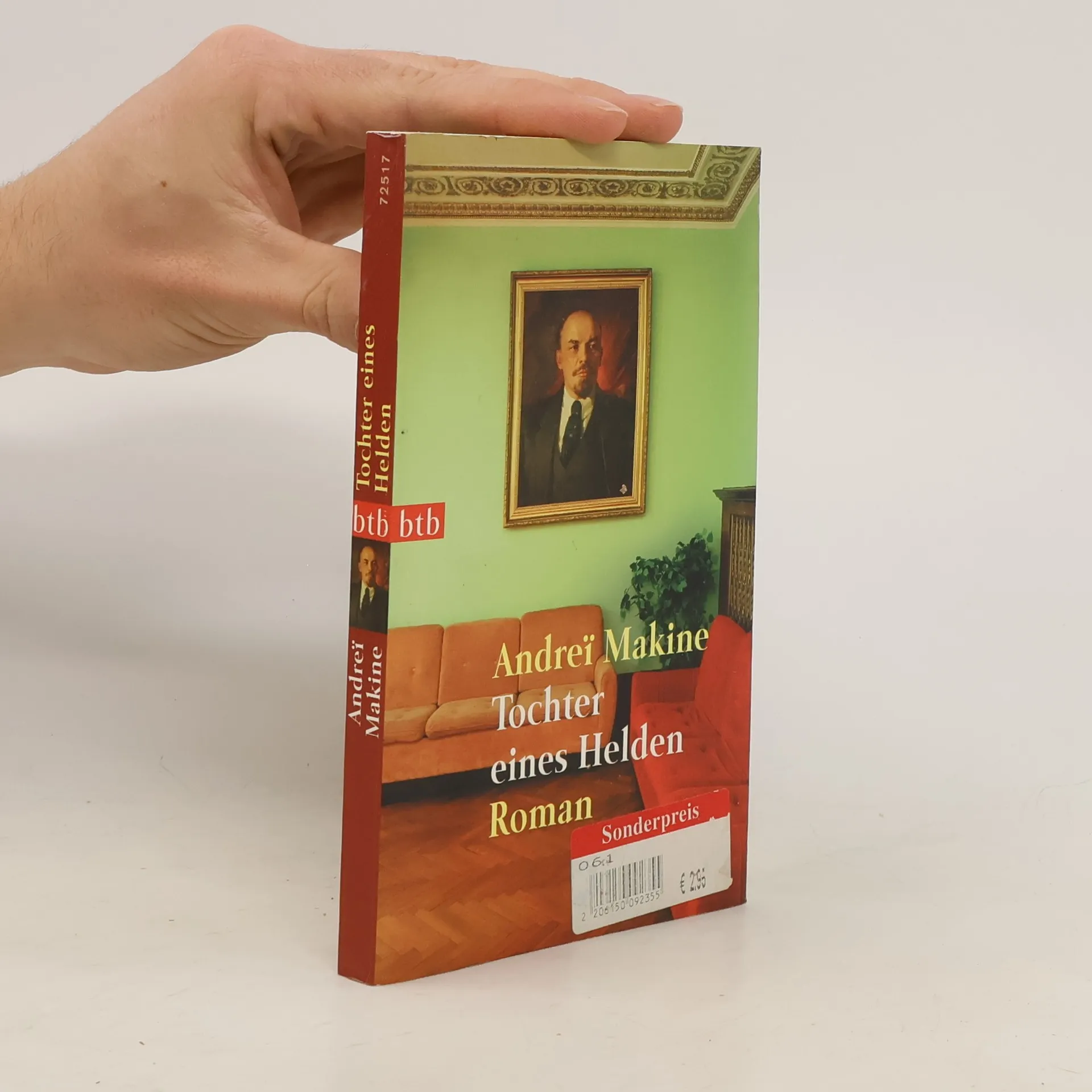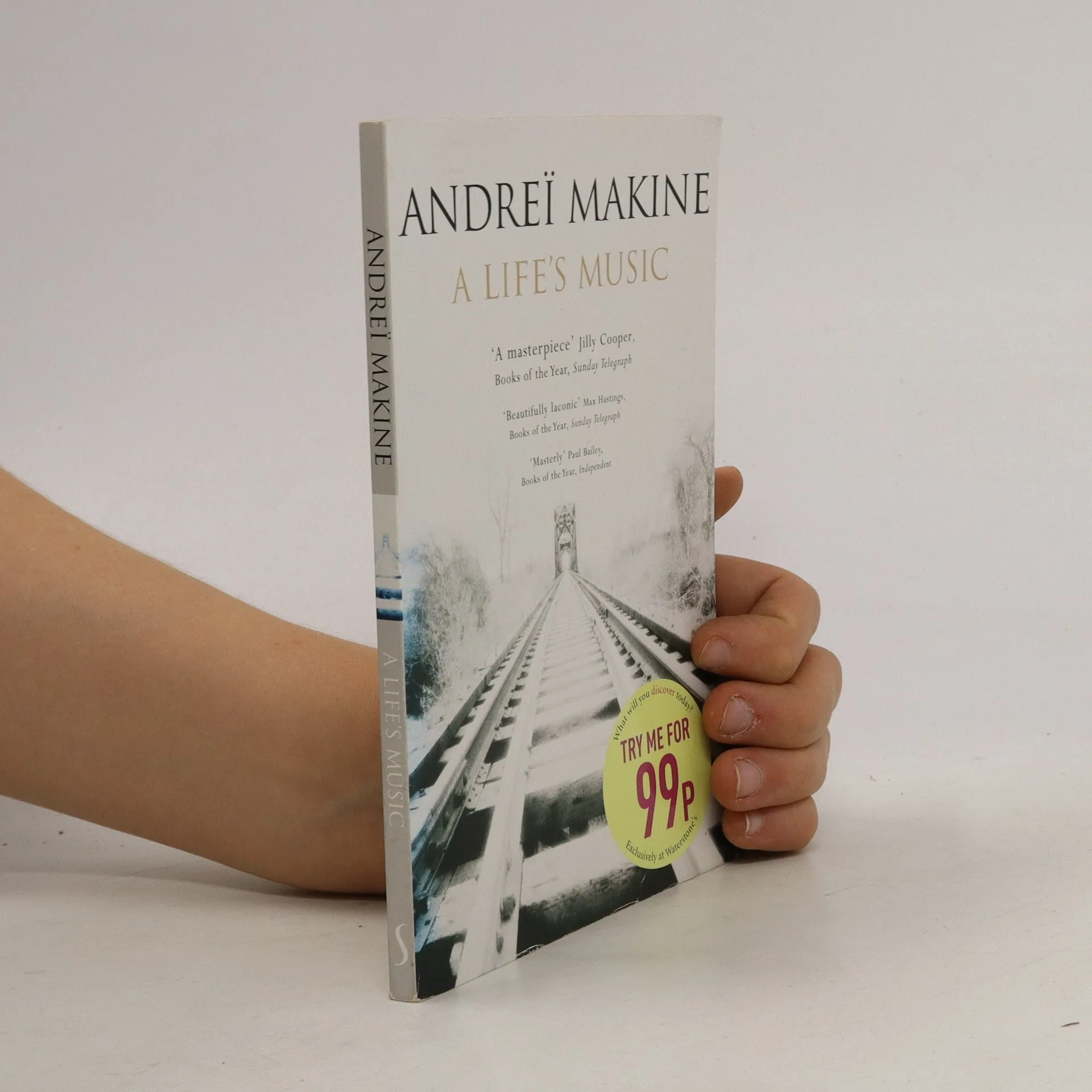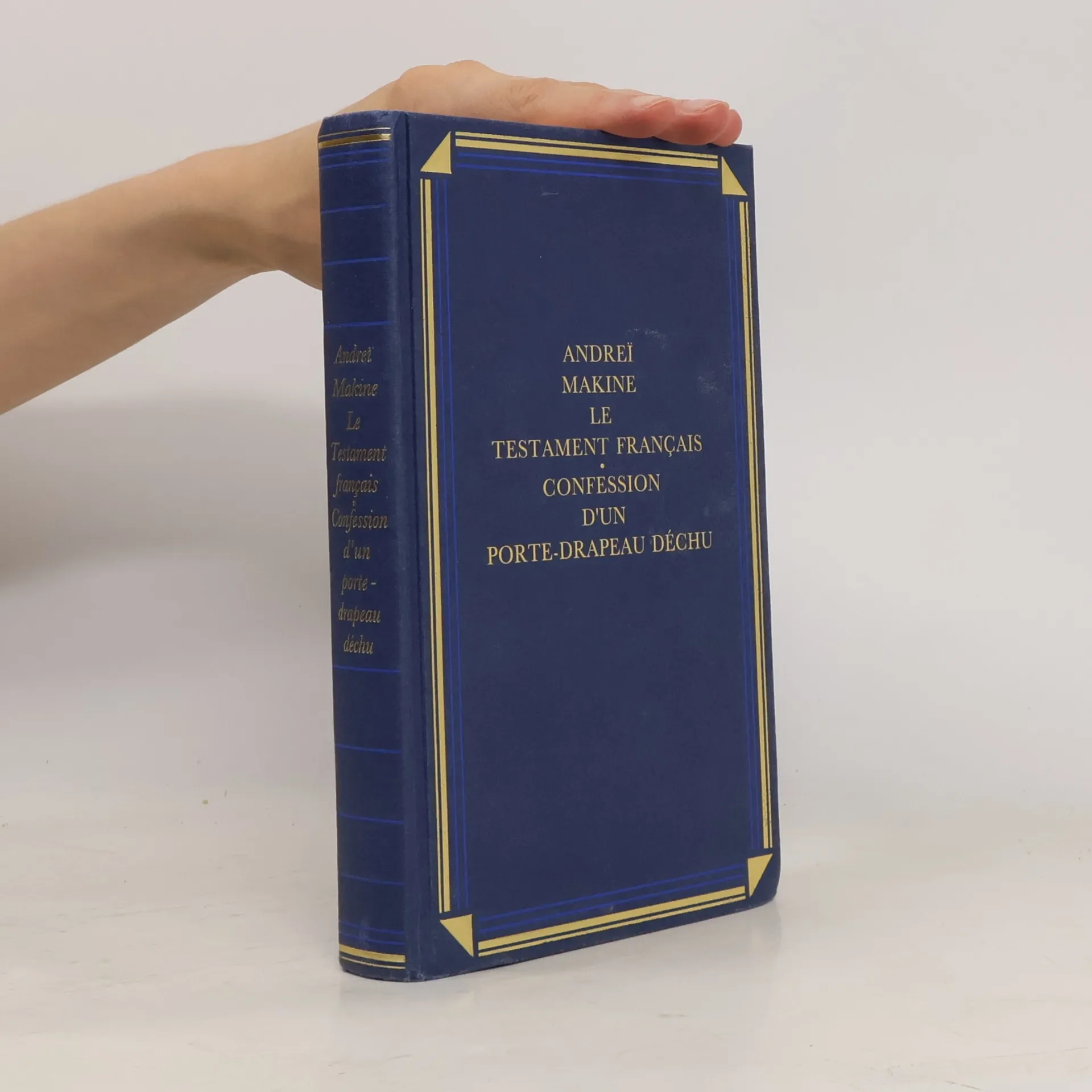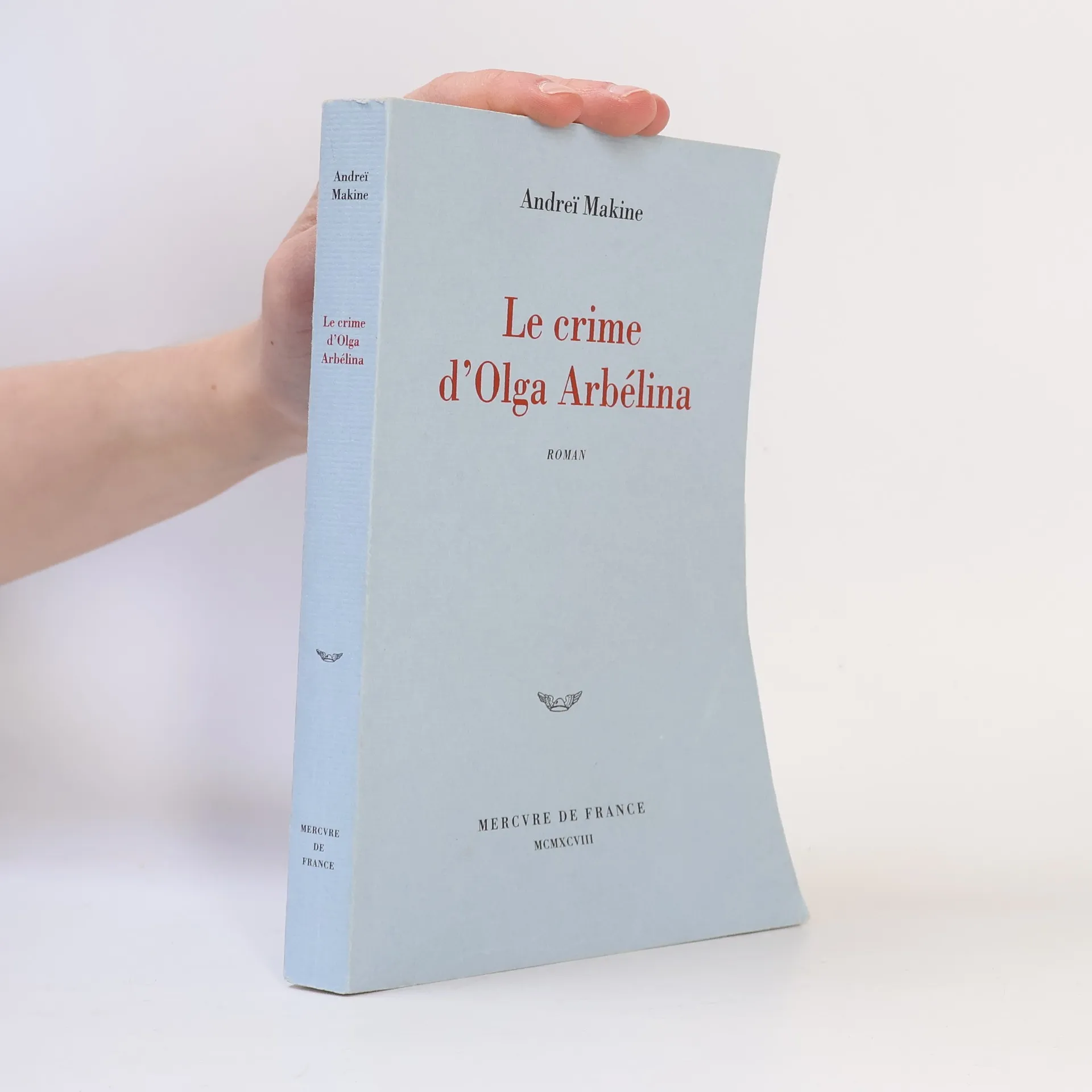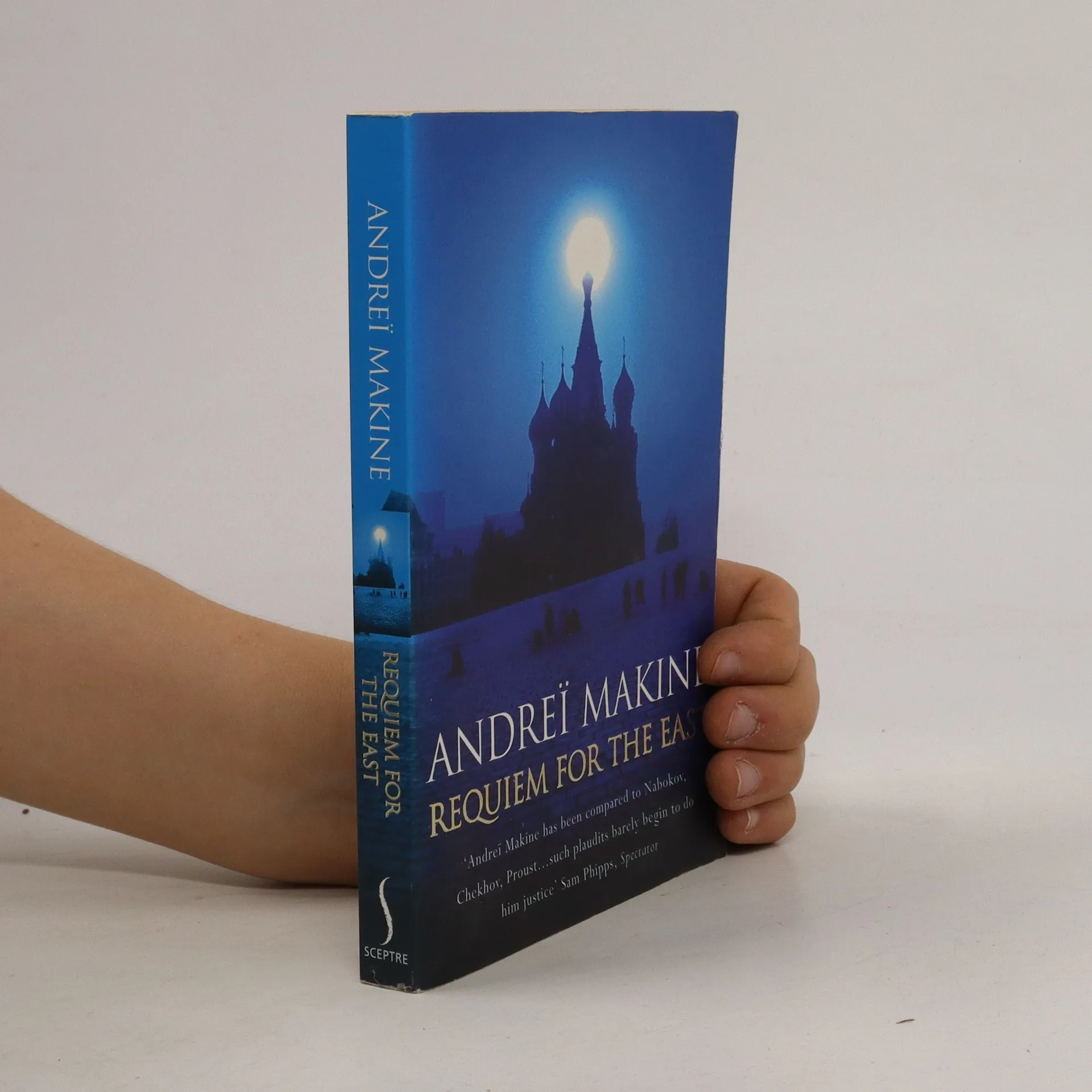
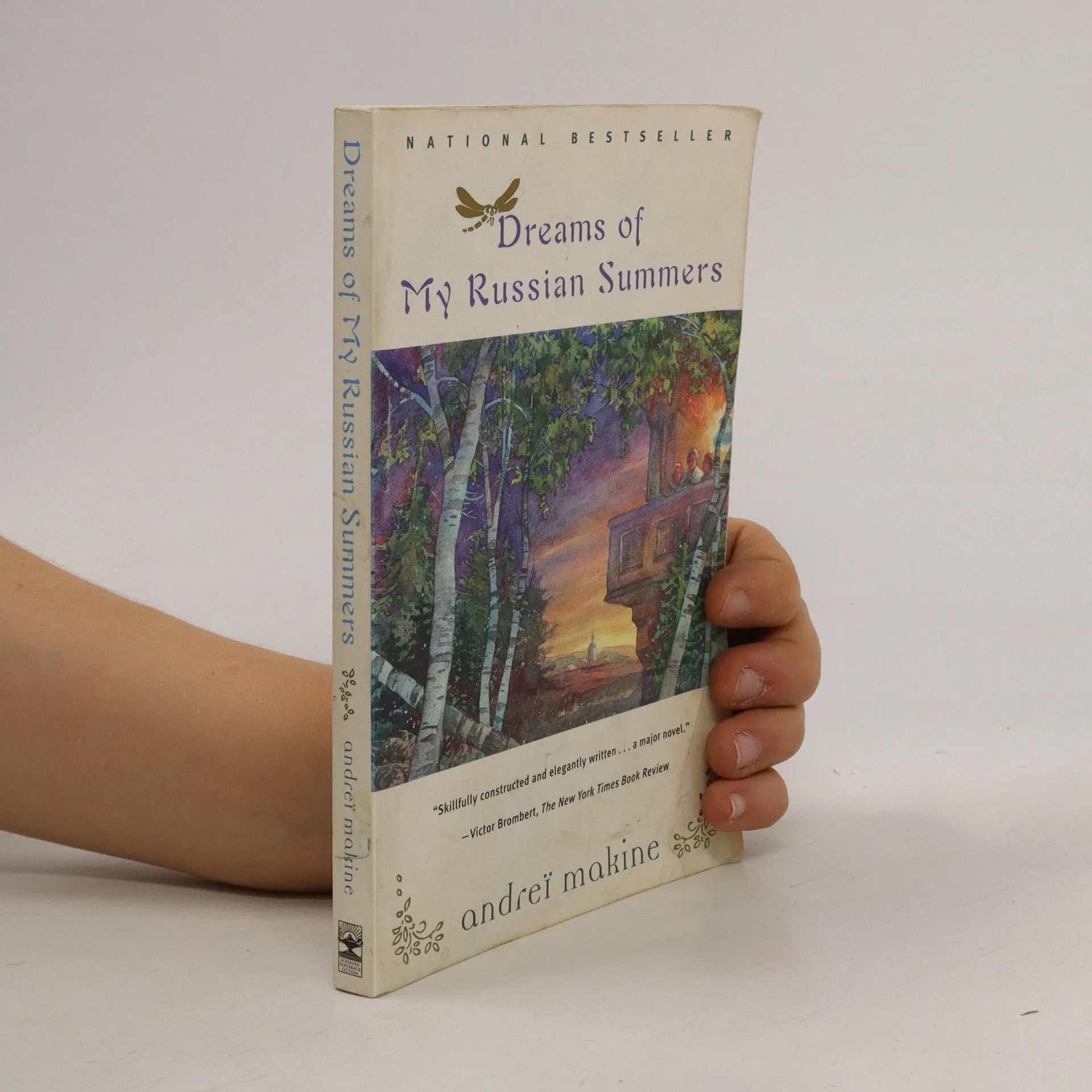
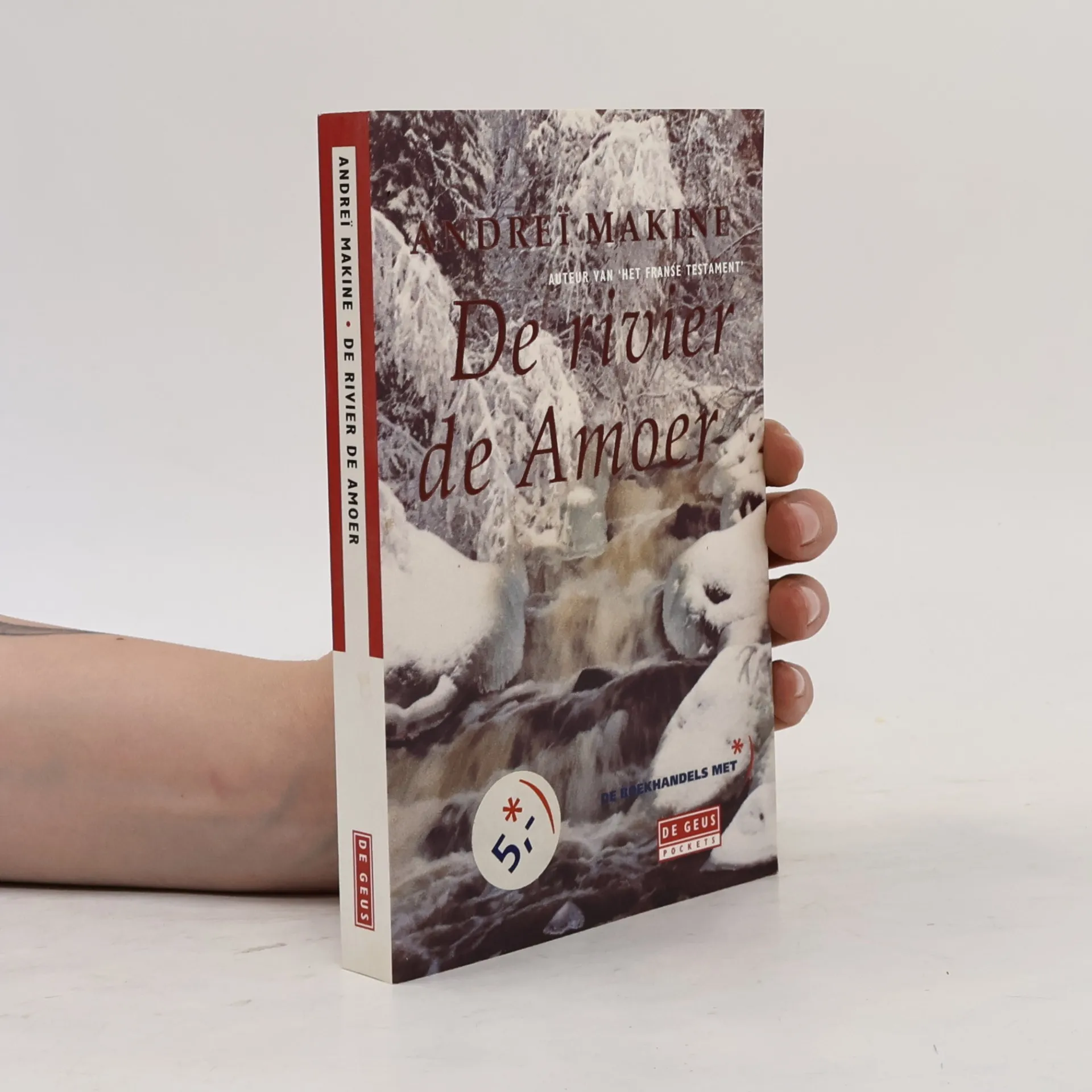
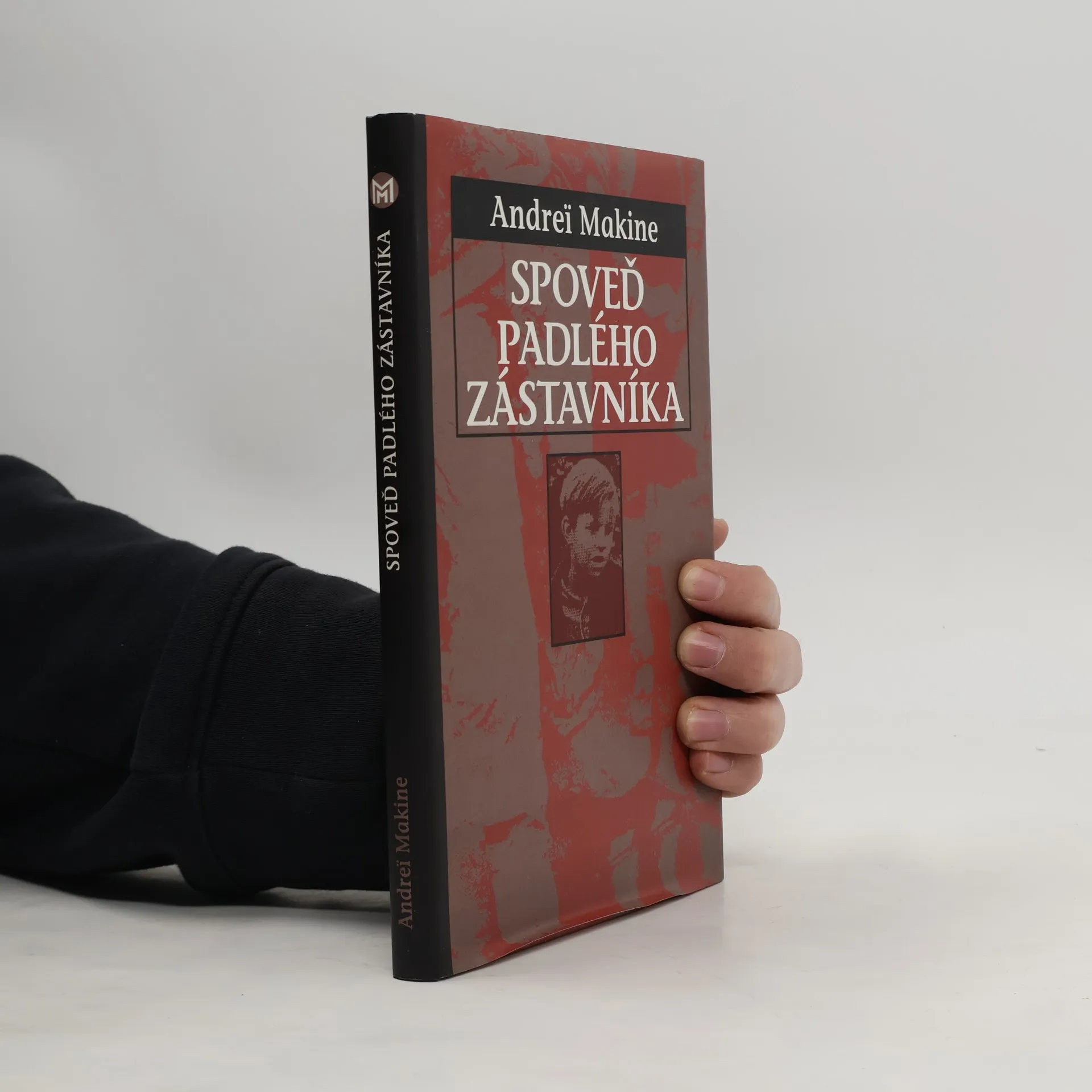
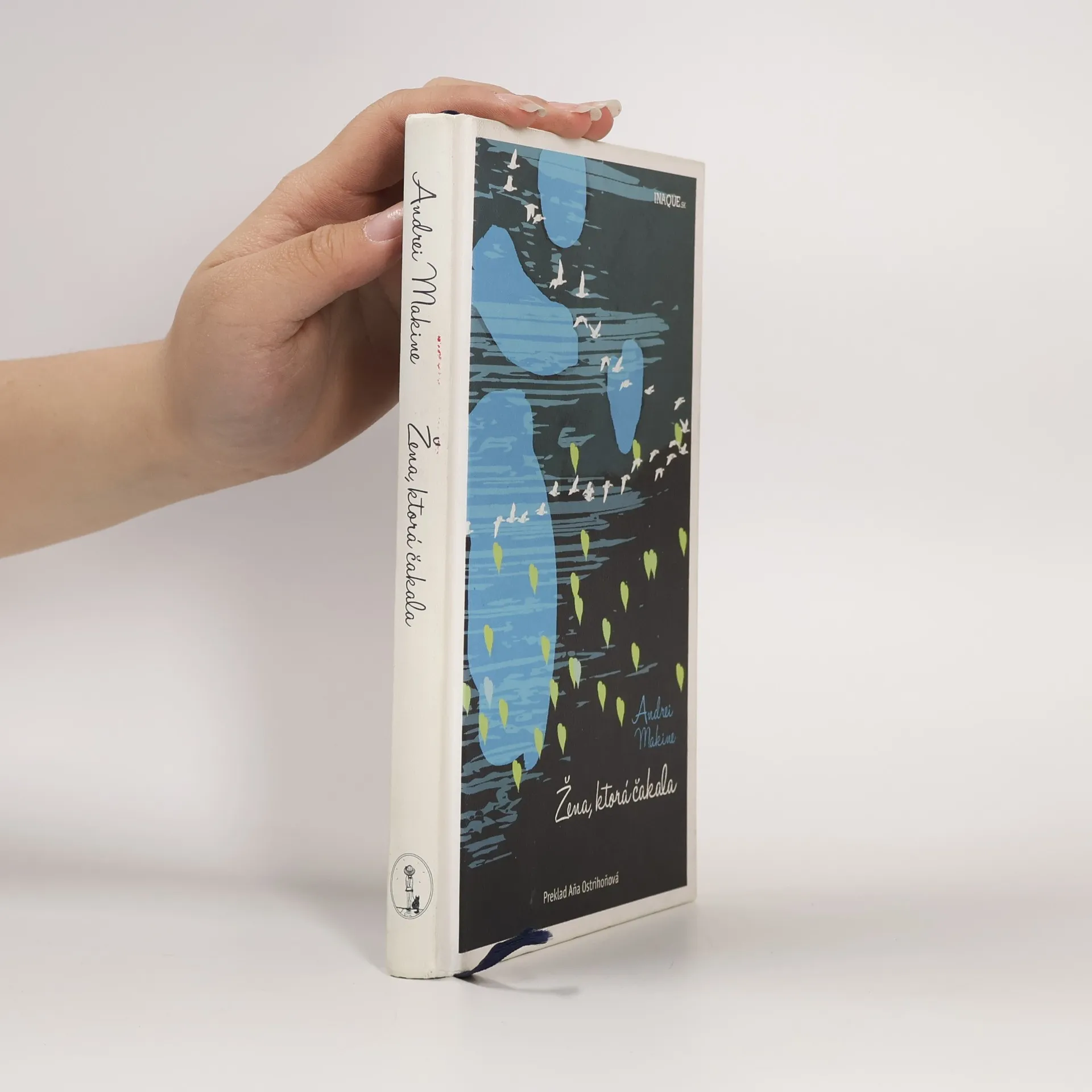
Andreï Makine, ktorý vyrastal v Sovietskom zväze a neskôr sa usadil vo Francúzsku, píše s jedinečnou citlivosťou o stretávaní kultúr a pamäti. Jeho diela, často ovplyvnené osobnou skúsenosťou exilu, skúmajú hlboké ľudské väzby a zložitosť identity v meniacom sa svete. S majstrovskou kontrolou jazyka a prenikavým vhľadom do ľudskej psychiky, Makine vytvára príbehy, ktoré rezonujú s čitateľmi naprieč generáciami a prostrediami. Jeho písanie je mostom medzi Východom a Západom, minulosťou a prítomnosťou.
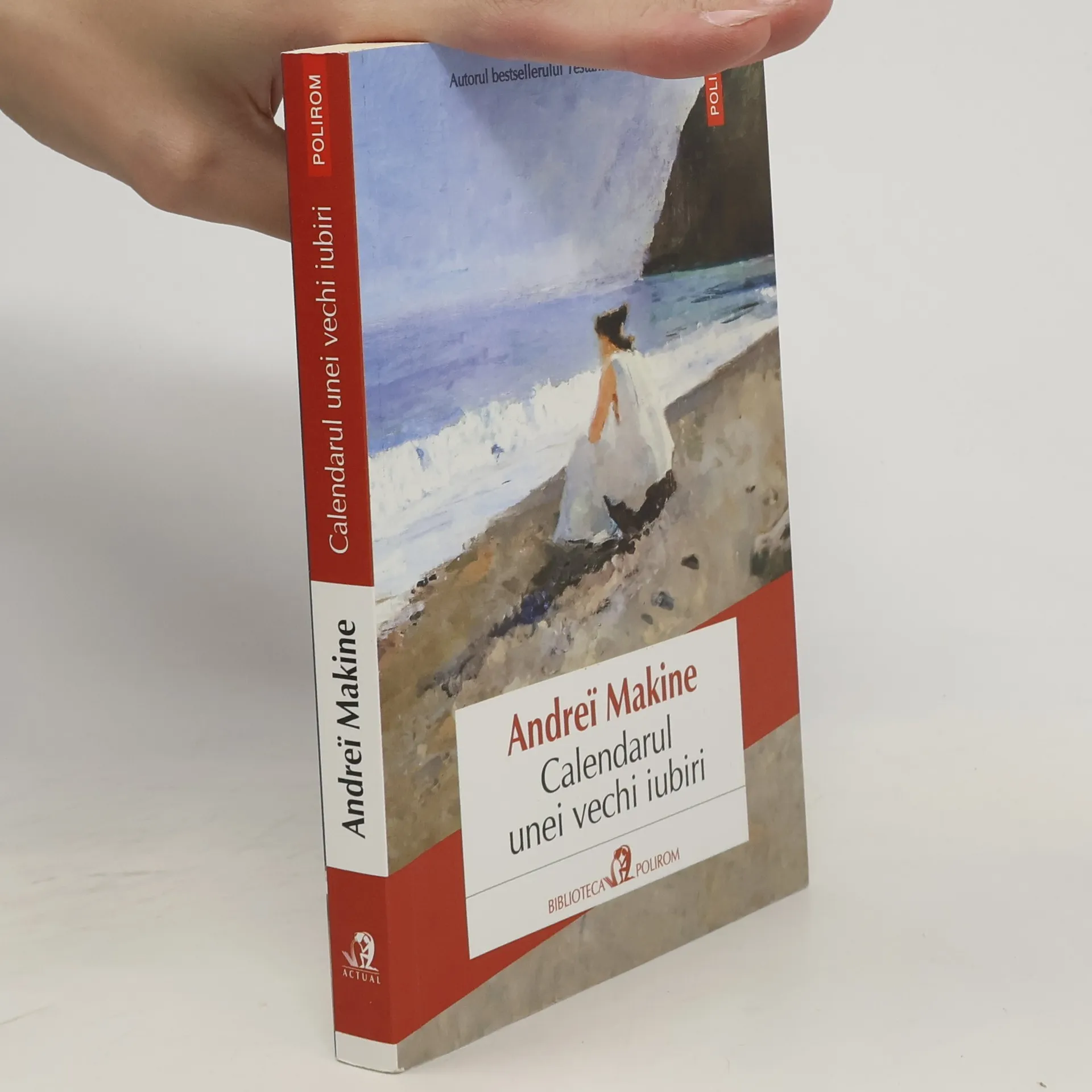
"'Qu'importe l'éternité de la damnation a celui care a găsit într-o secundă infinitul plăcerii.' (Baudelaire) Acesta ar fi spiritul acestei sagă lapidare - un secol de furie și sânge pe care Valdas Bataeff îl va traversa, confruntându-se, încă tânăr, cu evenimentele tragice ale epocii sale. În mijlocul furtunii, reușește să se desprindă de cruzimea lumii: o iubire clandestină într-o paranteză încântată, între vechiul calendar al Rusiei imperiale și noua cronologie impusă de 'constructorii viitorului strălucitor'. Capodoperă a conciziei, acest roman despre trădare, sacrificiu și răscumpărare ne readuce, la nivel uman, dramele marii Istorii: revoluții, conflicte mondiale, sfâșierea de după război. Totuși, o țesătură secretă, dincolo de comediile umane atroce, ne eliberează de influența lor și face infinită fragila brevității a unei iubiri rănite."
Set in Siberia in the 1970s during the decline of the Soviet Empire, the adult
narrator looks back on a childhood friendship formed with an Armenian boy
called Vardan. A story about how one friendship can shift our perspective and
irrevocably change our lives.
Le jeune Vivien de Lynden est obsédé par ses préjugés racistes et par la décadence de l'Occident. Il est l'auteur d'un manuscrit titré Le grand déplacement. Sa mère décide de faire publier ce brûlot politiquement incorrect après la mort de son fils et s'adresse pour cela à un ami de Gabriel Osmonde, le maître à penser de Vivien.
À Leningrad, Oleg Erdmann, apprenti cinéaste, survit en travaillant à l'abattoir. Il rêve de réaliser un film sur l'impératrice Catherine II et soumet son scénario au Comité d'État pour l'art cinématographique. Prix Casanova 2013.
Osem nevšedných poviedok francúzskeho spisovateľa ruského pôvodu Andreia Makina nás uvádza do ľúbostných príbehov odohrávajúcich sa pod dáždnikom absurdity dejín. Večná túžba po láske a krátke, prchavé lásky ovplyvňujú citové rozmary a tiesnivé vonkajšie okolnosti, no nadčasovosť témy presahuje akúkoľvek determináciu časovými obmedzeniami. Autor ironizuje paradoxy ľudských vzťahov a nie takých dávnych sovietskych dejín, elegantne sa vyhýba beletrizovanému moralizovaniu, či schématickým náhľadom na históriu ako čiernobielu šachovnicu rozdelenú na krivdiacich a ukrivdených.
„Pretože ten, kto má prísť, príde. Inak by láska bola len narýchlo vypitým pohárom vody.“
V malej dedinke pri Bielom mori, na severe Sovietskeho zväzu, Vera aj po tridsiatich rokoch ešte stále čaká na muža, ktorého miluje a ktorý v roku 1945 odišiel na front.
Rozprávač tohto príbehu, mladý, dvadsaťšesťročný spisovateľ, na jeseň roku 1975 príde z Leningradu do vzdialenej oblasti Archangeľska s úlohou napísať reportáž o miestnych zvykoch a tradíciách; reportáž, ktorú chce obrátiť na antisovietsku satiru.
Po týždňoch strávených na severe sa mu však čoraz ťažšie pozerá so sarkazmom na z veľkej časti opustené a chudobné dediny. Navyše ho čoraz viac priťahuje Vera, jej tajomstvo a nežná krása.
Prostredníctvom lyricky opísanej krásy Archangeľskej oblasti Andrei Makine rozpráva večný príbeh o ľudskom srdci a jeho schopnosti vášnivo a nesebecky milovať a zbabelo zrádzať.
Andrey Makine, Rusya'dan Fransa'ya göç etmiş bir yazardır. Bir Sovyet Kahramanının Kızı, Sovyetler Birliği'nin, İkinci Dünya Savaşı'ndan bu yana geçirdiği köklü değişimleri gözler önüne sererken, bir Rus ailesinin dramını işliyor. İvan, savaşa katılıp Sovyet kahramanı ilan edilmiş bir askerdir. Savaş bitince, hastabakıcı Tatvana ile evlenir; yeniden yapılanan ülkede kıtlıklarla, sıkıntılarla, soğukla boğuşarak kendilerine yeni bir hayat kurarlar. Kızları Olya doğar. Sahip olduğu kahramanlık nişanı ve bir Sovyet kahramanı olarak saygı görmesi, İvan için hayatta en değerli şeylerdir. Ancak savaş yıllarının anıları giderek bulanıklaşmakta, yaşanılan acılar toplum tarafından unutulmakta, ideallerin yerini maddi değerler almaktadır. Bu arada Olya büyür ve KGB ile çalışmaya başlar. Bir süre sonra İvan'ın hayatı tümüyle değişir; karısı ölmüş, kızı Olya uzaklara gitmiştir. Yirminci Yüzyılın ikinci yarısında Sovyetler Birliğinde ideallerin ölüşünü, uğruna savaşılan değerlerin çöküşünü, değişime ayak uyduramayarak yitip giden bir kuşağı lirik üslubuyla anlatan Andrey Makine, birçok eleştirmen tarafından Nabokov'la kıyaslanıyor.
Amid the ashes of the Soviet Union a Russian army doctor turned spy addresses the woman he loves - a fellow spy who has shared his shadowy life in Africa, Europe and the Middle East, but who has disappeared. The tale he unfolds spans three generations of his family, ordinary people caught up in the convulsions of the Russian empire in the twentieth century, from the civil war through the Second World War to beyond the fall of communism. It is a tale of brutality and soured dreams yet also one of altruism, tenacity and immense courage, written by a master.
Kniha Andreia Makina Spoveď padlého zástavníka je fiktívnym listom či rozprávaním ruského emigranta, žijúceho vo Francúzsku, priateľovi z detstva, s ktorým vyrastal v jednom dome a o ktorom sa dozvedel, že sa vysťahoval do USA. Rekonštruuje v nej zážitky svojich rodičov a iných príbuzných, udalosti a spomienky na dospievanie v sovietskom Rusku.
Readers of Andrei Makine's previous novel, Dreams of My Russian Summers , will recognize similar themes in Once upon the River Love : characters living in the vast isolation of the Siberian steppes; an elderly woman with memories of Paris, and, most of all, the power of imagination in young children's lives. In Makine's second novel, three adolescents come of age in the Soviet Union in the mid-1970s. The narrator, Alyosha, and his two friends, Samurai and Utkin, live in Svetlaya, a remote village "reduced to three essential matters: timber, gold, and the chill shadow of the camp. It was beyond us to imagine our futures unfolding outside these three prime elements." Impossible to imagine, that is, until the French actor Jean-Paul Belmondo enters their lives. Into a wintry world of snow and ice, of spiritual paucity, loveless coupling, and quiet despair Belmondo flashes his insouciant smile, vanquishes enemies, seduces willing beauties, and faces every danger with panache. The effect is earth-shattering. "On the whole, we understood little of the universe of Belmondo.... But we perceived the essential: the surprising freedom of this multiple world, where people seemed to escape those implacable laws that ruled our own lives, from the humblest workers' canteen to the imperial hall of the Kremlin, not forgetting the silhouettes of the watchtowers fixed over the camp." What would be an imminently forgettable film in the West becomes a beacon to the three boys; suddenly, the world is much bigger than the frozen Siberian taiga and each boy sees some part of Belmondo in himself: Alyosha the lover, Samurai the warrior, Utkin the poet. Makine's novel is framed with short sections at beginning and end that are set in Brighton Beach, New York, 20 years later. We learn, briefly, what has happened to these young men--and in the disparity between the reality of their destinies and the heroism of their youthful imaginings lies both the irony and the heartbreak of Once upon the River Love --Alix Wilber
Barcelona. 22 cm. 268 p. Encuadernación en tapa dura de editorial con sobrecubierta ilustrada. Makine, Andrei 1957-. Traducción de Javier Albiñana. Traducción de: Le testament français .. Este libro es de segunda mano y tiene o puede tener marcas y señales de su anterior propietario. ISBN: 84-226-6565-4
In una cittadina russa al confine con la steppa siberiana, un'anziana signora narra la sua vita a un giovane russo, creando un legame profondo. Charlotte, la nonna francese del ragazzo, condivide aneddoti storici e personali sulla Francia, descritta come una favolosa "Atlantide" che cattura l'immaginazione del giovane. Rievoca il suo esilio in Russia, la rivoluzione e la guerra, rivelando il suo intenso passato attraverso una valigia piena di oggetti, che diventa una scatola magica della memoria. Nei suoi racconti, il giovane apprende a conciliare due radici, due lingue e due identità, mentre l'anima di una Russia senza limiti si intreccia con il suo senso di appartenenza a un mondo diverso. Le parole di Charlotte sciolgono il dramma di chi non può avere un'unica visione della vita, e nella mente del narratore realtà e sogno si fondono in un messaggio di saggezza e amore, che diventa la sua preziosa eredità. Pubblicato nel 1995 in Francia, il libro ha riscosso un enorme successo, vincendo i prestigiosi premi Prix Medicis e Prix Goncourt, e ricevendo l'acclamazione della critica, mantenendosi per settimane ai vertici delle classifiche di vendita.
This international bestseller has been translated into 26 languages and is the first work to win both of France's top literary honors. "A masterpiece. . . . Makine belongs on the shelf of world literature--between Lermontov and Nabokov, a few volumes down from Proust".--"The Atlanta Journal".
Une princesse russe, un réfugié de les bolcheviks, abandonnée par un mari infidèle, fuit avec son enfant vers la France, où elle est ensuite retrouvée à moitié nue sur la rive d'une rivière à côté d'un corps d'un homme avec une terrible blessure à la tête.