
Michail Šiškin je ruský spisovateľ, ktorého próza je uznávaná pre svoju jedinečnú štylistickú brilantnosť. Jeho jazyk, opisovaný ako „úžasne jasný a stručný“, nadväzuje na tradíciu Puškina, pričom sa nebojí skúmať univerzálne témy ako smrť, zmŕtvychvstanie a láska. Šiškinove príbehy sa často zameriavajú na univerzálne ľudské skúsenosti, inšpirované jeho obdivom k velikánom ako Tolstoj, Čechov a Bunin, ktorí ho naučili umeleckej nekompromisnosti, ľudskosti a odvahe byť naivný. Jeho diela, ovplyvnené klasikou, napriek tomu pôsobia sviežo a originálne.
This debut novel introduces readers to the work of Russia's leading contemporary author, now available in English for the first time. It promises a unique perspective and rich storytelling that reflects the complexities of modern Russian life and culture. The narrative explores profound themes and character dynamics, showcasing the author's distinctive voice and literary prowess.
Michail Šiškin, ruský autor žijúci vo Švajčiarsku, vo svojej novej knihe tvrdí, že Rusko nie je „hádankou zabalenou v záhade", len o ňom nevieme dosť. Aký je teda skutočný príbeh Putinovho autokratického režimu a jeho invázie na Ukrajinu? Autor sa vydáva do histórie a sleduje korene ruských problémov od Kyjevskej Rusi cez Moskovské veľkokniežatstvo, cárske Rusko, revolúciu, Sovietsky zväz a studenú vojnu až po súčasnú Ruskú federáciu. Skúma znepokojujúci vzťah medzi štátom a občanmi, vysvetľuje ruský postoj k ľudským právam a demokracii a tvrdí, že v skutočnosti existujú dva ruské národy: jeden rozčarovaný a nespokojný, trpiaci „otrockou mentalitou", a ten, čo vyznáva európske hodnoty a snaží sa postaviť útlaku. Bude Rusko pokračovať v bludnom kruhu prevratov a autokracie alebo sa mu podarí z neho vymaniť - a ako v tom môžeme jeho obyvateľom pomôcť?
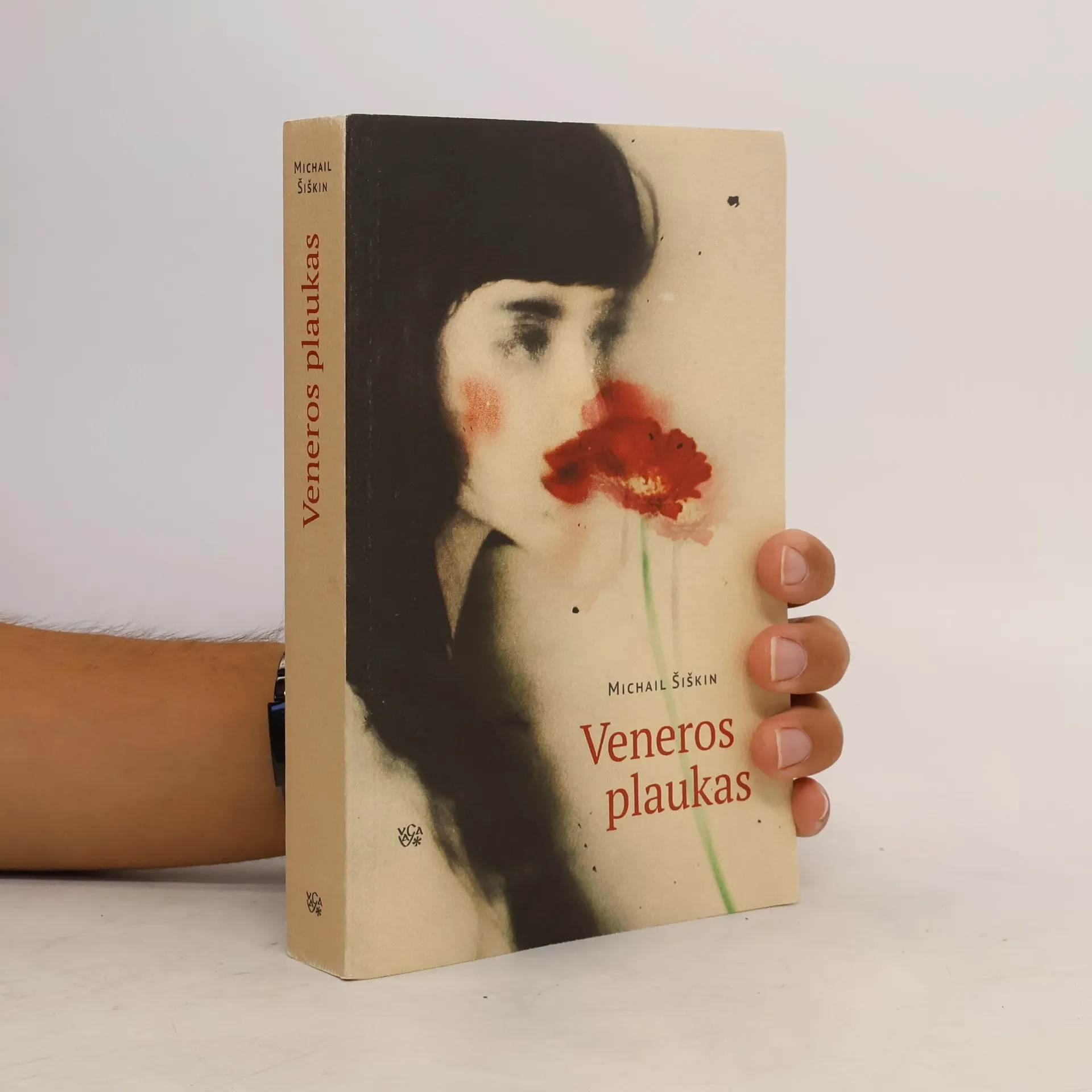
Day after day the Russian asylum-seekers sit across from the interpreter and Peter - the Swiss officers who guard the gates to paradise - and tell of the atrocities they've suffered, or that they've invented, or heard from someone else. These stories of escape, war, and violence intermingle with the interpreter's own reading: a history of an ancient Persian war; letters sent to his son Nebuchadnezzasaurus,' ruler of a distant, imaginary childhood empire; and the diaries of a Russian singer who lived through Russia's wars and revolutions.'
Picture two people, young and in love. Picture them being separated from one another. Picture them keeping their love alive through letters. So far, so simple. Now imagine they've not just been separated geographically, but also historically. Imagine that their love and letters now defy time and place, life and death. By now you realize that this novel is unique. And, when you learn how it has made Russian literary-prize history, and has to-date been sold in twenty-two languages, you begin to sense just how unique…