
The analysis of knowledge and belief has sparked extensive discussions in philosophy and linguistics, particularly regarding the semantics of attitude verbs that express thoughts about the Self. A key question arises: what is the content of my belief when I think that I am tired? Philosophers have proposed differing views, with some suggesting it is a proposition and others arguing it is a property. This essay critiques these existing proposals as inadequate. Property theorists exclude the subject of the predicate "tired," resulting in an incomplete analysis. Propositionalists struggle with pronouns referring back to the subject, as seen in "Wolfgang believes he is tired." The new proposal introduced here suggests that a conscious individual possesses a unique Logical Space, differing from the standard model by including the Self as the target of self-referential thoughts. This Logical Space accommodates linguistic errors, allowing subjects to misidentify names or fail to align the Self with its bearer. In contrast, reference to the Self remains immune to misidentification, exemplifying brute indexicality. Consequently, de se pronouns act as rigid designators in Kripke's sense. The essay addresses various puzzles of reference failure and examines implications for the semantics of attitude reports and possible world semantics.
Wolfgang Sternefeld Knihy
25. marec 1953


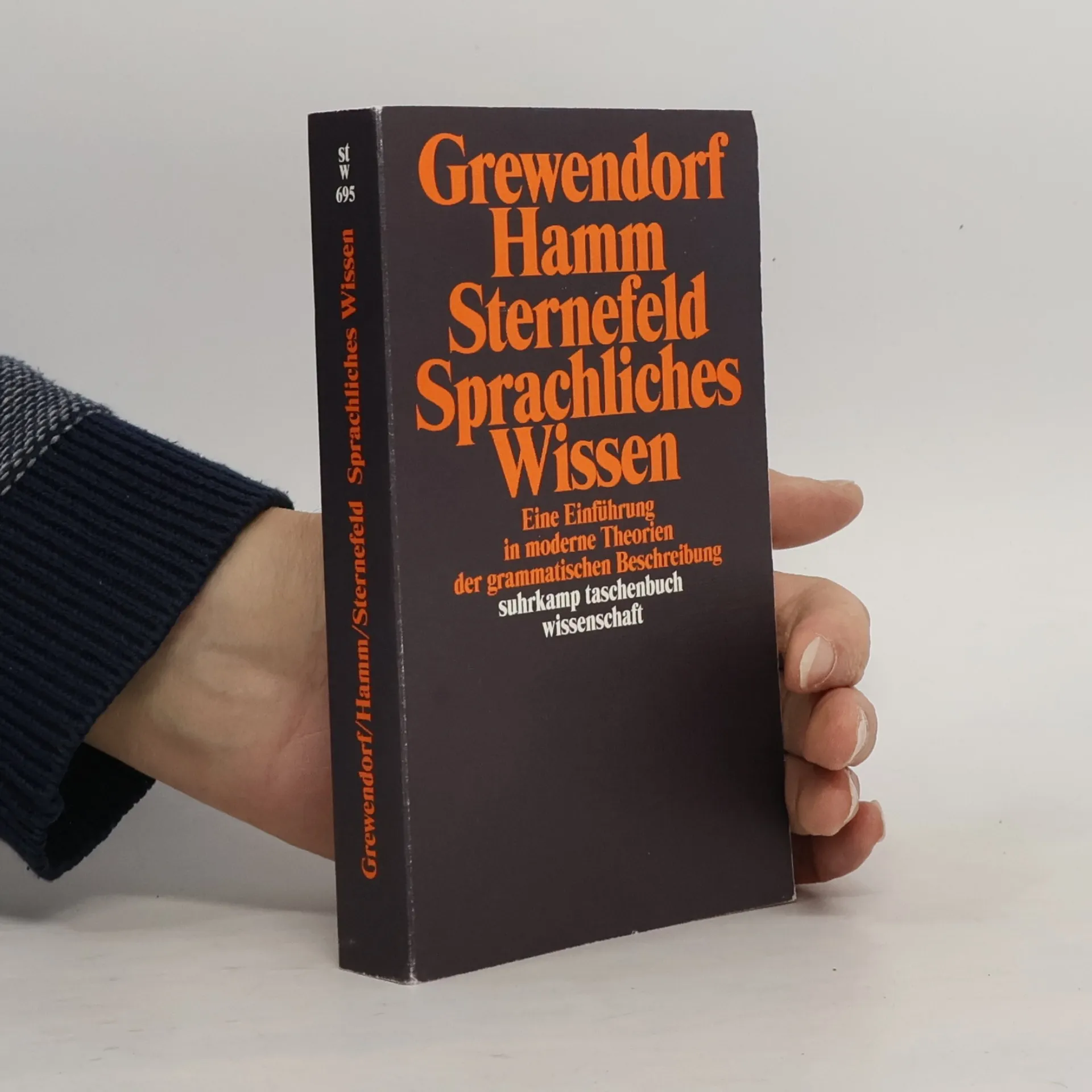
Sprachliches Wissen
Eine Einführung in moderne Theorien der grammatischen Beschreibung
Die vorliegende Monographie bietet eine systematische, gut verständliche Einführung in die neuesten Entwicklungen der strukturellen Beschreibungsmittel. Die Entwicklung der modernen Linguistik in Richtung einer kognitiven Wissenschaft hat zu einer engen interdisziplinären Verflechtung mit den Bereichen der Psychologie, Sprachphilosophie, künstlichen Intelligenz und Informatik geführt. Die Kenntnis der strukturellen Eigenschaften natürlicher Sprachen hat daher auch in diesen Bereichen zunehmende Relevanz erlangt.