

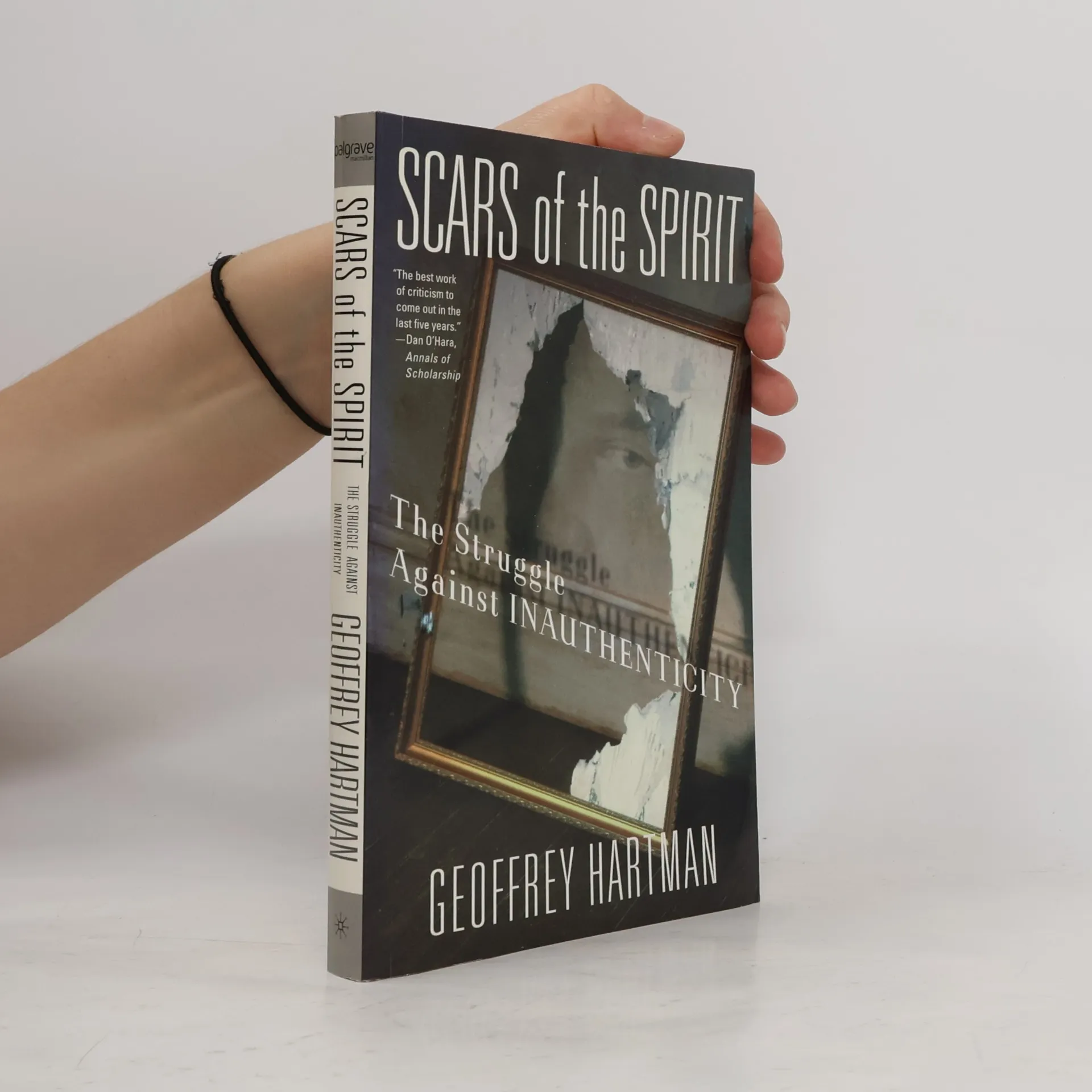
In this fascinating collection of essays, noted cultural critic Geoffrey Hartman raises the essential question of where we can find the real or authentic in today's world, and how this affects the way we can understand our human predicament. Hartman explores such issues as the fantasy of total and perfect information available on the Internet, the biographical excesses of tell-all daytime talk shows, and how we can understand what is "true" in biographical and testimonial writing. And, what, he asks, is the ethical point of all this personal testimony? What has it really taught us? Underlying the entire book is a question of how the Holocaust has shaped the possibilities for truth and for the writing of an authentic life story in today's world, and how we can approach the world in a meaningful way. Hartman produces a meditation on how an appreciation of the aesthetic qualities of art and writing may help us to answer these questions of meaning.
Geoffrey H. Hartman Knihy
Geoffrey H. Hartman bol literárny kritik, ktorého dielo zahŕňalo romantických básnikov, posvätné judaistické texty, štúdium holokaustu, dekonštrukciu a fungovanie pamäte. Bol považovaný za jedného z popredných svetových literárnych vedcov a bol spojený s „Yaleskou školou“, skupinou literárnych teoretikov známych svojím prístupom zakoreneným v dekonštrukcii. Hartman obhajoval, že kritika by mala stáť na rovnakej úrovni ako literatúra a sama o sebe slúžiť ako forma literatury. Jeho práca sa hlboko zaoberala povahou traumy, pamäťou a svedectvom, ovplyvnená jeho vlastnou vojnovou skúsenosťou.
Das beredte Schweigen der Literatur
- 297 stránok
- 11 hodin čítania
Frankfurt 2000, Pappband ,mit Schutzumschlag, 197 Seiten, 8°, schönes Exemplar,
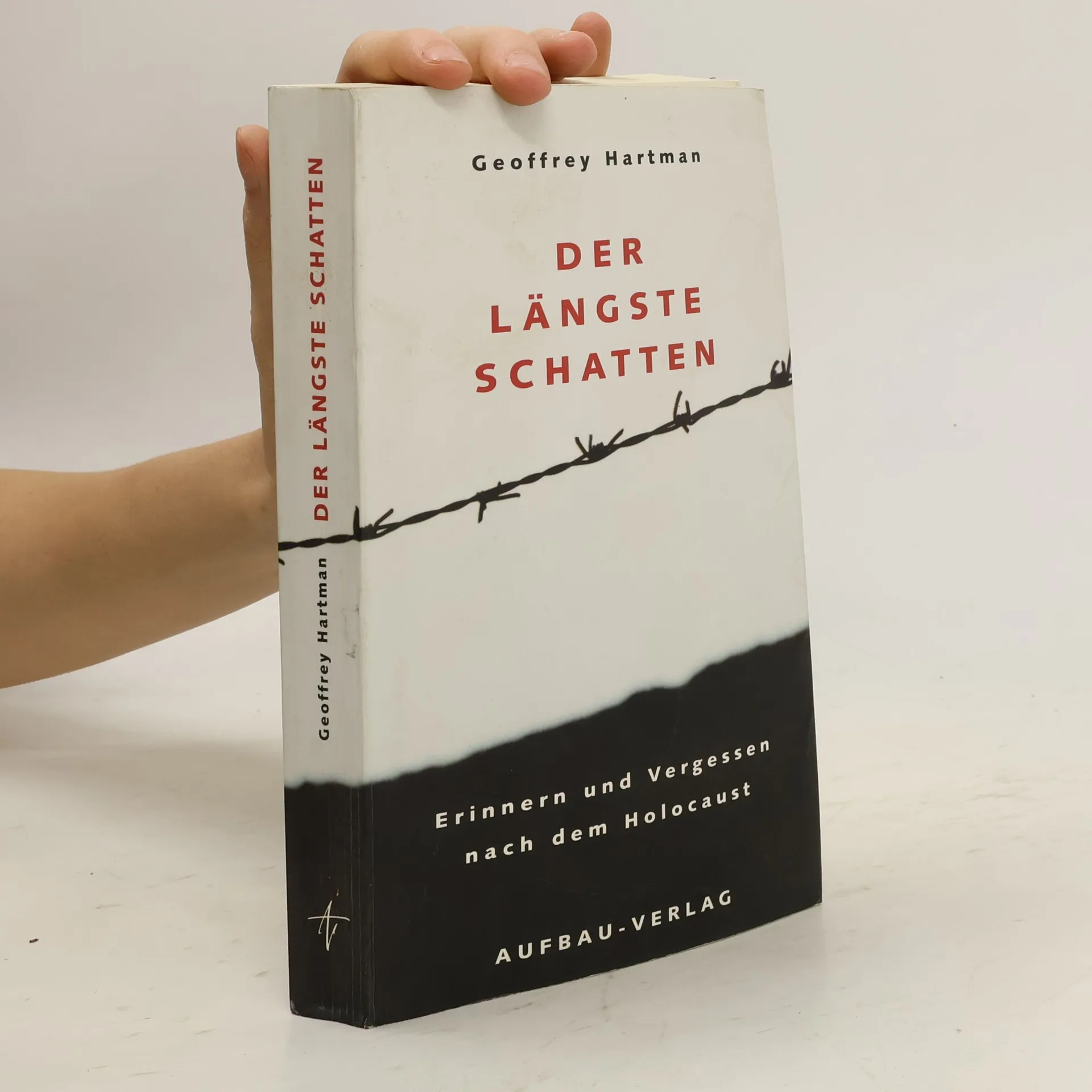
Der längste Schatten: Erinnern und Vergessen nach dem Holocaust
- 288 stránok
- 11 hodin čítania
Der angesehene Literaturwissenschaftler Geoffrey H. Hartman, der selbst im Alter von neun Jahren gezwungen war, Deutschland zu verlassen, sammelt seine Essays, die sowohl wissenschaftliche als auch persönliche Aspekte des Holocausts beleuchten. Hartman ist der Ansicht, dass wir, obwohl Fortschritte erzielt wurden, erst am Anfang stehen, die schrecklichen Ereignisse von 1933 bis 1945 zu verstehen. Der fortwährende Kampf um Bedeutung, Trost, Abschluss und die Etablierung eines kollektiven Gedächtnisses gegen die natürliche Tendenz zum Vergessen ist ein wiederkehrendes Thema. Die vielen Formen der Reaktion auf die Verwüstung - von historischen Forschungen und Zeugenaussagen von Überlebenden bis hin zu den Romanen, Filmen und Denkmälern, die in den letzten fünfzig Jahren entstanden sind - spiegeln die Bemühungen wider, sich mit der Vergangenheit auseinanderzusetzen, trotz Ereignissen (wie denen in Bitburg), die versuchen, dies zu verhindern. Die Einschränkung, dass Poesie nach Auschwitz "barbarisch" sei, wird durch das gestiegene Verantwortungsbewusstsein der Schöpfer dieser Werke in Frage gestellt.