Brian Morris je emeritný profesor antropológie, ktorý sa špecializuje na ľudovú taxonómiu, etnobotaniku, etnozooológiu, náboženstvo a symboliku. Svoje terénne výskumy uskutočňoval medzi juhoázijskými zberačmi a zberačmi a v Malawi. Pred akademickou dráhou pracoval v rôznych profesiách, ako robotník v zlievarni, námorník a čajový plantážnik. Jeho diela skúmajú prepojenie prírody a ľudskej kultúry, pojmy jednotlivca a anarchistickú filozofiu.
Focusing on the definitions of freedom, the book explores the life and thought of Bakunin, highlighting his significance as a political theorist. It emphasizes his commitment to uniting theory and practice within his anarchist philosophy. The portrayal of Bakunin reveals the monumental nature of his ideas and their enduring relevance in contemporary discussions on freedom and political theory.
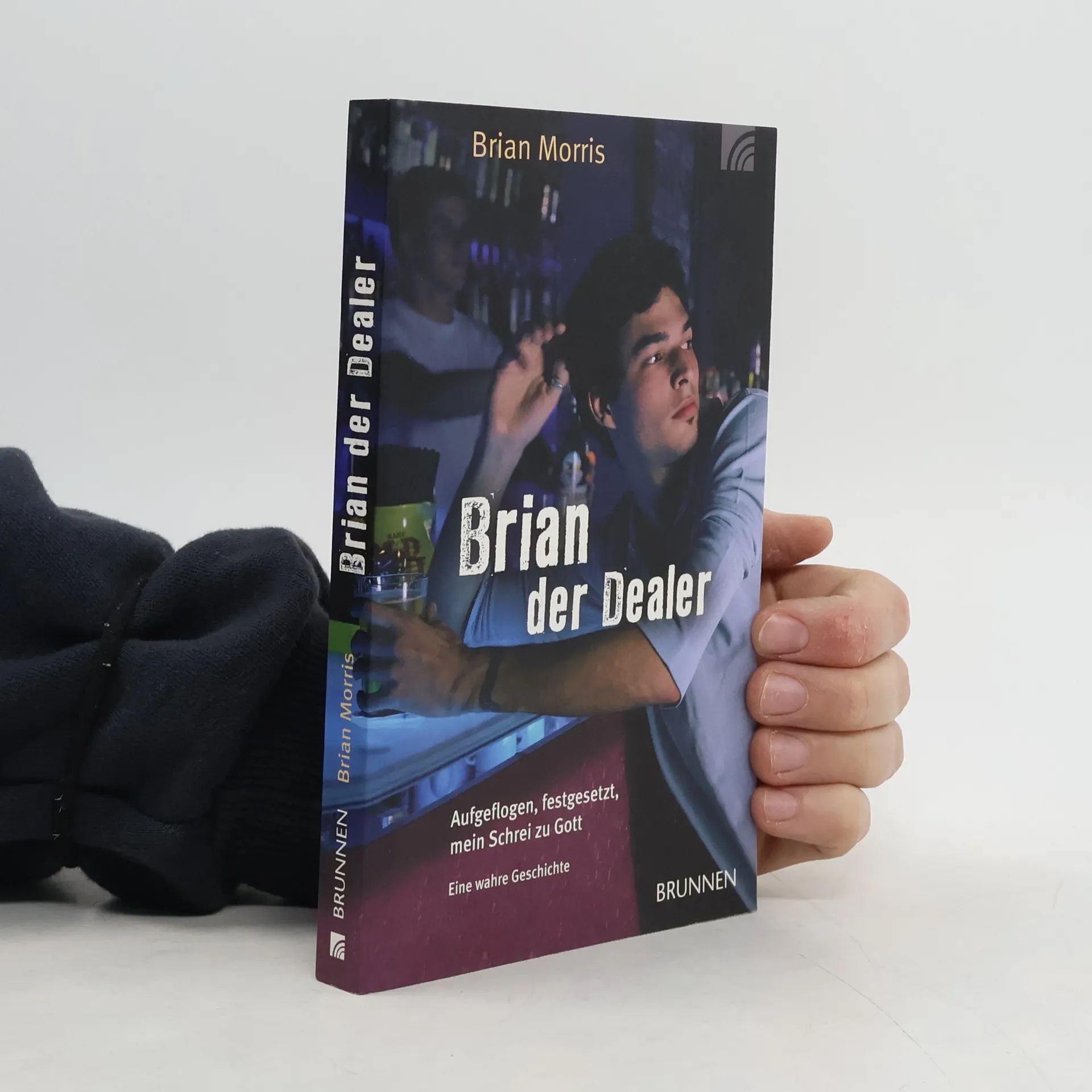
Er wächst ohne Vater in einer großen Familie in Wales auf. Er ist neugierig auf Menschen und unbekannte Länder, er lebt in Holland und dann bei Fischern auf Sri Lanka, er reist nach Indien, Nepal Brian Morris ist intelligent, sympathisch, aber drogenabhängig. Er arbeitet als Tierpfleger, Drogenkurier, Türsteher. Er dealt, um seine Sucht zu finanzieren. Er kämpft um seine junge Familie und verliert. Ohne jede Hoffnung für die Zukunft landet er im Gefängnis. Am tiefsten Punkt schreit er zu Gott. Brian Morris, geboren 1953 in Wales/Großbritannien, lebt heute mit seiner Frau und fünf Kindern in Swansea/Südwales. Nach seiner Haft arbeitete er in verschiedenen sozialen Projekten. Zurzeit studiert er Praktische Theologie am Bible College of Wales.
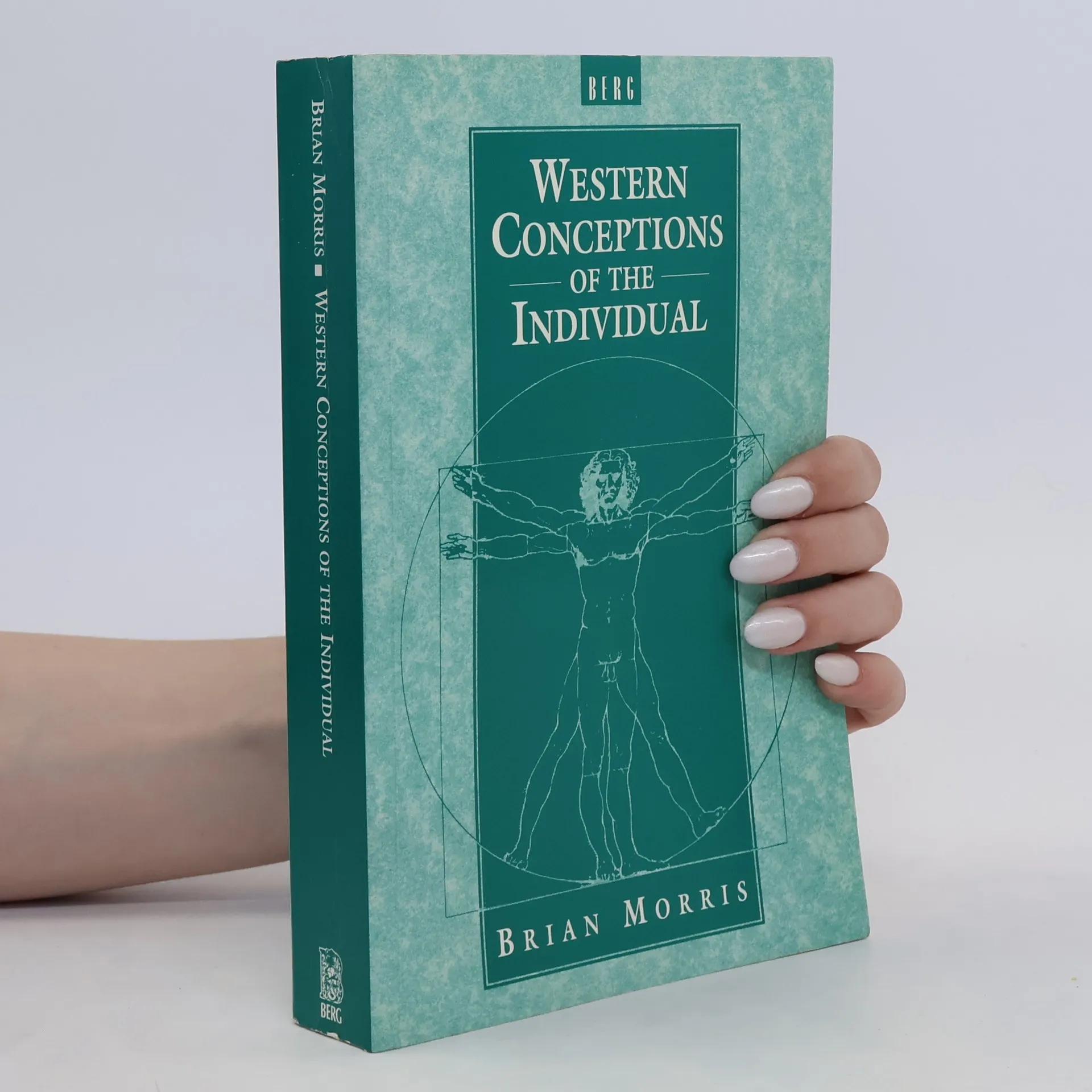
This is a comprehensive study of the varying conceptions of the human subject in the Western intellectual tradition. Although informed by an anthropological perspective, the author draws on material from all the major intellectual disciplines that have contributed to this tradition and offers biographical and theoretical vignettes of all the major Western scholars. By scrutinizing the classical texts of the Western tradition, he succeeds in delineating the differing conceptions of the human individual which emerge from these writings, and gives a guide to the most important ideas in Western cultural traditions.
Then vail your stomachs, for it is no boot,
And place your hands below your husband´s foot.
In token of which duty, if he please,
My hand is ready, may it do him ease.
Žena nech iné nič si neželá,
len padnúť k nohám svojho manžela.
Nech mi aj prsty postúpa - keď kvôli
nemu to znášam, neviem, že to bolí.
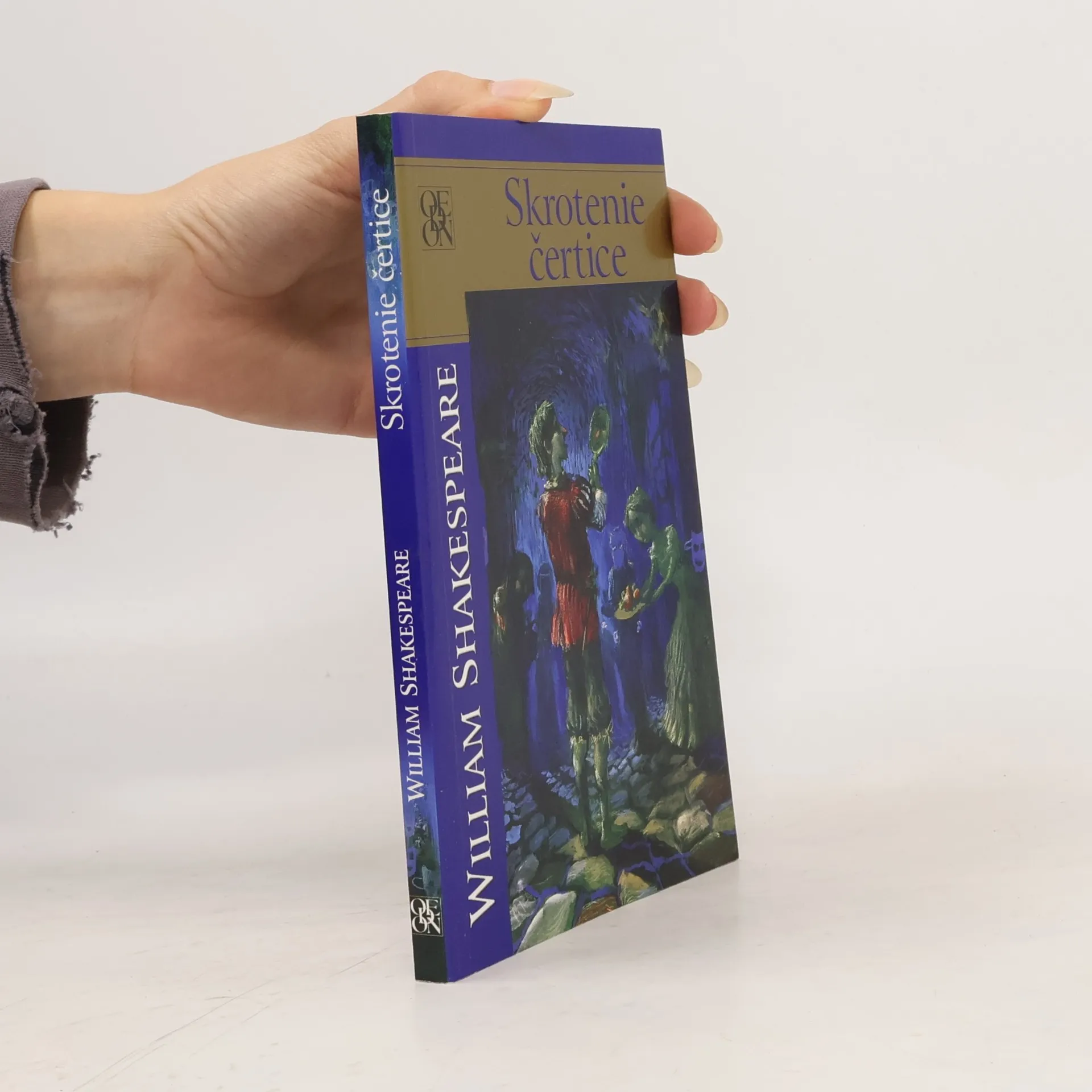
Proti posledným slovám, ktoré v tejto hre vysloví už skrotená Katarína, sa občas búria feministky - no Shakespeare sa môže iba usmievať. Veď tá čertica je nielen jednou z jeho najkrajších, ale i jednou z najemancipovanejších hrdiniek. Ktovie, či pokora, ktorú predvádza na záver, nie je len ukážkou, ako vedia ženy pri ovládaní mužov šikovne striedať stratégie.
William Shakespeare (1564 - 1616) nebol len veľký dramatik - bude sa o ňom vždy hovoriť aj ako o najväčšom básnikovi divadla.
Aj nový slovenský preklad je dielom básnika - hru preložil Ľubomír Feldek.
Preklad sa opiera o najlepšie kritické vydanie THE ARDEN SHAKESPEARE.