

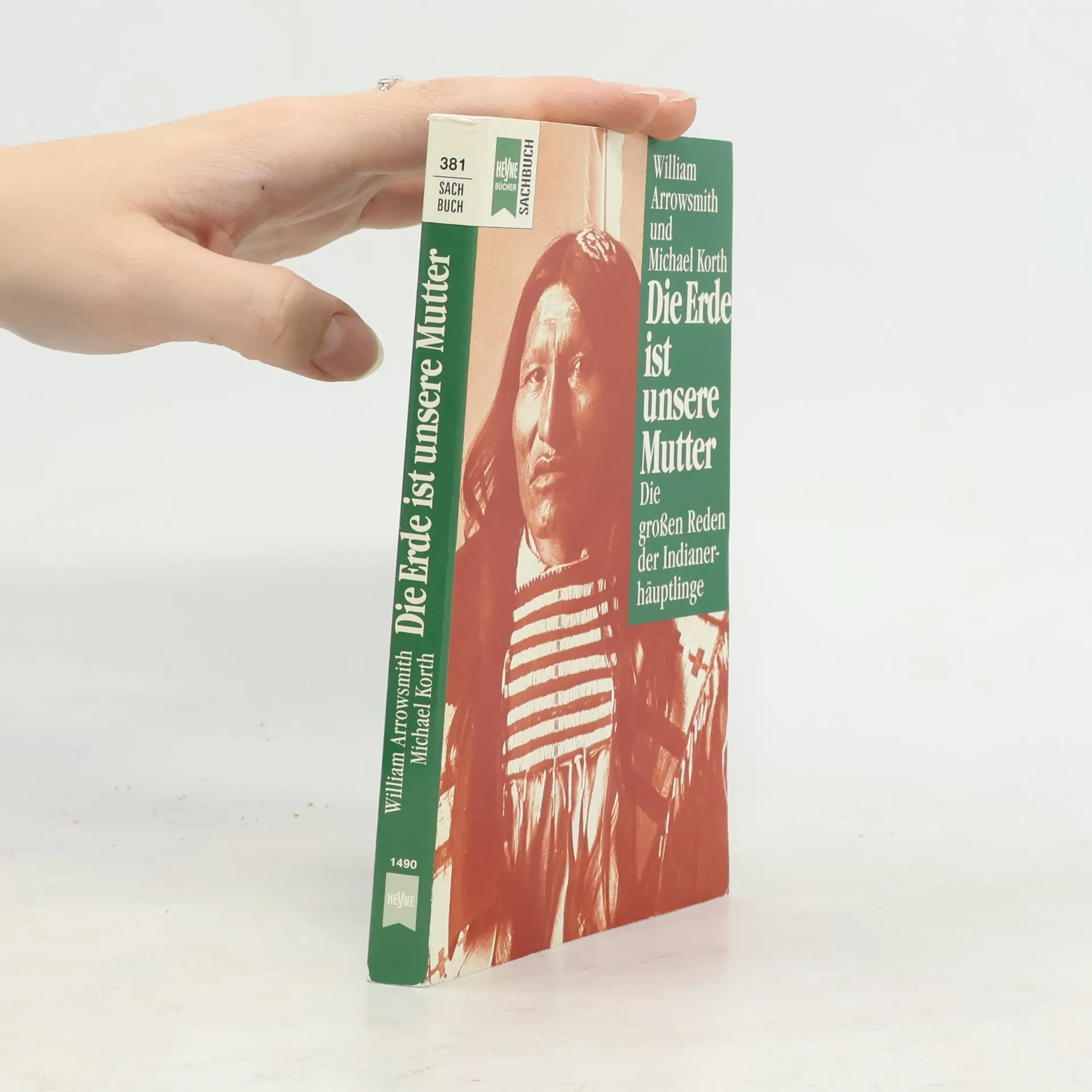
Nach ihrer endgültigen Unterwerfung durch die weißen Eroberer beschworen legendäre Indianerhäuptlinge wie Sitting Bull und Red Cloud ein letztes Mal in kraftvollen Reden die visionäre Weisheit ihrer untergehenden Kultur. Ihre Worte sind wertvolle Zeugnisse einer einzigartigen Dichtung.
William Arrowsmith Poradie kníh (chronologicky)

Celebrated critic William Arrowsmith held Michelangelo Antonioni, the renowned Italian director, in high regard, declaring him one of the greatest living artists. In a 1977 lecture at New York's Museum of Modern Art, he asserted that Antonioni's innovative manipulation of images places him alongside literary and poetic giants like Joyce, Valéry, and Eliot. This book, edited by Ted Perry, compiles eight remarkable essays, most previously unpublished, where Arrowsmith examines Antonioni's oeuvre through a film-by-film analysis, covering works from 1956's Il grido to 1975's The Passenger. Originally presented as lectures, these essays illuminate the significance of Antonioni's films and their impact on audiences. Arrowsmith, a distinguished literary critic, explores both the intellectual roots and the technical aspects of Antonioni's vision, demonstrating how camera movement and spatial composition enhance the storytelling. For instance, in La notte, he analyzes how the framing of a character against a blank wall symbolizes her emotional emptiness. Perry's introduction emphasizes the connection between art, life, and meaning in Arrowsmith's critique. With an appendix summarizing the films and translating key dialogues, this collection celebrates the insights of a distinguished critic and the innovative work of a cinematic master, making it essential reading for cinema lovers and admirers of Arrowsmith.
Die Erde ist unsere Mutter
- 154 stránok
- 6 hodin čítania
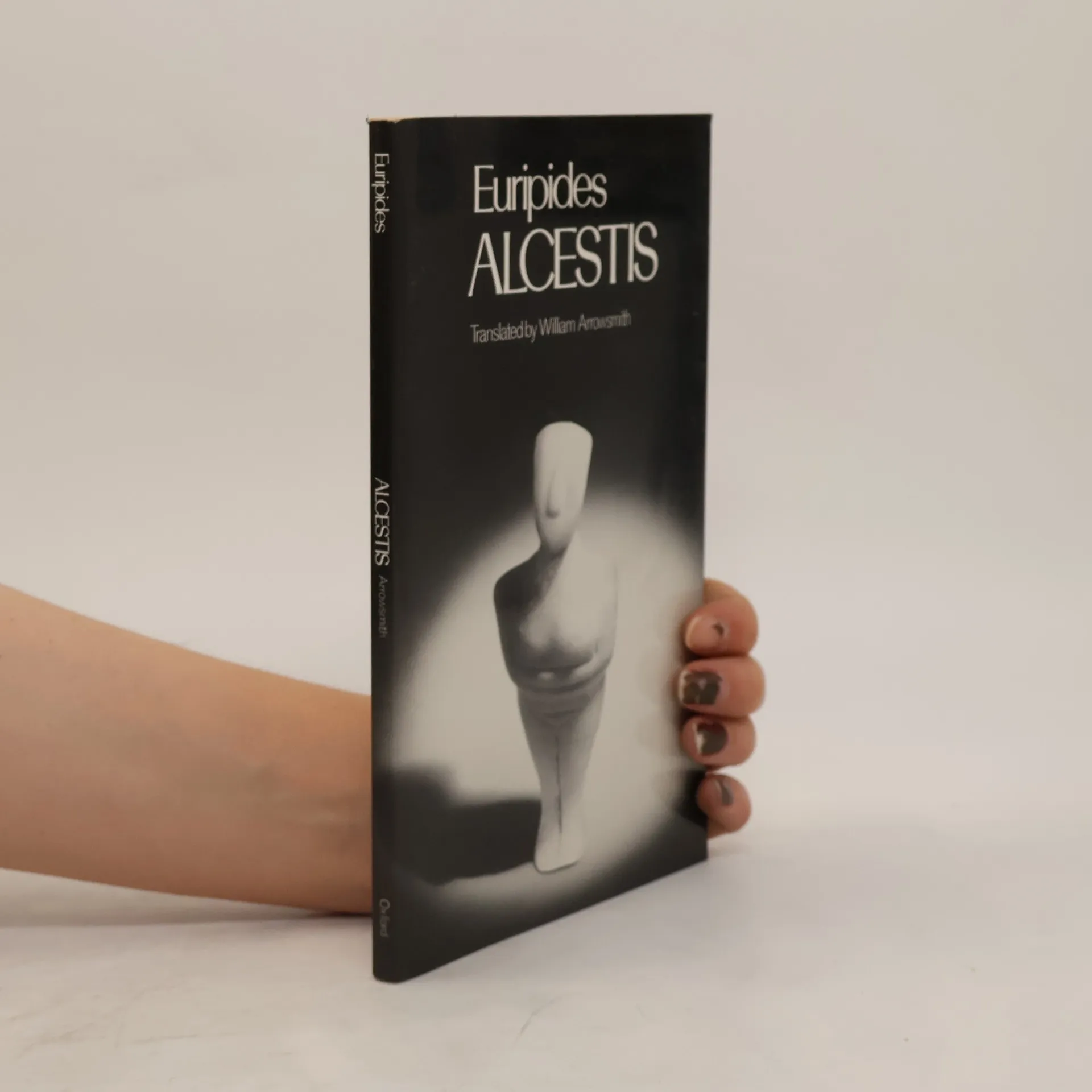
Alcestis
- 142 stránok
- 5 hodin čítania
At once a vigorous translation of one of Euripides' most subtle and witty plays, and a wholly fresh interpretation, this version reveals for the first time the extraordinary formal beauty and thematic concentration of the Alcestis. William Arrowsmith, eminent classical scholar, translator, and General Editor of this highly praised series, rejects the standard view of the Alcestis as a psychological study of the egotist Admetos and his naive but devoted wife. His translation, instead, presents the play as a drama of human existence-in keeping with the tradition of Greek tragedy-with recognizably human characters who also represent masked embodiments of human conditions. The Alcestis thus becomes a metaphysical tragicomedy in which Admetos, who has heretofore led a life without limitations, learns to "think mortal thoughts." He acquires the knowledge of limits-the acceptance of death as well as the duty to live-which, according to Euripides, makes people meaningfully human and capable of both courage and compassion. This new interpretation compellingly argues that, for Euripides, suffering humanizes, that exemption makes a man selfish and childish, and that only the courage to accept both life and death leads to the realization of one's humanity, and, in the case of Alcestis, to heroism.
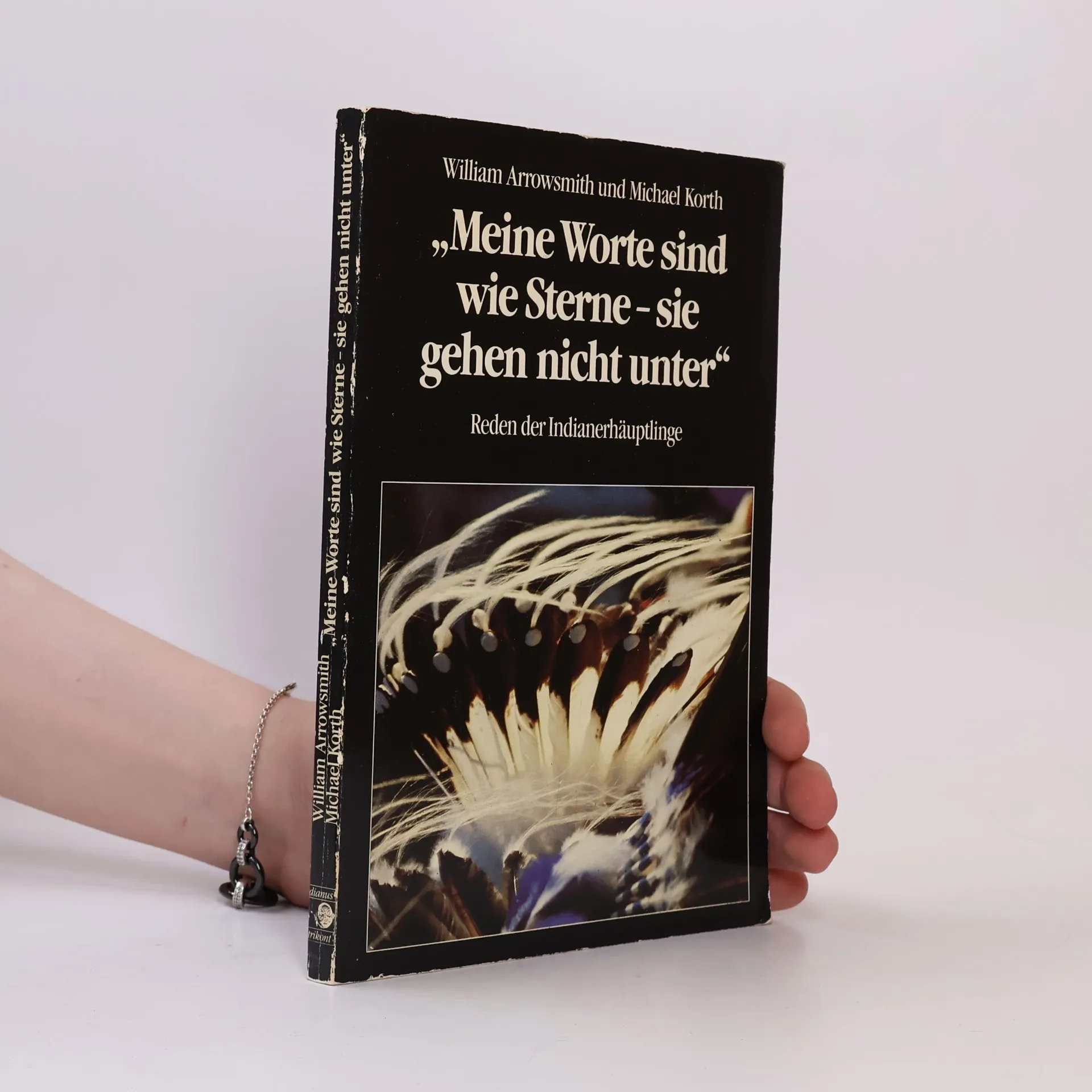
Meine Worte sind wie Sterne, sie gehen nicht unter
- 96 stránok
- 4 hodiny čítania