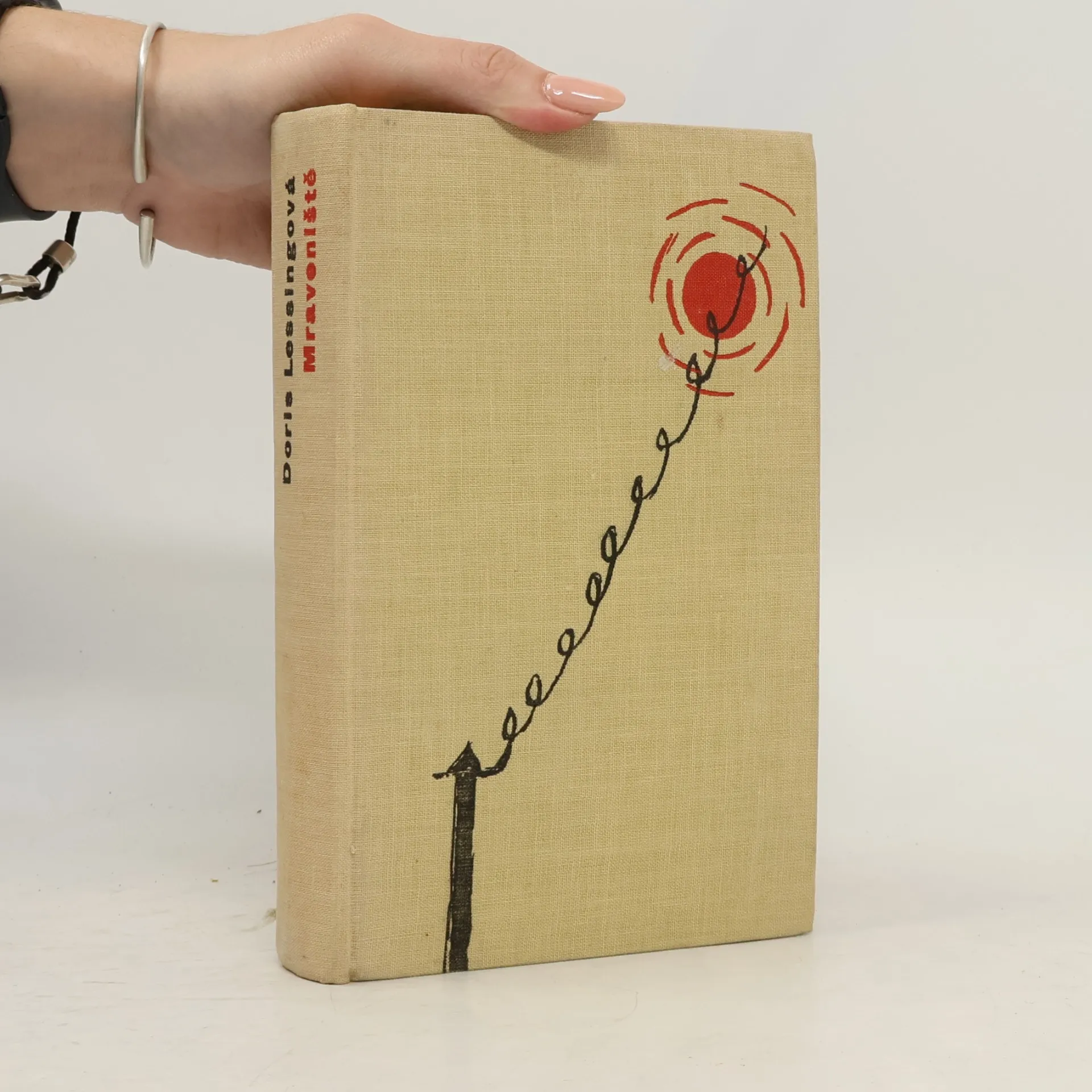
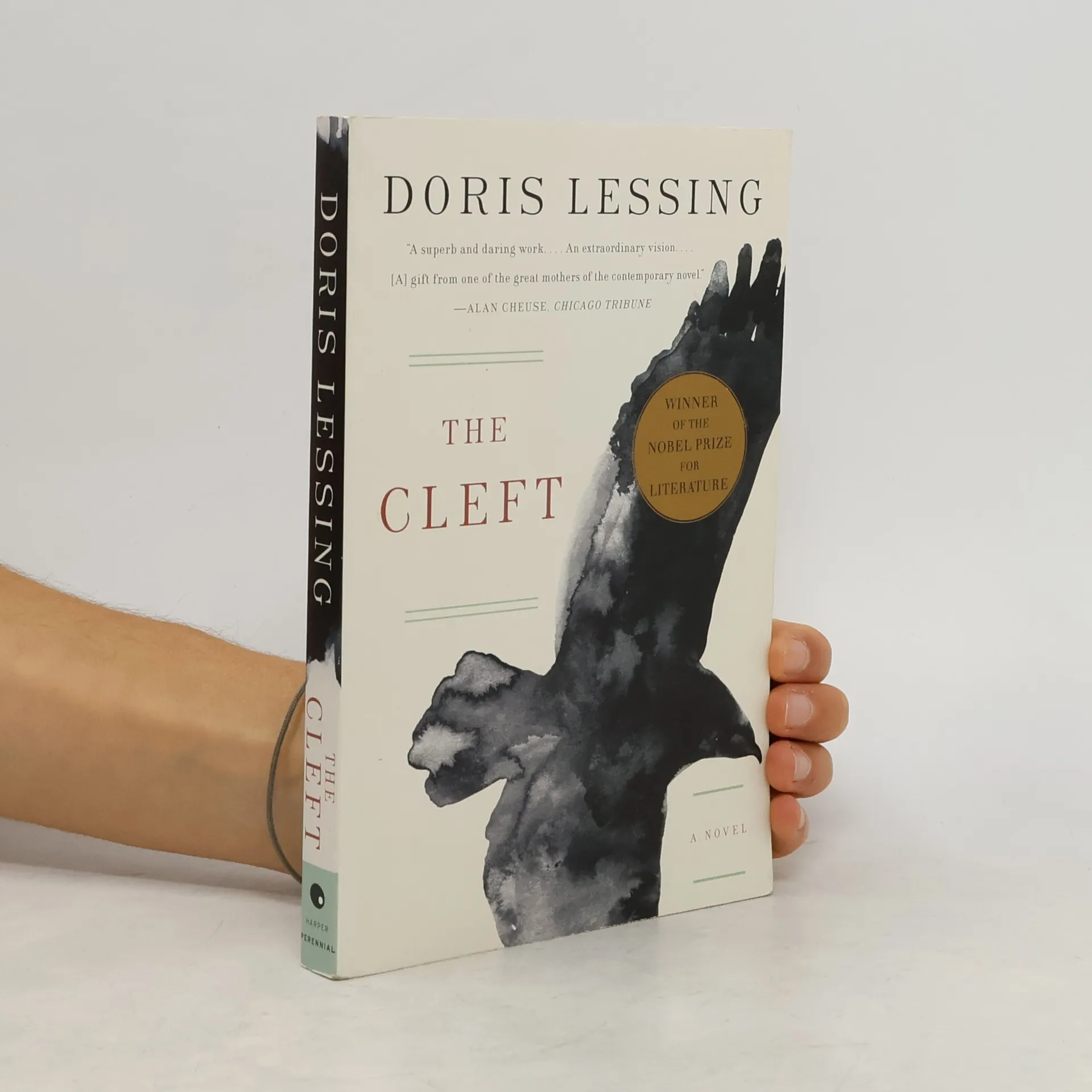
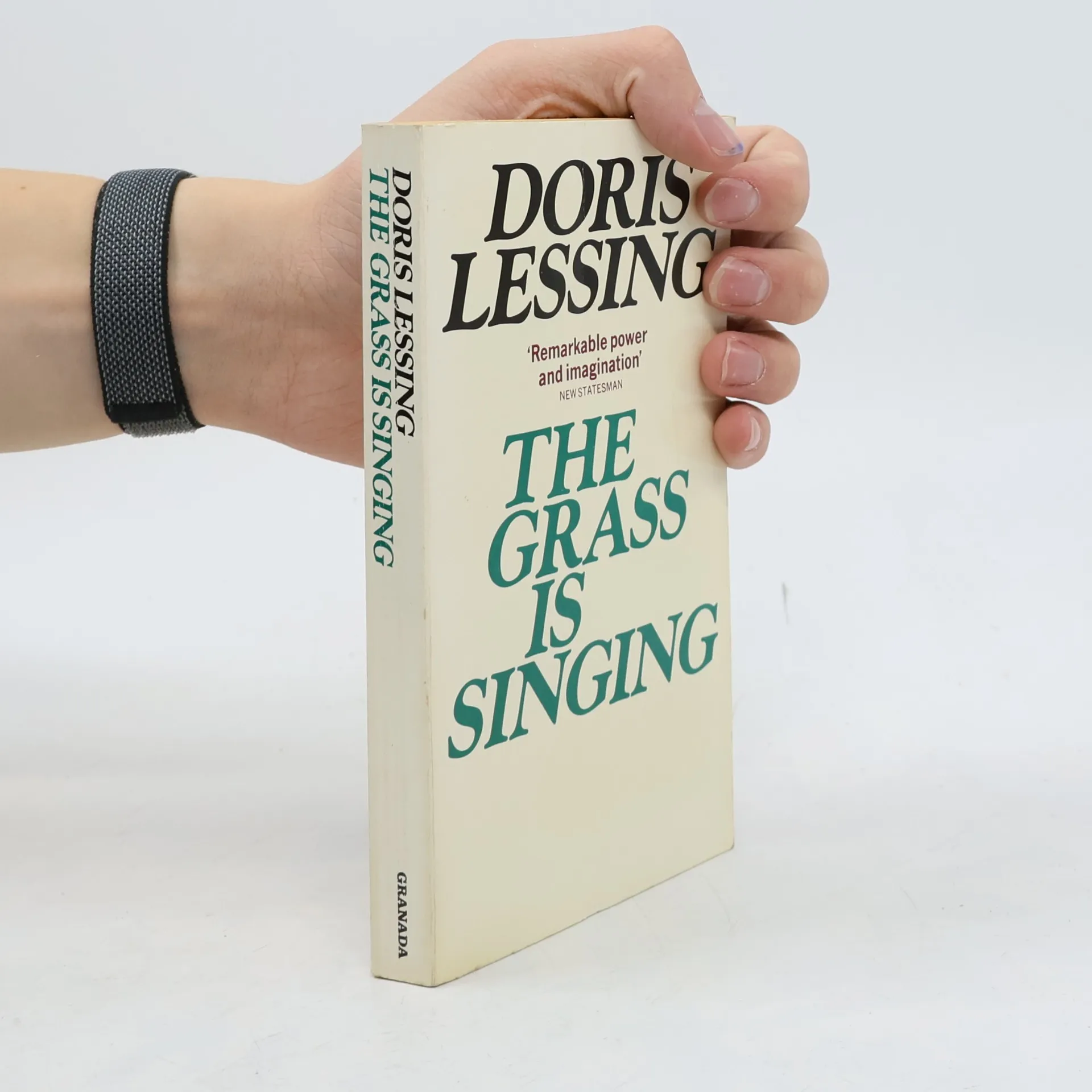
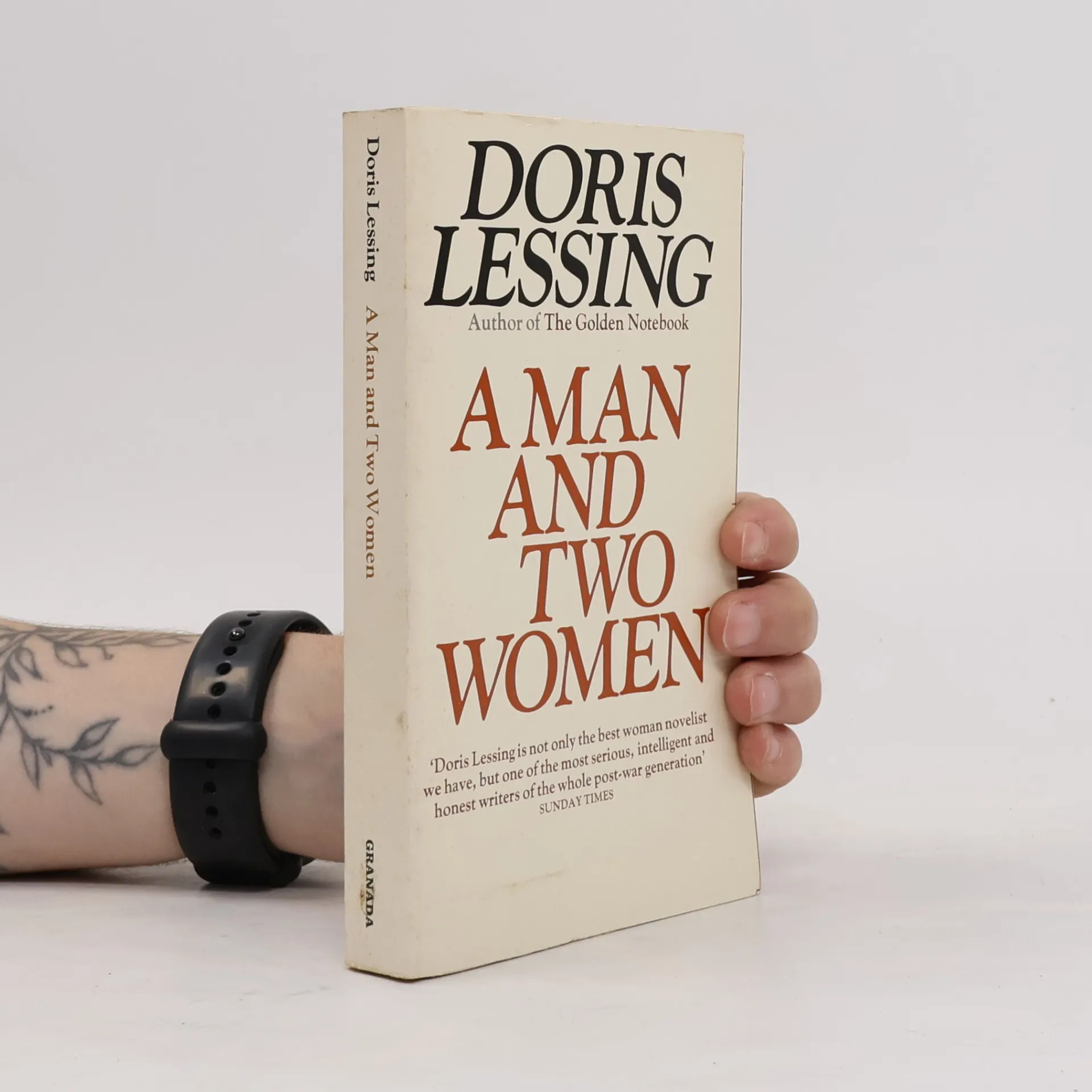
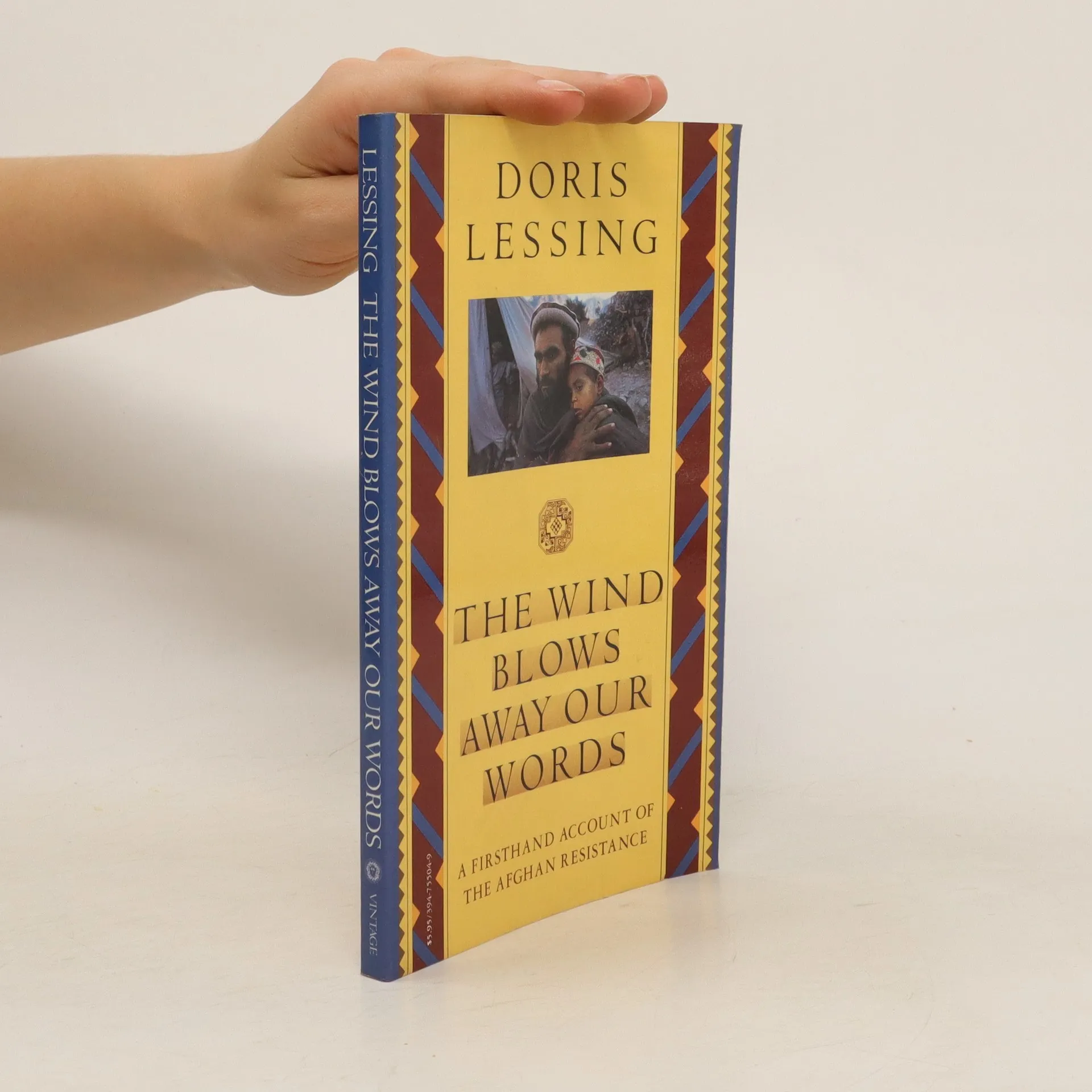
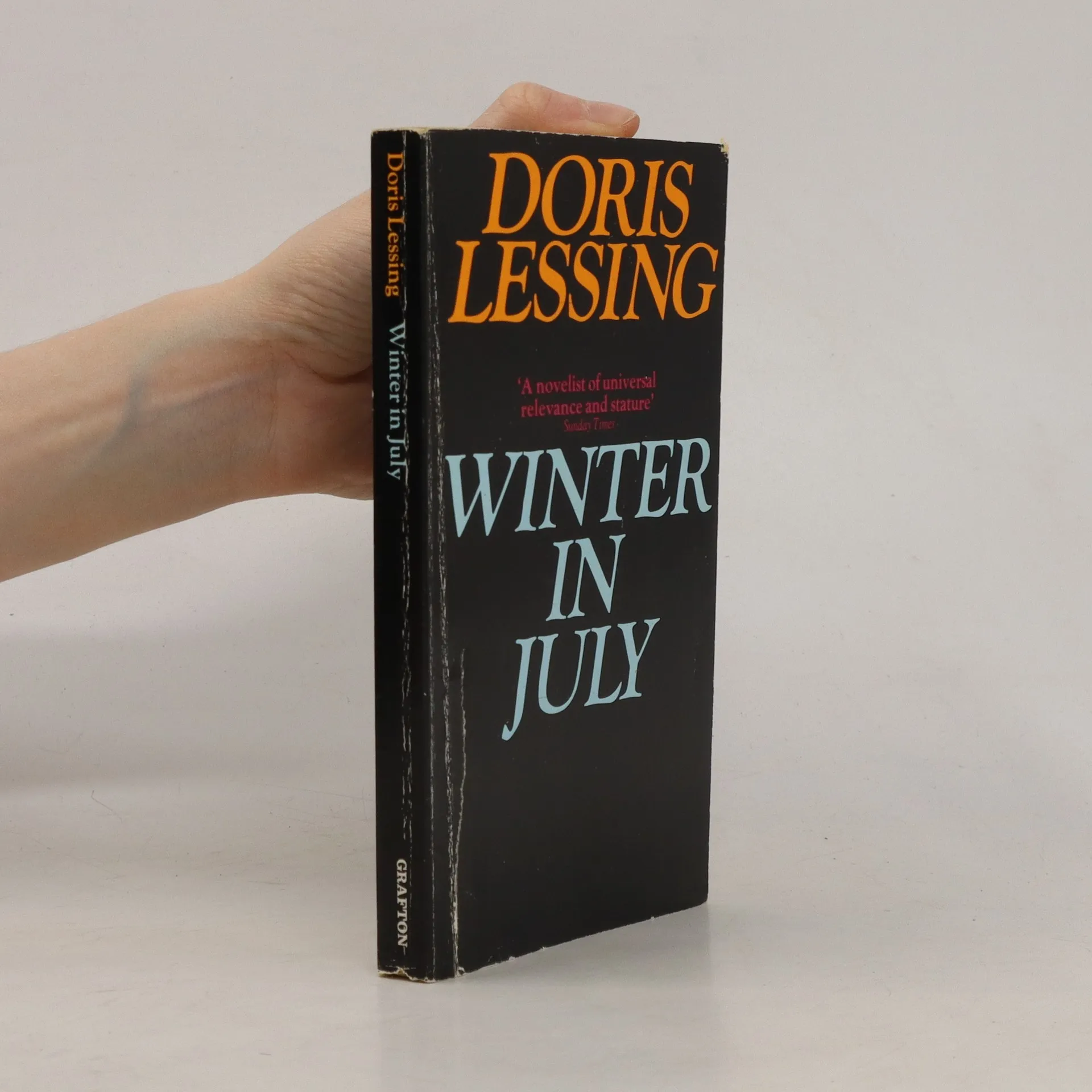
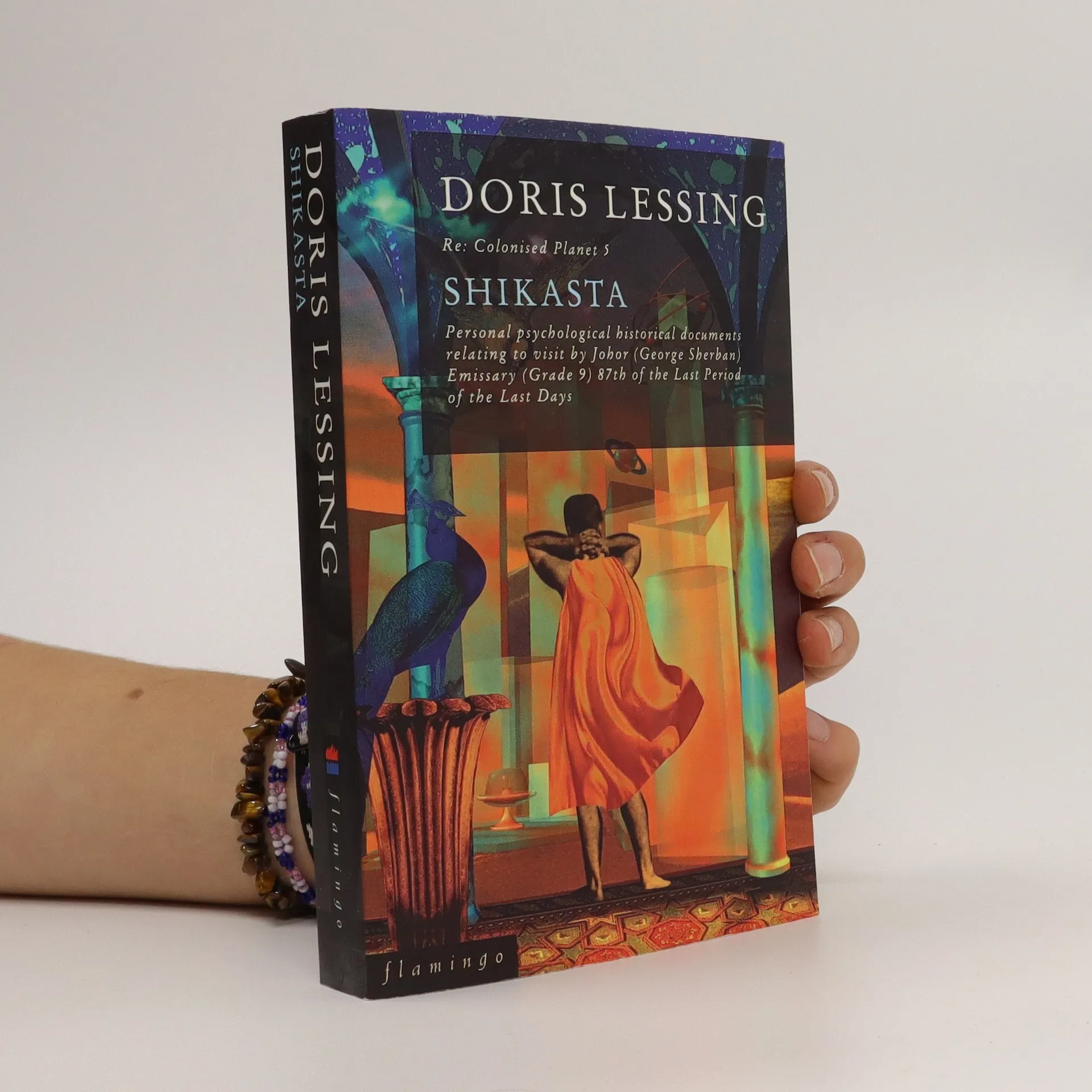
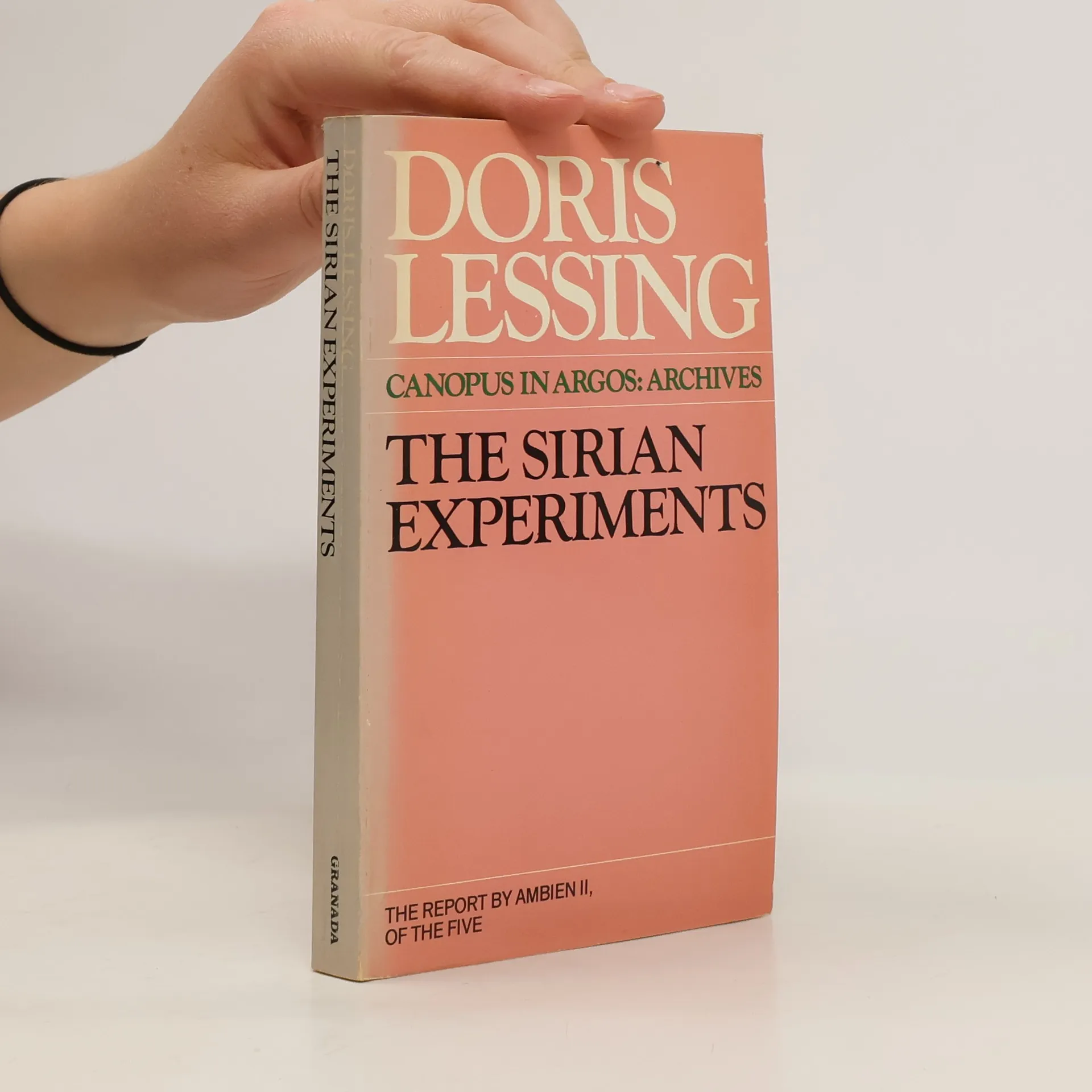
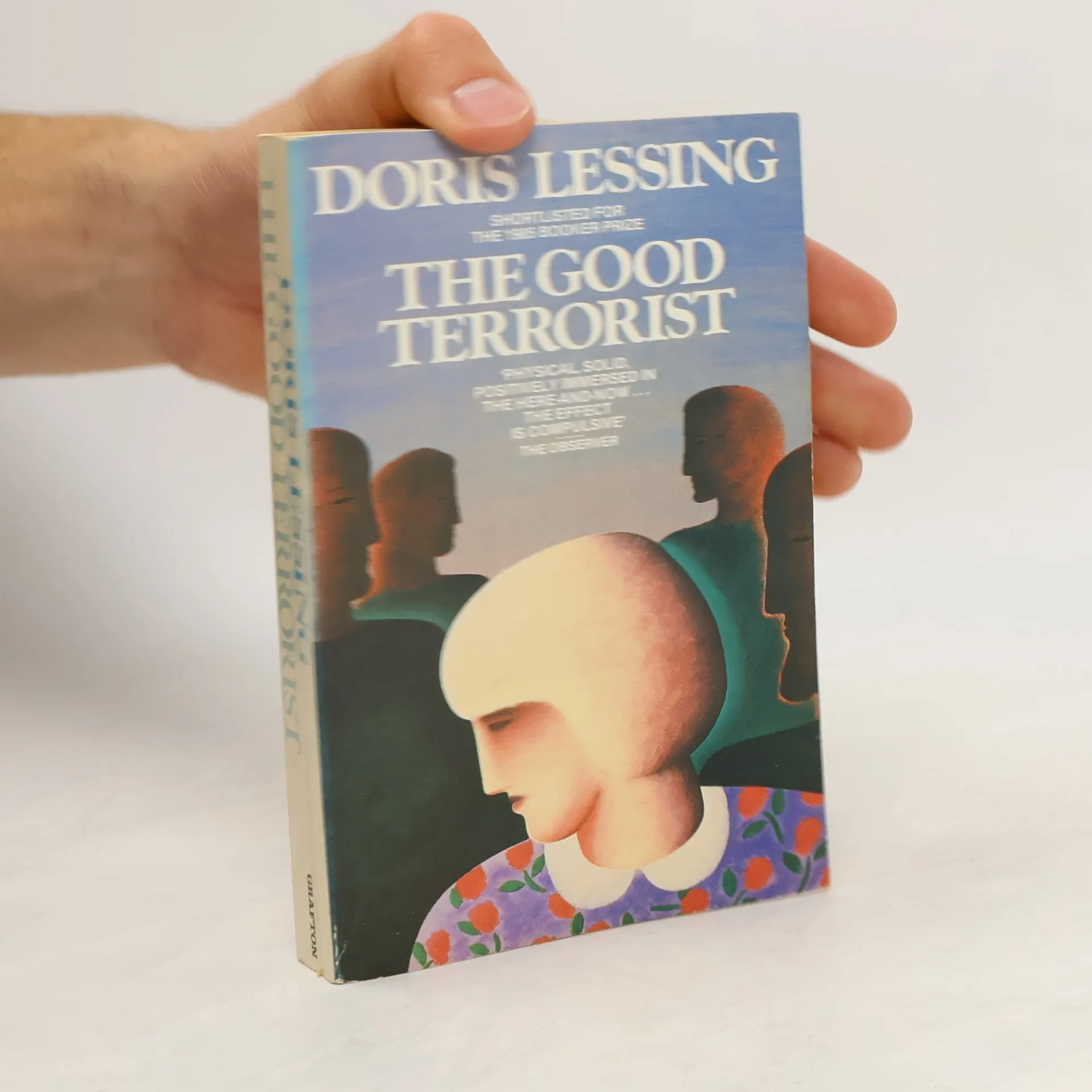
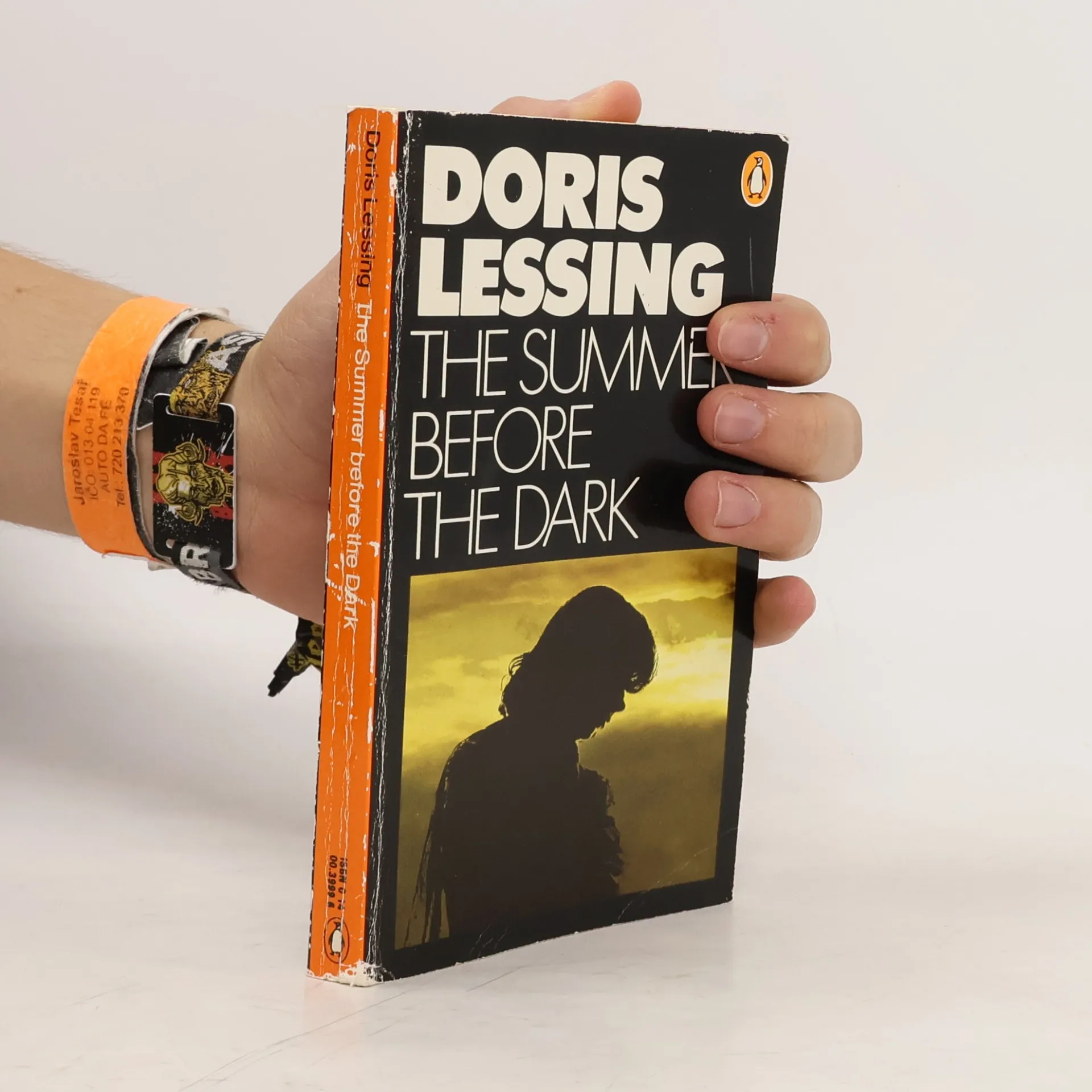
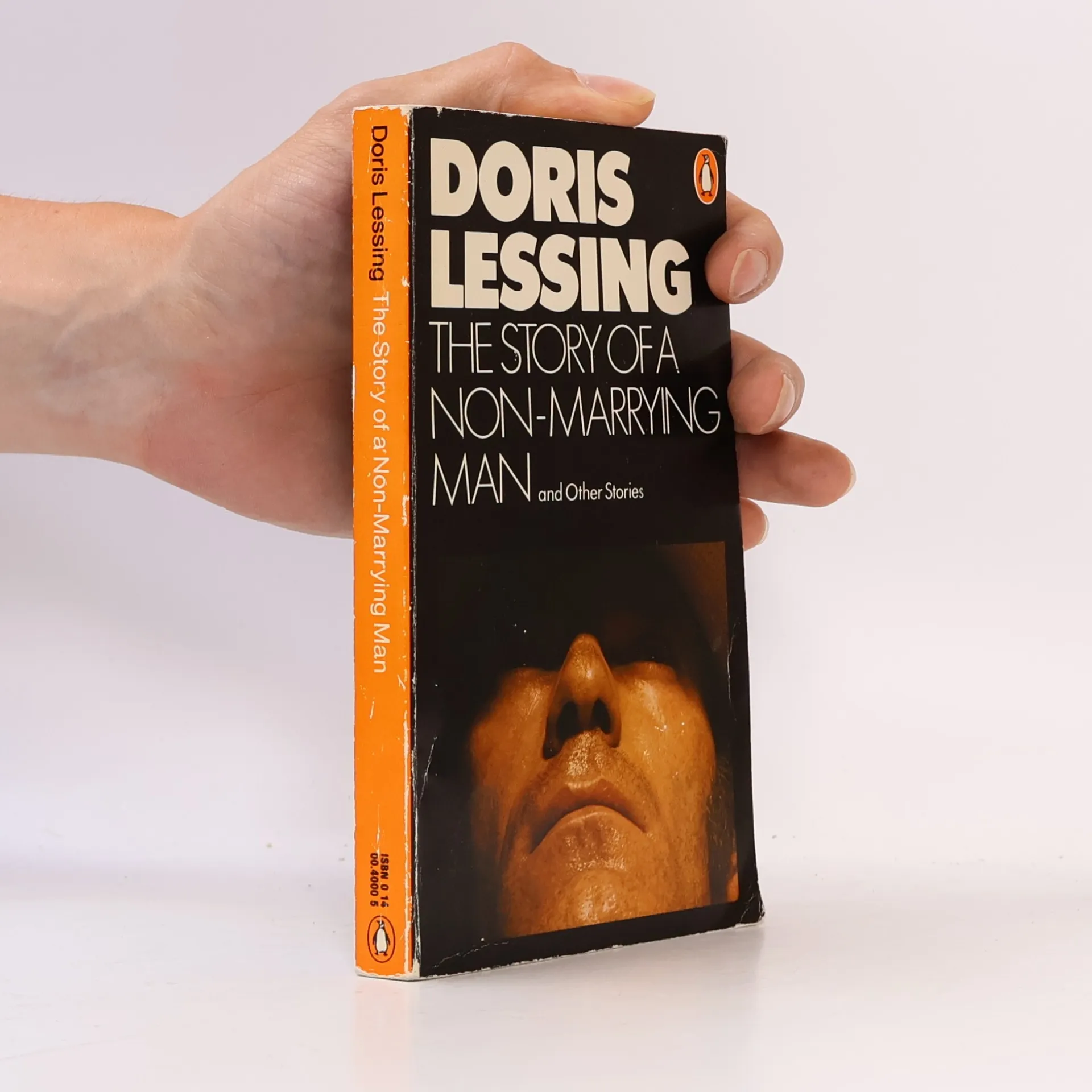
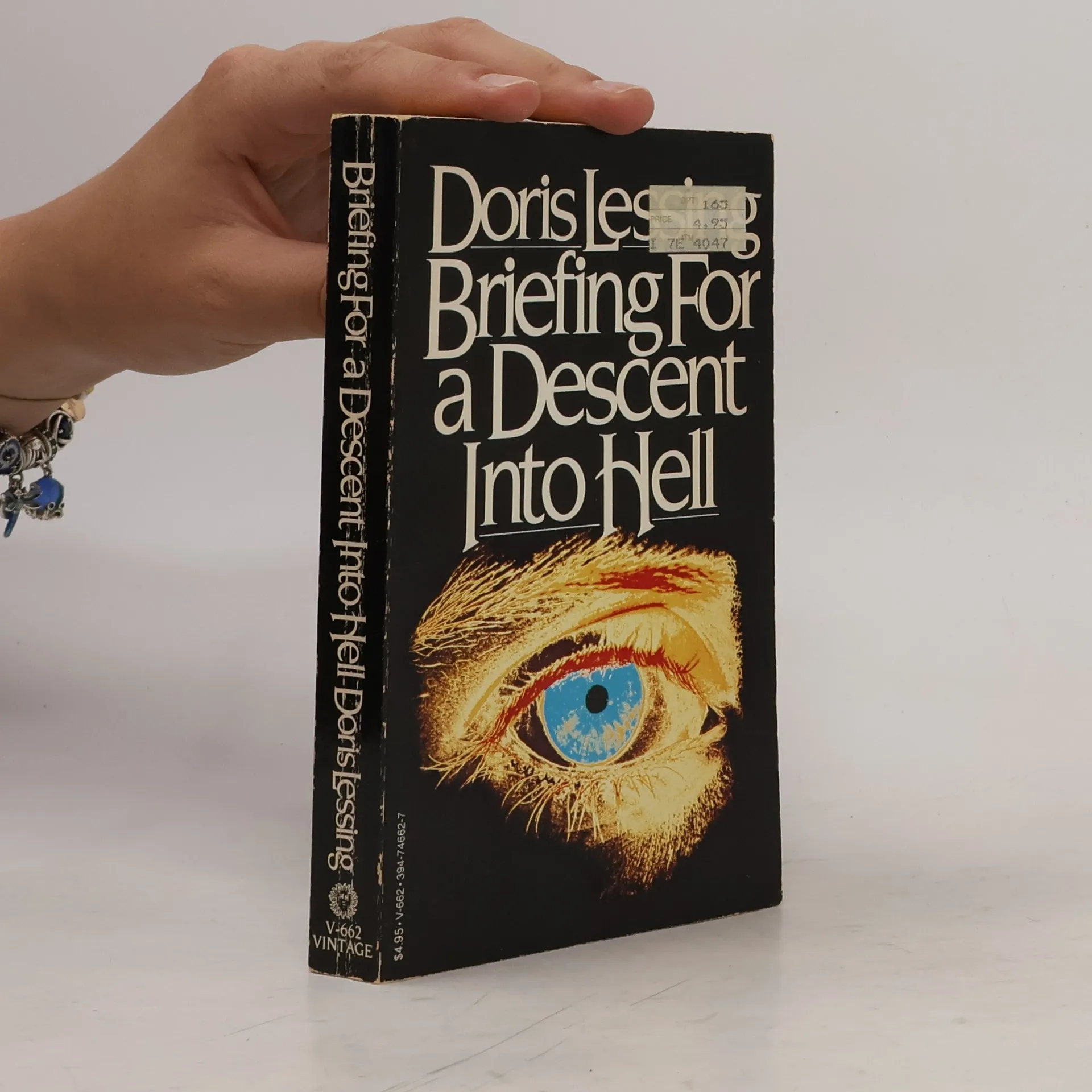
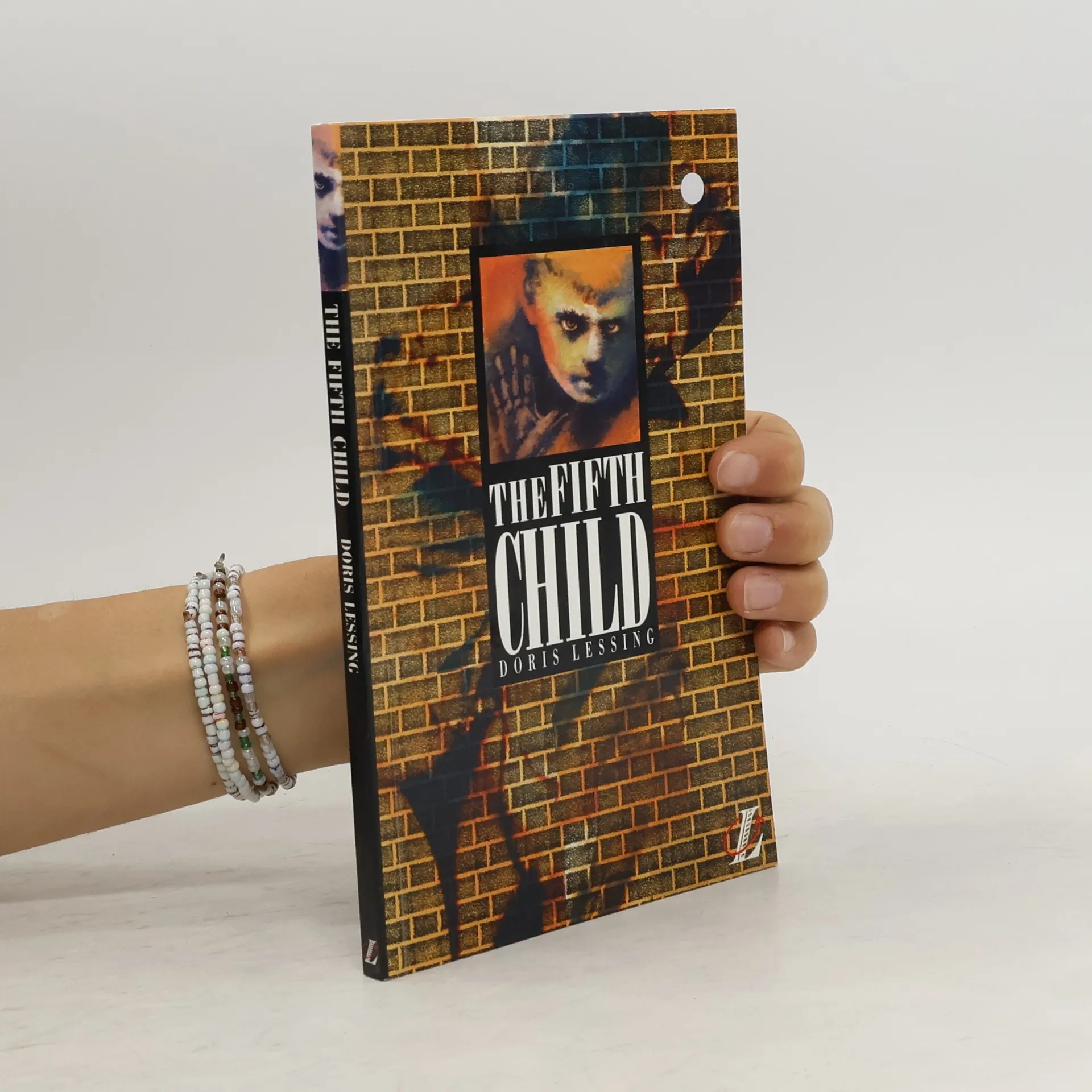
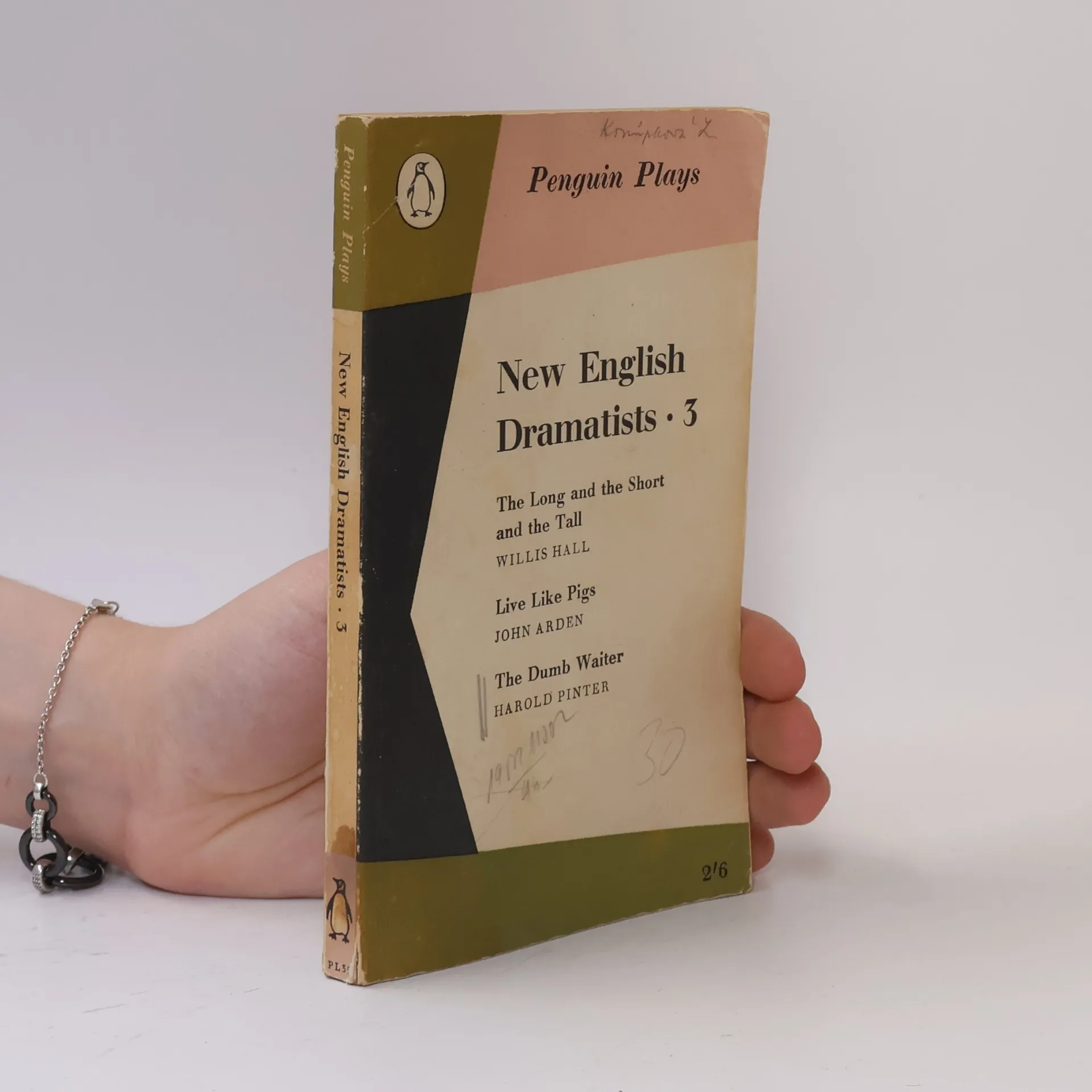
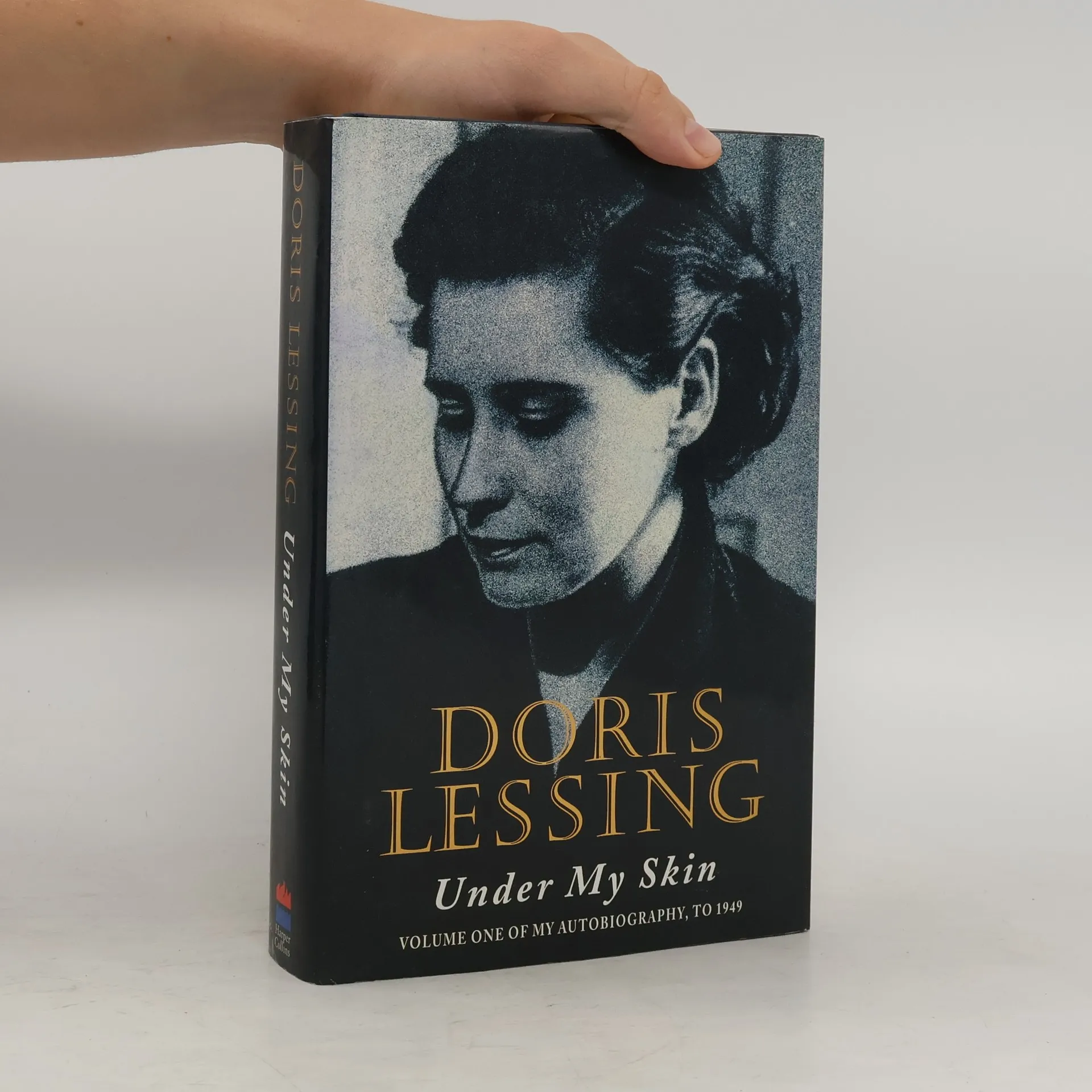
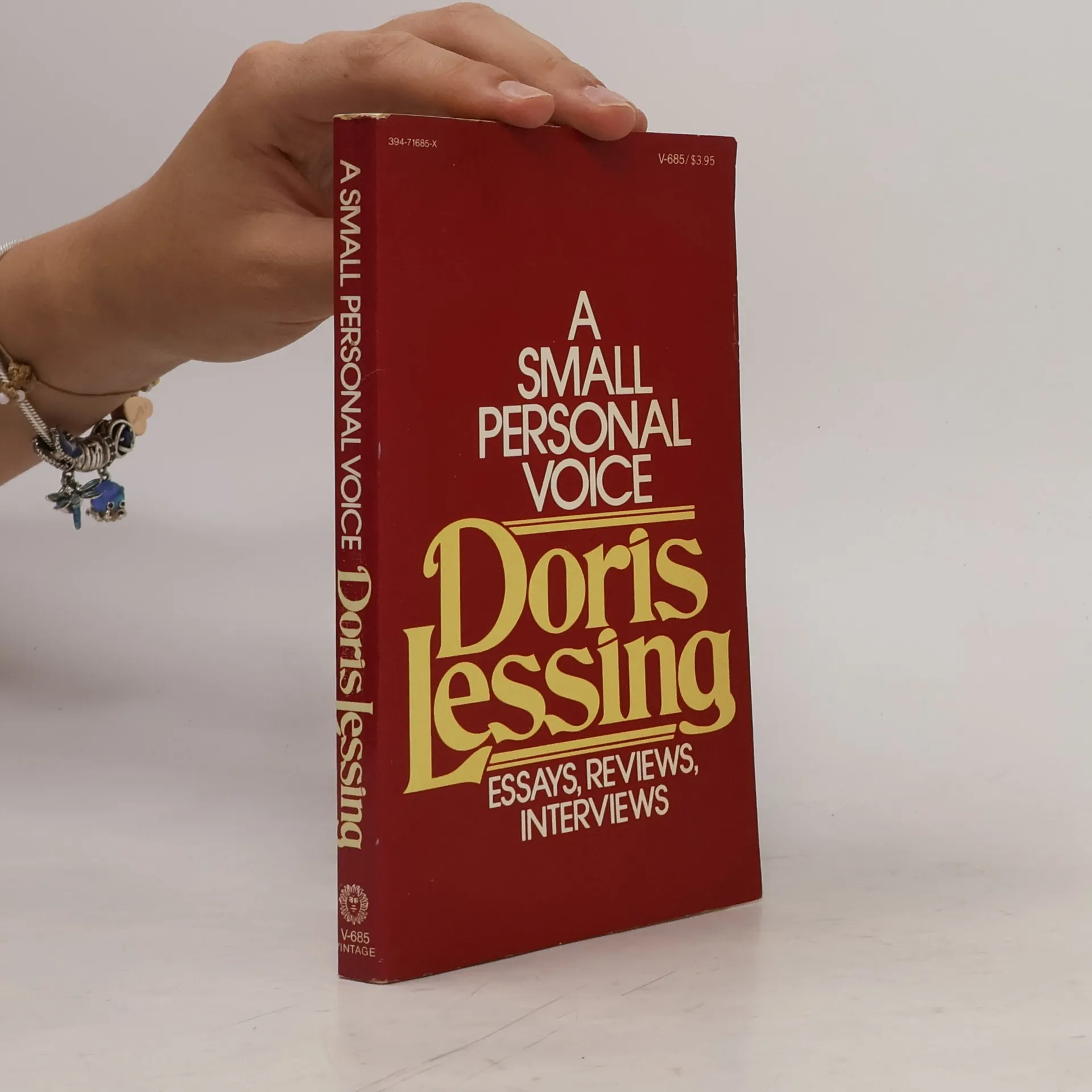
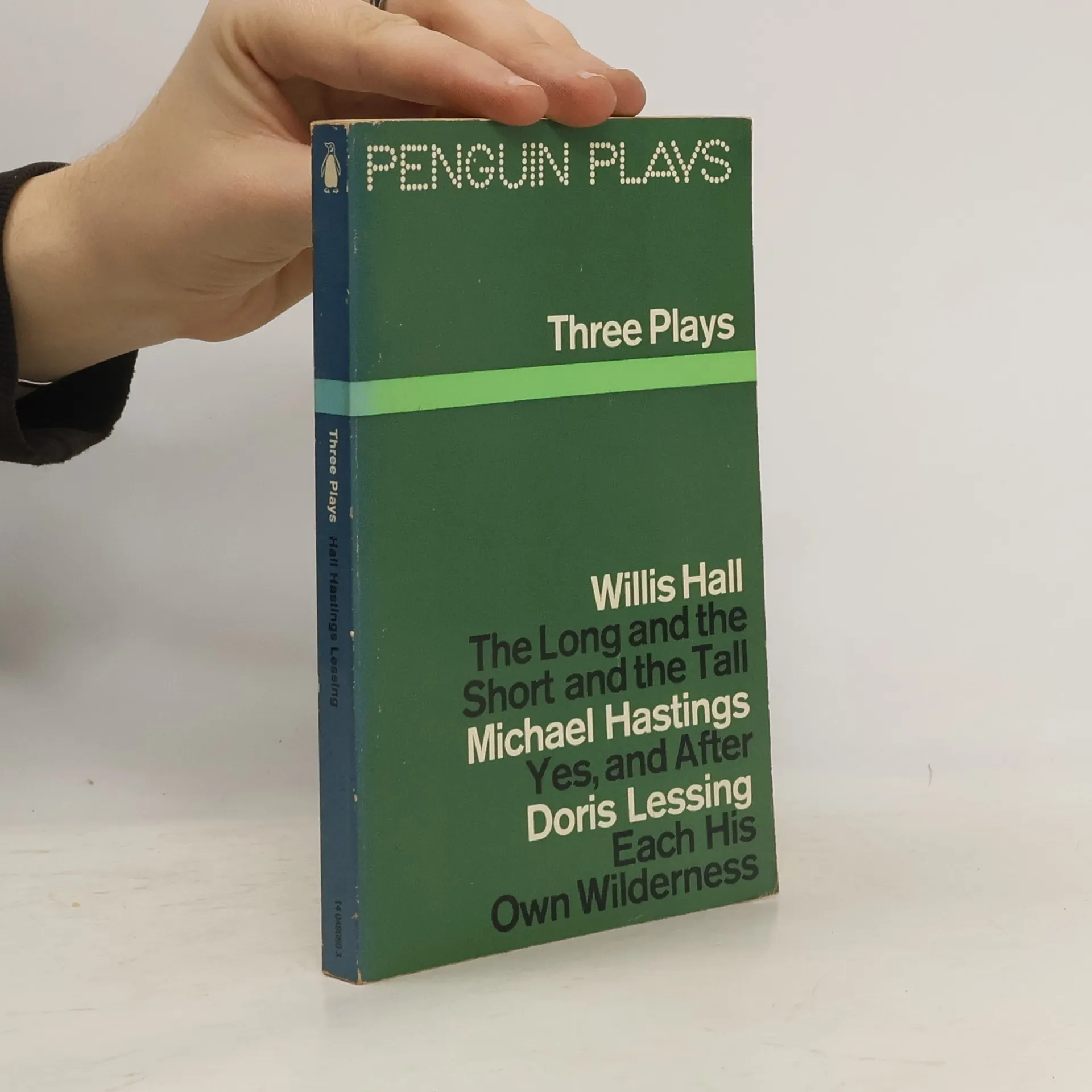
Táto autorka je známa svojim bystrým intelektom a nekompromisným pohľadom na spoločenské a politické otázky. Jej diela často skúmajú zložitosť ľudskej psychiky, hľadanie identity a boj proti spoločenským obmedzeniam. Prostredníctvom svojej silnej prózy a filozofických úvah sa táto samoučená intelektuálka stala hlasom pre tých, ktorí sa potýkajú s útlakom a nespravodlivosťou.
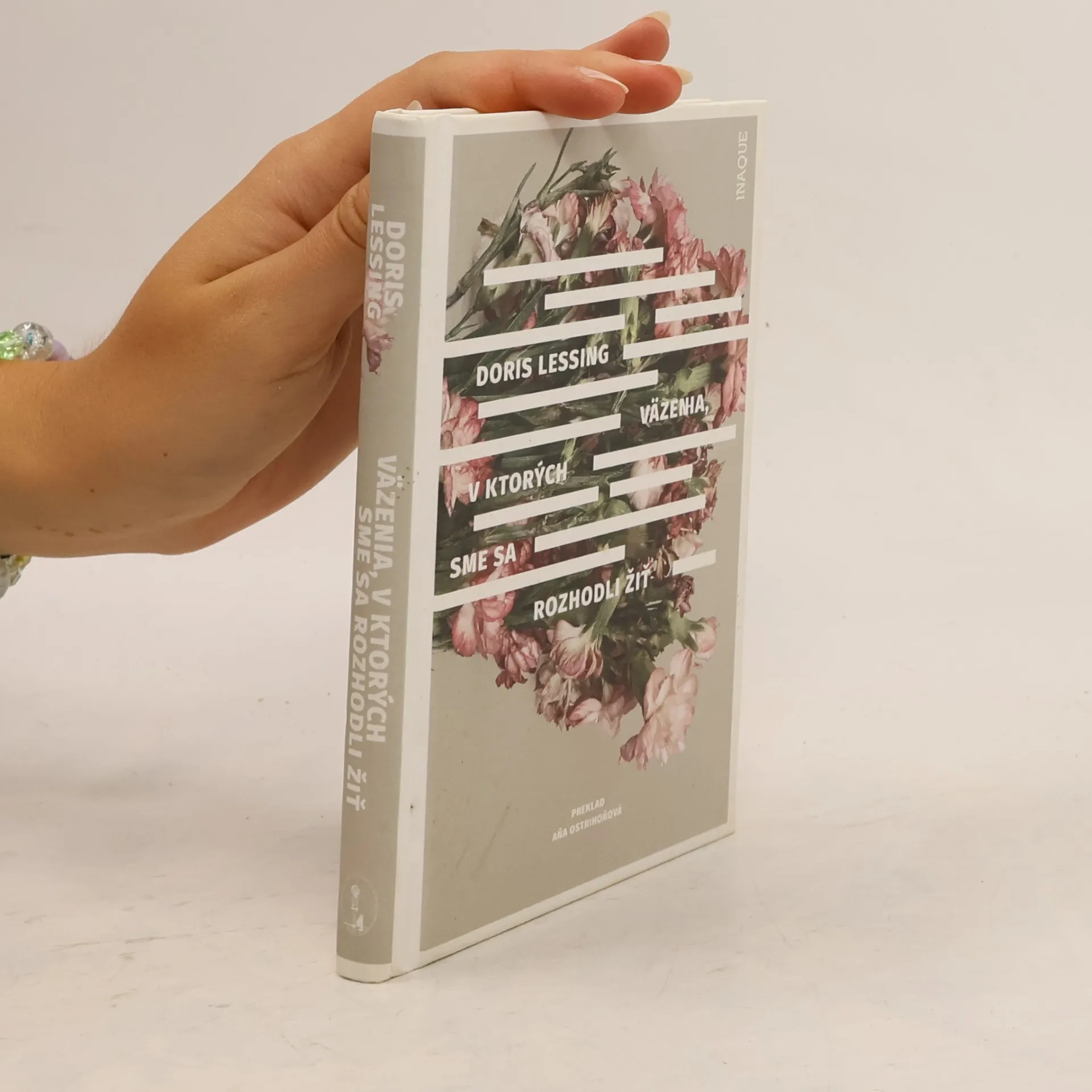
Kniha je zbierkou esejí Doris Lessingovej, nositeľky Nobelovej ceny za literatúru, v ktorých kladie priame otázky, ktoré sa nás všetkých týkajú: ako myslieť sám za seba, ako pochopiť a vyhodnotiť množstvo poznatkov, ktoré sme o sebe získali v oblastiach, akými sú psychológia či sociálna antropológia, ako si zvoliť cestu vo svete zaplavenom názormi a informáciami a ako sa pozrieť na seba a na spoločnosť novými očami.
Podobne ako väčšina Lessingovej prozaických diel román Tráva spieva čerpá látku z prostredia strednej Afriky, ktorú vidíme na pozadí vzdialeného vojnového bessnenia v Európe. Autorka nás tu uvádza do krajiny svojho detstva a mladosti, kde sama strávila najkrajšie roky života, a zoznamuje nás sdvoma typmi charakterov: s človekom, ktorý zlyhal v jednom spoločenskom prostredí a usiluje sa presadiť v druhom, a s nespokojnou ženou, ktorá čaká od života viac ako len dennú rutinu, pričom hlavný dôraz je na ženskej postave.
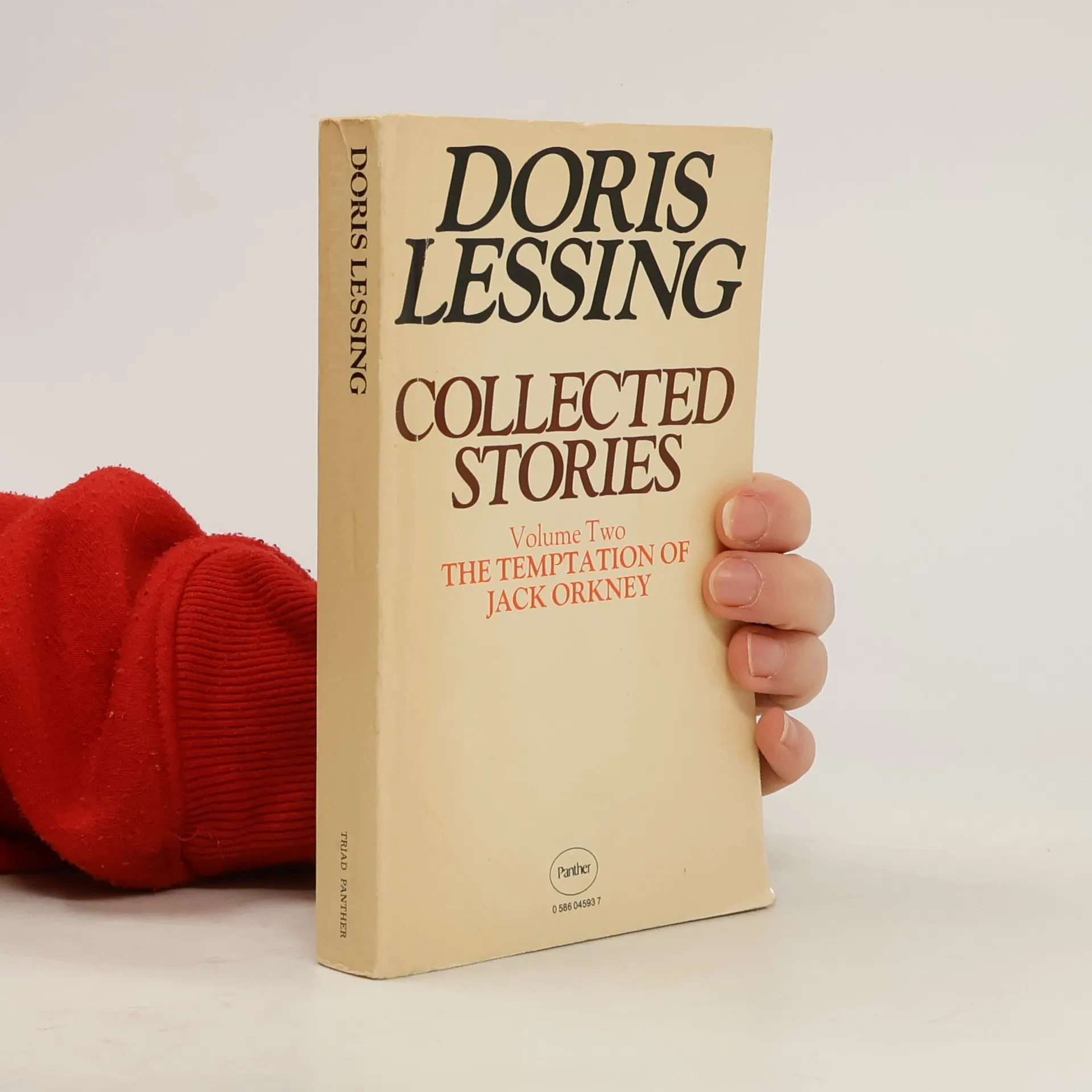
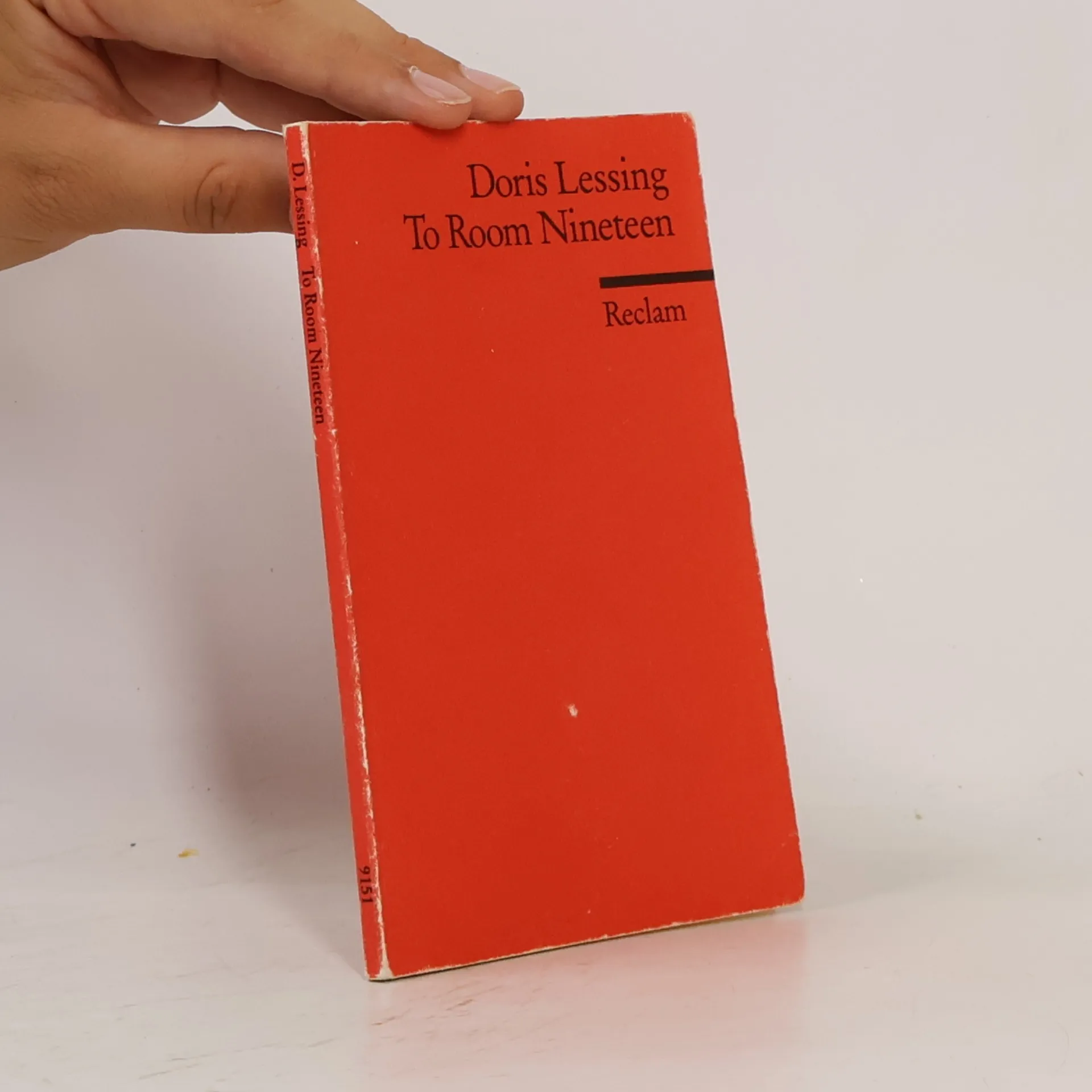
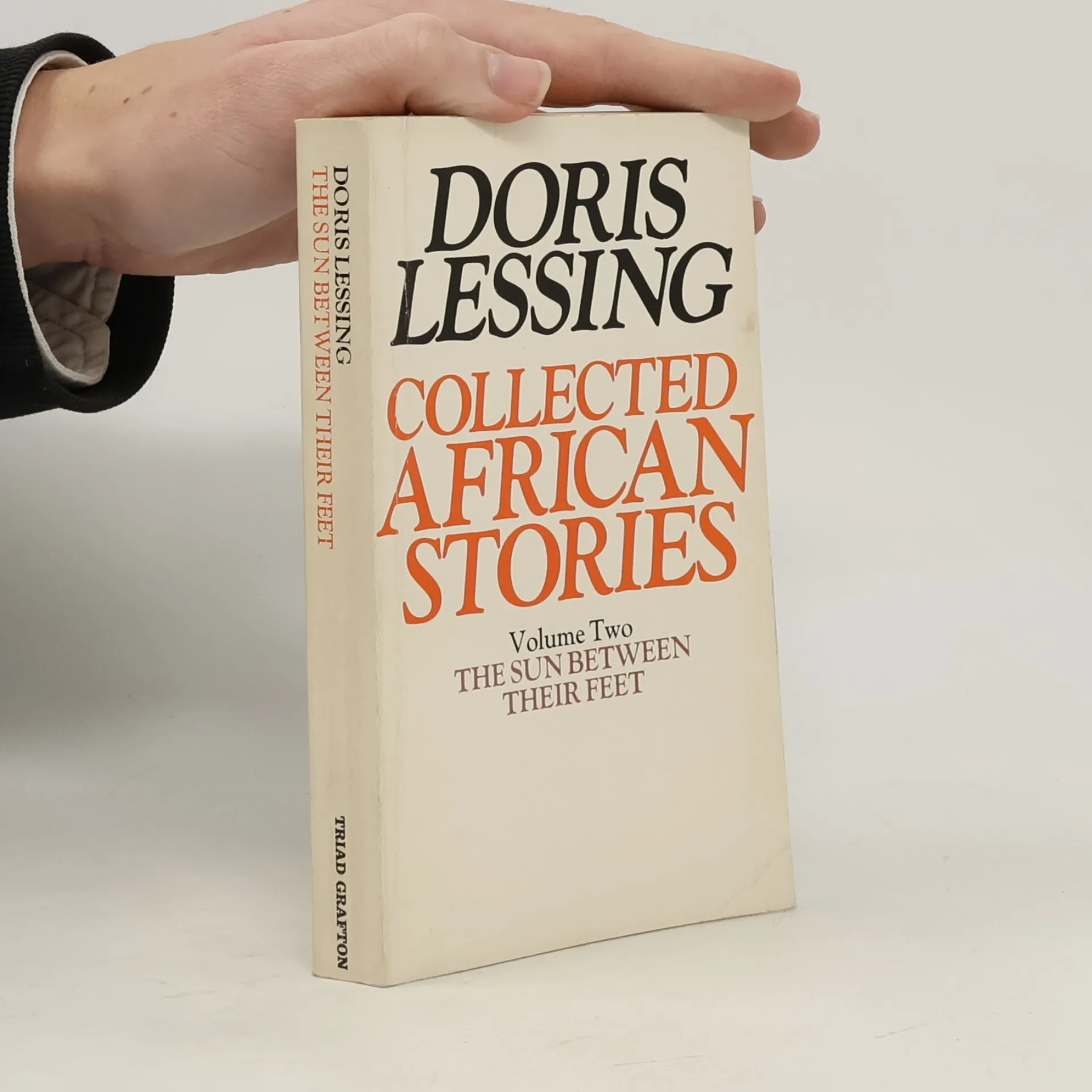
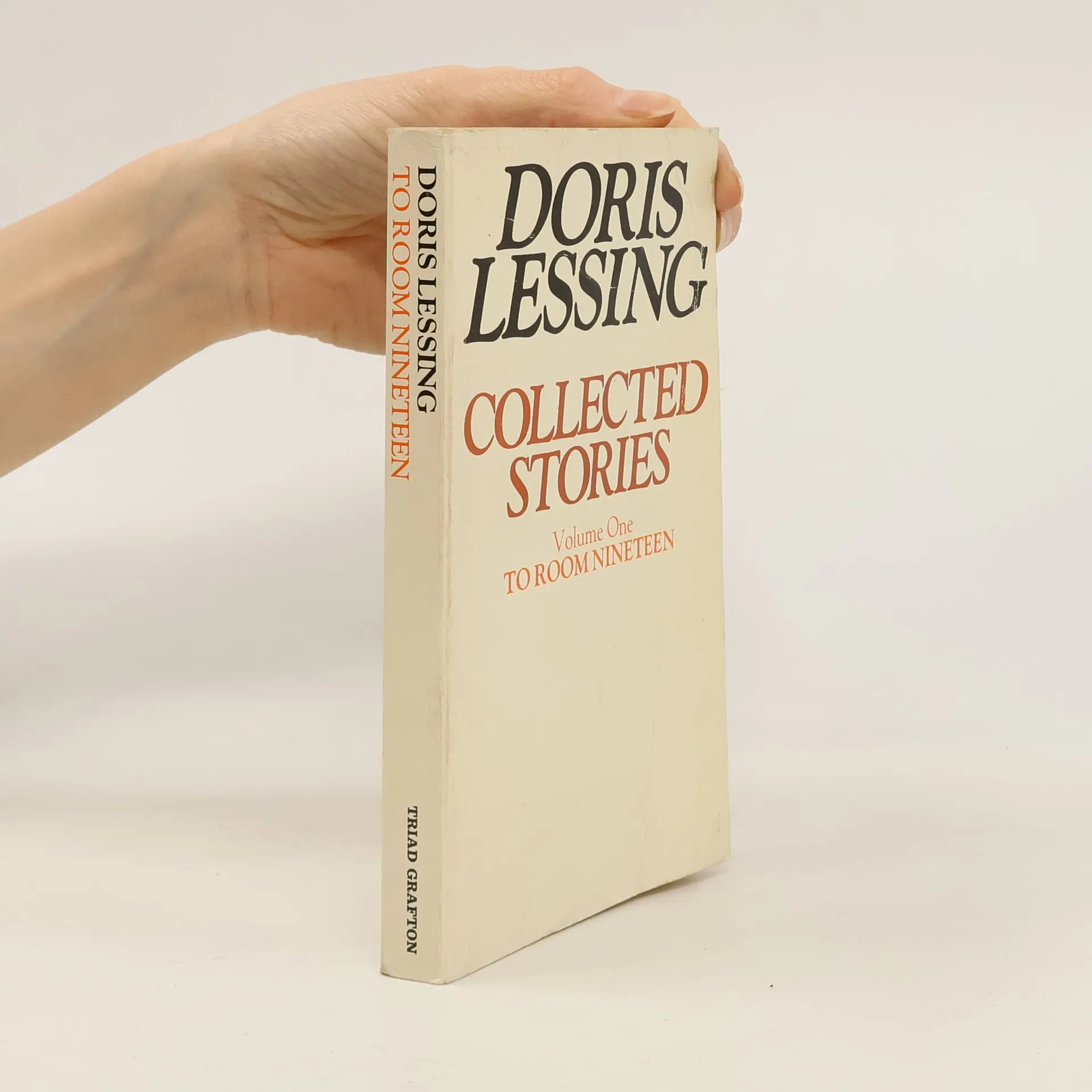
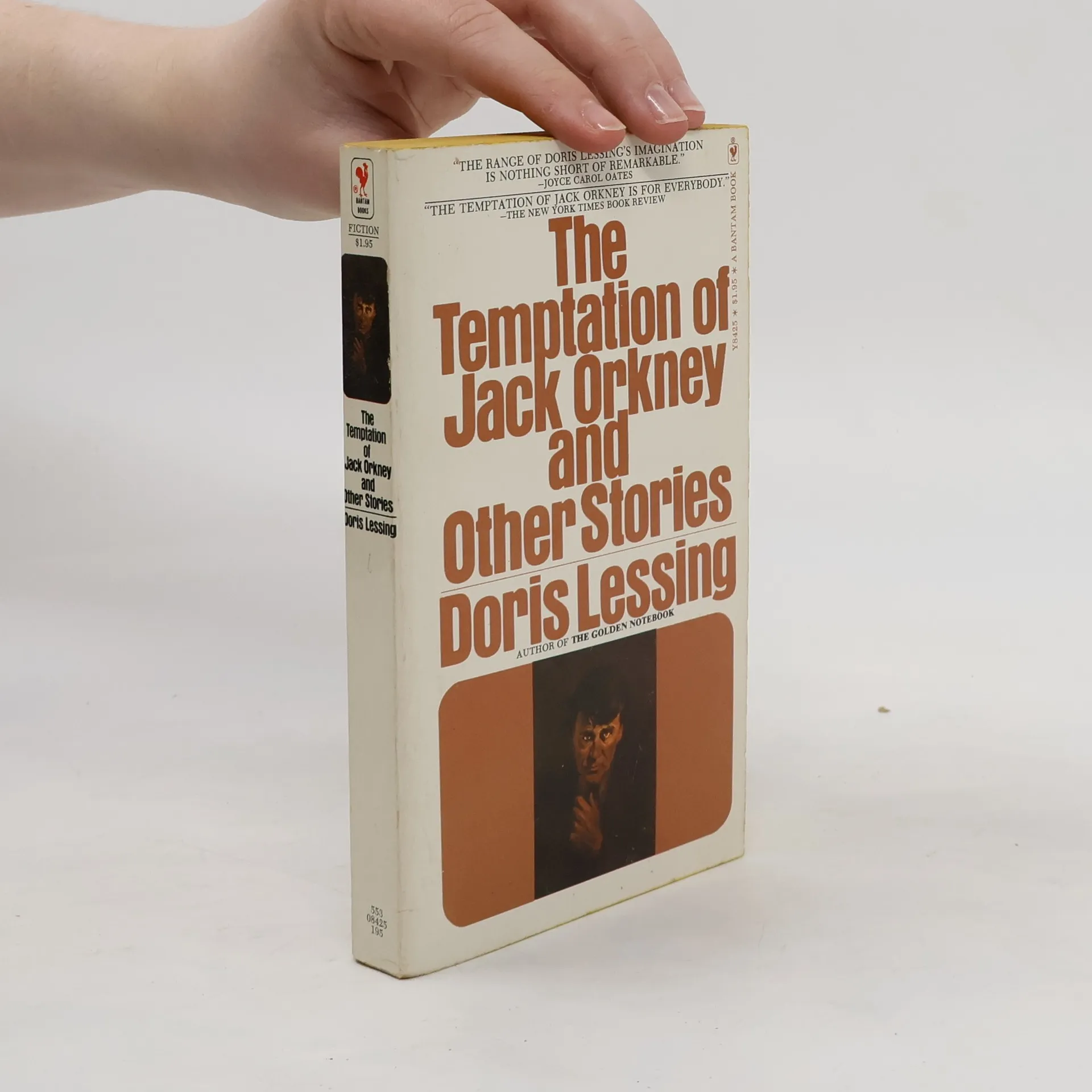
Nineteen brilliant examples of Doris Lessing's GeniusIncludes:One off the Short ListThe Story of Two DogsThe Sun between their FeetA Woman on a RoofHow I Finally Lost my HeartA Man and Two WomenA RoomEngland versus EnglandTwo PottersBetween MenA Letter from HomeOur Friend JudithEach OtherHomage for Isaac BabelOutside the MinistryDialogueNotes for a Case HistoryThe New ManTo Room NineteenCover by Robert Foster.
Exploring an alternative history of humankind's beginnings, this work by Doris Lessing delves into provocative themes that challenge conventional narratives. Renowned as one of the most significant writers of the past century, Lessing crafts a thought-provoking tale that invites readers to reconsider the foundations of human existence. The narrative is both brilliant and dark, reflecting her unique perspective on the complexities of humanity's origins.
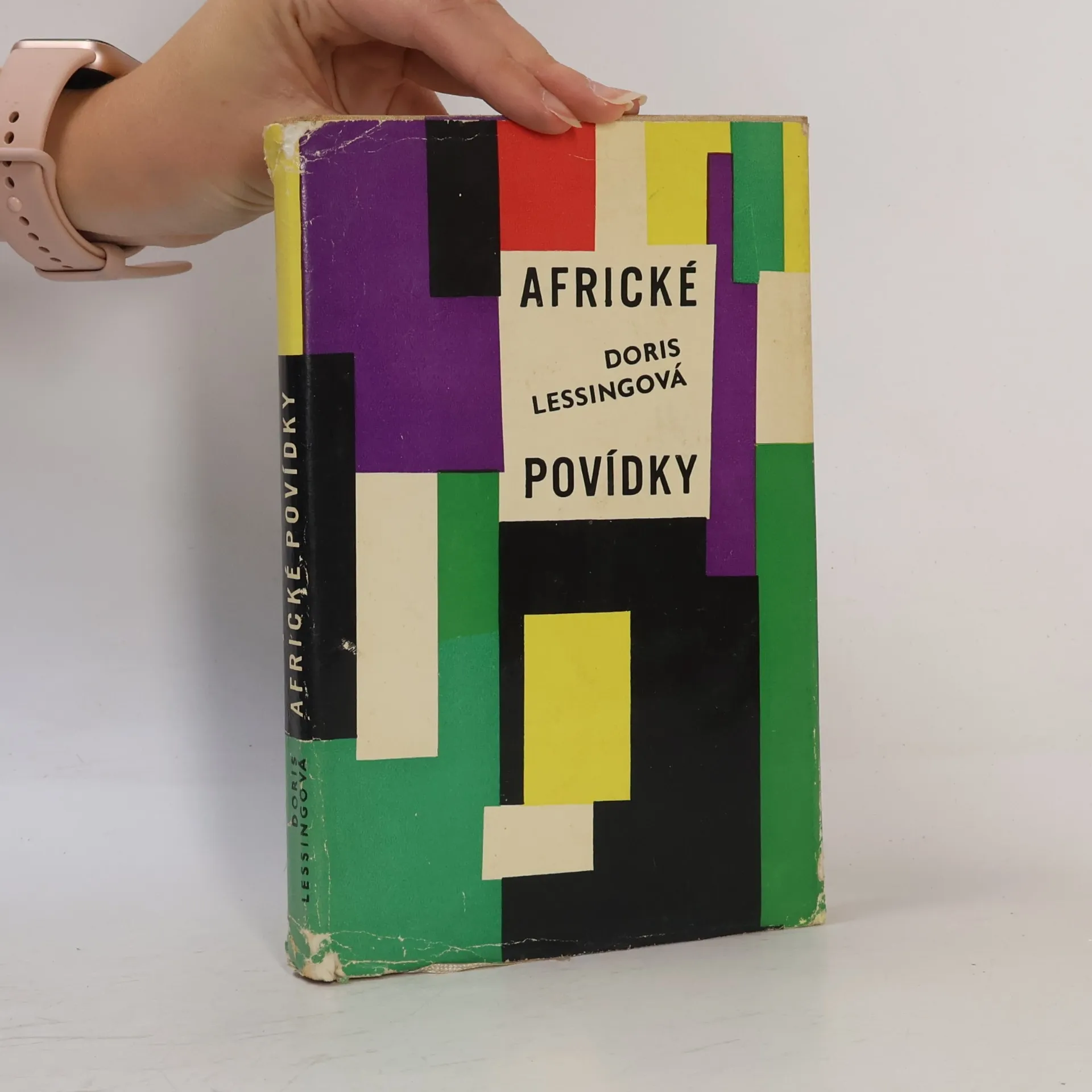
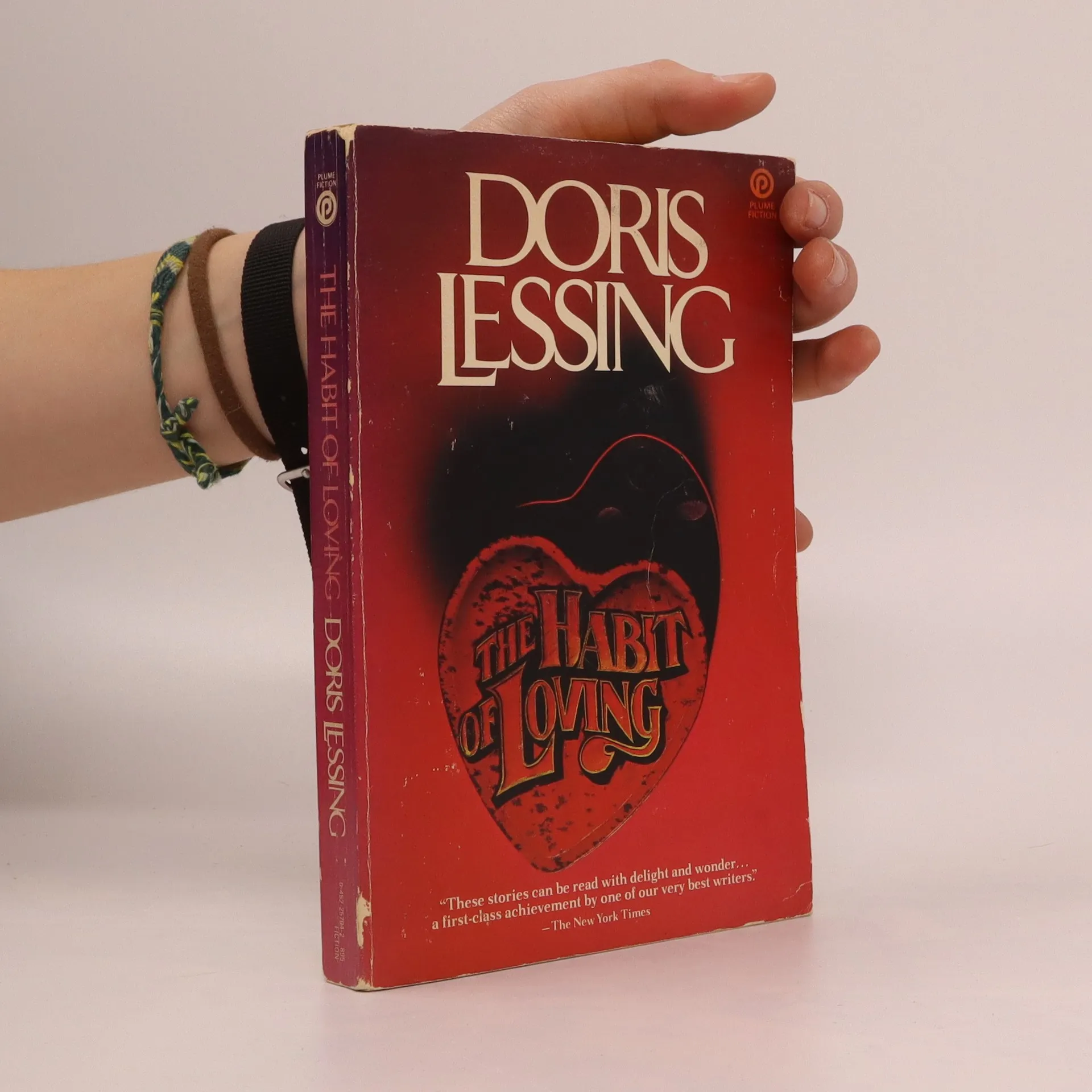
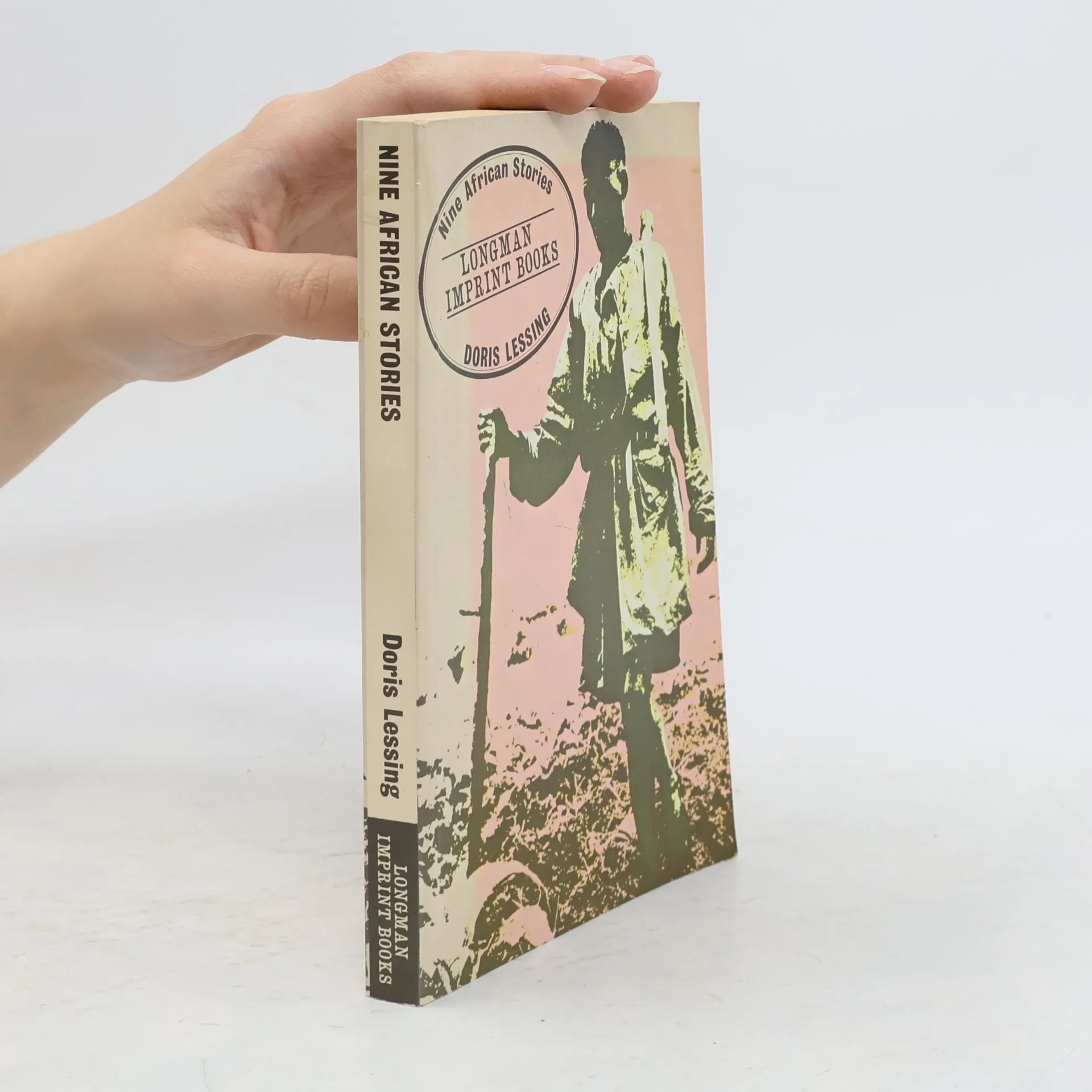
Povídky anglické spisovatelky – kompletní ze sbírky Five Short Novels (1953) a po jedné ze The Habit of Loving (1957) – svou uměleckou hloubkou a jednotou formy a obsahu sugestivně odhalují kolonialismus a rasovou diskriminaci v jižní a střední Africe.
Výbor ze dvou větších povídkových souborů (This Was the Old Chief's Country, 1951; The Habit of Loving, 1957) významné členky anglické spisovatelské levice. V jedenácti povídkách osobité ražby a bystrého, z osobních zkušenosti a poznatků vyrostlého pohledu jsou zachyceny výseky ze života Jižní Rhodesie a jejích domorodých obyvatel i kolonizátorů.
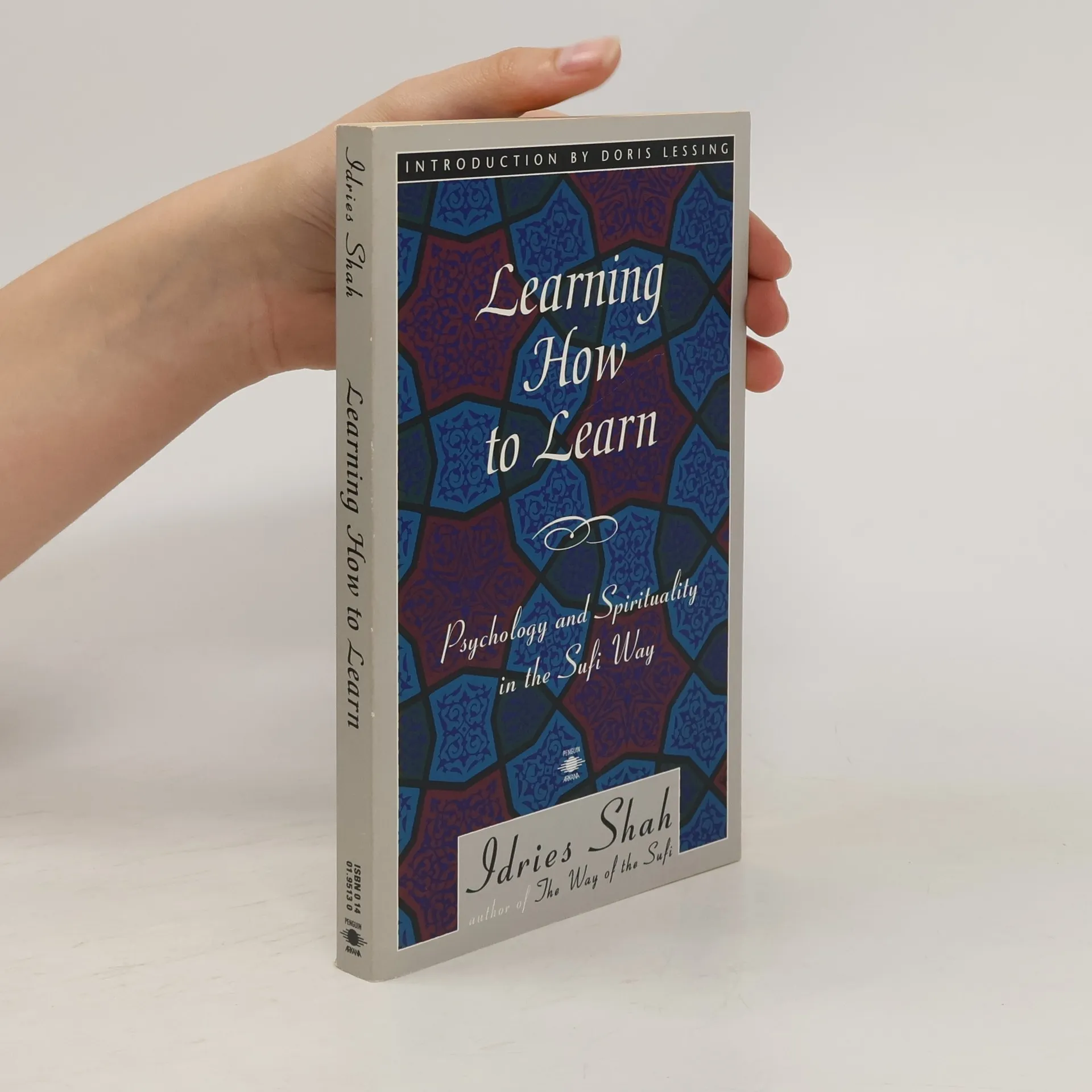
In response to the many inquiries he has received about the Sufi tradition from people from all walks of life, leading Sufi expert Idries Shah presents a clarifying series of questions and answers that illustrates how traditional Sufi concepts can resolve our social, psychological, and spiritual problems.
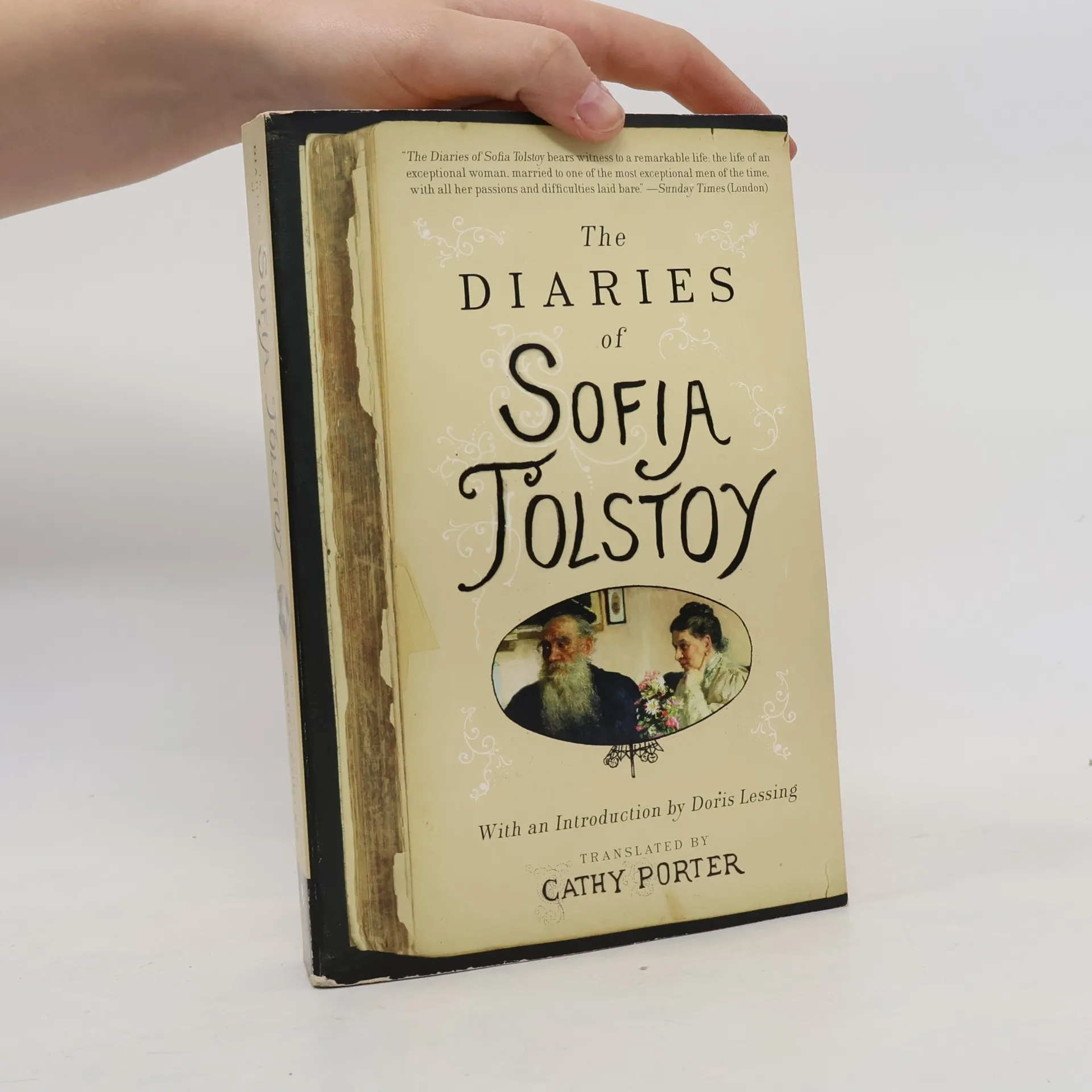
After marrying Count Leo Tolstoy, the renowned author of Anna Karenina and War and Peace , Sofia Tolstoy kept a detailed diary until his death in 1910. Her life was not an easy one: she idealized her husband but was tormented by him. She lived against the background of one of the most turbulent periods in her country’s history, as old feudal Russia was transformed by three revolutions and three major international wars. Yet it is as Sofia Tolstoy’s own life story—the study of one woman’s private experience—that these diaries are most valuable and moving. They reveal a woman of tremendous vital energy and poetic sensibility who, in the face of provocation and suffering, continued to strive for the higher things in life and to remain indomitable.
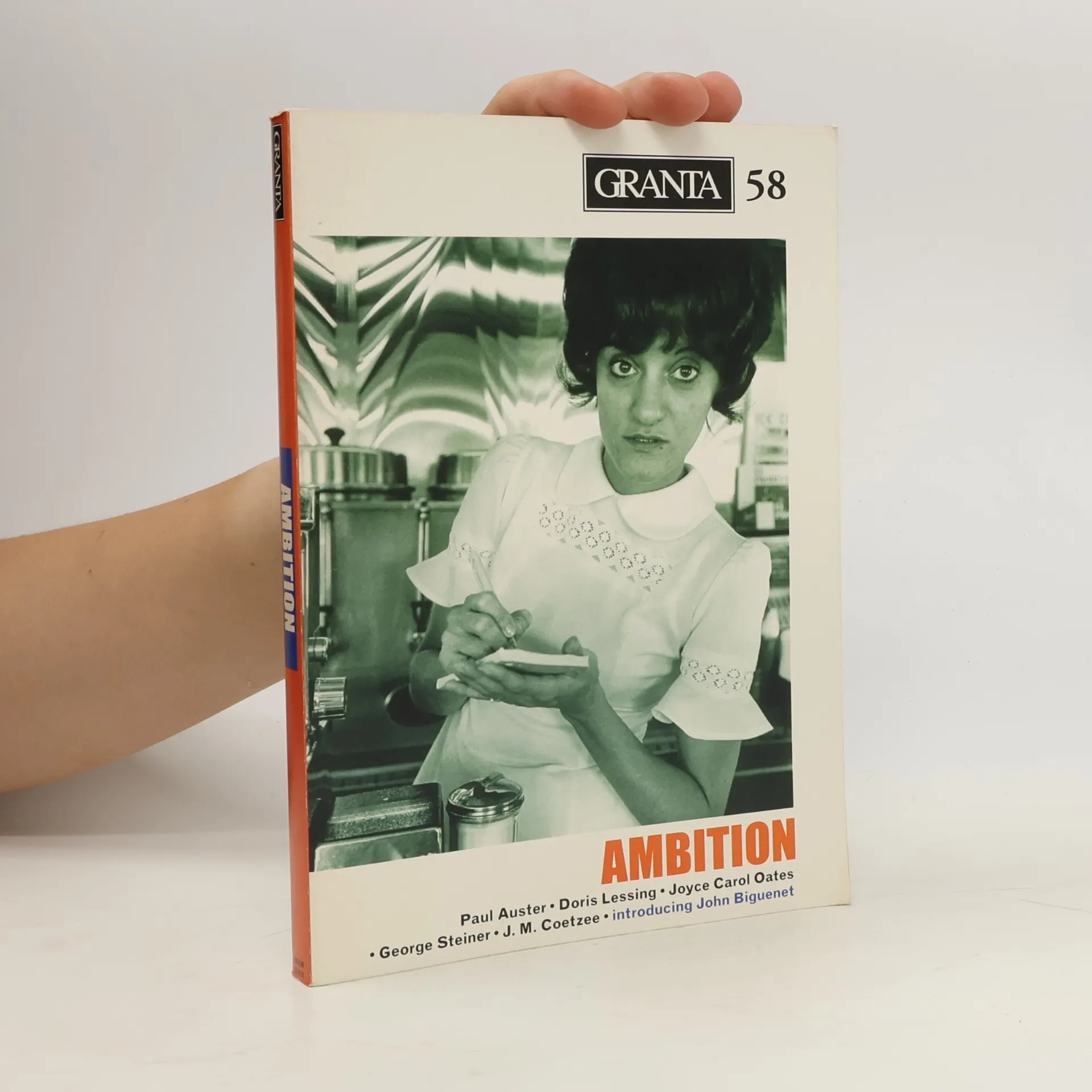
I want, therefore I am. The cry of children down the ages (I want! I want!) turns out to be the cry of adults also. The things we desire — love, money, wisdom, power — have not changed since the world began, but it seems we want more of them, and now . But what if we get what we hope for? What if we don't?
Doris Lessing is unrivalled in her ability to capture the truth from the complexities of relationships and the stories in this wonderful collection have lost none of their original power. Two marriages, both middle class, liberal and 'rather literary', share a shocking flaw, a secret 'cancer'. A young, beautiful woman from a working class family is courted by a very eligible, very upmarket man. An ageing actress falls in love for the first time but can only express her feelings through her stage performances because her happily married lover is unobtainable. A dedicated, lifelong rationalist is tempted, after the death of his father, by the comforts of religious belief. In this magnificent collection of stories, which spans four decades, Doris Lessing's unique gift for observation, her wit, her compassion and remarkable ability to illuminate the complexities of human life are all remarkably displayed.
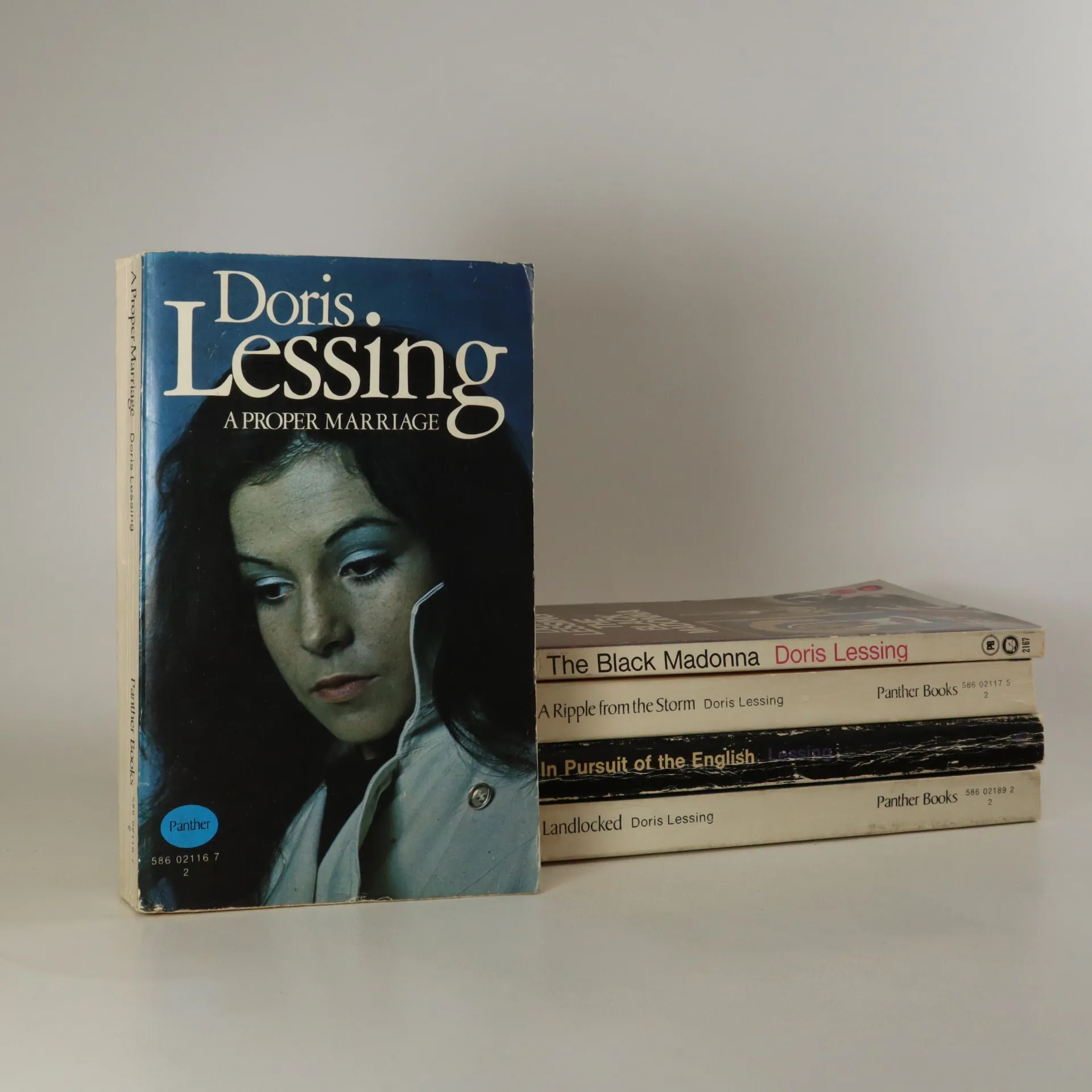
In Pursuit of the English is a first-class novelist's account of the lusty, quarrelsome, unscrupulous, funny, pathetic, full-blooded life in a working-class rooming house. It is a shrewd and unsentimental picture of Londoners you've probably never met or even read about - though they are the real English. In swift, barbed style, in high, hard, farcical writing that is eruptively funny, Doris Lessing records the joys and terrors of everyday life. The truth of her perception shines through the pages of a work that makes a permanent addition to writing about the English.
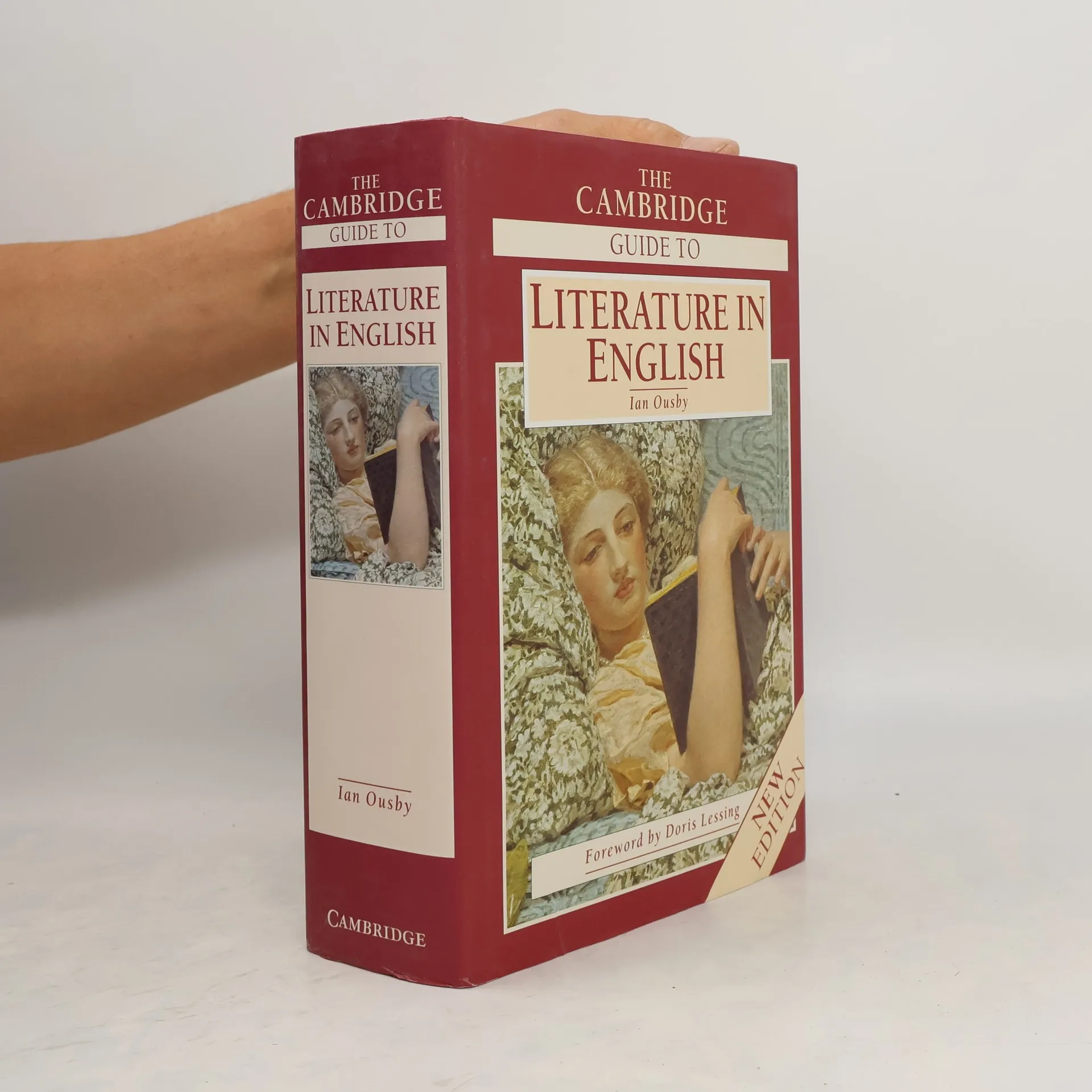
Substantially enlarged and updated for this new edition, The Cambridge Guide to Literature in English is the definitive guide to the vast and extraordinarily rich heritage of literature written in English. It covers all the major novelists, poets and dramatists - from Shakespeare, Milton, Wordsworth, Austen, Dickens to Conrad and to contemporary writers from all over the English-speaking world - Saul Bellow, Adrienne Rich, Les Murray, Wole Soyinka, and Janet Frame. More than 100 specialist contributors provide detailed biographical and critical articles not only on writers and their works. Substantial coverage is also given to such literary genres as popular fiction, science fiction, detective novels, and children's classics. All literary concepts and movements are described in detail. • Over 4,500 alphabetical entries, cross-referenced throughout • Includes all literature in English - British, Irish, American, Australian, African, Canadian, New Zealand, Indian and Caribbean • Illustrated throughout with over 115 photographs and line drawings
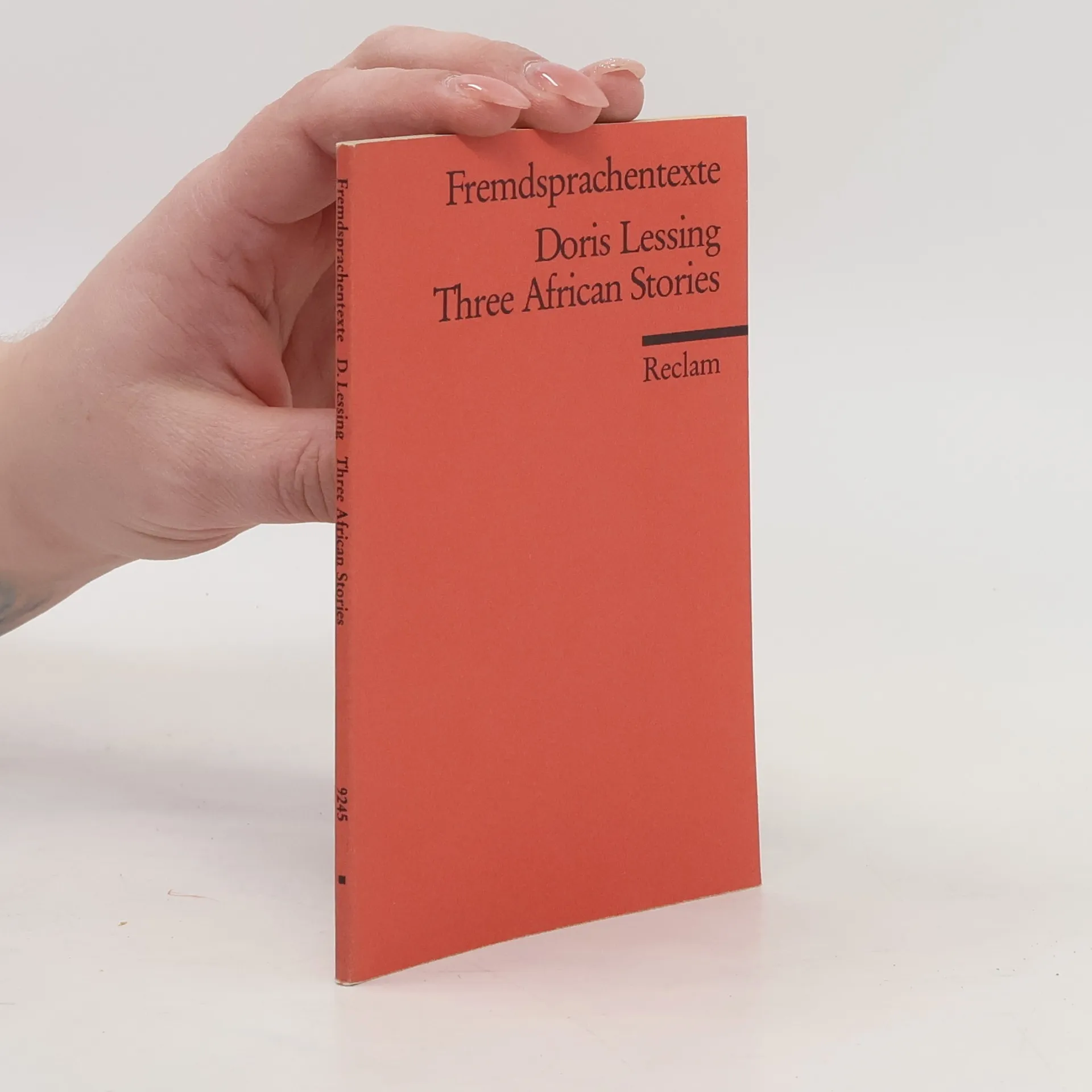
Susan Rawlings, eine Frau in den besten Jahren, die eigentlich alles hat, was nach landläufiger Meinung eine Frau sich nur wünschen kann: einen gutaussehenden, erfolgreichen Ehemann, vier wohlerzogene Kinder und ein schönes Haus mit Garten in Richmond, beginnt auf einmal, immer öfter die Tage in einem schäbigen Zimmer in einem Stundenhotel zu verbringen, wo es eines Tages zur Katastrophe kommt. Ungekürzte und unbearbeitete Textausgabe in der Originalsprache, mit Übersetzungen schwieriger Wörter am Fuß jeder Seite, Nachwort und Literaturhinweisen.
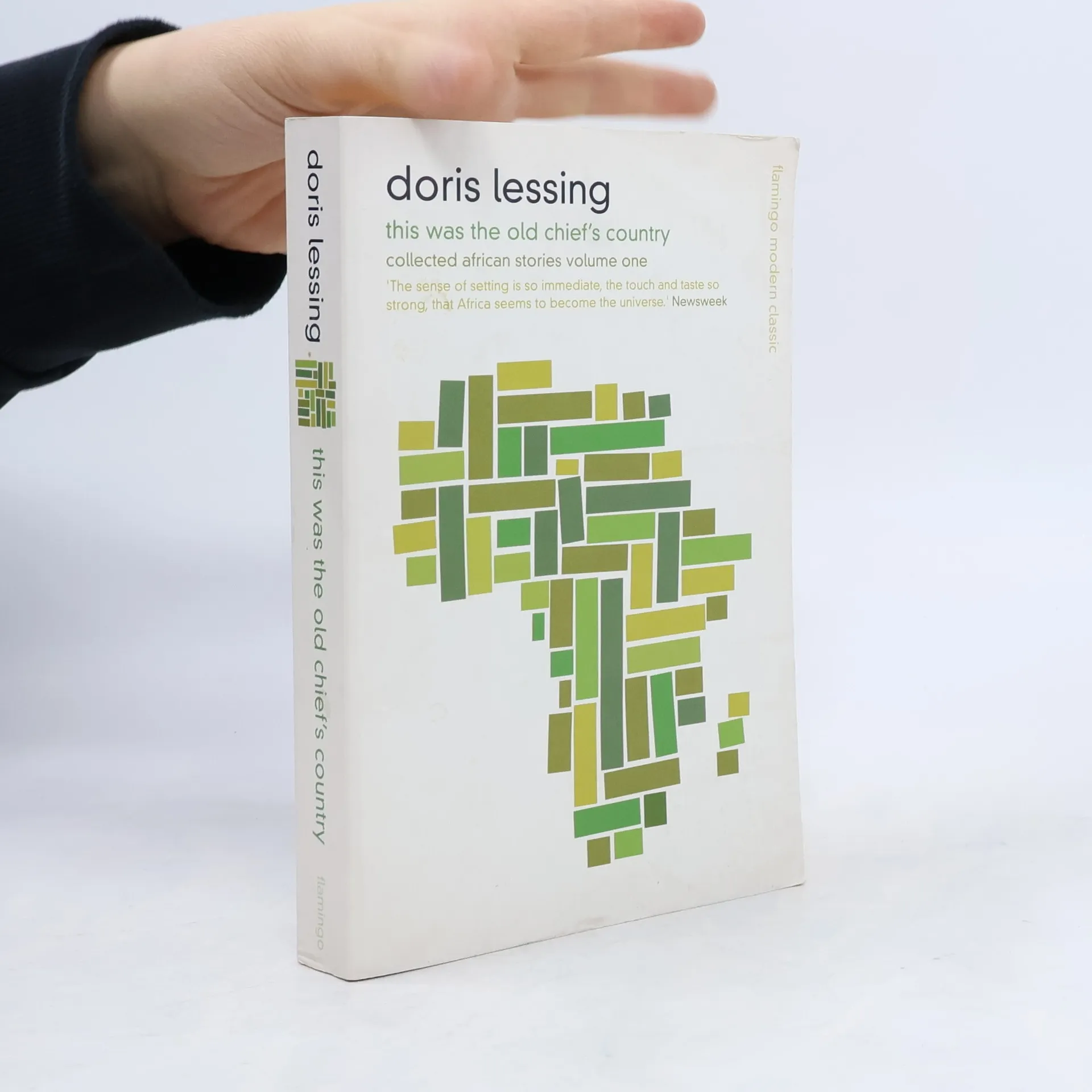
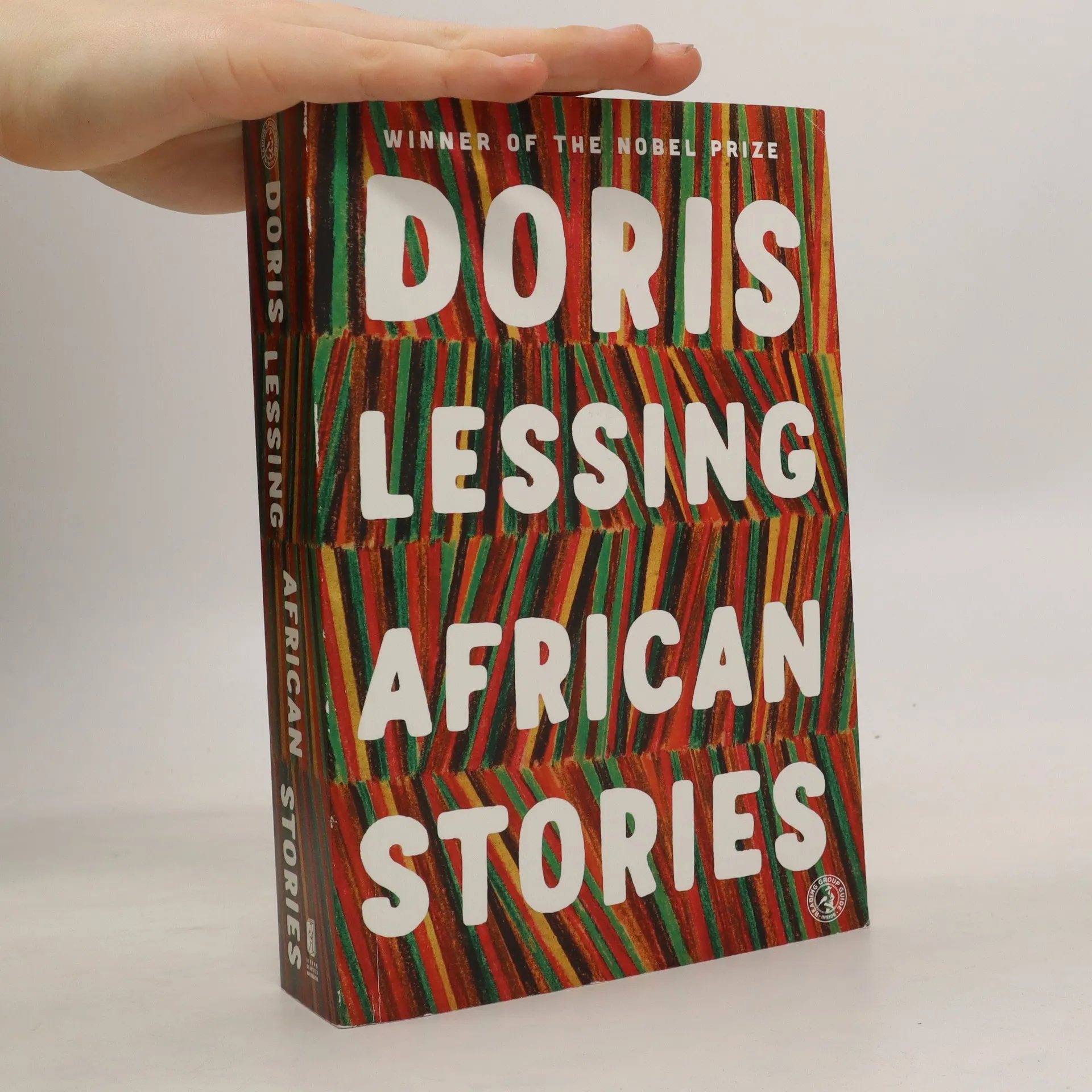
This is Doris Lessing s Africa where she lived for twenty-five years and where so much of her interest and concern still resides. Here in these stories, Lessing explores the complexities, the agonies and joys, and the textures of life in Africa.
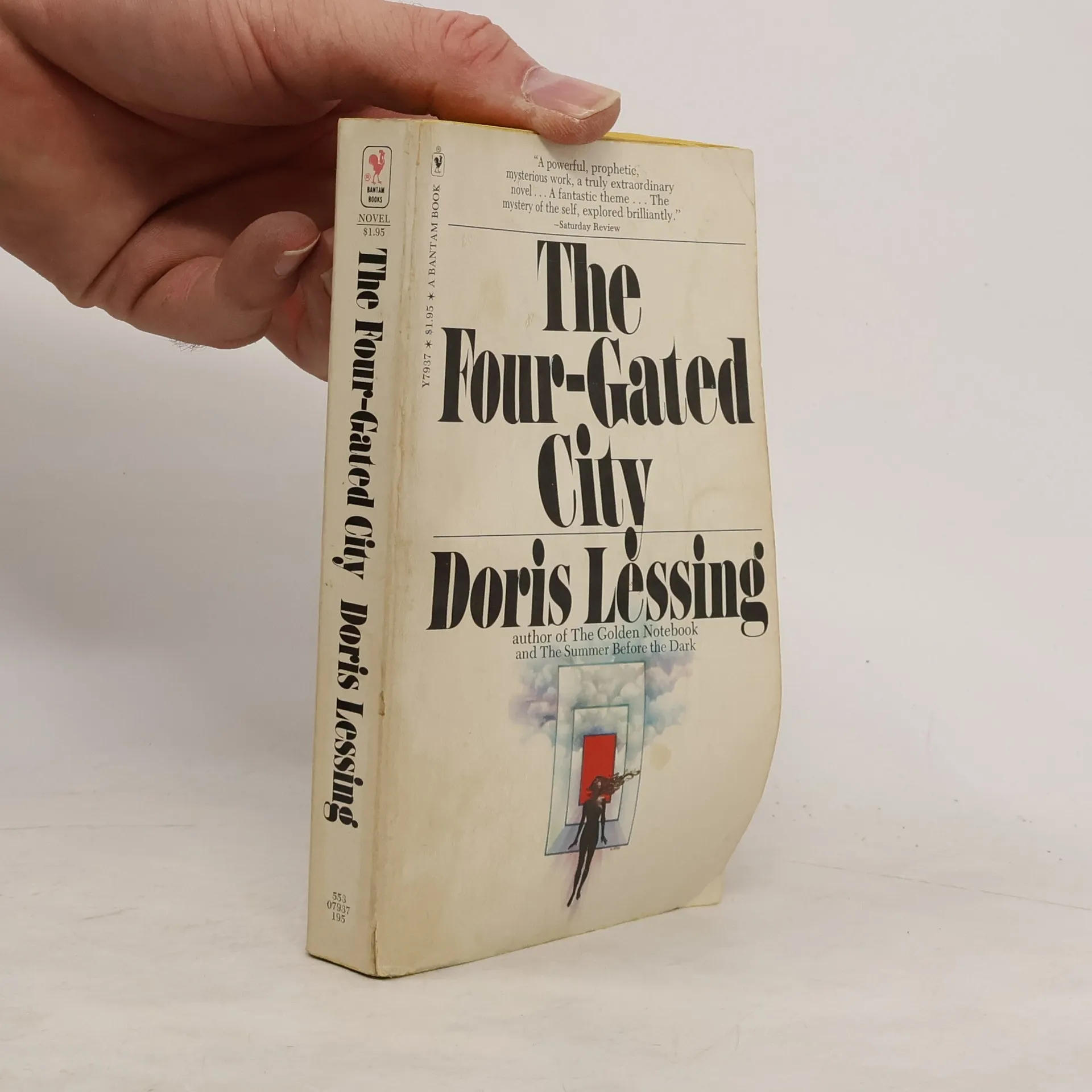
The fifth and final book in the Nobel Prize for Literature winner's 'Children of Violence' series tracing the life of Martha Quest from her childhood in colonial Africa to old age in post-nuclear Britain. 'The Four-Gated City' finds Martha Quest in 1950s London and very much part of the social history of the time: the Cold War, the anti-nuclear Aldermaston Marches, Swinging London, the deepening of poverty and social anarchy. Daring to go a step further - as Lessing so often has in her career - the novel ends with the century in the throes of World War Three. In the four previous novels of the 'Children of Violence' series, Lessing explored the end of an epoch. Here she trains her gaze on the present - and the future. The disquieting power of her vision revealed across this series finds its culmination in this brave and visionary work.
This much-acclaimed collection of stories vividly evokes both the grandeur of Africa, the glare of its sun and the wide open space, as well as the great, irresolvable tensions between whites and blacks. Tales of poor white farmers and their lonely wives, of storm air thick with locusts, of ants and pomegranate trees, black servants and the year of hunger in a native village - all combine to present a powerful image of a continent which seems incorruptible in spite of the people who plough, mine and plunder it to make their living. In Doris Lessing's own words, 'Africa gives you the knowledge that man is a small creature, among other creatures, in a large landscape.'
This is Doris Lessing's account of a journey back to the land in which she grew up and in which so much of her concern is still invested. Her love of Africa is as strong as her hatred of the white supremacy rule that has haunted its past.
This is an evocative look at the cats Doris Lessing has lived with featuring new stories. Lessing brings her shrewd observation of character and her own inimitable style to the feline world. Illustrated with full-colour pastels by Anne Robinson.
An unconventional woman trapped in a conventional marriage, Martha Quest struggles to maintain her dignity and her sanity through the misunderstandings, frustrations, infidelities, and degrading violence of a failing marriage. Finally, she must make the heartbreaking choice of whether to sacrifice her child as she turns her back on marriage and security. A Proper Marriage is the second novel in Doris Lessing's classic Children of Violence series of novels, each a masterpiece on its own right, and, taken together, an incisive and all-encompassing vision of our world in the twentieth century.
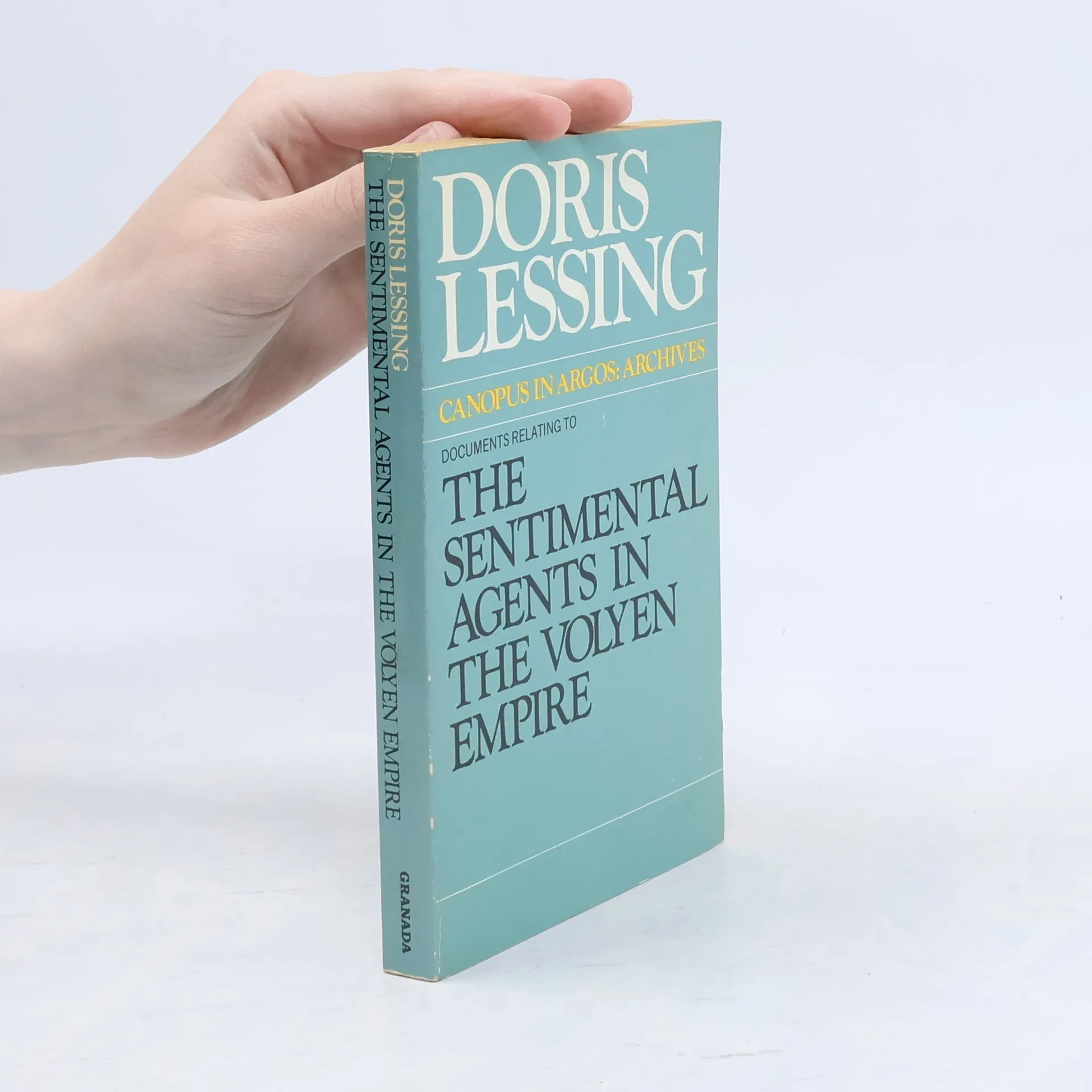
Documents Relating to The Sentimental Agents in the Volyen Empire is an sf novel by Nobel Prize in Literature-winner Doris Lessing. It concludes her five-book Canopus in Argos series & comprises a set of documents that describe the final days of the Volyen Empire, located at the edge of our galaxy & under the influence of three other galactic empires, the benevolent Canopus, the tyrannical Sirius & the malicious Shammat of Puttiora. The Sentimental Agents is a social satire written in the tradition of Jonathan Swift & George Orwell focusing on the debasement of language in political rhetoric. In this fictional universe it's propaganda that keeps fragile empires afloat. When language becomes too distorted, some succumb to a condition called "undulant rhetoric" & are placed in a Hospital for Rhetorical Diseases. Because of its focus on characterization & social/cultural issues, & no emphasis on technological details, this book is soft sf, or "space fiction" as Lessing calls her Canopus in Argos series. While The Sentimental Agents can be read as a stand-alone book, she does continue with the history of the Sirian Empire, picking up from where she left off in The Sirian Experiments ('80), 3rd book in the series.
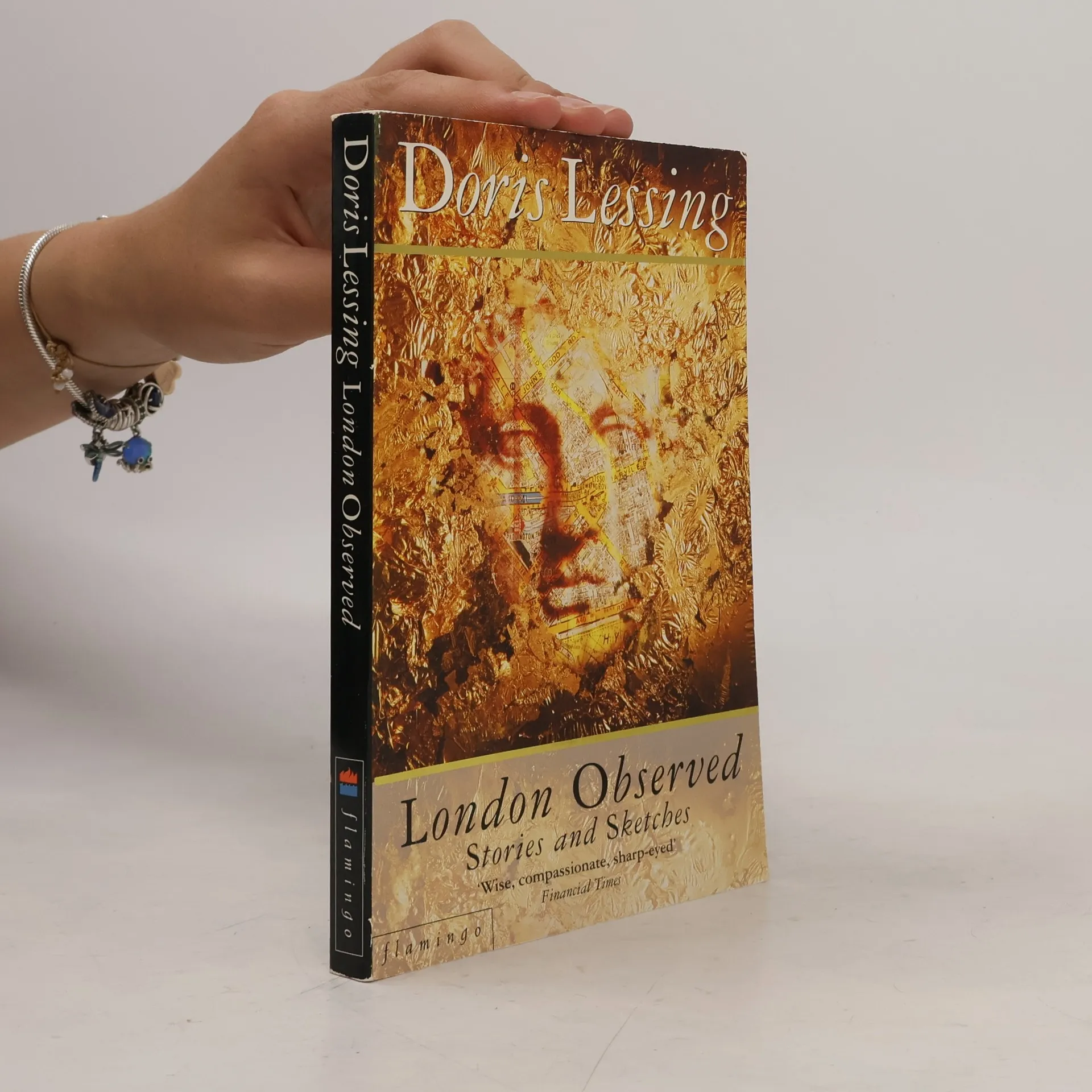
Published in America as The Real Thing: Stories and Sketches. Across eighteen short stories, Lessing dissects London and its inhabitants with the power for truth and compassion to be expected of the Nobel Prize for Literature 2007. 'During that first year in England, I had a vision of London I cannot recall now … it was a nightmare city that I lived in for a year. Then, one evening, walking across the park, the light welded buildings, trees and scarlet buses into something familiar and beautiful, and I knew myself to be at home.' Lessing’s vision of London – a place of nightmares and wonder – underpins this brilliantly multifaceted collection of stories about the city, seen from a cafe table, a hospital bed, the back seat of a taxi, a hospital casualty department; seen, as always, unflinchingly, and compellingly depicted.
From Doris Lessing, winner of the Nobel Prize for Literature, this is the second instalment in the visionary novel cycle 'Canopus in Argos: Archives'.
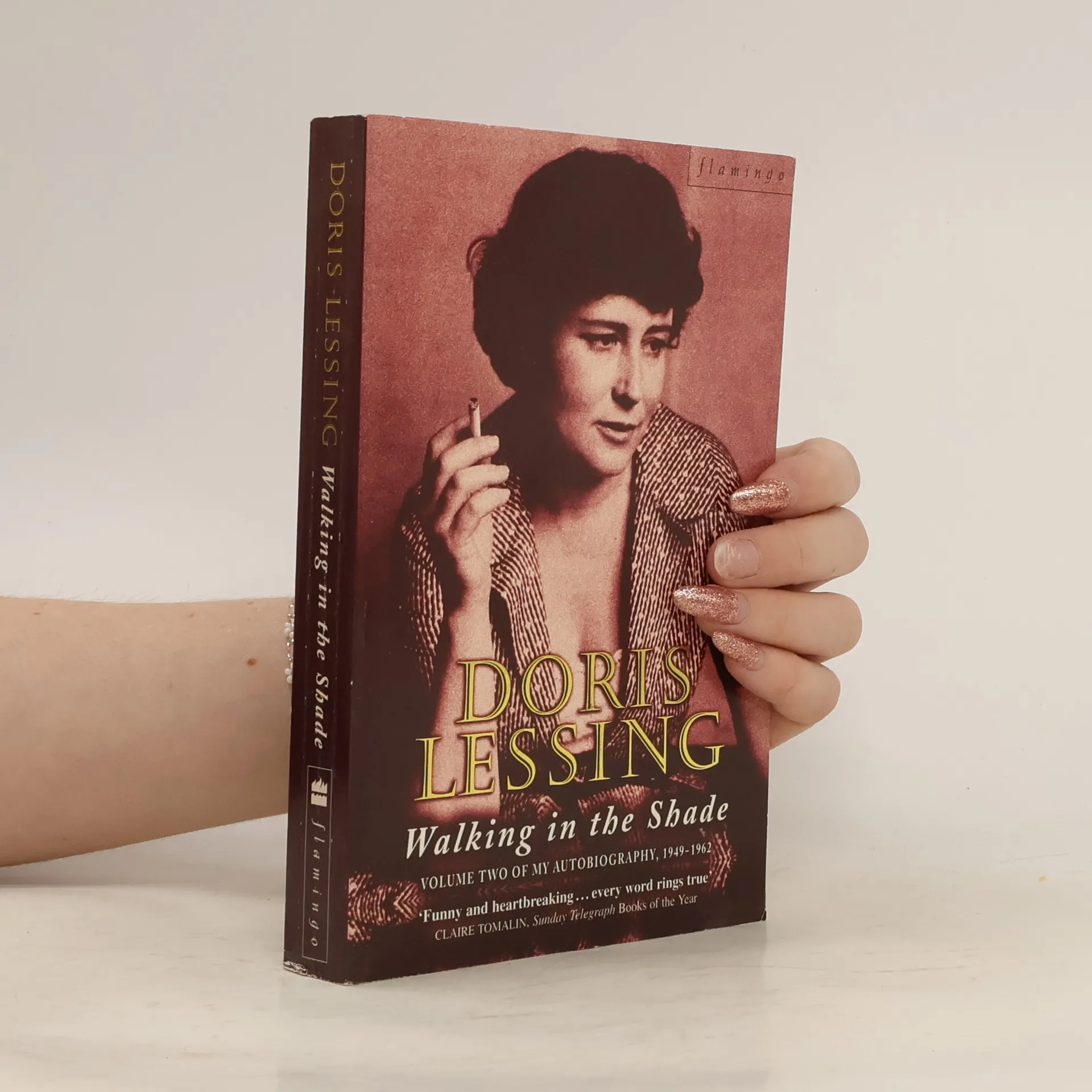
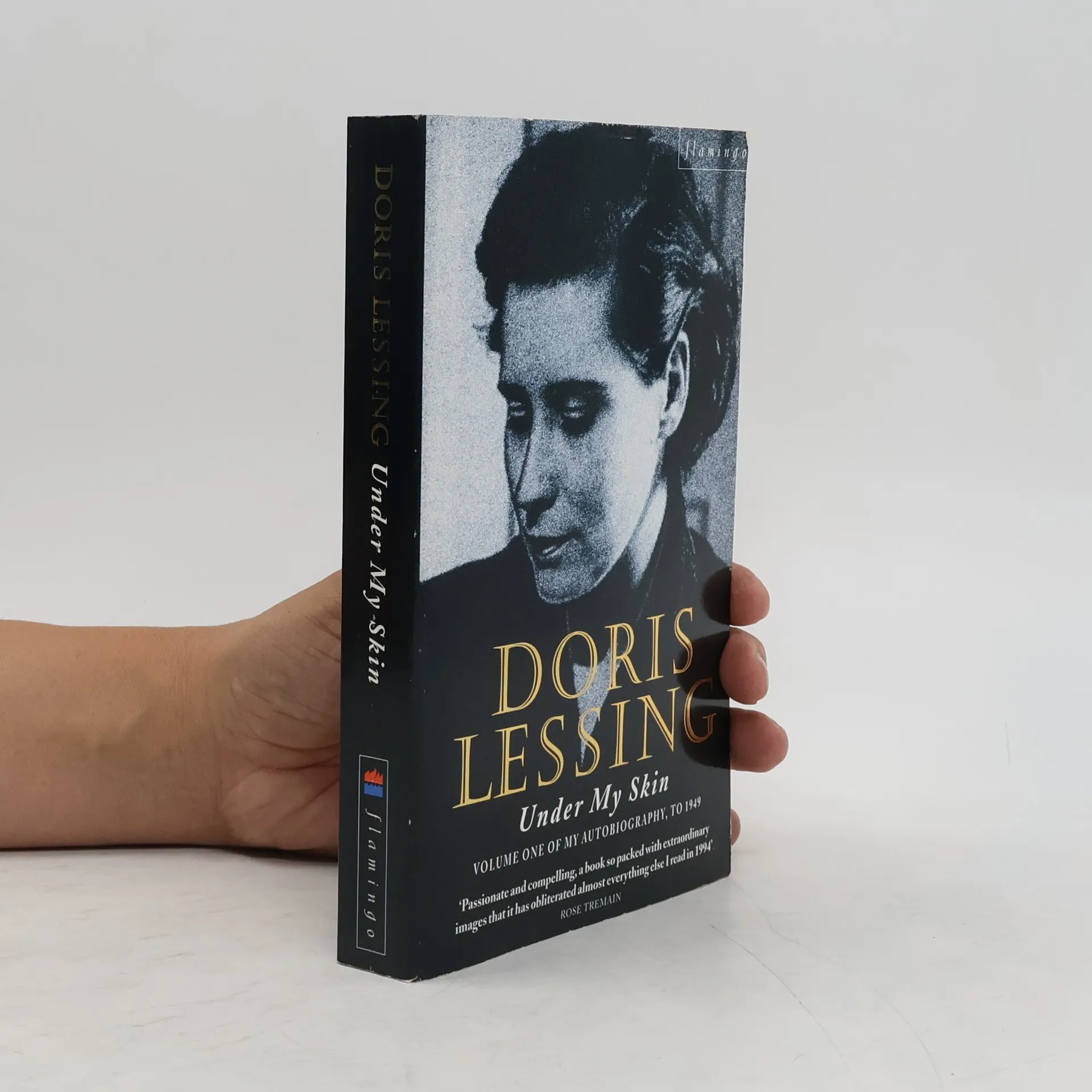
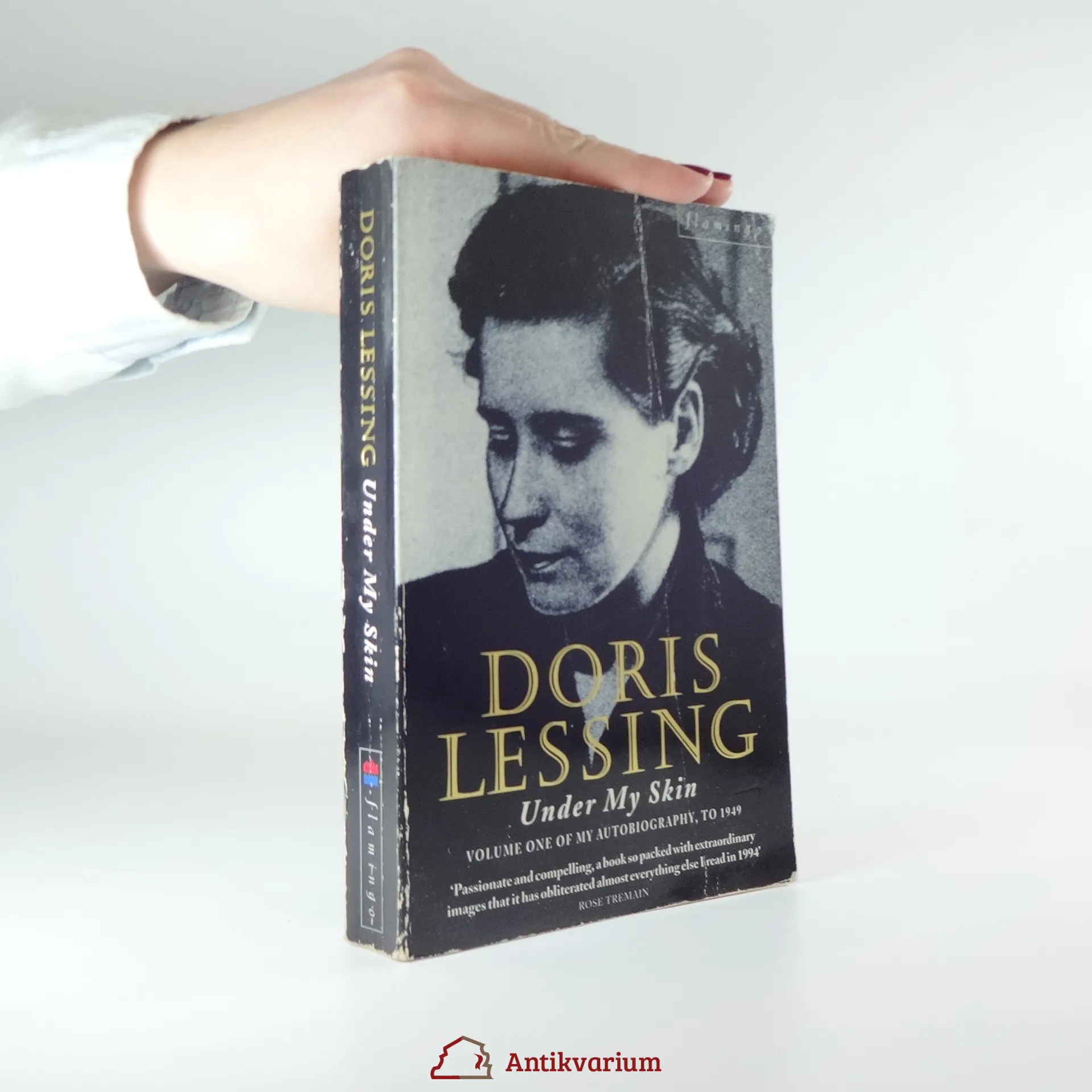
This book begins with Lessing's childhood in Africa, recalling her marriages and involvement in communist politics and ends on her arrival in London in 1949, with the typescript of her first novel - The Grass is Singing - in her suitcase.
From Doris Lessing, winner of the Nobel Prize for Literature, the fifth and
final instalment in the visionary novel cycle `Canopus in Argos: Archives'.
Martha Quest, the embodied heroine of the Children of Violence series, has been acclaimed as one of the greatest fictional creations in the English language. In a Ripple from the Storm, Doris Lessing charts Martha Quest's personal and political adventures in race-torn British Africa, following Martha through World War II, a grotesque second marriage, and an excursion into Communism. This wise and starling novel perceptively reveals the paradoxes, passions, and ironies rooted in the life of twentieth-century Anglo-Africa. A Ripple from the Storm is the third novel in Doris Lessing's classic Children of Violence sequence of novels, each a masterpiece in its own right, and, taken together, an incisive and all-encompassing vision of our world in the twentieth century.
The Second World War has ended, but the anticipated relief and change do not come. The war has shattered existing values, and nothing new is in sight. Only violence remains. However, Martha does not believe in violence. Her knowledge is a hope that cannot be substantiated, as her world crumbles around her. The only hope she holds is the idea of a journey to her second homeland, England, where she will carry something that will open the gates of truth for her: the writings of Thomas Stern, her former lover, who could not bear reality and became unhinged. This madness does not lead him to unknown territories but rather provides a clearer insight into his own existence, and what he claims will prove to be true: "I am now the norm."
At age 82, Clifton Fadiman continues his prolific publishing career, here presenting 62 of the world's best short stories from 16 countries. His criteria? "Each story had to be both interesting and of high literary merit." Fadiman fulfills both requirements and much more, offering a cornucopia of superior 20th-century writers that includes Franz Kafka, D. H. Lawrence, Isaac Babel, F. Scott Fitzgerald, William Faulkner, Ernest Hemingway, John Cheever, Sean O'Faolain, Graham Greene, Robert Penn Warren, Colette, John Updike, Donald Barthelme, and James Thurber. (Regrettably, J. D. Salinger is not included due to lack of permission.) Here is a truly remarkable collection of this century's short stories that readers from all over the world will read with delight.
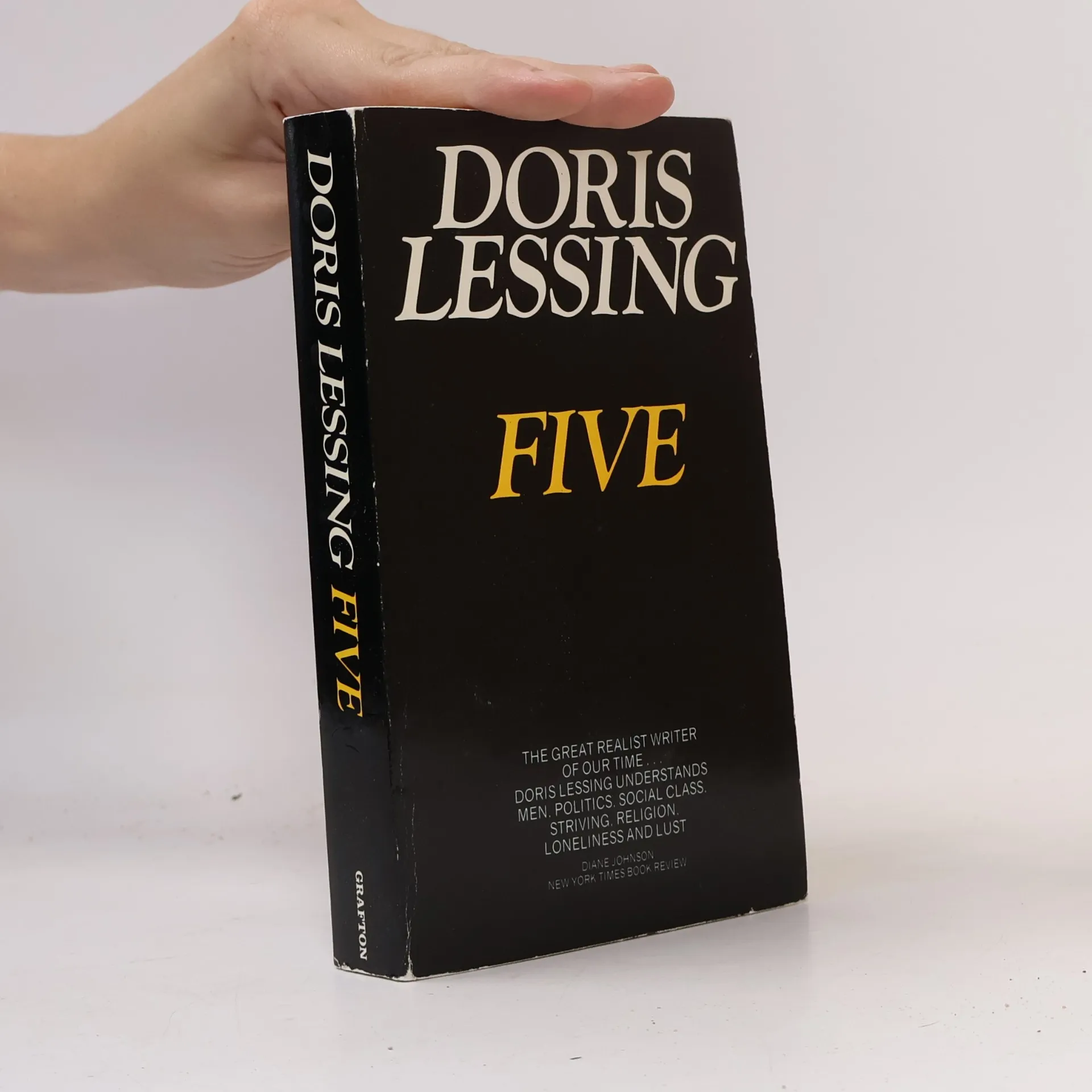
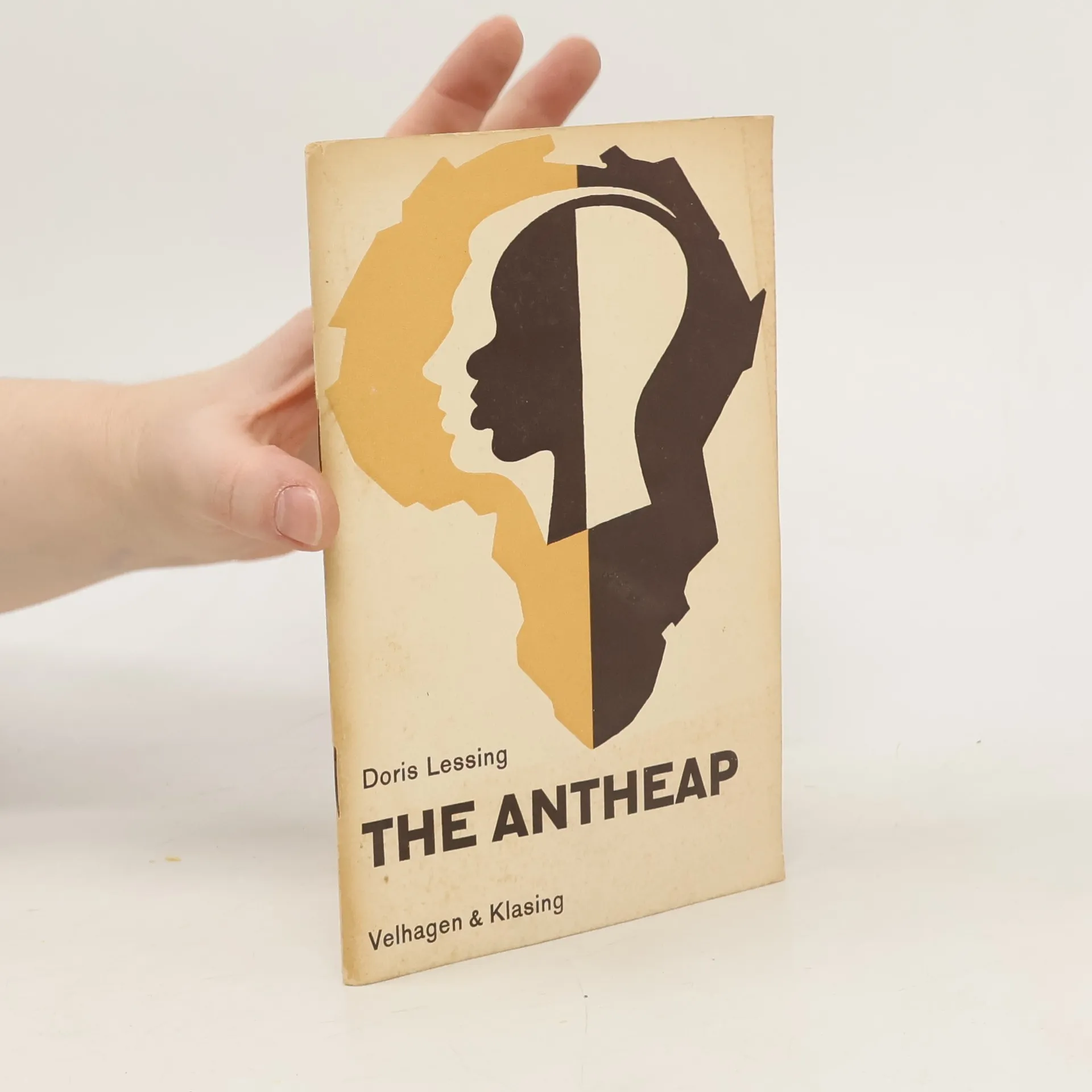
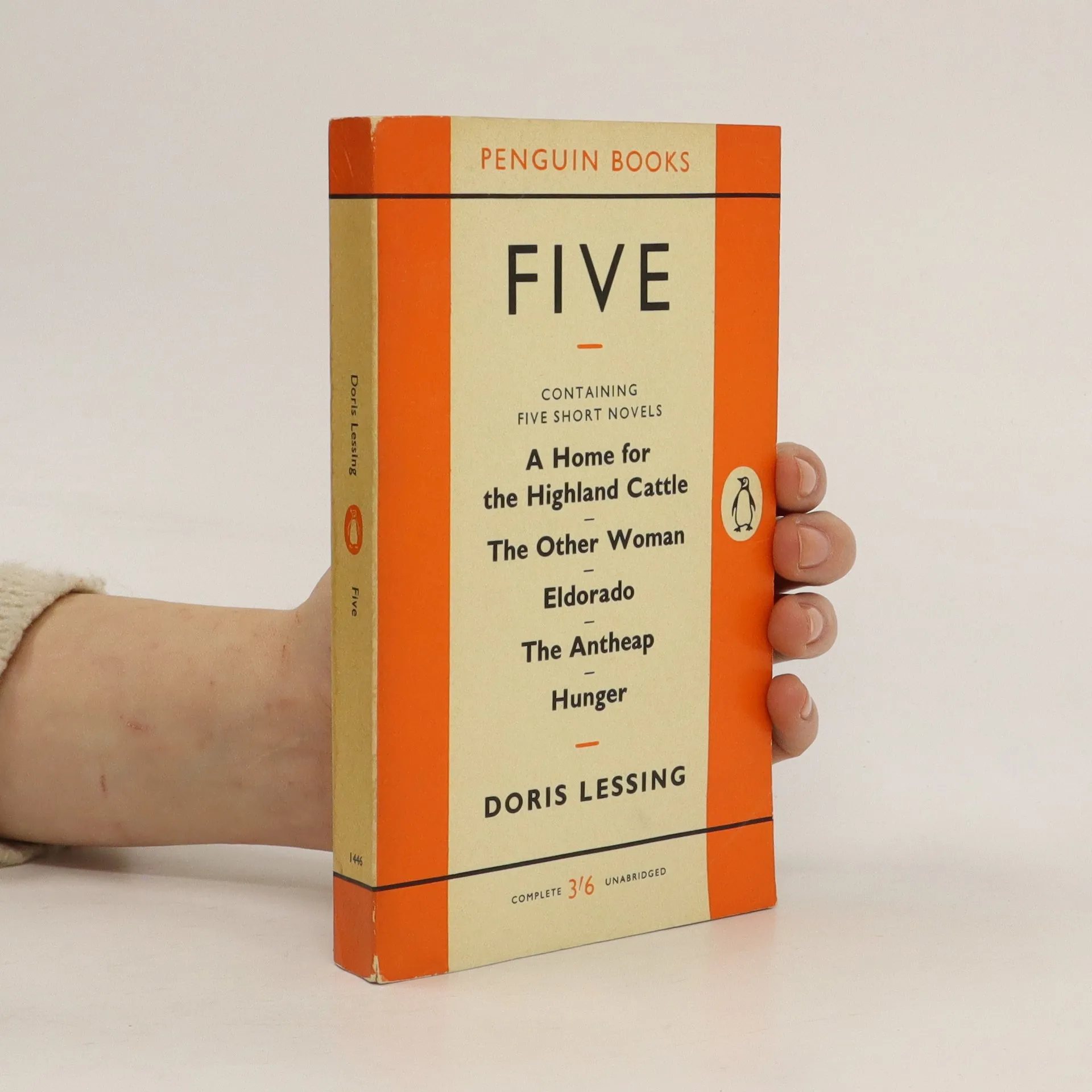
An Alternate Cover Edition for this ISBN can be found here . Contains five short novels: A Home for the Highland Cattle , The Other Woman , Eldorado , The Antheap , and Hunger .
For Doris Lessing, personal lives, personal sins, and personal happiness are part of history; therefore, even in her short stories, she writes the history of her time and reflects the conscience of that era. As critic Sage points out, Doris Lessing opens up from personal experiences to universal generalizations, and although she insists that she is not a feminist in the way feminists expect her to be, she nonetheless highlights women and their issues with surprising analytical power throughout her works. In this book, the master writer presents stories in which everyone can find themselves and share common feelings with people from other countries.
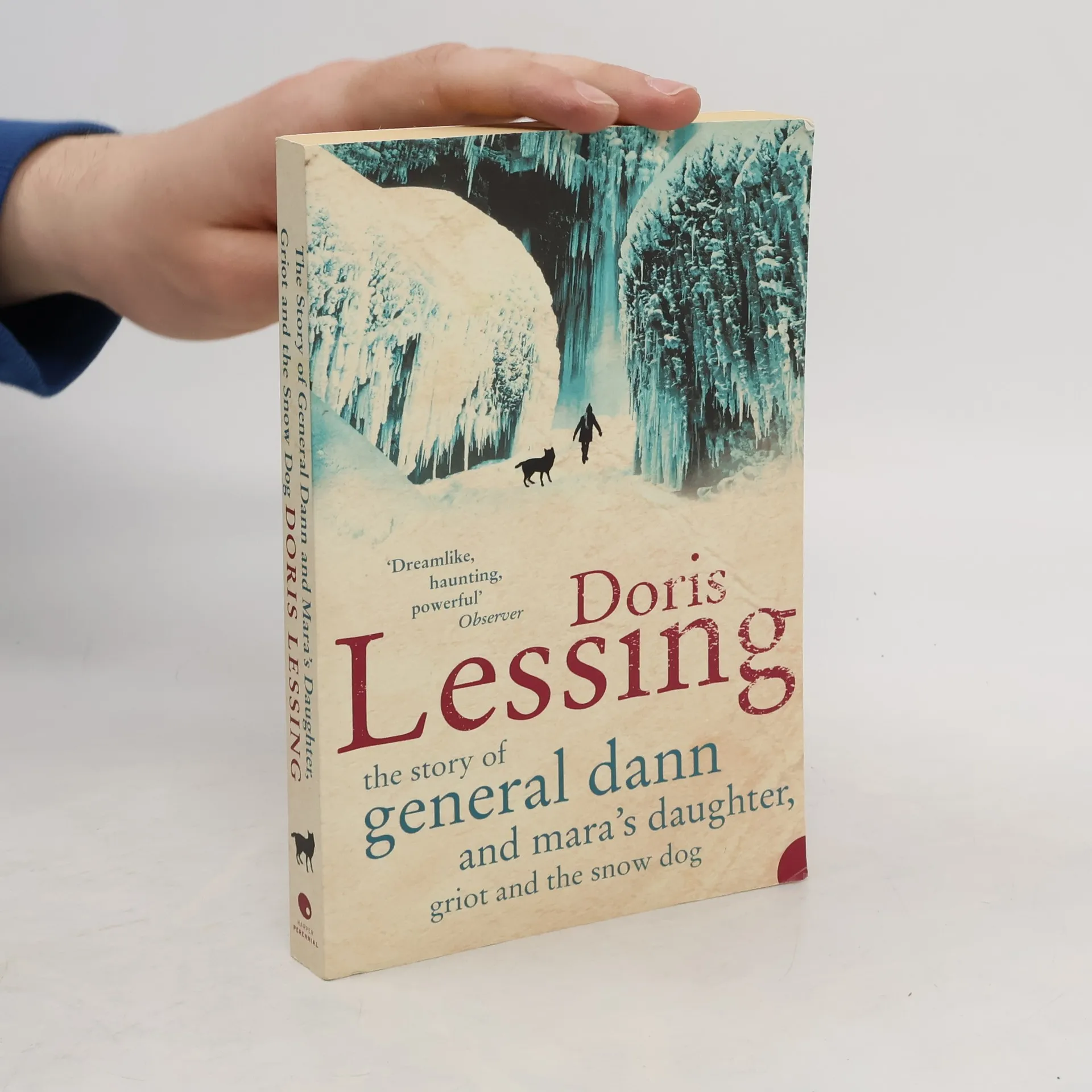
Set in a future Ice Age where the northern hemisphere is buried in snow, the story follows Mara and her younger brother, Dann, who are abducted from their Mahondi home. Raised in a challenging rural village, they face threats from nature and a hostile community. As drought drives them north in search of sustenance, they navigate cities filled with crime and corruption, exploring the complexities of human nature and society. This imaginative narrative offers a profound reflection on survival and the human condition.
The seventeen stories in this, the finest collection of Doris Lessing's short fiction, all share the same assured mastery of insight and compassion. They may be set in Africa, England, Germany, or France; their themes may range from the sexual dilemma of a too-attractive woman to the perilous initiation into manhood of a young boy; their tone may be dryly ironic, cuttingly satiric, brilliantly realistic, or powerfully tragic. But whatever the mood or place, long after the stories have ended the people linger in one's mind: the aging rake of the title piece and his insensitive doll-like bride; the compulsive housekeeper, estranged from her untidy husband and yearning for him; the sheltered young wife experiencing the horror of a swarm of locust on her husband's farm; pitiful Mr. Brooke, filling his empty days with dreams of the delightful Marnie; the two British travelers gripped by a gnawing paranoia as they face the evil and egoism of postwar Germany. Each demonstrates again and again the very special qualities of heart and mind that have one Doris Lessing a unique place in modern fiction.
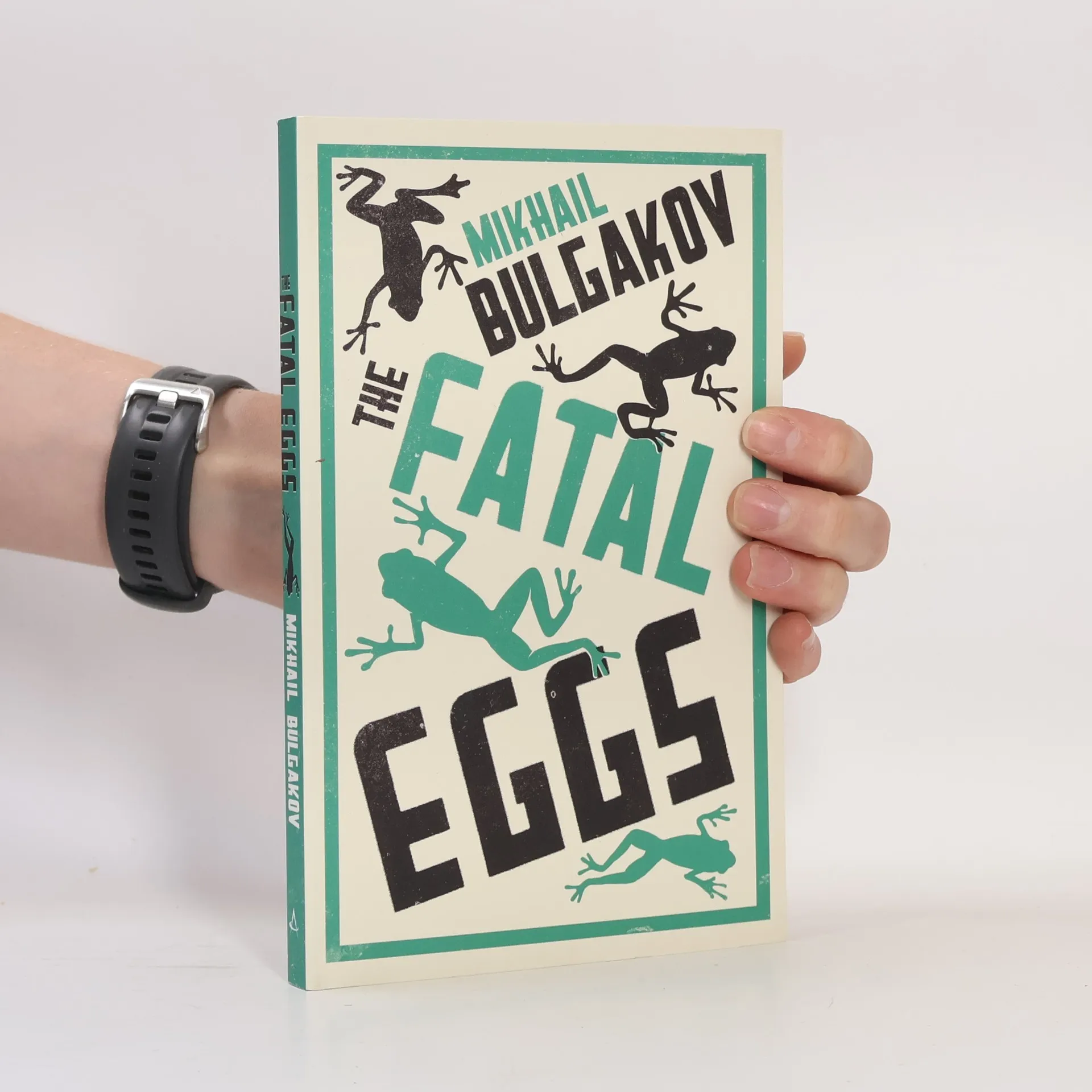
Professor Persikov, an eccentric zoologist, stumbles upon a new light ray that accelerates growth and reproduction rates in living organisms. In the wake of a plague that has decimated the country's poultry stocks, Persikov's discovery is exploited as a means to correct the problem. As foreign agents, the state and the Soviet media all seize upon the red ray, matters fet out of hand... Set in 1928 but written four years earlier, during Stalin's rise to power, The Fatal Eggs is both an early piece of science fiction reminiscent of H.G. Wells and a biting, brilliant satire on the consequence of the abuse of power and knowledge.
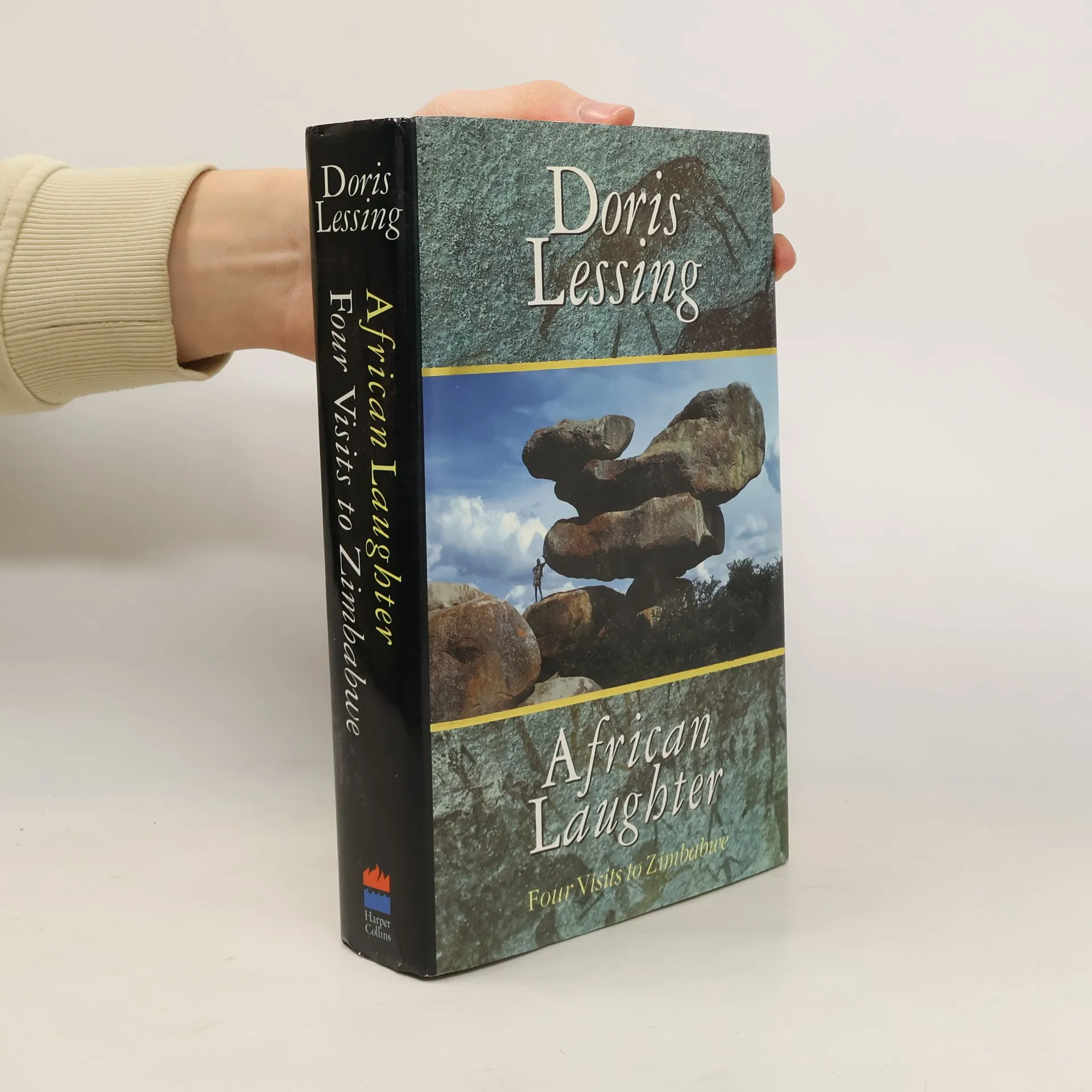
In this portrait of Doris Lessing's homeland, the author recounts the visits she made to Zimbabwe in 1982, 1988, 1989 and 1992, after being banned from the old Southern Rhodesia for 25 years for her political views and opposition to the minority white Government. The visits constitute a journey to the heart of a country whose history, landscape, people and spirit are evoked by the author in a narrative of detail. She embraces every facet of life in Zimbabwe from the lost animals in the bush to political corruption, from AIDS to a successful communal enterprise created by rural blacks, and notes the kind of changes that can only be appreciated by one who has lived there before.
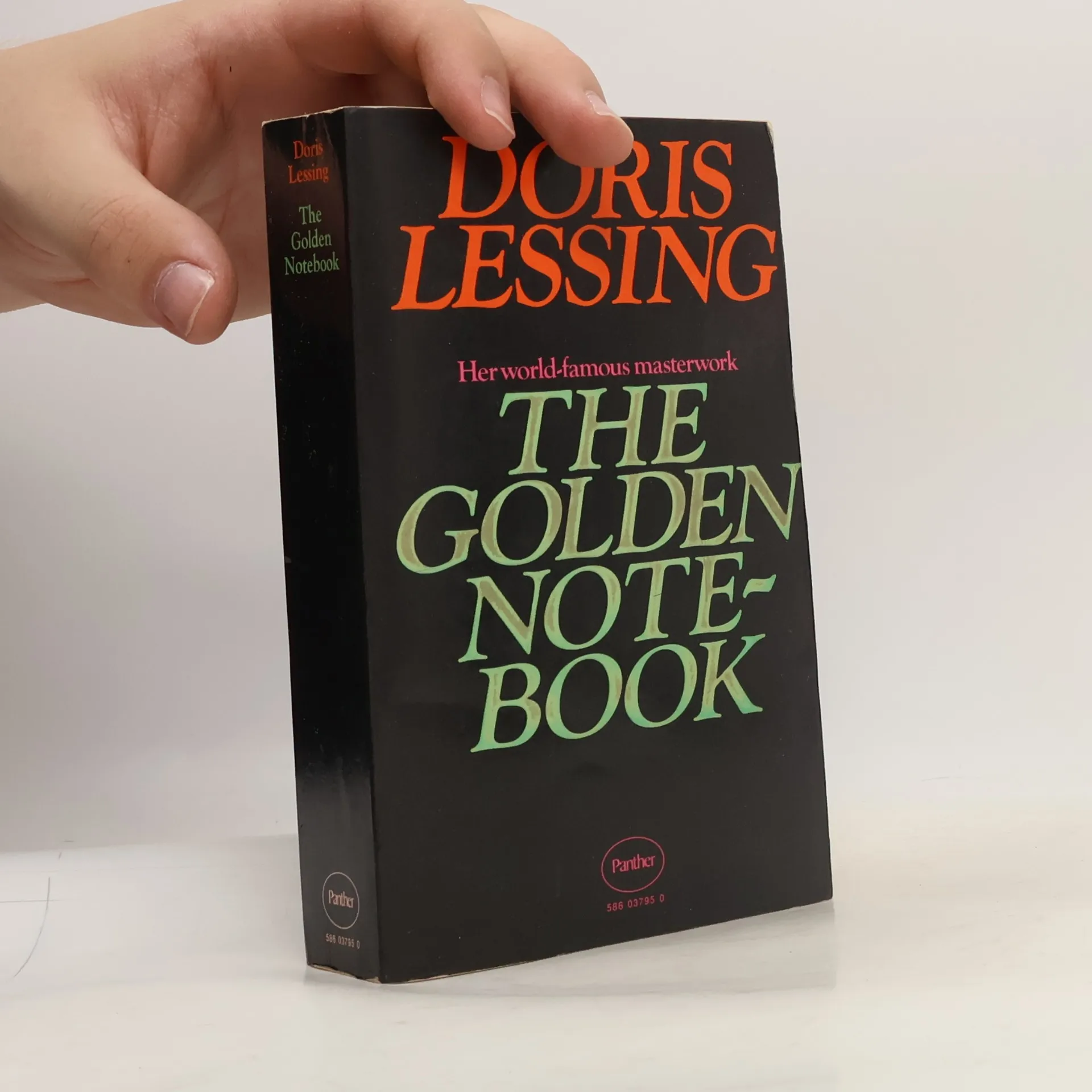
"Anna Wulf is a young novelist with writer's block. Divorced, with a young child, and disillusioned by unsatisfactory relationships, she feels her life is falling apart. In fear of madness, she records her experiences in four coloured notebooks. The black notebook addresses her problems as a writer, the red her political life; the yellow her relationships and emotions; and the blue becomes a diary for everyday events. But it is a fifth notebook - the Golden Notebook - which is the key to her recovery and renaissance. Bold and illuminating, fusing sex politics, madness and motherhood, The golden notebook is at once a wry and perceptive portrait of the intellectual and moral climate of the 1950s - a society on the brink of feminism - and a powerful and revealing account of a woman searching for her own personal and political identity."
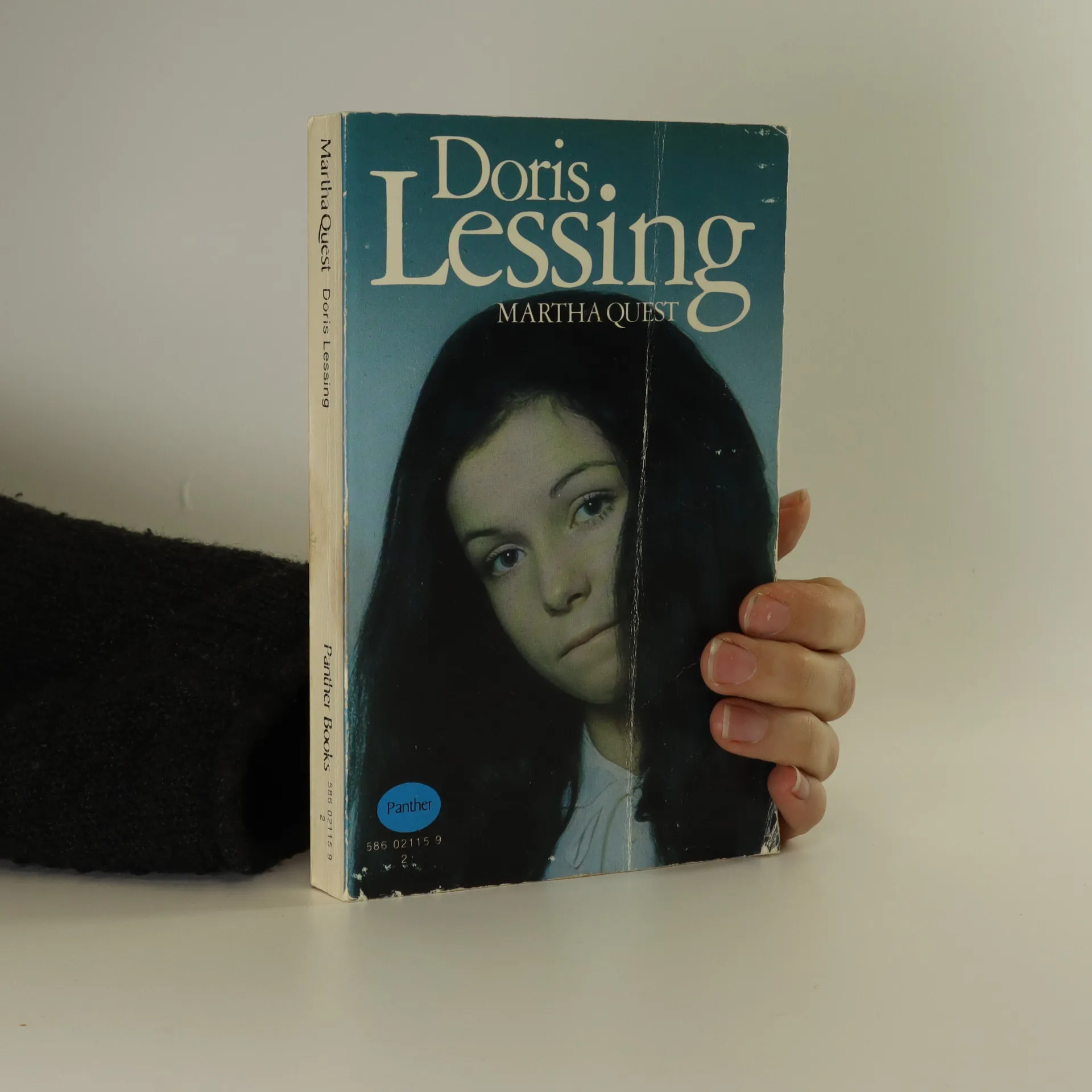
Intelligent, sensitive, and fiercely passionate, Martha Quest is a young woman living on a farm in Africa, feeling her way through the torments of adolescence and early womanhood. She is a romantic idealistic in revolt against the puritan snobbery of her parents, trying to live to the full with every nerve, emotion, and instinct laid bare to experience. For her, this is a time of solitary reading daydreams, dancing -- and the first disturbing encounters with sex. The first of Doris Lessing's timeless Children of Violence novels, Martha Quest is an endearing masterpiece.
Showing Doris Lessing's writing with the angry compassion of first-hand knowledge to reveal an Africa unknown to most Europeans today, this is an evocation of Africa's sounds and smells, its stark power and savage grandeur and its agony and ultimate tragedy.
Frances Lennox ladles out dinner every night to the motley, exuberant, youthful crew assembled around her hospitable tableher two sons and their friends, girlfriends, ex-friends, and ftesh-off-the-street friends. It's the early 1960s and certainly "everything is for the best in the best of all possible worlds." Except financial circumstances demand that Frances and her sons Eve with her proper ex-mother-in-law. And her ex-husband, Comrade Johnny, has just dumped his second wife's problem child at Frances's feet. And the world's political landscape has suddenly become surreal beyond imagination.... Set against the backdrop of the decade that changed the world forever, The Sweetest Dream is a riveting look at a group of people who dared to dream-and faced the inevitable cleanup afterward -- from one of the greatest writers of our time.
From Doris Lessing, winner of the Nobel Prize for Literature, this is the first instalment in the visionary novel cycle 'Canopus in Argos: Archives'. The story of the final days of our planet is told through the reports of Johor, an emissary sent from Canopus. Earth, now named Shikasta (the Stricken) by the kindly, paternalistic Canopeans who colonised it many centuries ago, is under the influence of the evil empire of Puttiora. War, famine, disease and environmental disasters ravage the planet. To Johor, mankind is a 'totally crazed species', racing towards annihilation: his orders to save humanity set him what seems to be an impossible task. Blending myth, fable and allegory, Doris Lessing's astonishing visionary creation both reflects and redefines the history of our own world from its earliest beginnings to an inevitable, tragic self-destruction.
The diaries introduce us to Jane, an intelligent and beautiful magazine editor concerned with success, clothes and comfort. After her husband, then her mother, die from cancer she befriends ninety-something Maudie, whose poverty and squalor contrast with her own life
The Sirian Experiments is the 3rd volume in Doris Lessing's celebrated Canopus in Argos Archives sf series. In this interlinked quintet of novels, she creates a new, extraordinary cosmos where the fate of the Earth is influenced by the rivalries & interactions of three powerful galactic empires, Canopus, Sirius & their enemy, Puttiora. Blending myth, fable & allegory, her astonishing visionary creation both reflects & redefines the history of own world from its earliest beginnings to an inevitable, tragic self-destruction. The Sirian Experiments chronicles the origins of our planet, the three galactic empires fight for control of the human species. The novel charts the gradual moral awakening of its narrator, Ambien II, a 'dry, dutiful, efficient' female Sirian administrator. Witnessing the wanton colonisation of land & people, Ambien begins to question her involvement in such insidious experimentation, her faith in the possibility of human progress itself growing weaker every day.
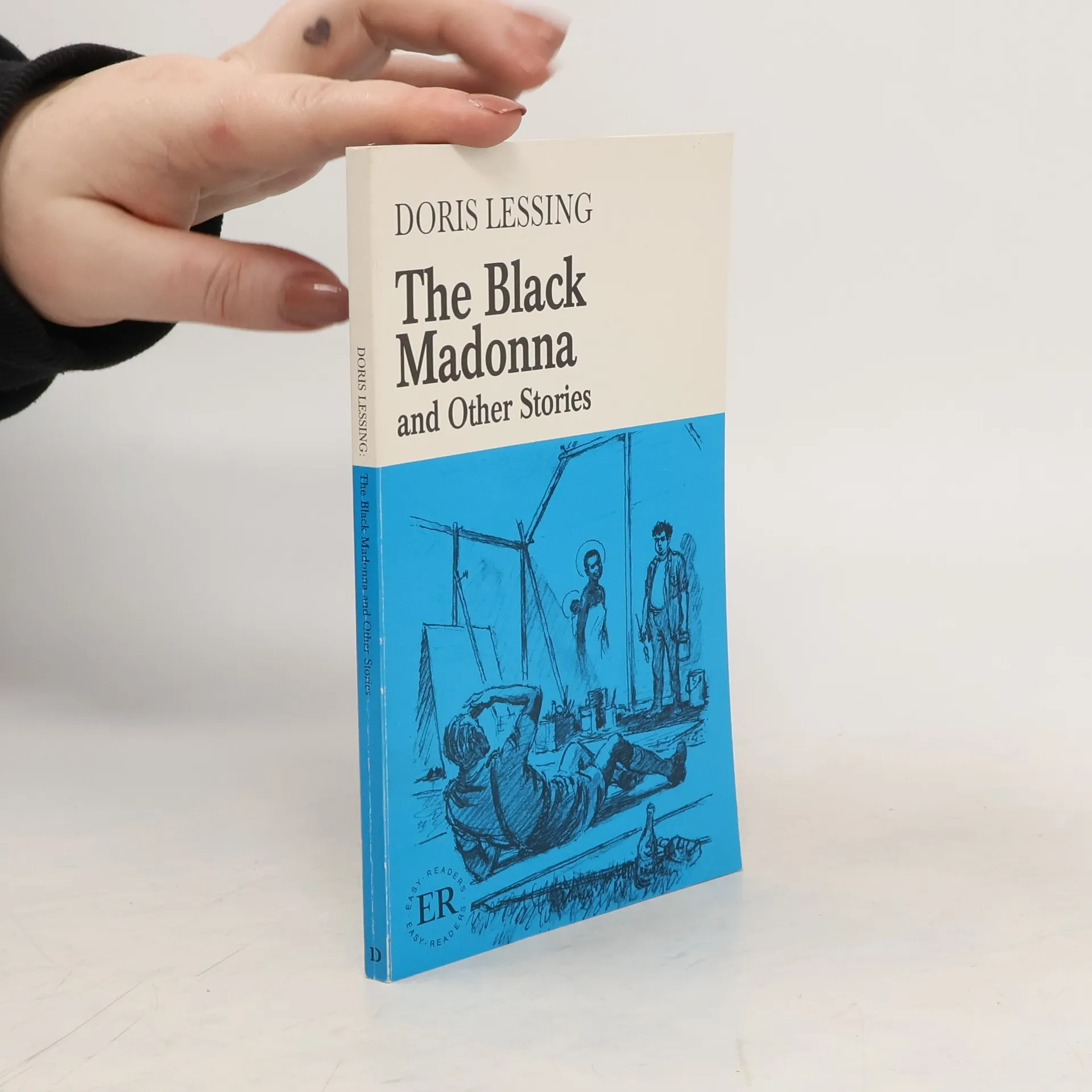
A short story collection originally published by Michael Joseph Ltd as part of the collection "African Stories 1964".Contains: The Black Madonna; The Trinket Box; The Pig; Traitors; The Old Chief Mshlanga; A Sunrise on the Veld; No Witchcraft for Sale.
A hugely significant political novel for the late twentieth century from one of the outstanding writers of the modern era In a London squat a band of bourgeois revolutionaries are united by a loathing of the waste and cruelty they see around them. These maladjusted malcontents try desperately to become involved in terrorist activities far beyond their level of competence. Only Alice seems capable of organising anything. Motherly, practical and determined, she is also easily exploited by the group and ideal fodder for a more dangerous and potent cause. Eventually their naive radical fantasies turn into a chaos of real destruction, but the aftermath is not as exciting as they had hoped. Nonetheless, while they may not have changed the world, their lives will never be the same again...
A collection of 13 short stories which offer a humorous study of humanity. The subject matter ranges from a tale of adultery to an analysis of self-doubt and a story on the banality of existence.
A fascinating look inside the mind of a man who is supposedly “mad.” Professor Charles Watkins of Cambridge University is a patient at a mental hospital where the doctors try with increasing drugs to bring his mind under control. But Watkins has embarked on a tremendous psychological adventure where, after spinning endlessly on a raft in the Atlantic, he lands on a tropical island inhabited by strange creatures with strange customs. Later, he is carried off on a cosmic journey into space…
This volume is part of a new series of novels, plays and stories at GCSE/Key Stage 4 level, designed to meet the needs of the National Curriculum syllabus. Each text includes an introduction, pre-reading activities, notes and coursework activities. Also provided is a section on the process of writing, often compiled by the author.
As the world falls apart outside, the narrator watches over Emily, a young child brought into her care by a stranger. Emily is also guarded by Hugo, half cat and half dog, the bizarre and lovable beast whose presence dominates the tale.
In four long, charged short novels, Doris Lessing explores human hopes, dreams, obsessions, and shortcomings. A young soldier is sent to India during World War II. After a brief, passionate encounter with a married woman, he carries the memory of a breathtaking love for the rest of his life, becoming unable to live in the present. Two friends begin relationships with each other's teenage sons, and only after several years are they able to break away from them. One day, long after, everything is revealed. The downfall of a civilization thousands of years ago draws eerie parallels to our own time. A young Black woman has a child with a young white man. It is only when thoughts of her daughter's future begin to torment her that she seeks him out, and she is forced to make the sacrifice of giving up her own child. Doris Lessing once again demonstrates her profound understanding of humanity, her wide-ranging scope, and her ability to bring people and environments to life.
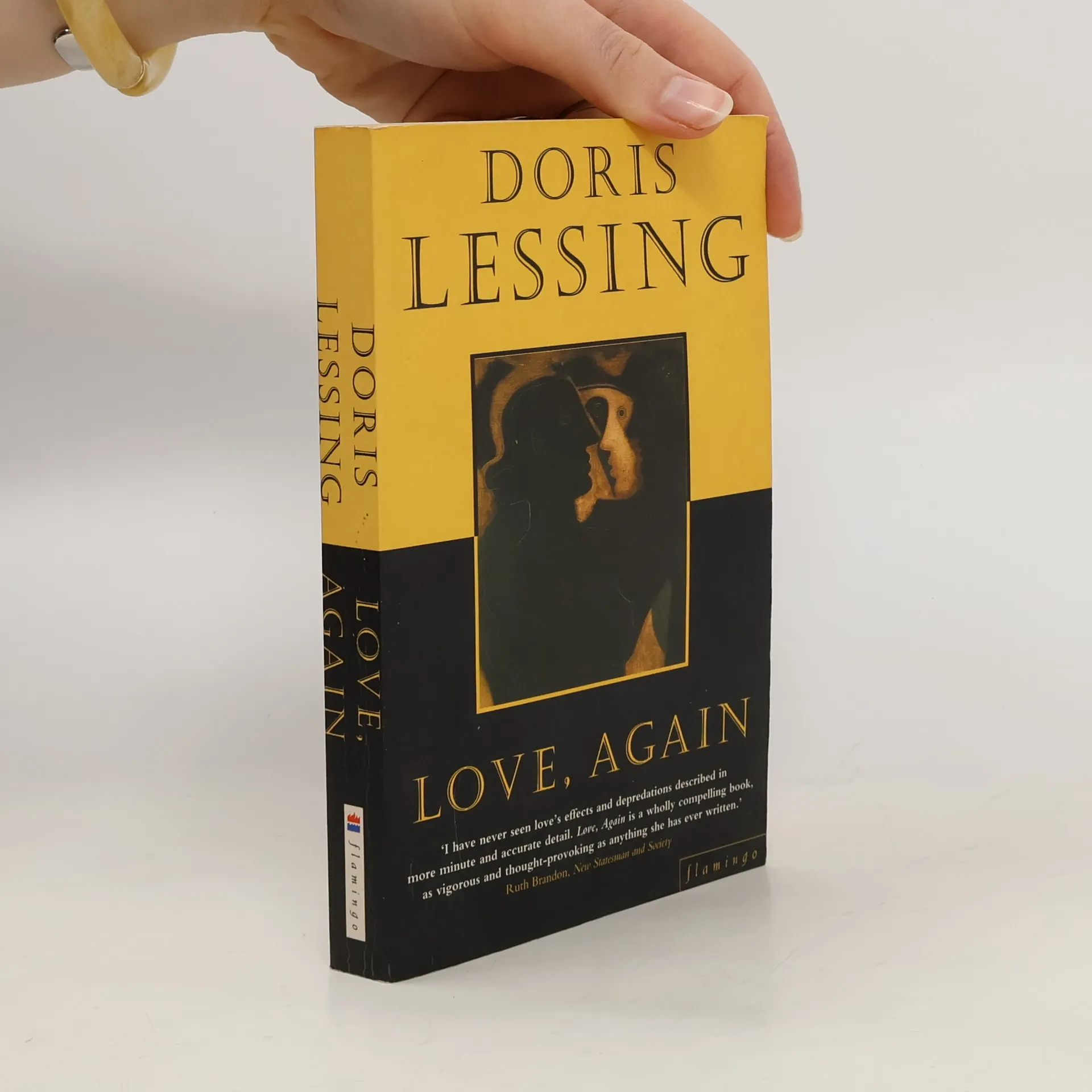
A fierce, compelling account of the nature and origins of love from Doris
Lessing, one of the most acclaimed writers of the twentieth century and winner
of the Nobel Pize for Literature 2007.
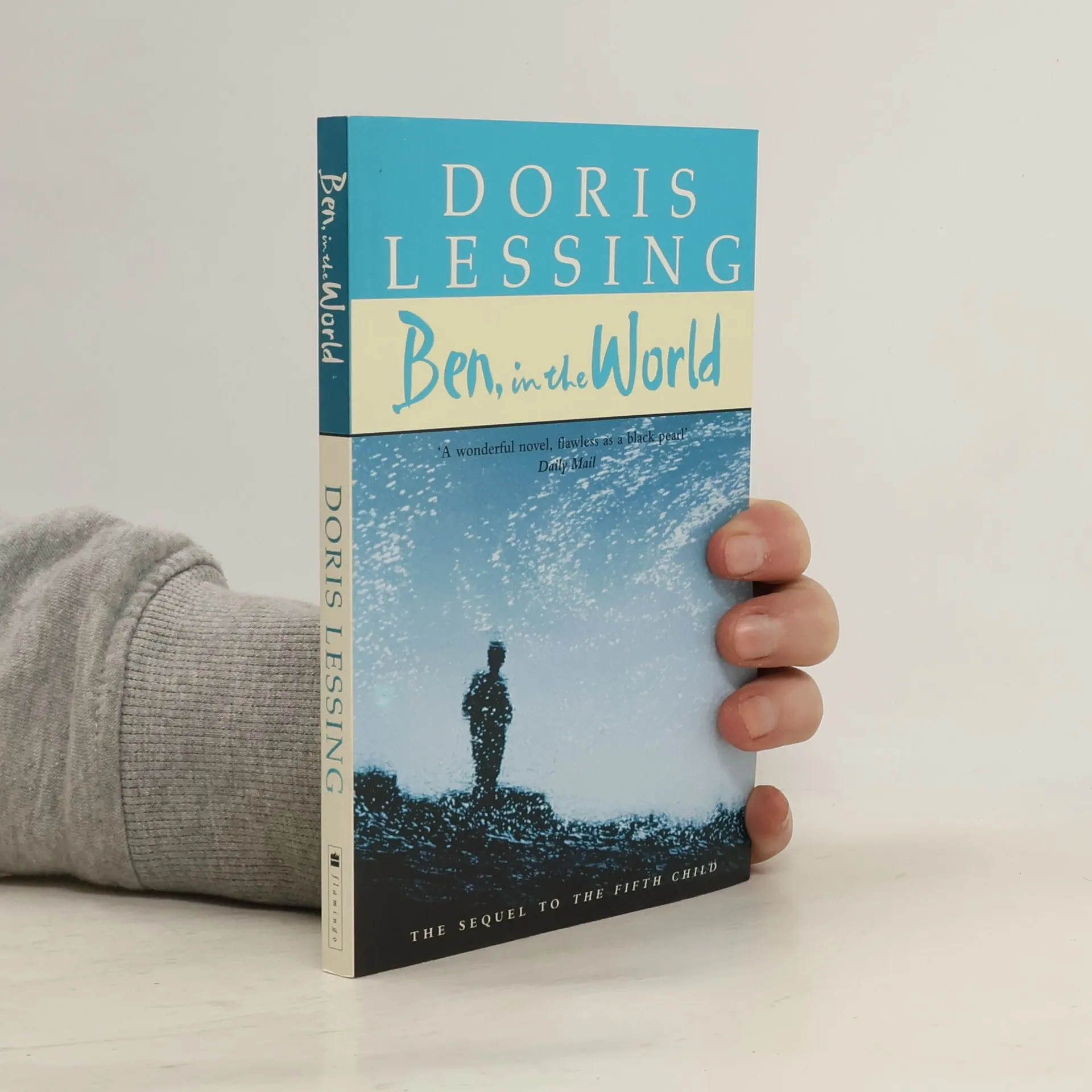
Many will recall the powerful impact The Fifth Child, Doris Lessing's 1988 novel, made on publication. Its account of idyllic marital and parental bliss irredeemably shattered by the arrival of the feral fifth child of the Lovatts made for unnerving and compulsive reading. That child, Ben, now grown to legal maturity, is the central character of this sequel, which picks up the fable at the end of the childhood where the first book ended and takes our primal, misunderstood, maladjusted teenager out into the world, where again he meets mostly with mockery, fear and incomprehension but with just enough kindness and openness to keep him afloat as his adventures take him from London to the South of France and on to South America in his restless quest for community, companionship and peace. As in Mara and Dann, Doris Lessing in this newest book returns to a plain, unadorned prose fit for fables; again, we have a childlike perspective at the heart of the book; again, the world in all its malevolence and misapprehenison swirls around at the edge, while, occasionally, a strong character steps forward to try to stake out some values and practise some good behaviour. Again, it is one of Lessi
Doris Lessing's first book after winning the Nobel Prize for Literature
revisits her childhood in Southern Africa and the lives, both fictional and
factual, that her parents led.
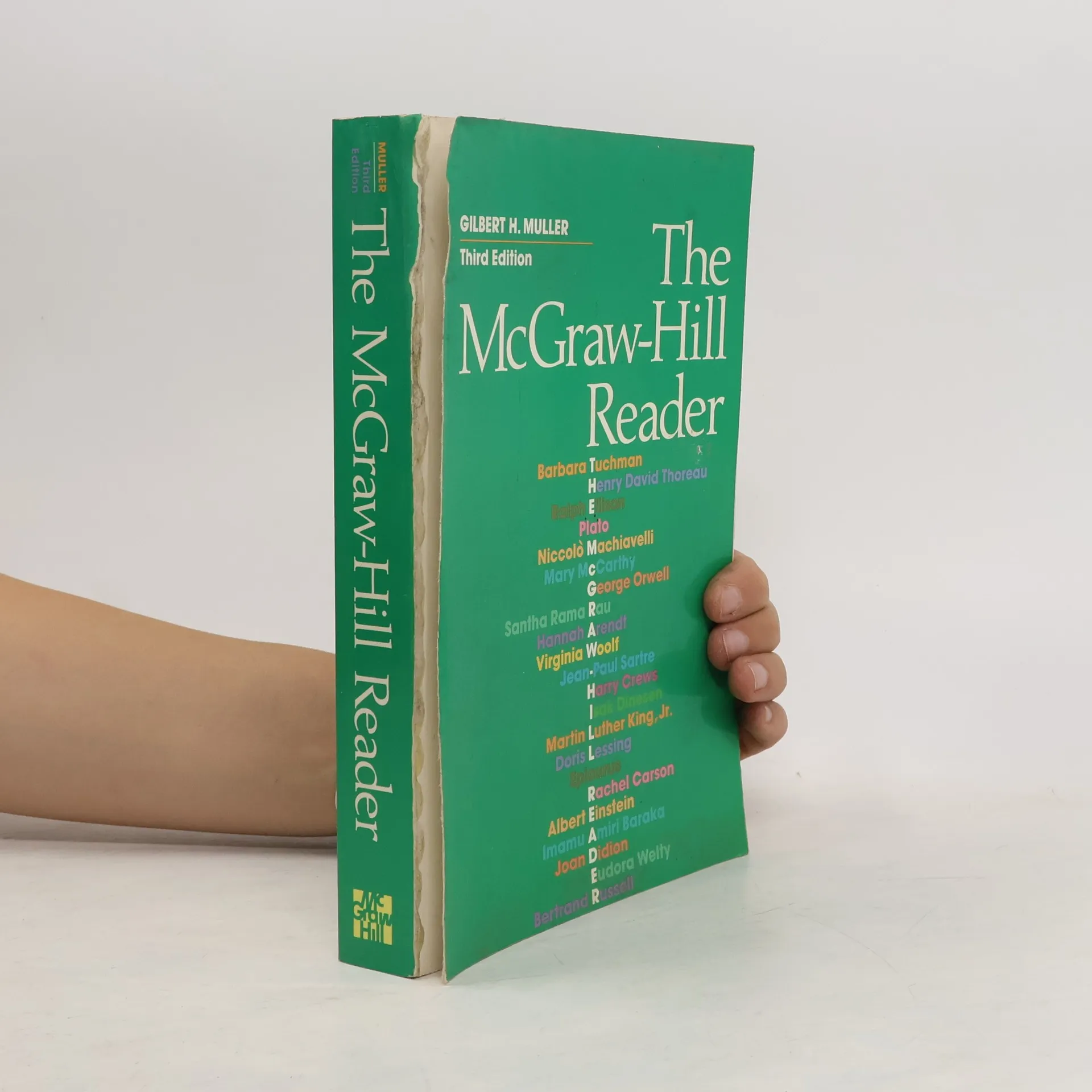
Approaching a liberal arts tradition in the classroom, across the curriculum, and beyond, The McGraw-Hill Reader offers rich and diverse readings in education, the social sciences, business and economics, the humanities, and the sciences. This new eleventh edition offers a new focus on reading and composing across various media; it includes over 100 selections from prominent thinkers and writers; each essay was chosen to provoke critical thought and encourage effective writing.
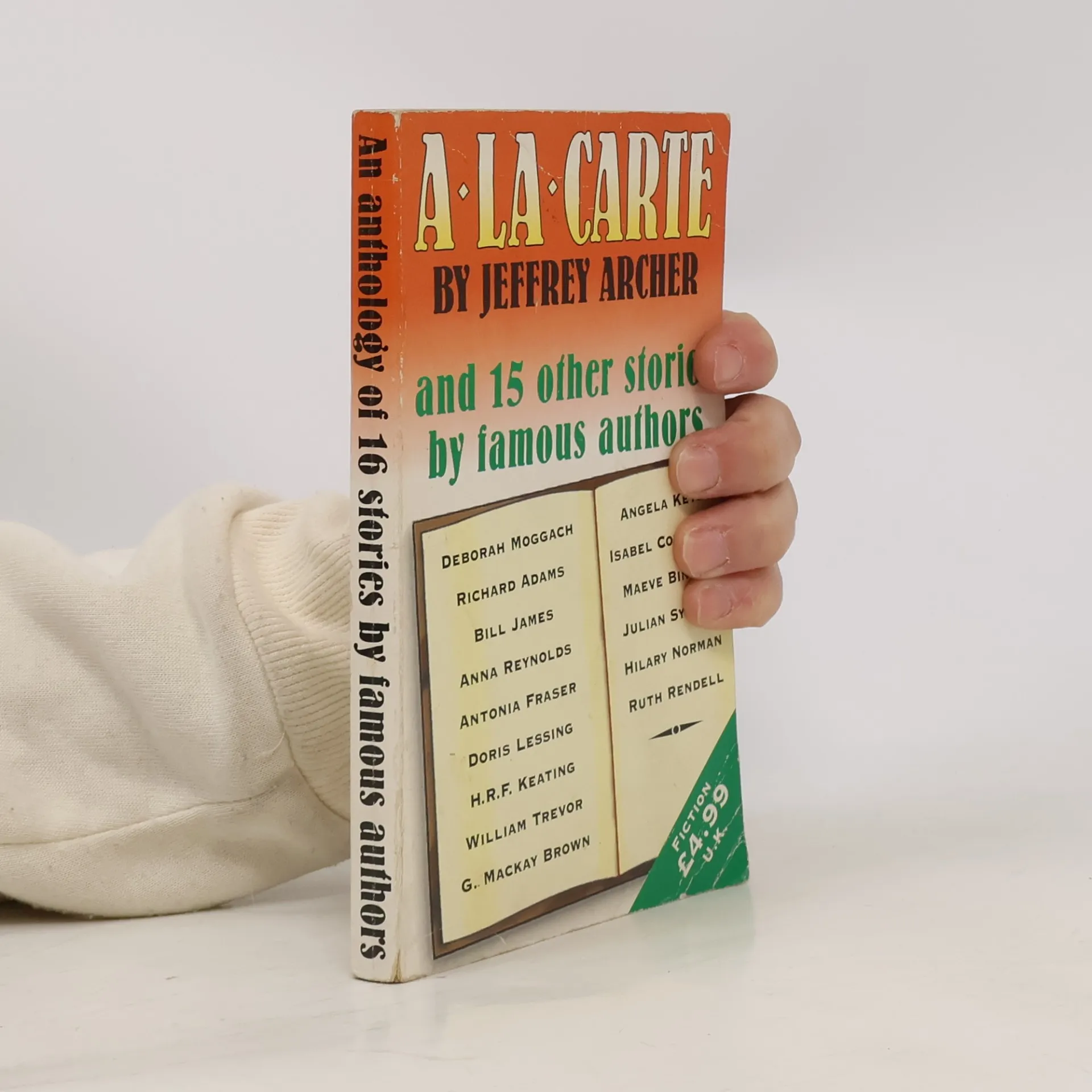
An anthology of short stories by famous authors who have given freely their talents for the National AIDS Trust charity.Foreward - HRH Diana, Princess of WalesIntroduction - Auberon WaughThe Inspiration - Jason CheritonA La Carte and fifteen other stories:A La Carte - Jeffrey ArcherLucky Dip - Deborah MoggachA Dog in the Dark - Richard AdamsTail - Bill JamesA Safe Place - Anna ReynoldsThe Case of the Parr Children - Antonia FraserRomance 1988 - Doris LessingThe Bunting Affirms - H.R.F. KeatingOld Flame - William TrevorThe Village - George Mackay BrownSound Proof - Angela KeysThe Nice Boys - Isabel ColegateRecipe for Victory - Maeve BinchyThe Flowers that Bloom in the Spring - Julian SymonsVampire - Hilary NewmanPaperwork - Ruth RendellPostscript - Sir John Gielgud
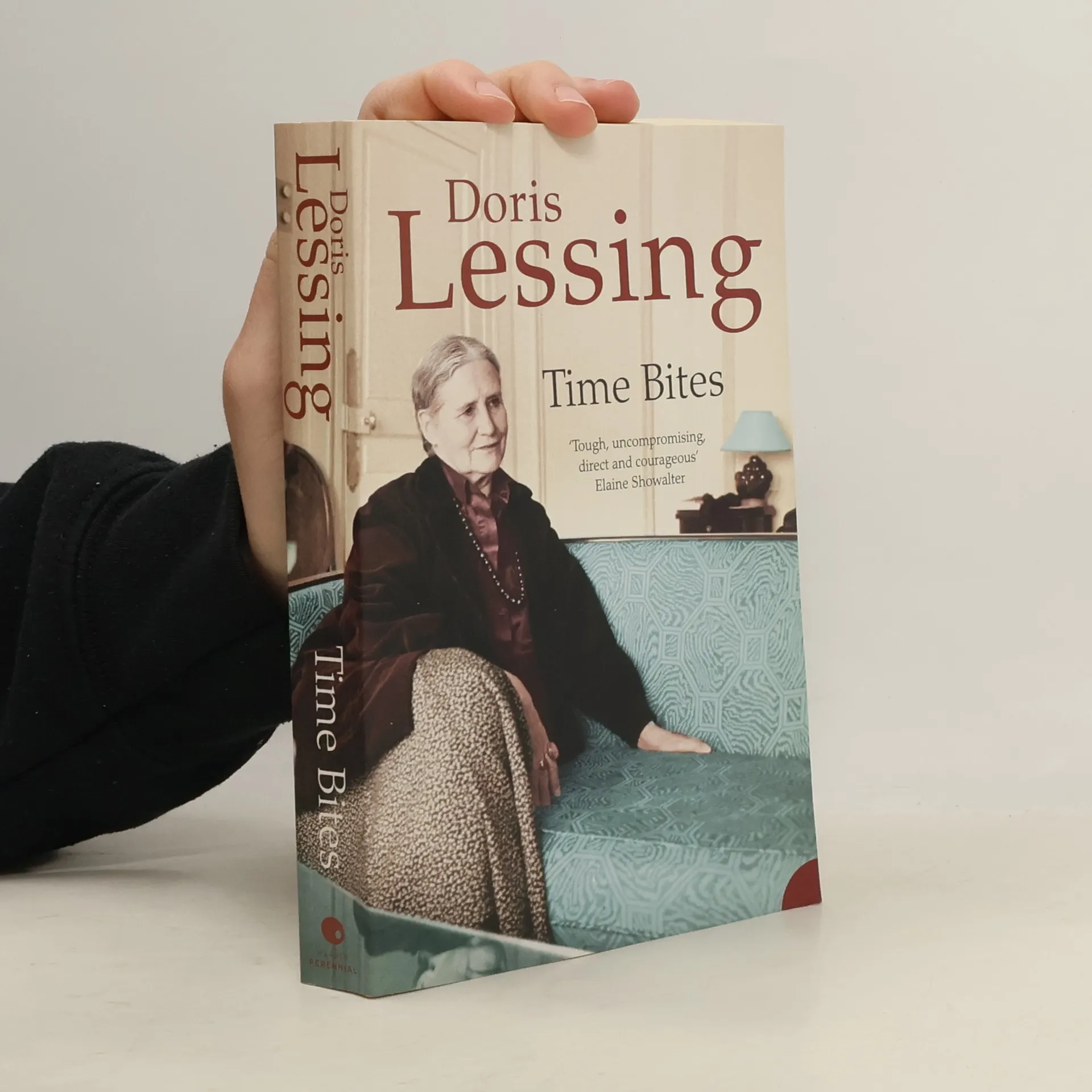
A collection of interviews with the winner of the Nobel Prize for Literature that serves as an invaluable companion to her work. Doris Lessing is one of the greatest literary figures of the twentieth and twenty-first centuries. These interviews give us her thoughts on her early years as a communist and fledgling writer in Southern Rhodesia, her views on marriage, the family and feminism, on other writers from Tolstoy to Lawrence, and on her later experiments in psychotherapy and mysticism. She reveals how these preoccupations have influenced her own work, from ‘The Golden Notebook’ to her acclaimed autobiographical masterpiece ‘Under My Skin’. The book is essential reading for anyone who wishes to understand not just Lessing, but also the profound impact she has had on our age.
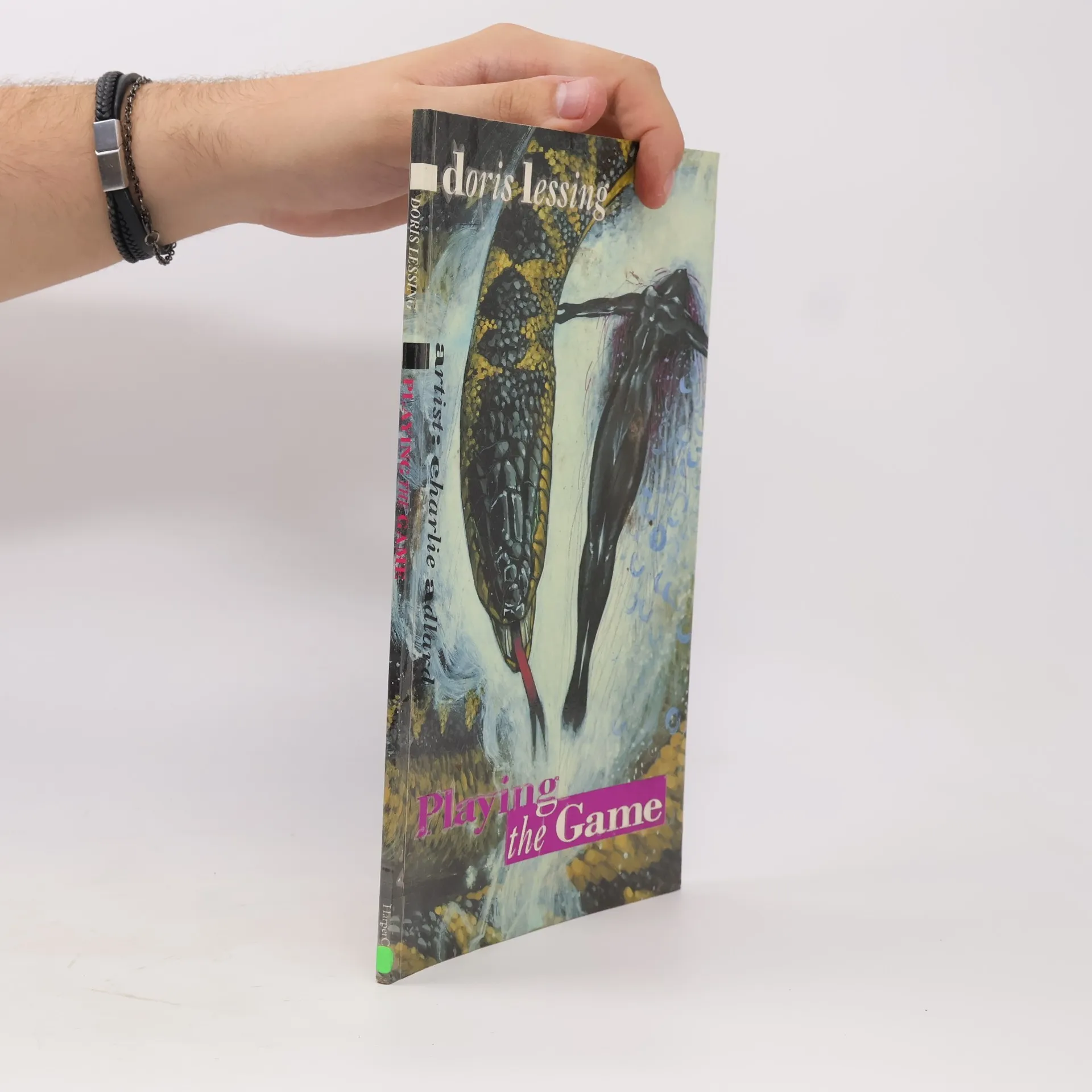
Like the author's Canopus in Argos novels, this graphic novel is an exercise in speculative imagination. It marks a venture into new creative territory for Lessing, and is illustrated by the young British artist Daniel Vallely.
This is a selection of Doris Lessing's essays and reviews on literature, politics and autobiography from the late 1950s to the 1970s, plus interviews with the author herself. It includes pieces on Kurt Vonnegut, Olive Schreiner, Malcolm X and Sufism and an autobiographical piece, "Impertinent Daughters".
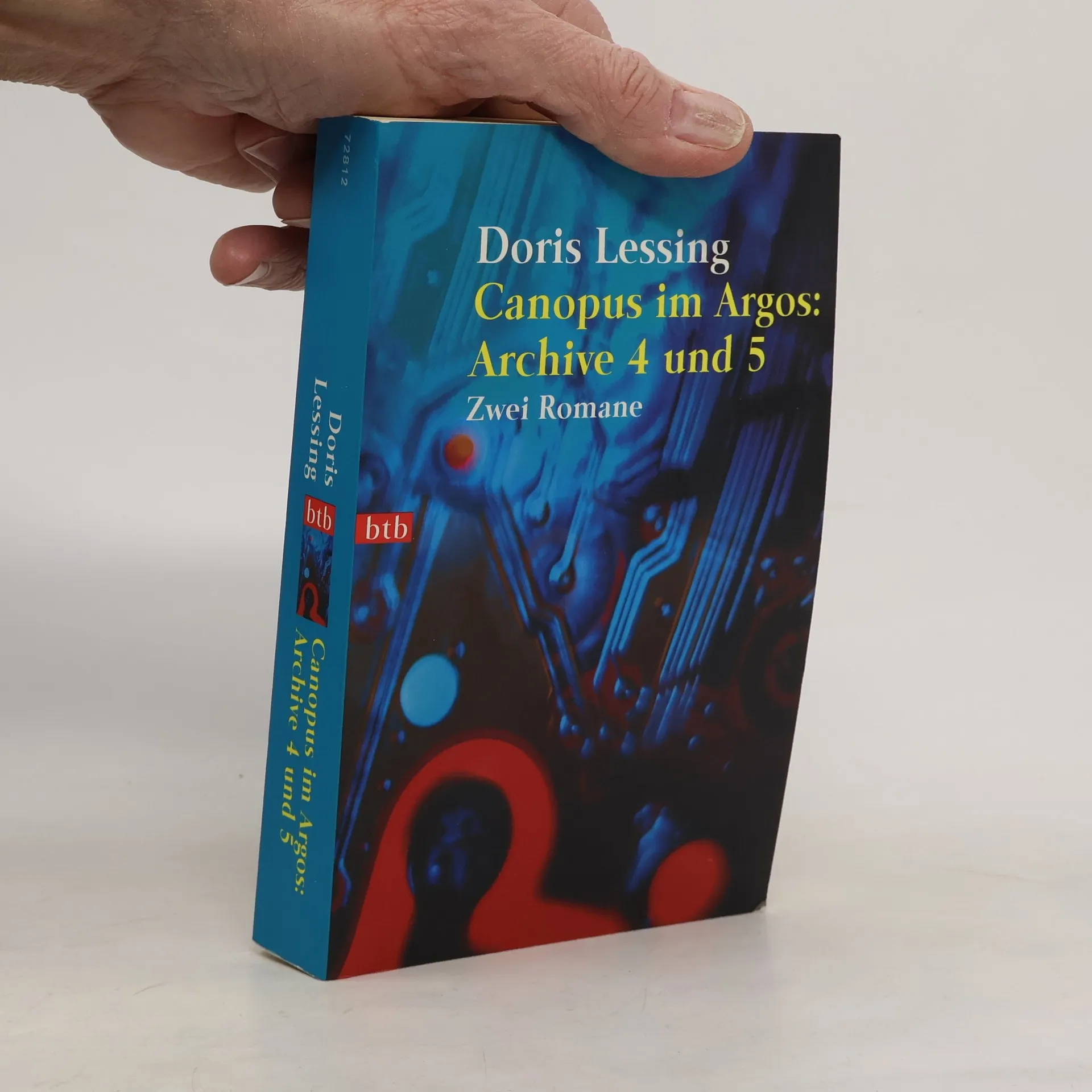
Mit einer hellsichtigen Mischung aus Mythen, Fabeln und Allegorien entwirft Doris Lessing in ihrem „Canopus-Zyklus“ eine eindringliche Parabel auf die Geschichte der Menschheit. In diesem Band sind der 4. und 5. Roman der Saga geeint. Roman 4 führt auf den am Rande des canopischen Imperiums gelegenen Planeten 8, eine Welt der Harmonie und des Überflusses, gesegnet von tropischem Klima. Bis eines Tages die erste Schneeflocke fällt, Zeichen einer kommenden Eiszeit, und der Überlebenskampf beginnt. Der 5. Roman spielt im Reich der Volyen. Hier hat die herrschende Kaste die Bevölkerung versklavt, Revolution, Invasionen und Aufstände sind an der Tagesordnung - ein politisch hochexplosives Klima, dem sich auch der canopische Gesandte nicht entziehen kann.
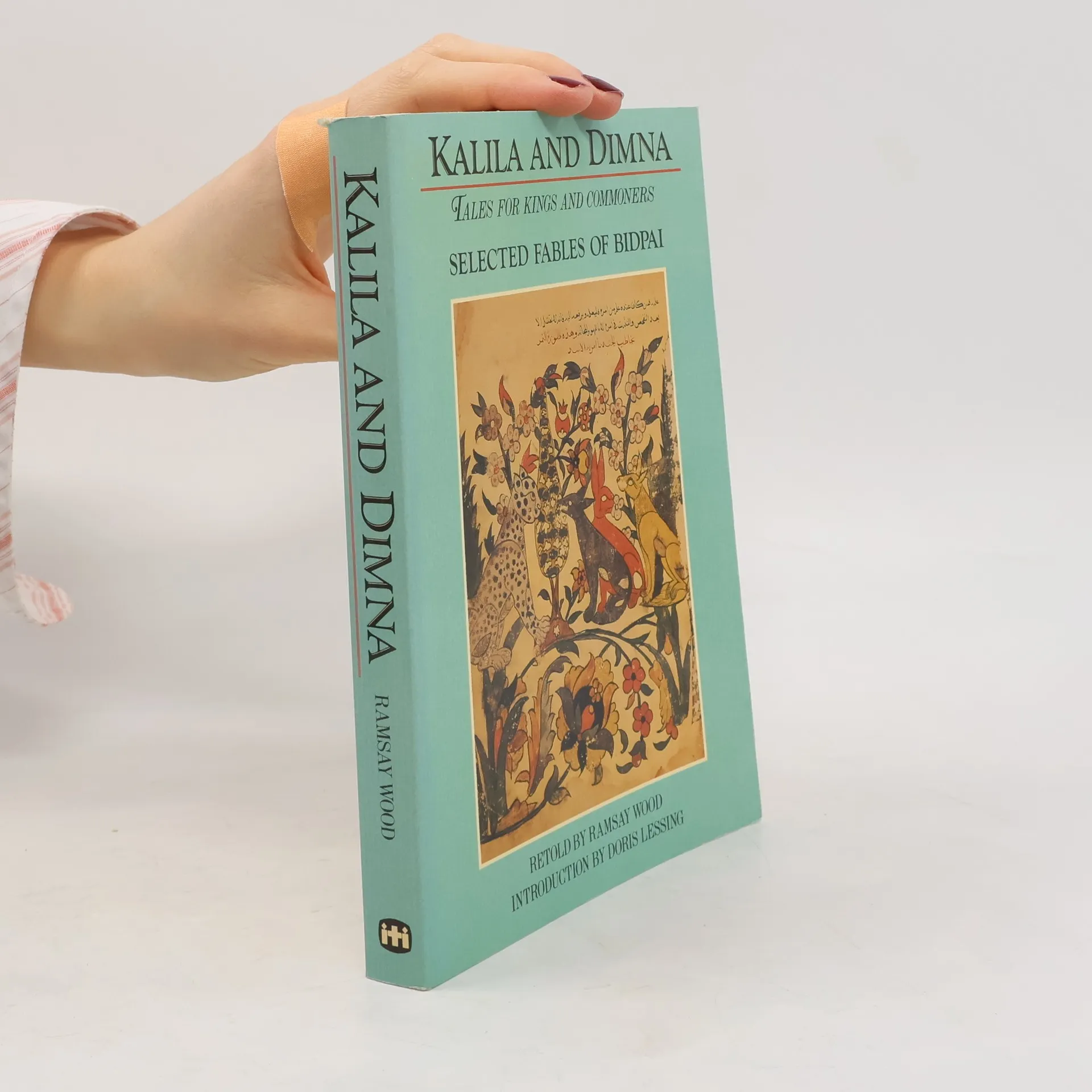
Tales for Kings and Commoners. Selected Fables of Bidpai
172 stránok
7 hodin čítania
This multi-layered collection of animal stories, known in Europe since 1483 as "The Fables of Bidpai," features interwoven tales that have influenced world literature for over 2000 years. Originating from ancient cultures, these narratives have inspired fables from Aesop to La Fontaine. In its original Arabic form, it serves as a 'Mirror for Princes,' offering indirect lessons on governance through engaging stories. The fables, rich in insight into human nature, provide sage advice without overt moralizing.
Ramsay Wood's modern retelling, based on various scholarly translations, is the first comprehensive English version in over 400 years. It highlights themes of deceit, political intrigue, and the complexities of life, showcasing a cast of characters ranging from kings to cunning animals. These stories, filled with humor and poignancy, educate both rulers and commoners about the realities of existence, revealing the often-hidden truths beneath our daily lives.
Wood's captivating style blends oral storytelling traditions, making the tales accessible and relevant for contemporary readers. This beautifully illustrated collection is a treasure for all ages, emphasizing the importance of wise leadership, managing power, and the value of true friendship. Critics praise it for its vibrancy and depth, positioning it alongside classic retellings in literary history.