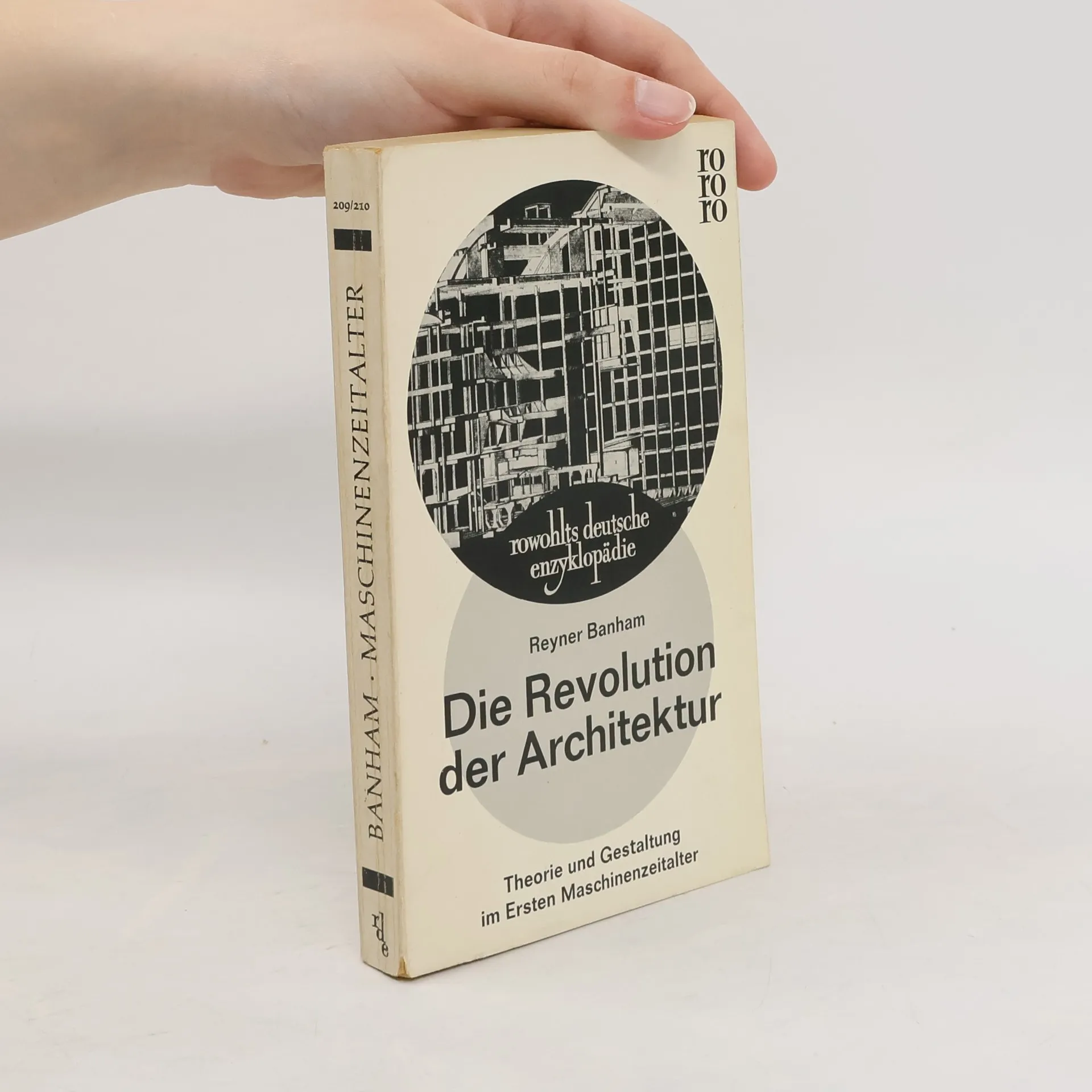
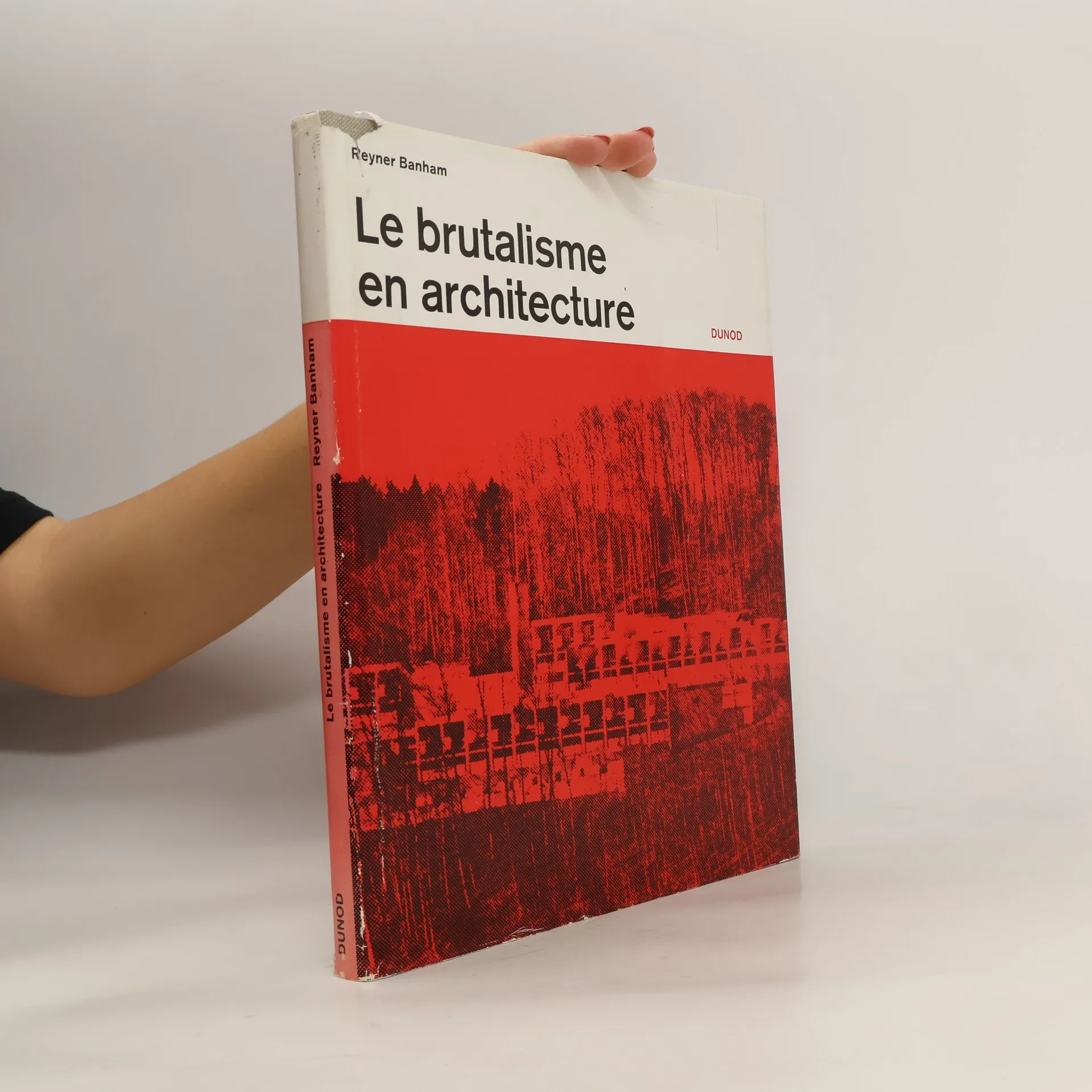
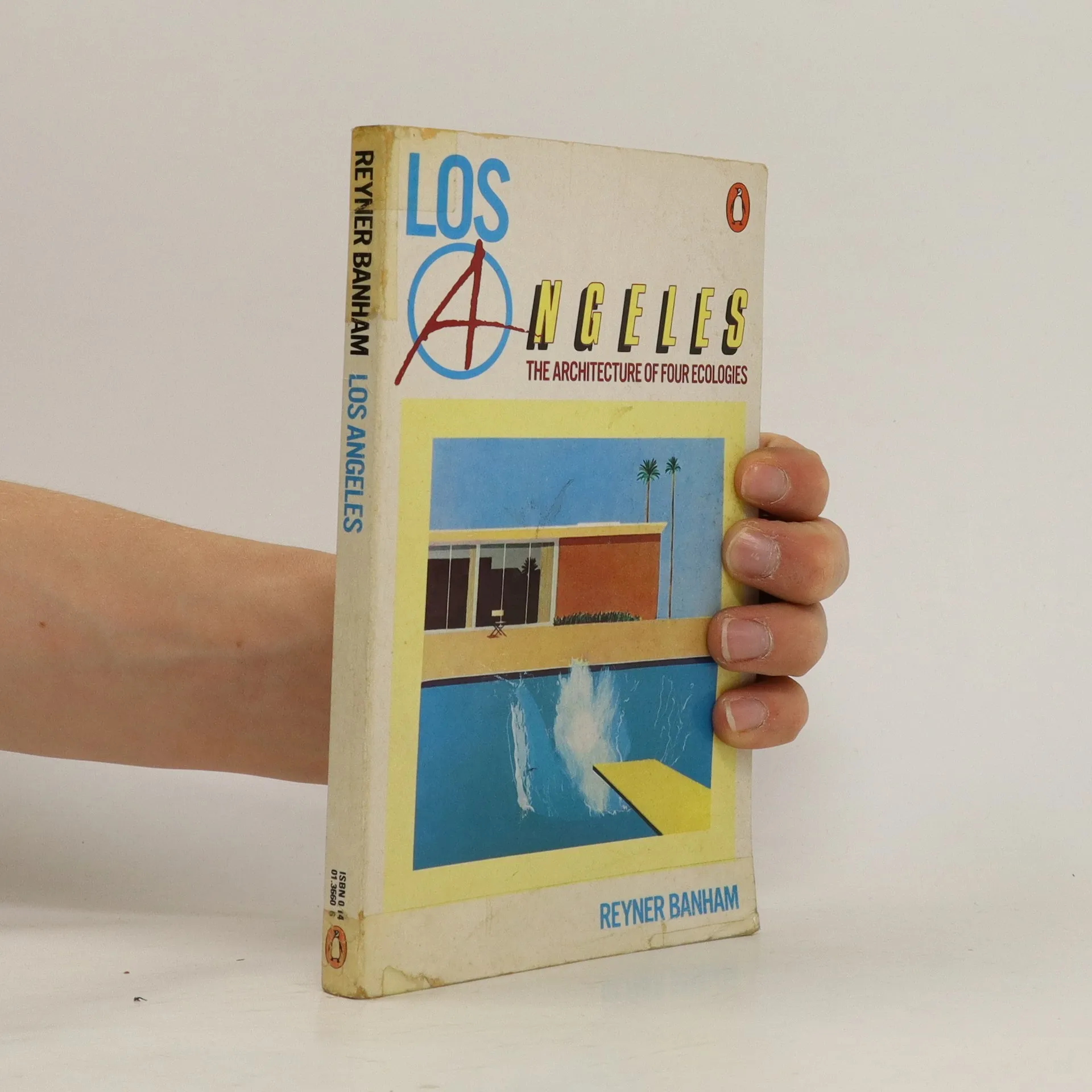
Peter Reyner Banham bol vplyvný architektonický kritik a teoretik, ktorý sa preslávil svojím prenikavým pohľadom na modernizmus a jeho väzbami na strojový vek. Jeho diela skúmali, ako formálne ambície často ovplyvňovali skutočnú funkciu budov. Banham bol tiež priekopníkom v chápaní mestskej krajiny, najmä Los Angeles, ktoré rozložil do štyroch ekologických modelov a odhalil ich jedinečné architektonické kultúry. Jeho kritické myslenie a predvídavosť ho postavili do pozície svedomia povojnovej britskej architektúry, keď sa posunul od utopických ideálov k hlbšiemu zamysleniu nad postindustriálnou budúcnosťou.
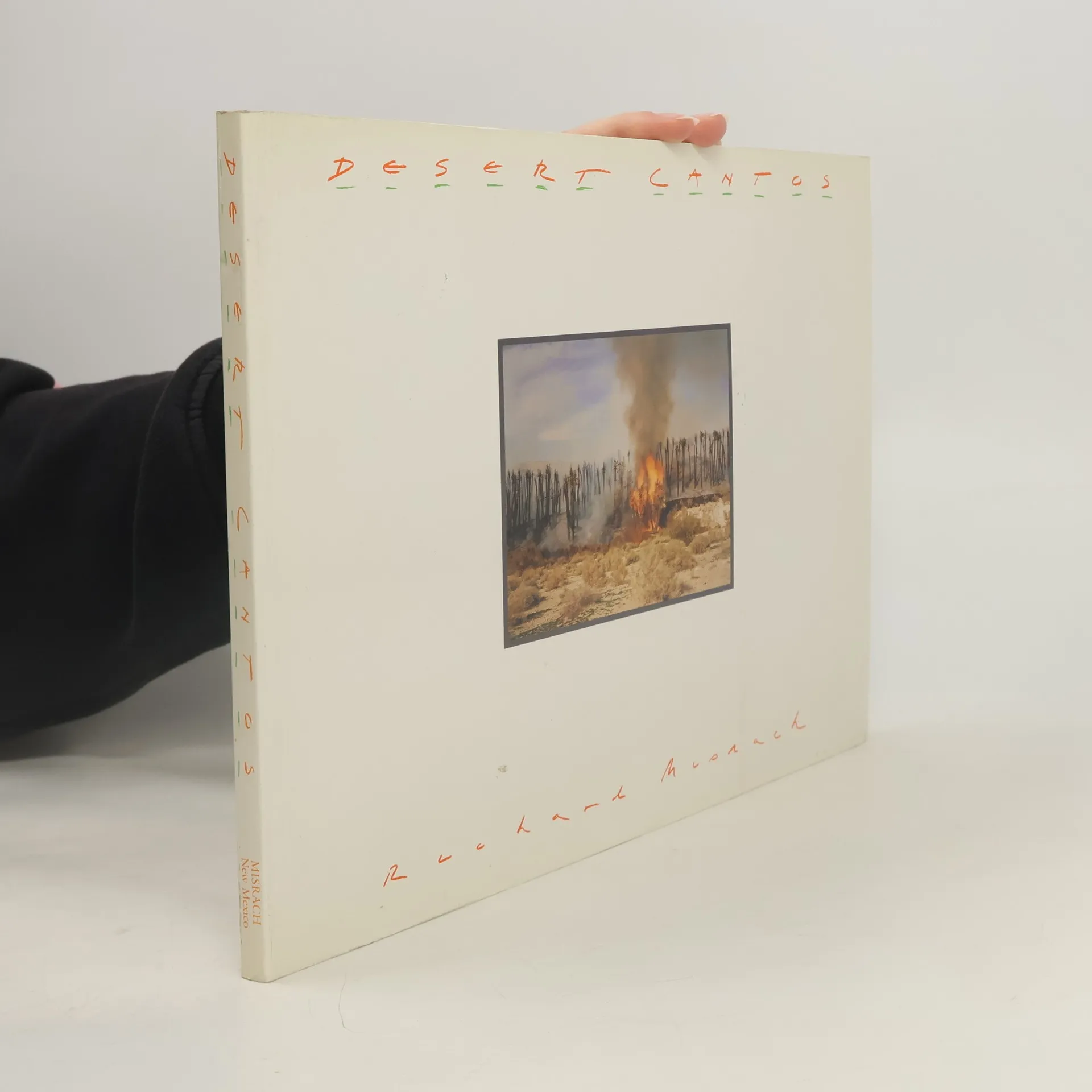
The catalogue for a 1987 traveling exhibition of work by Misrach; his third book. Photographs by Richard Misrach; essay by Reyner Banham. 106 pages; 58 full-page color plates + 9 text illustrations + 1 map; 12 x 9 inches. Biography, bibliography, exhibition history.
Reyner Banham examined the built environment of Los Angeles in a way no architectural historian before him had done, looking with fresh eyes at its manifestations of popular taste and industrial ingenuity, as well as its more traditional modes of residential and commercial building. His construct of "four ecologies" examined the ways Angelenos relate to the beach, the freeways, the flatlands, and the foothills. Banham delighted in this mobile city and identified it as an exemplar of the posturban future.
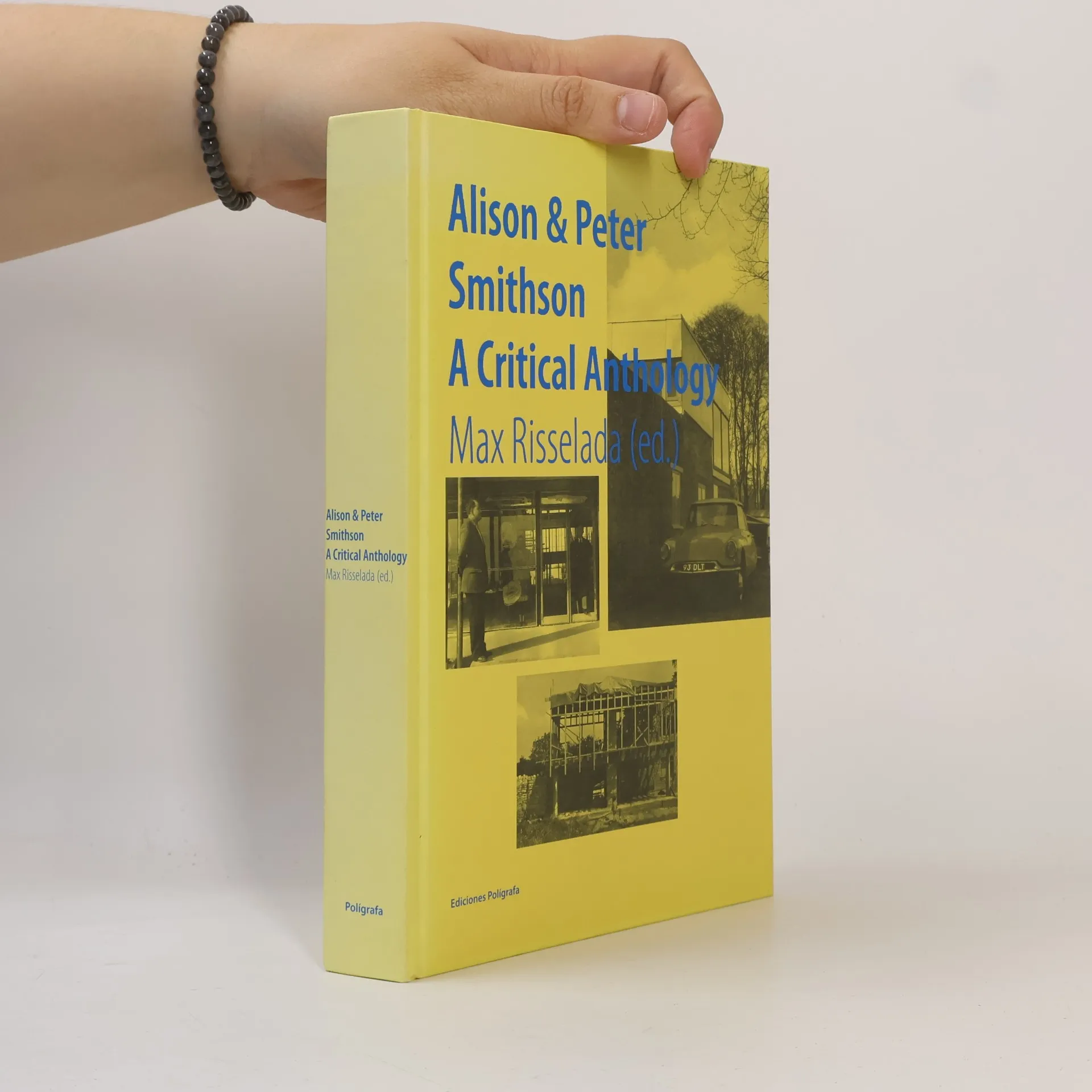
Adapting modernist ideals to postwar reconstruction in Britain, Alison and Peter Smithson emerged as influential and controversial architects in the latter half of the twentieth century. As younger members of CIAM and founding members of Team 10, they were central to the debate on modern architecture's future. Their Hunstanton Secondary Modern School (1949-1954) exemplified their approach, stripping down Mies van der Rohe's language to a rough simplicity and marking their emergence as leading figures of New Brutalism, a term they coined. Involved with the Independent Group alongside notable artists, they participated in the landmark 1956 exhibition This Is Tomorrow, connecting with the Pop art movement in Britain. This beautifully produced volume compiles significant essays on their work, featuring contributions from Reyner Banham, Peter Cook, Kenneth Frampton, Philip Johnson, and more recent texts by Peter Eisenmann, Christine Boyer, Beatriz Colomina, and Louisa Hutton. As the first publication in Poligrafa's Critical Anthology series, it offers essential critical context for understanding New Brutalism's reception in England. The Smithsons, who met at Durham University and married in 1949, introduced a new construction style emphasizing concrete and angular geometries, with later works reflecting a socialist dimension through the exposure of interior functions.
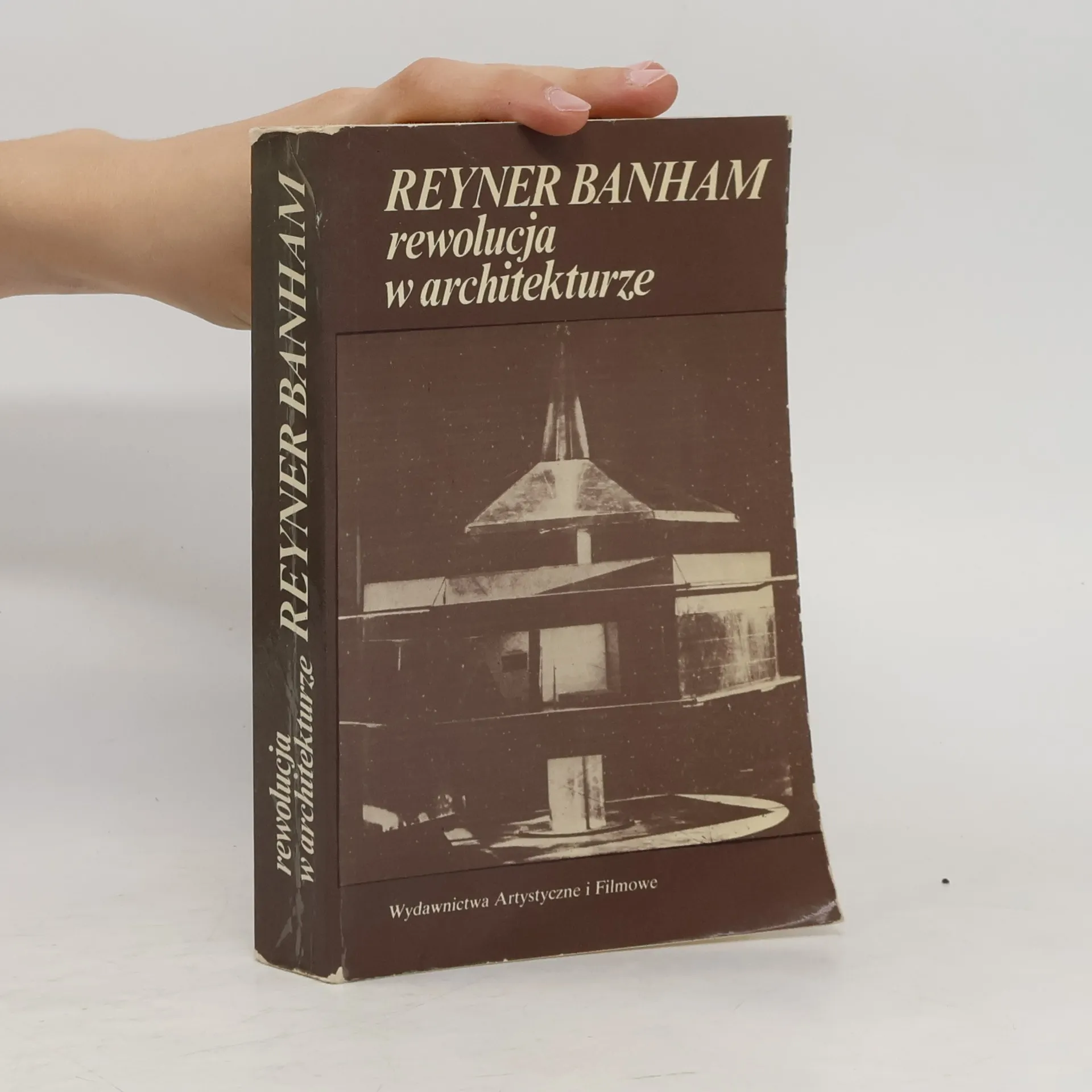
Banham, historyk i krytyk architektury współczesnej oraz kultury popularnej, którego teksty wpłynęły na pokolenie architektów i historyków architektury nowoczesnej, stawia czoła wyzwaniu związanym z osłabieniem architektury nowoczesnej w latach 50. XX wieku, aby ocalić ją w latach 60. W tej książce kwestionuje pozycję historiografii architektury nowoczesnej w latach 1930-1960, odnosząc się do idei zerwania z tradycją akademicką oraz liniowej ciągłości idei ruchu arts and crafts i inżynierii XIX wieku w architekturze XX wieku.