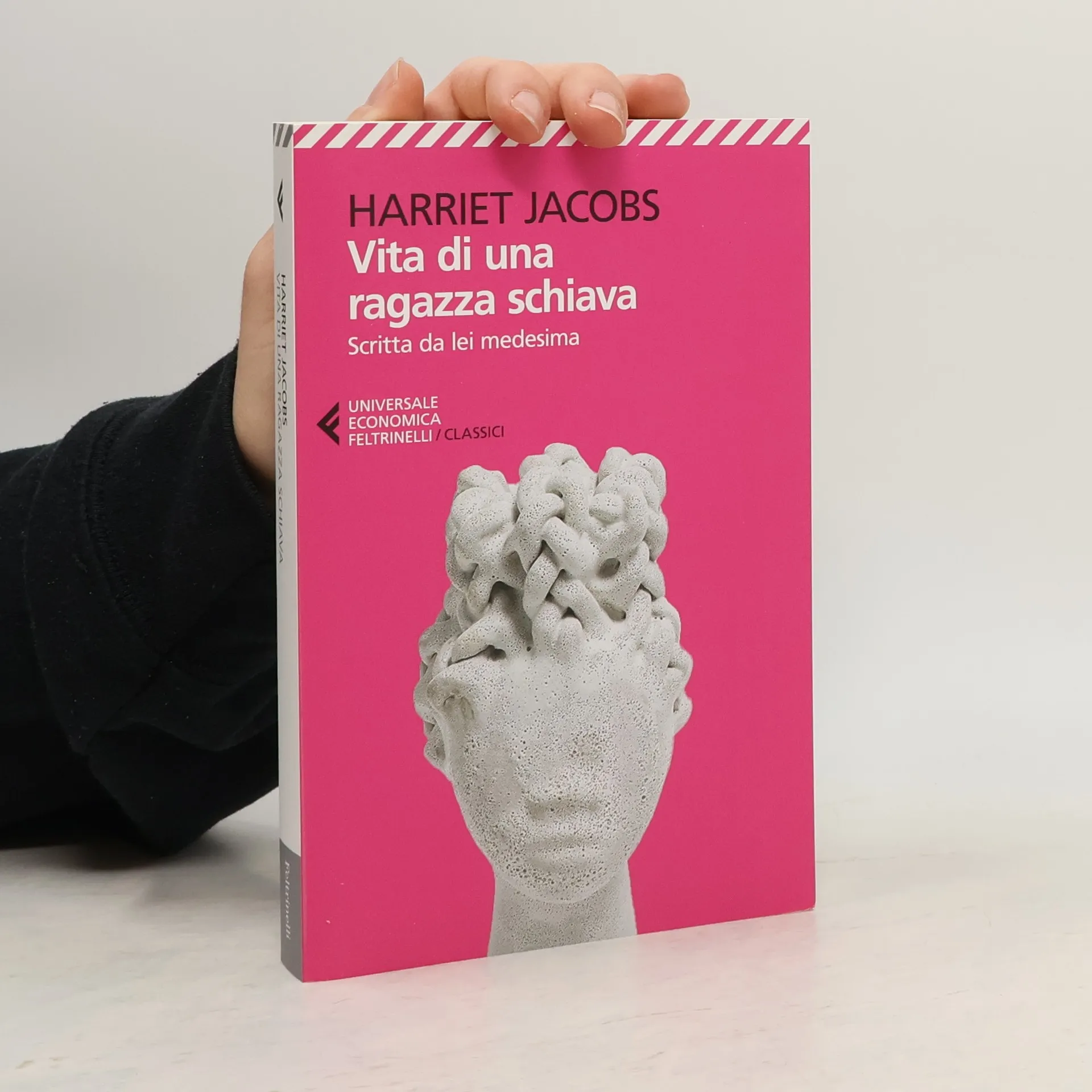

Harriet Jacobs, ktorá písala pod pseudonymom Linda Brent, bola autorkou, ktorej diela prenikavo skúmali temné aspekty otroctva a jeho vplyv na ľudskú dušu. Jej štýl je poznačený surovou úprimnosťou a hlbokou psychologickou citlivosťou, ktorá čitateľa vtiahne do srdca jej postáv. Svojím písaním sa snažila odhaliť nepredstaviteľné krutosti a nepriazeň osudu, ale aj nezlomnú silu ľudského ducha a túžbu po slobode. Jej literárny odkaz spočíva v jej nekompromisnom pohľade na nespravodlivosť a v jej príspevku k debate o rasovej a sociálnej rovnosti.
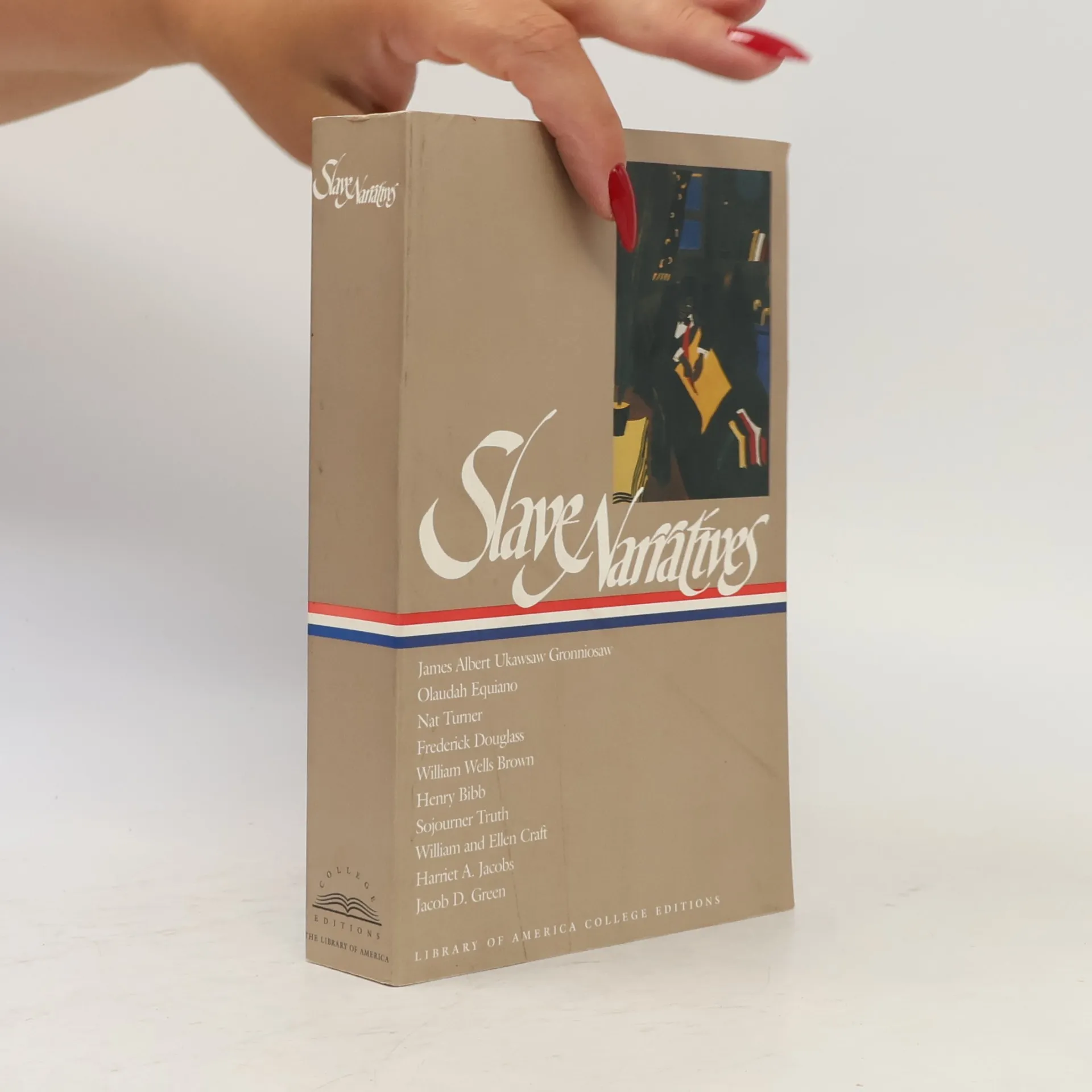
The Life of Olaudah Equiano, The History of Mary Prince, Narrative of the Life of Frederick Douglass, Incidents in the Life of a Slave Girl
688 stránok
25 hodin čítania
No group of slaves anywhere, in any era, has left such prolific testimony to the horror of bondage as African-American slaves. Here are four of the most notable narratives: The Life of Olaudah Equiano; The History of Mary Prince; Narrative of the Life of Frederick Douglass; and Incidents in the Life of Slave Girl.
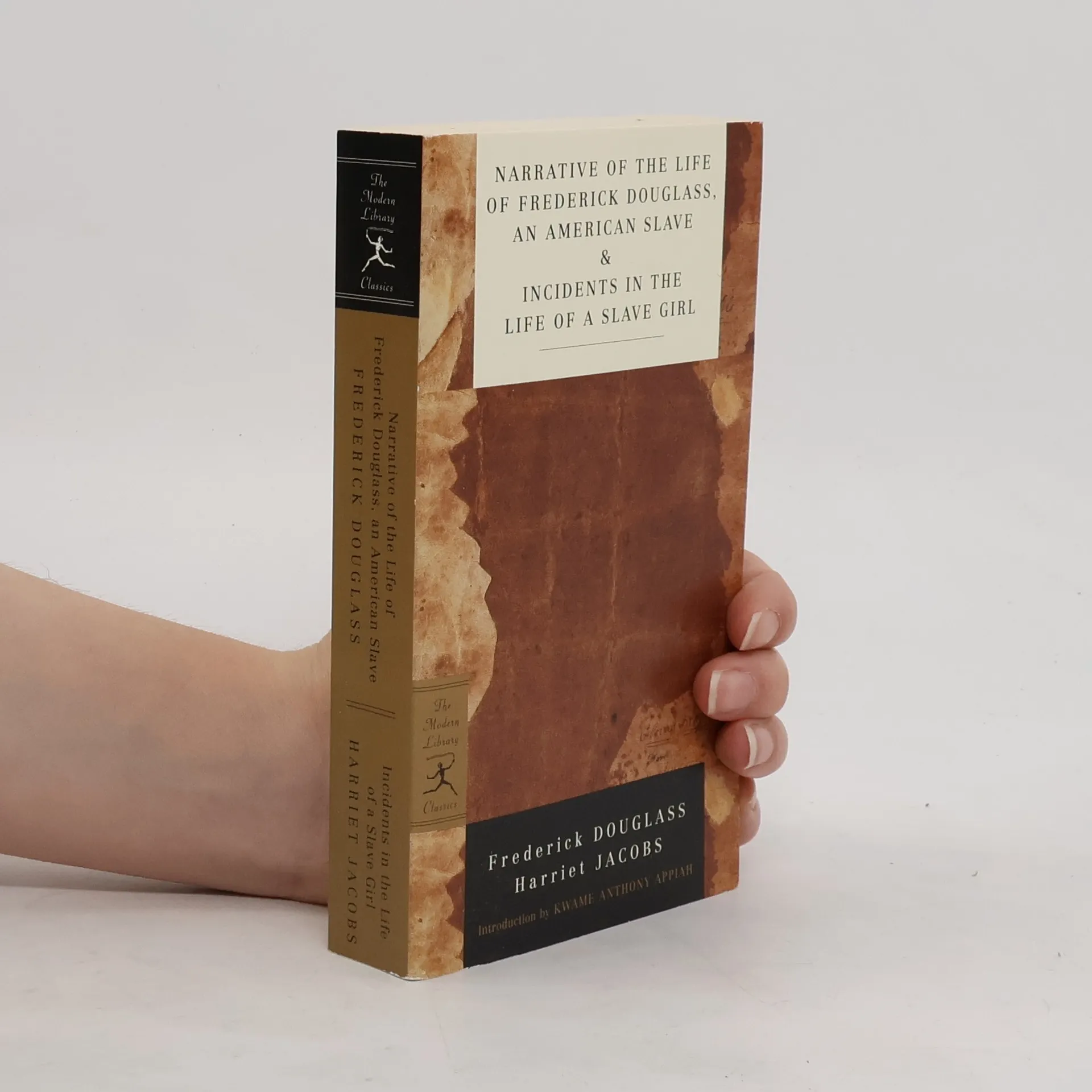
This Modern Library Paperback Classics edition combines the two most important African American slave narratives into one volume. Frederick Douglass's Narrative, first published in 1845, is an enlightening and incendiary text. Born into slavery, Douglass became the preeminent spokesman for his people during his life; his narrative is an unparalleled account of the dehumanizing effects of slavery and Douglass's own triumph over it. Like Douglass, Harriet Jacobs was born into slavery, and in 1861 she published Incidents in the Life of a Slave Girl, now recognized as the most comprehensive antebellum slave narrative written by a woman. Jacobs's account broke the silence on the exploitation of African American female slaves, and it remains crucial reading. These narratives illuminate and inform each other. This edition includes an incisive Introduction by Kwame Anthony Appiah and extensive annotations.
Incidents in the Life of a Slave Girl Written by Herself and Narrative of the Life of Frederick Douglass, an American Slave By Harriet Jacobs, Frederick Douglass
At six, Harriet learns of her status as a slave after her mother's death. The book is harrowing, addressing topics like sexual abuse by slave owners and the 1850 U.S. Fugitive Slave Law, which compelled northern states to return runaway slaves, shocking contemporary readers. Gröls Classics - English Edition.
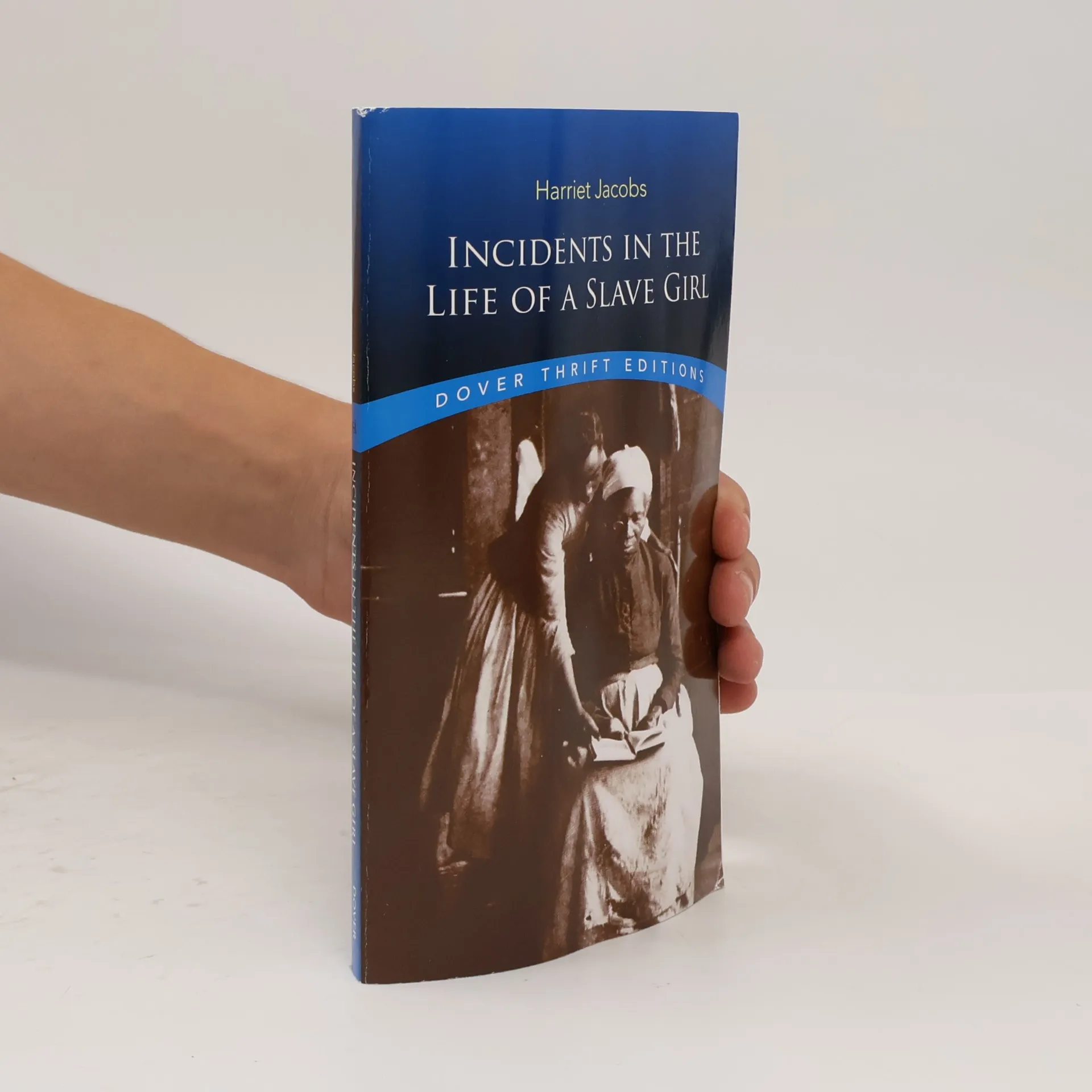
“One of the major autobiographies of the African-American tradition.”—Henry Louis Gates, Jr. “It has been painful to me, in many ways, to recall the dreary years I passed in bondage. I would gladly forget them if I could. Yet the retrospection is not altogether without solace; for with these gloomy recollections come tender memories of my good old grandmother, like light fleecy clouds floating over a dark and troubled sea.” One of the most memorable slave narratives, Harriet Jacobs’s Incidents in the Life of a Slave Girl illustrates the overarching evil and pervasive depravity of the institution of slavery. In great and painful detail, Jacobs describes her life as a Southern slave, the exploitation that haunted her daily life, her abuse by her master, the involvement she sought with another white man in order to escape her master, and her determination to win freedom for herself and her children. From her seven years of hiding in a garret that was three feet high, to her harrowing escape north to a reunion with her children and freedom, Jacobs’s Incidents in the Life of a Slave Girl remains an outstanding example of one woman’s extraordinary courage in the face of almost unbeatable odds, as well as one of the most significant testimonials in American history.
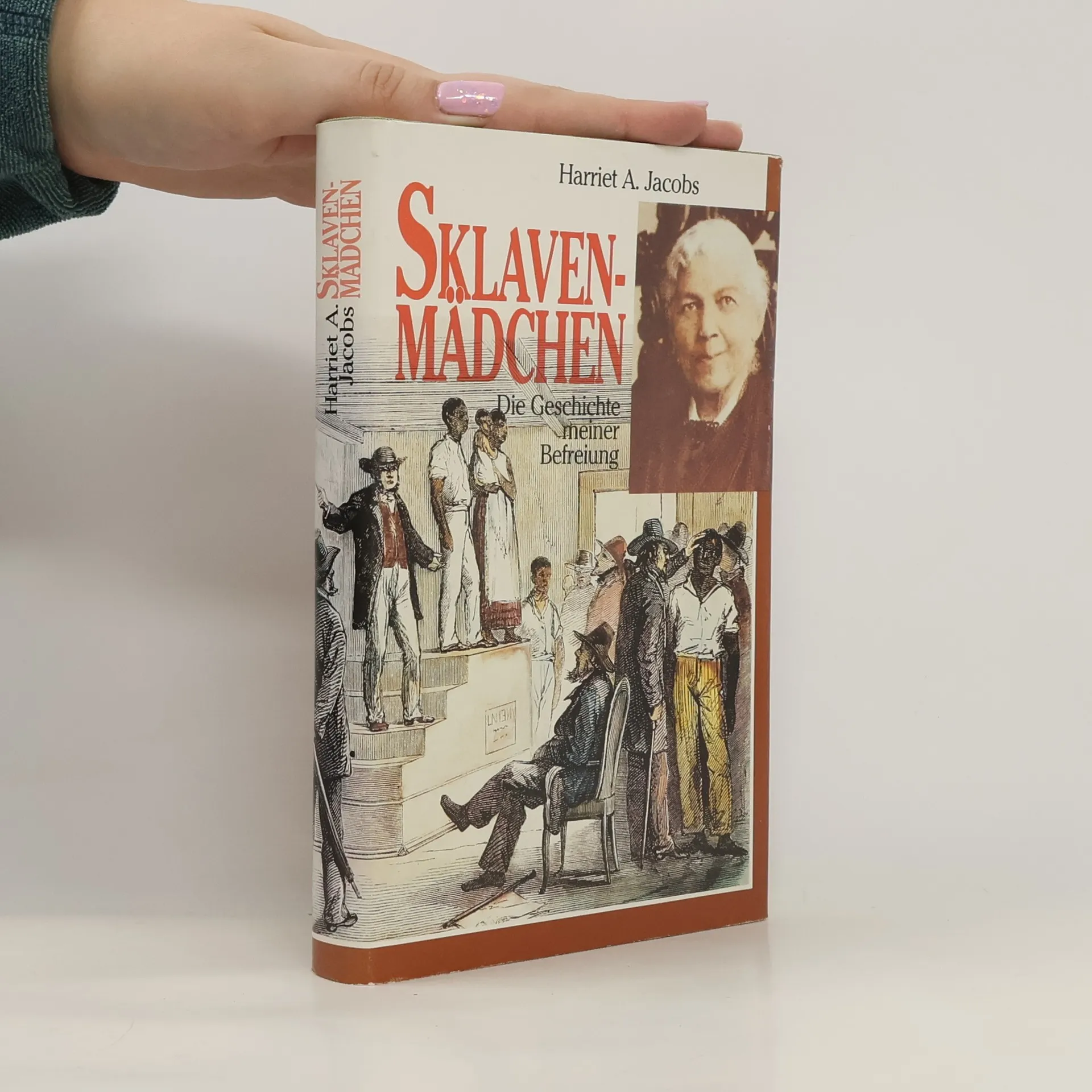
Die autobiografischen Erlebnisse von Harriet A. Jacobs werfen ein schonungsloses Licht auf die systematische sexuelle Ausbeutung von Sklavinnen in den USA. Jacobs beschreibt, wie junge Mädchen, oft ab der Pubertät, zum Objekt ihrer 'Besitzer' wurden, was zu einem erschreckenden Kreislauf der Gewalt und der rechtlichen Legitimität führte. Die Tatsache, dass die Nachkommen dieser Verhältnisse ebenfalls Sklaven wurden, verdeutlicht die Grausamkeit und Normalität dieses Systems. Ihr Bericht ist ein eindringliches Zeugnis der Banalität des Bösen in einer zutiefst unmenschlichen Gesellschaft.