Oxford Modern English Grammar
- 410 stránok
- 15 hodin čítania
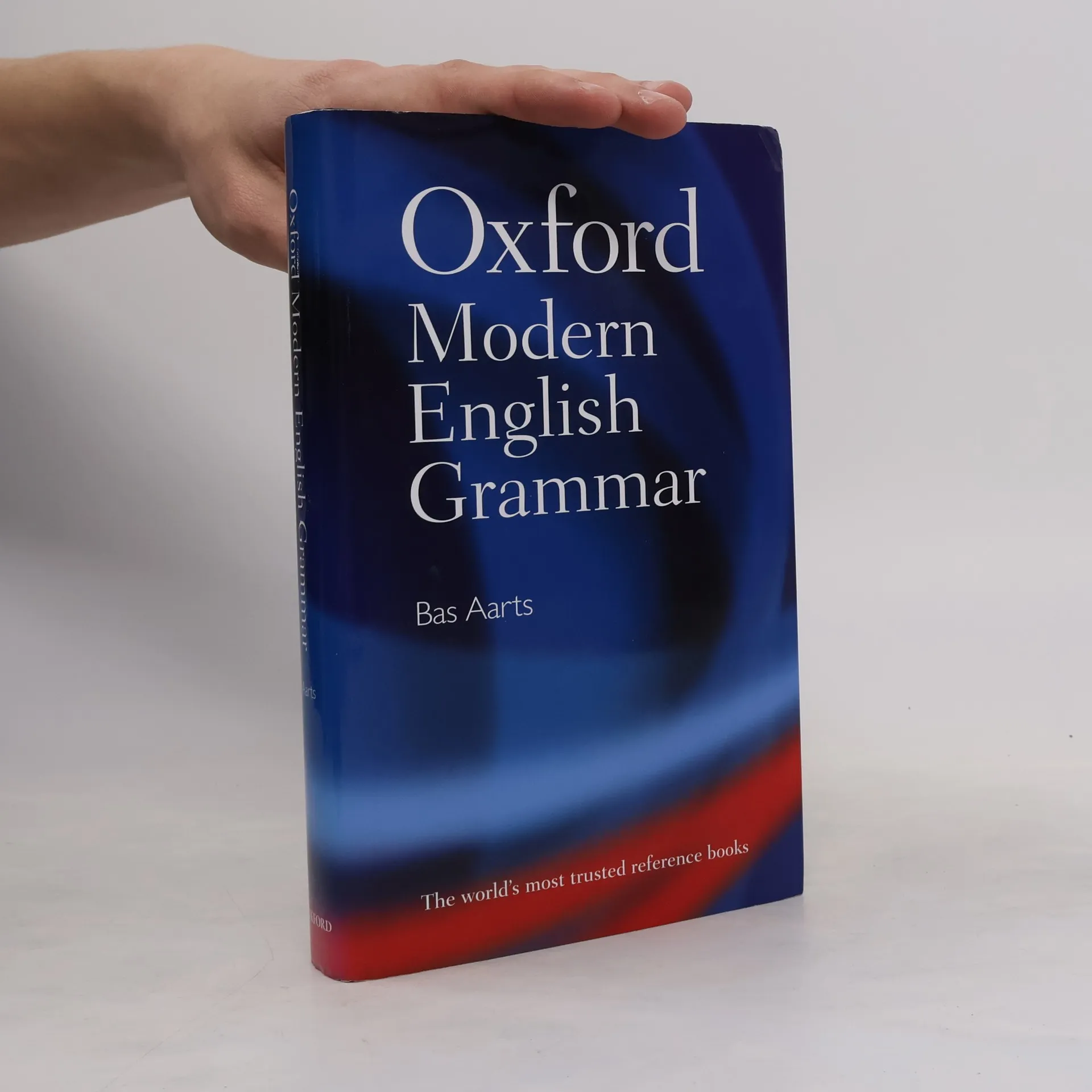
Uses authentic spoken and written examples from the British Component of the International Corpus of English (ICE-GB), as well as newspapers and other sources --


Bas Aarts je popredný lingvista, ktorý sa špecializuje na syntax, najmä na slovesnú syntax. Jeho výskum sa zameriava na podrobnú analýzu anglickej gramatiky a používania jazyka. V tejto oblasti rozsiahlo publikoval a je spoluzakladateľom prestížneho odborného časopisu.
Uses authentic spoken and written examples from the British Component of the International Corpus of English (ICE-GB), as well as newspapers and other sources --
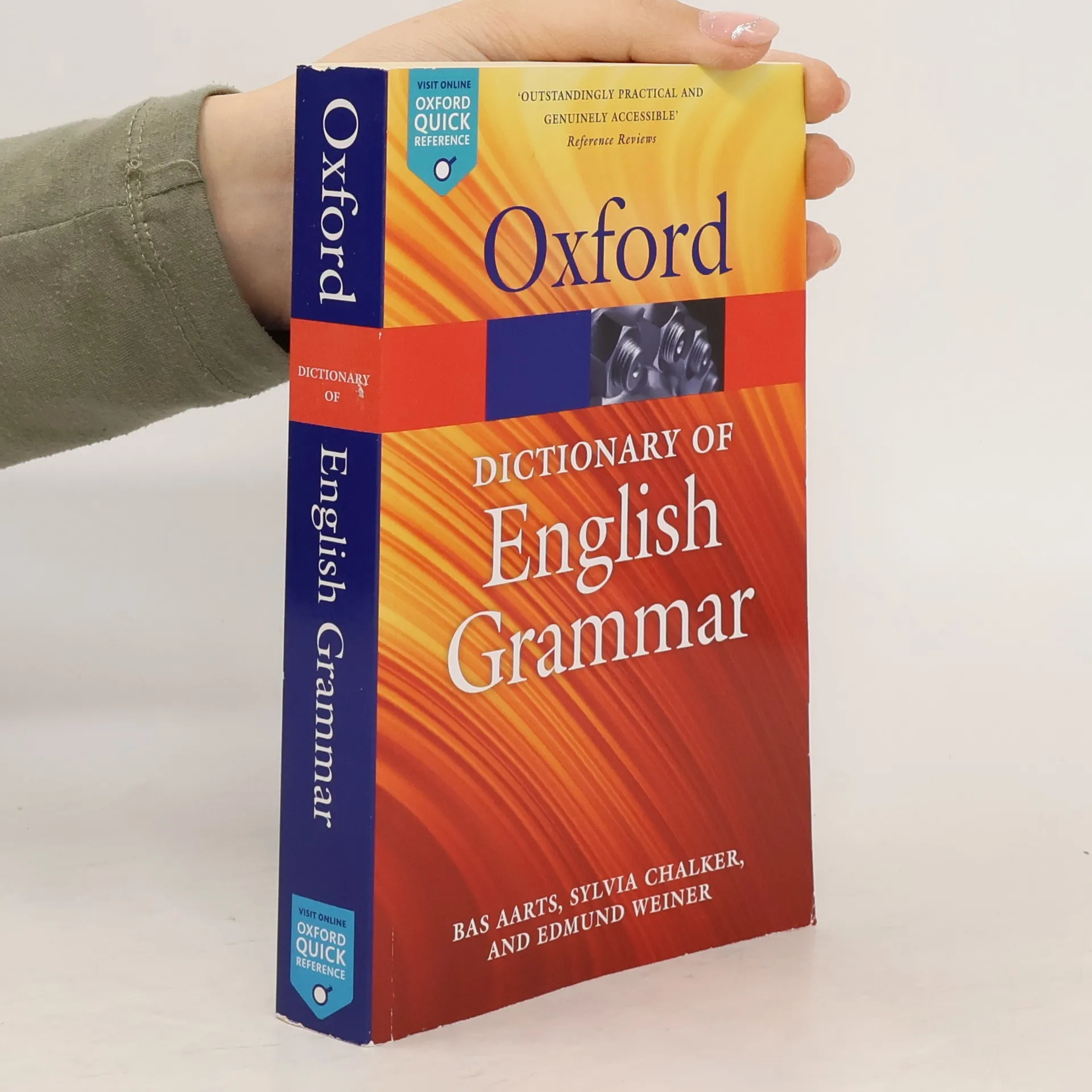
This book is an accessible and authoritative A-Z that provides up-to-date definitions of over 1,600 current grammatical terms, with hundreds of useful example sentences and helpful quotations from the scholarly literature. An invaluable guide to all those interested in the English language.
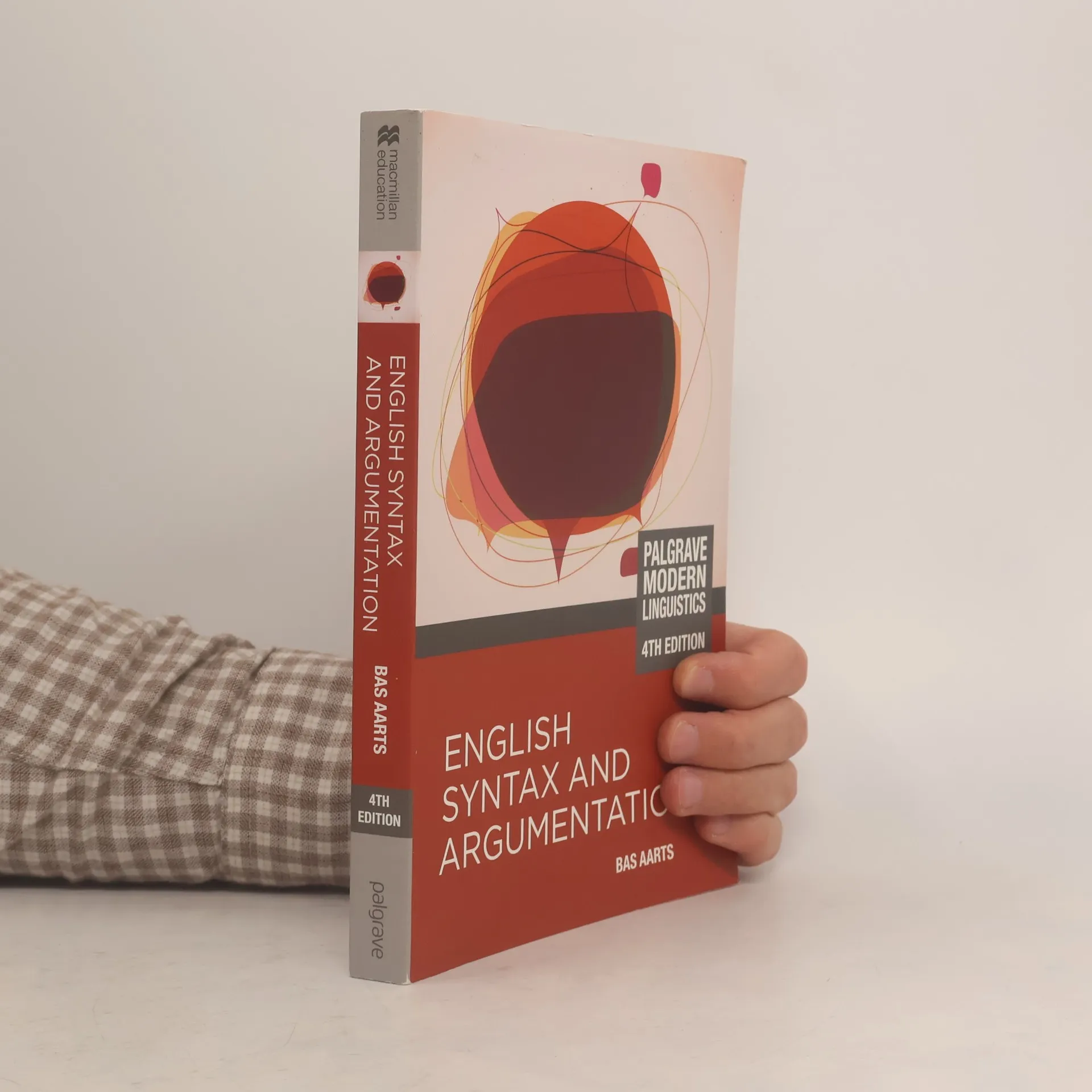
How can we go about describing the structure of sentences? What do we learn from analysing language in this way? This book examines the nuts and bolts of English syntax in an accessible way. Now in its fourth edition, English Syntax and Argumentation remains a student favourite. The book starts with a discussion of the basic concepts that are important in the study of syntax, and then moves on to more complex issues. Each chapter carefully explains technical terms and uses graphic illustrations alongside easy-to-follow examples and 'hands-on' exercises to illuminate key ideas. From words and phrases to constituency and argumentation – and now with a chapter on tense, aspect and mood – the book's broad coverage and clear organisation make it essential reading for all students of English and Linguistics who are encountering the study of syntax for the first time.
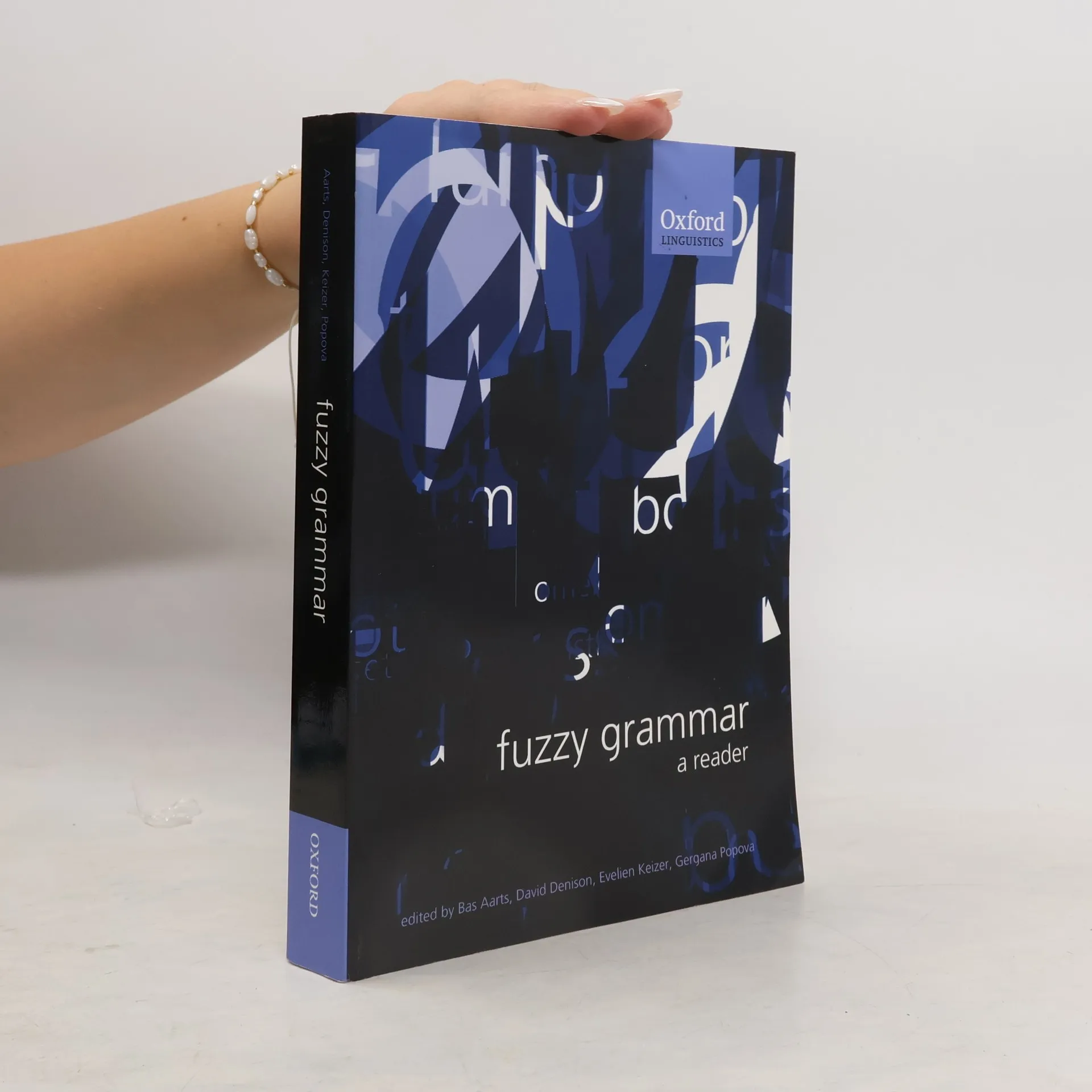
This book brings together classic and recent papers in the philosophical and linguistic analysis of fuzzy grammar, of gradience in meaning, word classes, and syntax. Issues such as how many grains make a heap, when a puddle becomes a pond, and so forth, have occupied thinkers since Aristotle and over the last two decades been the subject of increasing interest among linguists as well as in fields such as artificial intelligence and computational linguistics.