Mysterion: Kosmos, chaos i świat przyszły
Starożytne źródła wierzeń apokaliptycznych
- 302 stránok
- 11 hodin čítania


Židovský akademik a historik, ktorý po štrnásťročnej profesúre na Univerzite v Sussexe skúmal spojenie medzi stredovekým a súčasným antisemitizmom. Jeho práca sa hlboko ponára do histórie a psychológie nenávisti. Analýzou minulých vzorcov sa snaží objasniť pretrvávajúce predsudky a ich dopady na dnešnú spoločnosť. Jeho literárny prístup je založený na dôkladnom historickom výskume a kritickom myslení.
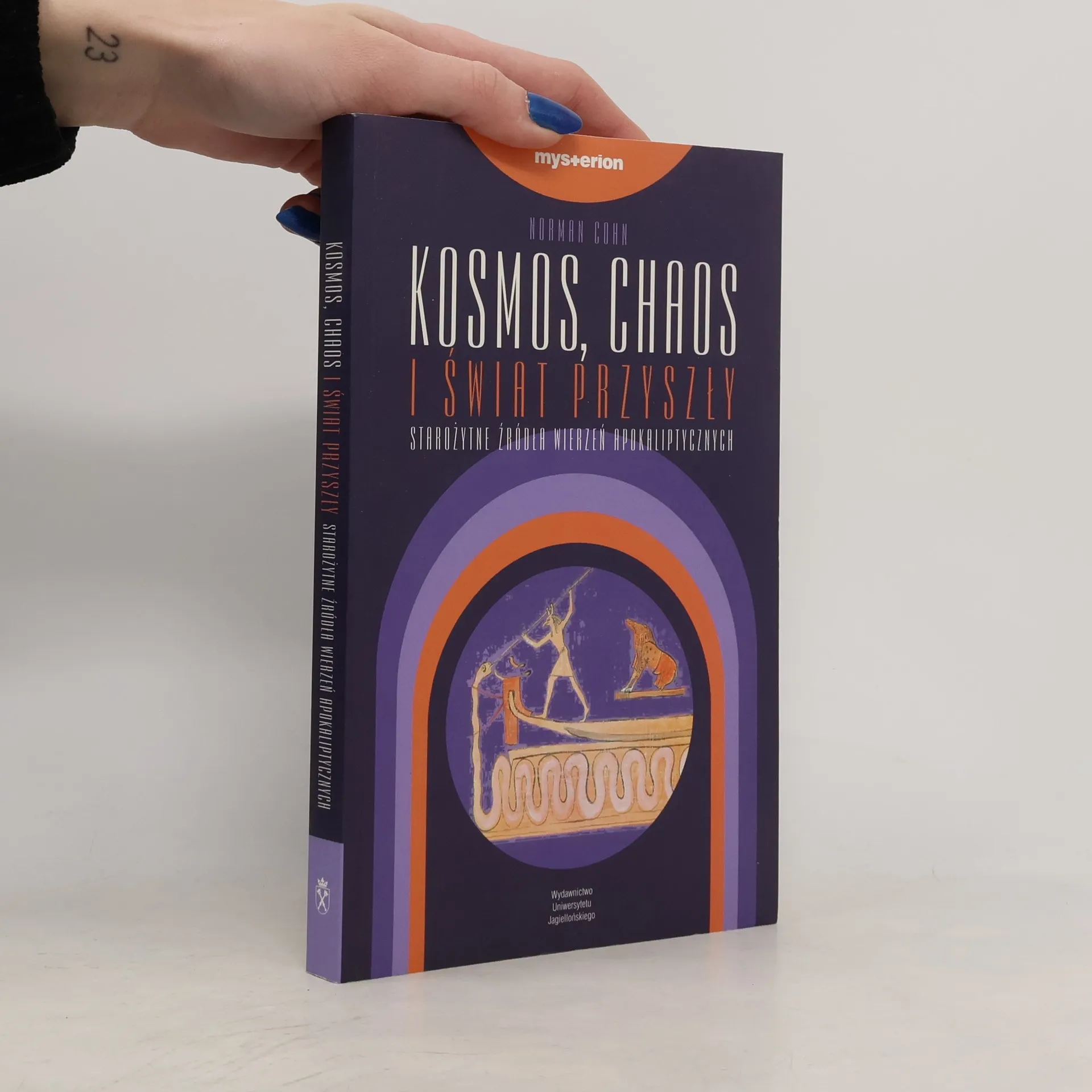



Starożytne źródła wierzeń apokaliptycznych
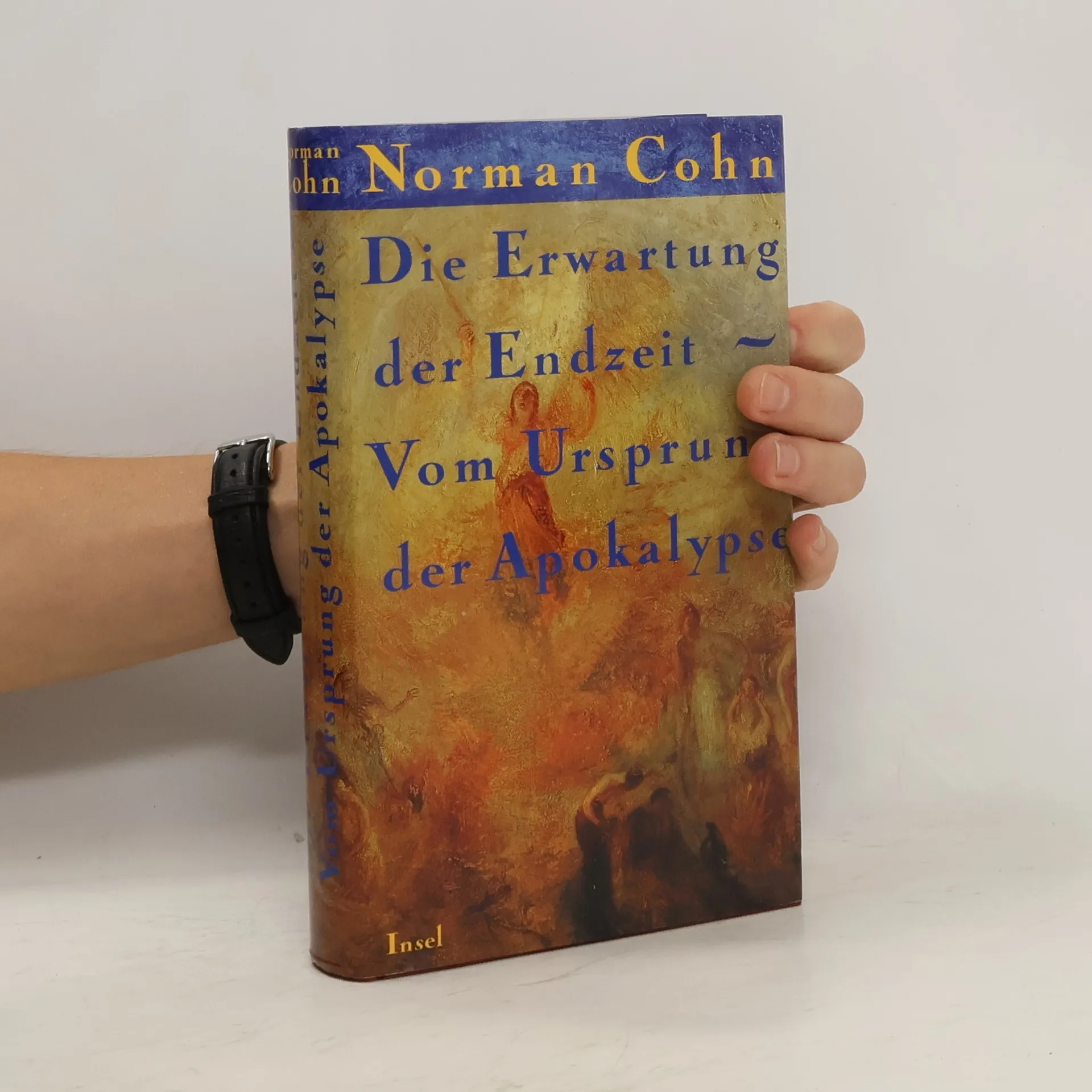
Norman Cohn analysiert in dieser umfassenden Studie die Ursprünge des Glaubens an die Apokalypse – an eine Zukunft, in der die Kräfte des Guten über die des Bösen triumphieren werden. Das Buch führt uns zweitausend Jahre zurück in die Kultur des alten Ägypten, Mesopotamiens und Indiens, bevor es sich den iranischen und jüdischen Propheten sowie den frühen christlichen Darstellungen des Paradieses auf Erden widmet. Dabei beleuchtet Norman Cohn mit beeindruckender Gelehrsamkeit einen entscheidenden Wendepunkt in der Geschichte des menschlichen Bewusstseins.
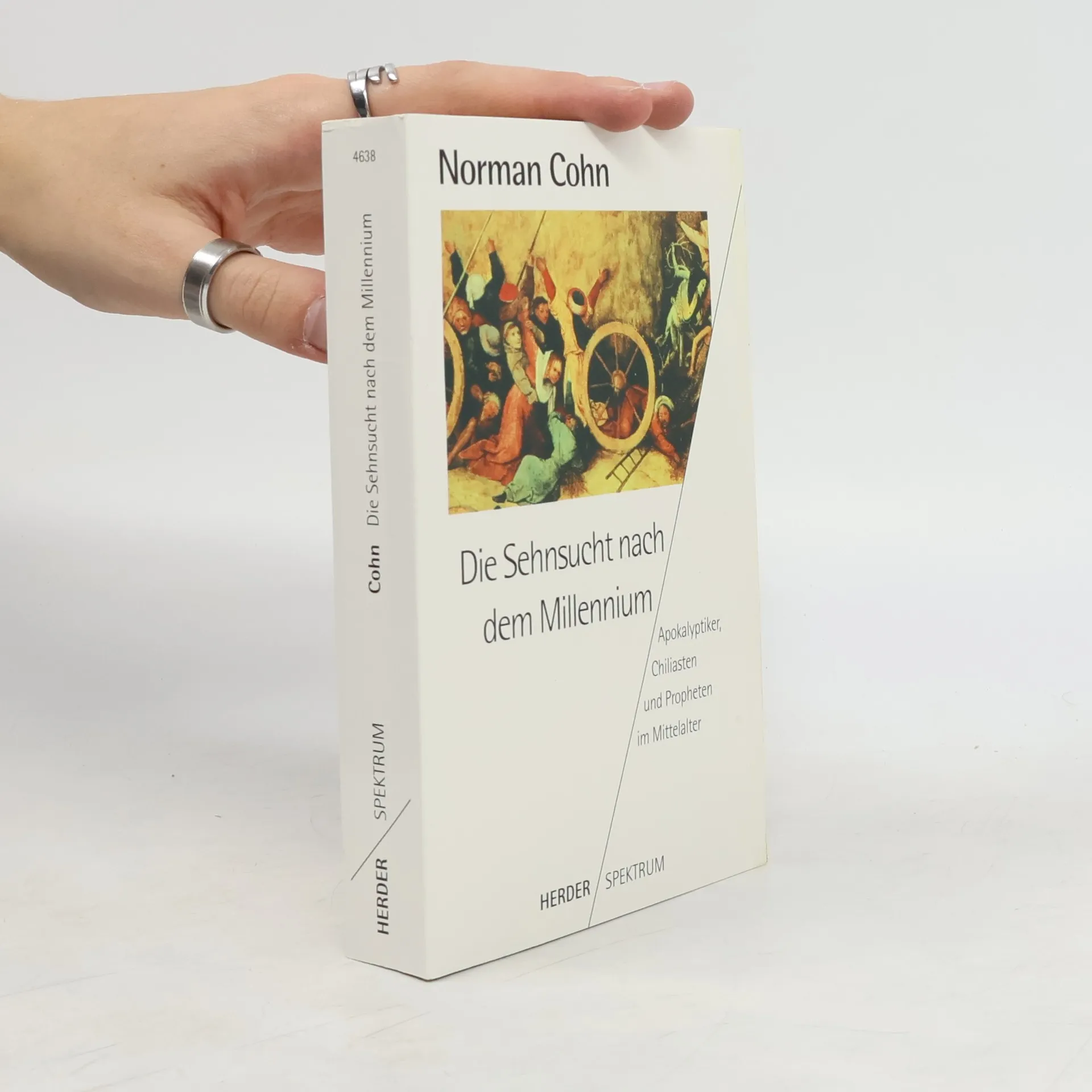
The end of the millennium has always held the world in fear of earthquakes, plague, and the catastrophic destruction of the world. At the dawn of the 21st millennium the world is still experiencing these anxieties, as seen by the onslaught of fantasies of renewal, doomsday predictions, and New Age prophecies.This fascinating book explores the millenarianism that flourished in western Europe between the eleventh and sixteenth centuries. Covering the full range of revolutionary and anarchic sects and movements in medieval Europe, Cohn demonstrates how prophecies of a final struggle between the hosts of Christ and Antichrist melded with the rootless poor's desire to improve their own material conditions, resulting in a flourishing of millenarian fantasies. The only overall study of medieval millenarian movements, The Pursuit of the Millennium offers an excellent interpretation of how, again and again, in situations of anxiety and unrest, traditional beliefs come to serve as vehicles for social aspirations and animosities.
Betr. u. a. den Berner Prozess von 1934/35 (S. 225-236).