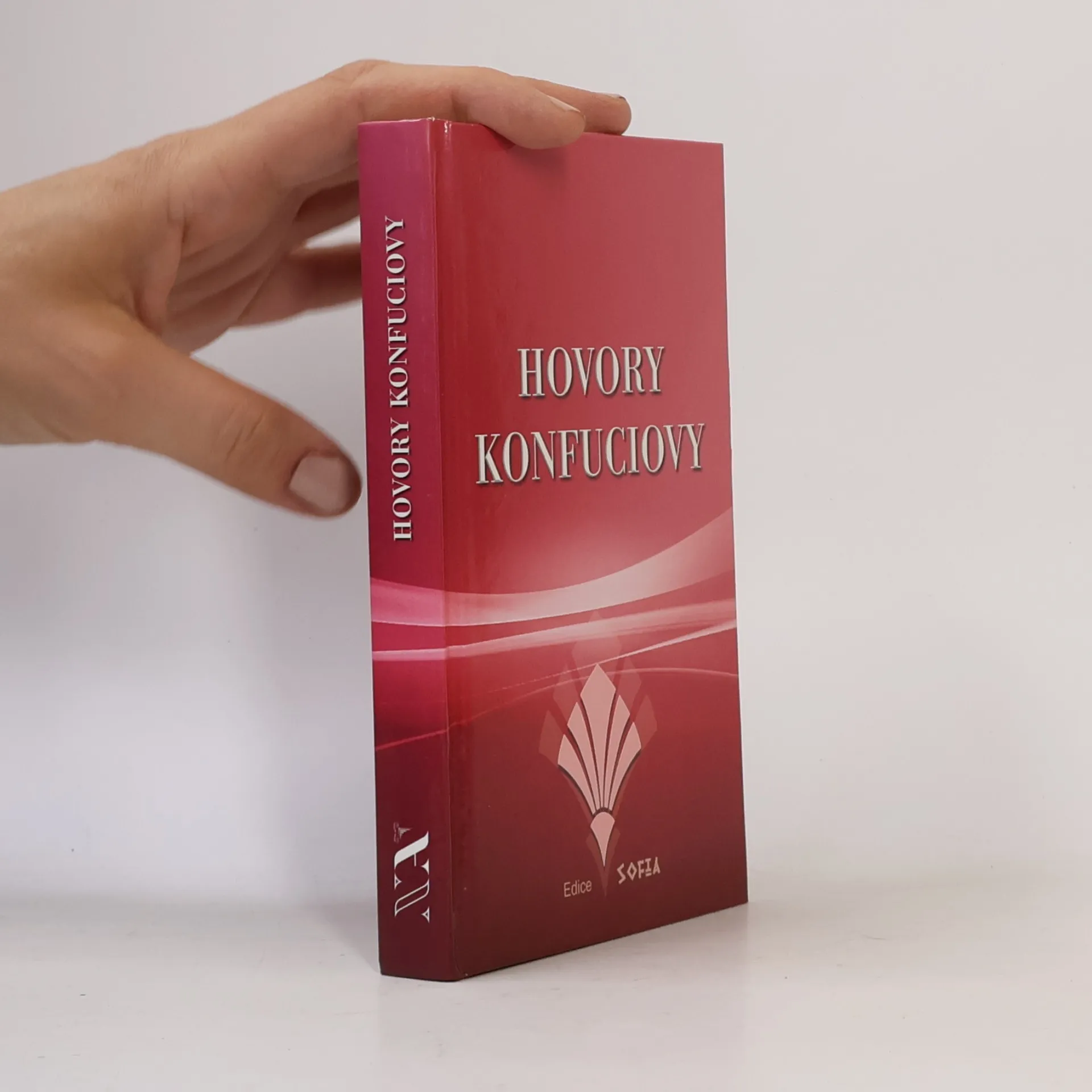
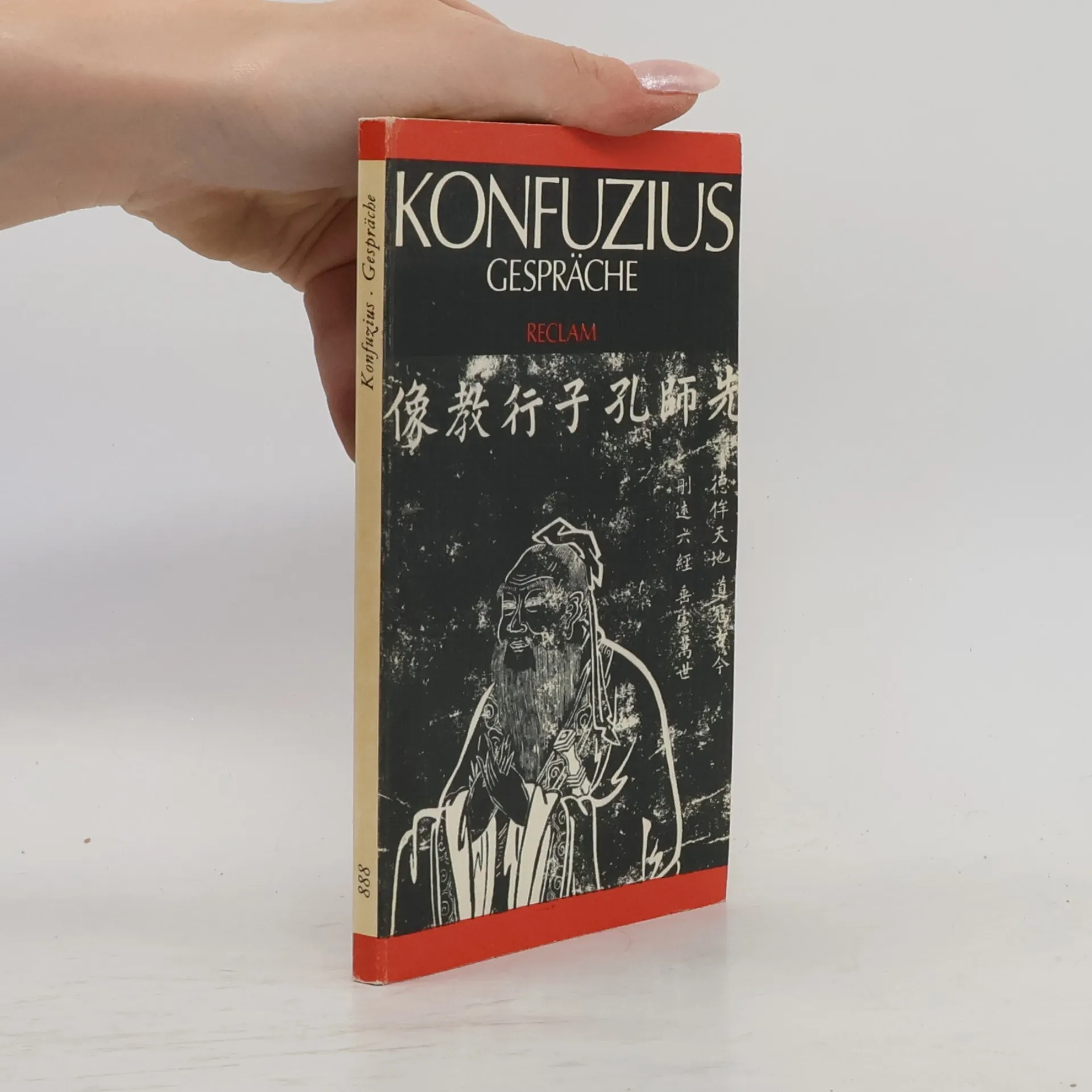
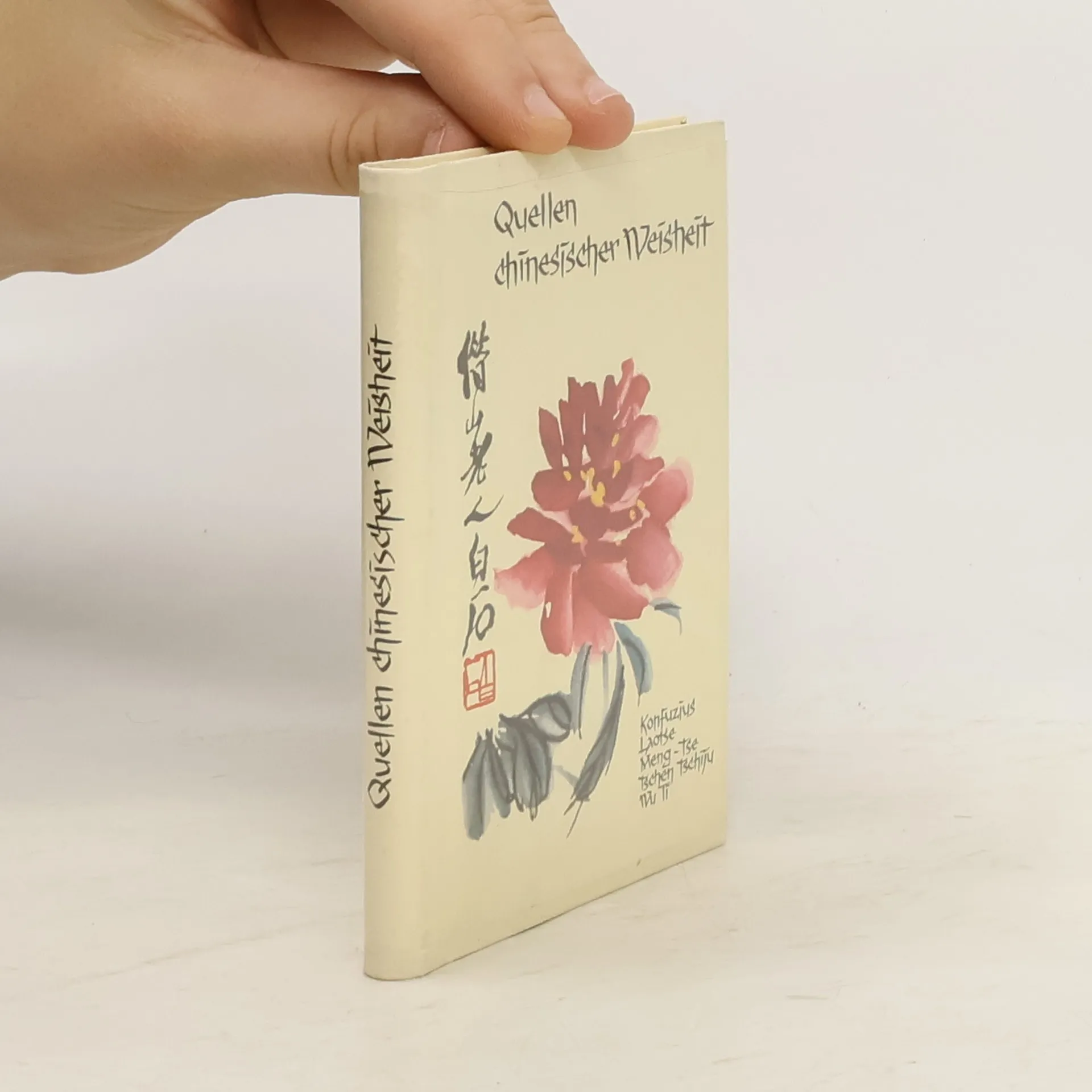
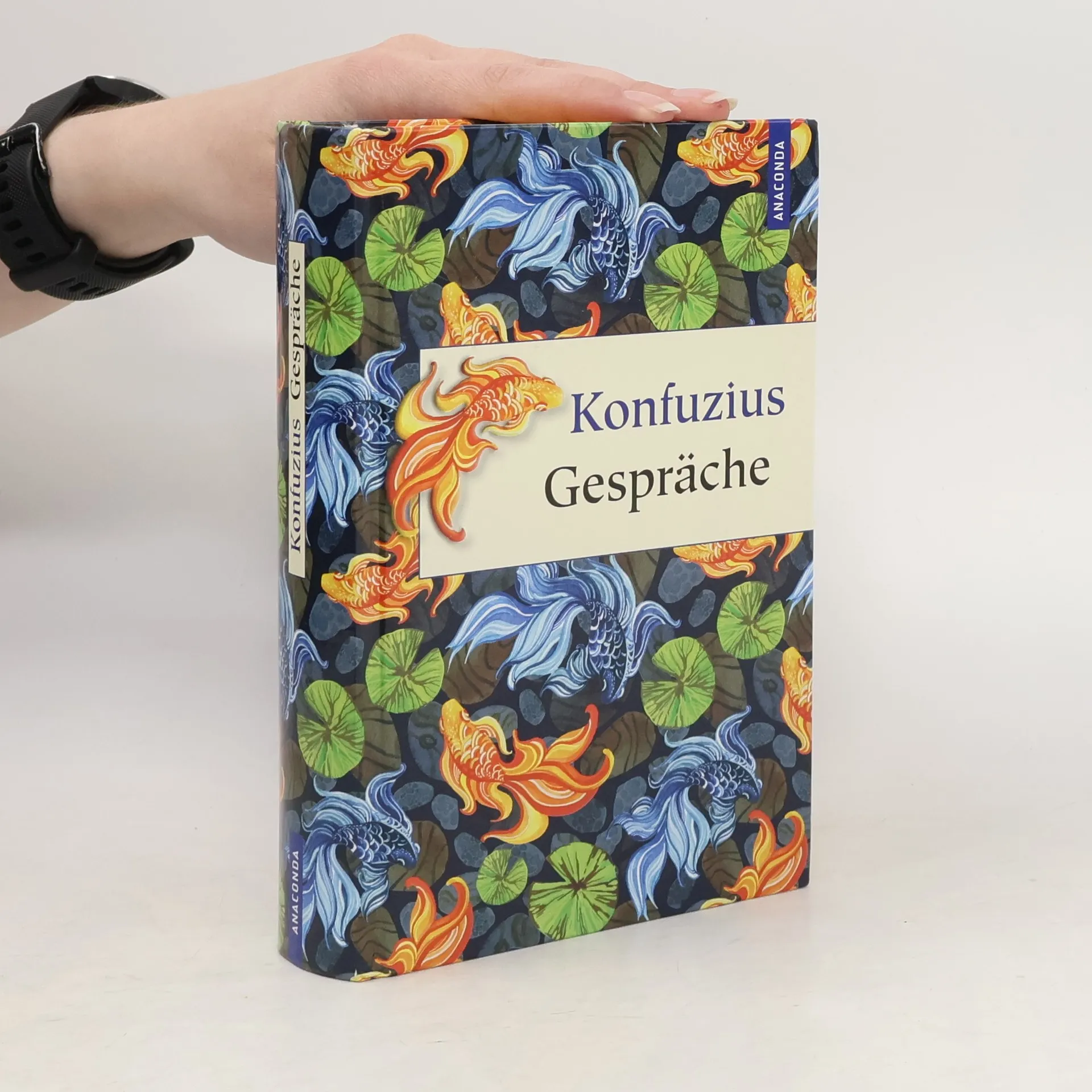
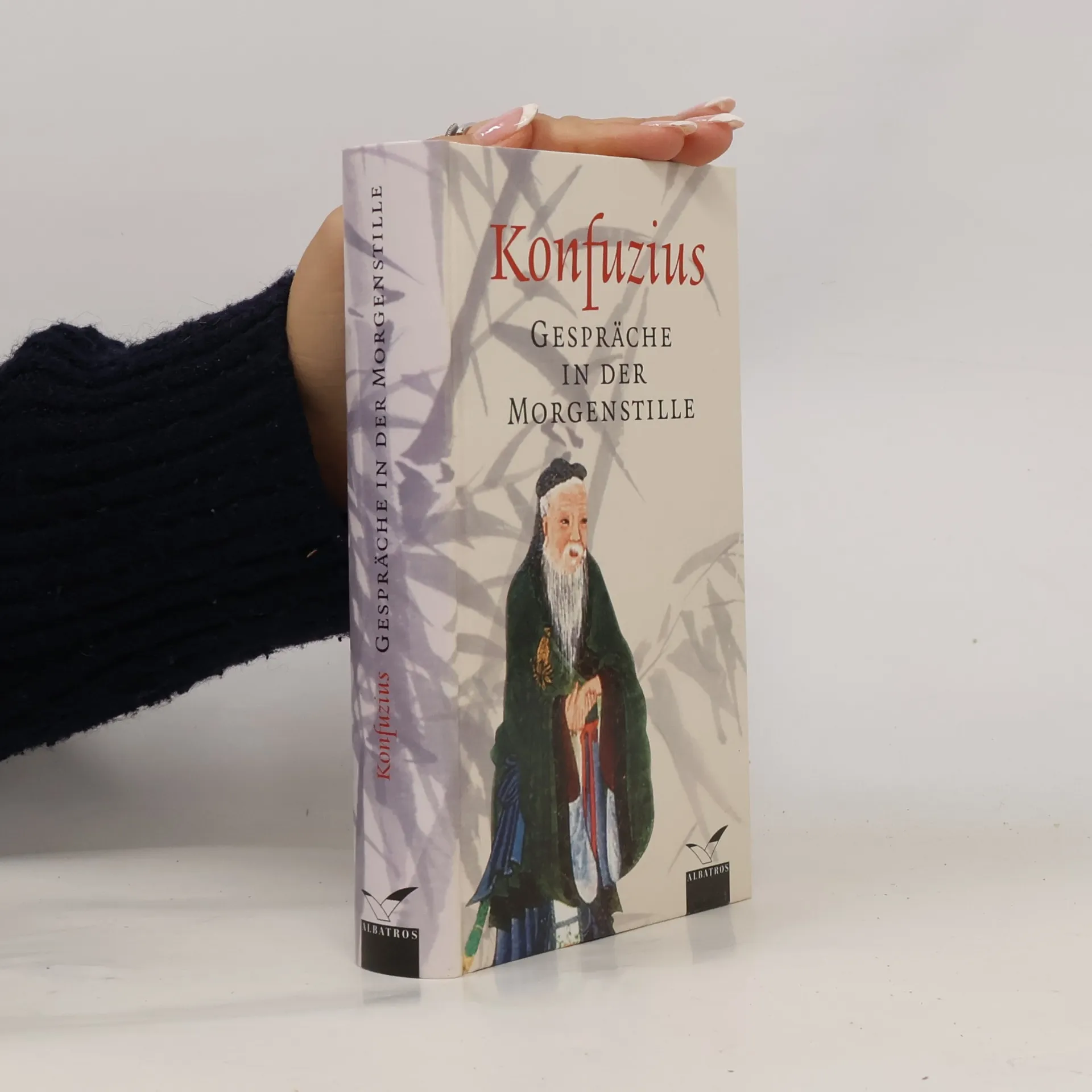
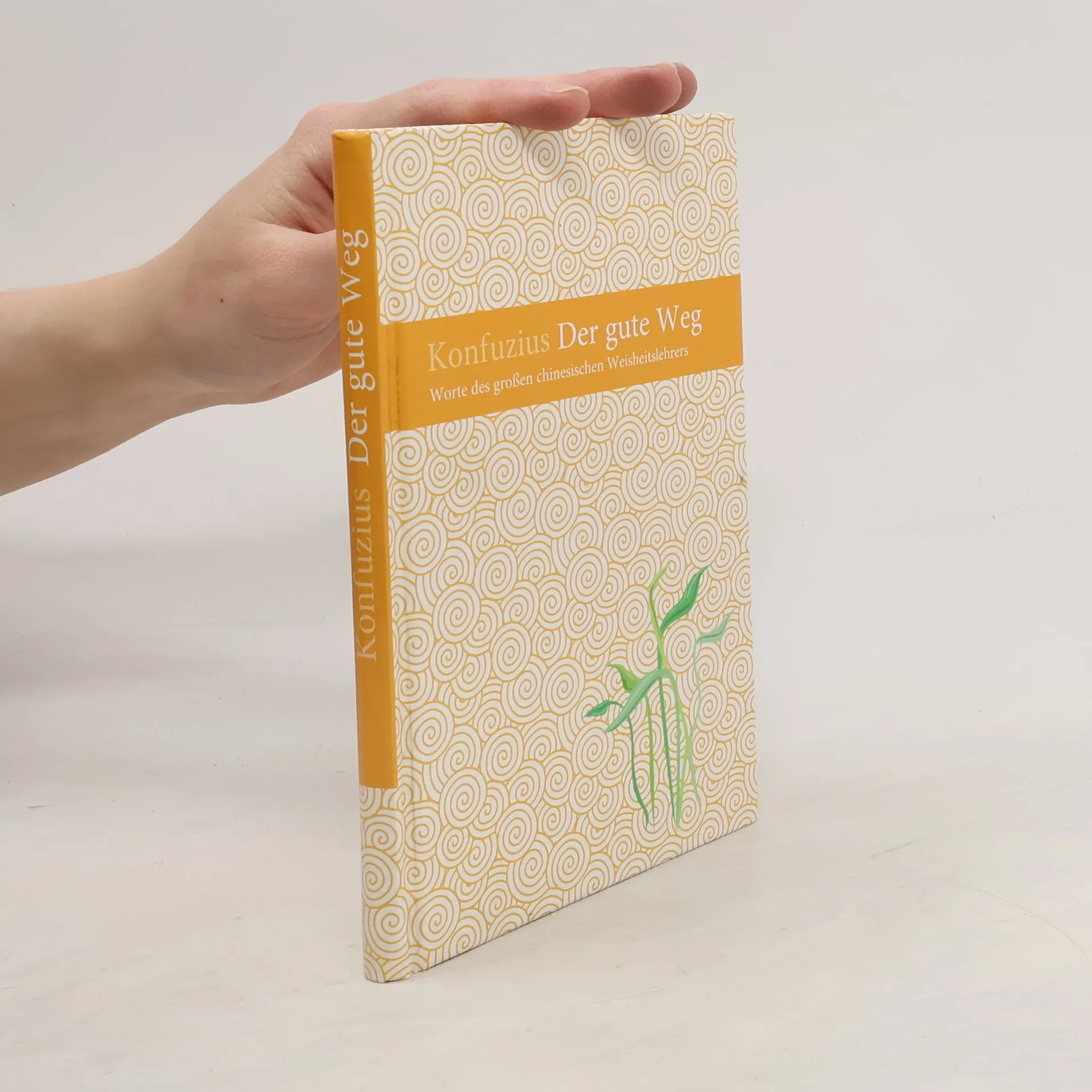
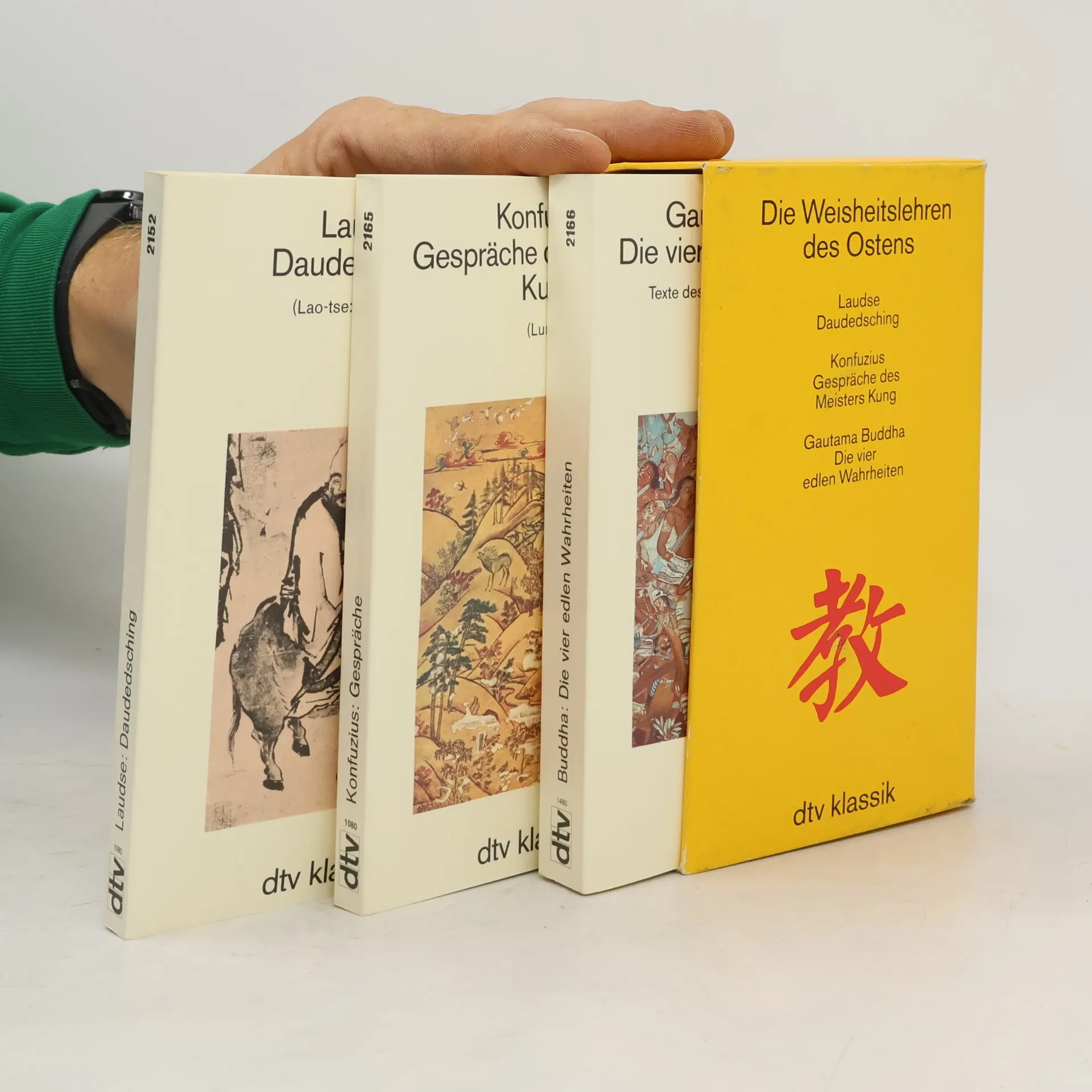
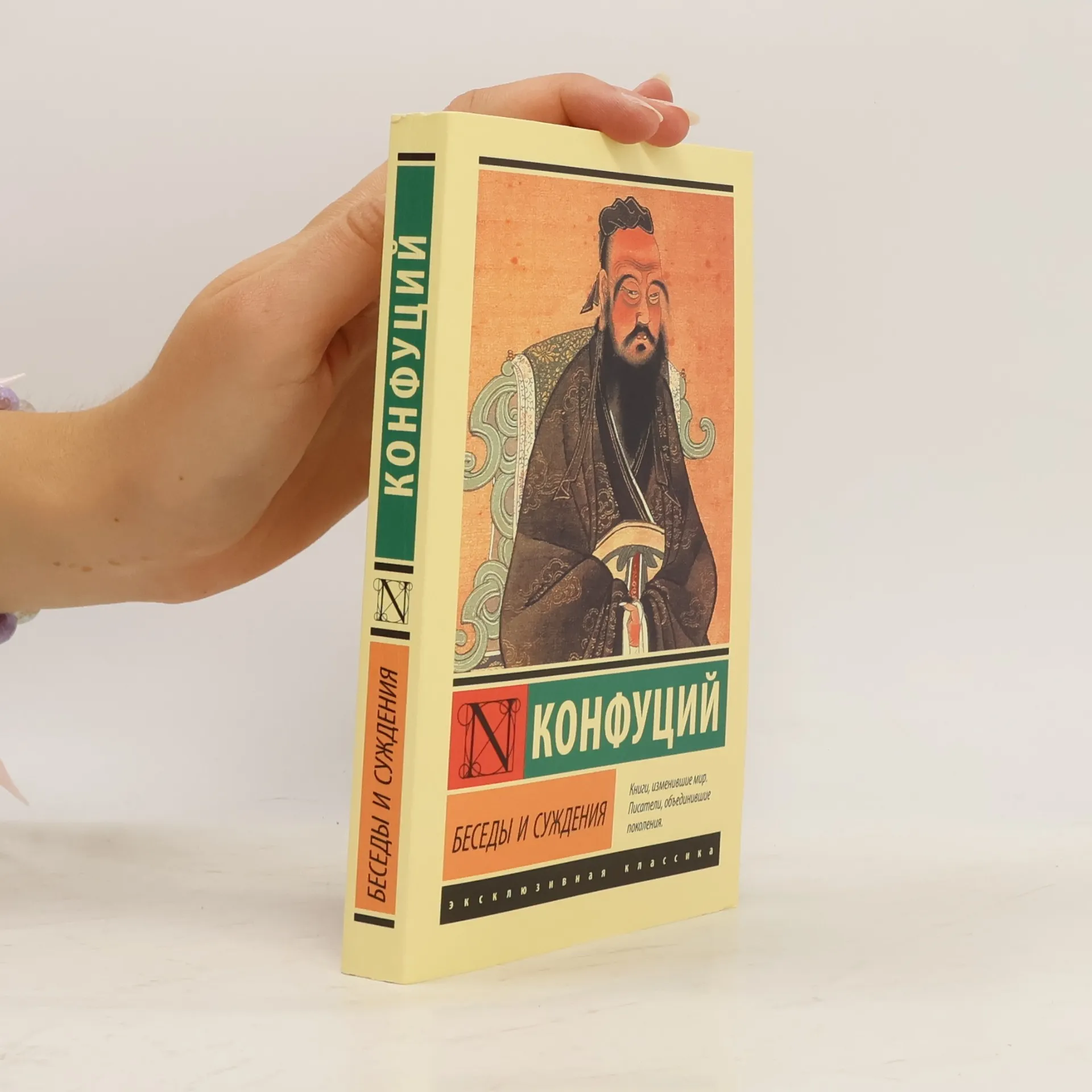
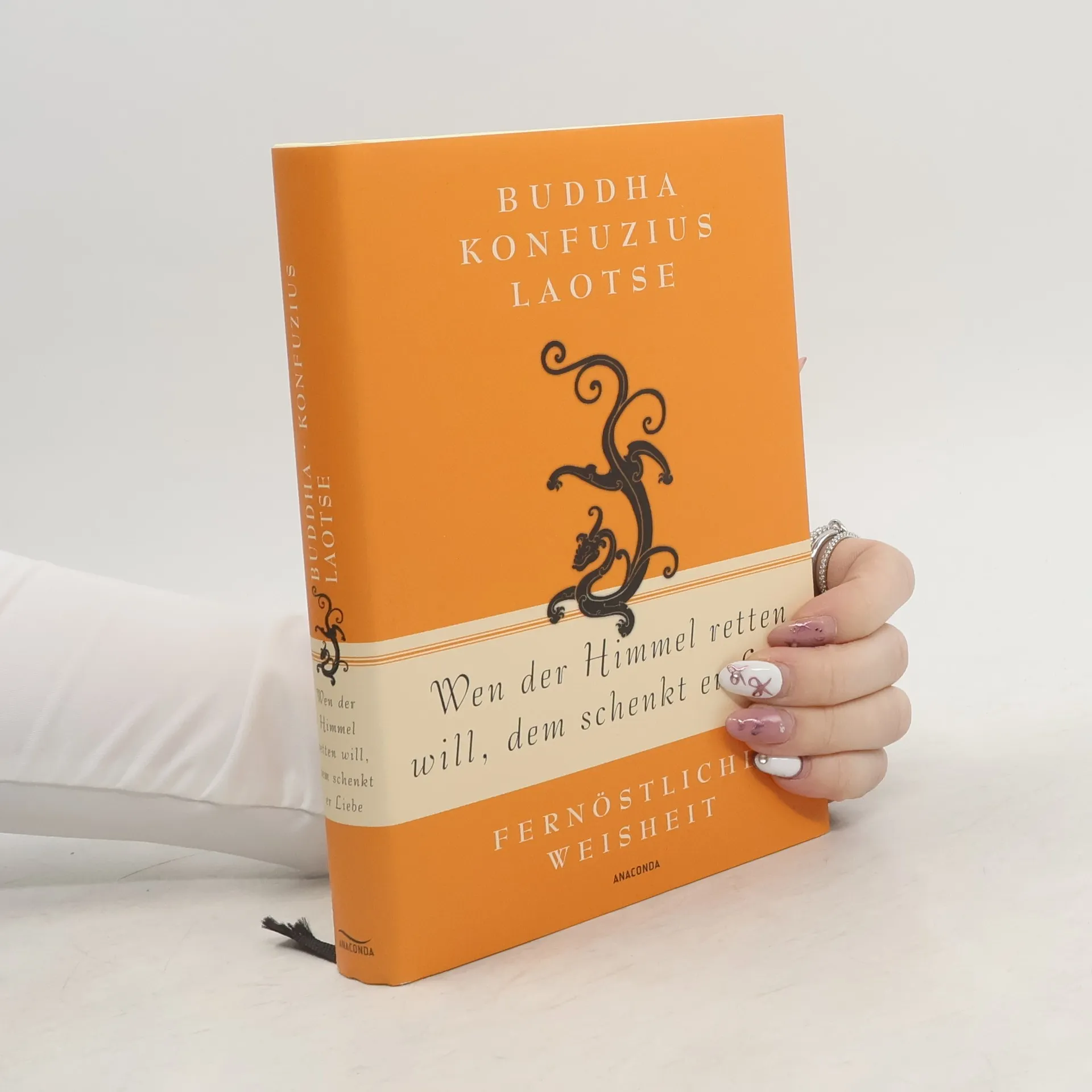
Tento autor skúma hlboké etické a filozofické otázky s dôrazom na morálny rozvoj a sociálnu harmóniu. Jeho spisy sú charakteristické svojou múdrosťou a praktickým vedením pre život. Práce sa zameriavajú na vládnutie, rodinu a osobnú integritu. Zostáva vplyvnou postavou v etickom myslení.
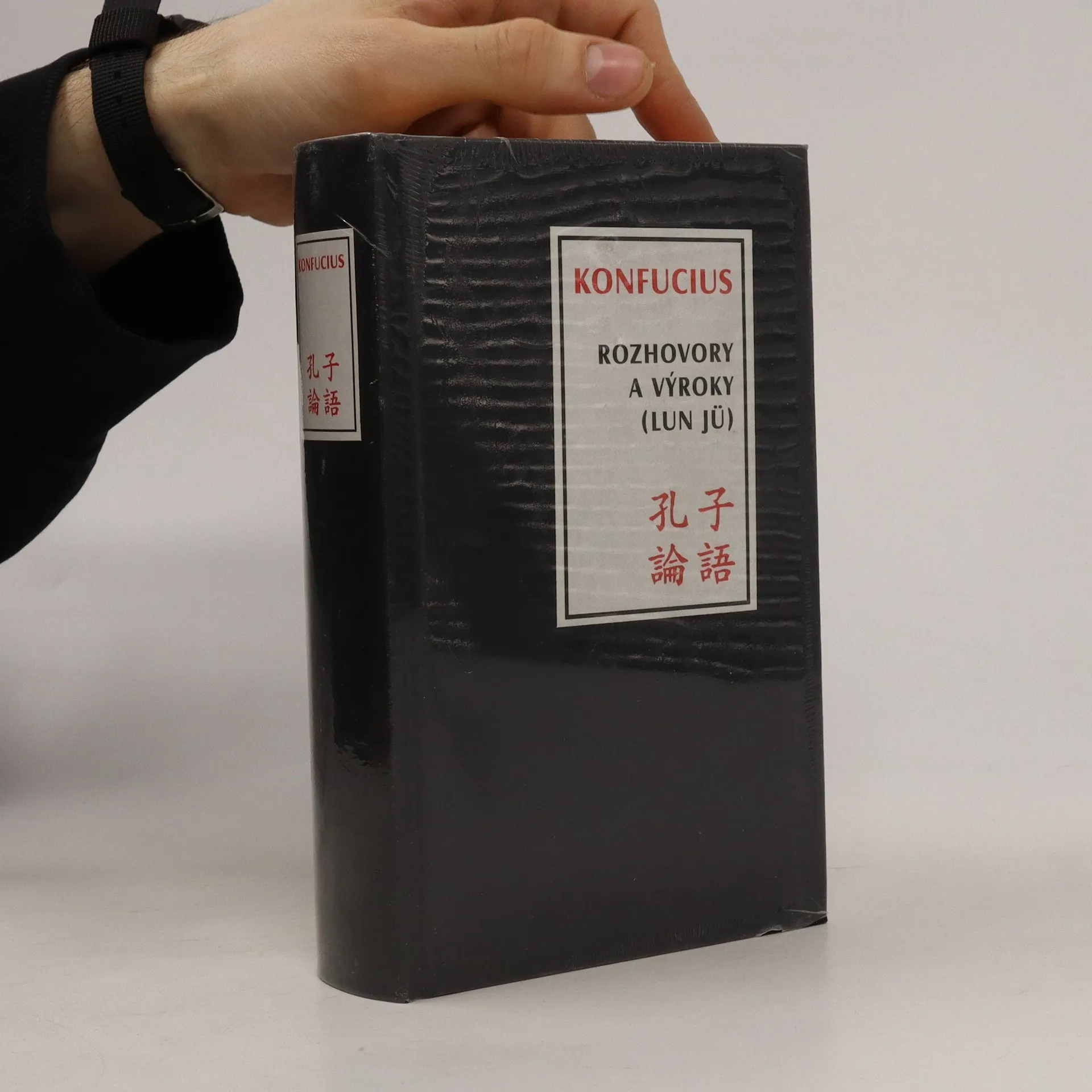
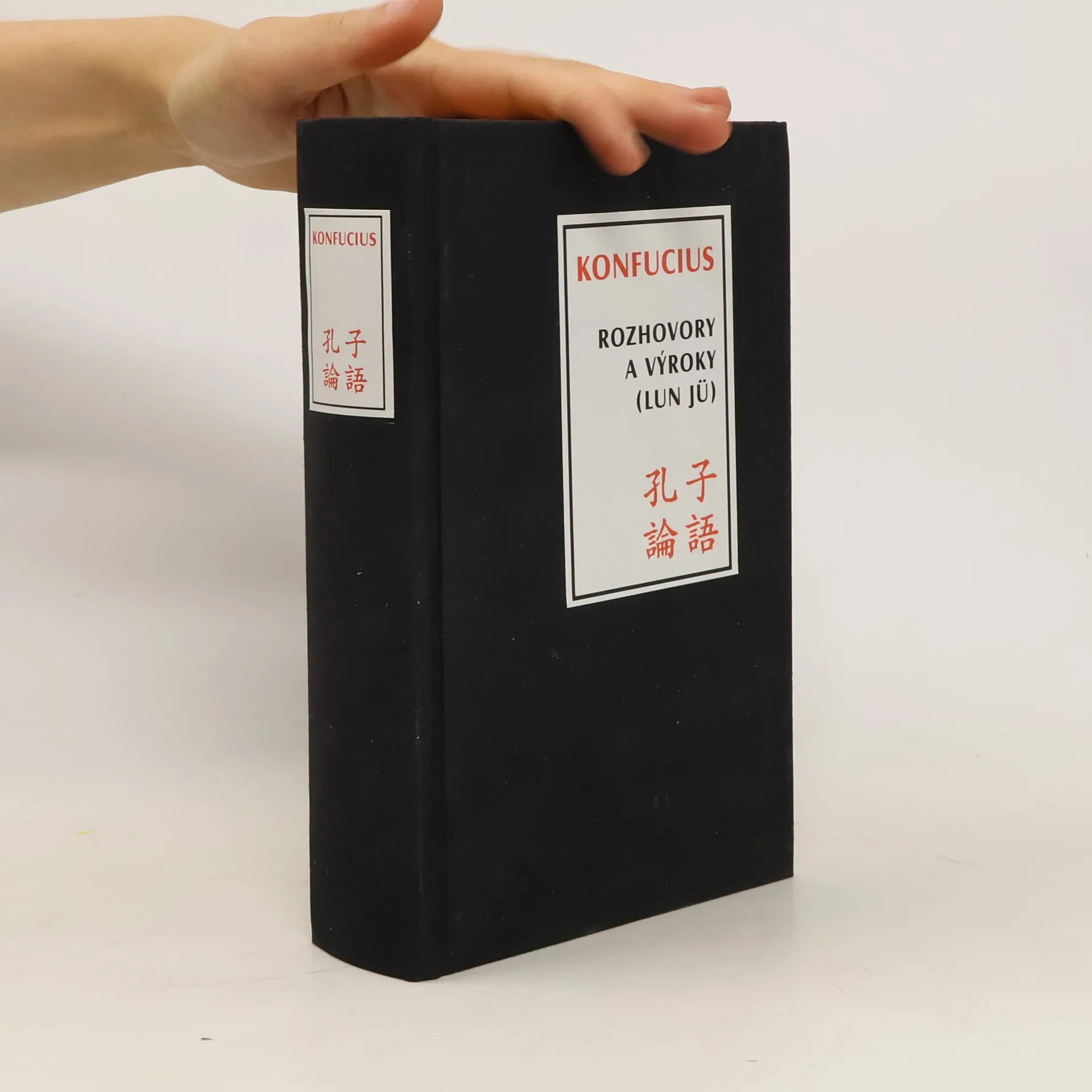
Nádherné knižné spracovanie dvadsiatich zvitkov o ľuďoch, vládnutí, zotrvávaní v ľudskosti, o symboloch syna nebies, o štúdiu, o rôznych učeníkoch... Literárne zreštaurovala a preložila Marina Čarnogurská.
Po prvý raz vychádza v slovenčine Konfuciovo kompletné dielo Rozhovory a výroky. Autor sa stal zakladateľom filozoficko-etického učenia /konfucianizmu/, ktoré podstatne ovplyvnilo vývin Číny až do začiatku 20. storočia. Bol racionalista. Vo filozofii ani v etike nebral ohľad na nadprirodzené princípy. Učil, že literárne diela musia byť hodnotné, aby sa mohli nazvať literatúrou, ale musia pôsobiť aj didakticky a morálne.
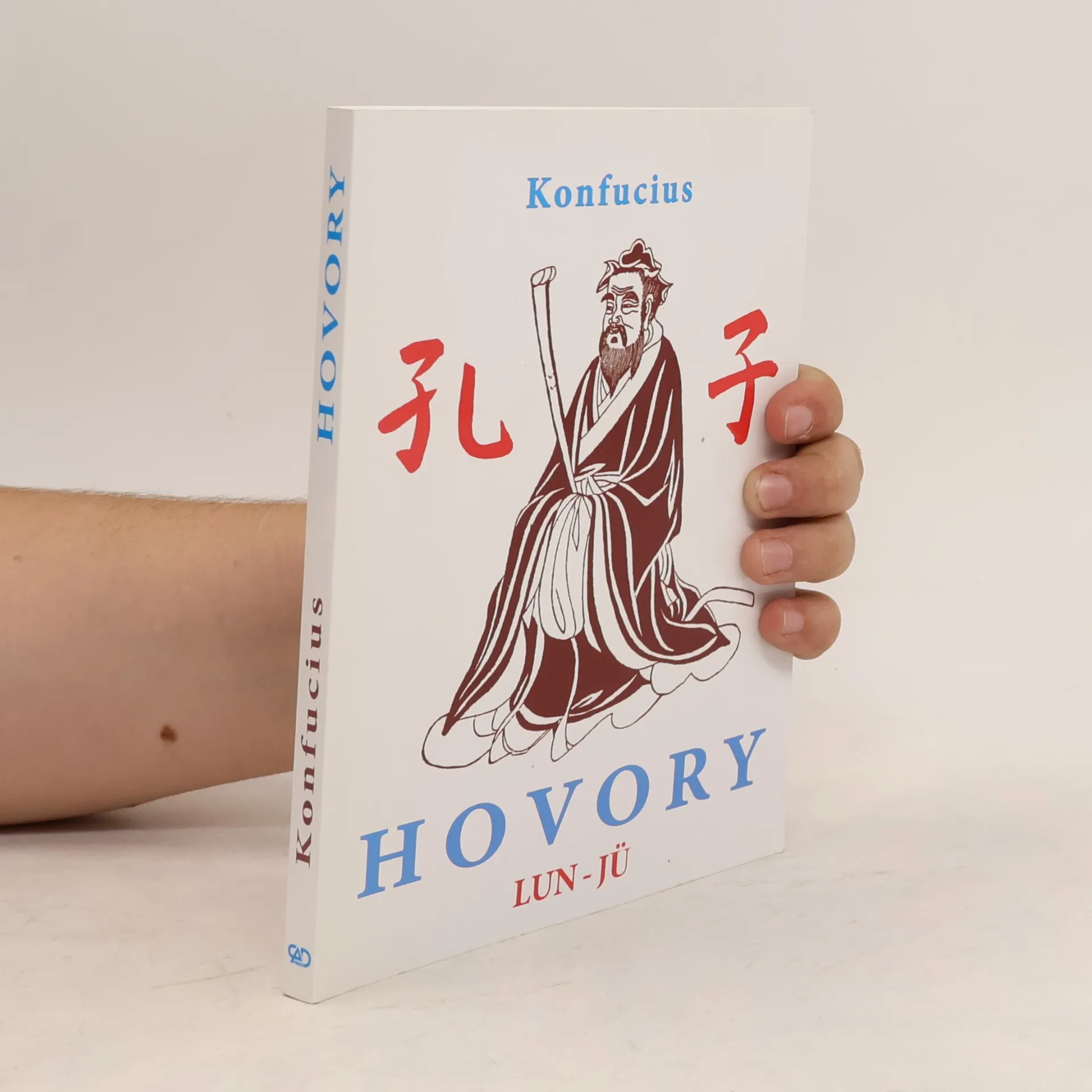
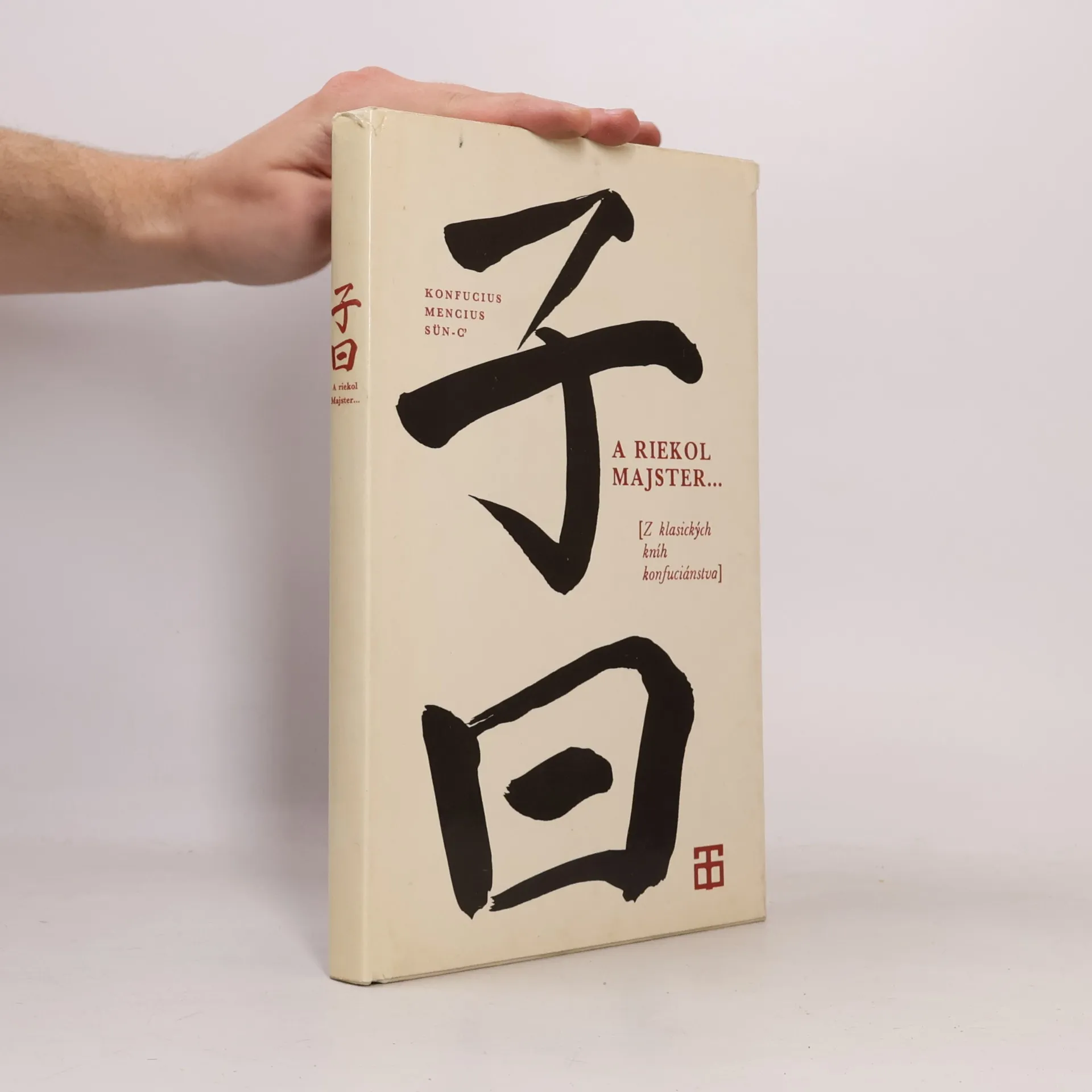
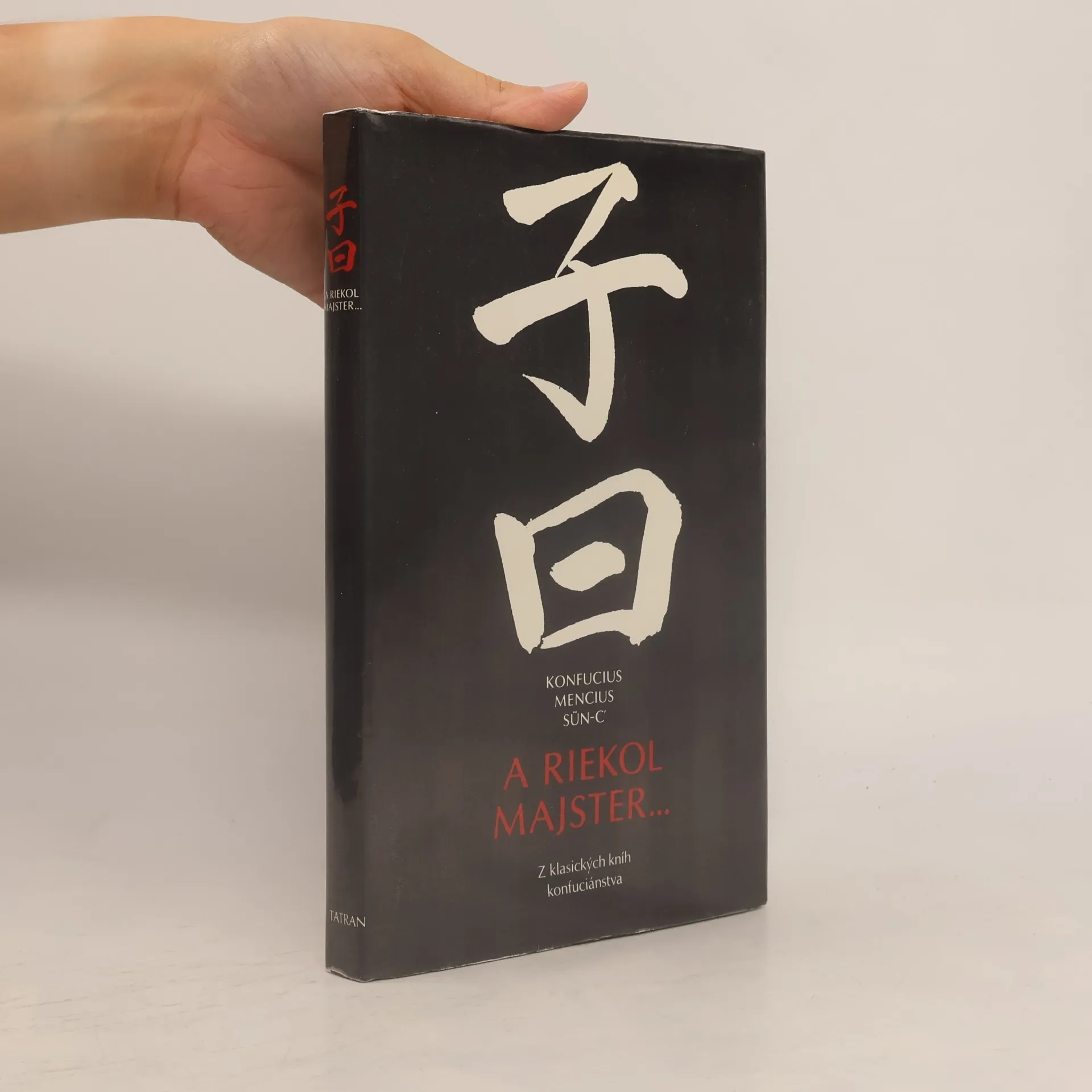
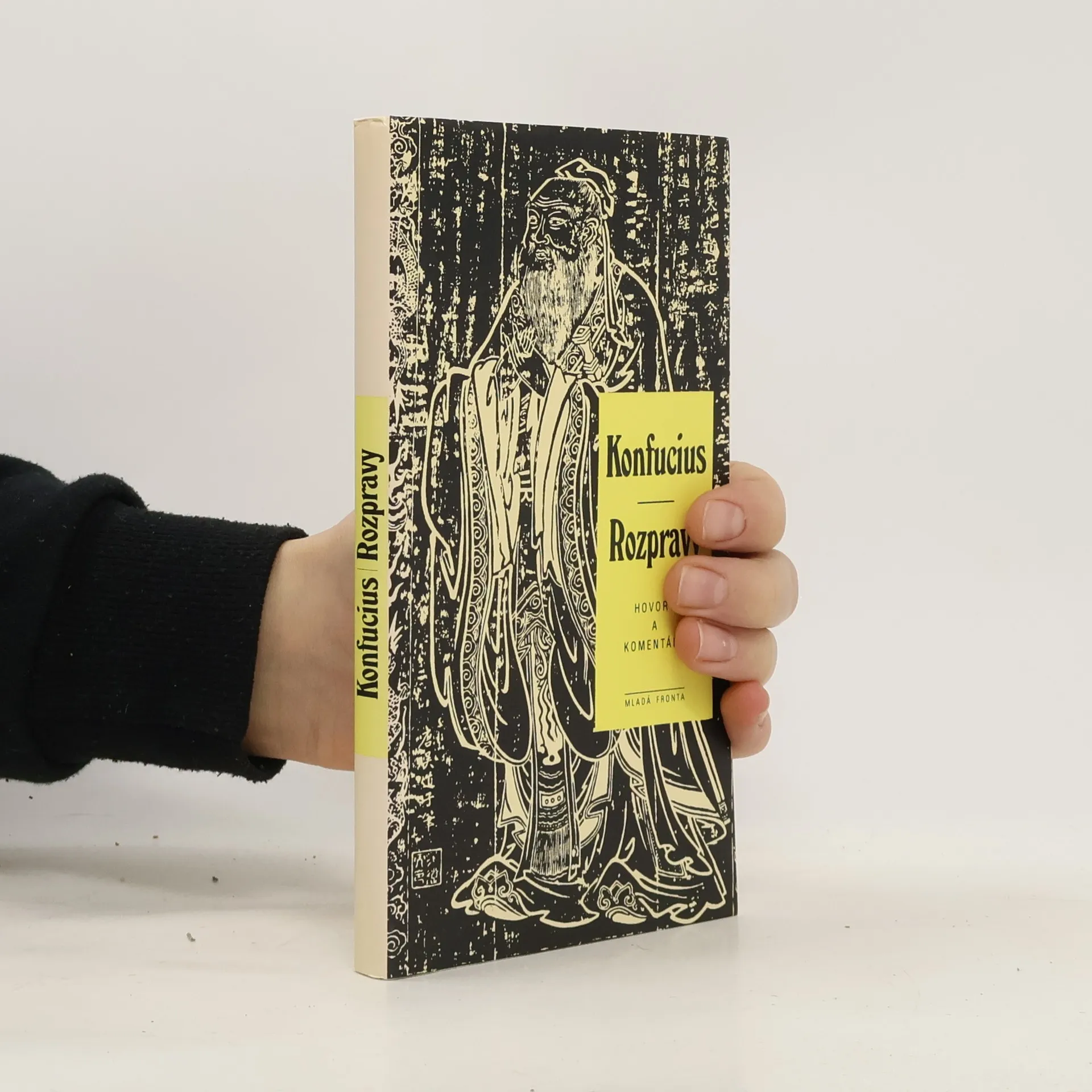
Z klasických kníh konfucionárstva. Zbierka výrokov a rozhovorov Konfucia s jeho žiakmi a súčasníkmi. Datovanie zbierky je neisté, podla výskumov vznikla v období okolo roku 400 pred n.l., teda približne 70 rokov po jeho smrti.
Z klasických kníh konfuciánstva. Zbierka výrokov a rozhovorov Konfucia s jeho žiakmi a súčasníkmi. Datovanie zbierky je neisté, podla výskumov vznikla v období okolo roku 400 pred n.l., teda približne 70 rokov po jeho smrti.
Jedno z nejvýznamnějších děl čínské filosofie, v němž Mistr Kchung-fu-c´ (552–479 př.Kr.), pokládaný čínskou tradicí za největšího mudrce všech dob, shrnuje principy konfuciánské filosofie. Dotisk stejného ISBN vydán v roce 2006.
Všem milovníkům nadčasové moudrosti přinášíme jeden ze základních textů konfucianismu, čínského filozofického směru a pohledu na svět. Jedná se o soubor myšlenek významného mudrce Konfucia, který žil v Číně před 2500 lety. Navzdory velké časové i psychologické vzdálenosti, která nás dělí od jeho doby, jsou i pro člověka 21. století jeho slova stále platná.
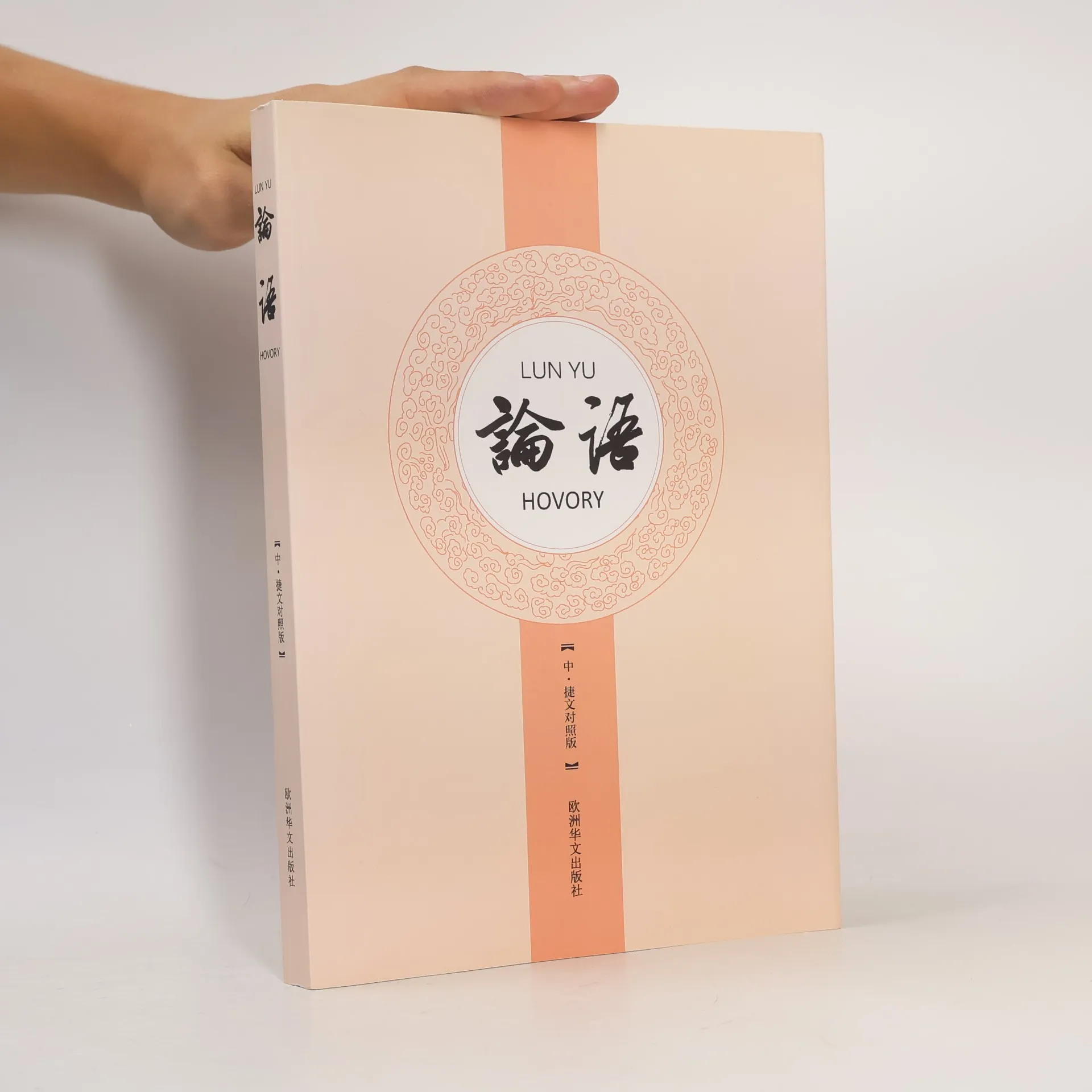
Český překlad sbírky ilustrovaných mouder velkého čínského filozofa a učitele Konfucia. Jednotlivé přeložené citáty jsou doplněny o originální čínský i japonský zápis.
A wonderfully enjoyable storehouse of ancient Chinese history and legends,
which also has an important role in understanding 21st century. China 'And
remember: Heaven's blessing will cease forever if there's despair and poverty
in your lands.' This book deals with this topic.
Confucius is one of the great figures in the history of human thought, a pioneering educator, social critic, and political scientist. As a philosopher and teacher, he addressed core human issues with such precision and clarity that his sayings have been preserved and studied over thousands of years. The Analects of Confucius are a basic source for a wide range of advice on human affairs from governing nations and managing enterprises to dealing with society and getting along with others. This new presentation of the ever-popular sayings of Confucius is designed to bring the wisdom of a great teacher to another generation of readers. In his brilliant text, Thomas Cleary has arranged the sayings of Confucius in the order of the sixty-four classic I Ching hexagrams, which Confucius not only made available in their present form but also supplemented with his own written commentaries. Widely recognized for his linguistic and technical mastery in the translation of ancient Chinese texts, Tho
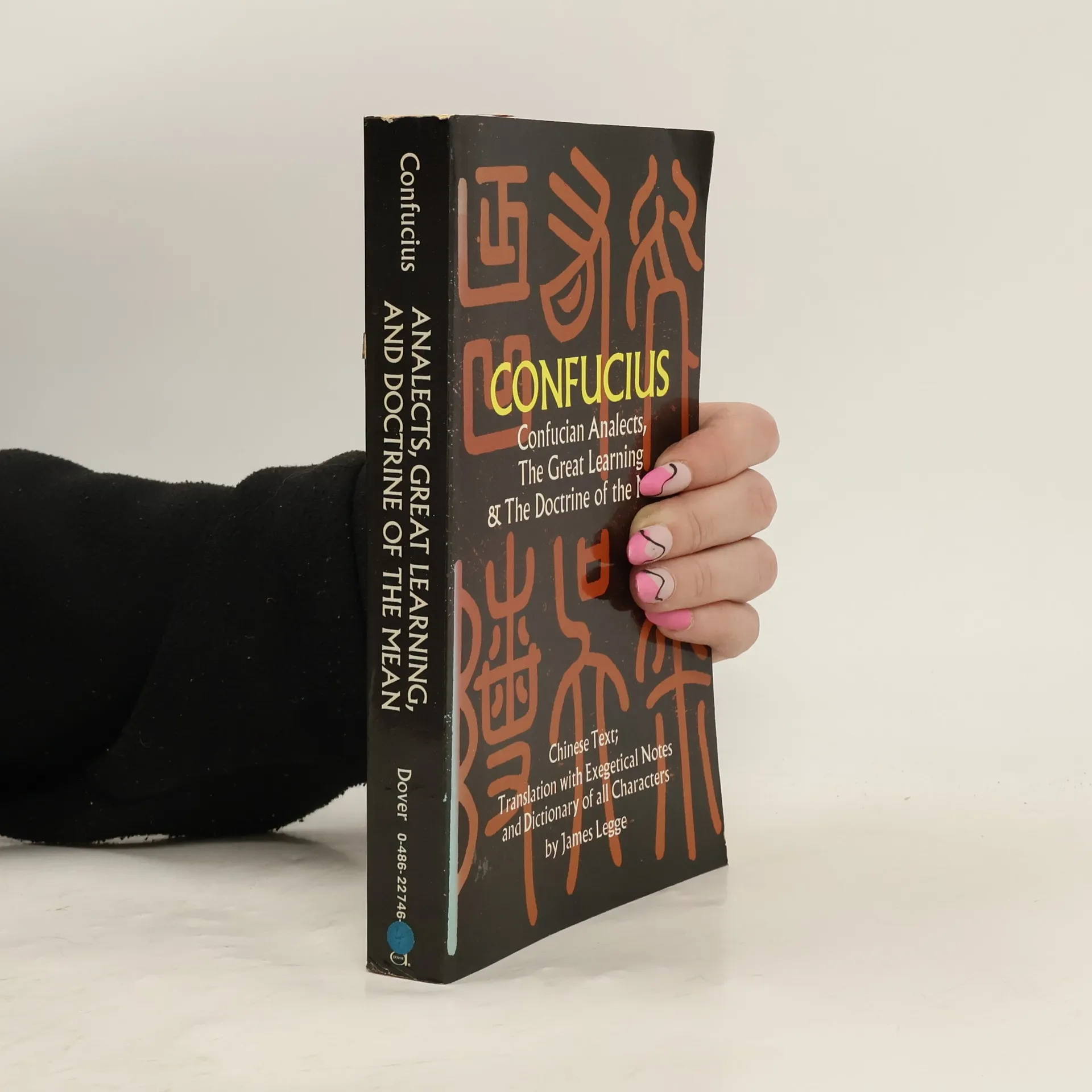
Entire text of the Analects of Confucius in large, readable characters, and beneath this Legge's full translation, which has been accepted as the definitive, standard English version. Full chinese text, standard English translation on same page. Finest edition anywhere of one of world's finest thinkers.
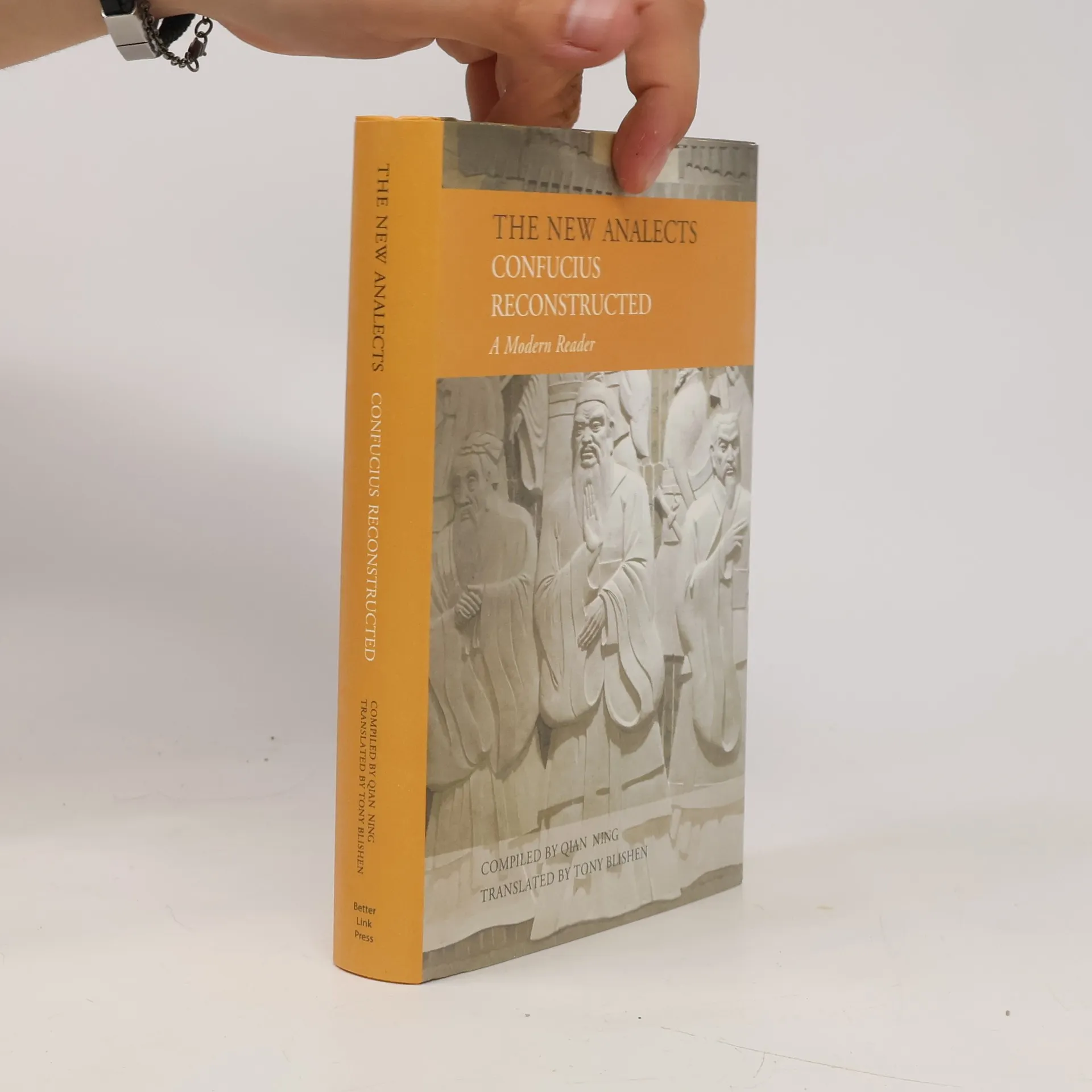
This is the first time that both the logic and profundity of Confucian theory
has sprung so directly from the text. Without the loss or addition of a single
character the New Analects display an appearance that is utterly different
from that of the past--the arguments are fresh, the themes coherent, the ideas
clearly differentiated and the exposition lucid. The author believes that
Confucius, in his old age, was prevented from editing his sayings into a
coherent whole because of the early death of his favorite pupil and that The
Analects remained an unsorted collection of lecture notes. The result has been
to present Confucian thought in a haphazard way that he believes has left
generations of Western scholars with the impression that The Analects are
illogical and lack profundity. The author has reconstructed and rearranged the
text thematically and distinguishes between what Confucius himself said and
what his pupils said. He has also added a commentary which vividly illustrates
the philosophical strands of thought that go to make up Confucianism as a
whole.
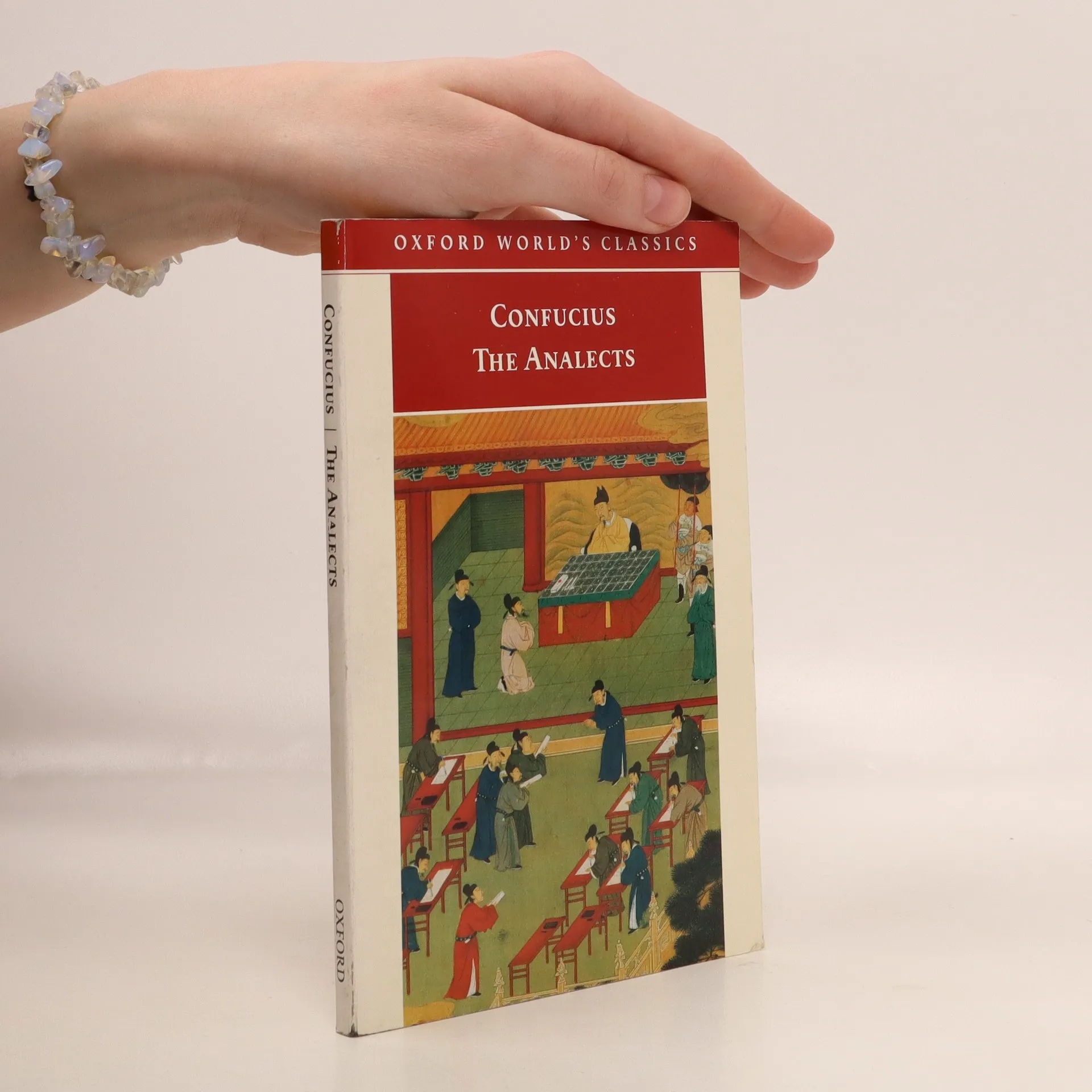
Few individuals have shaped their country's civilization more profoundly than the Master Kong (Confucius, 551-479 BC). Compulsory reading in the late Imperial period for all who wished to enter the Civil Service or Government, his sayings and those of his disciples form the foundation of a distinct social, ethical, and intellectual system. They have retained their freshness and vigour throughout the two and a half millennia of their currency, and are still admired even in today's China.This lively new translation with clear explanatory notes by one of the foremost scholars of classical Chinese provides the ideal introduction to the Analects for readers who have no previous knowledge of the Chinese language and philosophical traditions.
Filial piety serves as a fundamental principle in fostering affection and love among individuals. The book explores how this virtue not only strengthens family bonds but also promotes a broader sense of compassion and respect within communities. Through various teachings and examples, it emphasizes the importance of honoring and caring for one's parents and elders as a cornerstone of moral development and social harmony.
Dialogues, stories, and anecdotes of Confucius reveal the Chinese teacher's perpective on the state, leadership, virtue, and the proper relationship between humankind and nature.
This publication focuses on reproducing historical works in large print, catering specifically to individuals with impaired vision. The initiative by Megali aims to enhance accessibility and provide a more enjoyable reading experience for those who may struggle with standard print sizes.
This reprint of the 1886 edition focuses on the Lî Kî, a key text in Confucianism that explores rituals, etiquette, and moral principles. It serves as a vital resource for understanding the cultural and philosophical foundations of Chinese society, offering insights into Confucian thought and its emphasis on social harmony and proper conduct. The book is part of a series that aims to preserve and present the sacred texts of China for contemporary readers and scholars.
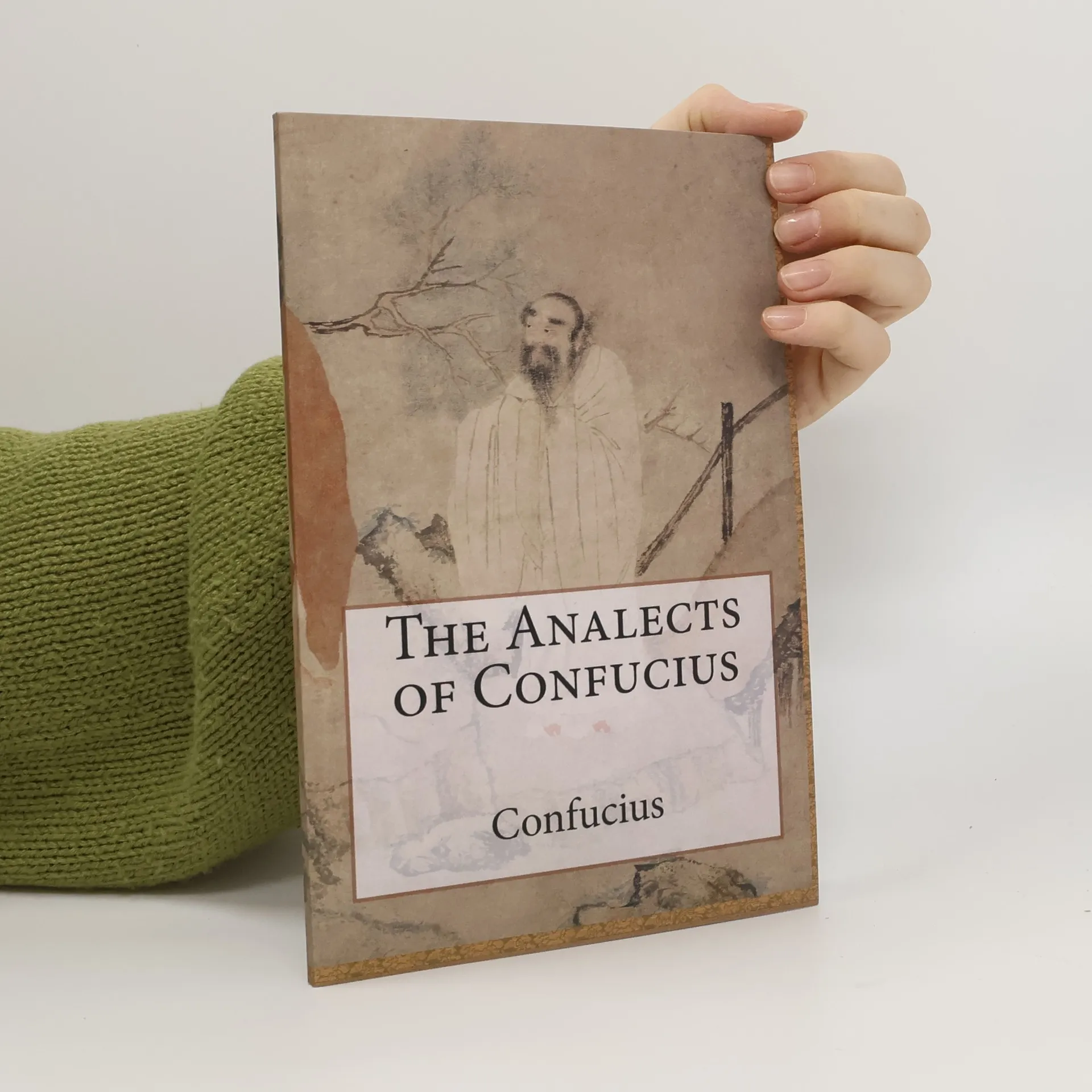
The Analects, or "Selected Sayings"), also known as the Analects of Confucius, is the collection of sayings and ideas attributed to the Chinese philosopher Confucius and his contemporaries, traditionally believed to have been written by Confucius' followers. It is believed to have been written during the Warring States period (475 BC–221 BC), and it achieved its final form during the mid-Han dynasty (206 BC–220 AD).Confucius believed that the welfare of a country depended on the moral cultivation of its people, beginning from the nation's leadership. He believed that individuals could begin to cultivate an all-encompassing sense of virtue through ren, and that the most basic step to cultivating ren was devotion to one's parents and older siblings.
The classic collection of conversations and sayings by the ancient Chinese philosopher Confucius, containing his teachings on ethics, politics, and religion
A collection of profound wisdom, this book features the teachings and sayings of Confucius, a pivotal figure in Chinese philosophy. It explores themes of morality, ethics, and social harmony, offering insights that remain relevant today. The quotes reflect Confucius's thoughts on personal conduct, governance, and the importance of education, making it a valuable resource for those seeking guidance on leading a virtuous life.
The World Literature series reproduces the greatest books the world over with only the highest production standards. History, philosophy, psychology, political theory, fiction, and ancient texts are now accessible to everyone at an extremely affordable price.
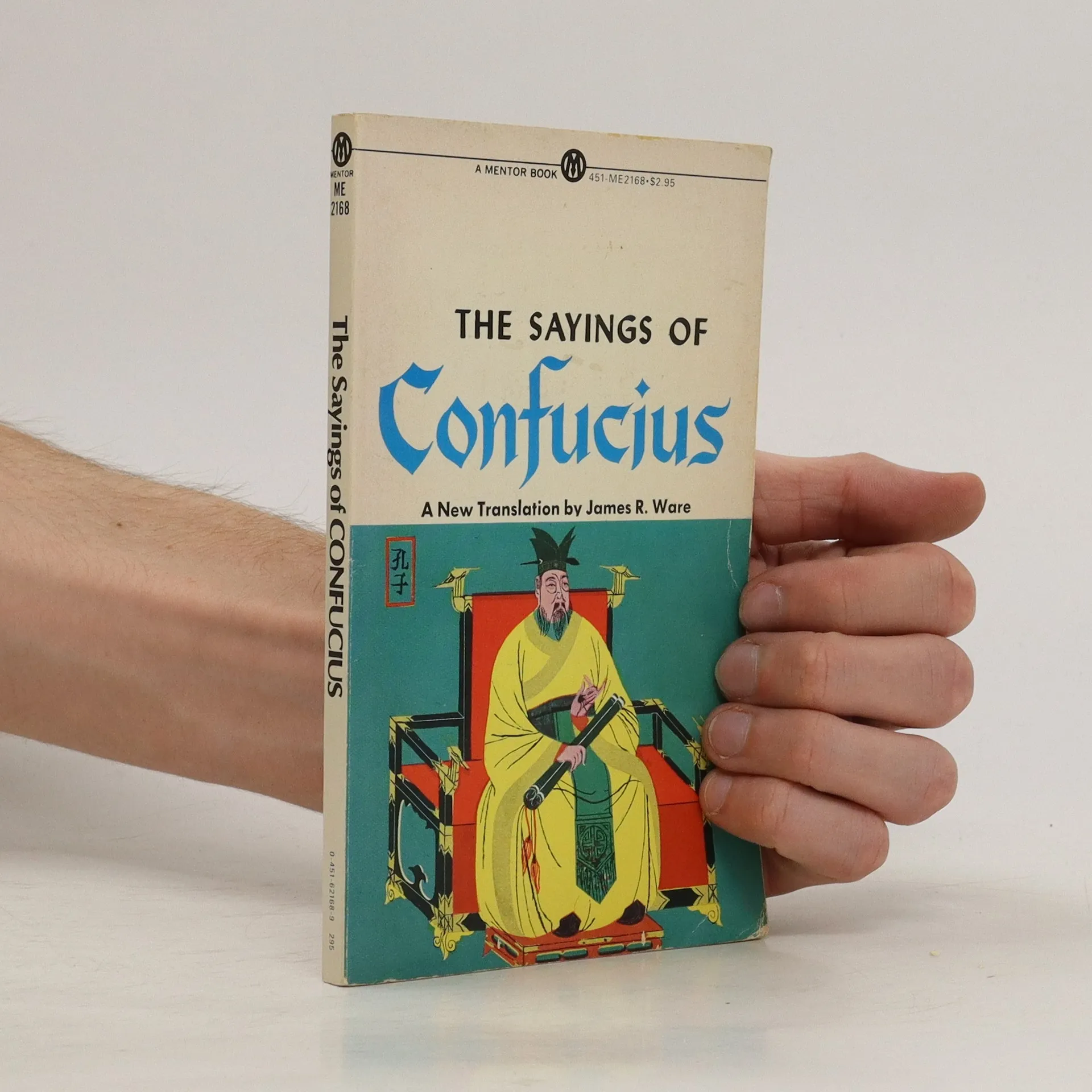
Perhaps the most widely read thinker of all time, Confucius transformed Chinese philosophy with his belief that the greatest goal in life was pursuit of 'The Way': a search for virtue not as a means to rewards in this world or the next, but as the pinnacle of human existence.
Meant for a survey course or a course in which the Analects is one of the works studied, this volume provides a representative selection from Slingerland's translation of the work, including passages covering major themes. It contains an appendix of selected traditional commentaries. Also included are an Introduction, bibliography, and notes.
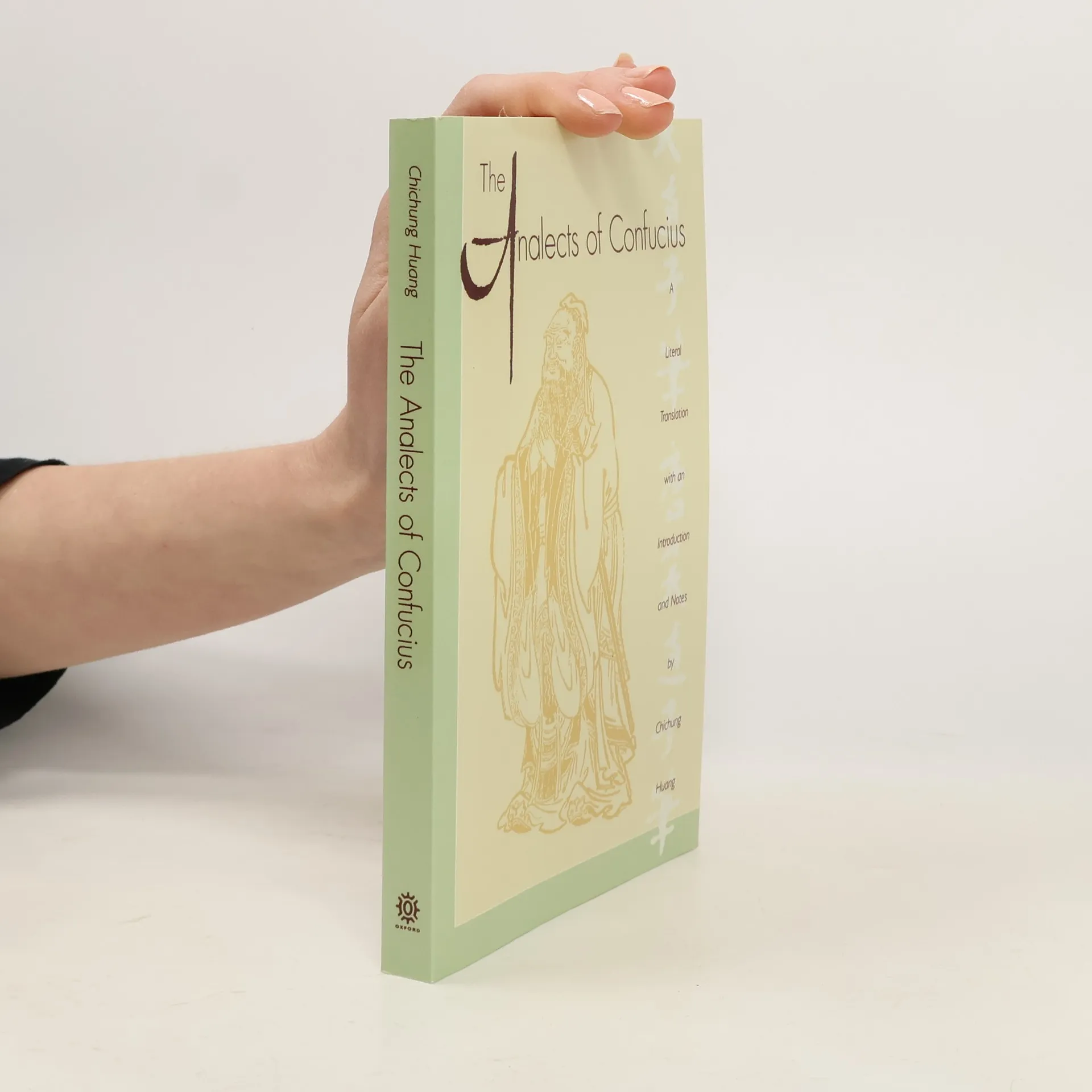
A Literal Translation With An Introduction And Notes
216 stránok
8 hodin čítania
This is a new translation of the Analects (Lun Yu) of Confucius, the 5th- century BC Chinese sage whose influence on Chinese and other East Asian cultures is still felt today. Huang's translation is more literal than any available version, and is accompanied by notes that explain unfamiliar terms and concepts and provide historical and cultural context.
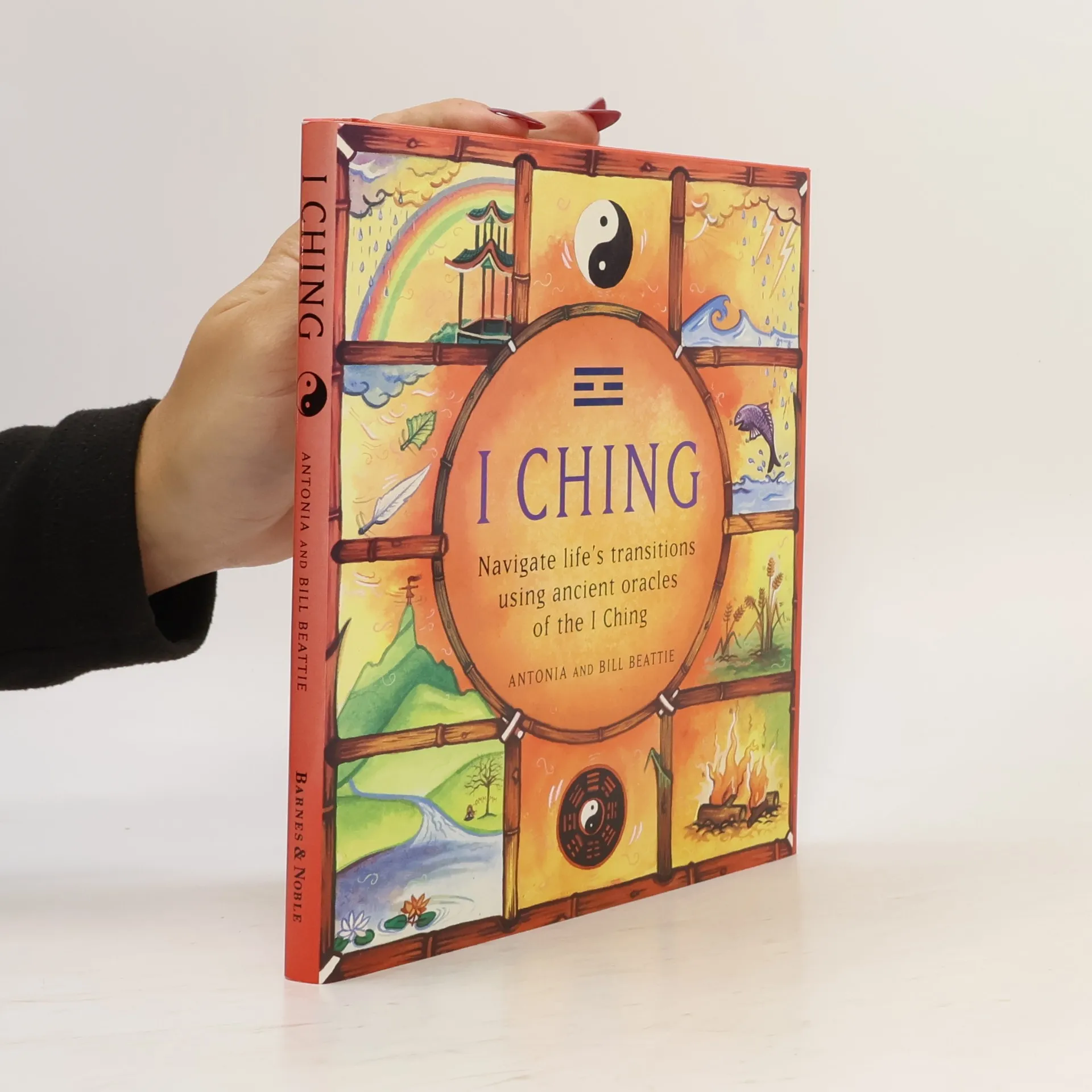
navigate life's transitions using ancient oracles of the I Ching
80 stránok
3 hodiny čítania
Use the ancient oracles of the I Ching to gain insight into life, relationships, health, wealth and happiness. The oldest divinatory method to survive intact, the I Ching , or Book of Changes, gives the user an insight into the forces, or "the changes," that are occurring at any particular moment in time. Consisting of a set of 64 hexagrams, or six-lined figures, each with a name and description, the I Ching can be consulted whenever you want information about an aspect of your life. By simply holding a question in your mind and constructing a hexagram from coins or sticks, you can gain insights into what is happening for you now, and learn how to choose the path that will bring you least resistance and greatest joy. Find inner peace in taking charge of own destiny.
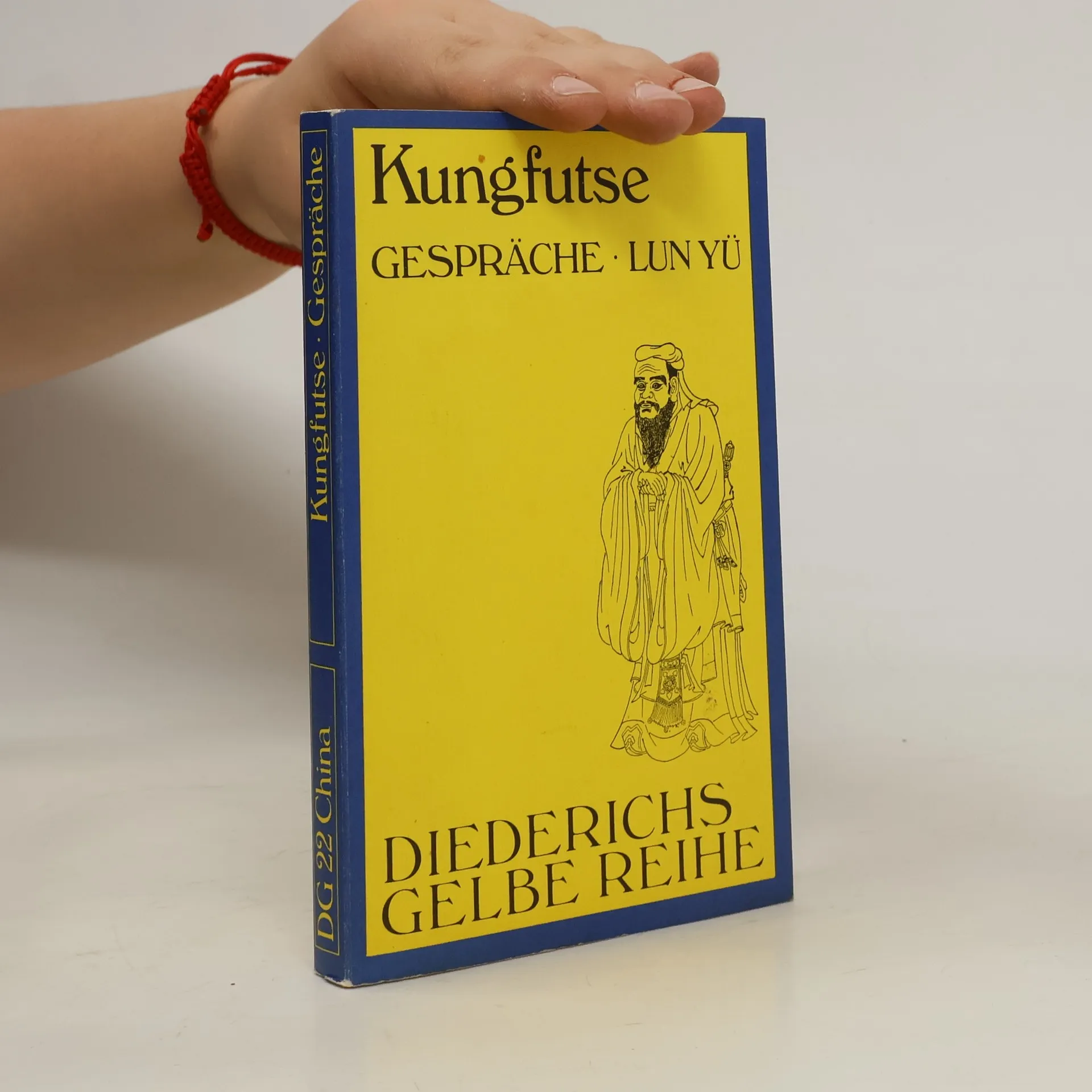
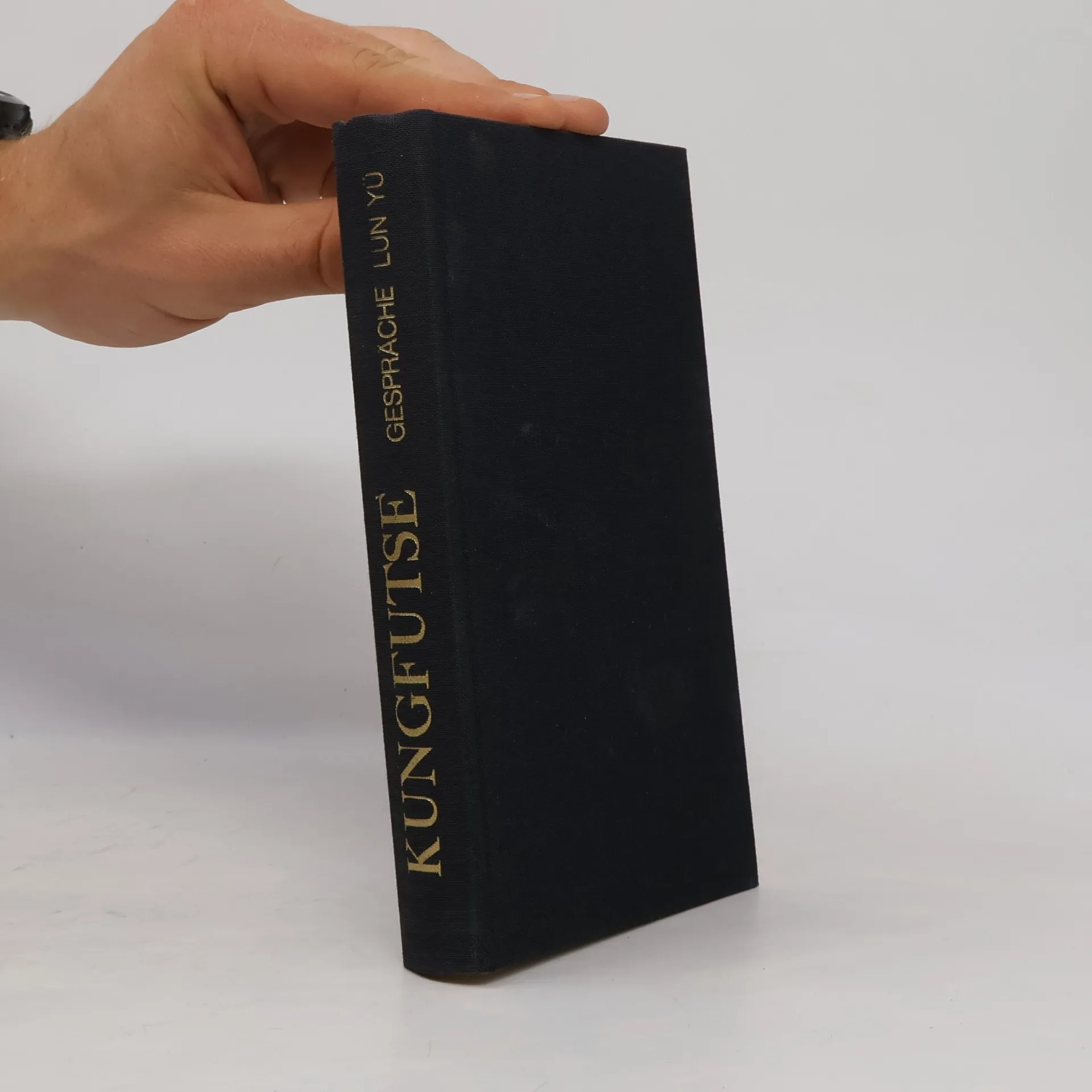
Diese Lehre des Kung Fu Tse konzentriert sich auf das praktische Leben der Menschen. Die Logik als Disziplin lehnt sie ebenso wie die Metaphysik ab. Der Idealmensch des Konfuzius ist der „Edle“, der bei allem das Maß hält, bei dem äußere und innere Qualitäten im Gleichgewicht zueinander stehen. Die Regierenden sollen das Volk durch Vorbildwirkung und nicht durch auferzwungene Gesetze regieren. Konfuzius ist zudem sehr traditionsbewusst, was erklärt, dass er für seine philosophischen Ansätze fast ausschließlich Überlieferungen der sagenhaften Kaiser verwendet.
Kungfutse gilt seit Jahrtausenden als Vater der chinesischen Kultur und als Vertreter des klassischen chinesischen Geistes. Seine ganz auf Erfahrung begründete Weisheit hat die Lehre vom Staat, von der Gesellschaft und dem Einzelnen auf den alten Überlieferungen wieder aufgebaut. Seine Gespräche geben die von seinen Schülern gesammelten Aussprüche des Meisters wieder. Ihre Kenntnis ist unerlässlich für jeden, der sich mit der Geschichte und Kultur Chinas ohne deren Kenntnis auch das moderne China nicht wahrhaft begriffen werden kann beschäftigen will. Die Gespräche sind darüber hinaus ein einzigartiges Lehrbuch einer auf Vernunft und die Natur des Menschen gegründeten Sittlichkeit.
Konfuzius, der ein halbes Jahrhundert v. Chr. lebte und wirkte, war einer der herausragenden Denker Chinas. Wie Sokrates hat Konfuzius keine Zeile hinterlassen, aber in den nach seinem Tod aufgezeichneten "Gesprächen" ist seine Lehre klar und deutlich überliefert. Im Gegensatz zum Daoismus, der Weltflucht empfiehlt, propagiert der Konfuzianismus Lebensbejahung. Nur wer sich selbst bescheidet, erlangt menschliche Würde. Erst wenn die Guten herrschen, kehrt (wieder) Ordnung auf der Welt ein. Ethik und Politik bestimmen besonders stark das Denken des Konfuzius, dessen Wirkung auf das Leben in China bis heute anhält.
über zweieinhalb Jahrtausende sind vergangen, seit Konfuzius (551–479 v. Chr.) lebte und wirkte, dennoch sind seine Gedanken auch heute noch lebendig und überraschen durch ihre Wirklichkeitsnähe und Lebensklugheit. Das philosophische Interesse des Konfuzius gilt den menschlichen und sozialen Beziehungen – seine Lehre kennt keine Fragen der Metaphysik, es ist eine ganz diesseitige Lebensweisheit, in deren Zentrum die Bildbarkeit des Menschen, seine Fähigkeit zur Harmonie und Kritik stehen. Erst das Wissen und die Lernfähigkeit machen den Menschen zu einem vollkommenen und freien, der sich nicht »als Werkzeug mißbrauchen läßt«.
Das Buch "Zhongyong" bietet Antworten auf die Frage nach einem sinnvollen Leben durch Balance mit sich und der Welt. Es vermittelt Werte der "Goldenen Regel" für ein tugendhaftes Leben. Ferdinand und Uta Fellmann erläutern den historischen Kontext und die Aktualität des Textes, ergänzt durch Kalligraphien von Hong Yu.
Da più di due millenni la dottrina di Confucio rappresenta un modello e un’ispirazione per milioni, miliardi di donne e uomini. Mentre in India predicavano Buddha e Mahavira e in Iran Zarathustra, mentre a Gerusalemme fioriva il profetismo ebraico e in Grecia operavano i primi grandi filosofi, Confucio diffondeva la sua concezione morale − in cui si fondono un ideale di armonia interiore ed esteriore e la volontà di un costante impegno sociale. E per i suoi insegnamenti sceglieva un linguaggio semplice, diretto e concreto, la forma di brevi battute, lo humor di un epigramma, l’allusività di un apologo, perché un sistema organico e una teoria articolata avrebbero impoverito e travisato l’infinita ricchezza della verità. Un messaggio in grado di generare una profonda eco nel cuore del lettore ancora ai giorni nostri.
Antike Geschichte Chinas Band 1.A Die Geschichte des Stammes der Yu Samt einer Retro-Übersetzung des Werks Shang Shu / Shu Jing
600 stránok
21 hodin čítania
Konfuzius Vorlesungen Antike Geschichte Chinas Band 1.A Die Geschichte des Stammes der Yu Samt einer Retro-Übersetzung des Werks Shang Shu / Shu Jing beginnend ca. 2200 v. Chr.
Die Gespräche des Konfuzius – Zitate des Meisters, die von seinen Schülern gesammelt und herausgegeben wurden – sind für die chinesische Kulturgeschichte bis heute von ungeheurer Bedeutung. In den Aussprüchen werden ethische Normen, Verhaltensmuster und Richtlinien für das Regieren und die Lebensführung vermittelt. In Europa sind sie seit dem 17. Jahrhundert bekannt. Der Leipziger Sinologe Ralf Moritz hat sie für die Universal-Bibliothek vollständig neu übersetzt.
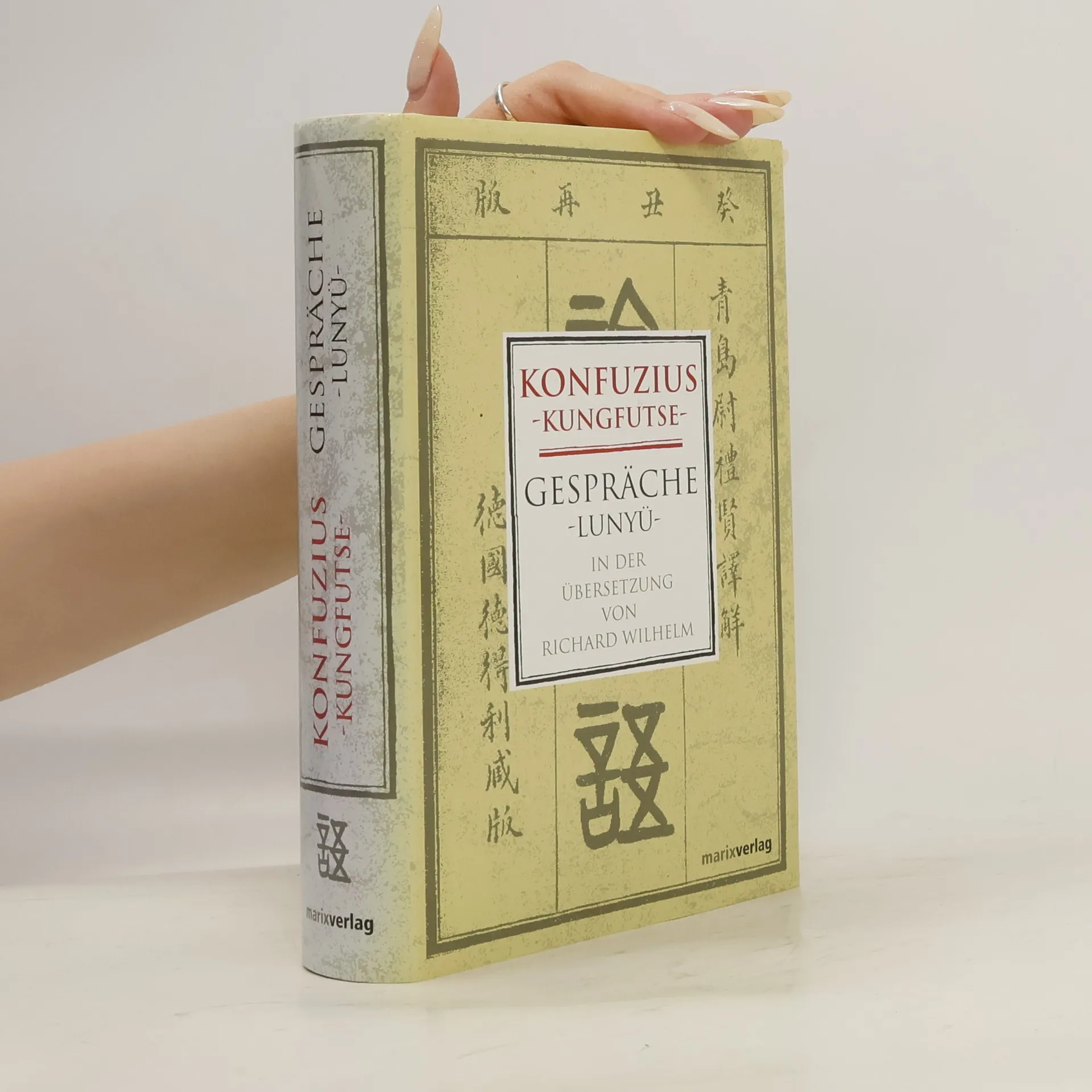
Lun Yü. Richard Wilhelms klassische Übersetzung, mit ausführlichem Kommentar und Erläuterungen. Die großen Lehren des berühmten chinesischen Meisters. Geschenk-Buch
384 stránok
14 hodin čítania
Die Gespräche (Lun Yü) sind die wichtigste Quelle der Lehre von Konfuzius. Aufgezeichnet von seinen Schülern, vermitteln sie die Essenz seines Denkens: Menschlichkeit, Rechtschaffenheit, Schicklichkeit, Weisheit und Loyalität sind entscheidend für ein harmonisches Leben im Einklang mit dem Ganzen.
Konfuzius lehrte eine Ethik des Miteinanders, die zur Glückseligkeit führt. Seine Lehren betonen Harmonie, Mitte und die fünf Grundtugenden: Menschlichkeit, Rechtschaffenheit, Schicklichkeit, Weisheit und Loyalität. Die Anekdoten aus 'Gespräche (Lun Yü)' inspirieren bis heute und fördern ein tiefes Verständnis des Lebens.
Dieses Buch von Richard Wilhelm präsentiert Schriften des Konfuzius, einem chinesischen Philosophen der Östlichen Zhou-Dynastie. Seine Lehren betonen menschliche Ordnung, Harmonie und Bildung als Wege zur moralischen Vervollkommnung. Wilhelm, ein deutscher Sinologe, widmete sich der Übersetzung und Kommentierung östlicher Philosophie.
"Konfuzius sagt..." Der Tradition nach müssen die Gespräche von Konfuzius' Schülern aufgezeichnet worden sein. Er selbst verfasste kein einziges Werk. Wiewohl Konfuzius mit seinen gesammelten Weisheiten einen beispiellosen Einfluss auf die chinesische Kultur hat, verstand er früh, dass sein Werk erst nach seinem Tode Einfluss entfalten kann. Er konzentrierte sich daher auf die Ausbildung seiner Schüler. Konfuzius Werk steht heute auf einer Stufe mit Marcus Aurelius' Betrachtungen. Gröls-Verlag (Edition Werke der Weltliteratur)
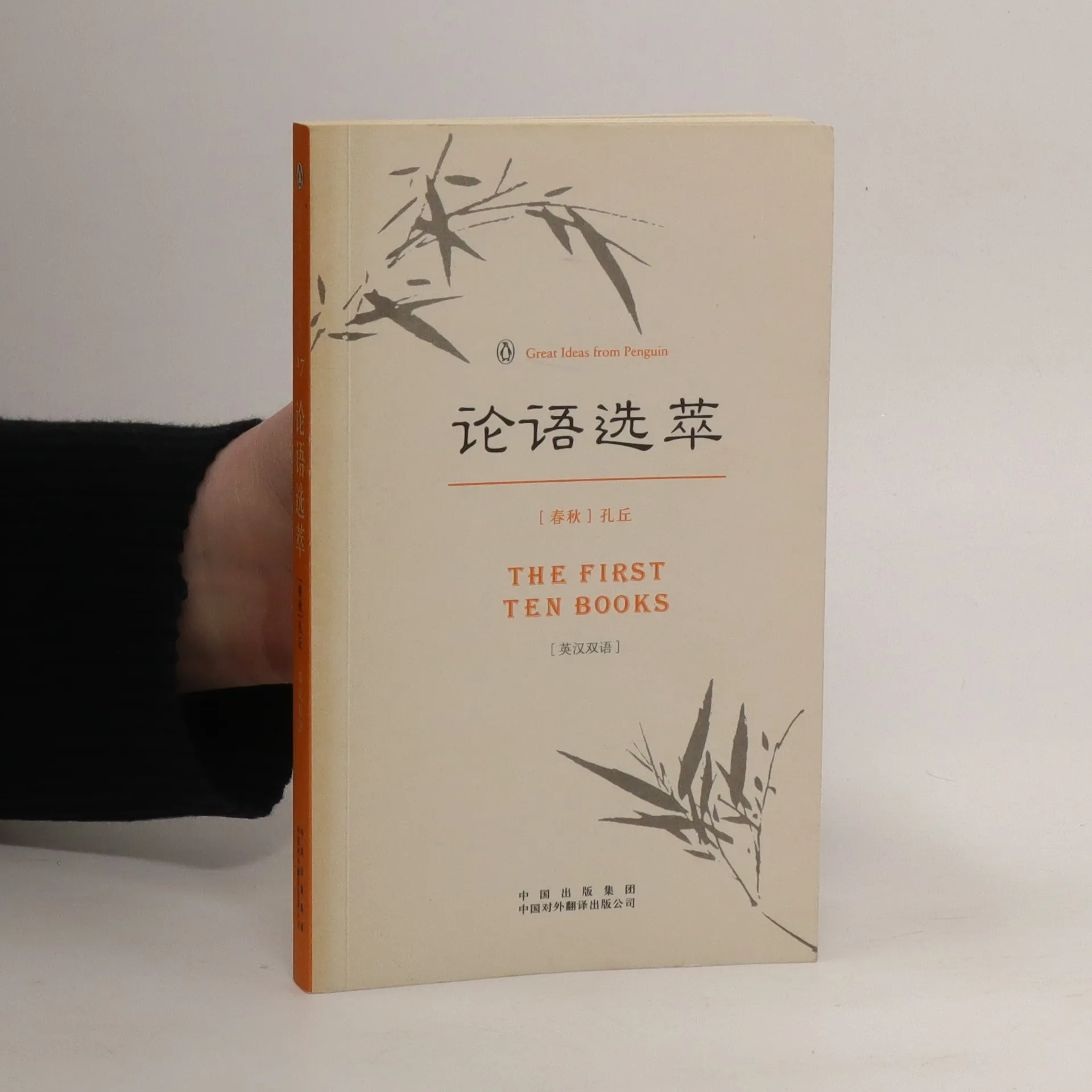
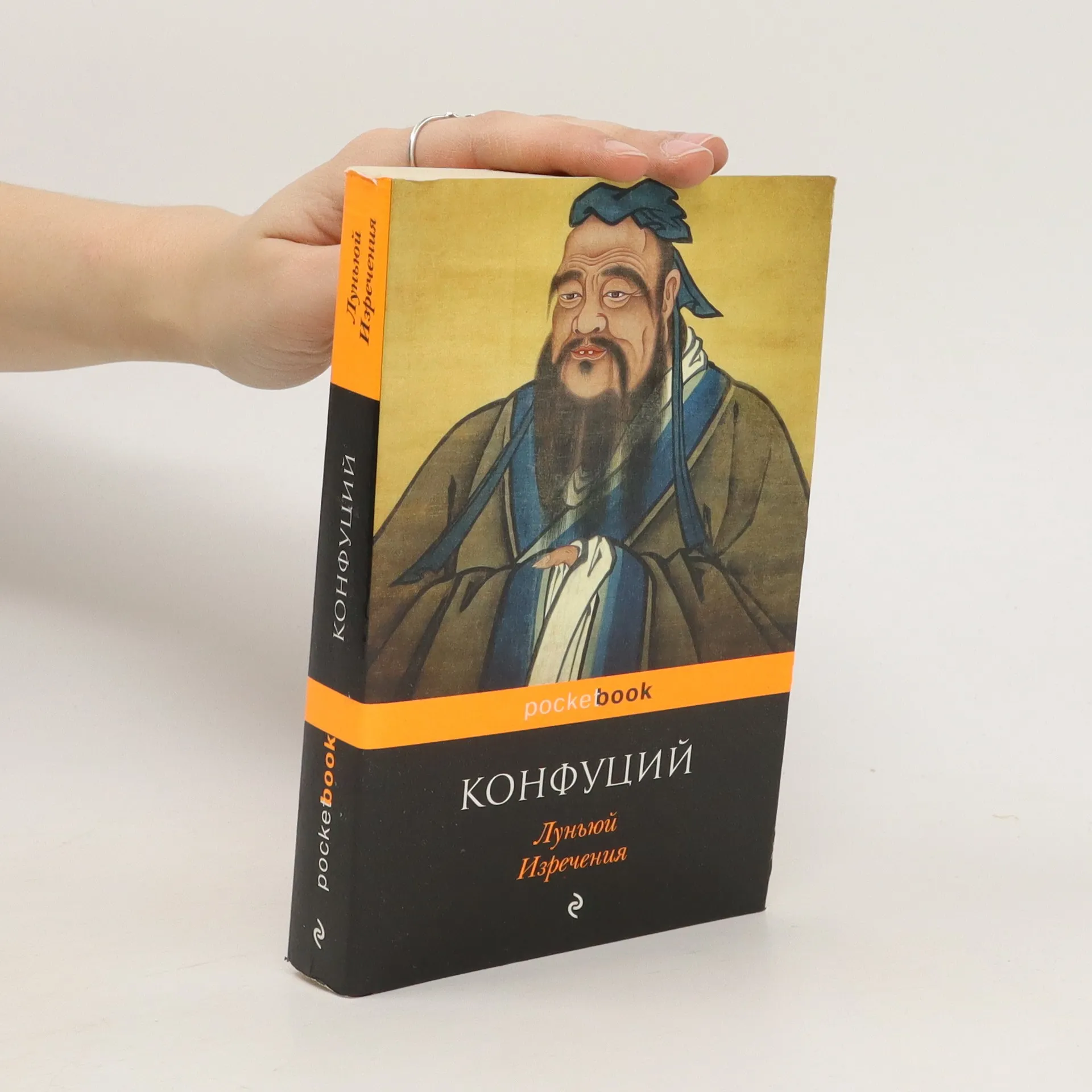
Во всей истории мировой философии найдется не много мыслителей, которых можно было бы поставить рядом с Конфуцием (VI-V вв. до н.э.). Легендарный великий Учитель, непреклонный авторитет для китайской философской традиции, он давно уже перешагнул ее рамки. Наследие Конфуция, если отбросить массу сомнительных и откровенно приписываемых ему текстов, выглядит очень лаконично. Книга изречений "Луньюй", записанных учениками Конфуция, относится к числу наиболее бесспорных книг знаменитого философа.
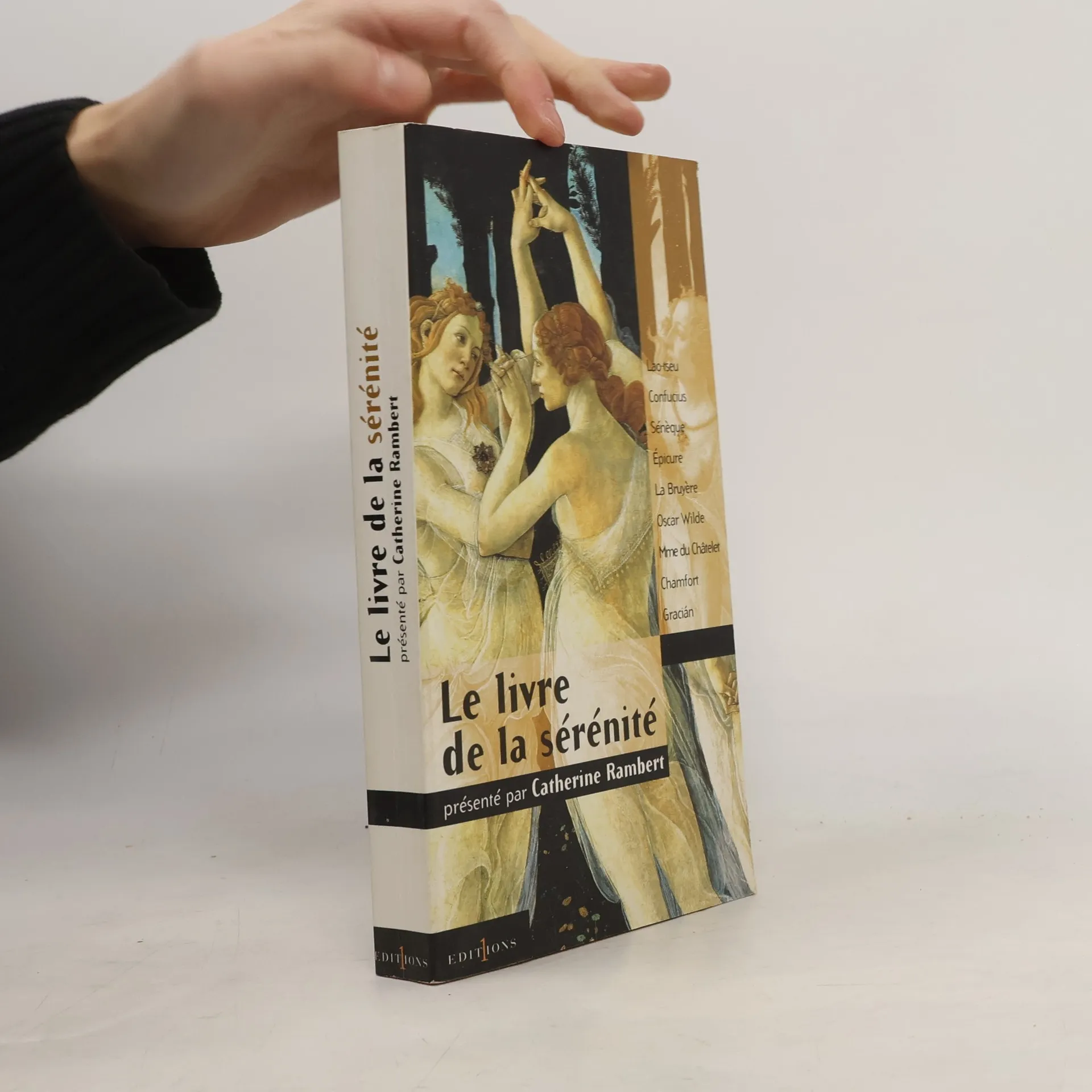
Vivre en accord avec soi-même, être calme, apprendre à relativiser, chercher le bonheur en toute chose... au fil des textes rassemblés dans ce livre on découvre que la sérénité est une quête intemporelle. Depuis l'Antiquité jusqu'à nos jours, les penseurs et les philosophes n'ont cessé de réfléchir à son propos. Dans la sagesse chinoise, la sérénité découle d'une existence simple, en conformité avec la nature. Chez les Stoïciens grecs, elle passe par le renoncement et l'acceptation des choses. Les Epicuriens la lient davantage à la douceur de vivre et au plaisir. Au XVIIIe siècle, Madame du Châtelet l'associait à la connaissance de soi, tandis qu'au XIXe, Rilke affirmait qu'il fallait la chercher dans la solitude... Autant de préceptes philosophiques que chacun est libre d'appliquer pour devenir plus serein, et plus heureux...