

Parametre
- 288 stránok
- 11 hodin čítania
Viac o knihe
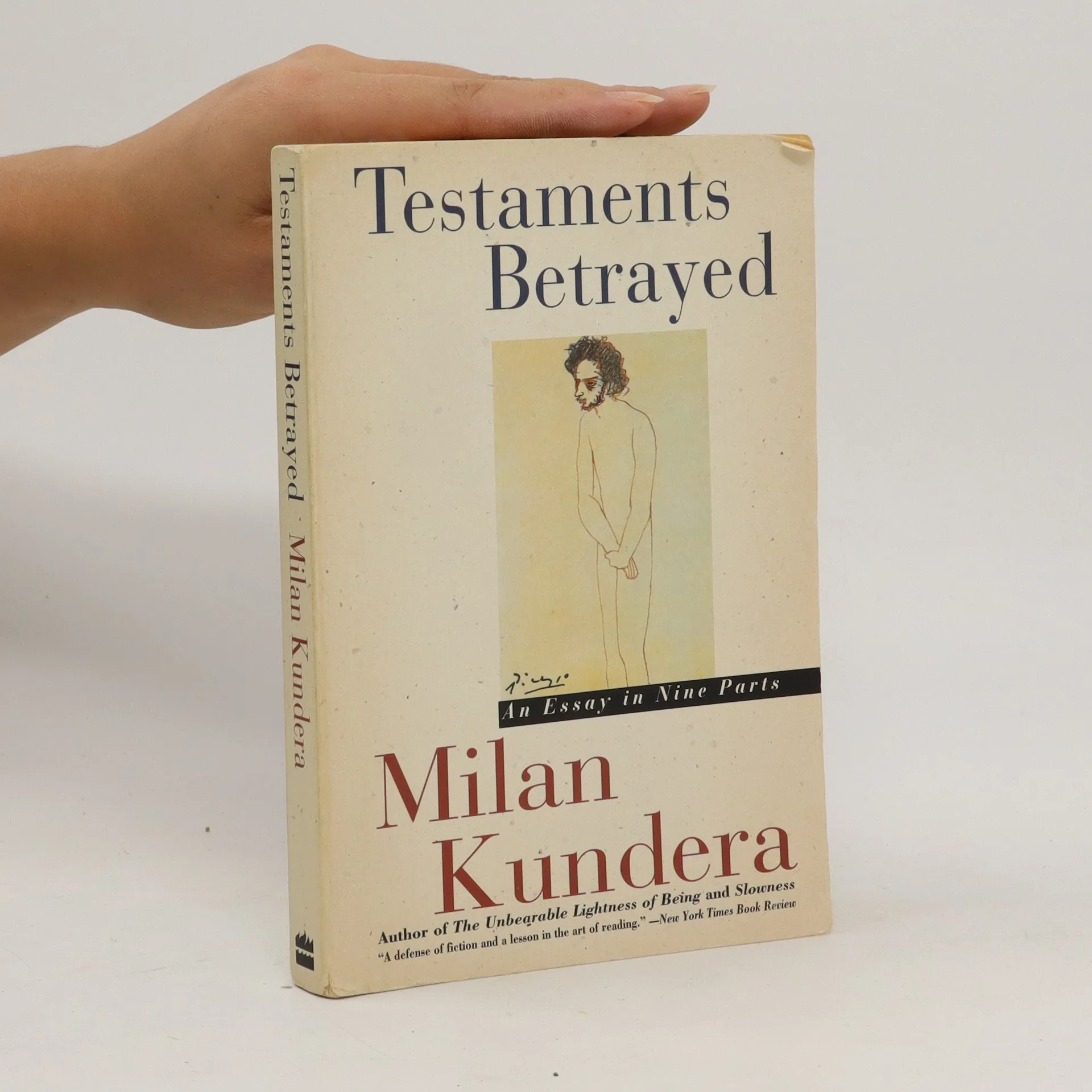
"A defense of fiction and a lesson in the art of reading." — New York Times Book Review " Testaments Betrayed is to be savored paragraph by paragraph. . . . It must be purchased, read, pondered, and argued within the margins. And frequently reread." — Washington Post A brilliant and thought-provoking essay from one of the twentieth century’s masters of fiction, Testaments Betrayed is written like a the same characters appear and reappear throughout the nine parts of the book, as do the principal themes that preoccupy the author. Kundera is a passionate defender of the moral rights of the artist and the respect due a work of art and its creator’s wishes. The betrayal of both—often by their most passionate proponents—is one of the key ideas that informs this strikingly original and elegant book.




Nákup knihy
Testaments Betrayed, Milan Kundera
- Jazyk

- Rok vydania
- 2001
- Väzba
- (mäkká)
Doručenie
Platobné metódy
Tu nám chýba tvoja recenzia
- Titul
- Testaments Betrayed
- Jazyk
- anglicky
- Autori
- Milan Kundera
- Vydavateľ
- Harper Perennial
- Rok vydania
- 2001
- Väzba
- mäkká
- Počet strán
- 288
- ISBN10
- 0060927518
- ISBN13
- 9780060927516
- Série
- Štítky
- Česká literatúra, Filozofická tematika, Umenie, Literárna kritika, Česká republika, Kritika, Franz Kafka, 1883-1924, Milan Kundera
- Pôvodný názov
- Les testaments trahis
- Hodnotenie
- 4,1 z 5
- Anotácia
- "A defense of fiction and a lesson in the art of reading." — New York Times Book Review " Testaments Betrayed is to be savored paragraph by paragraph. . . . It must be purchased, read, pondered, and argued within the margins. And frequently reread." — Washington Post A brilliant and thought-provoking essay from one of the twentieth century’s masters of fiction, Testaments Betrayed is written like a the same characters appear and reappear throughout the nine parts of the book, as do the principal themes that preoccupy the author. Kundera is a passionate defender of the moral rights of the artist and the respect due a work of art and its creator’s wishes. The betrayal of both—often by their most passionate proponents—is one of the key ideas that informs this strikingly original and elegant book.