

Miláčik čitateľov je práve vypredaný
Viac o knihe
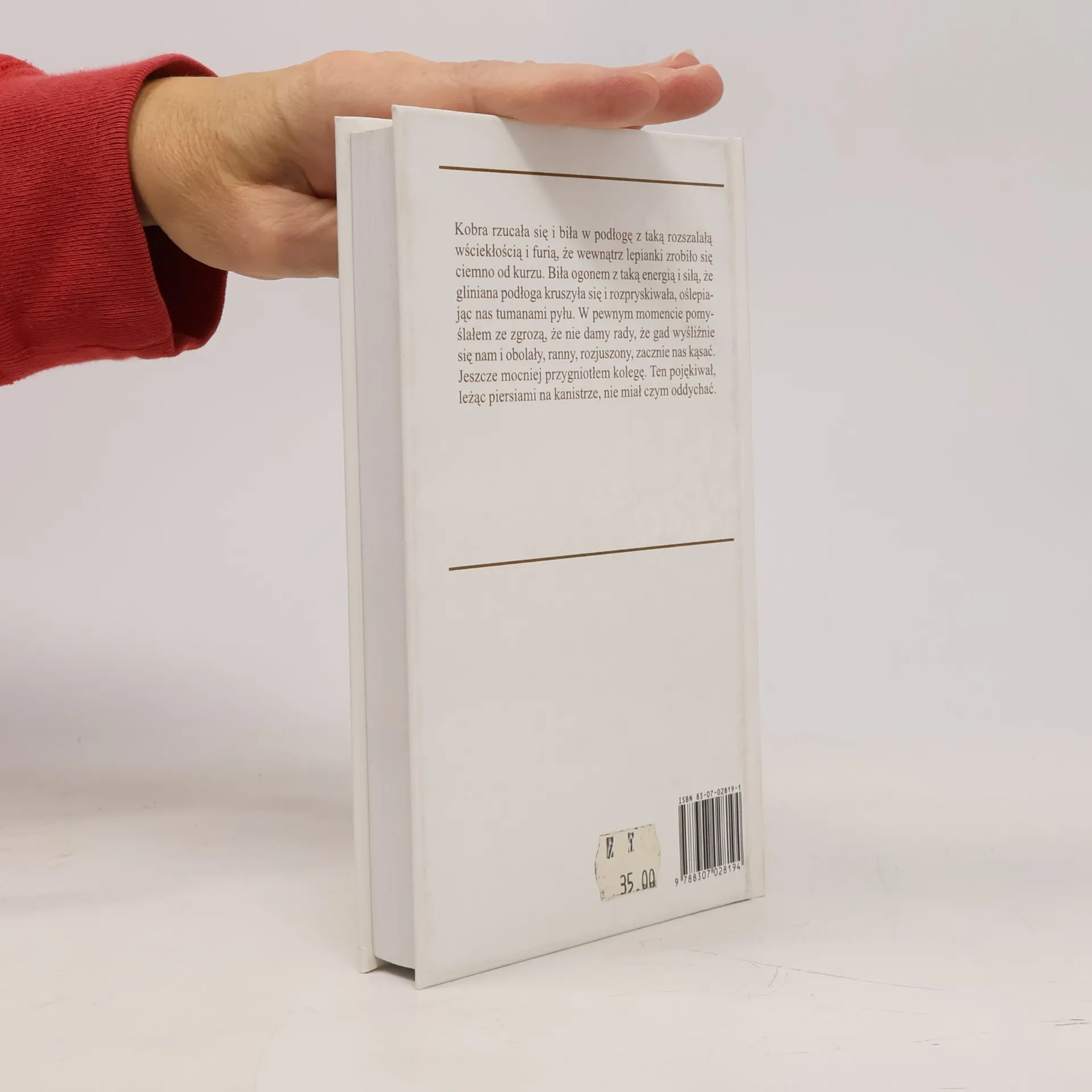
Kobra rzucała się i biła w podłogę z taką rozszalałą wściekłością i furią, że wewnątrz lepianki zrobiło się ciemno od kurzu. Biła ogonem z taką energią i siłą, że gliniana podłoga kruszyła się i rozpryskiwała, oślepiając nas tumanami pyłu. W pewnym momencie pomyślałem ze zgrozą, że nie damy rady, że gad wyśliźnie się nam i obolały, ranny, rozjuszony, zacznie nas kąsać. Jeszcze mocniej przygniotłem kolegę. Ten pojękiwał, leżąc piersiami na kanistrze, nie miał czym oddychać.





Nákup knihy
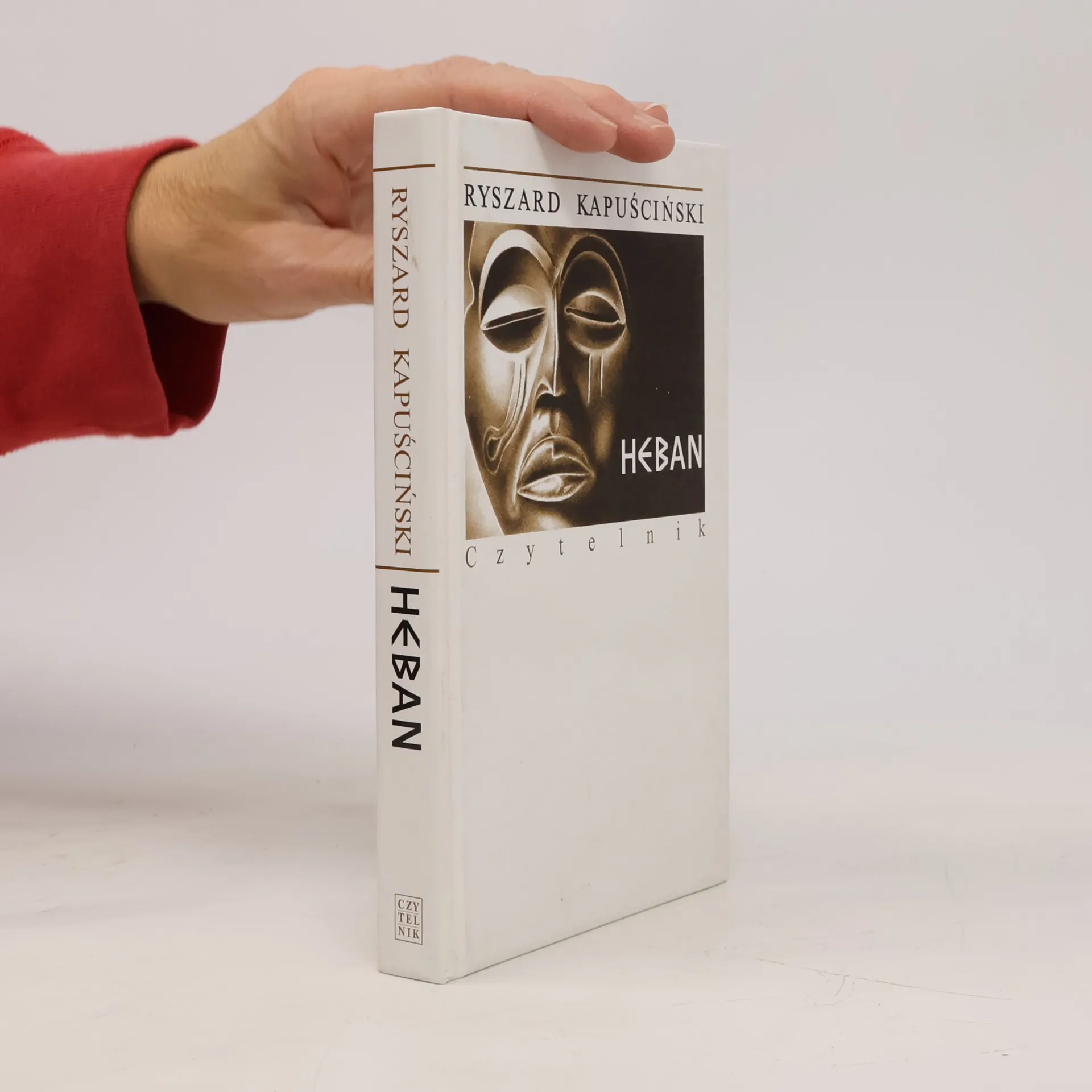
Heban, Ryszard Kapuściński
- Jazyk

- Rok vydania
- 2001
- Väzba
- (pevná)
Akonáhle sa objaví, pošleme e-mail.
Doručenie
Platobné metódy
Tu nám chýba tvoja recenzia
- Titul
- Heban
- Jazyk
- poľsky
- Autori
- Ryszard Kapuściński
- Vydavateľ
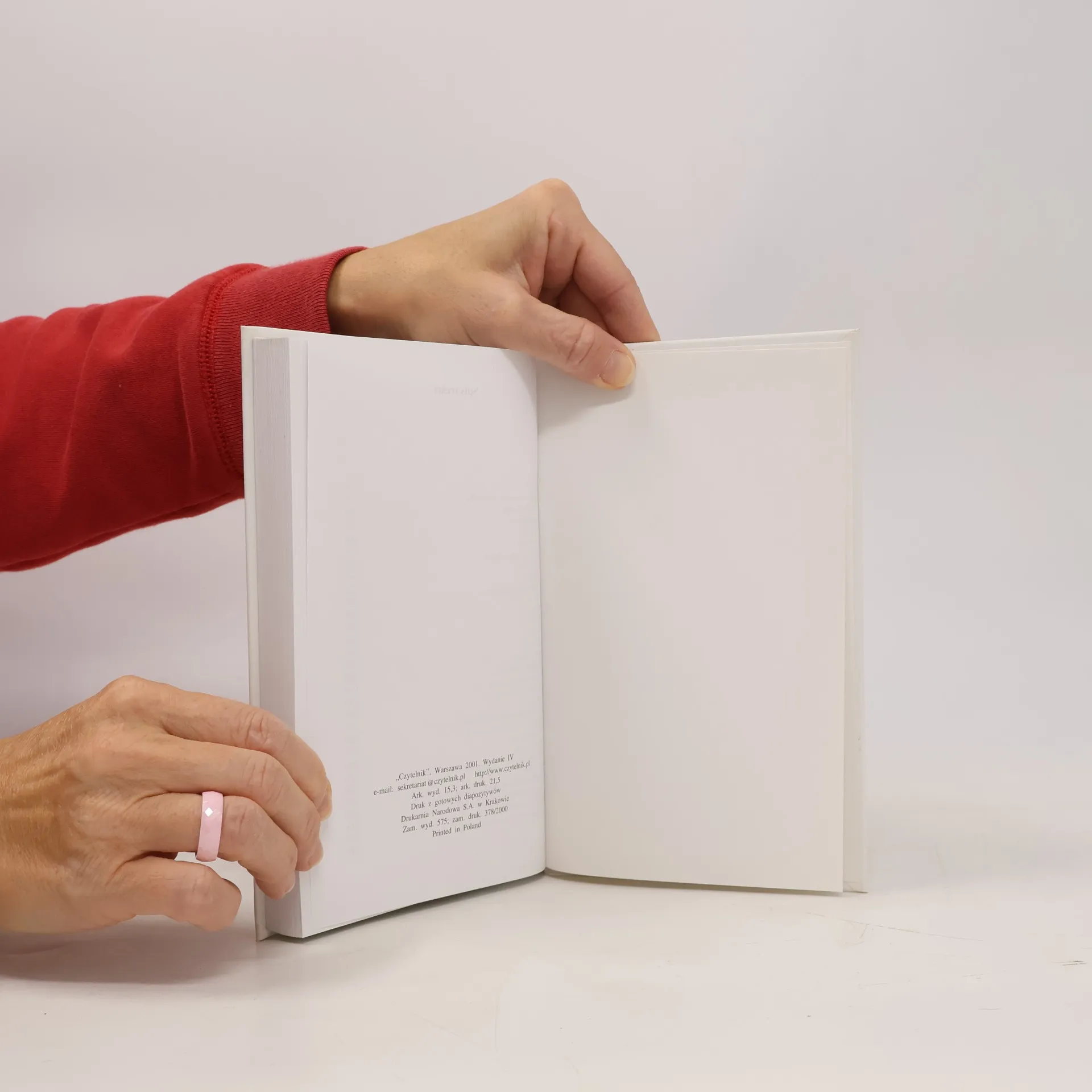
- Czytelnik
- Rok vydania
- 2001
- Väzba
- pevná
- ISBN10
- 8307028191
- ISBN13
- 9788307028194
- Série
- Kategórie
- Štítky
- Cestovanie, Politika, Literatúra faktu, Darčeky pre dedka, Spomienky, Afrika, Žurnalistika, Minulosť, Kultúra, Poľská literatúra, Novinári, novinárky, Nigéria, Etiópia, Sudán, Rwanda, Uganda, Eritrea
- Prvé vydanie
- 1998
- Pôvodný názov
- Heban
- Hodnotenie
- 4,4 z 5
- Anotácia
- Kobra rzucała się i biła w podłogę z taką rozszalałą wściekłością i furią, że wewnątrz lepianki zrobiło się ciemno od kurzu. Biła ogonem z taką energią i siłą, że gliniana podłoga kruszyła się i rozpryskiwała, oślepiając nas tumanami pyłu. W pewnym momencie pomyślałem ze zgrozą, że nie damy rady, że gad wyśliźnie się nam i obolały, ranny, rozjuszony, zacznie nas kąsać. Jeszcze mocniej przygniotłem kolegę. Ten pojękiwał, leżąc piersiami na kanistrze, nie miał czym oddychać.