

Viac o knihe
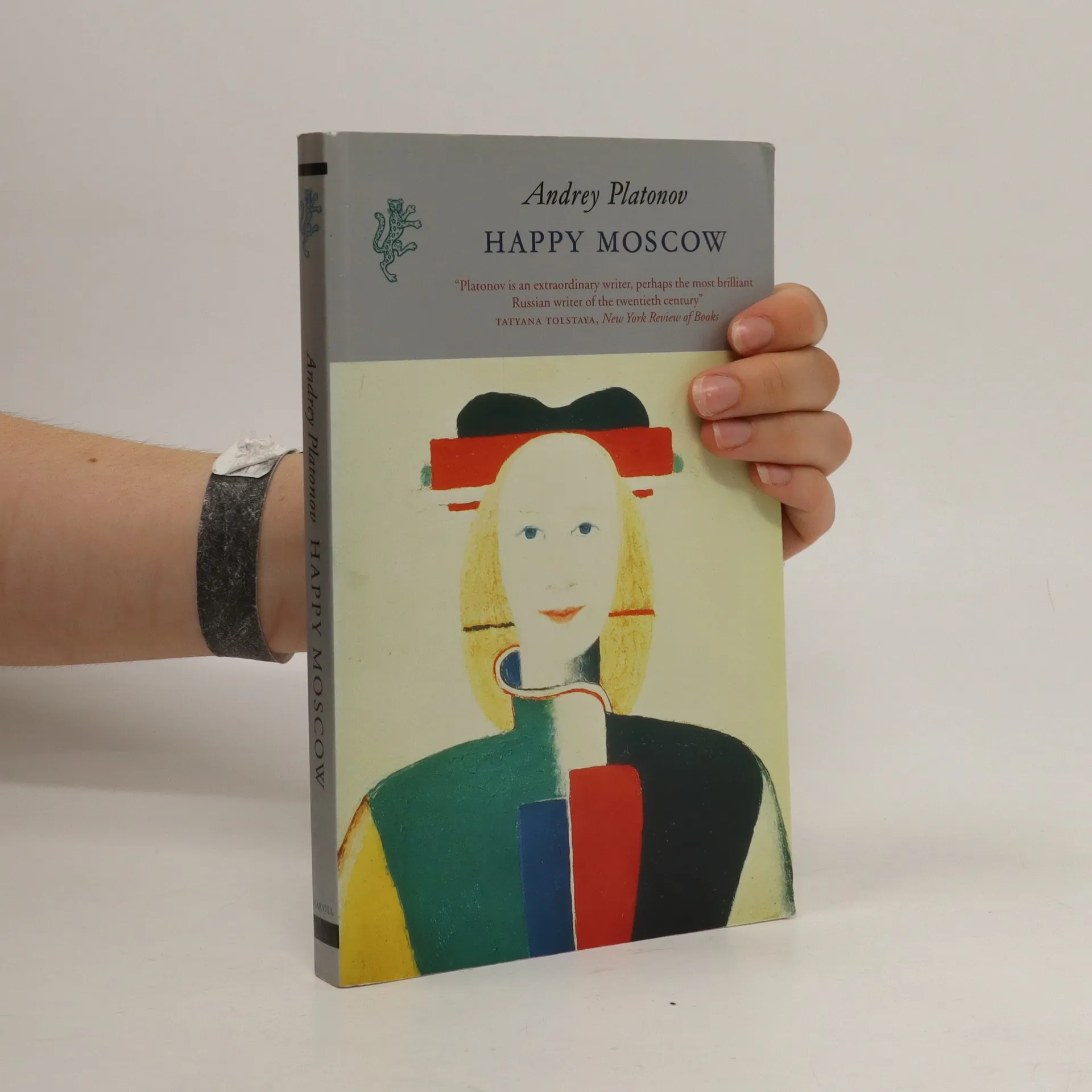
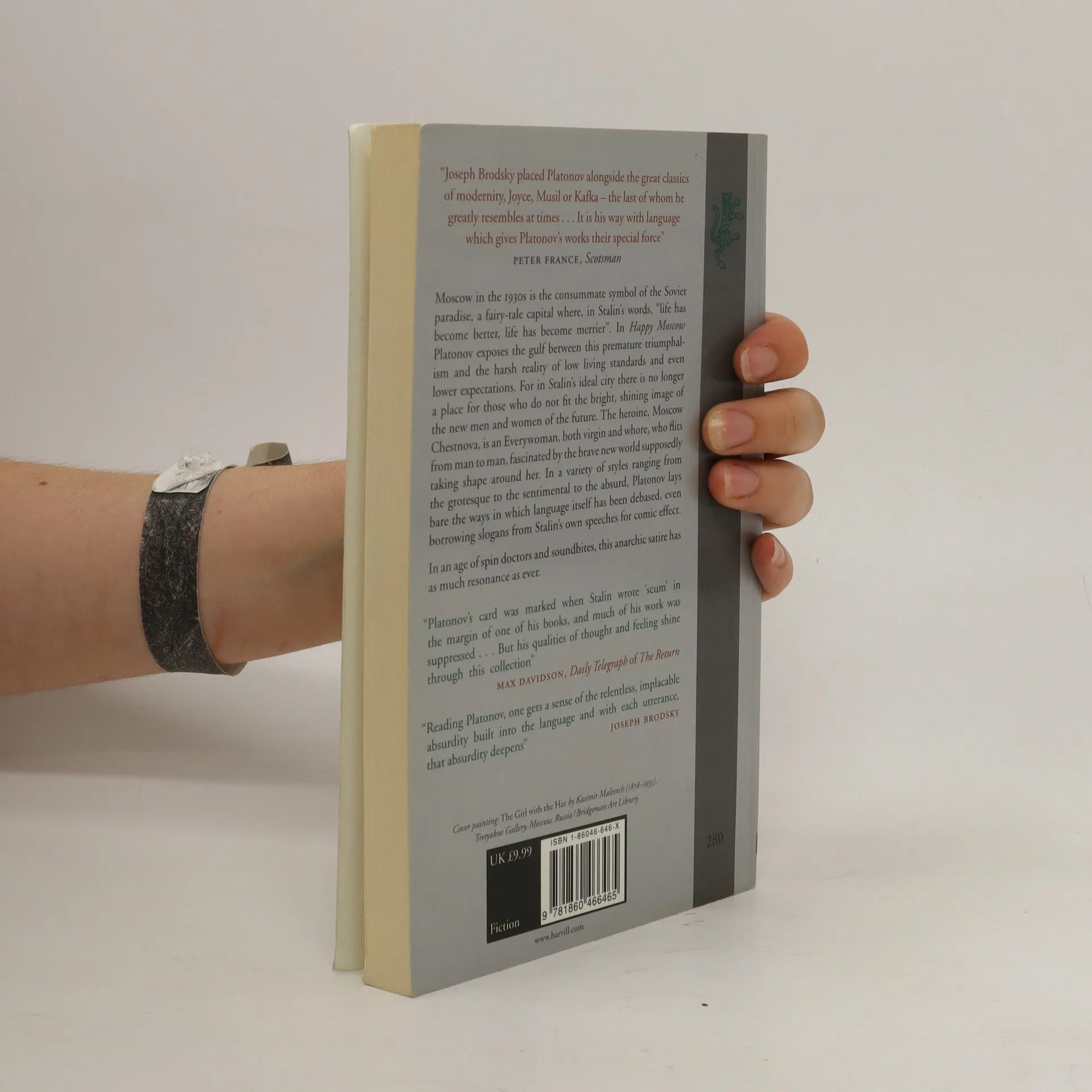
Moscow in the 1930s is the consummate symbol of the Soviet paradise, a fairy-tale capital where, in Stalin's words, "life has become better, life has become merrier". In Happy Moscow Platonov exposes the gulf between this premature triumphalism and the harsh reality of low living standards and even lower expectations. For in Stalin's ideal city there is no longer a place for those who do not fit the bright, shining image of the new men and women of the future. The heroine, Moscow Chestnova, is an Everywoman, both virgin and whore, who flits from man to man, fascinated by the brave new world supposedly taking shape around her. In a variety of styles ranging from the grotesque, to the sentimental and the absurd, Platonov lays bare the ways in which language itself has been debased, even borrowing slogans from Stalin's own speeches for comic effect.In an age of spin doctors and soundbites, this anarchic satire has as much resonance as ever.



Nákup knihy
Happy Moscow, Andrej Platonov
- Jazyk

- Rok vydania
- 2001
- Väzba
- (mäkká)
Doručenie
Platobné metódy
Tu nám chýba tvoja recenzia
- Titul
- Happy Moscow
- Jazyk
- anglicky
- Autori
- Andrej Platonov
- Vydavateľ
- Harvill Press
- Rok vydania
- 2001
- Väzba
- mäkká
- Počet strán
- 153
- ISBN10
- 186046646x
- ISBN13
- 9781860466465
- Série
- Štítky
- Historické téma, Poviedky, 20. storočie, Rusko, Ruská literatúra, Moskva, 30. roky 20. storočia
- Prvé vydanie
- 1996
- Pôvodný názov
- Счастливая Москва (Sčastlivaja Moskva)
- Hodnotenie
- 3,9 z 5
- Anotácia
- Moscow in the 1930s is the consummate symbol of the Soviet paradise, a fairy-tale capital where, in Stalin's words, "life has become better, life has become merrier". In Happy Moscow Platonov exposes the gulf between this premature triumphalism and the harsh reality of low living standards and even lower expectations. For in Stalin's ideal city there is no longer a place for those who do not fit the bright, shining image of the new men and women of the future. The heroine, Moscow Chestnova, is an Everywoman, both virgin and whore, who flits from man to man, fascinated by the brave new world supposedly taking shape around her. In a variety of styles ranging from the grotesque, to the sentimental and the absurd, Platonov lays bare the ways in which language itself has been debased, even borrowing slogans from Stalin's own speeches for comic effect.In an age of spin doctors and soundbites, this anarchic satire has as much resonance as ever.