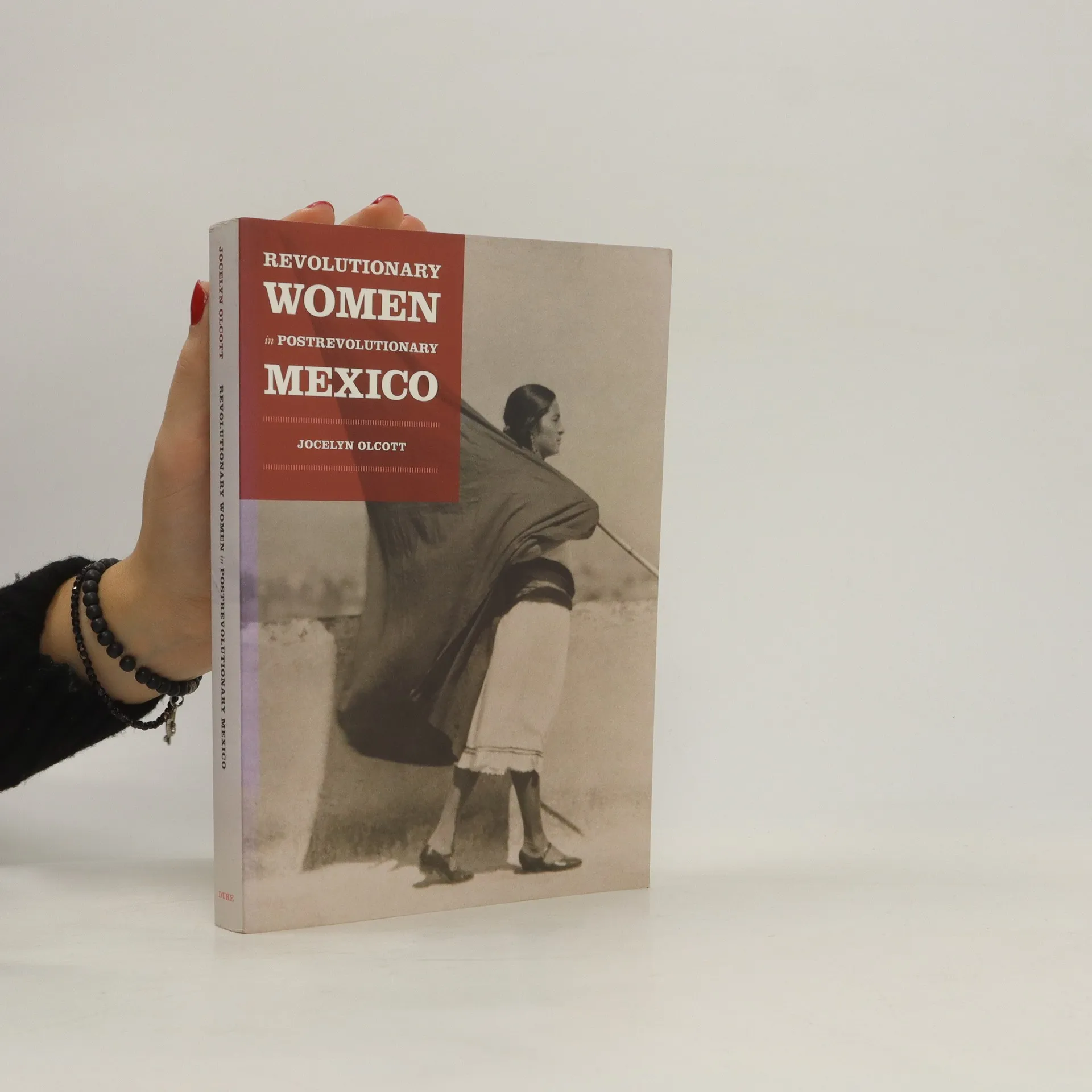
Revolutionary Women in Postrevolutionary Mexico is an empirically rich history of women’s political organizing during a critical stage of regime consolidation. Rebutting the image of Mexican women as conservative and antirevolutionary, Jocelyn Olcott shows women activists challenging prevailing beliefs about the masculine foundations of citizenship. Piecing together material from national and regional archives, popular journalism, and oral histories, Olcott examines how women inhabited the conventionally manly role of citizen by weaving together its quotidian and formal traditions, drawing strategies from local political struggles and competing gender ideologies. Olcott demonstrates an extraordinary grasp of the complexity of postrevolutionary Mexican politics, exploring the goals and outcomes of women’s organizing in Mexico City and the port city of Acapulco as well as in three rural the southeastern state of Yucatán, the central state of Michoacán, and the northern region of the Comarca Lagunera. Combining the strengths of national and regional approaches, this comparative perspective sets in relief the specificities of citizenship as a lived experience.
Nová vlna: Nové smery v ženských štúdiách Séria
Táto séria poskytuje fórum pre feministickú vedu, ktorá sa zaoberá transformáciami v intelektuálnom rozsahu, teórii a metóde, ktoré zmenili horizonty štúdia žien pre nové storočie. Knihy z tejto edície pevne prehodnocujú feministickú interdisciplinaritu a zdôrazňujú nadnárodné štúdium žien. Reformulujú historické a genealogické rodové štúdiá vo vzťahu k rase, triede, sexualite, náboženstvu, etnicite a národnosti. Destabilizujú tiež delenie medzi humanitnými a vedeckými poznatkami v štúdiu žien, rodu a sexuality.

Gut Feminism
- 240 stránok
- 9 hodin čítania
Elizabeth A. Wilson shakes feminist theory from its resistance to biological and pharmaceutical data and urges that now is the time for feminism to critically engage with biology. Doing so will reanimate feminist theory, strengthening its ability to address depression, affect, gender, and feminist politics.
Saving the Security State
- 336 stránok
- 12 hodin čítania
Inderpal Grewal traces the changing relations between the US state and its citizens in an era she calls advanced neoliberalism, under which everyday life is militarized, humanitarianism serves imperial aims, and white Christian men become exceptional citizens tasked with protecting the nation from racialized others.
Why Stories Matter
- 272 stránok
- 10 hodin čítania
A powerful critique of the stories that feminists tell about the past four decades of Western feminist theory.
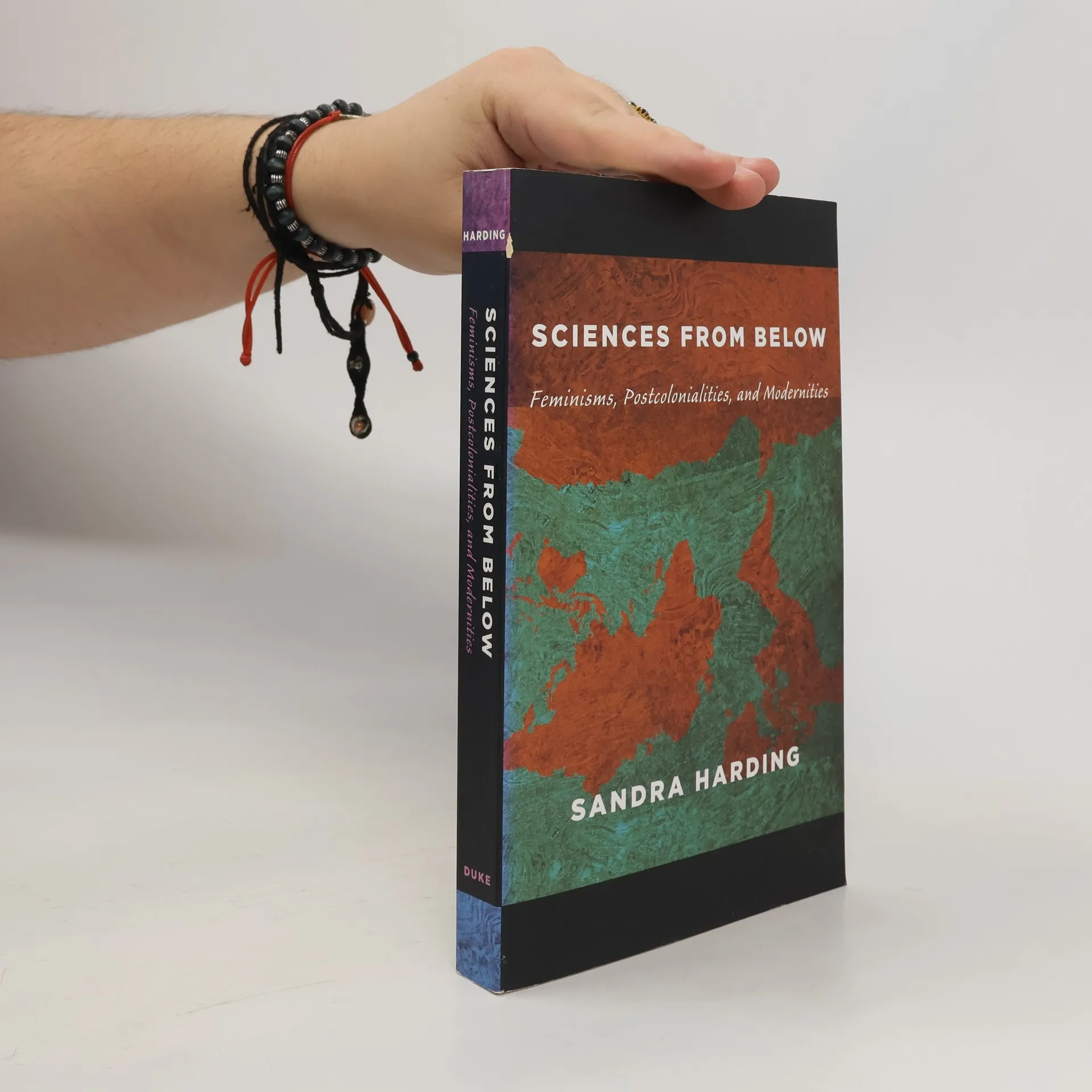
A preeminent science studies scholar shows how feminist and postcolonial science studies challenge the problematic modernity versus tradition binary.
Time Travels
- 257 stránok
- 9 hodin čítania
Essays on the relationship between temporatlity and feminism that focus on the political and philosophical ramifications of being future oriented.
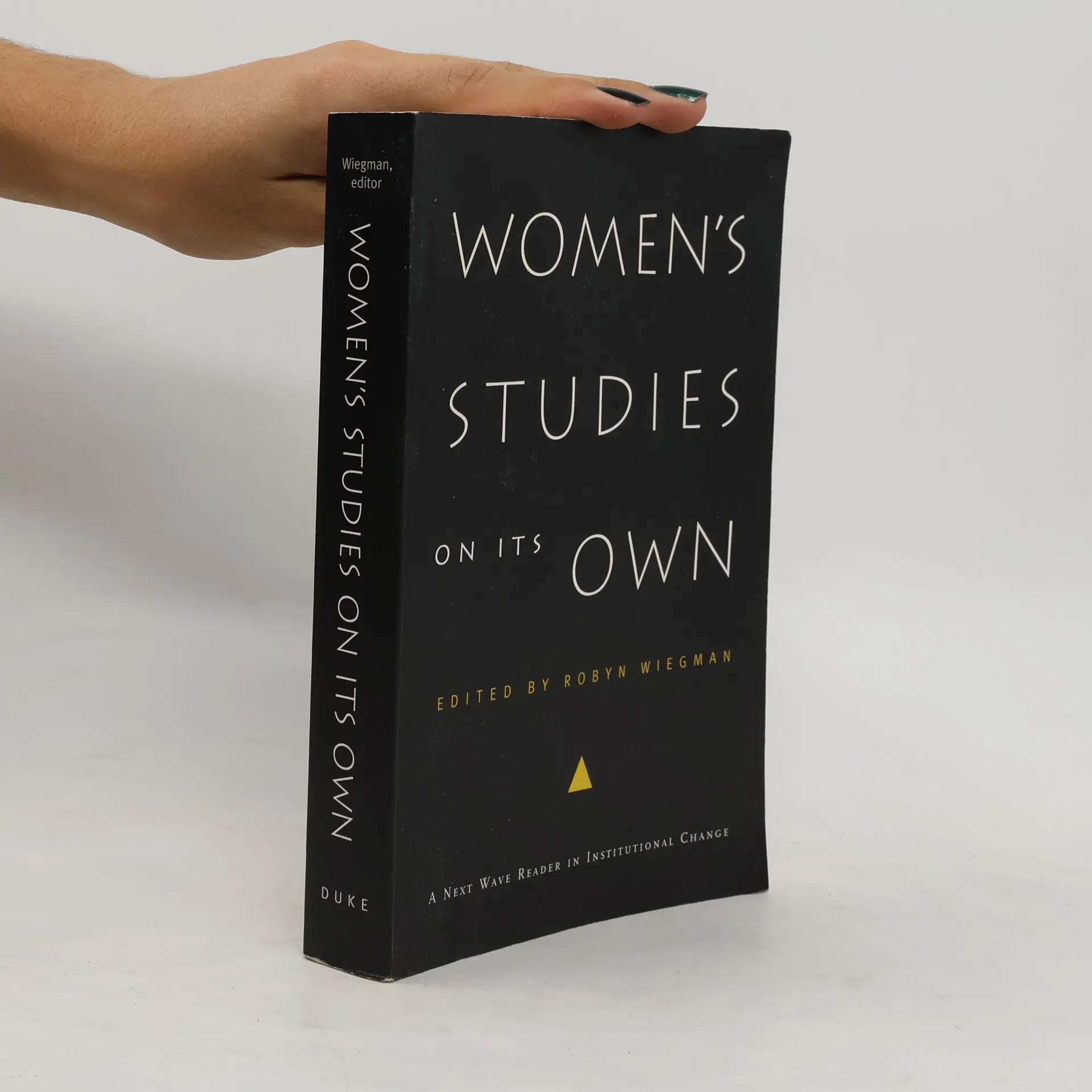
Next Wave: New Directions in Women's Studies: Women's Studies on Its Own
A Next Wave Reader in Institutional Change
- 512 stránok
- 18 hodin čítania
Since the 1970s, Women's Studies has evolved from a grassroots initiative into a significant academic discipline. This work evaluates the current and future landscape of the field, illustrating how its institutionalization has fostered a vital intellectual project for new scholars and students. It explores the history, pedagogy, and curricula of Women's Studies programs, as well as their relationship with the managed university. The essays, grounded both theoretically and institutionally, delve into the pedagogical implications of various knowledge divisions—racial, sexual, disciplinary, geopolitical, and economic. They analyze institutional practices that both challenge and support Women's Studies, including interdisciplinarity, governance, administration, faculty review, professionalism, corporatism, and financial constraints. Contributors engage with topics such as academic labor, the influence of postcolonialism on curricula, and the connection between education and the state, offering insightful and witty theoretical reflections on the evolving nature of the field. This collective work represents a significant contribution to understanding Women's Studies as a dynamic and transformative academic discipline.