

Janet Lewis hat mit 'Die Frau, die liebte' einen verstörenden und zugleich kraftvollen Roman erschaffen, der von einer Frau erzählt, die in ihrer Ernsthaftigkeit und Tapferkeit über die Konventionen ihrer Zeit hinauswächst. Stefanie Rufle, booksection.de 19.03.2018
Prípady nepriamych dôkazov Séria
Táto séria sleduje geniálneho, no spoločensky neohrabaného právnika, ktorý sa špecializuje na zdanlivo neriešiteľné prípady. S nevšedným myslením a dôrazom na najmenšie detaily odhaľuje pravdu tam, kde ostatní zlyhali. Každý prípad je labyrint, kde okolnosti a nepravdepodobné dôkazy tvoria kľúč k rozuzleniu. Je to strhujúca cesta do sveta dedukcie a spravodlivosti.
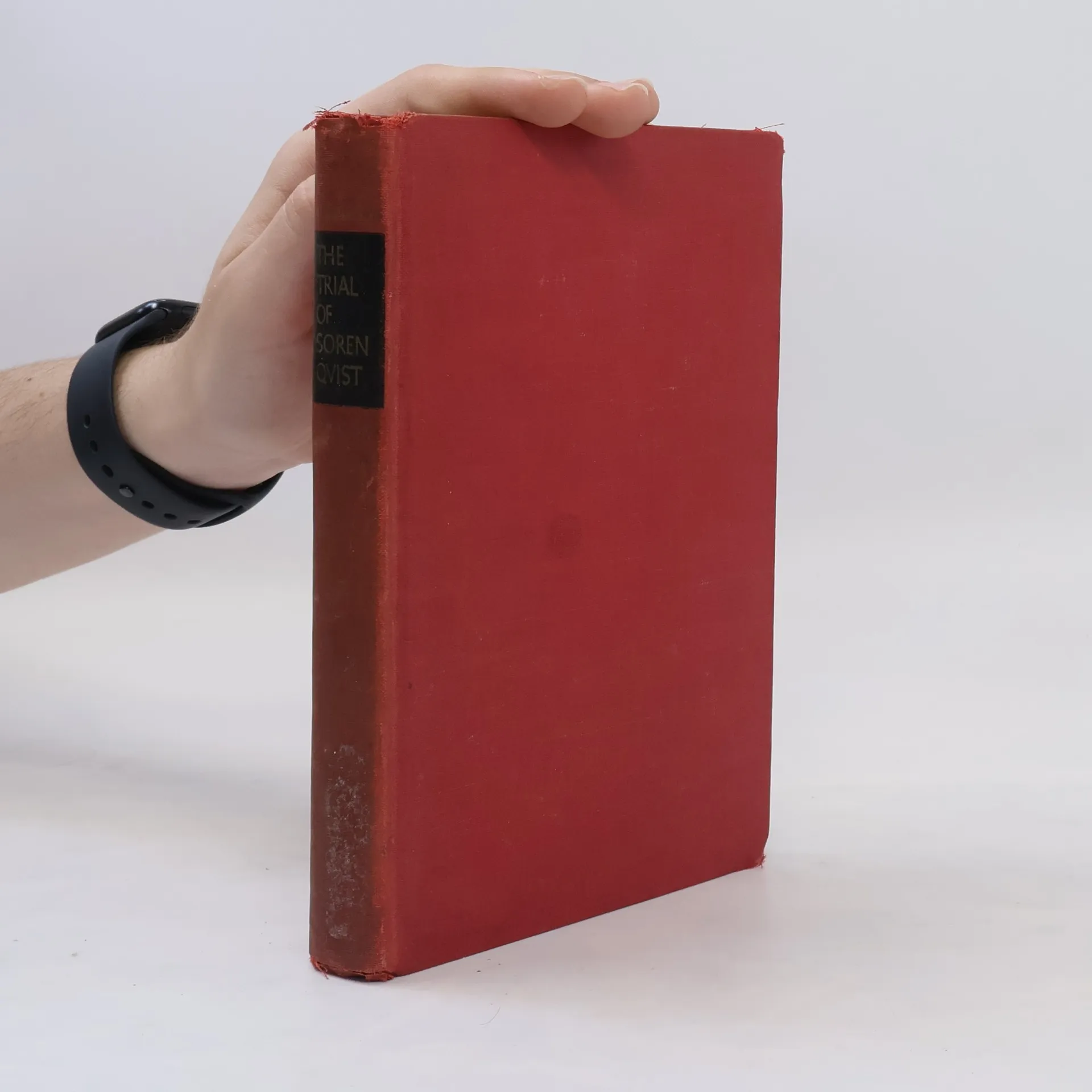
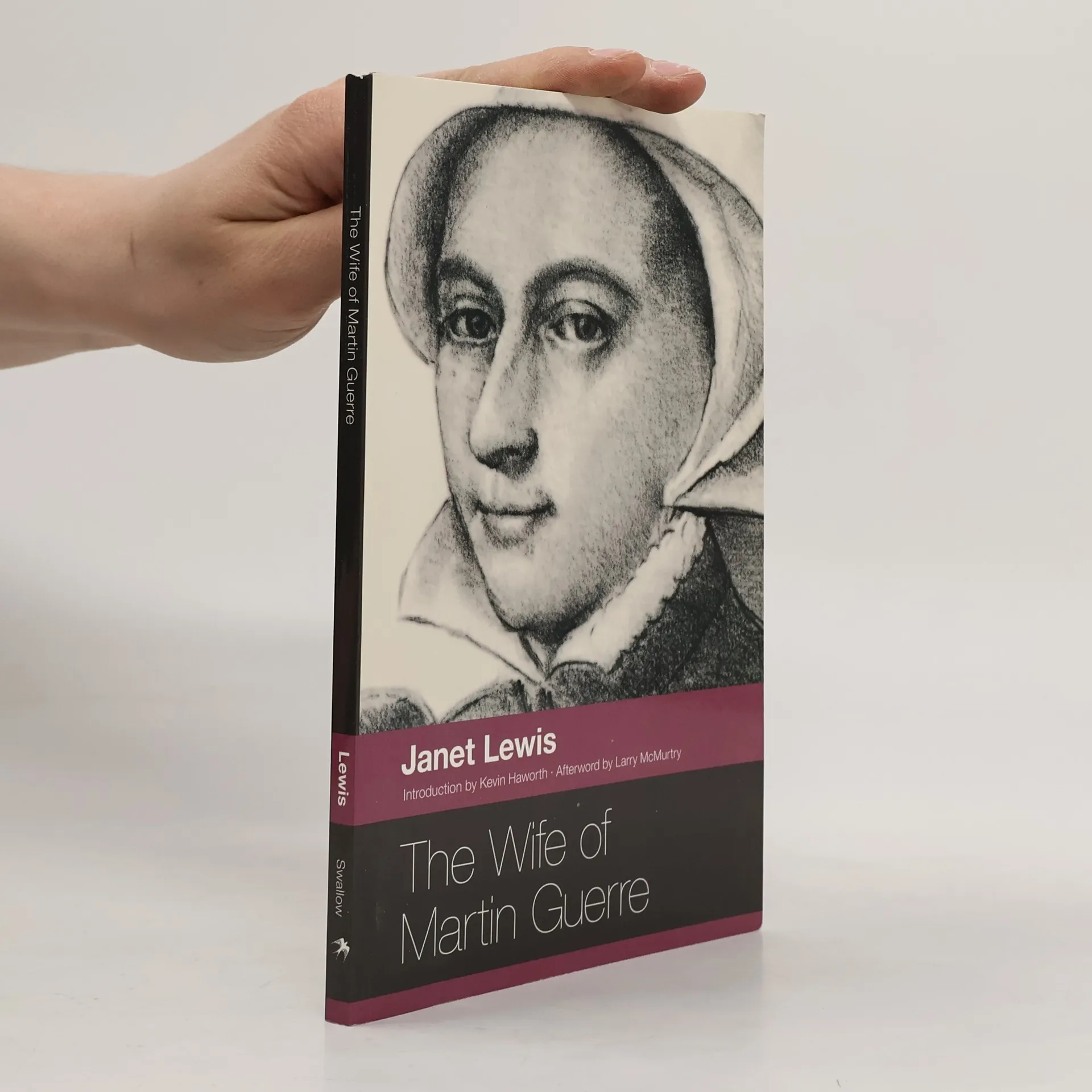
Originally published in 1947, The Trial of Sören Qvist has been praised by a number of critics for its intriguing plot and Janet Lewis’s powerful writing. And in the introduction to this new edition, Swallow Press executive editor and author Kevin Haworth calls attention to the contemporary feeling of the story—despite its having been written more than fifty years ago and set several hundred years in the past. As in Lewis’s best-known novel, The Wife of Martin Guerre, the plot derives from Samuel March Phillips’s nineteenth-century study, Famous Cases of Circumstantial Evidence, in which this British legal historian considered the trial of Pastor Sören Qvist to be the most striking case.