The Psychology of Sex
- 144 stránok
- 6 hodin čítania
Psychology and sex -- Sex and sexuality -- "Proper" sex -- "Normal" sex -- Sexualization! -- Further resources -- Index
Táto séria kníh sa ponára do fascinujúceho sveta ľudskej psychiky a skúma, čo poháňa naše myšlienky a správanie. Každý zväzok odborne rozoberá populárne mýty a pseudovedu obklopujúcu životné otázky. Autori, poprední odborníci vo svojich odboroch, konfrontujú bežné predstavy s vedecky podloženými poznatkami. Čitatelia sa dozvedia, ako psychológia obohacuje naše chápanie sveta a podnecuje k novému pohľadu na zdanlivo známe javy.


Psychology and sex -- Sex and sexuality -- "Proper" sex -- "Normal" sex -- Sexualization! -- Further resources -- Index
This book covers key concepts relating to the psychology of music including the evolutionary purpose of music, the processing of music, musical ability, and musical skills. It also examines the impact music has on everyday life and on health and well-being, and the benefits of music to intellectual functioning.
Does religion positively affect well-being? What leads to fundamentalism? Do religious beliefs make us more moral? The Psychology of Religion explores the often contradictory ideas people have about religion and religious faiths, spirituality, fundamentalism, and atheism. The book examines whether we choose to be religious, or whether it is down to factors such as genes, environment, personality, cognition, and emotion. It analyses religion's effects on morality, health, and social behavior and asks whether religion will survive in our modern society. Offering a balanced view, The Psychology of Religion shows that both religiosity and atheism have their own psychological costs and benefits, with some of them becoming more salient in certain environments.
The Psychology of Social Media will examine the core features of social media services - profiles, newsfeeds, connections, media and so on - and explain the psychological aspects of how they are used. This is the ideal introductory resource for students on cyberpsychology courses, as well as general readers interested in this topic.
From the development of skills through learning and practice, to how self-confidence and decision-making can be honed to boost our expertise, The Psychology of Performance is an invaluable account for anyone who wants to perform to their best.
The Psychology of Bullying provides a highly accessible overview about the nature of bullying, what is known about it, its possible effects, and what can be done about it. It focuses on bullying at school with special attention given to the development of cyberbullying, and a final chapter looks at bullying in other contexts. Illustrated with examples and case studies, it examines who bullies and who gets bullied, what is known about effective coping strategies, and what friends, peers and the school can do to help. It will be essential reading for students, teachers and parents looking for psychological insights into what bullying is.

What fascinates us about intelligence? How does intelligence impact our daily lives? Why do we sometimes fear intelligence?Human intelligence is a vital resource, yet the study of it is pervaded by neglect and misconceptions. The Psychology of Intelligence helps make sense of the contradictory social attitudes and practices in relation to intelligence that we have seen over the decades, from the idea that it drove eugenicist policies and actions in the past, to our current backlash against "experts" and critical thinking. Showing how our approach to intelligence impacts our everyday lives in educational, occupational, medical, and legal settings, the book asks if it is possible to lift the taboo and move beyond the prejudices surrounding intelligence.Challenging popular assumptions, The Psychology of Intelligence encourages us to face intelligence in ourselves and others as an important fact of life that we can all benefit from embracing more openly.
When does a harmless habit become an addition? Why do only some of us get addicted? What can make recovery possible? The Psychology of Addictionis a fascinating introduction to the psychological issues surrounding addiction and the impact they have on social policy, recovery and an addict's everyday life. The book focuses on drug and alcohol addiction and tackles topics such as whether drug use always leads to addiction and the importance of social networks to recovery. It also looks at how people can become addicted to activities like gambling, gaming and sex. In a society that still stigmatises addiction The Psychology of Addictionemphasises the importance of compassion, and provides a sensitive insight to anyone with experience of addiction.
Why should we exercise? When should we exercise? Why don't we exercise? The Psychology of Exercise separates fact from fiction, delving into key theories, ideas, and the impact of life stages on when, why, and how we exercise. It explores the barriers and motivators to exercise for children, teenagers, adults, and retirees as well as for those living with a chronic health condition. It shows how when we personalise activity programmes, exercise becomes a life-affirming, life-lengthening habit. Using real-life case studies from those who work with exercisers at all levels, The Psychology of Exercise shows us the huge value that comes from exercising in every stage of our lives.
The Psychology of Fashion provides a succinct overview of how our thinking and behavior is affected by the fashion industry, examining how fashion design can undermine healthy body image, and how psychology can inform a more sustainable perspective on the production and disposal of clothing.
Why do we develop extreme attitudes to others? Can our personality contribute to our prejudices? How do we reduce prejudice and discrimination? The Psychology of Prejudiceexplores different forms of prejudice and discrimination, from racial jokes to genocide. It looks at what might cause our prejudiced attitudes, including our personalities, social influences, group identity, and evolutionary factors, and how prejudice can be reduced through education, campaigning, and consciousness raising. Offering insights into a topic of great public concern and debate, The Psychology of Prejudiceshows us how we can confront our prejudiced attitudes, and contribute to greater tolerance and understanding.
How can we improve our sense of wellbeing? What explains the current wellbeing boom? What does wellbeing mean to you? The Psychology of Wellbeing offers readers tools to navigate their own wellbeing and understand what makes a 'good life'. Using self-reflection and storytelling, it explores how trust affects psychological and emotional wellbeing, considers how stress and inequality impact our psychological wellbeing, and how trends such as positive psychology influence our understanding of happiness. In a world where the 'wellness economy' is big business, The Psychology of Wellbeing shows how we can question and make sense of information sources, and sheds light on the wellness, self-care and self-help industry.
Perception and attention in driving -- Distracted driving -- Driving, risk and youth -- The effects of age on driving -- Personality and driving -- Driving while impaired -- The future of driving.
The Psychology of Chess will provide a comprehensive introduction to the psychological aspects of one of the world's most played games. Drawing on an extensive body of literature, the book explores the cognitive functions involved in playing chess, discussing diverse topics such as perception and memory in chess thinking, pattern recognition, and skill acquisition. The book will also consider contemporary areas of research within the field, including brain training, artificial intuition, and the prevalence of psychiatric disorders in chess players.
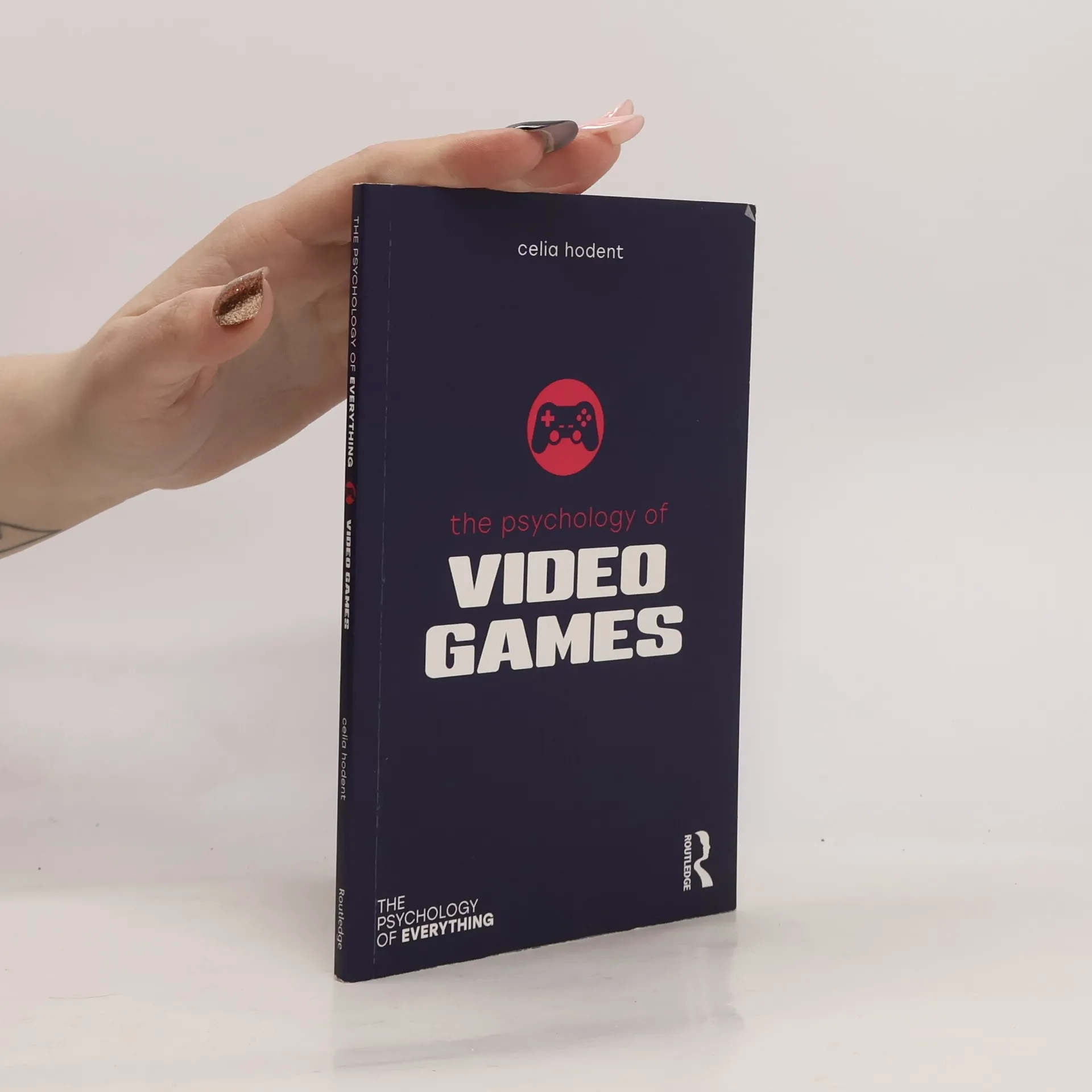
What impact can video games have on players? How does psychology influence video game creation? Why do some games become cultural phenomena? The Psychology of Video Games explores the relationship between psychology and video games from the perspective of both game developers and players. It looks at how games are made and what makes them fun and successful, the benefits gaming can have on players in relation to education and healthcare, concerns over potential negative impacts such as pathological gaming, and ethics considerations. With gaming being one of the most popular forms of entertainment today, The Psychology of Video Games shows the important role psychology and the understanding of the human brain has in the development of ethical and inclusive video games.