Táto séria sa ponorí do hlbín ľudskej psychiky a morálnych dilem. Sleduje osudy postáv, ktoré sa potýkajú s následkami svojich činov a hľadajú vykoupenie v drsnom prostredí. Dej sa často odohráva v napätej atmosfére, kde sú hranice medzi dobrom a zlom neustále spochybňované. Je to skúmanie viny, trestu a neúnavného hľadania pravdy v komplexnom svete.
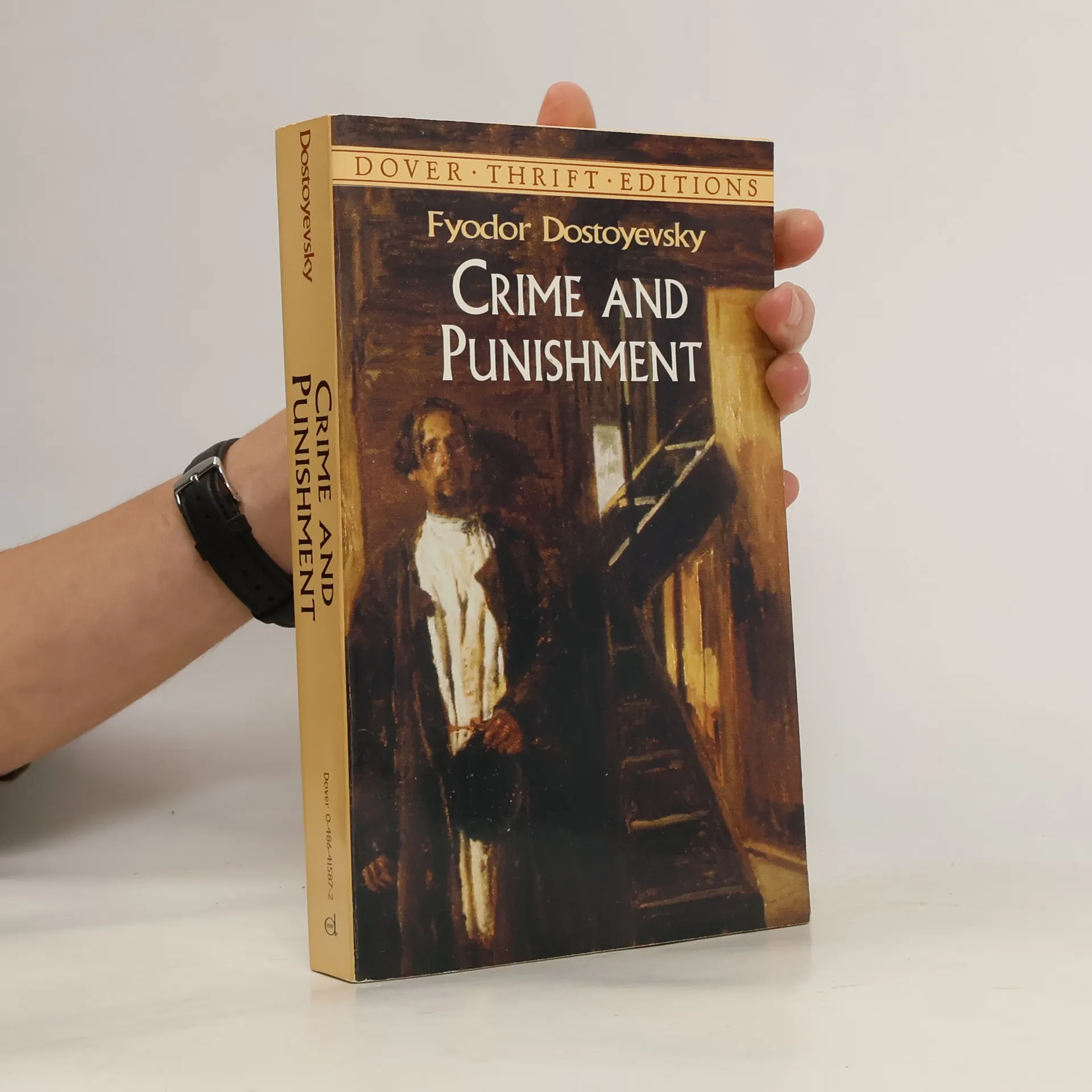
In a timeless story of justice, morality, and redemption, an impoverished Russian student murders a miserly landlady, a crime that has severe repercussions on his life and his family as he battles his conscience.
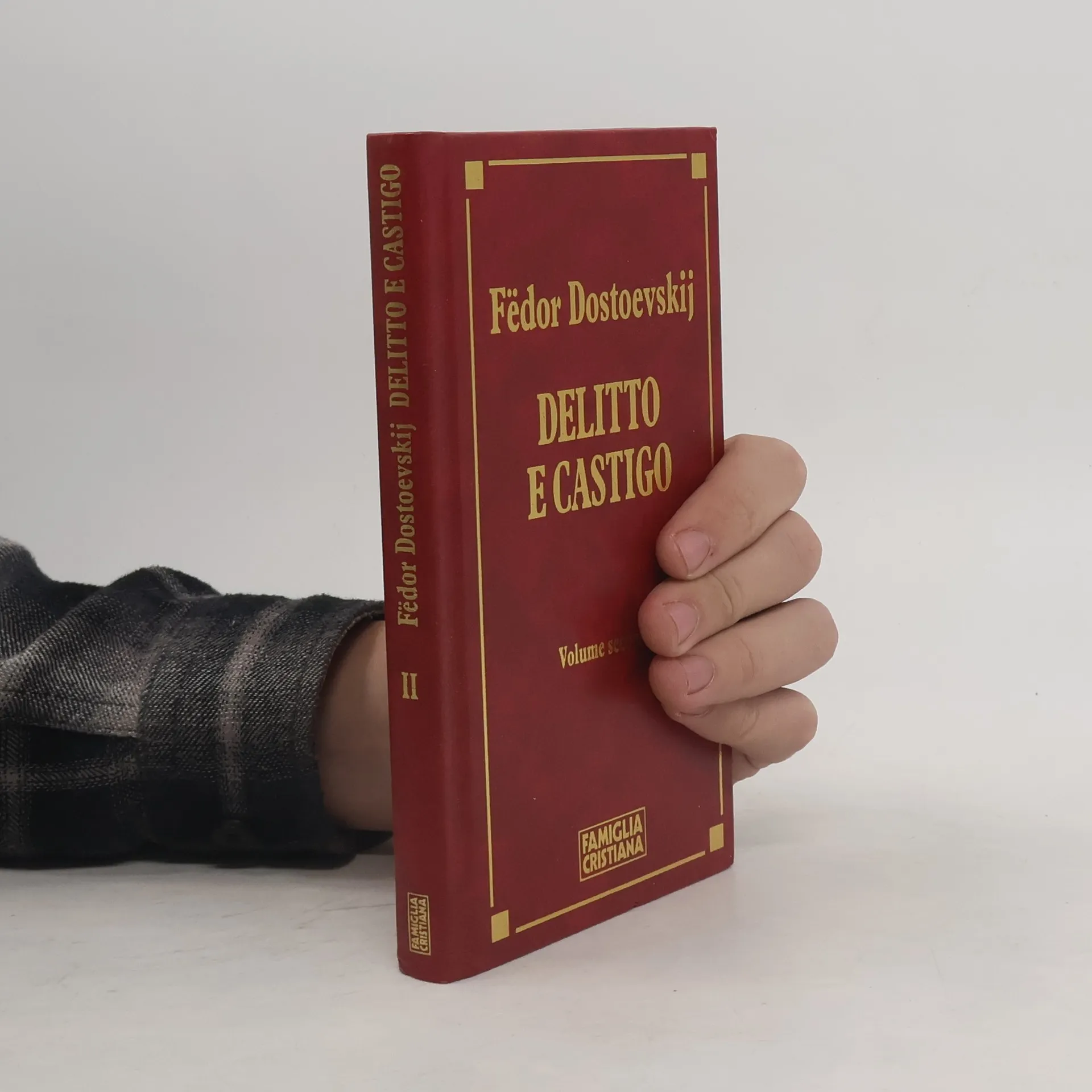
L'atto fondante del romanzo è l'omicidio di una vecchia usuraia, avvenuto in un edificio di San Pietroburgo, ad opera dello studente Raskolnikov. La sua riflessione sul movente del crimine, l'influenza di Sonia e una misteriosa forza interiore spingono il protagonista a denunciare se stesso e a diventare oggetto di un castigo liberamente accettato. È durante gli anni di carcere che si rivela il suo amore per Sonia e il percorso verso la redenzione. "Delitto e castigo" è il secondo "grande romanzo" di Dostoievski, scritto contemporaneamente a "Il giocatore" nel 1866, periodo in cui l'autore tornava dalla deportazione in Siberia e si avviava verso gli anni più produttivi della sua carriera: "L'idiota", "Il marito eterno" e "I demoni" sarebbero stati pubblicati dal 1866 al 1871.