Archetypy a kolektívne nevedomie I. II.
- 261 stránok
- 10 hodin čítania


Carl Gustav Jung bol švajčiarsky psychológ a tvorca analytickej psychológie. Preslávil sa pojmami ako archetyp, kolektívne nevedomie a proces individuácie. Jeho diela spájajú vedu s mytológiou a duchovným poznaním. Píše hĺbavo, obrazne a nabáda k sebareflexii a porozumeniu vlastnému vnútru.

Hlbinná interpretácia historického vývoja vzťahu Boha a človeka z pera slávneho analytického psychológa. C. G. Jung vo svojom texte Odpoveď na Jóba, napísanom v roku 1952, ponúka psychologický výklad biblického príbehu o Bohem skúšanom mužovi, ktorý považoval za „milník v dlhom historickom vývoji božského dramatu“. Jung sa nesnaží skúmať text ako racionálny teológ, ale chápe ho ako osobné dielo, v ktorom sa prejavuje vlastná emocionalita a subjektívne pocity čitateľa. Na základe Knihy Jób sa snaží vysporiadať so základnými náboženskými otázkami, hľadá odpoveď na problém ľudského utrpenia a skúma vývoj samotného Boha, presnejšie našu predstavu o ňom: Jahve je symbolom nevedomia, je dobrom aj zlom, Bohom milovaniahodným aj strašným, neobmedzeným božstvom bez sebareflexie. Celý proces stvorenia, na ktorom sa Jahve podieľa so svojou družkou Sofií – božskou Múdrosťou, je procesom transformácie božstva a ľudského vedomia. Aj keď sú Bůh a nevedomie hraničné, nedefinovateľné pojmy, ich vzťah je zložitý a obraz Boha nemožno oddeliť od obsahu nevedomia, konkrétne od archetypu bytostného Já (Selbst).
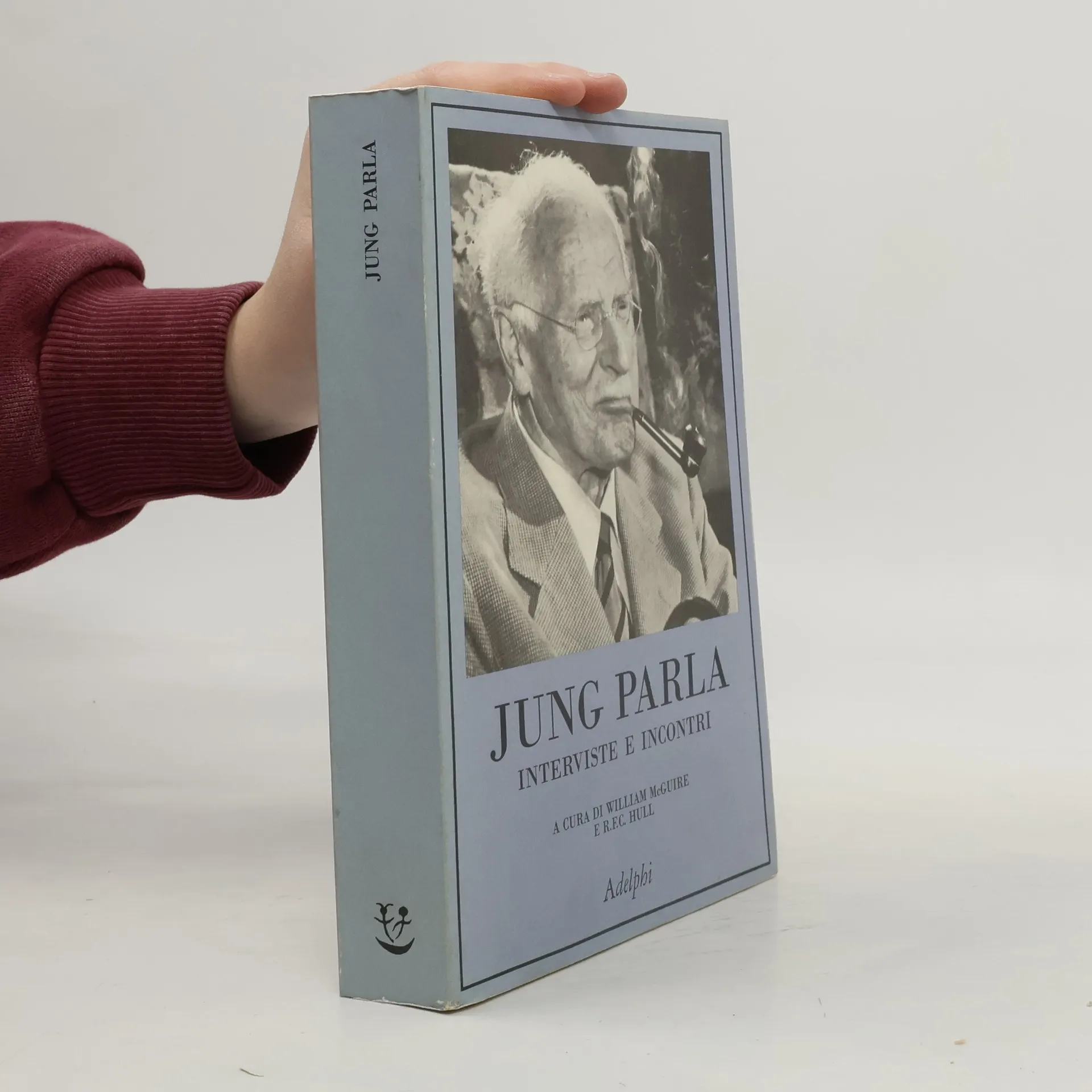
C.G. Jung amava definirsi un «introverso», il che non significa che non sapesse trattare con il mondo – e in particolare con quella insidiosa manifestazione del mondo che è l’intervista. Lungo tutto l’arco della sua vita, accettò di parlare di se stesso e del suo pensiero con i più svariati interlocutori, alcuni dei quali oscuri, altri illustri come Victoria Ocampo, Alberto Moravia, Mircea Eliade, Charles Baudouin, Miguel Serrano. Ed è sorprendente il fatto che ogni volta, fra le maglie di una forma così aleatoria e sfuggente, Jung abbia voluto e saputo lasciar filtrare delle verità che nei suoi libri rimangono talora celate come in uno scrigno. Queste interviste rappresentano dunque un prezioso controcanto a tutta l’opera di Jung, indispensabile sia per chi si accosti ad essa per la prima volta, sia per chi la conosca in profondità. Le novità appariranno insomma equamente divise, anche perché in Jung allo sforzo per chiarire le proprie idee ed esporle in modo piano si accompagna sempre la formulazione imprevista, quasi il guizzo di un ironico sciamano. La presente raccolta fu pubblicata per la prima volta nel 1977.
Obraz člověka a obraz Boha Průkopník psychoanalýzy zkoumá podstatu a symboliku mše, obraz Boha a propojení náboženství s psychologií. Přednášky "Psychologie a náboženství" odhalují společné rysy lékařské psychologie a náboženství. Náboženství zosobňuje jeden z nejranějších projevů lidské duše! Proto každá psychologická koncepce, jež se zabývá duševní strukturou lidské osobnosti, musí zohlednit, že náboženství pro řadu lidí personifikuje hluboce niternou záležitost. Následující text vysvětluje náboženskou mši ve smyslu antropomorfního symbolu pro to, co přesahuje svět a rámec lidského chápání. Její symbolika se tudíž stává legitimním předmětem psychologického a analytického zkoumání... "Odpověď na Jóba" přibližuje reakci vzdělaného člověka současnosti na temné stránky Boha, které se objevují v Knize Jóbově. Jedná se o rozbor podstaty afektu coby zdroje násilí! Společným rysem těchto textů je pohled analytického psychologa na různé aspekty náboženského prožitku jedince.
Tavistocke Vorträge – eine Reihe von fünf Vorträgen an der Tavistock-Klinik für etwa 200 Ärzte.
C. G. Jung ve svých spisech předložil svůj komplexní obraz člověka a rozvinul celistvou koncepci procesu uzdravení. Podle renomovaných jungovských analytiček Vereny Kastové a Ingrid Riedelové je v Jungově díle centrální pojetí tvořivé dimenze, stávání se a rozvoje, jež je vlastní každé existenci. Má-li člověk, byť jen v nepatrné míře přístup k této tvořivé dimenzi, může docházet k jeho růstu. Proto se Jung vztahuje tak často k sebeúzdravným silám v člověku a k jeho zdrojům. S tímto ohledem editorky vybraly zásadní a dobře srozumitelné Jungovy texty (např. Analytická psychologie, O vztahu psychoterapie k duchovní péči, Cíle psychoterapie atd.), které již generacím psychoterapeutů poskytují praktická vodítka pro jejich terapeutickou práci.
When Carl Jung embarked on an extended self-exploration he called it his “confrontation with the unconscious,” the heart of it was The Red Book, a large, illuminated volume he created between 1914 and 1930. Here he developed his principle theories—of the archetypes, the collective unconscious, and the process of individuation—that transformed psychotherapy from a practice concerned with treatment of the sick into a means for higher development of the personality. While Jung considered The Red Book to be his most important work, only a handful of people have ever seen it. Now, in a complete facsimile and translation, it is available to scholars and the general public. It is an astonishing example of calligraphy and art on a par with The Book of Kells and the illuminated manuscripts of William Blake. This publication of The Red Book is a watershed that will cast new light on the making of modern psychology. 212 color illustrations.
Přes tisíc citátů z celoživotního díla švýcarského psychiatra, psychologa, psychoterapeuta a jednoho z nejvýznamějších myslitelů dvacátéo století Carla Gustava Junga, které kniha obsahuje, představuje jistém smyslu duchovní kompendium současné západní moudrosti. Vybrala je Jungova žačka a spolupracovnice Jolanda Jacobiová a seřadila je tematicky v šestnácti kapitolách do čtyř základních existenciálních okruhů pojednávajících o skutečnosti duše a jejích vztazích, o říši hodnot a o posledních věcech.
Švýcarský psycholog C.G. Jung (1875 - 1961), jeden z nejvýznamnějších myslitelů 20. století, je autorem rozsáhlého díla, jehož neoddělitelnou součástí je i jeho korespondence. Sto dopisů je prvním českým výborem z třísvazkových Dopisů (Briefe I - III) vydaných na počátku 70. let Anielou Jafféovou ve spolupráci s Gerhardem Adlerem. Mezi adresáty Jungových dopisů najdeme jména jako Sigmund Freud, Herman Hesse, James Joyce, Hermann Keyserling, Aniela Jaffé a mnoho dalších...
Snové symboly individuačního procesu Úvod do nábožensko-psychologické problematiky alchymie. Pátý svazek výboru z díla.
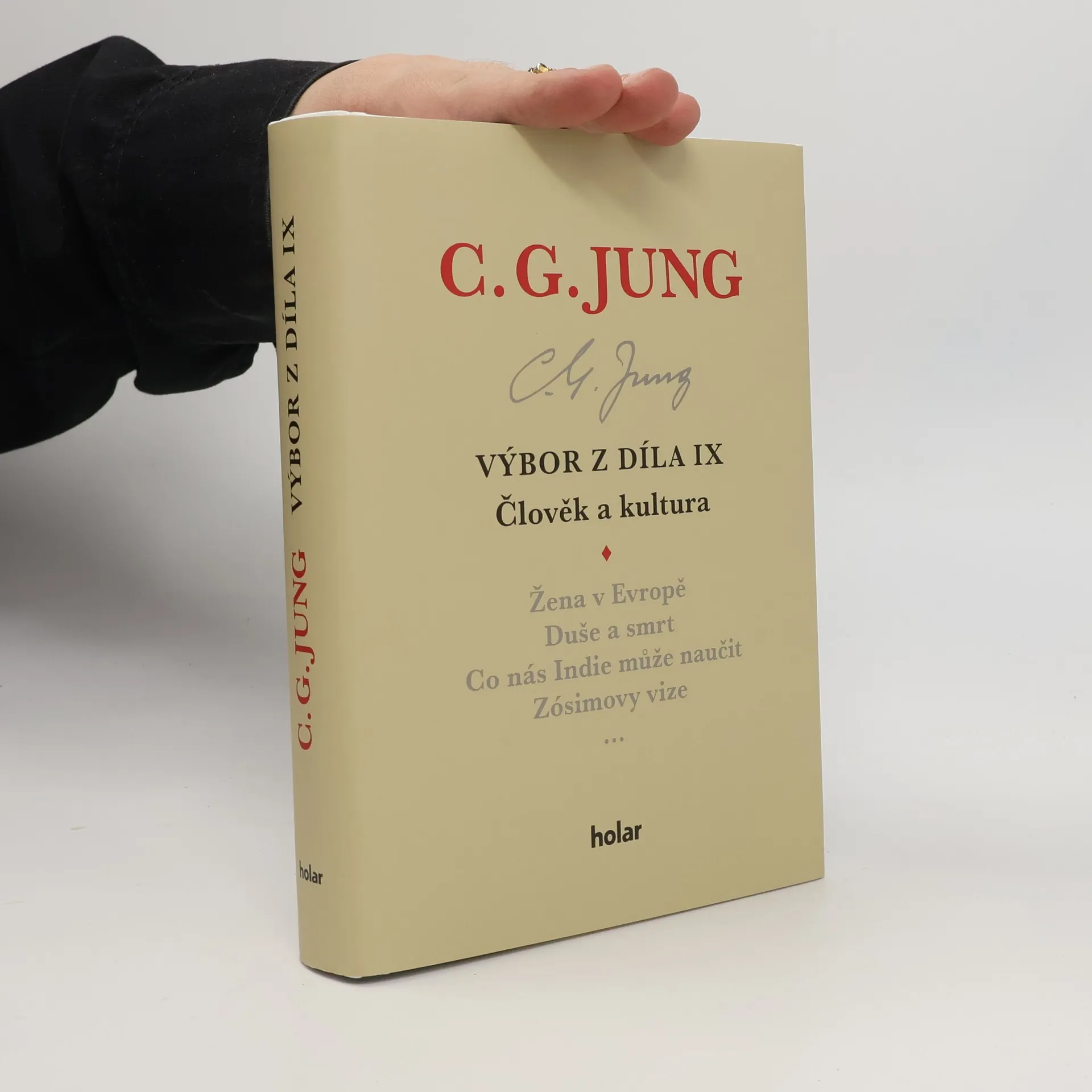
Výbor z díla IX: Člověk a kultura Devátý svazek „Výboru z díla C. G. Junga“, který vychází pod názvem Člověk a kultura, je současně svazkem závěrečným. Obsahuje následující texty C. G. Junga: O vzniku osobnosti, Žena v Evropě, Manželství jako psychologický vztah, Životní obrat, Duše a smrt, Svědomí z psychologického hlediska, Dobro a zlo v analytické psychologii, Psychologie a básnictví, Snící svět Indie, Co nás Indie může naučit, K psychologii východní meditace, Předmluva k I-ťingu, Zósimovy vize, Paracelsus jako lékař, Sigmund Freud.
Autorovým rozsáhlým dílem, je neoddělitelnou částí i jeho korespondence.
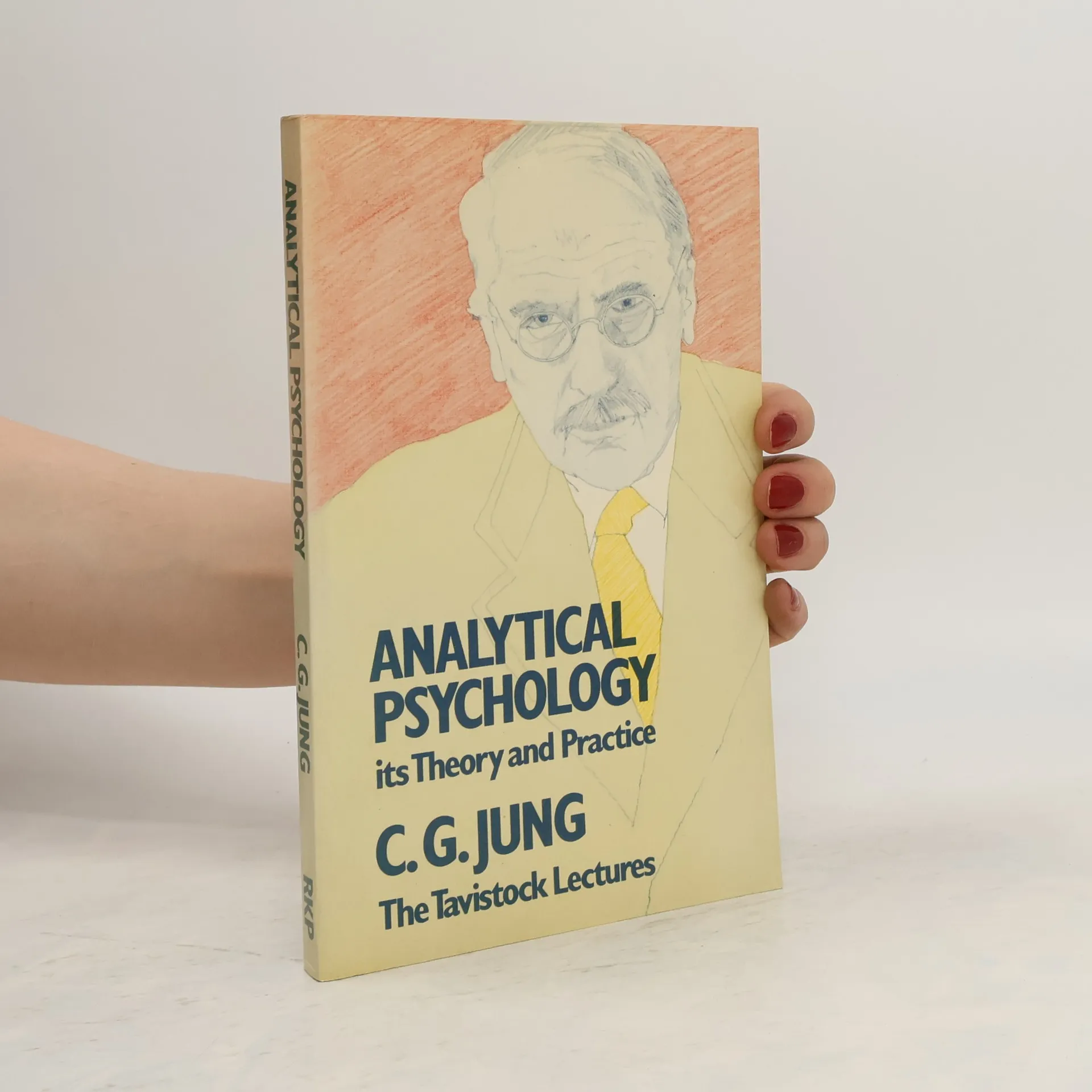
The Tavistock lectures, delivered by Jung in 1935, present a clear and engaging introduction to his psychological theories, making them accessible to a broad audience. These five lectures serve as a foundational resource for those new to Jung's work, showcasing his insights and ideas in a classic format that remains relevant for both novices and seasoned readers interested in psychology.
„Považuji problém nevědomí za natolik významný a tak aktuální, že by podle mne byla velká škoda, kdyby tato otázka, tak úzce se dotýkající nás všech, měla zmizet ze zorného pole vzdělaných laiků tím, že by byla vykázána do nějakého nedostupného odborného časopisu, aby pak vedla svůj stínově papírový život v policích knihoven,“ napsal v předmluvě k prvnímu vydání Psychologie nevědomých procesů její autor a jeden ze zakladatelů moderní psychologie Carl Gustav Jung. V rozsahu nevelkém a čtenářsky přístupném raném díle Jung na konkrétních případech pacientů a s využitím snů, fantazií, krásné literatury a mytologie podává výklad konceptů individuálního a kolektivního nevědomí a kolektivních archetypů, na nichž staví jungovská terapie. Kniha je dobrým úvodem do Jungova rozsáhlého a vrstevnatého díla.
The Structure and Dynamics of the Psyche first appeared in the Collected Works in 1960, and traces an important line of development in Jung's thought from 1912 onwards.
One of a number of major works written by Jung during his seventies in which he discusses the relationships between psychology, alchemy and religion. The particular focus in this volume is the rise of Christinity and the figure of Christ.
Příspěvek myšlenkovým dějinám alchymie. Šestý svazek výboru z díla.
Carl Gustav Jung v této knize přechází od výkladu grimmovské pohádky o duchu v lahvi, k analýze podob a funkcí Merkuria v alchymických textech, a nakonec k postavě Herma v gnostických traktátech. V shodě se svým psychologickým pojetím, jež spatřuje v alchymii nikoli zkoumání, nýbrž výsostný způsob prožívání nevědomí, shledává v Merkuriovi složeném ze všech myslitelných protikladů na jednu stranu bytostné Já, na druhou stranu proces individualizace, a díky bezmeznosti svých definicí také kolektivní nevědomí.
Psychologie C.G. Junga je dnes velmi aktuální. Jeho cílem bylo vyvinout psychologii a psychoterapii, které zohledňují celého člověka, a proto se zaměřil především na nevědomé, neracionální a transpersonální aspekty psychiky. Jeho zvláštním přínosem je zkoumání hloubkových dimenzí duše, které přesahují osobní nevědomí: tzv. archetypy.
Jung explains his system of personality types and how they can assist in diagnosing and treating psychological disorders and conditions.
Hrdina a archetyp matky
Jako v pořadí osmý svazek „Výboru z díla C. G. Junga“ vychází pod názvem Hrdina a archetyp matky druhá část Jungovy přelomové práce Symboly proměny. Osmý svazek „Výboru“ tedy tvoří s dříve vydaným sedmým svazkem jeden celek. Osmý svazek obsahuje následující kapitoly: Vznik hrdiny, Symboly matky a znovuzrození, Boj o osvobození od matky, Dvojaká matka, Oběť. Součástí knihy je obsáhlý poznámkový aparát a rejstřík.
Mýtus o Šibalovi, který je jak tvořitelem, tak ničitetelem, jak podvodníkem, tak podváděným, jak podčlověkem, tak nadčlověkem - je jedním z nejstarších a nejuniverzálnějších vyjádření člověka. Původní indiánské mýty týkající se archetypické postavy Šibala či Blázna, jsou obsahem jedinečné studie indiánské mytologie se zaměřením na tuto postavu, její srovnání s postavami antické mytologie a její psychologický rozbor. Autor je jedním z vůdčích antropologů zabývajících se indiány. Je pravděpodobně nejlepším znalcem indiánských mýtů.
Představy spásy v alchymii Příspěvek myšlenkovým dějinám alchymie. Šestý svazek výboru z díla.
Bohatě ilustrovaný svazek shrnuje veškeré známé výtvarné dílo C. G. Junga – od kreseb přes knižní malby, obrazy až po dřevěné a kamenné sochy. Vydání Červené knihy vyvolalo extrémní zájem o Junga nikoli jen jako zakládající osobnost psychologie a spisovatele, ale též jako o výtvarného tvůrce s neobyčejnou imaginací, smyslem pro kompozici, figuru a barvy. Tento dosud málo známý, přesto ale podstatný rozměr Jungovy osobnosti je poprvé kompletně představen v tomto unikátním díle, které obsahuje přes 250 barevných reprodukcí. Obrazy jsou doplněny úvodními studiemi, které se zaměřují na kořeny Jungova výtvarného projevu, na souvislosti s jeho teorií mandal, na Jungův profil jako umělce, sběratele i diváka. Carl Gustav Jung je jedna ze zakládajících a klíčových osobností psychologie. Portál postupně vydává všechna jeho zásadní díla.
Semináře o kundaliní józe, které Carl Gustav Jung přednesl v roce 1932 v Curychu, jsou považovány za klíčové pro psychologické chápání východního myšlení a transformace vnitřní zkušenosti. Jung v nich našel model pro vývoj vyššího vědomí a interpretoval jeho symboliku v kontextu individuačního procesu. Redaktor Sonu Shamdasani spojil Jungovy přednášky s diskusemi účastníků, čímž přiblížil fascinaci intelektuálů předválečné Evropy východní spiritualitou, která se odhalovala s každým novým překladem jógických a tantrických textů. Shamdasani zrekonstruoval semináře na základě nových dokumentů a vysvětluje, proč Jung považoval porozumění východnímu myšlení za klíčové pro rozvoj západní psychologie. Zároveň se zaměřuje na otázky, které trápily nejen Junga, ale i účastníky: Jaký je vztah mezi východními náboženskými školami a západní psychoterapií? Existuje spojitost mezi esoterickými tradicemi a osobními prožitky? Jak mohou symboly kundaliní jógy osvětlit psychózy? Tyto otázky jsou relevantní i pro současné čtenáře. Kniha rovněž obsahuje nový materiál z Jungových seminářů, přednášky indologa Wilhelma Hauera, ilustrace čaker a klasický překlad tantrického díla Šatčakranirúpana od Johna Woodroffa.
Dos ensayos exquisitos, Paracelso como médico y Paracelso como fenómeno espiritual, para adentrarnos en la persona y la filosofía de uno de los más grandes pensadores del Renacimiento por uno de los padres de la moderna psicología profunda.
Příspěvky k problému psychoterapie a psychologie přenosu. • Terapeutická hodnota odreagování • Praktická použitelnost analýzy snů • Psychologie přenosu • Růžová zahrada filosofů aneb série obrazů Rosarium philosophorum jako základ představy fenoménu přenosu 1. Merkurova studna 2. Král a královna 3. Nahá pravda 4. Ponoření v lázni 5. Coniunctio 6. Smrt 7. Vzestup duše 8. Očista 9. Návrat duše 10. Nové zrození
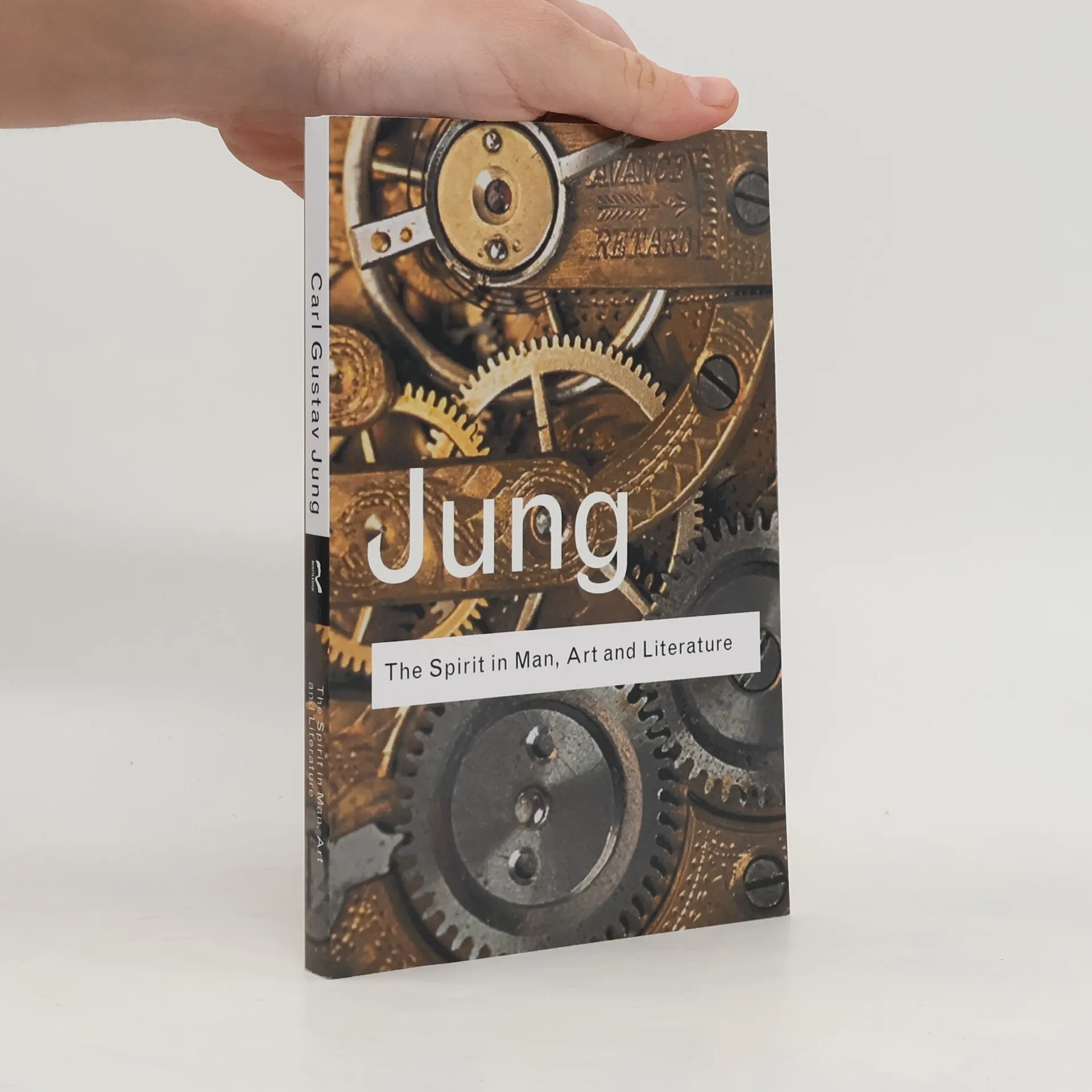
The Spirit in Man, Art and Literature offers unique and penetrating insights into the lives and opinions of some of the most significant players in the cultural life of the twentieth century. Carl Gustav Jung was at the heart of that cultural life, pioneering, along with Freud, a new interpretation of what it meant to be human in the modern age. This volume reveals the full range of Jung's involvement in this process, from his famous analysis of 'Psychology and Literature' to his landmark texts on Joyce's Ulysses and Picasso's paintings. Jung writes of Freud from the perspective of one who was "permitted a deep glimpse into the mind of this remarkable man," and through the memories and opinions recorded in The Spirit in Man, Art and Literature, the reader is offered a similar privilege.
Though Jung's main researches have centred on the subject of individuation as an adult ideal he has a unique contribution to make to the psychology of childhood. Jung repeatedly underlined the importance of the psychology of parents and teachers in a child's development and he emphasized that an unsatisfactory psychological relationship between parents may be an important cause of disorders in childhood. He maintained that all real education of children needs teachers who not only know how to learn but who can also develop their own personalities. Jung devotes a large part of the book to expounding his views on these important subjects. There is also an outline of the theory of child development, a delightful snapshot from the life of a girl called Anna and her parents, and a stimulating discussion of marriage as a psychological relationship. Finally there is a chapter on child development and individuation.
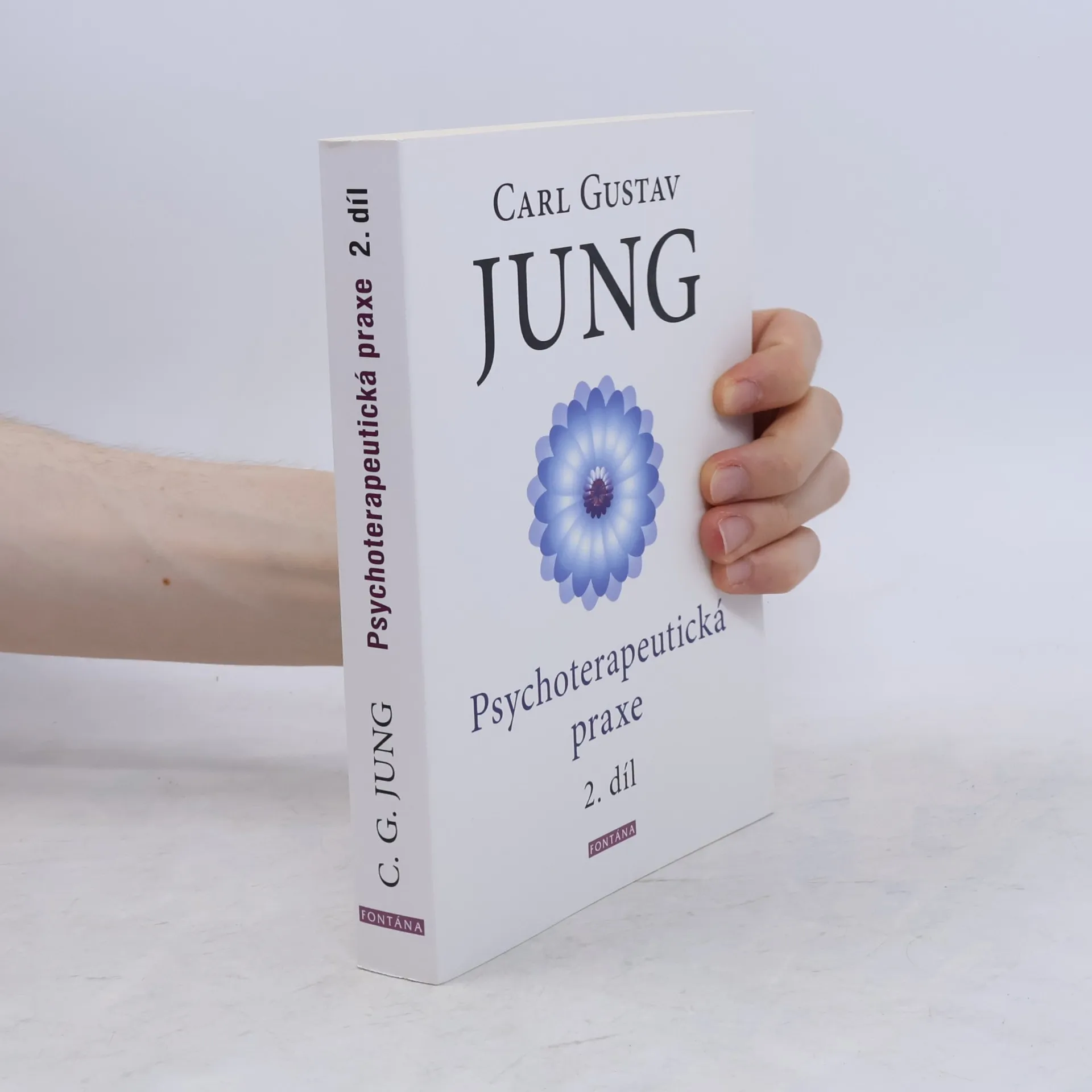
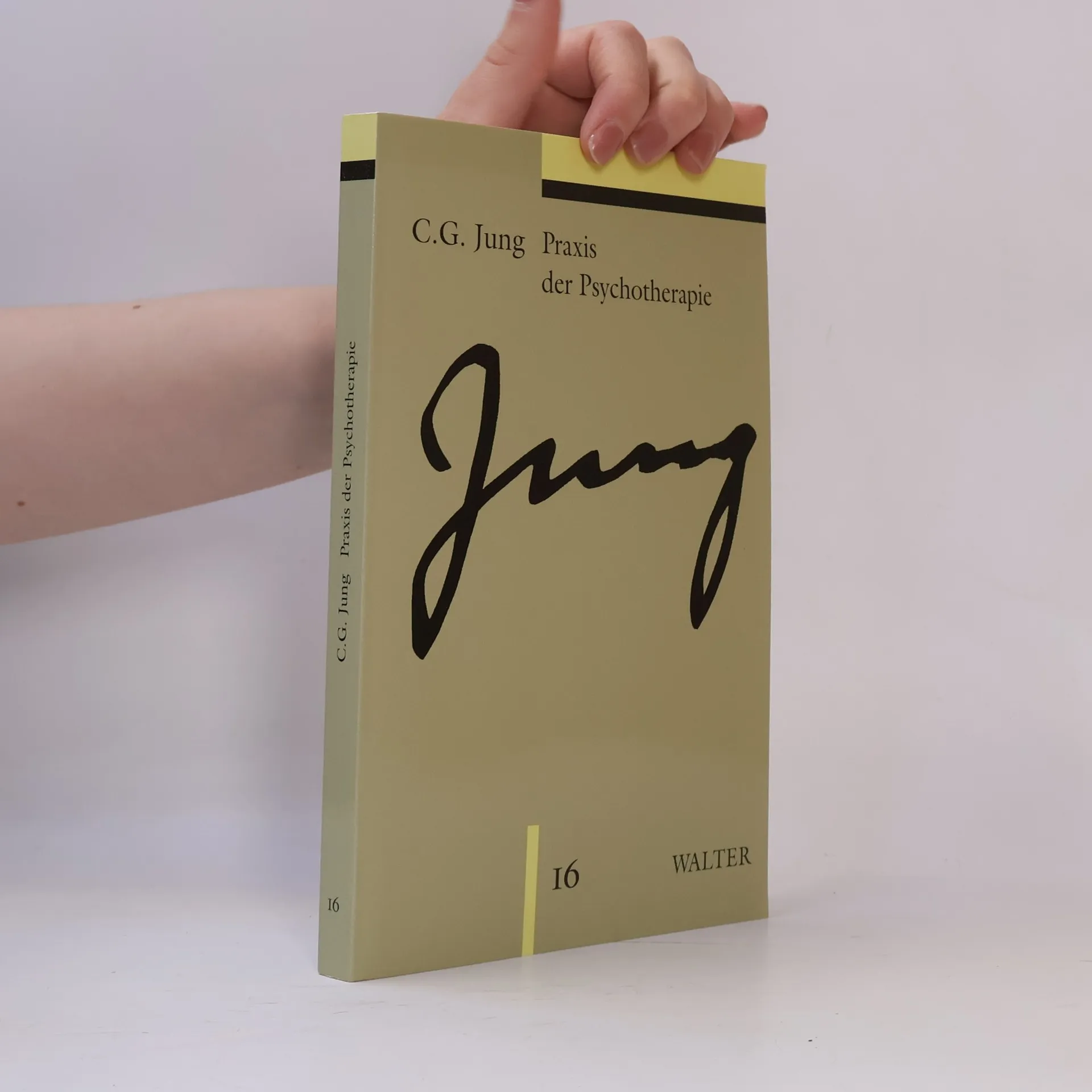
Beiträge zum Problem der Psychotherapie und zur Psychologie der Übertragung
Der Text enthält neben dem Aufsatz "Psychologie des Übertragungs" auch alle Arbeiten aus den Jahren 1939 bis 1950, die sich mit der Problematik der Psychotherapie befassen.
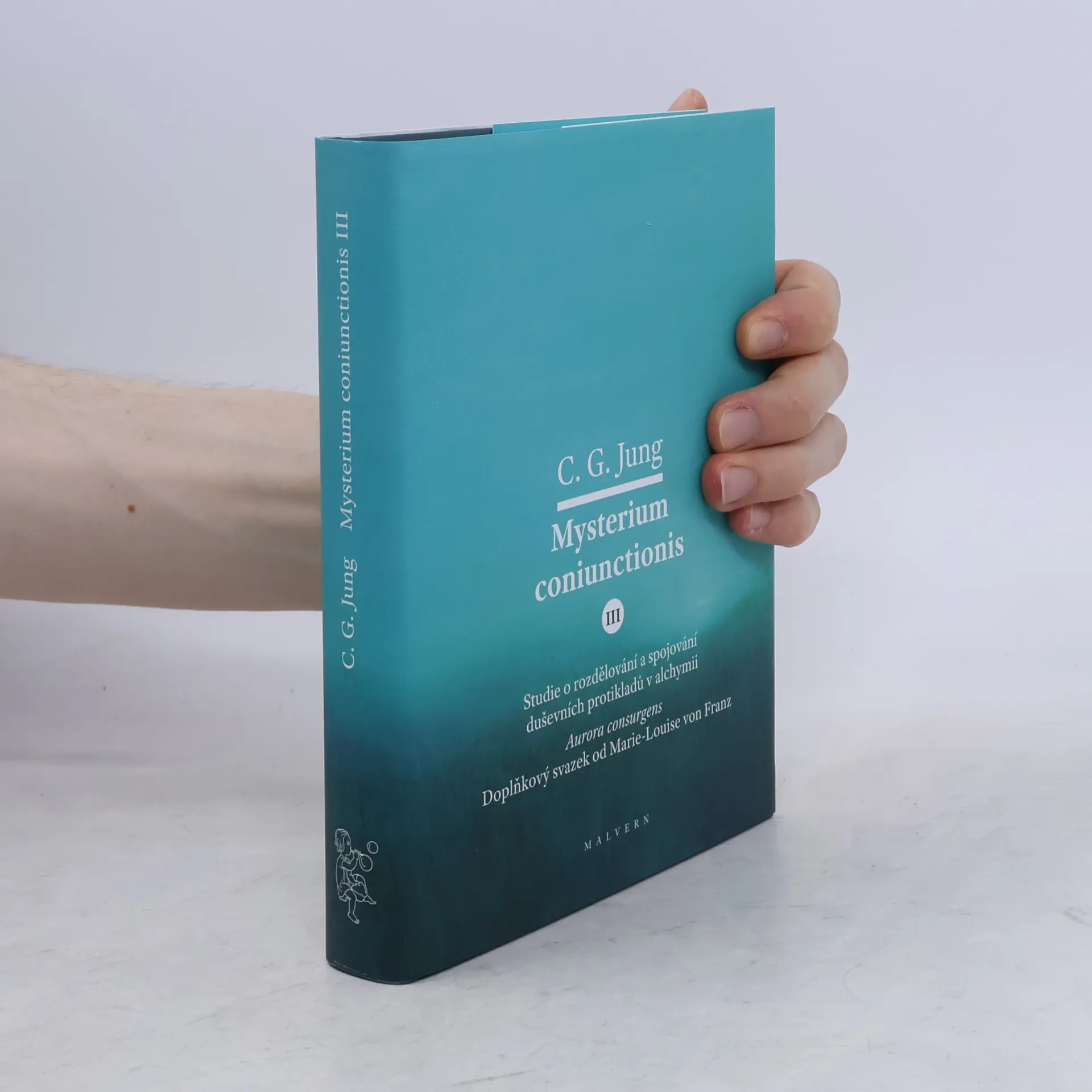
Marie-Louise von Franz (1915–1998), odbornice nejen v oblasti psychologie, ale i klasické filologie, se společně s Jungem od 30. let minulého století zabývala hlubinně psychologickým výkladem pohádek a alchymických spisů, pracovala jako psychoterapeutka a v r. 1956 se stala pedagožkou Institutu C. G. Junga v Küsnachtu u Curychu. Poté, co ji Jung seznámil s dílem Aurora consurgens (řazeného do křesťanské alchymie a její tradicí připisovaného Tomáši Akvinskému), připravila jej k novému vydání, přeložila a okomentovala, přičemž si po podrobné psychologické analýze textu v závěrečné studii položila také v badatelských kruzích hodně diskutovanou otázku ohledně jeho autorství. Třetí díl studie rozdělování a spojování duševních protikladů v alchymii tak charakterizuje hermeneutická práce přibližující současnému člověku symboliku, jejíž pomocí chtěl autor „popsat či zformulovat religiózní prožitek – nebo, psychologicky řečeno – bezprostřední zkušenost nevědomí“.
Ve druhé části svého velkolepého díla C. G. Jung pokračuje v líčení stěžejních alchymických symbolů (král a královna, Adam a Eva...) a odpovídajících stavů v duševní realitě člověka. Setkáváme se zde s konečnými procesy proměny a jednotlivými stupni konjunkce, které jdou ruku v ruce se sebepoznáváním, odhalováním projekcí a morální reintegrací. „Alchymie nám hojností svých symbolů umožňuje nahlédnout do úsilí lidského ducha, v němž můžeme vidět obdobu religiózního ritu, potažmo obdobu opus divinum. S tím rozdílem ovšem, že alchymickou „prací“ není činnost kolektivní, formální a přísně obsahově definovaná. Při veškeré podobnosti fundamentálních principů je to naopak individuální akce, v níž člověk, jedinec vkládá sebe celého na misku vah, aby dosáhl transcendentálního účelu: ustaveni jednoty. Je to dílo smíření zdánlivě neslučitelných protikladů. Charakteristické je, že protiklady se nechápou jen jako fyzické elementy v přirozeném nepřátelství, ale zároveň jako morální konflikt. Předmět snažení je pro alchymistu vně i v nitru, fyzicky i psychicky, takže se dílo prostírá prakticky na celou přírodu. Jeho cíl tkví v symbolu, který má empirický a zároveň transcendentální aspekt.“
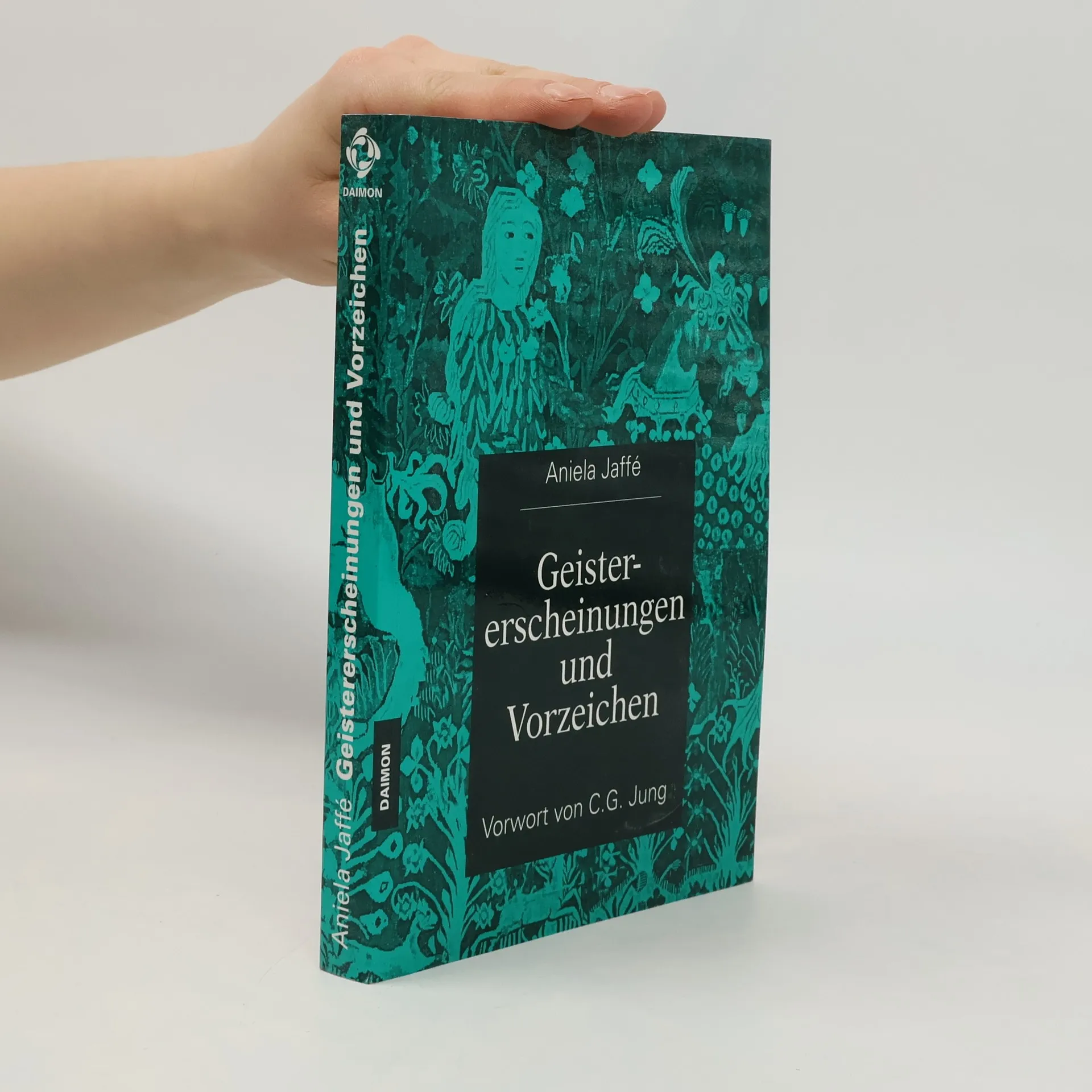
Das Buch greift ein Thema auf, das seit jeher die Menschen beschäftigt und in Atem gehalten hat. Die immer wiederholte, jedoch nie mit Eindeutigkeit beantwortete Frage, ob es sich bei Geistererscheinungen um Täuschungen oder um unabhängig vom Menschen existierende Realitäten handle, steht hier allerdings nicht im Zentrum der Untersuchung. Diese gilt vielmehr der Bearbeitung eines Problems, das bisher noch nicht gesehen oder behandelt worden ist: erstmals wird die Frage nach dem archetypischen Charakter der Phänomene gestellt, und auf Grund der Psychologie C. G. Jungs werden bedeutsame Zusammenhänge zwischen Geistererscheinungen und den urtümlichen Bildern des sogenannten „kollektiven Unbewußten“ aufgezeigt. Zum Vergleich der Erlebnisse moderner Menschen werden alte Sagen, die Erfahrungen der Mystiker sowie die Phantasien der Alchemisten beigezogen. Aniela Jaffé war Analytikerin in Zürich und langjährige Mitarbeiterin C. G. Jungs. Als Herausgeberin von „Erinnerungen, Träume, Gedanken von C. G. Jung“ ist sie einem großen Leserpublikum bekannt geworden. Sie hat mit ihren zahlreichen Publikationen maßgeblich dazu beigetragen, daß seine Psychologie einem breiteren Kreis näher gebracht wurde.
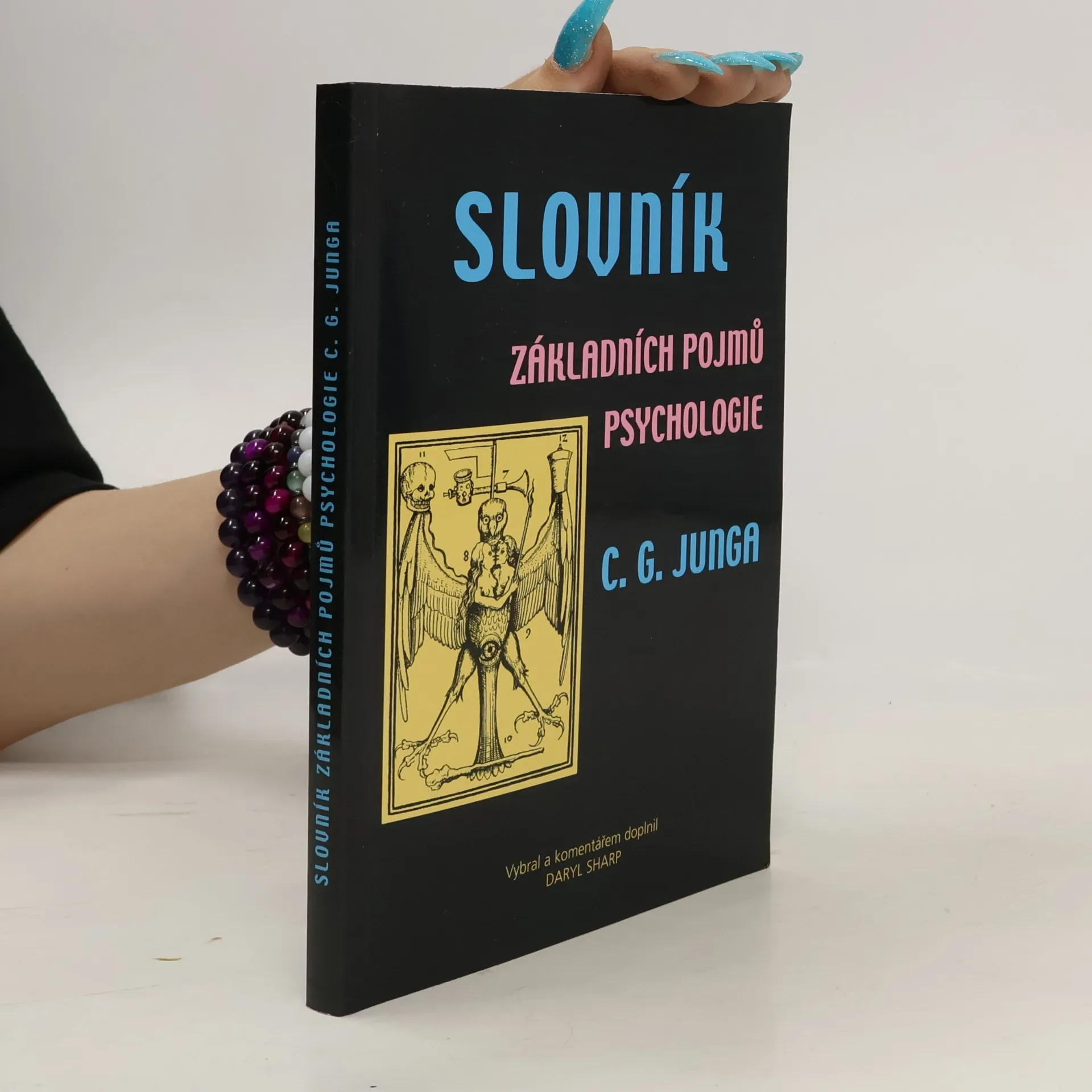
C. G. Jung zemřel v roce 1961, aniž svou psychologii stačil systematicky uspořádat. Snad i proto se jeho myšlenky v posledních čtyřiceti letech staly předmětem zájmu mnoha dalších badatelů, kteří je zkoumali, vysvětlovali a amplifikovali, a to s nejrůznějšími výsledky. Cílem knihy je seznámit čtenáře s bohatstvím Jungových originálních myšlenek, které nechce kritizovat ani obhajovat. Základ knihy tvoří citáty z Jungova díla, které jsou doplněny stručnými komentáři Daryla Sharpa. Kniha je koncipována tak, aby poskytla přehled Jungovy analytické psychologie a vysvětlila její základní pojmy a principy.
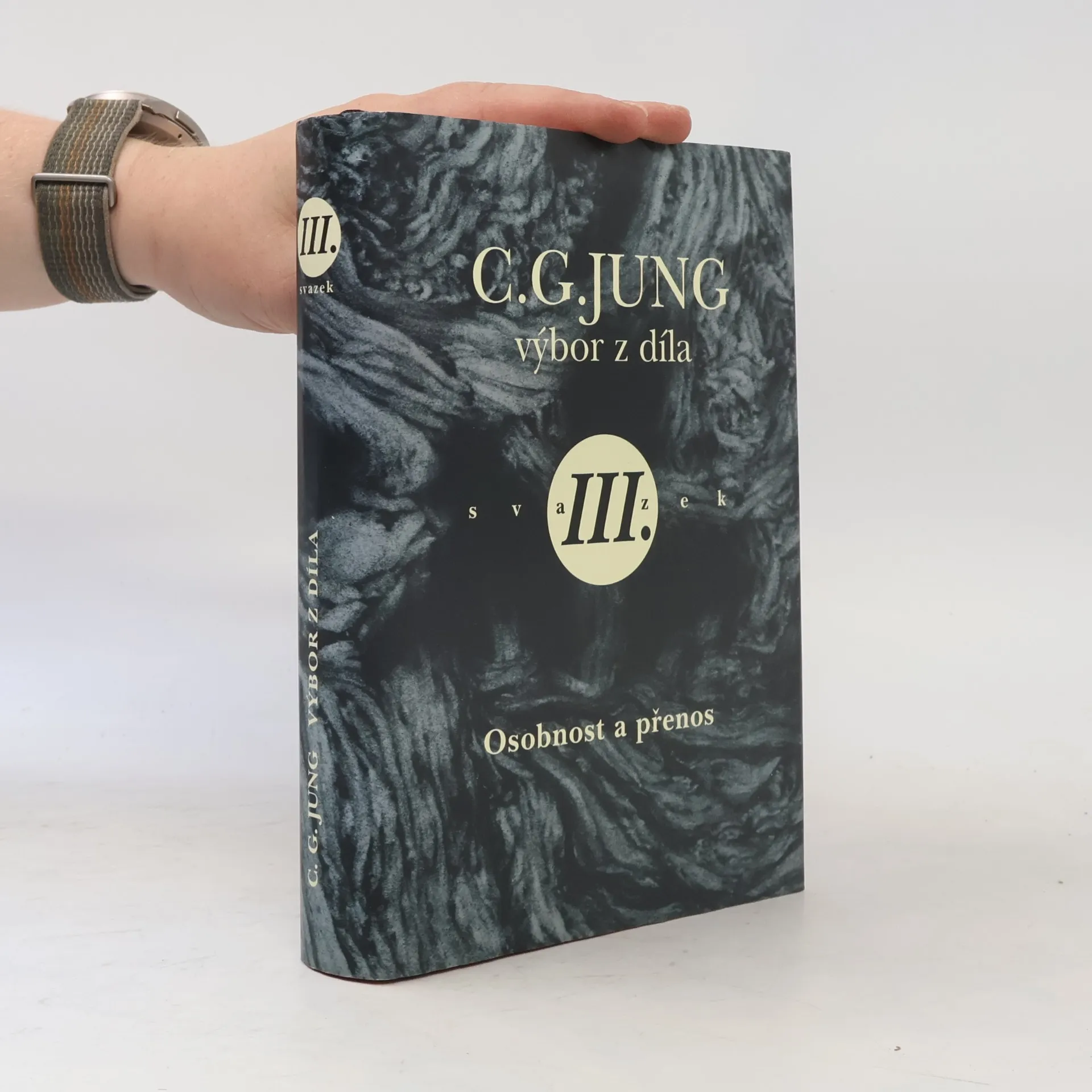
Dvě studie zakladatele analytické psychologie zkoumají vztah vědomí k nevědomým procesům a některé atributy "přenosu". První studie zkoumá vztah vědomí k nevědomým procesům. "Bytostné Já" zosobňuje permanentní konflikt mezi vnitřním a vnějším. Jedná se o životní cíl, který je utvářen vztahem mezi jednotlivcem a skupinou. V iracionálním jsoucnu bytostného Já dochází k naplnění "individuace". Individuované Já pojímá samo sebe jako objekt neznámého a nadřazeného subjektu. Tento vztah není vědecky dokazatelný, neboť trpí atributem nepoznatelnosti. "Psychologie přenosu" nepřibližuje podstatu přenosu, nýbrž zkoumá některé vlastnosti tohoto vztahu na základě interpretace alchymistické symboliky. Jung k odhalení přenosu afektivního zabarvení z jednoho prvku na jiný využívá ideový odkaz alchymie. Alchymie je tudíž odrazem nevědomých obsahů
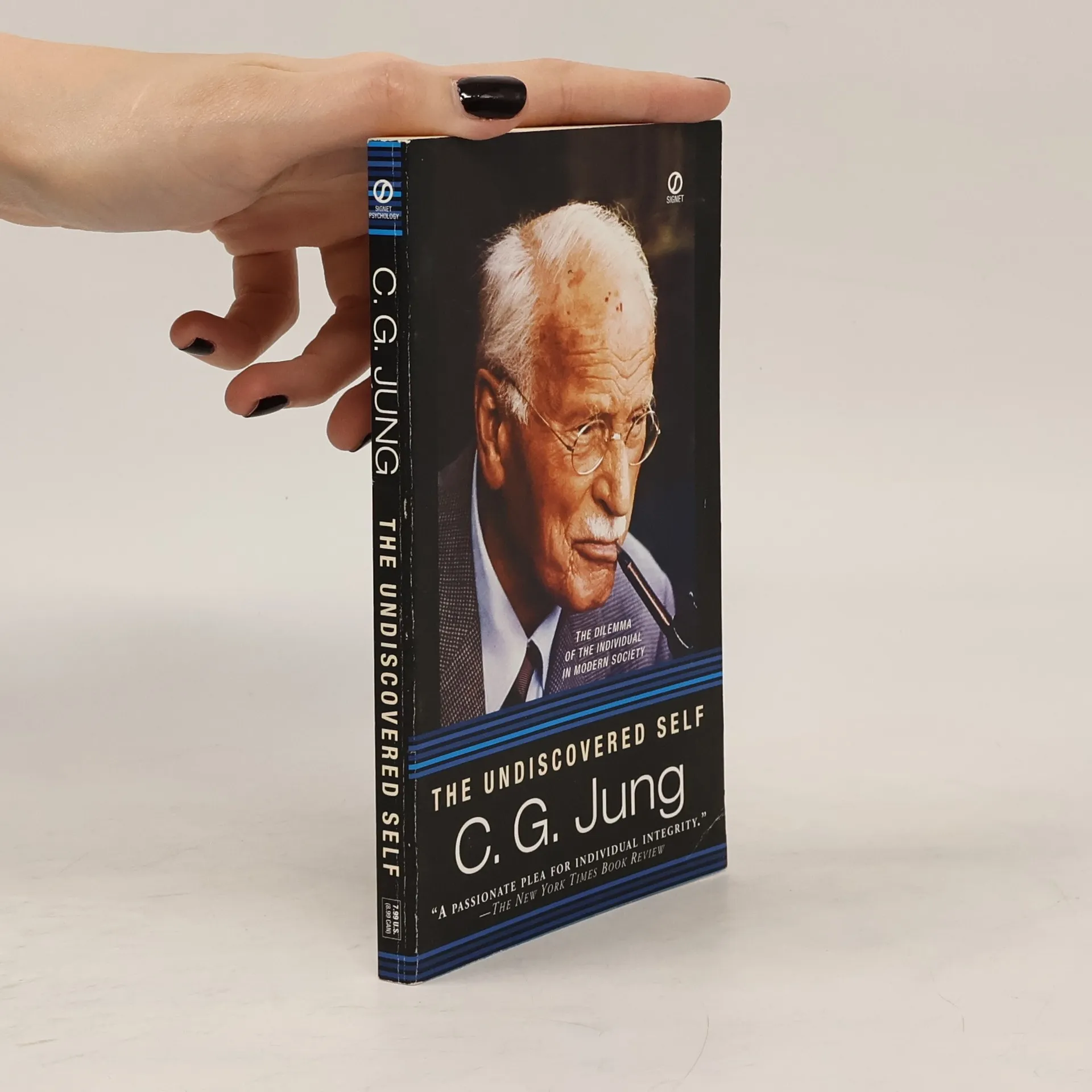
The Dilemma of the Individual in Modern Society
One of the world's greatest psychiatrists reveals how to embrace our own humanity and resist the pressures of an ever-changing world. In this challenging and provocative work, Dr. Carl Jung—one of history's greatest minds—argues that civilization's future depends on our ability as individuals to resist the collective forces of society. Only by gaining an awareness and understanding of one's unconscious mind and true, inner nature—"the undiscovered self"—can we as individuals acquire the self-knowledge that is antithetical to ideological fanaticism. But this requires that we face our fear of the duality of the human psyche—the existence of good and the capacity for evil in every individual. In this seminal book, Jung compellingly argues that only then can we begin to cope with the dangers posed by mass society—"the sum total of individuals"—and resist the potential threats posed by those in power.
Sedmý svazek výboru z díla psychologa Carla Gustava Junga.
In this, his most famous and influential work, Carl Jung made a dramatic break from the psychoanalytic tradition established by his mentor, Sigmund Freud. Rather than focusing on psychopathology and its symptoms, the Swiss psychiatrist studied dreams, mythology, and literature to define the universal patterns of the psyche.
Explores Jung's psychological concepts regarding the nature, function and importance of man's symbols as they appear on both the conscious and subconscious level
Analyzes the psychoanalytic significance of mandala paintings and symbolism
"In the spring of 1957, when he was eighty-one years old, C. G. Jung undertook the telling of his life story. At regular intervals he had conversations with his colleague and friend Aniela Jaffé, and collaborated with her in the preparation of the text based on these talks. On occasion, he was moved to write entire chapters of the book in his own hand, and he continued to work on the final stages of the manuscript until shortly before his death on June 6, 1961." --Amazon web site.
Carl Gustav Jung (1875–1961) a Wolfgang Ernst Pauli (1900–1958) jsou dvě významné postavy dvacátého století, jejichž spolupráce inspirovala řadu knih a studií. Výsledkem jejich paralelního a společného bádání je tato kniha z roku 1952, která se zaměřuje na propojení přírody a duše. Jungův příspěvek se věnuje konceptu synchronicity, kterou definuje jako časovou koincidenci dvou nebo více příčinně nespojených událostí s obdobným významem. Tímto tématem se zabýval od 30. let, přičemž jeho výzkum byl ovlivněn diskuzemi a korespondencí s Pauliem. Pauliho studie se zaměřuje na vliv archetypických představ na tvorbu přírodovědeckých teorií u Keplera, a zkoumá komplementaritu duše a přírody v jeho a Fluddově díle. V širším kontextu se zabývá spojením poznání s náboženským prožitkem prostřednictvím symbolů, které vyjadřují emoční stránku prožitku a jsou v živém vztahu s tehdejším souhrnem vědění. Pauli zdůrazňuje, že návrat k historickým obdobím, kdy byly vědecké pojmy cizí, může přinést důkaz o existenci symbolů, které mají jak náboženskou, tak přírodovědeckou funkci. Kniha je doplněna Pauliho esejí o vědě a myšlení západu.
Studie o rozdělování a spojování duševních protikladů v alchymii
V rámci rozsáhlé tvorby C. G. Junga je třísvazkové „Mysterium Coniunctionis“ klíčovým dílem jeho pozdních let. Alchymická tradice mu umožnila spojit osobní prožitky a vhledy z „sestupu do nevědomí“ s objektivními materiály a historickými kořeny evropského duchovního vývoje. Psychologie nevědomých procesů, i když mladá, odhalila důležité skutečnosti, jako je protikladnost struktury psyché, která je společná všem přirozeným procesům. Tyto energetické fenomény vycházejí z napětí protikladů, což má zásadní význam pro psychologii, neboť vědomí se často zdráhá uznat protikladnost svého pozadí, i když z ní čerpá energii. Psychologie teprve začíná chápat, že alchymická filosofie přírody se zabývá protiklady a jejich sjednocením, přičemž užívá symbolickou terminologii podobnou snům, které se často dotýkají protikladnosti. Vědomí usiluje o jasnost a rozhodnost, ale musí se neustále osvobozovat od opačných tendencí, které zůstávají v nevědomí. Alchymisté většinou netušili, že odhalují psychické struktury, neboť se domnívali, že vysvětlují látkové proměny. Tímto způsobem alchymie získává význam pro psychology, neboť odhaluje skryté procesy psyché, které by se člověk vědomě styděl přiznat.
Tiefgehende Gedanken von C. G. Jung. Denn das größte und dem Menschen am nächsten stehende Rätsel der Welt ist der Mensch selbst. C. G. Jung, bedeutender Psychologe und Psychoanalytiker, vermittelt in der heutigen Zeit eine Rückkehr zum religiösen Empfinden und zu einem wahrhaft erfüllten Leben durch das Verständnis der Seele und der psychischen Prozesse. Nur durch die Seele kann Heilung und eine Wende zum Besseren geschehen – sowohl für den Einzelnen als auch für die Menschheit. Eine Auswahl zentraler Texte dieses „großen spirituellen Heilers des 20. Jahrhunderts“ zeigt die Worte der Seele, die zur Heilung unseres Geistes aus der Tiefe wirken.
This unique text of esoteric Taoism provides insight into the secret religious traditions of ancient China while exploring the relationship between Western and Eastern traditions, as well as Jung's concept of the unconscious. The ancient esoteric text, influenced by Buddhism, Confucianism, and possibly Nestorian Christianity, includes practical instructions for meditation exercises that enable the practitioner to break free from worldly attachments, achieve health, and ultimately experience the "birth of the golden flower," symbolizing spiritual rebirth. C. G. Jung utilized the opportunity to comment on the text not only to write a study comparing the psychology and spiritual lives of Western and Eastern individuals, highlighting important practical implications of this comparison, but also to vividly articulate the foundations of his theory of the collective unconscious, for which the Chinese text provided valuable evidence.
Unique in drawing together in a single volume some of Jung's ideas on the masculine.
While Jung is known mainly for his theories on the nature of the unconscious mind, he did have an interest in the paranormal. In this essay, Jung applies his analytical skills to the UFO phenomenon. Rather than assuming that the modern prevalence of UFO sightings are due to extraterrestrial craft, Jung reserves judgment on their origin and connects UFOs with archetypal imagery, concluding that they have become a "living myth." This essay is intriguing in its methodology and implications as to the nature of UFOs and their relation to the human psyche.
Science of Mythology provides an account of the meaning and the purpose of mythic themes that is linked to modern life: the heroic battles between good and evil of yore are still played out, reflected in contemporary fears. schovat popis
Revidované vydání sedmého svazku "Výboru z díla C. G. Junga". Kniha obsahuje první část Jungovy významné práce "Symboly proměny". Kniha o proměnách psychické energie předznamenala vznik analytické psychologie.
C.G. Jung's self-experimentation in 1913 led to his "confrontation with the unconscious," documented in his notebooks known as The Black Books. These writings illuminate his personal cosmology and insights into his life and relationships, forming the foundation of analytical psychology. This edition features a profound essay by Sonu Shamdasani, along with translated and facsimile versions of the notebooks, providing an extraordinary glimpse into Jung's psyche and the development of his theories.
Five long essays that trace Jung's developing interest in alchemy from 1929 onward. An introduction and supplement to his major works on the subject, illustrated with 42 patients' drawings and paintings.
Nietzsche's infamous work Thus Spake Zarathustra is filled with a strange sense of religiosity that seems to run counter to the philosopher's usual polemics against religious faith. For some scholars, this book marks little but a mental decline in the great philosopher; for C. G. Jung, Zarathustra was an invaluable demonstration of the unconscious at work, one that illuminated both Nietzsche's psychology and spirituality and that of the modern world in general. The original two-volume edition of Jung's lively seminar on Nietzsche's Zarathustra has been an important source for specialists in depth psychology. This new abridged paperback edition allows interested readers to participate with Jung as he probes the underlying meaning of Nietzsche's great work.
Offers a complete revision of "Psychology of the Unconscious" (original, 1911-12).
Exploring the energic viewpoint in psychology, this work delves into the measurement of psychic energy and its implications for understanding human behavior. It examines key concepts like libido theory, extraversion, and introversion, while also addressing the relationship between analytical psychology and various aspects of life, including marriage, education, and the unconscious. Jung's insights into the psychological foundations of belief and the therapeutic value of emotional expression further enrich the discussion, making it a comprehensive study of psychological dynamics.
All the creative art psychotherapies (art, dance, music, drama, poetry) can trace their roots to C. G. Jung's early work on active imagination. Joan Chodorow here offers a collection of Jung's writings on active imagination, gathered together for the first time. Jung developed this concept between the years 1913 and 1916, following his break with Freud. During this time, he was disoriented and experienced intense inner turmoil --he suffered from lethargy and fears, and his moods threatened to overwhelm him. Jung searched for a method to heal himself from within, and finally decided to engage with the impulses and images of his unconscious. It was through the rediscovery of the symbolic play of his childhood that Jung was able to reconnect with his creative spirit. In a 1925 seminar and again in his memoirs, he tells the remarkable story of his experiments during this time that led to his self-healing. Jung learned to develop an ongoing relationship with his lively creative spirit through the power of imagination and fantasies. He termed this therapeutic method "active imagination."This method is based on the natural healing function of the imagination, and its many expressions. Chodorow clearly presents the texts, and sets them in the proper context. She also interweaves her discussion of Jung's writings and ideas with contributions from Jungian authors and artists.
Young Christiana Morgan recorded her vision quest experiences of inner archetypal encounters in words and paintings--which Carl Jung later used as the basis for seminar work in Zurich. First time available to the public, here are transcriptions of the seminar notes combined with color reproductions of Morgan's paintings, revealing archetypal parallels with western myth and eastern yoga. 41 color and 77 line illustrations. 10 photos. in two volumes.
Jung's writing is the key to understanding 20th century psychology, psychiatry and psychoanalysis. This collection of his writings clearly presents him in his own words and in precis.
Well-known for his articulation of the "shadow side" of human individuality and culture, C. G. Jung wrote a great deal about the question of evil throughout his life and in scattered places in his work. In this book his position is pieced together from many sources. In his early work on the unconscious, for instance, he considered the role of evil in the mental processes of the severely disturbed. Later, he viewed the question of moral choice within the framework of his ideas about archetypes and discussions about moral choices, conscience, and the continual ethical reflection that is necessary for all of us. The material here includes letters to Freud and Father Victor White and selections from his writings ranging from his Answer to Job to his travel piece on North Africa.
Alchemical symbolism eventually suggested to Jung that there was a process in the unconscious, one that had a goal beyond discharging tension and hiding pain. In this book, Nathan Schwartz-Salant, a leading Jungian analyst with an interest in alchemy, brings together a key selection of Jung's writings on the subject. These writings expose us to Jung's fascinating reflections on the symbols of alchemy - such as the three-headed Mercurial dragon, hermaphrodites, and lions devouring the sun - and brings us closer to the spirit of his approach to the unconscious, closer than his purely scientific concepts would allow.
First published in 1961. Routledge is an imprint of Taylor & Francis, an informa company.
At least three major questions can be asked of myth: what is its subject matter? what is its origin? and what is its function? Theories of myth may differ on the answers they give to any of these questions, but more basically they may also differ on which of the questions they ask. C. G. Jung's theory is one of the few that purports to answer fully all three questions. This volume collects and organizes the key passages on myth by Jung himself and by some of the most prominent Jungian writers after him: Erich Neumann, Marie-Louise von Franz, and James Hillman. The book synthesizes the discovery of myth as a way of thinking, where it becomes a therapeutic tool providing an entrance to the unconscious.In the first selections, Jung begins to differentiate his theory from Freud's by asserting that there are fantasies and dreams of an "impersonal" nature that cannot be reduced to experiences in a person's past. Jung then asserts that the similarities among myths are the result of the projection of the collective rather than the personal unconscious onto the external world. Finally, he comes to the conclusion that myth originates and functions to satisfy the psychological need for contact with the unconscious--not merely to announce the existence of the unconscious, but to let us experience it.
Notes of the Seminar Given in 1925
In 1925, while transcribing and painting in his Red Book, C. G. Jung presented a series of seminars in English in which he spoke for the first time in public about his early spiritualistic experiences, his encounter with Freud, the genesis of his psychology, and the self-experimentation he called his "confrontation with the unconscious," describing in detail a number of pivotal dreams and fantasies. He then presented an introductory overview of his ideas about psychological typology and the archetypes of the collective unconscious, illustrated with case material and discussions concerning contemporary art. He focused particularly on the contra-sexual elements of the personality, the anima and the animus, which he discussed with the participants through psychological analyses of popular novels, such as Rider Haggard's She. The notes from these seminars form the only reliable published autobiographical account by Jung and the clearest and most important account of the development of his work. This revised edition features additional annotations, information from the Red Book, and an introduction by Sonu Shamdasani, Philemon Professor of Jung History at University College London.
In this study, Jung provides a psychological approach to understanding medieval alchemy, the relationship between its processes, and the development of personality.
This comprehensive collection of writings by the epoch-shaping Swiss psychoanalyst was edited by Joseph Campbell, himself the most famous of Jung's American followers. It comprises Jung's pioneering studies of the structure of the psyche—including the works that introduced such notions as the collective unconscious, the Shadow, Anima and Animus—as well as inquries into the psychology of spirituality and creativity, and Jung's influential "On Synchronicity," a paper whose implications extend from the I Ching to quantum physics. Campbell's introduction completes this compact volume, placing Jung's astonishingly wide-ranging oeuvre within the context of his life and times.
In 1932, Wolfgang Pauli, a renowned physicist on the brink of winning the Nobel Prize, faced personal turmoil following his mother's suicide and a troubled marriage. His heavy drinking and public quarrels were compounded by unsettling dreams, prompting him to seek help from C. G. Jung, with whom he established a regular meeting. This led to a remarkable intellectual partnership that bridged physics and psychology, documented in eighty letters exchanged over twenty-six years. Although Jung never formally analyzed Pauli, he interpreted over 400 of his dreams, contributing to his later works, including "Psychology and Alchemy" and "The Analysis of Dreams." Their discussions explored the connections between dreams and reality, revealing unexpected parallels between depth psychology and quantum physics. Their collaboration culminated in the joint publication of Jung's treatise on synchronicity and Pauli's essay on archetypal ideas in Kepler's writings. This correspondence not only refined their understanding of synchronicity—a term Jung had proposed—but also influenced the development of Jungian psychology through insights from physics. This portrait of their extraordinary friendship appeals to historians of science and those interested in human creativity, showcasing the profound impact of their meeting of great minds.
The Practice of Psychotherapy brings together Jung's essays on general questions of analytic therapy and dream analysis. It also contains his profoundly interesting parallel between the transference phenomena and alchemical processes.
C. G. Jung had a lifelong interest in the paranormal that culminated in his influential theory of synchronicity. Combining extracts taken from the Collected Works; letters; the autobiographical Memories, Dreams, Reflections; and transcripts of seminars, Jung on Synchronicity and the Paranormal sets out clearly his seminal contribution to our understanding of this controversial area.In his introduction, Roderick Main discusses Jung's encounters with and observations of the paranormal, the influences that contributed to his theory of synchronicity, and the central ideas of the theory itself. The selections include Jung's writings on mediumistic trance phenomena, spirits and hauntings, anomalous events in the development and practice of analytical psychology, and the divinatory techniques of astrology and the I Ching. The book also features Jung's most lucid account of his theory in the form of his short essay "On Synchronicity," and a number of Jung's less-known writings on parapsychology, his astrological experiment, and the relationship between mind and body.Jung on Synchronicity and the Paranormal addresses subjects that were fundamental to Jung's personal and professional development. Probing deeply into the theory of synchronicity, Roderick Main clarifies issues that have long been a source of confusion to Jung's readers.



![Symbol a libido : (Symboly proměny I). [Svazek VII.]](https://rezised-images.knhbt.cz/1920x1920/85929590.webp)