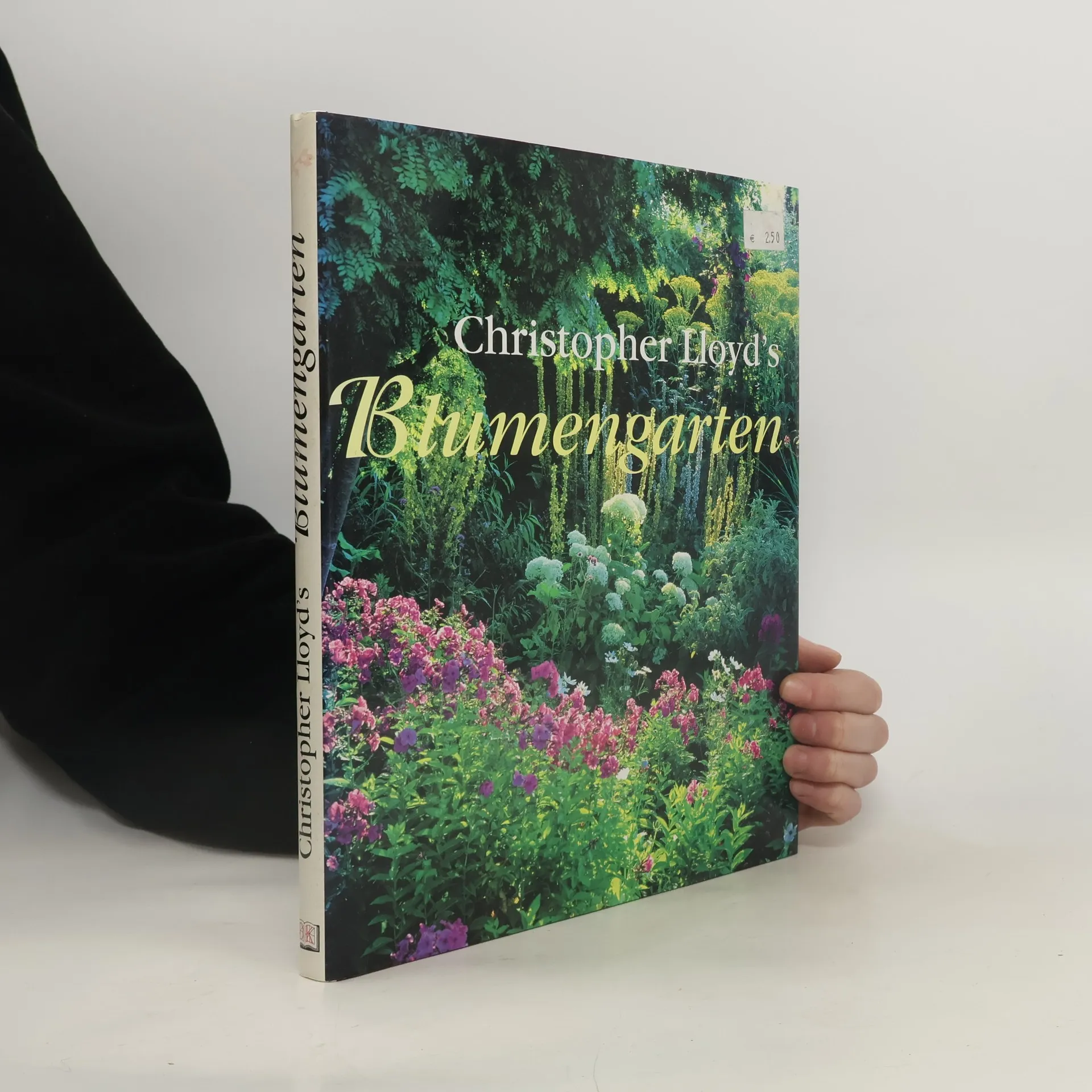
Kvetinová záhrada
- 159 stránok
- 6 hodin čítania
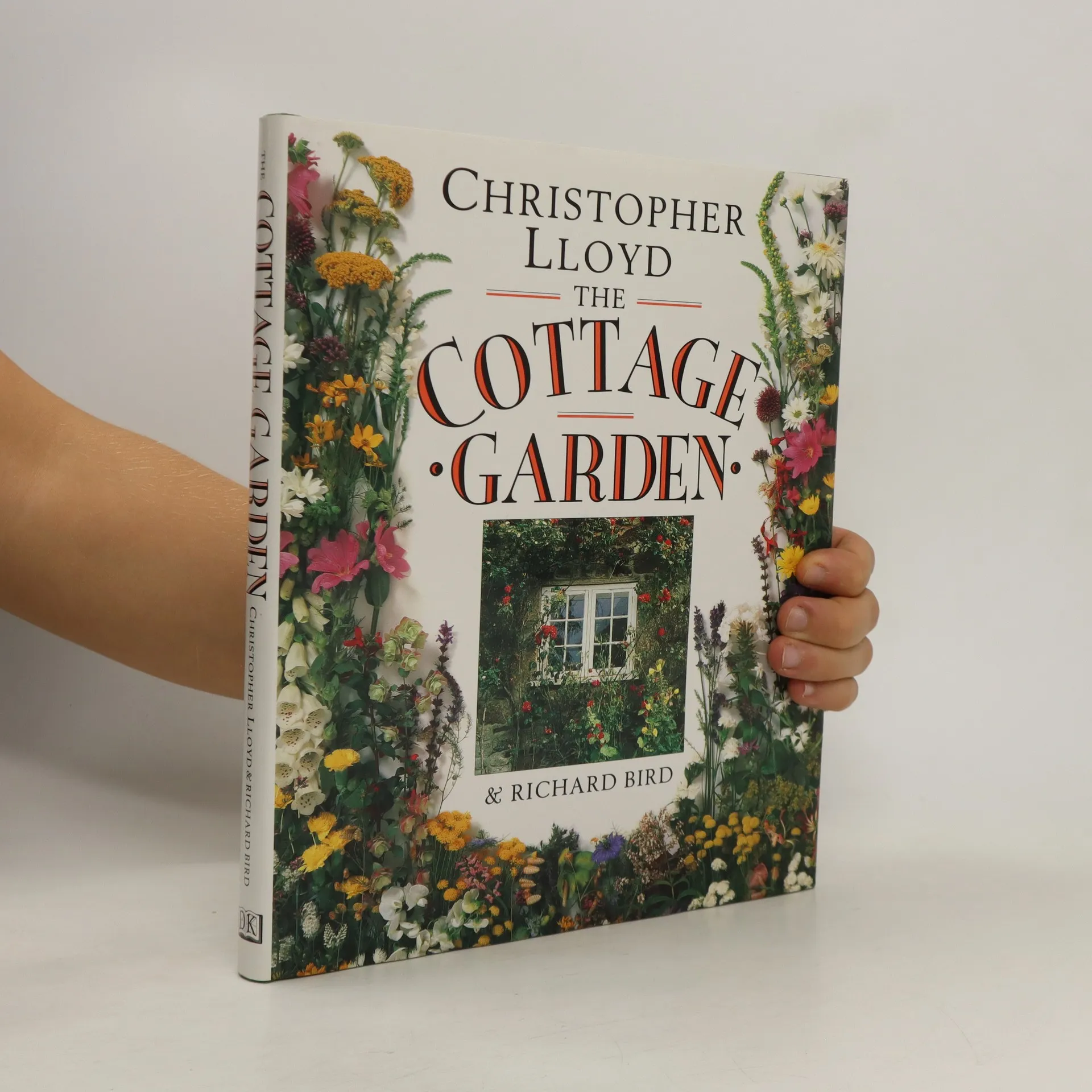
Kvetinová záhrada - podnetné rady pre pestovanie rastlín s okrasnými kvetmi a listami.


Christopher Lloyd je britský historik umenia, ktorý sa zameriava na umenie rannej Talianska. Jeho rozsiahle skúsenosti zahŕňajú pôsobenie v Ashmolean Museum v Oxforde a na Harvardovej univerzite. Svojou prácou prispieva k hlbšiemu pochopeniu a interpretácii umeleckých diel.


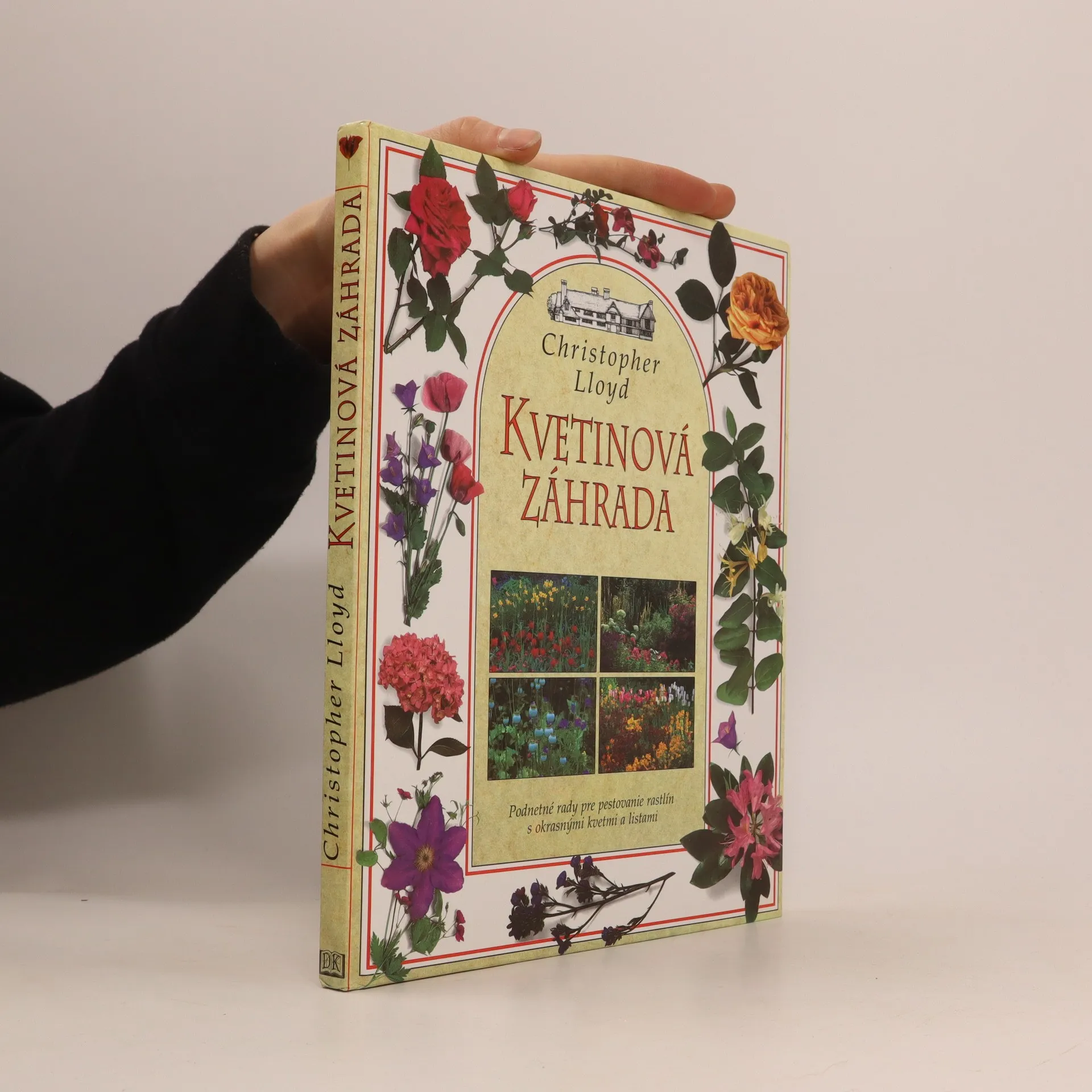
Kvetinová záhrada - podnetné rady pre pestovanie rastlín s okrasnými kvetmi a listami.
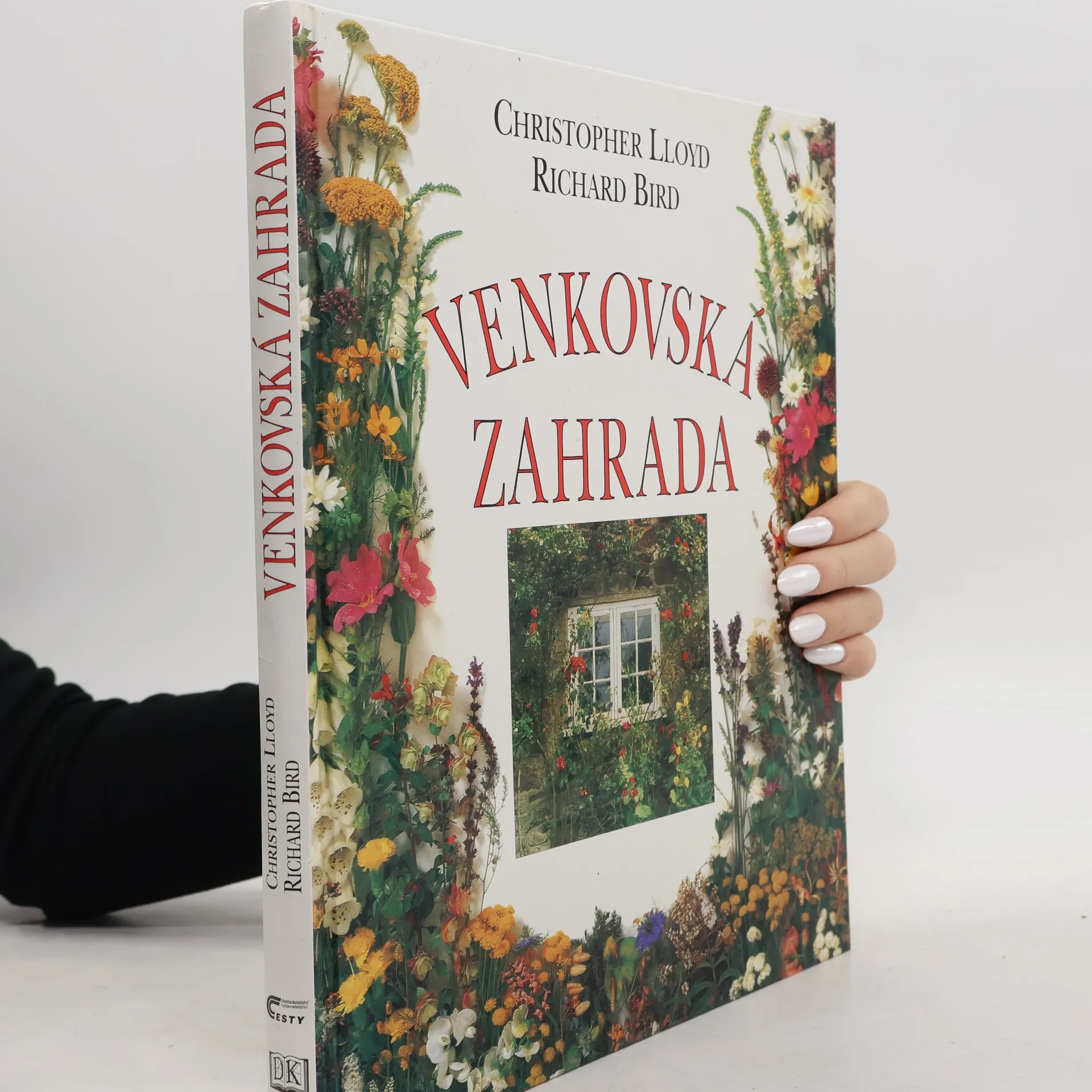
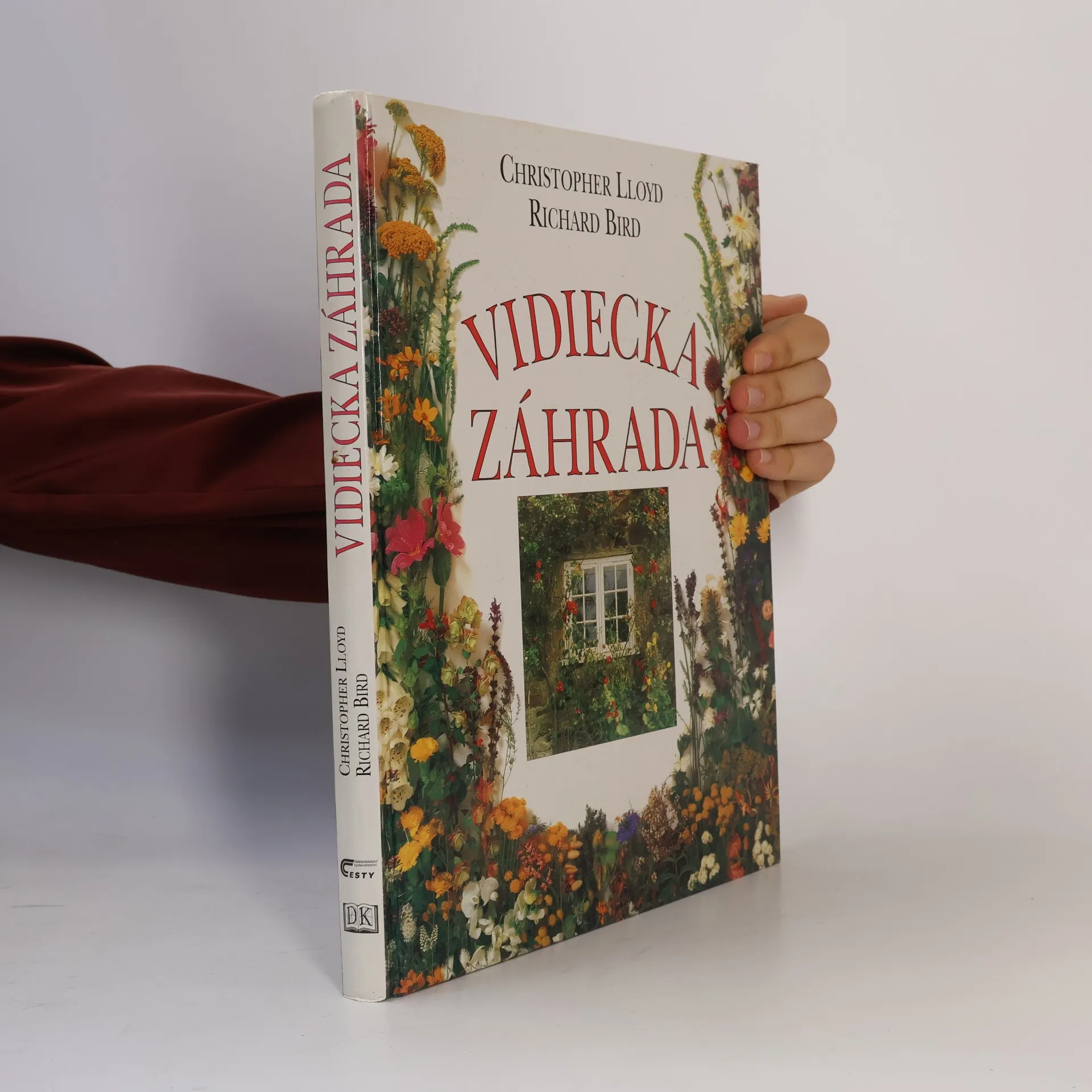
Velmi hezky a profesionálně udělaná kniha v šesti kapitolách seznamuje čtenáře s venkovskými zahradami, jejich historií a tradicemi, rostlinami, včetně ovoce a zeleniny, jednotlivými prvky venkovské zahrady, jejím naplánováním, vytvořením a udržováním a zpracováním úrody, zakončená latisko-českým rejstříkem. Bohatý výtvarný doprovod s barevnými fotografiemi Jacqui Hursta.
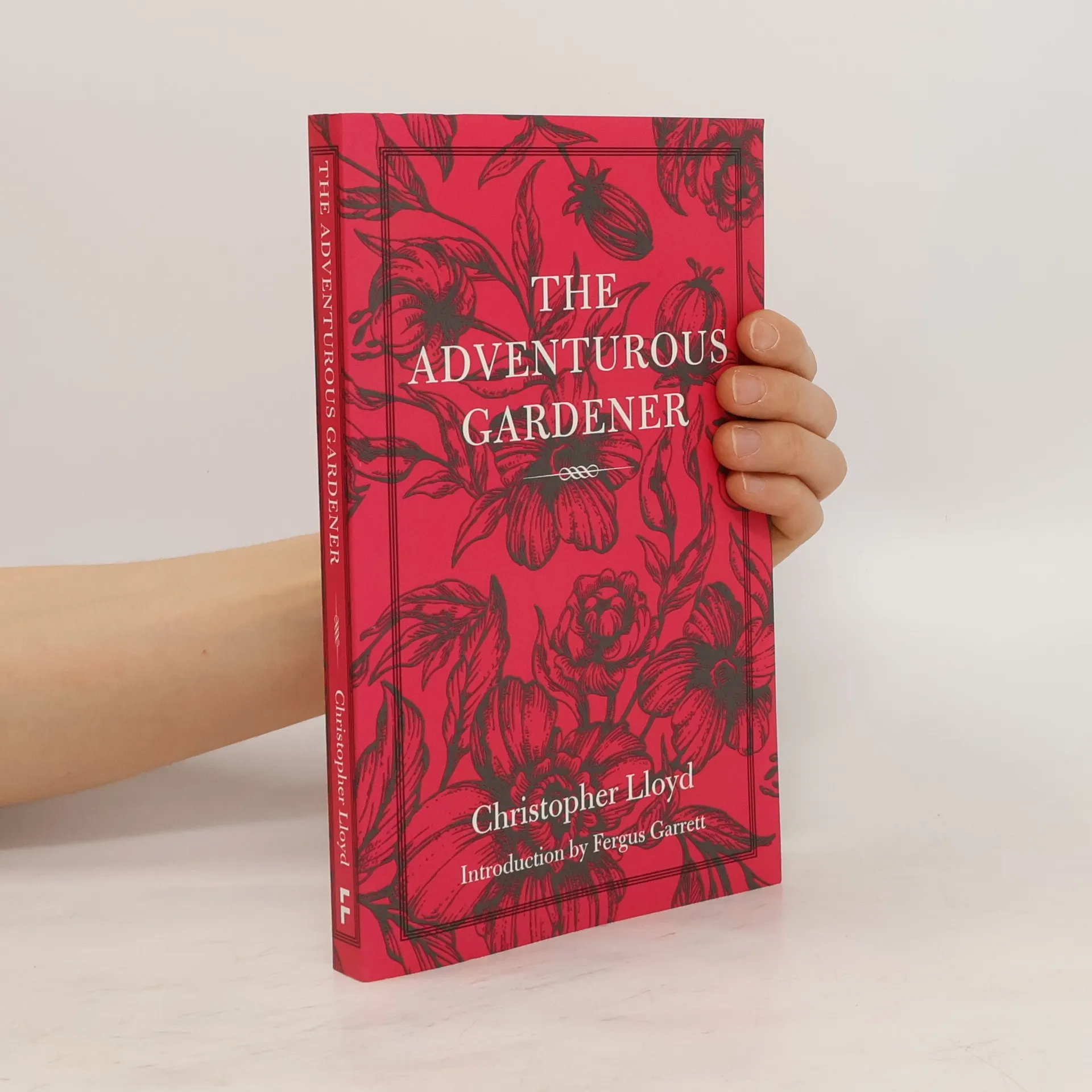
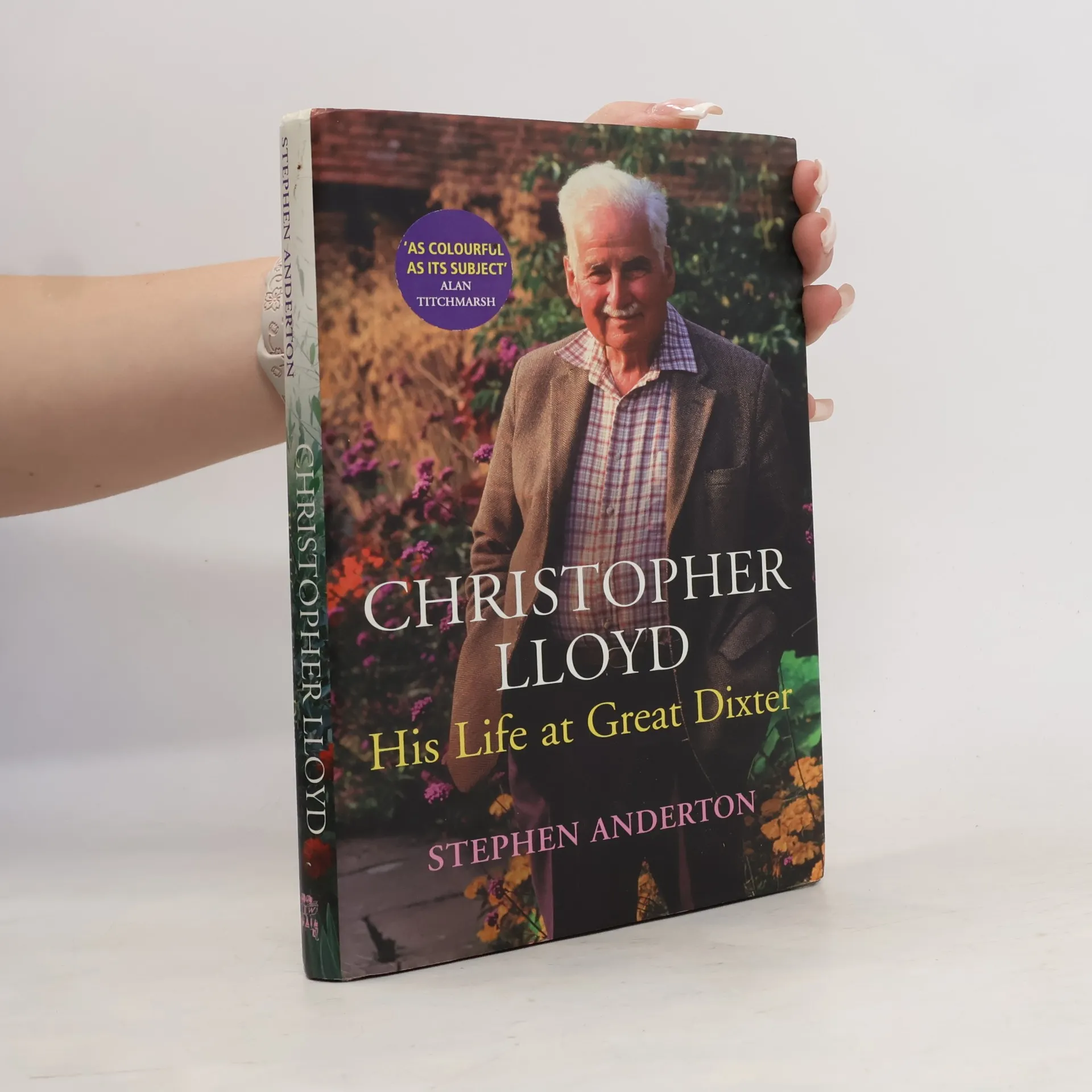
Following the success of Colour for Adventurous Gardeners, the most adventurous gardener of all time is back to reveal how he plans, creates and maintains his celebrated borders.
Christopher Lloyd has been writing a weekly column in Country Life since 1963. His prose is exciting; his knowledge is vast; his ideas are provocative, and what is the true test of a writer who has transcended his medium, he makes you laugh out loud. This book intends to capture the essence of Christopher Lloyd and of his garden at Great Dixter.
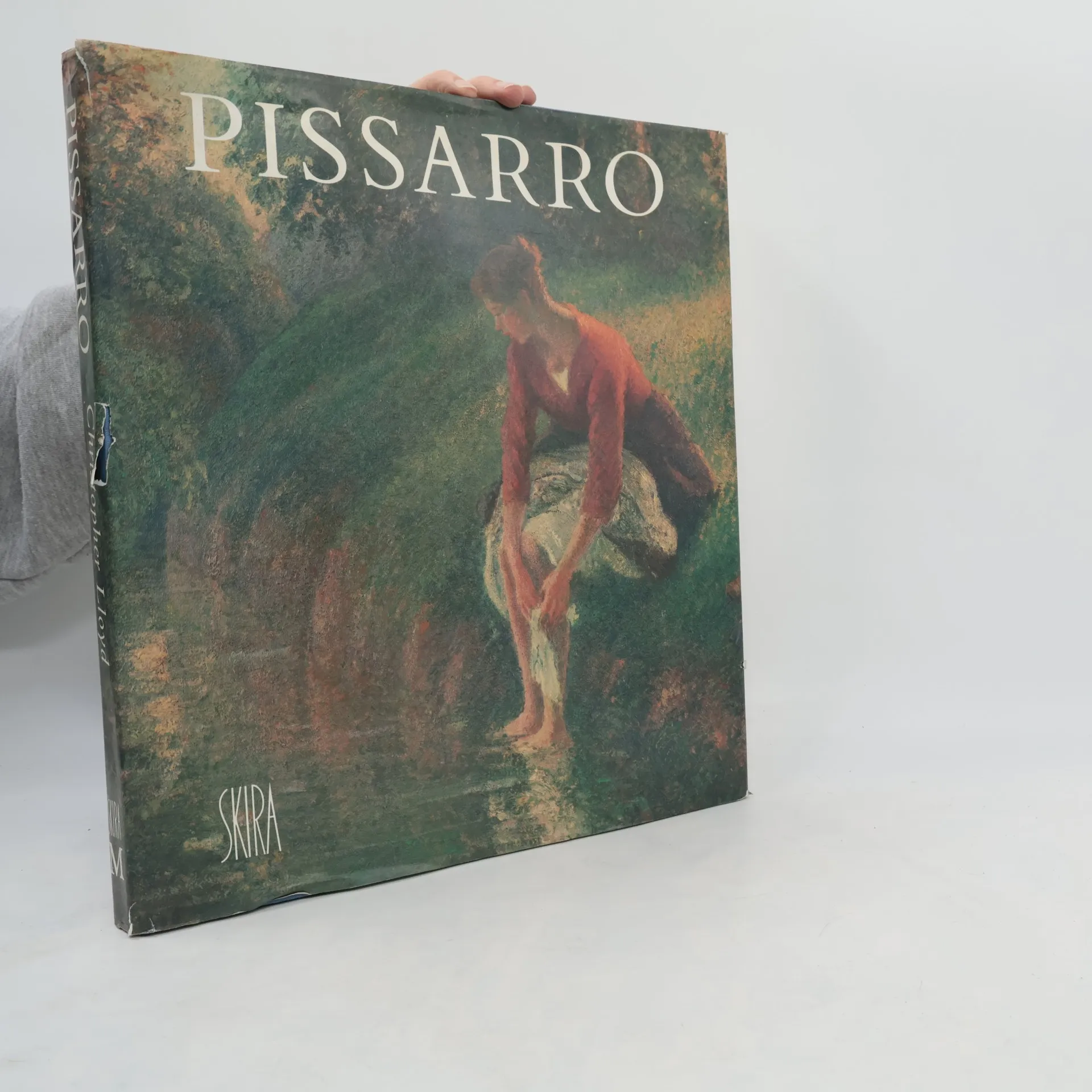
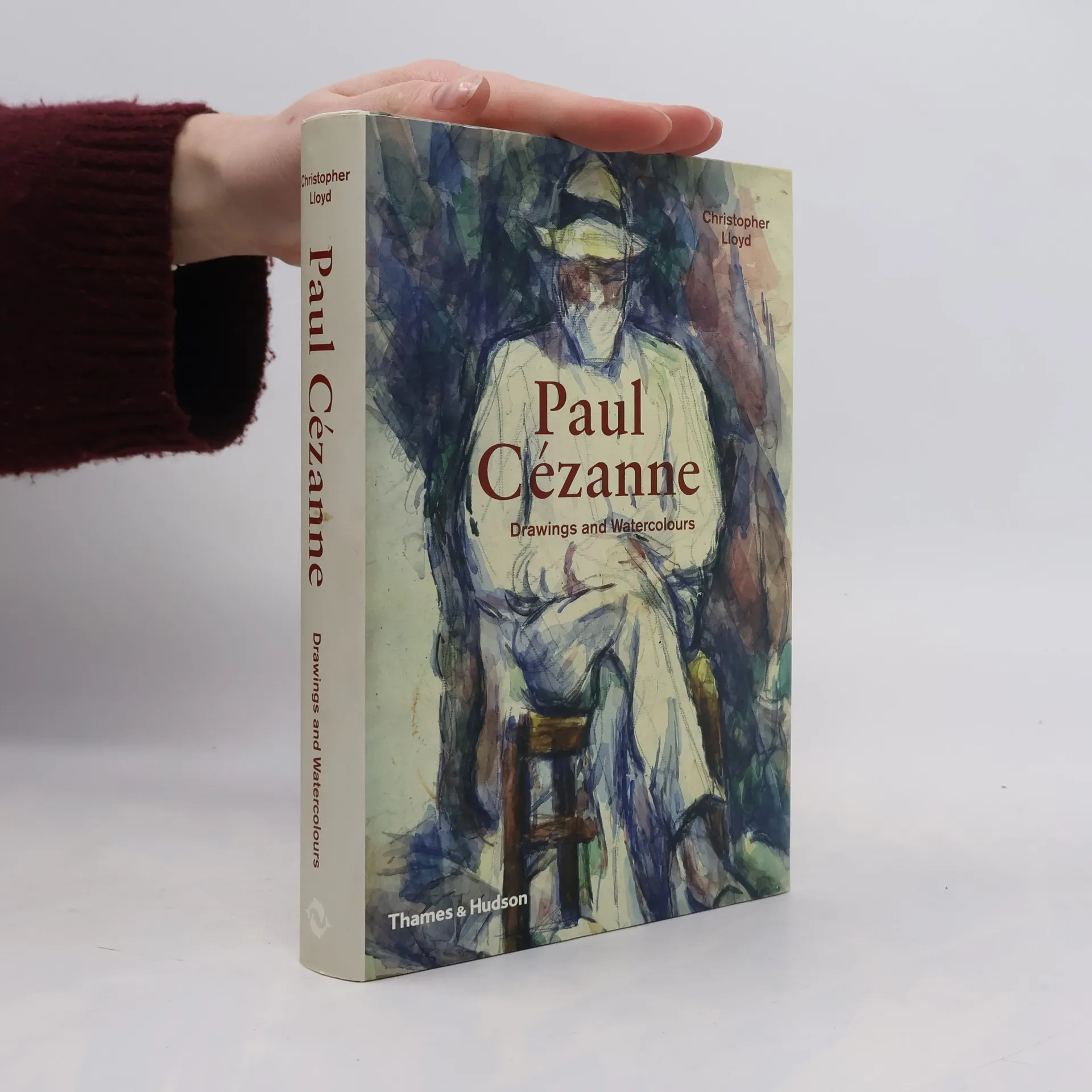
Drawing was central to Cézanne's indefatigable search for solutions to the problems posed by the depiction of reality. Many of his watercolours are equal to his paintings, and he himself made no real distinction between painting and drawing. This book's six chapters are arranged thematically covering the whole range of Cézanne's oeuvre: works after the Old Masters such as Michelangelo and Rubens; his period as one of the Impressionists; his exploration of both portraiture and the human figure, including the magnificent bathers; his interaction with landscape, particularly in his native Provence and the dominating form of Mont Sainte-Victoire; and finally the magisterial still lifes. In the Introduction, as well as throughout the book, Lloyd sets the drawings and watercolours in the context of Cézanne's life and overall artistic development. The result is a greater understanding of the process that led to some of the most absorbing art ever produced.
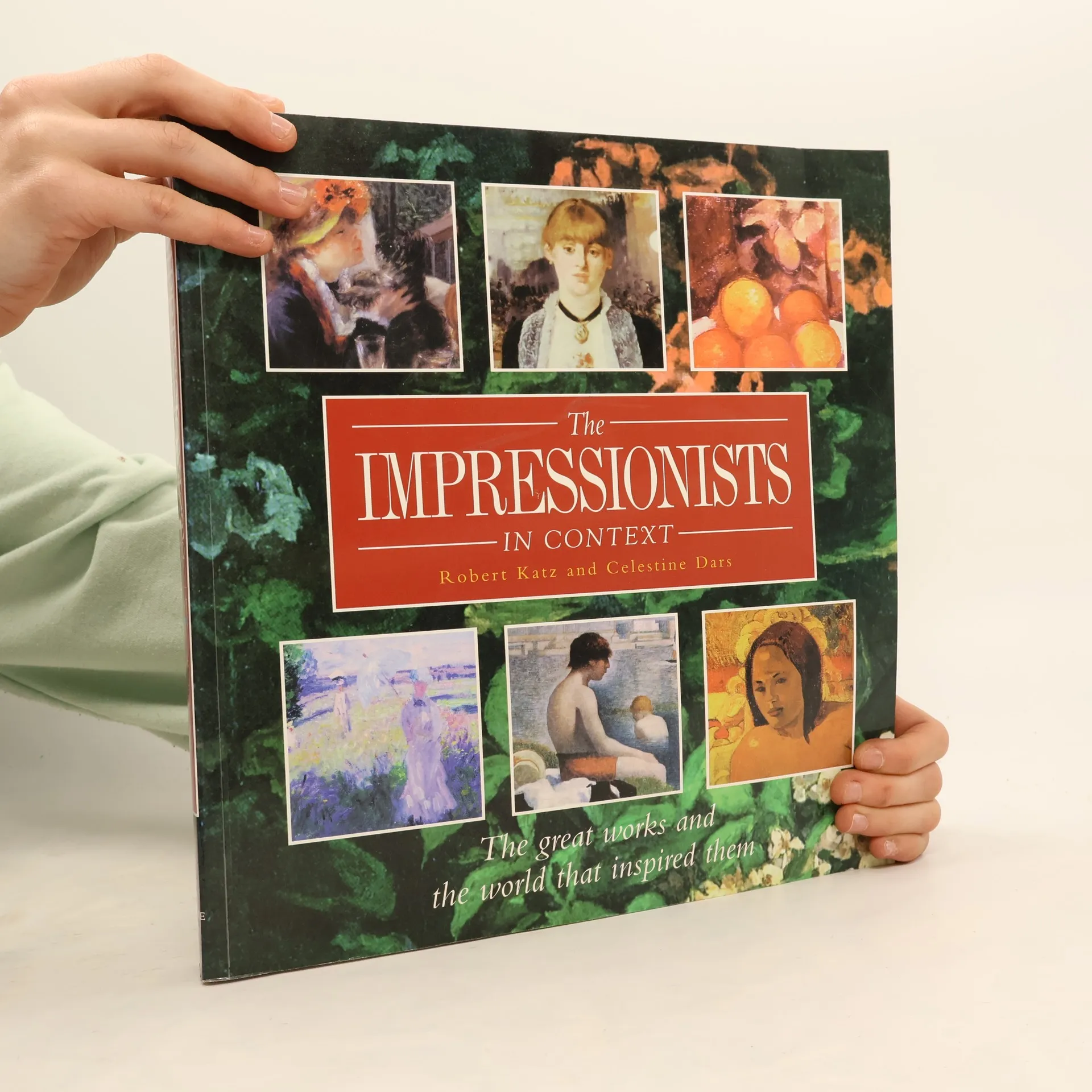
Studies the Impressionist painters and their environment, including Pissarro, Manet, Degas, Monet, Renoir, Mary Cassatt, and others.
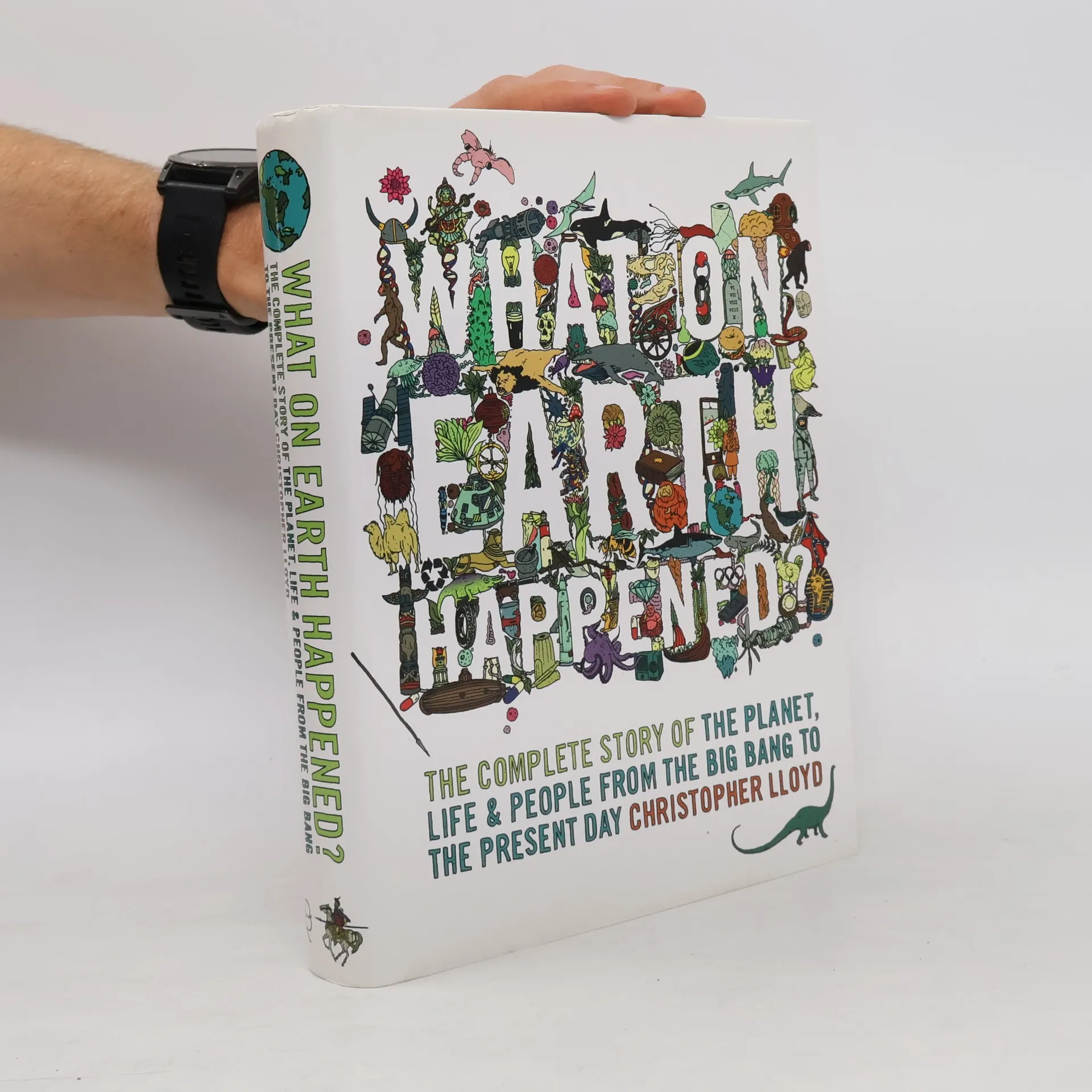
The Complete Story of the Planet, Life and People from the Big Bang to the Present Day
A gorgeously illustrated and wholly comprehensive timeline of the earth's entire history that explains how everything is interconnected. As comprehensive as the subtitle suggests, What on Earth Happened is a primer for Planet Earth, a giant narrative leap across time and space, one seismic change at a time. Combining the history of earth science and the history of human civilization, What on Earth Happened covers how the earth was formed, how life began, the way the ecosystem works, how species evolved, the rise of man, migration, the development of tools, language, agriculture, art, transportation, architecture, cities, religion, government, global conflicts, and medicine. In short, it shows how everything—from the mountains and flowers and the birds and the bees to the Iraq war and the oil under the Arctic—is all wonderfully, complexly interconnected. Entertaining and accessible—and gorgeously illustrated with specially commissioned graphs, charts and maps— What on Earth Happened connects the dots of the past to tell a coherent, comprehensive, and compelling story about our very own third rock from the sun.
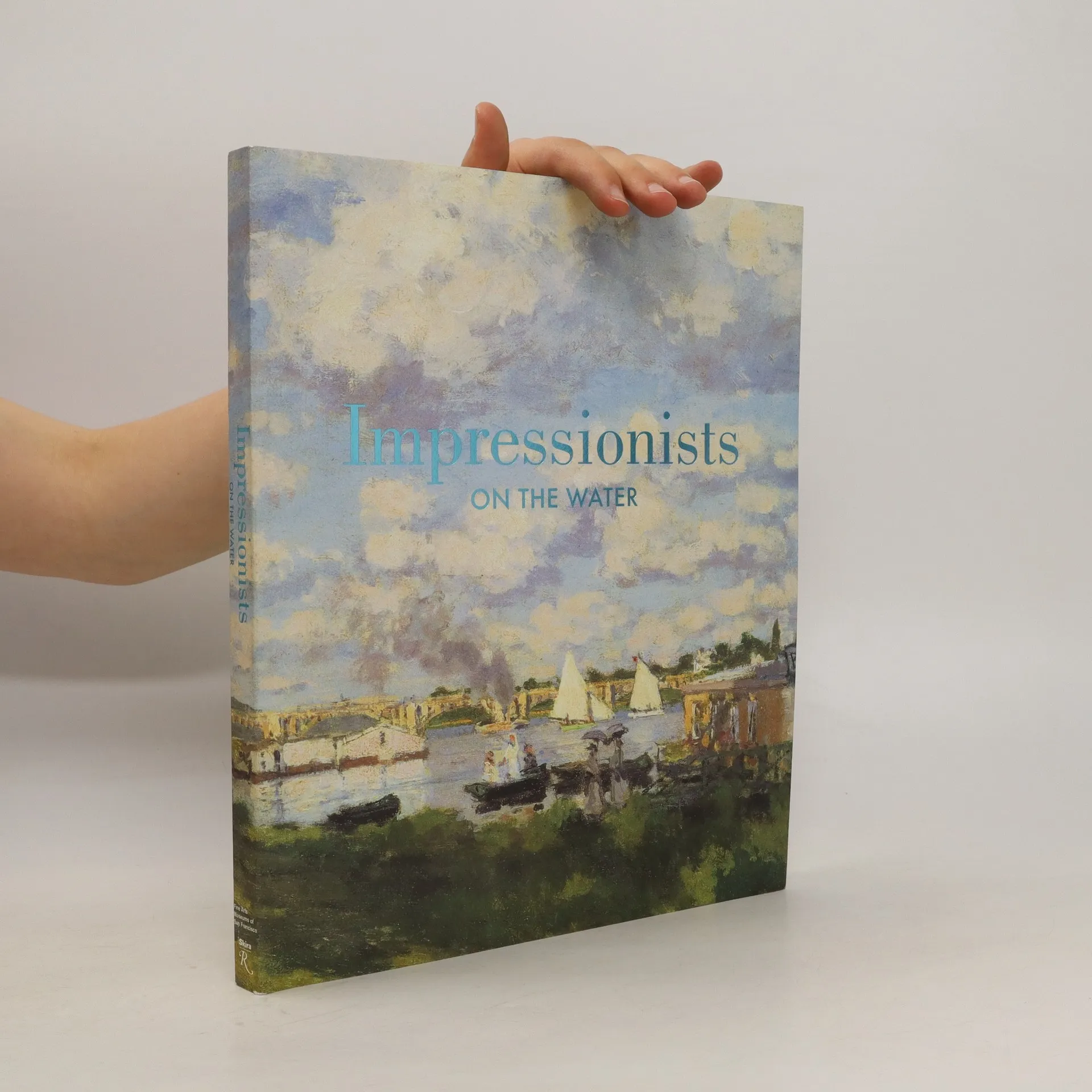
This unprecedented new volume celebrates the Impressionist themes of water and boats, featuring works by renowned artists like Manet, Monet, Renoir, and Seurat. Plein-air painting enabled these artists to capture a vibrant outdoor world with immediacy, with water and nautical scenes providing rich inspiration, as many were sailors themselves. Coinciding with a major exhibition by the Fine Arts Museums of San Francisco, the book traces the history of light-infused water scenes within the social context of the late nineteenth century. It offers an expansive exploration of water and boating themes, examining changing depictions from pre-Impressionism (Corot, Daubigny) through Impressionism (Manet, Monet, Pissarro, Renoir, Caillebotte) to neo- and post-Impressionism (Cezanne, Seurat, Signac). Connections to contemporary life, including the literature of Zola and Maupassant and the rise of leisure boating at yacht clubs, highlight the social and cultural implications of these nautical themes. This beautifully designed book will enhance the libraries of water enthusiasts and appeal to scholars and admirers of this beloved art period.
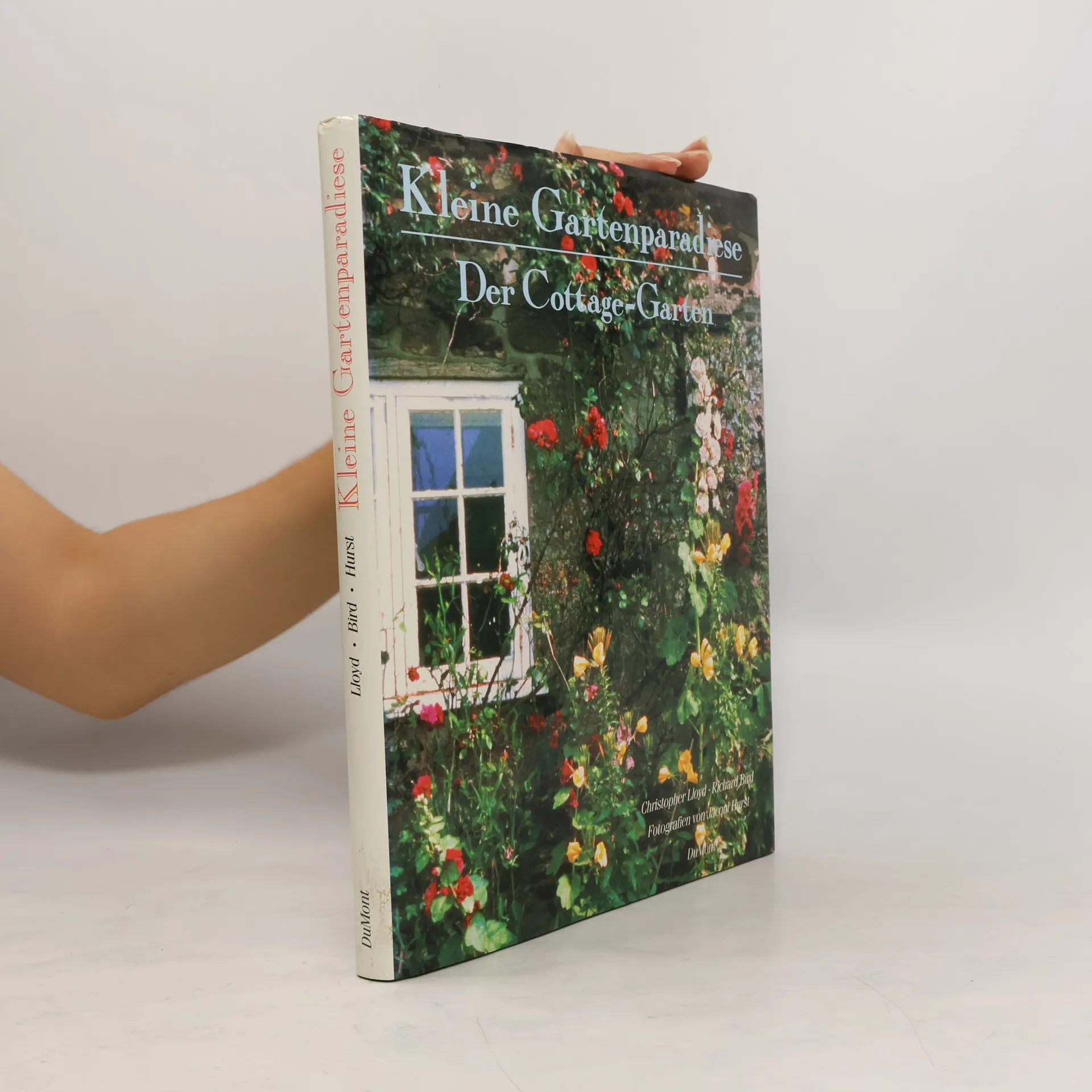
Whatever the size and situation of your yard, you can learn how to create and cultivate an idyllic cottage garden, one of the best-loved and most enduring gardening styles. Tracing the development of the cottage garden from the humble vegetable patch to the lush flower garden, Christopher Lloyd and Richard Bird analyze what defines a cottage garden - a working garden that is as productive as it is charming. Full-color plans show how to utilize and organize the space available, whether creating a decorative flower garden with pinks and delphiniums, or a full working garden with fruits, rotation crops, and livestock. Easy-to-follow advice explains how structural features such as paths, fences, arbors and ponds are best combined with flowers, vegetables, hedges and trees.
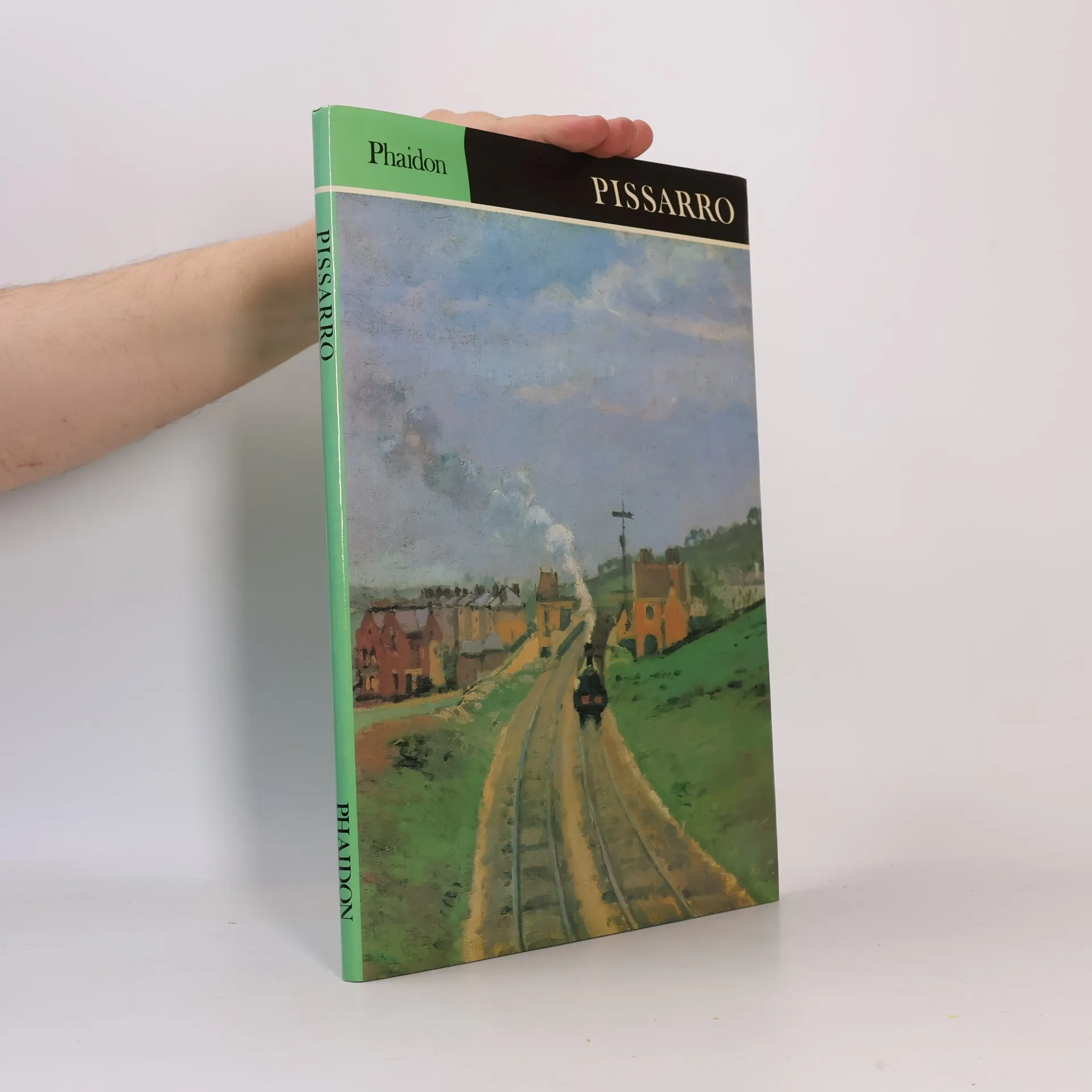
This series acts as an introduction to key artists and movements in art history. Each title contains 48 full-page colour plates, accompanied by extensive notes, and numerous comparative illustrations in colour or black and white, a concise introduction, select bibliography and detailed source information for the images. Monographs on individual artists also feature a brief chronology.
Focusing on the golden age of British sea power, this book explores significant events following Nelson's death, including the defeat of Napoleon, the American War, and the rise of the steamship. It captures heroic episodes while examining the Navy's vital role in both wartime and peacetime, emphasizing its relationship with the nation during a transformative period of imperial expansion and the emergence of new threats.
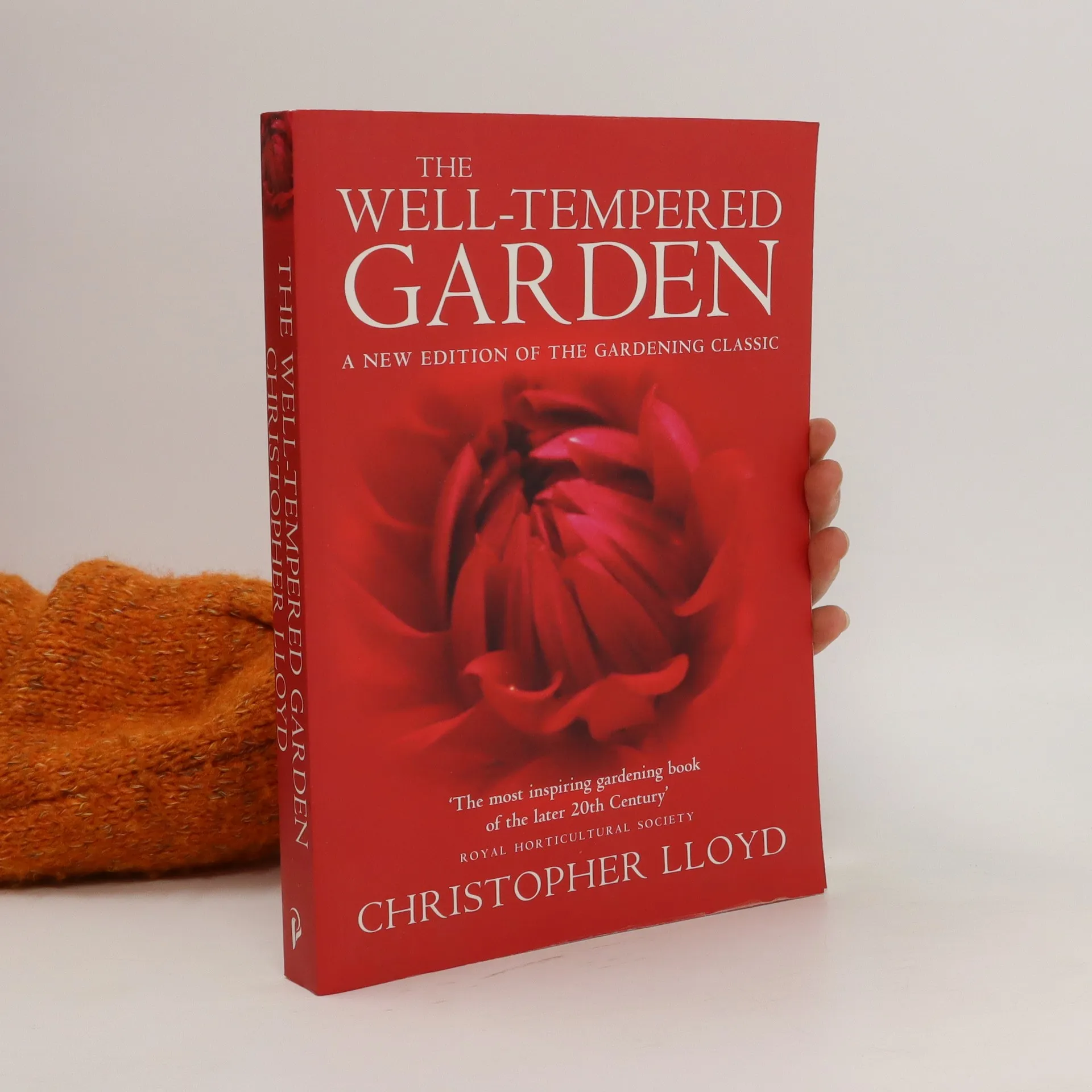
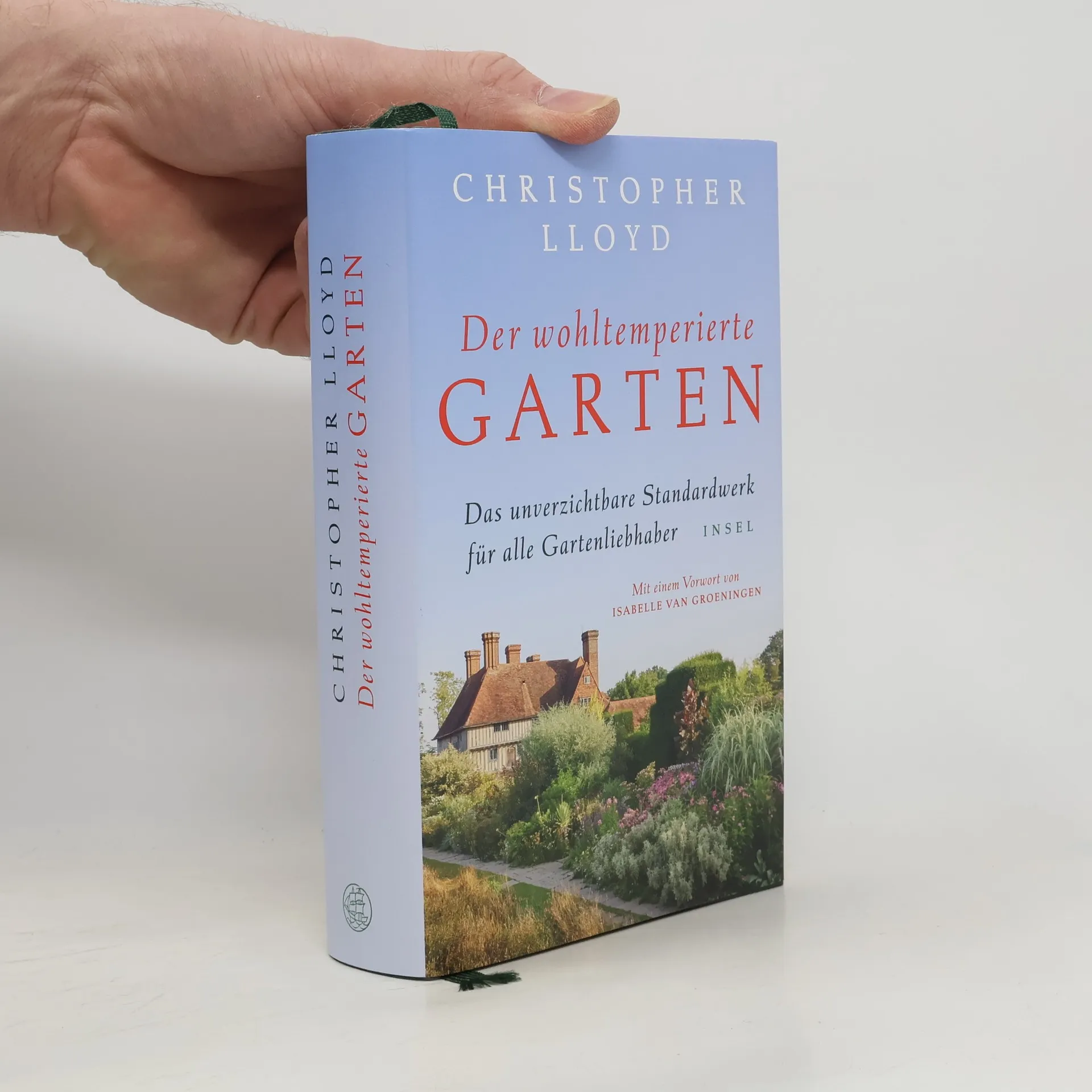
A classic work by Britain's most highly respected plantsman, updated for the 21st Century. This is the classic work by a gardener who combines a passionate love of his subject with a critical intelligence and a good helping of wit. THE WELL-TEMPERED GARDEN is packed with the sort of information keen gardeners crave - from planting, weeding and the pleasures of propagation to annuals, water-lilies and worthwhile vegetables. Hailed as 'a really important addition to horticultural literature' when it was first published, THE WELL-TEMPERED GARDEN is as fresh and enlightening, and as entertaining, for gardeners in the 21st century as when it first appeared more than thirty years ago.
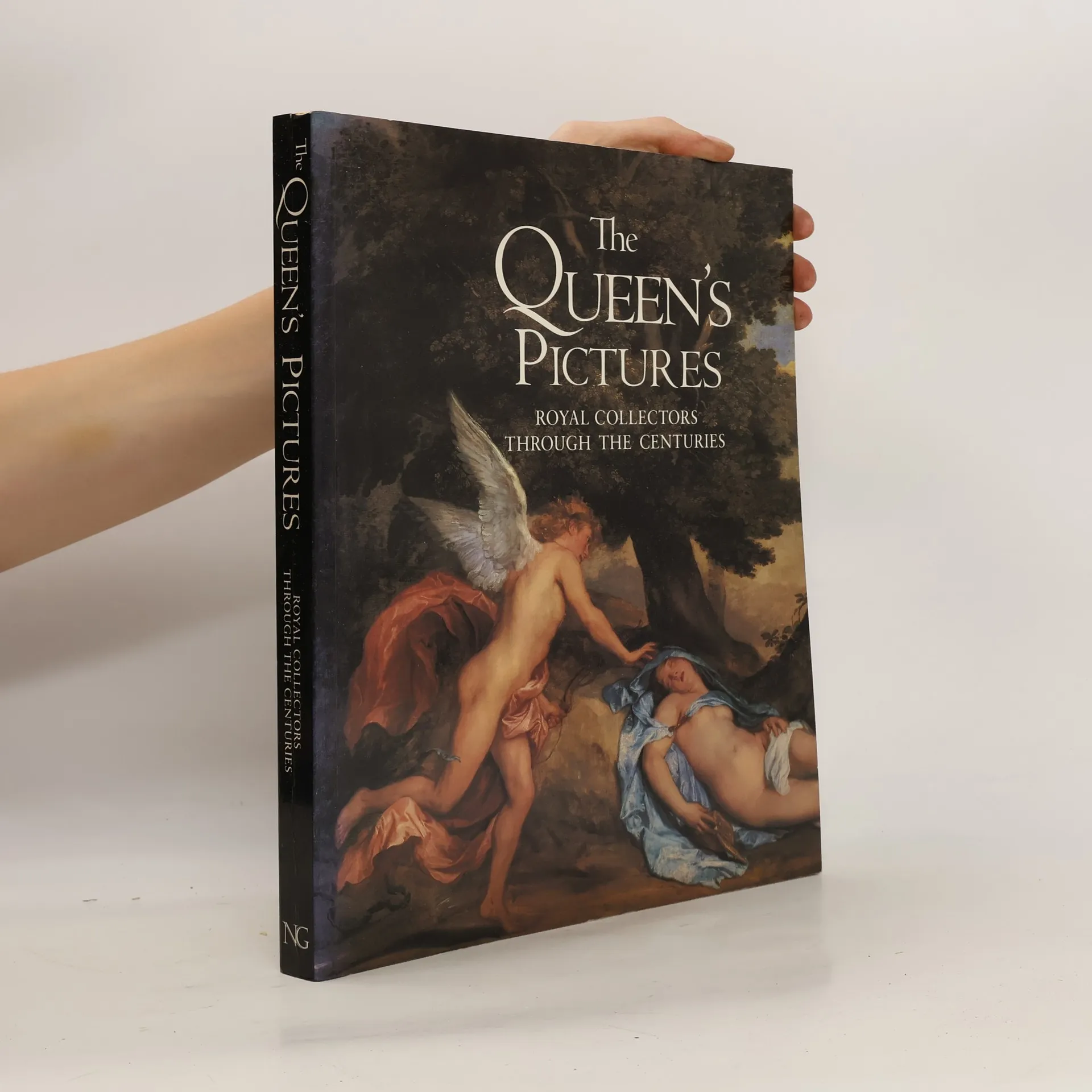
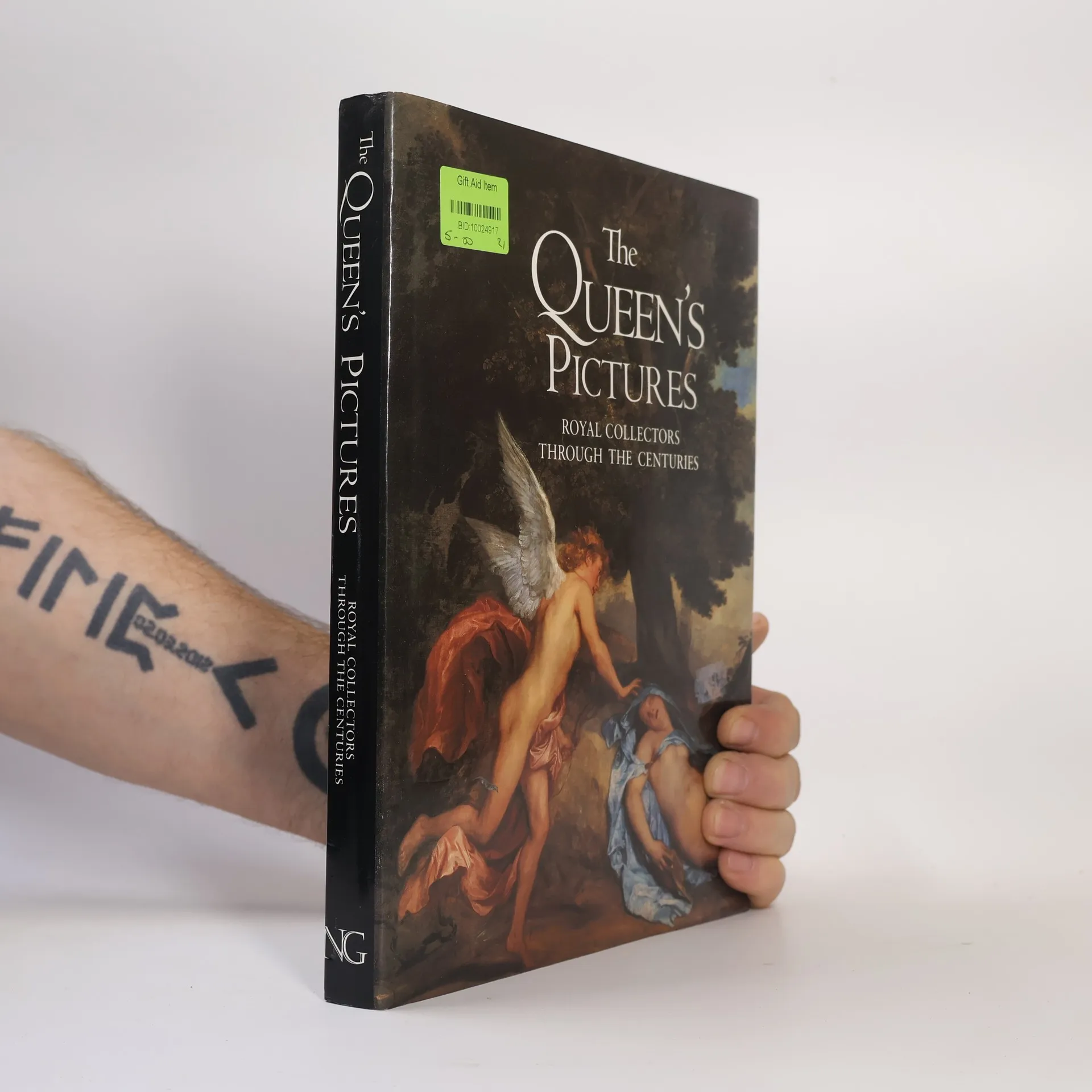
An exploration of the Queen's pictures, reproducing 200 paintings in full colour and many in black and white.
"In this gardening classic the forever adventurous Christopher Lloyd takes us on a tour through the garden, stopping to lecture here, to exhort there, to overturn the old and accepted when his experience prompts him. He ponders, suggests, explains, ruminates, always delighting the reader with the sharpness of his observations and the eloquence of his prose. For Christopher Lloyd gardening is nothing if not fun, and he makes it equally enjoyable for his readers" --Publisher's description
The Queen's Old Masters from the Royal Collection
Fra Angelico (c. 1400-55) is one of the most popular artists of the early Italian Renaissance. In his own lifetime churches and cathedrals competed for his work, and the style he evolved has come to be regarded as the natural language of religious painting. For more than a century the popular image of an angel has been that of an angel by Fra Angelico.Perhaps his best known work is the series of fresco decorations in the convent of San Marco in Florence, where Angelico was a friar. These paintings tell the story of the life of Christ as vividly and movingly today as they must have done over five hundred years ago. The powerful simplicity of the forms, the treatment of light and the subtlety of colour testify both to Fra Angelico's personal religious conviction and to his awareness of recent developments in Florentine art.This comprehensive survey of Angelico's work includes many panels from San Marco, and from his other important commission in the Vatican, and a superb selection of altarpieces and panels spanning his whole working life.Christopher Lloyd's authoritative essay on Angelico was first published in 1979, with the forty-eight full page colour plates. For this revised edition, David White has added a full and clear commentary on each picture, and numerous black-and-white illustrations to compare with the paintings.
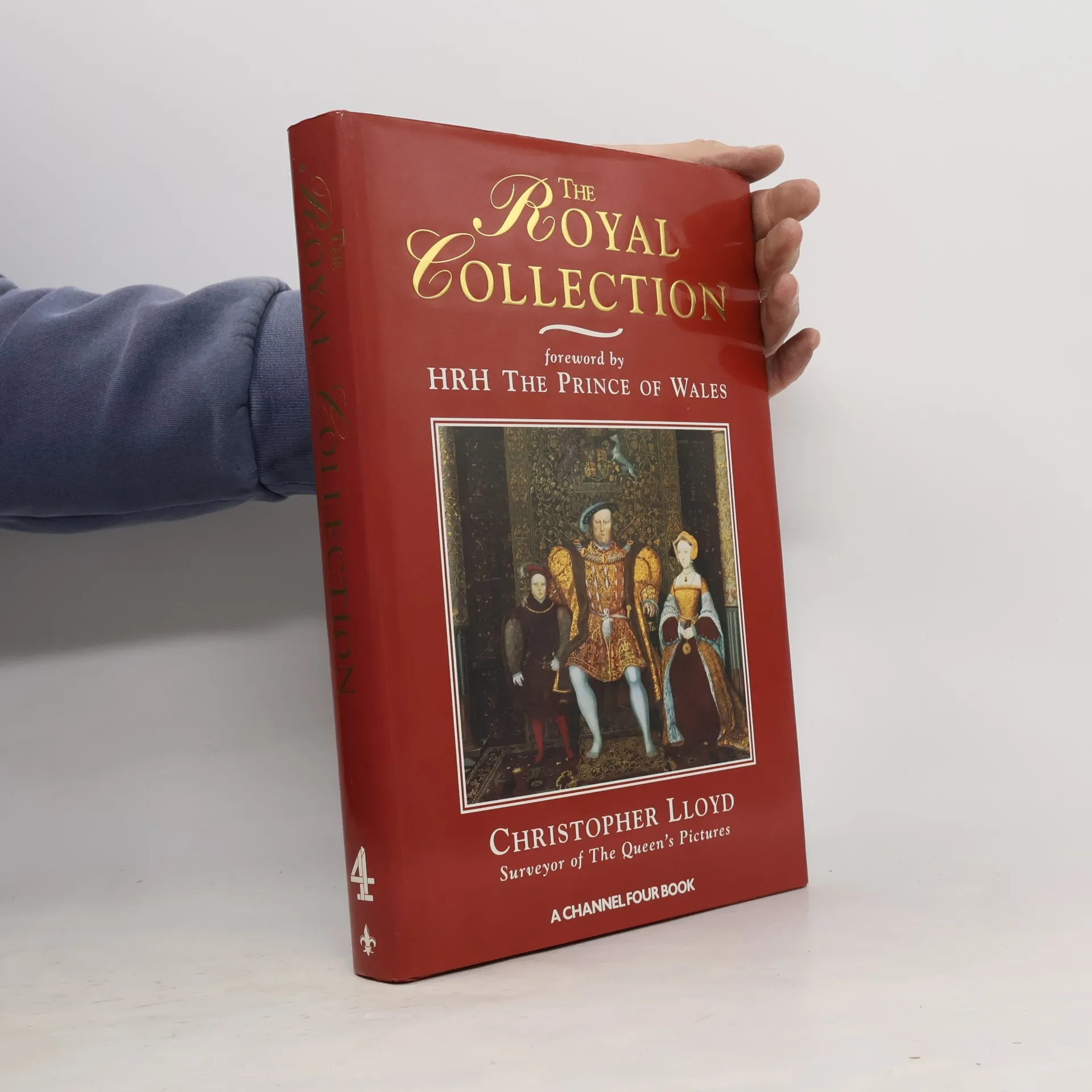
The Royal Collection is the largest private collection in the world. To inaugurate the opening of the new Sainsbury Wing at the National Gallery, the Queen has lent a large number of works drawn from royal residences throughout the British Isles. Those 96 pictures are presented in this volume.
The book offers a comprehensive exploration of Matisse's extensive collection of drawings and works on paper, highlighting his innovative techniques and artistic evolution. Authored by a leading expert in European draughtsmanship, it delves into the nuances of Matisse's style and contributions to the art world, providing insights into his creative process and the significance of his works within the broader context of art history.
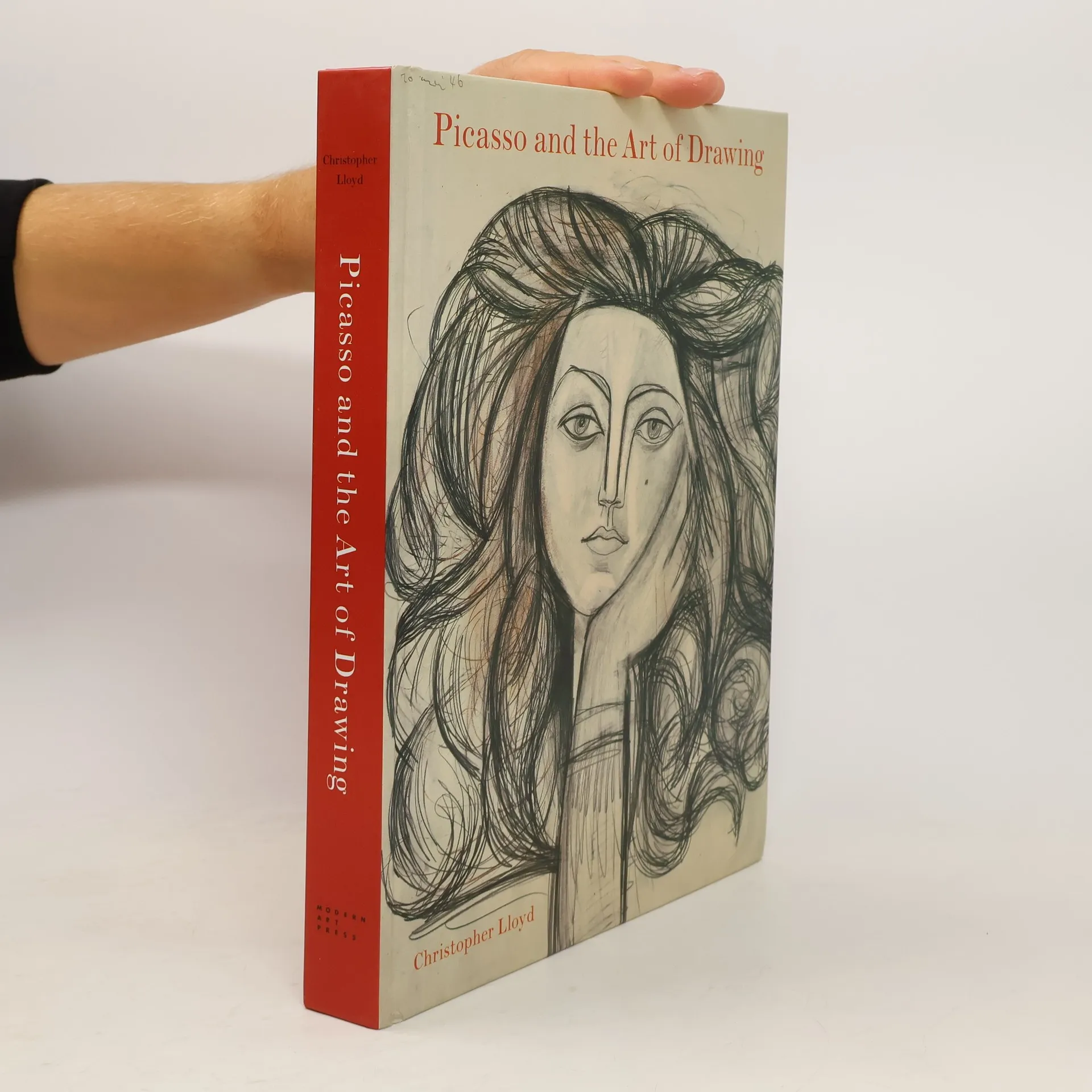
In this generously illustrated and lively book, Christopher Lloyd sets out and interprets the lifelong achievement of Picasso (1881-1973) as a draftsman. Although there have been many publications about his drawings that have tended to focus on particular periods of his career, this stunning volume specifically examines how drawing serves as the vital thread connecting all of Picasso's art, just as it also links his private world with his public persona of which he was becoming increasingly aware in his later years. Picasso and the Art of Drawing ultimately showcases how the basis of the titular artist's style as painter, sculptor, printmaker, and designer was manifestly achieved through drawing. Distributed for Modern Art Press
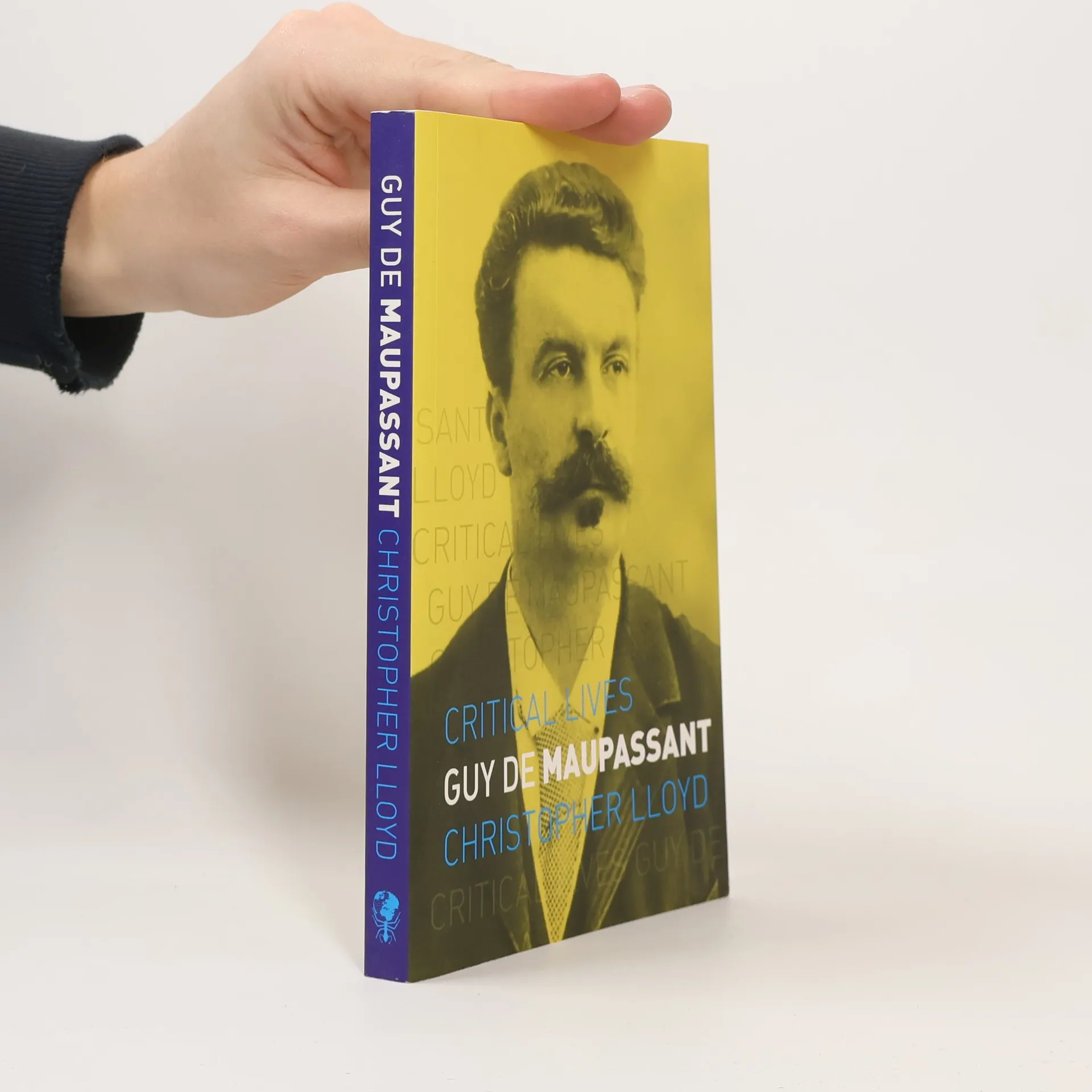
An insightful and compelling biography of celebrated French storyteller Guy de Maupassant.
Christopher Lloyd (Christo) was a preeminent English gardener of the twentieth century, renowned for his creation of the garden at Great Dixter in East Sussex. Following his death in 2006, the Heritage Lottery Fund granted GBP4 million to preserve this remarkable site. This biography serves as both a tribute to Christo and a unique history of Dixter from 1910 to 2006, chronicling the life of one house and garden over a century. Christo's father, Nathaniel, purchased the medieval manor and enlisted the Edwardian architect Lutyens to redesign it, while his mother, Daisy, initiated the first wild garden in the meadows. Born at Dixter in 1921, Christo spent most of his life there, continually enhancing the garden and producing influential books and journalism. Known for his strong opinions and eccentricity, he revolutionized English gardening with his love for meadow gardening, vibrant colors, and meticulous care. As the youngest of six children, he felt constrained by his devoted mother. Averse to sports but passionate about music, he learned plant Latin names before turning eight. This engaging account delves into Christo’s character through his relationships with his complex mother, fellow gardeners like Anna Pavord and Beth Chatto, and his head gardener, Fergus Garrett.
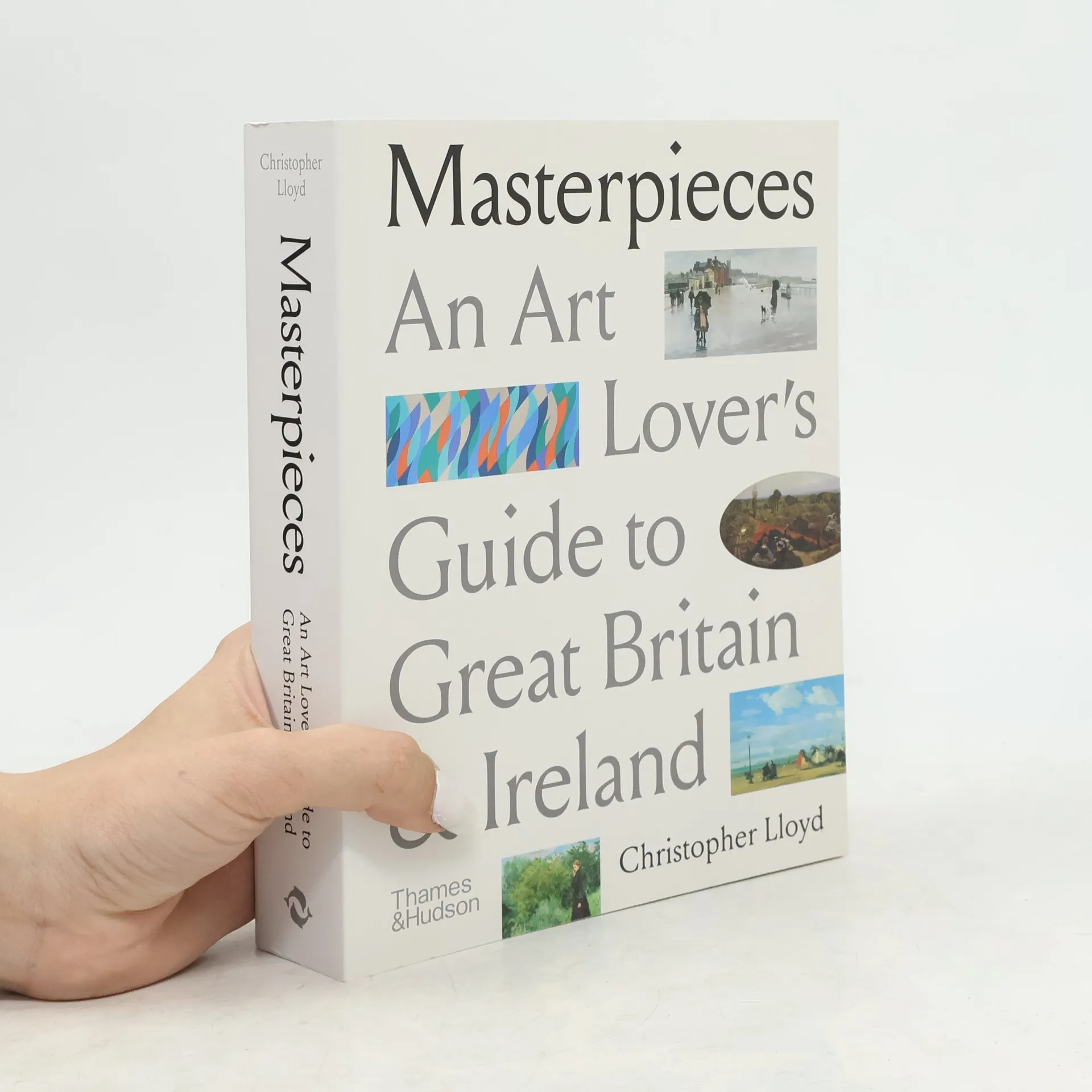
An expert guide to the highlights and unexpected treasures of British collections. If you find yourself in Hull, Cork or Dundee, what paintings should you go and look at? Many masterpieces are waiting for you around the British Isles, sometimes neglected, in our galleries and museums. Here, the distinguished broadcaster and critic Christopher Lloyd identifies over 265 masterpieces in England, Scotland, Ireland and Wales, from the National Gallery to The Burrell Collection in Glasgow. Some are acknowledged greats, others are surprising and quirky: all are richly rewarding. All the paintings are the personal selection of Lloyd who has come across and enjoyed or admired them in public collections during the course of his career. His purpose throughout is to encourage others to visit the same places and experience the same pleasures. For tourists, this book offers a treasure trail; for the art lover, a knowledgeable companion; for all, an expert guide to the highlights of British collections.
The Royal Collection is the largest private collection in the world. To inaugurate the opening of the new Sainsbury Wing at the National Gallery, the Queen has lent a large number of works drawn from royal residences throughout the British Isles. Those 96 pictures are presented in this volume.
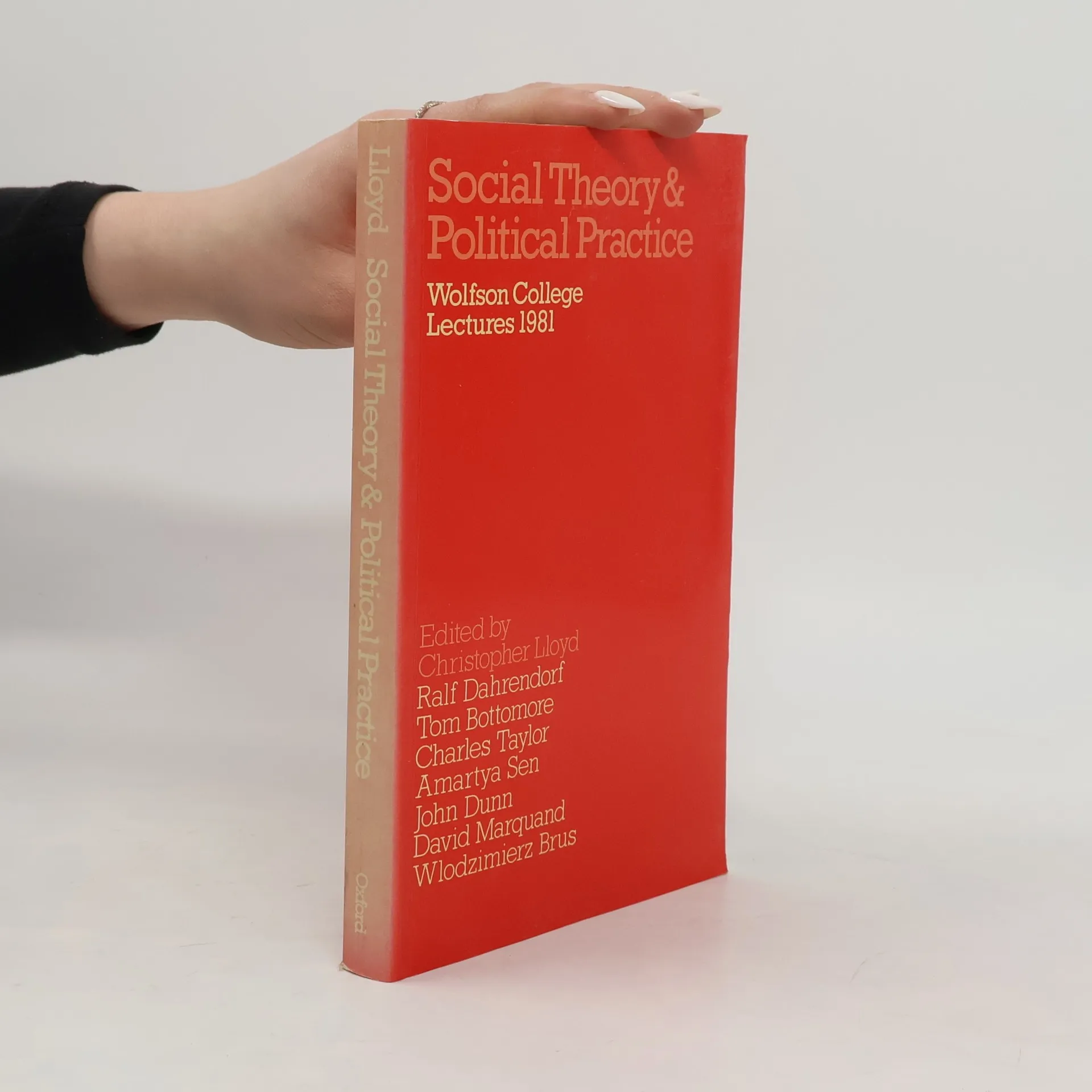
Wolfson College Lectures 1981
Wolfson College Lectures 1981: • Reflections on social theory and political practice — by Ralf Dahrendorf • Social theory and politics in the history of social theory — by Tom Bottomore • Political theory and practice — by Charles Taylor • Accounts, actions, and values : objectivity of social science — by Amartya Sen • Social theory, social understanding, and political action — by John Dunn • The collapse of consensus : ideology in British politics — by David Marquand • Marxism and Communism — by Wlodzimierz Brus
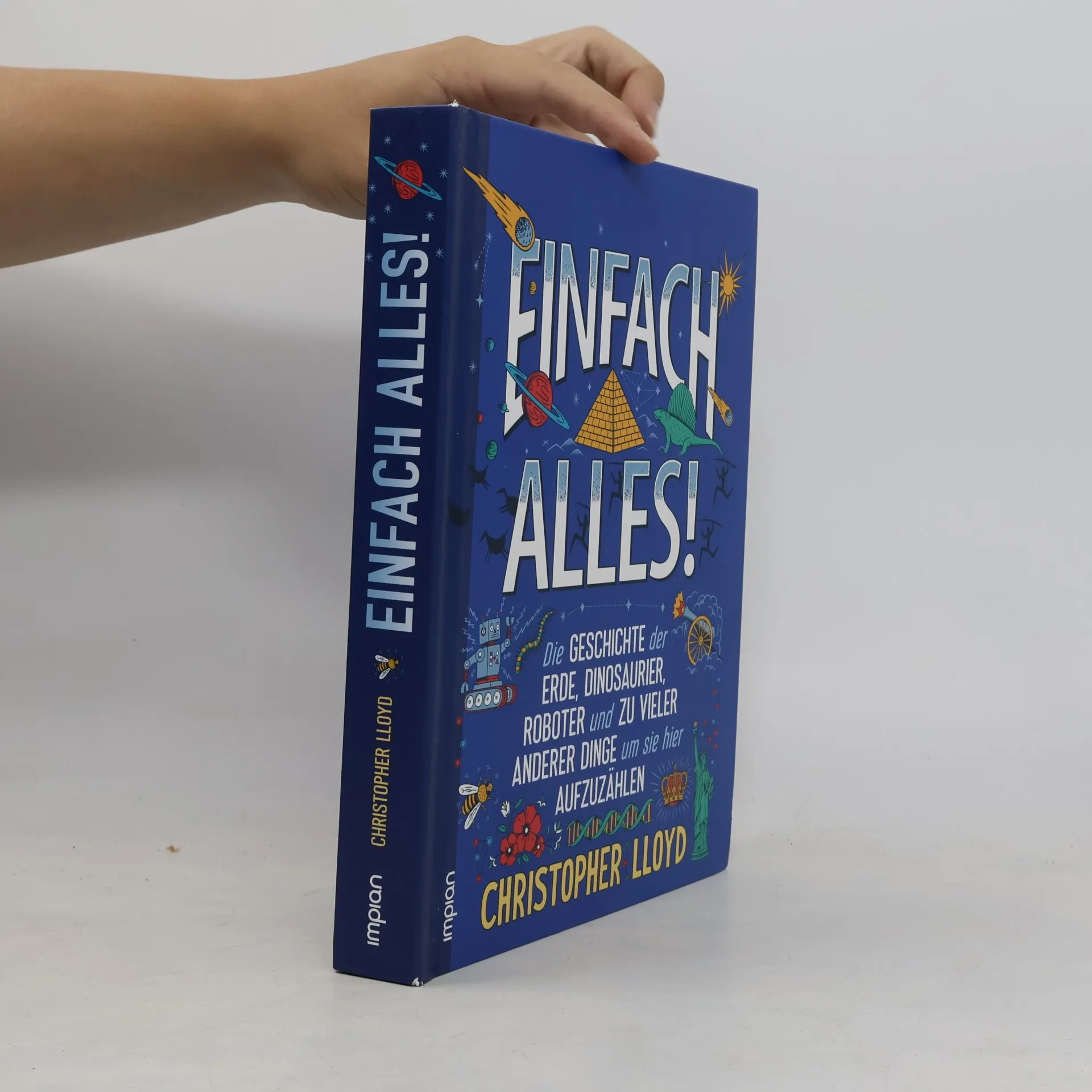
Die Geschichte der Erde, Dinosaurier, Roboter und zu vieler anderer Dinge, um sie hier aufzuzählen
Eine bunte Universalgeschichte unseres Planeten, die Fragen wie das Alter des Universums, das Verschwinden der Dinosaurier und die Auswirkungen des Klimawandels aufgreift. Bestseller-Autor Christopher Lloyd bietet in diesem Sachbuch Antworten auf viele knifflige Fragen und erklärt Ereignisse sowie Kuriositäten aus 13,8 Milliarden Jahren Erdgeschichte. Es handelt sich um ein chronologisch geordnetes Nachschlagewerk, das auch als spannendes Lesebuch dient. Von der Urknall-Theorie über die Entstehung des Menschen bis hin zu bahnbrechenden Erfindungen der Neuzeit wird alles behandelt. Mit über 200 Fotos, Illustrationen, Schaubildern und einem Glossar macht Geschichte Spaß. Die anschauliche und unterhaltsame Sprache, gepaart mit vielen Fun-Facts und fesselnden Geschichten, sorgt für eine rasante Tour durch die Menschheitsgeschichte. Stellen Sie sich die Erdgeschichte auf einer 24-Stunden-Uhr vor: Die Entstehung der Erde geschah um Mitternacht, das Leben tauchte gegen drei Uhr auf, und der erste Dinosaurier erschien erst kurz vor Mitternacht. Lloyd verknüpft die Ereignisse und lässt sie lebendig werden, sodass Leser jeden Alters auf eine informative und unterhaltsame Entdeckungsreise durch Wissenschaft, Natur und Geschichte gehen können. Die chronologische Erzählweise verdeutlicht, wie Entwicklungen miteinander in Beziehung stehen, und macht selbst trockene Fakten leicht verständlich.
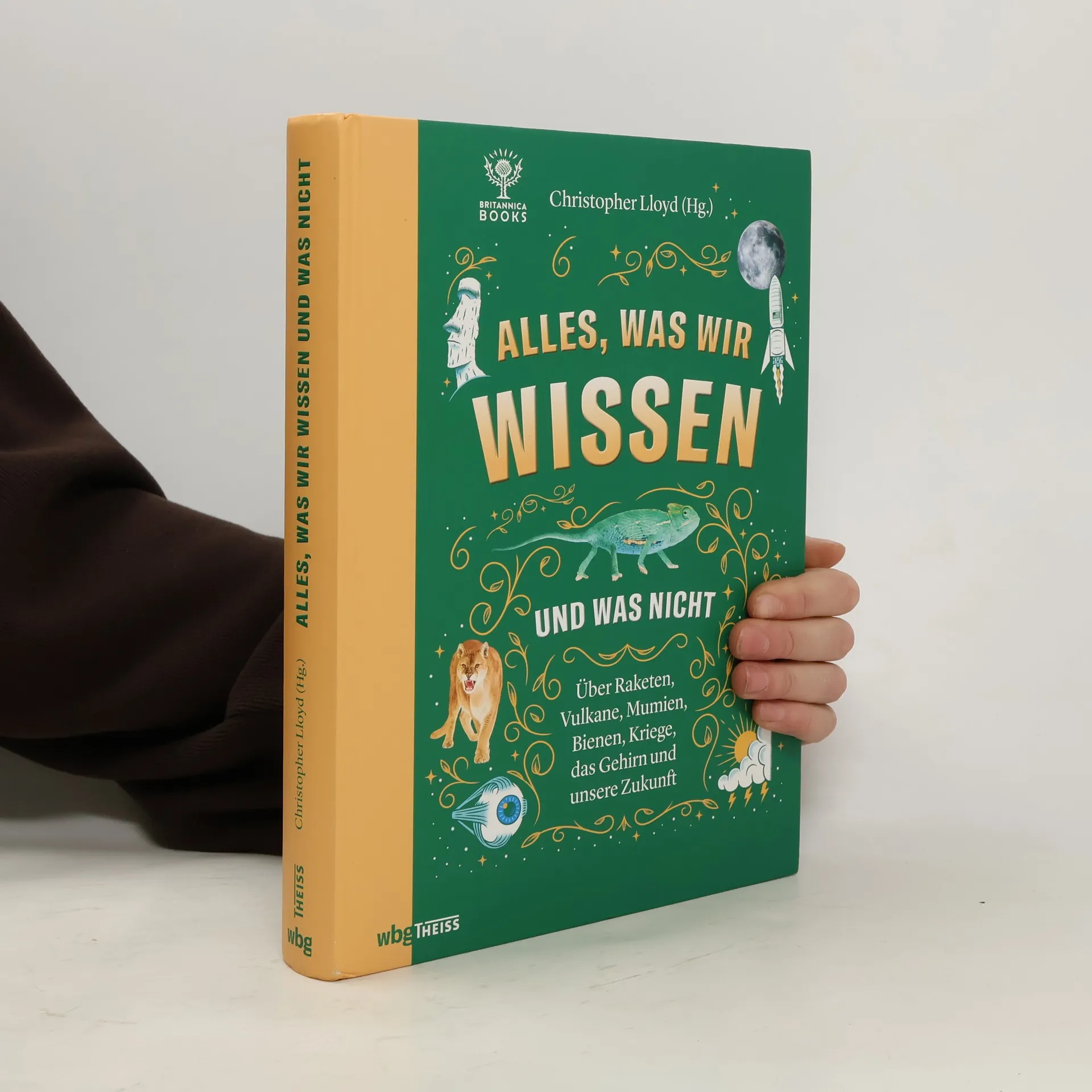
Über Raketen, Vulkane, Mumien, Bienen, Kriege, das Gehirn und unsere Zukunft
»Alles was wir wissen« ist die perfekte Enzyklopädie für die ganze Familie. Prall gefüllt mit Fakten, Fotos und Rekorden lässt uns jede Seite eine neue Welt entdecken. Wir erfahren alles Wissenswerte über das Universum und das Leben auf der Erde, die Geschichte der Menschheit und die Zukunft unseres Planeten.
1,828 kg wiedzy na 416 stronach. Ponad 70 ekspertów i ekspertek, 8 obszernych części podzielonych na tematyczne działy, a do tego zdjęcia, ilustracje, quizy, diagramy, listy, odnośniki, wykresy i nieprzebrana ilość ciekawostek oraz nieskończona satysfakcja z lektury, do której chce się wracać. Britannica to przecież jakość sama w sobie. Wiedz to! Apetyt rośnie w miarę czytania… Im więcej znajdujemy odpowiedzi na nurtujące nas pytania, tym więcej pytań pojawia się później. Lektura Britanniki pozwoli dzieciom zagłębić się w najciekawsze zagadnienia astronomii, zoologii, archeologii, historii i wielu innych dziedzin, szczególnie interesujących dla młodych czytelników. Zagadnienia przedstawione są w wyjątkowo atrakcyjny oraz przystępny dla nich sposób. Każda strona encyklopedii powstała w oparciu o wiedzę ekspertów i ekspertek w wielu dziedzinach nauki. Na końcu każdego rozdziału znajdują się inspirujące wywiady ze specjalistami i specjalistkami, którzy opowiadają o tym co kochają w swojej pracy oraz nad czym właśnie pracują, a także quiz, dzięki któremu można sprawdzić, co udało się zapamiętać podczas lektury. Ta gruba księga jest jak wizyta w nowoczesnym muzeum lub galerii, jak spotkanie z supernauczycielem, wyprawa w dalekie zakątki świata, w kosmos, a nawet do wnętrza Ziemi! Britannica. Nowa encyklopedia dla dzieci – bezcenny prezent dla każdego dziecka.
Von Einstein wissen wir, dass jeder Mensch jeden Tag eine kleine Zeitreise macht. Das Buch führt einen in die Welt der Medizin, Kommunikation, Natur, Physik und zeigt einem die großartigsten Wissenswelten. Das beigefügte Journal enthält viele spannende Geschichten, Kreuzworträtsel und ein Quiz. Mit Lupe
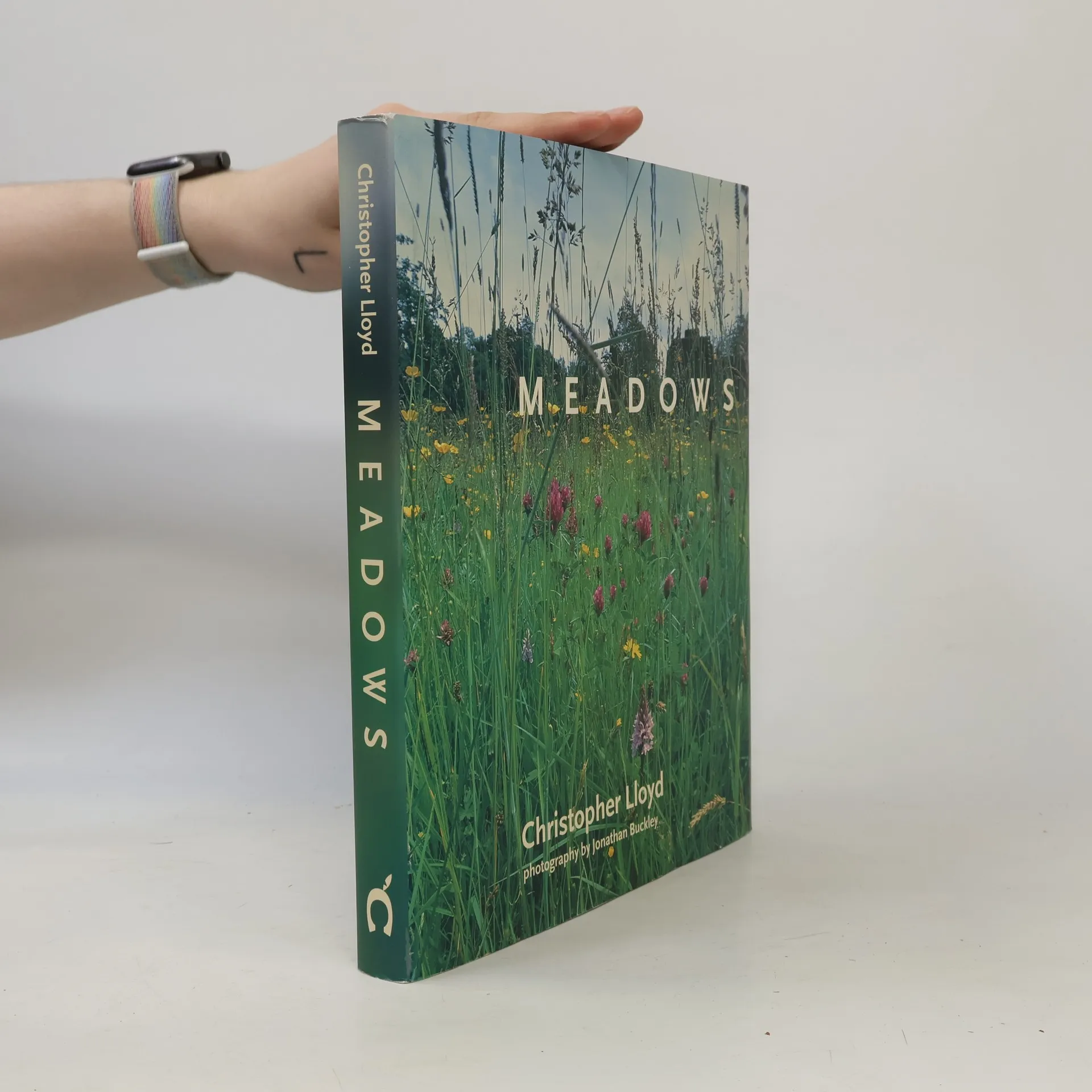
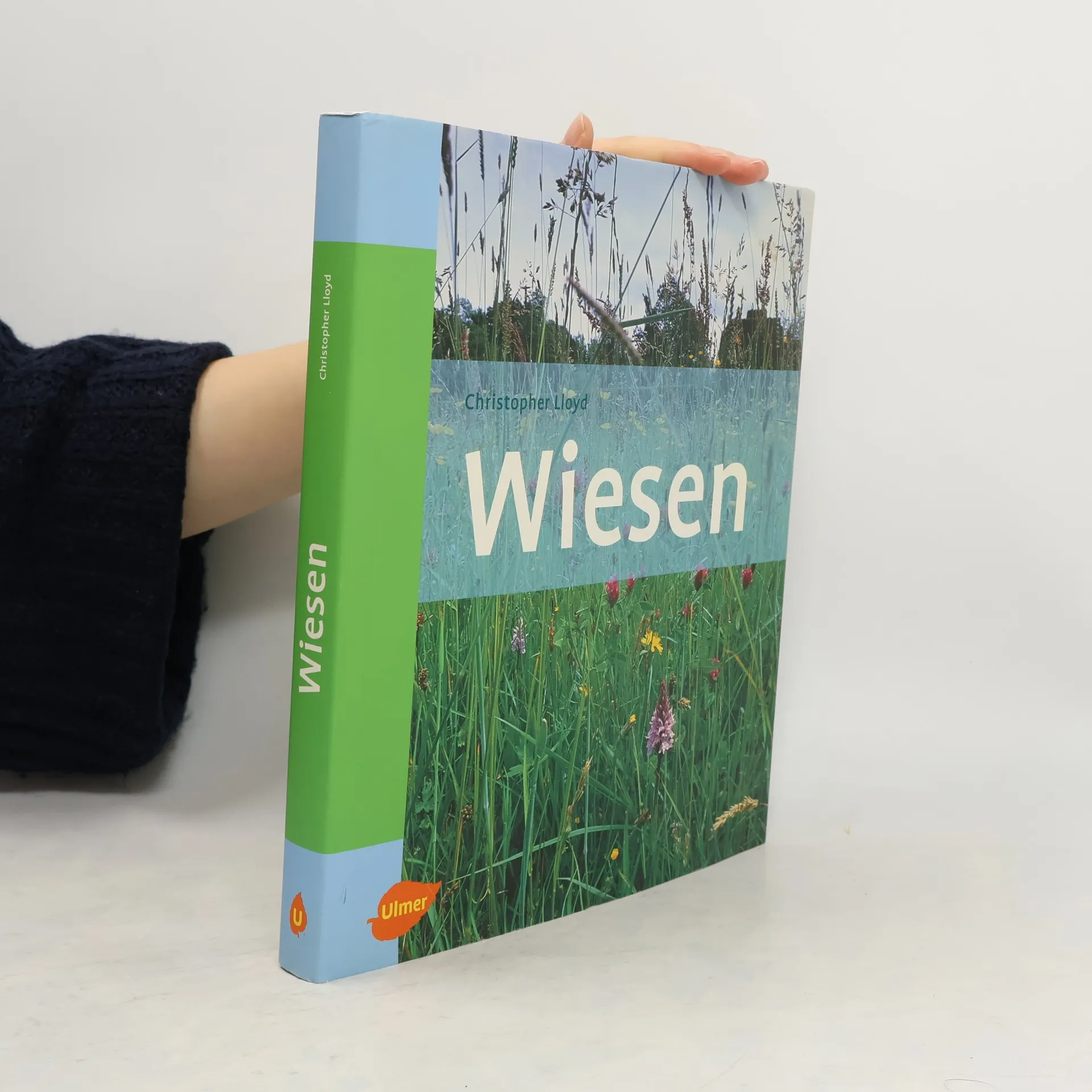
Das Glück liegt auf der Wiese. Wiesen sind ein Stück Natur aus zweiter Hand: sie sind von der Pflege des Menschen abhängig und nur durch diesen Einfluss wird ihr vielfältiger Artenbestand gesichert. In seinem eigenen Garten, dem berühmten Great Dixter im englischen East Sussex, studierte Lloyd über einige Jahrzehnte die Dynamik der Wiesen. Seine Beobachtungen und gärtnerischen Erfahrungen hat er in diesem Buch zusammengefasst. Er erklärt, wie auf dem eigenen Stück Land ein blumendurchwobener Wiesengarten heranwächst und die Pflege und Entwicklung von bereits existierenden Wiesen naturnah gestaltet werden kann. Standortbezogen stellt er bekannte und unbekannte Pflanzen vor, darunter viele Arten, die in Mitteleuropa selten Verwendung finden. - anregend: Inspirationen für den Garten - praxisorientiert: Wissen zur Anlage und Pflege - innovativ: unbekannte und bekannte Pflanzen
Farbphot. von Hurst, Jacqui. Mit Abb. 192 S. 4. A.
Das unverzichtbare Standardwerk für alle Gartenliebhaber | In hochwertiger Ausstattung
Die Kunst des englischen Gartens Christopher Lloyd ist einer der bekanntesten Gärtner und Pflanzenspezialisten des 20. Jahrhunderts. Er gilt als der Begründer der »mixed borders«, der gemischten ganzjährigen blühenden Rabatten, die für Cottage-Gärten typisch sind. Und sein Anwesen Great Dixter in East Sussex ist weit über England hinaus berühmt und ein Magnet für Besucher aus aller Welt. Der wohltemperierte Garten ist sein berühmtestes und erfolgreichstes Buch. Erstmals 1971 erschienen, erlebte es unzählige Auflagen und gilt in Gärtner- und Gartenliebhaberkreisen als unverzichtbarer Klassiker. Das Handbuch versammelt praktische Anleitungen und Tipps zu Anlage und Pflege des Gartens, zur Kombination von Pflanzen, zum alljährlichen Rückschnitt, zu saisonalen Besonderheiten und zu verschiedenen Gartentypen bis hin zum Obstgarten. Christopher Lloyd erzählt anschaulich und unterhaltsam von Erfolgen und Fehlschlägen beim Gärtnern, von Überraschungen, die dem Hobbygärtner blühen können. Angereichert mit vielen Geschichten aus seinem eigenen Gärtnerleben und Erlebnissen im Freundeskreis erfahren Sie hier alles, was Sie zum Thema Garten wissen möchten …