Michael Tanner Poradie kníh (chronologicky)


Mimo dobra a zla
- 248 stránok
- 9 hodin čítania
Vo svojej mimoriadne vplyvnej práci Mimo dobra a zla Nietzsche priamo nadväzuje na idey, ktoré básnicky stvárnil vo svojom vrcholnom diele Tak riekol Zarathustra. Keďže sú v nej obsiahnuté všetky základné pojmy a myšlienkové motívy jeho filozofie, obvykle sa pokladá za ideálny „vstupný portál“ do jeho myslenia. Vychádzajúc zo zásadnej kritiky európskej kultúry založenej na platonizme a kresťanstve, ktoré svojimi dôsledkami nevyhnutne vedú k nihilizmu, hľadá nové formy morálky mimo jej historicky tradovaných, náboženstvom a dogmatickým myslením ovplyvnených noriem a hodnôt, proti ktorým stavia svoju filozofiu „imorality“. Ide mu o prekonanie „otrockej“ morálky masového, „stádového“ človeka „ušľachtilou“ či „aristokratickou“ morálkou sebauvedomeného a za seba plne zodpovedného jednotlivca. Nietzscheho myšlienkové zápasy svedčia o jeho priam sebazničujúcom nasadení pri uplatňovaní poslednej nepochybnej a nespochybniteľnej hodnoty, ktorú označuje ako „poctivosť“. Ich výsledky, brilantne formulované veľmi pôsobivým metaforickým jazykom, sú preto napriek všetkej svojej kontroverznosti a polemickosti predovšetkým svedectvom jeho úporného hľadania zmyslu a pevného záchytného bodu v čoraz neuchopiteľnejšom svete moderného človeka.
The author of "Social Security and Its Discontents" now maintains that the Bush administration, Congress, and large parts of the Republican Party and the conservative movement have abandoned traditional conservative ideals and embraced the idea of big government.
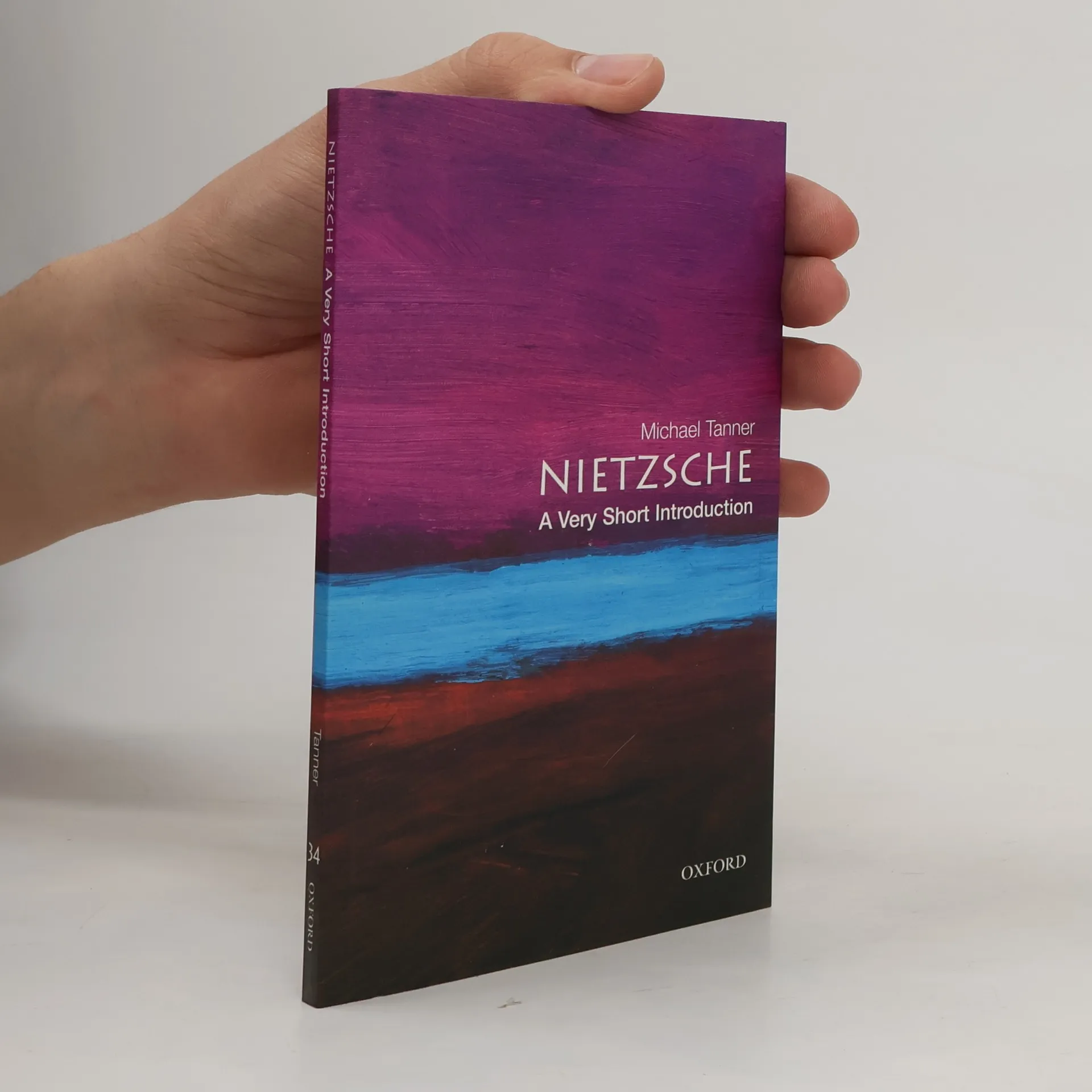
With his well-known idiosyncrasies and aphoristic style, Friedrich Nietzsche is always bracing and provocative, and temptingly easy to dip into. Michael Tanner's introduction to the philosopher's life and work examines the numerous ambiguities inherent in his writings and explodes many of the misconceptions that have grown in the hundred years since Nietzsche wrote "do not, above all, confound me with what I am not!"About the Combining authority with wit, accessibility, and style, Very Short Introductions offer an introduction to some of life's most interesting topics. Written by experts for the newcomer, they demonstrate the finest contemporary thinking about the central problems and issues in hundreds of key topics, from philosophy to Freud, quantum theory to Islam.
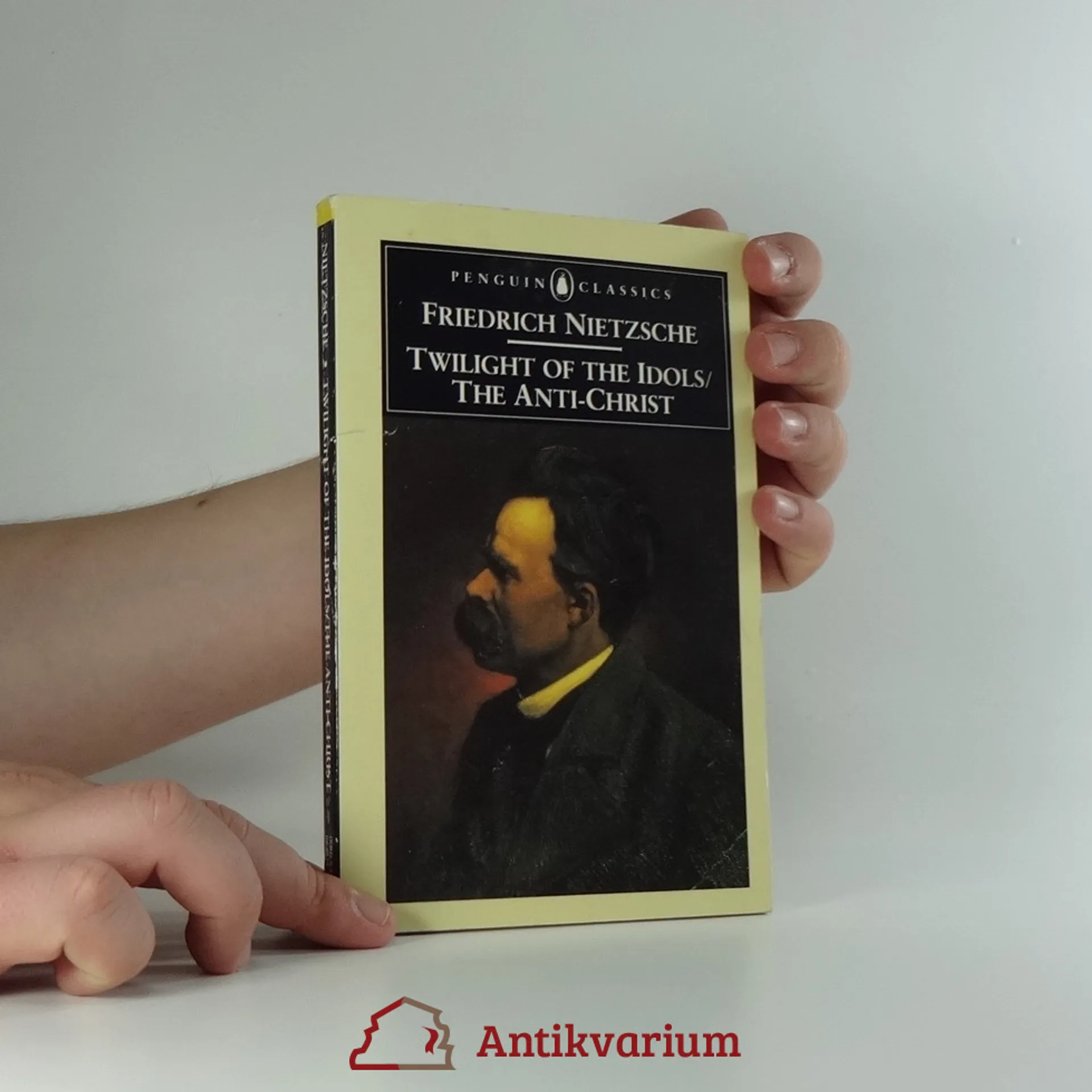
In 1888, the last sane year of his life Nietzsche produced these two brief but devastating books. Twilight of the Idols, 'a grand declaration of war' on all the prevalent ideas of his time, offers a lightning tour of his whole philosophy. It also prepares the way for The Anti-Christ, a final assault on institutional Christianity. Yet although Nietzsche makes a compelling case for the 'Dionysian' artist and celebrates magnificently two of his great heroes, Goethe and Cesare Borgia, he also gives a moving, almost ecstatic portrait of his only worthy opponent: Christ. Both works show Nietsche lashing out at self-deception, astounded at how often morality is based on vengefulness and resentment. Both combine utterly unfair attacks on individuals with amazingly acute surveys of the whole contemporary cultural scene. Both reveal a profound understanding of human mean-spiritedness which still cannot destroy the underlying optimism of Nietzsche, the supreme affirmer among the great philosophers.
Quartet Encounters: The Sleepwalkers
- 648 stránok
- 23 hodin čítania
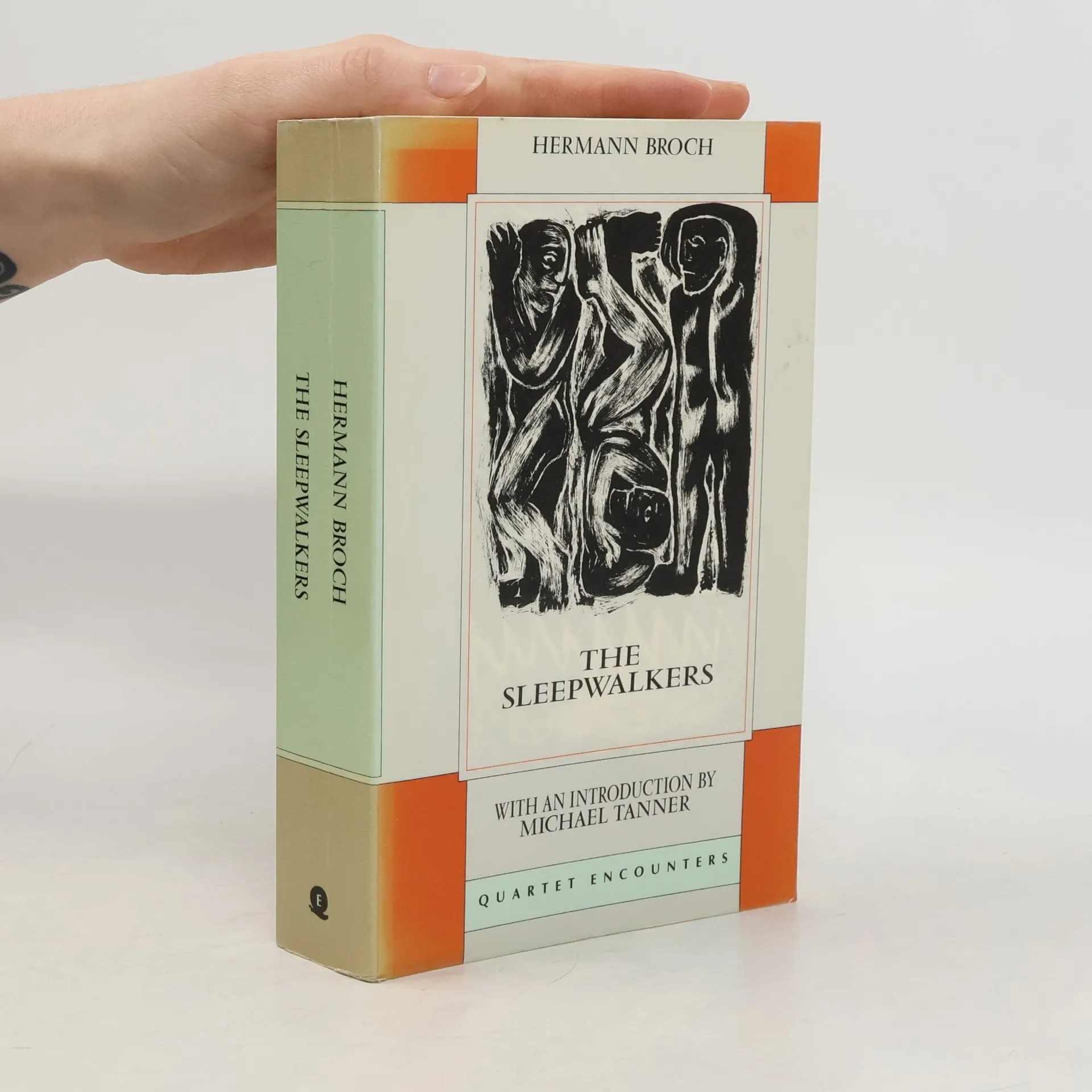
With his epic trilogy, The Sleepwalkers , Hermann Broch established himself as one of the great innovators of modern literature, a visionary writer-philosopher the equal of James Joyce, Thomas Mann, or Robert Musil. Even as he grounded his narratives in the intimate daily life of Germany, Broch was identifying the oceanic changes that would shortly sweep that life into the abyss. Whether he is writing about a neurotic army officer (The Romantic) , a disgruntled bookkeeper and would-be assassin (The Anarchist) , or an opportunistic war-deserter (The Realist) , Broch immerses himself in the twists of his characters' psyches, and at the same time soars above them, to produce a prophetic portrait of a world tormented by its loss of faith, morals, and reason.
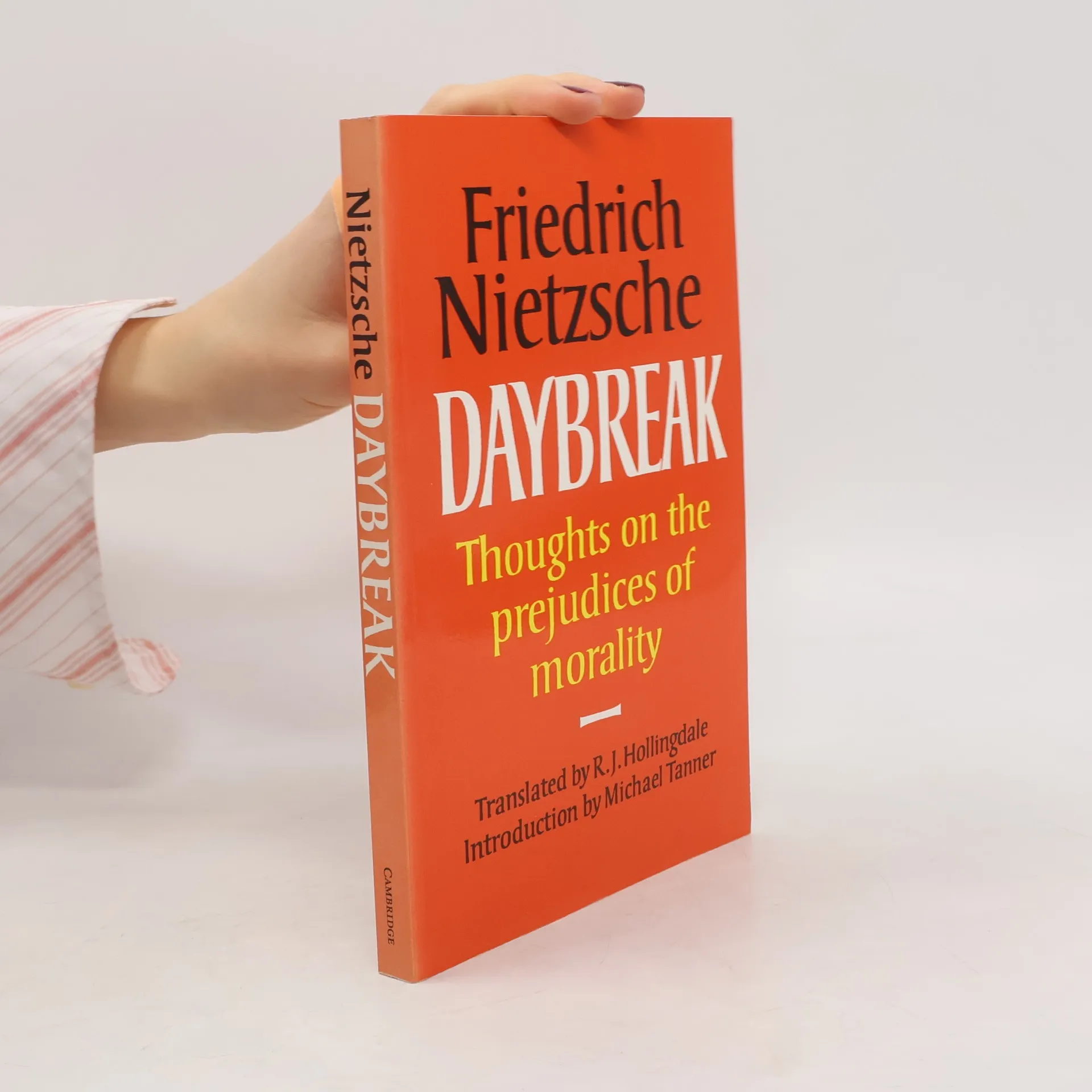
An entirely new translation of Nietzsche's fourth book, which falls in what is regarded as his "positivist" period. Especially notable for the advance it represents in his understanding of psychology.