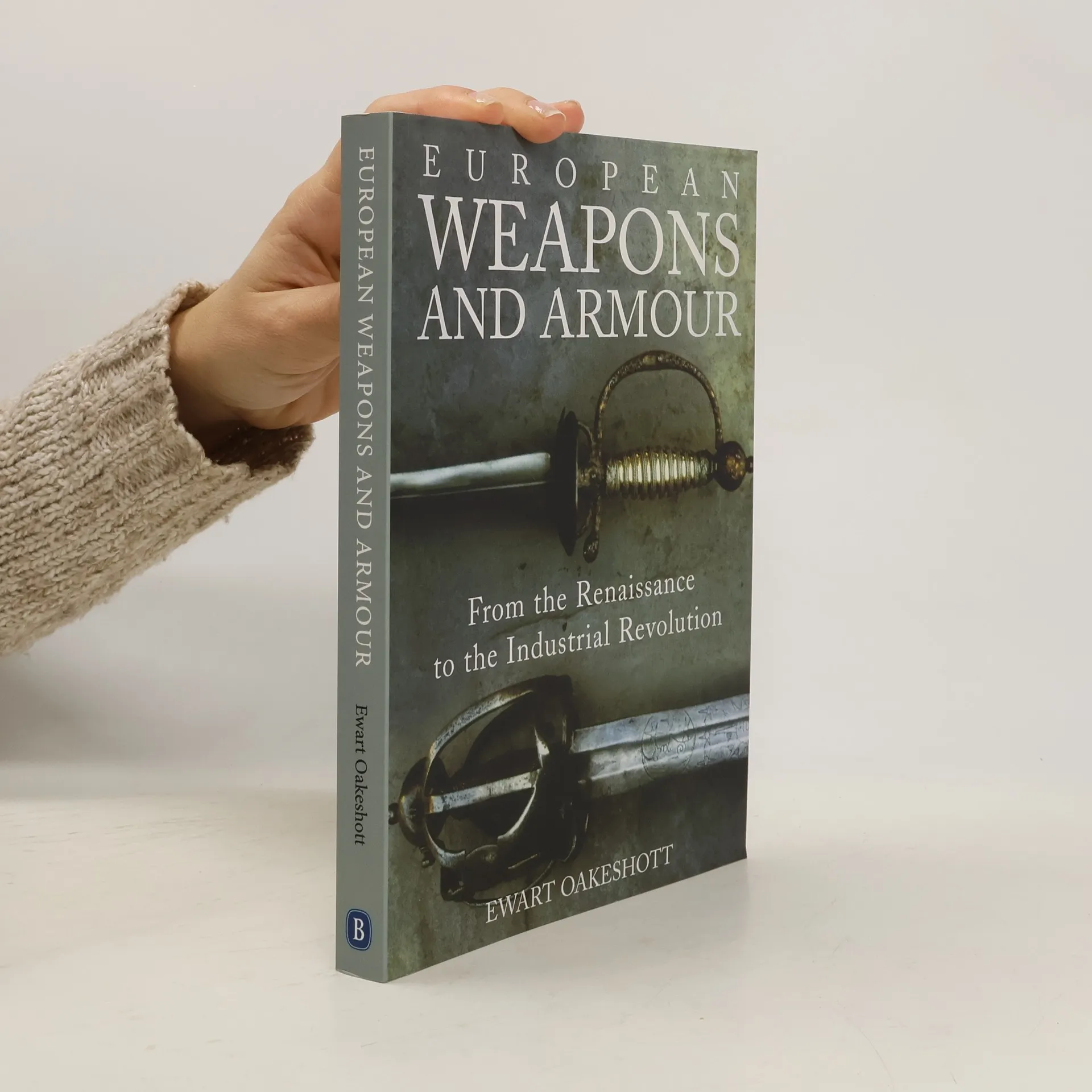
In The Archaeology of Weapons, Ewart Oakeshott traces the development of
European arms in logical sequence, showing how changes were wrought by the use
of new materials and the ever-shifting demands of war and fashion.
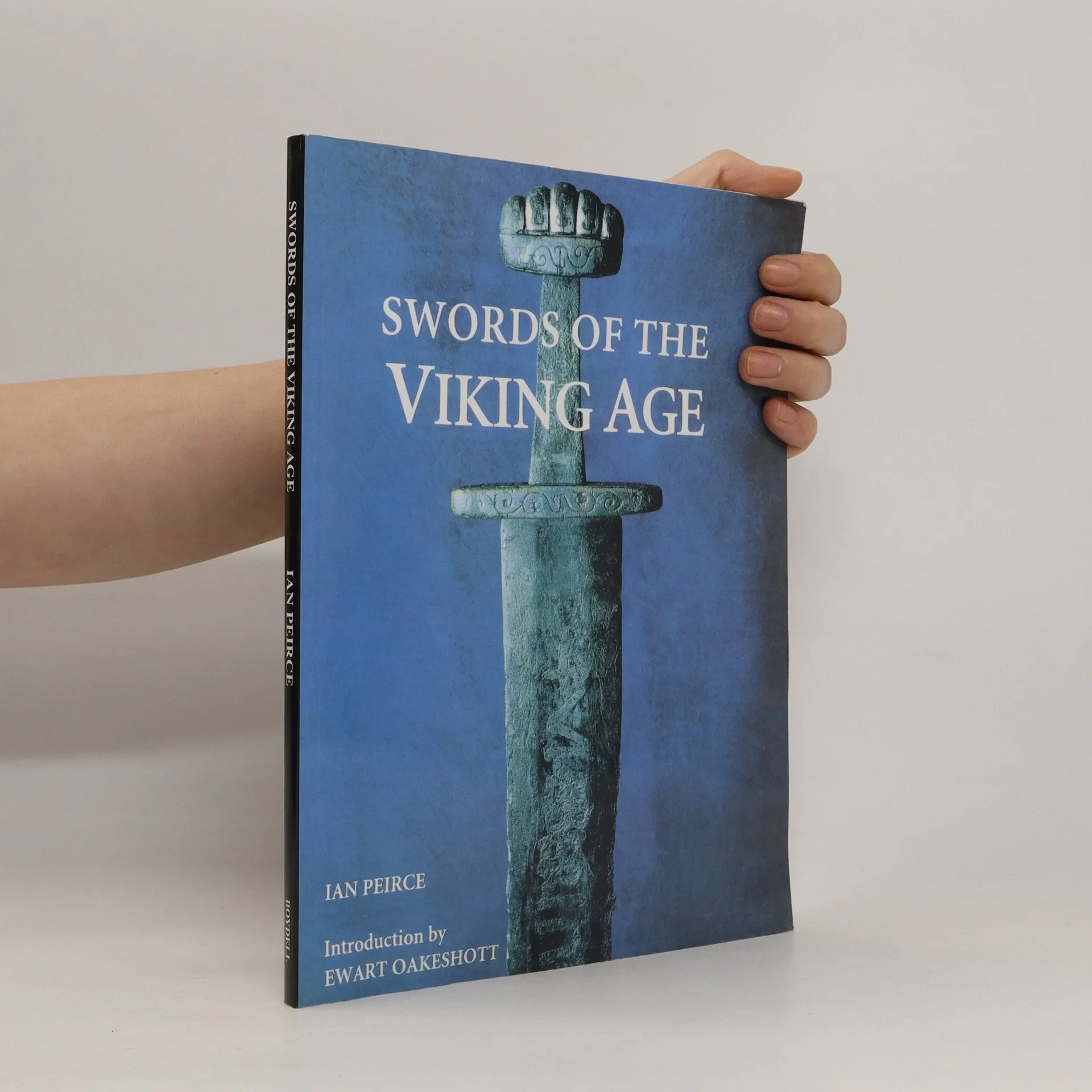
Representative examples of swords from 8th-11th century, fully described and illustrated, with general overview.This beautifully illustrated work fills a gap in the literature in English on the swords made and used in northern Europe during the Viking age, between the mid eighth and the mid eleventh centuries. Ewart Oakeshott outlines the significance and diversity of these ancient heirlooms; co-author Ian Peirce, who handled hundreds of swords in his research for this book in museums across northern Europe, selects and describes sixty of the finest representative weapons. Where possible, full-length photographs are included, in addition to illustrations of detail; an illustrated overview of blade types and construction, pattern-welding, inscription and handle forms and their classificationprefaces the catalogue of examples which is the principal part of this work.IAN PEIRCE was a lecturer and museum consultant specialising in early swords; EWART OAKESHOTT was renowned for his pioneer studies on a wide range of medieval swords.
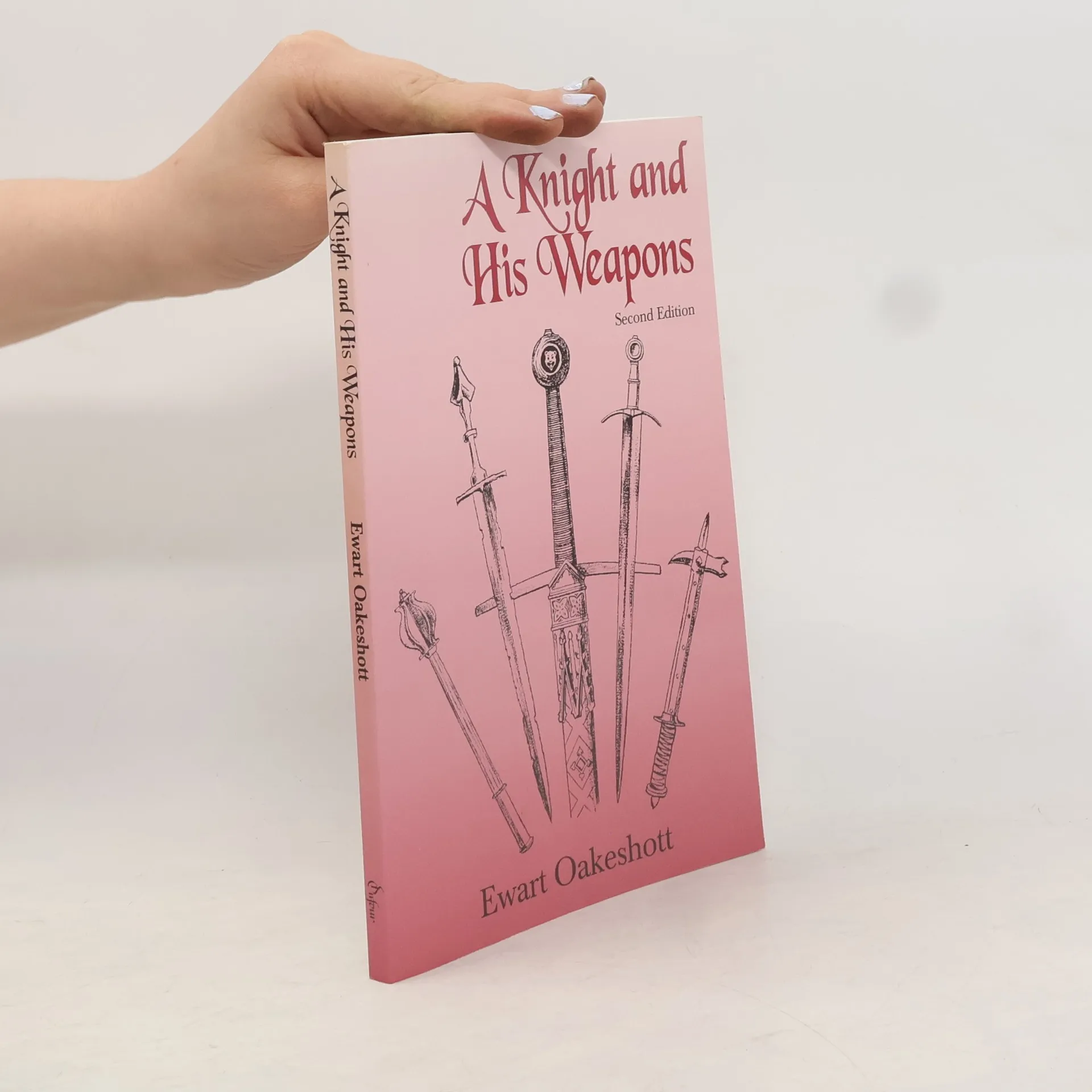
Take an engaging journey back in time, when battles were fought with swords,
lances, maces, and an array of well-crafted devices that could be elegant and
ornate, brutal and efficient, or both. This accessible, lively, and
informative book explores m
A comprehensive history and typology of the European knightly sword from
c.1050 to c.1550, that draws on evidence from literature and art as well as
from archaeology.