Felipe Fernández-ArmestoPoradie kníh (chronologicky)
1. január 1950
Felipe Fernández-Armesto je uznávaný historik, ktorého rozsiahle dielo pokrýva širokú škálu tém, od amerických dejín po španielsku Armádu. Jeho práca sa vyznačuje hlbokým záujmom o globálne perspektívy a prepojenie rôznych kultúr a civilizácií. Prostredníctvom svojich kníh skúma zložité väzby medzi ľudstvom a životným prostredím a ponúka jedinečný pohľad na vývoj svetových dejín. Jeho neúnavné bádanie a prínos k historickému diskurzu z neho robia významnú postavu v odbore.
How could Geraldine resist the invitation from charming and enigmatic Ellis, especially as it includes travel on a private plane?It will be a glamorous change from her increasingly chaotic life, and a chance to meet his friends, as they reunite at their oldcollege in Indiana for a football game. Not that Geraldine is interested in sport, unless shopping counts. She’s jet-set readyand eager for take off. What can possibly go wrong?
In this biography, celebrated historian Felipe Fernández-Armesto meticulously scrutinizes surviving sources to reveal the true life of Ferdinand Magellan. The narrative he uncovers is stranger, darker, and more compelling than the celebrated fictional accounts. Contrary to popular belief, Magellan did not successfully complete a journey around the globe; during his lifetime, he was seen as a traitor, tyrant, and a failure. The book untangles the myths that transformed him into a hero, exposing the reality of his character and the passions that drove him toward adventure and disaster. It explores the evolution of his traits: pride turned to arrogance, daring to recklessness, determination to ruthlessness, romanticism to irresponsibility, and superficial piety to irrational exaltation in adversity. As the true Magellan emerges, so do his genuine ambitions, which were less about circumnavigating the world or dominating the spice market and more focused on exploiting Filipino gold. This work serves as a study in failure and highlights the paradox of Magellan's career, illustrating that renown does not always equate to merit but is often shaped by circumstance.
We are a weird species. Like other species, we have a culture. But by comparison with other species, we are strangely unstable: human cultures self-transform, diverge, and multiply with bewildering speed. They vary, radically and rapidly, from time to time and place to place. And the way we live - our manners, morals, habits, experiences, relationships, technology, values - seems to be changing at an ever accelerating pace. The effects can be dislocating, baffling,sometimes terrifying. Why is this? In A Foot in the River, best-selling historian Felipe Fernández-Armesto sifts through the evidence.
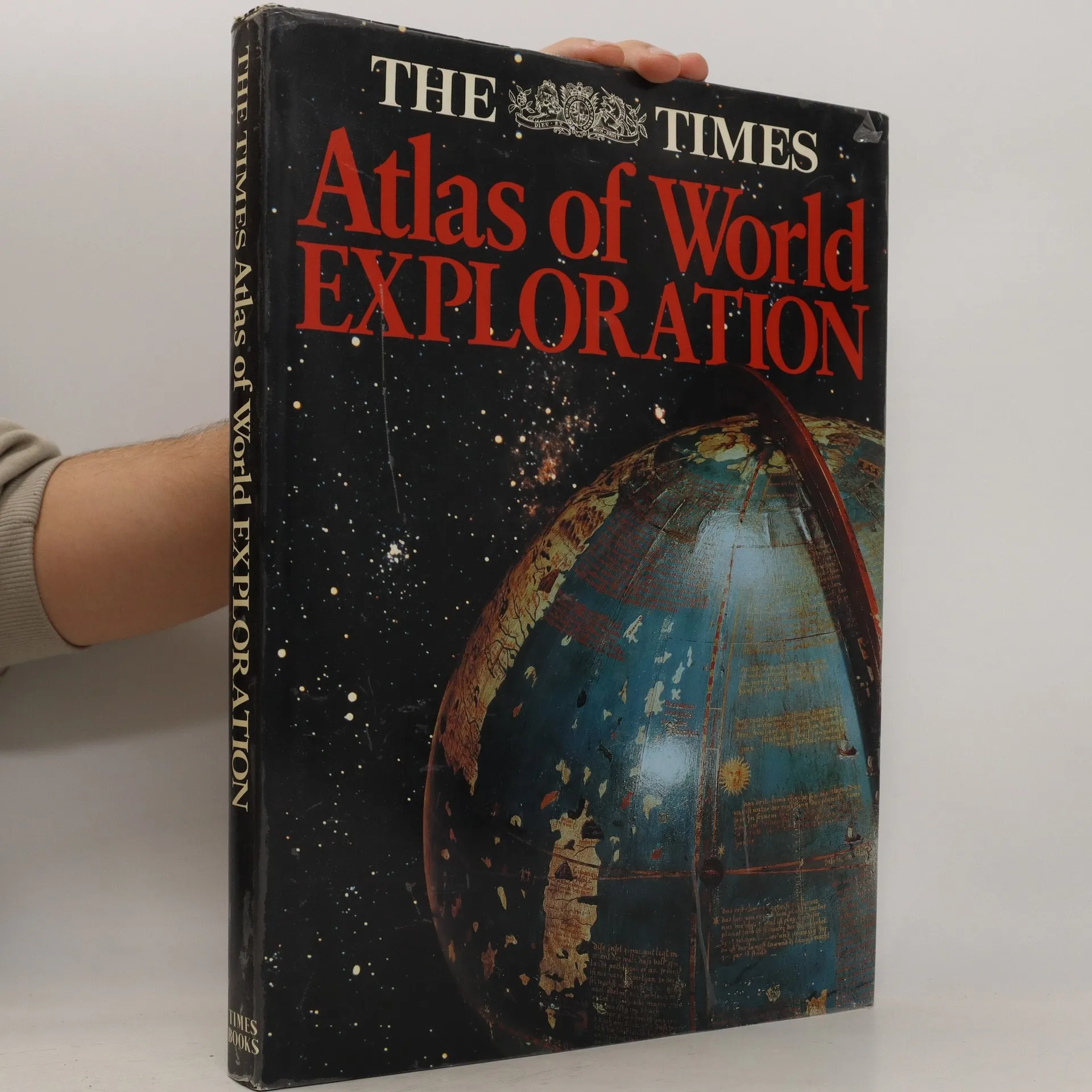
The book offers a groundbreaking perspective on world exploration, examining the journeys of pathfinders over the last five millennia. It highlights how these explorers established connections between distant corners of the globe, presenting a comprehensive history that integrates diverse cultures and regions. Fernández-Armesto's work is acclaimed for its ambitious scope and ability to contextualize exploration within a global framework, setting a new benchmark in historical scholarship.
In 1507 the cartographer Martin Waldseemuller published a world map with a new
continent on it which he called America', after the explorer and navigator
Amerigo Vespucci. The map was a phenomenal success and when Mercator's 1538
world map extended the name to the northern hemisphere of the continent, the
new name was secure, even though Waldseemuller himself soon realised he had
picked the wrong man. This is the story of how one side of the world came to
be named not after its discoverer Christopher Columbus, but after his friend
and rival Amerigo Vespucci. Born in Florence in 1454 Vespucci had spent his
youth as a dealer or agent for the great Medici family. Then in 1491 he
followed his fellow-Italian Columbus to Seville. In Seville he continued as a
Florentine agent but also helped Columbus get his ships ready for his second
and third voyages. Although Amerigo himself later sailed on at least two
voyages of his own and explored the coast of present-day Brazil, he excelled
above all at self-invention and self-promotion. He saw himself as an explorer
and navigator of genius, and his colourful travel writings sold much better
than those of Columbus. He became Pilot Major of Spain in 1508 and died in
1512. Fernanzez-Armesto knows this period exceptionally well and he brings
wonderfully to life the world of navigators, shipwrights, explorers,
cartographers, agents, financiers and fixers
Meer dan 175 ideeën die de wereld veranderden. 
Op meeslepende wijze belicht historicus Felipe Fernandez-Armesto de belangrijkste historische, politieke en filosofische inzichten, ideeën en veranderingen. 
Hij duidt verbanden aan en prikkelt de lezer tot nadenken met dikwijls controversiële stellingen. 
Daarnaast is Ideeën die de wereld veranderden een fascinerend kijkboek geworden.
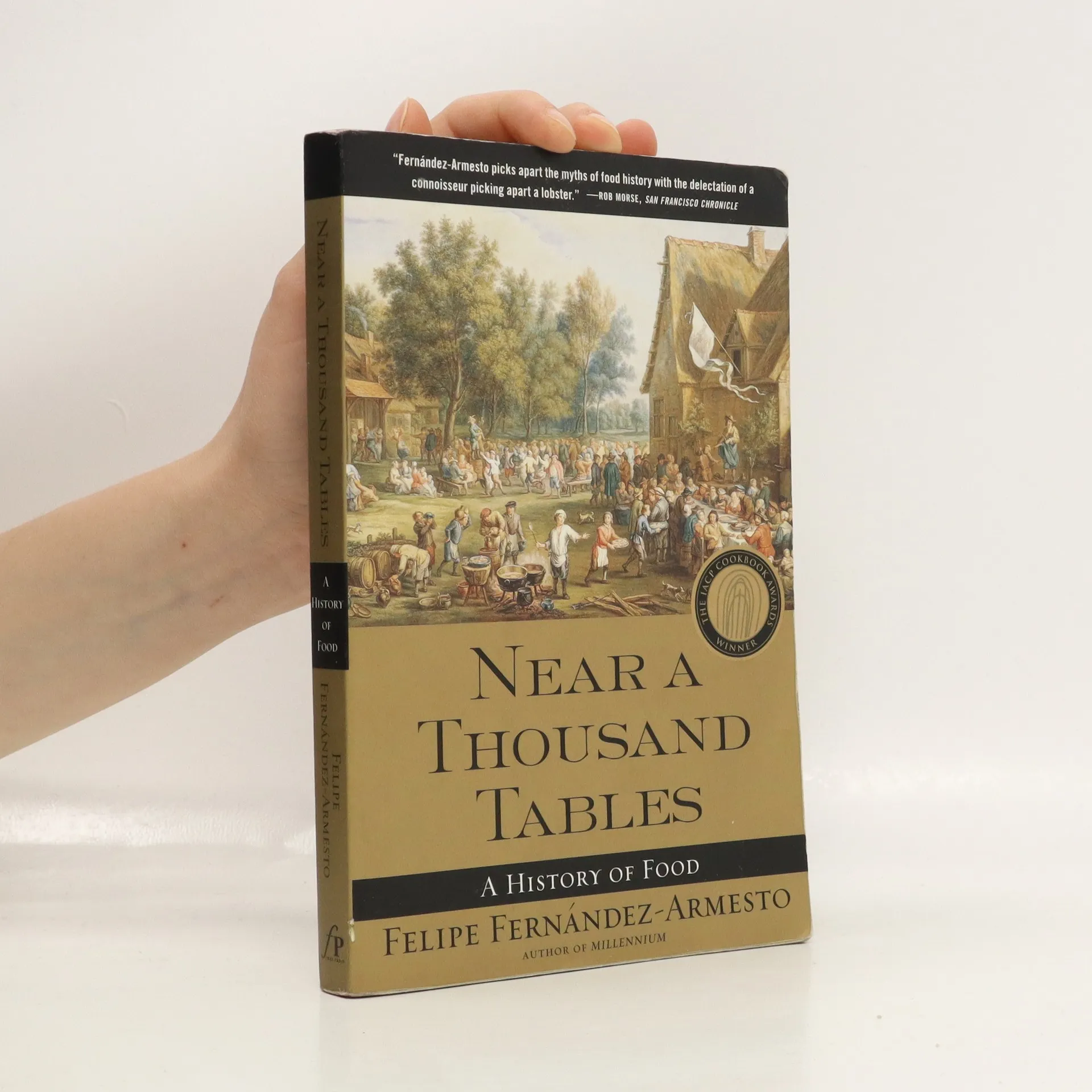
In Near a Thousand Tables, acclaimed food historian Felipe Fernández-Armesto tells the fascinating story of food as cultural as well as culinary history -- a window on the history of mankind. In this "appetizingly provocative" (Los Angeles Times) book, he guides readers through the eight great revolutions in the world history of food: the origins of cooking, which set humankind on a course apart from other species; the ritualization of eating, which brought magic and meaning into people's relationship with what they ate; the inception of herding and the invention of agriculture, perhaps the two greatest revolutions of all; the rise of inequality, which led to the development of haute cuisine; the long-range trade in food which, practically alone, broke down cultural barriers; the ecological exchanges, which revolutionized the global distribution of plants and livestock; and, finally, the industrialization and globalization of mass-produced food. From prehistoric snail "herding" to Roman banquets to Big Macs to genetically modified tomatoes, Near a Thousand Tables is a full-course meal of extraordinary narrative, brilliant insight, and fascinating explorations that will satisfy the hungriest of readers.
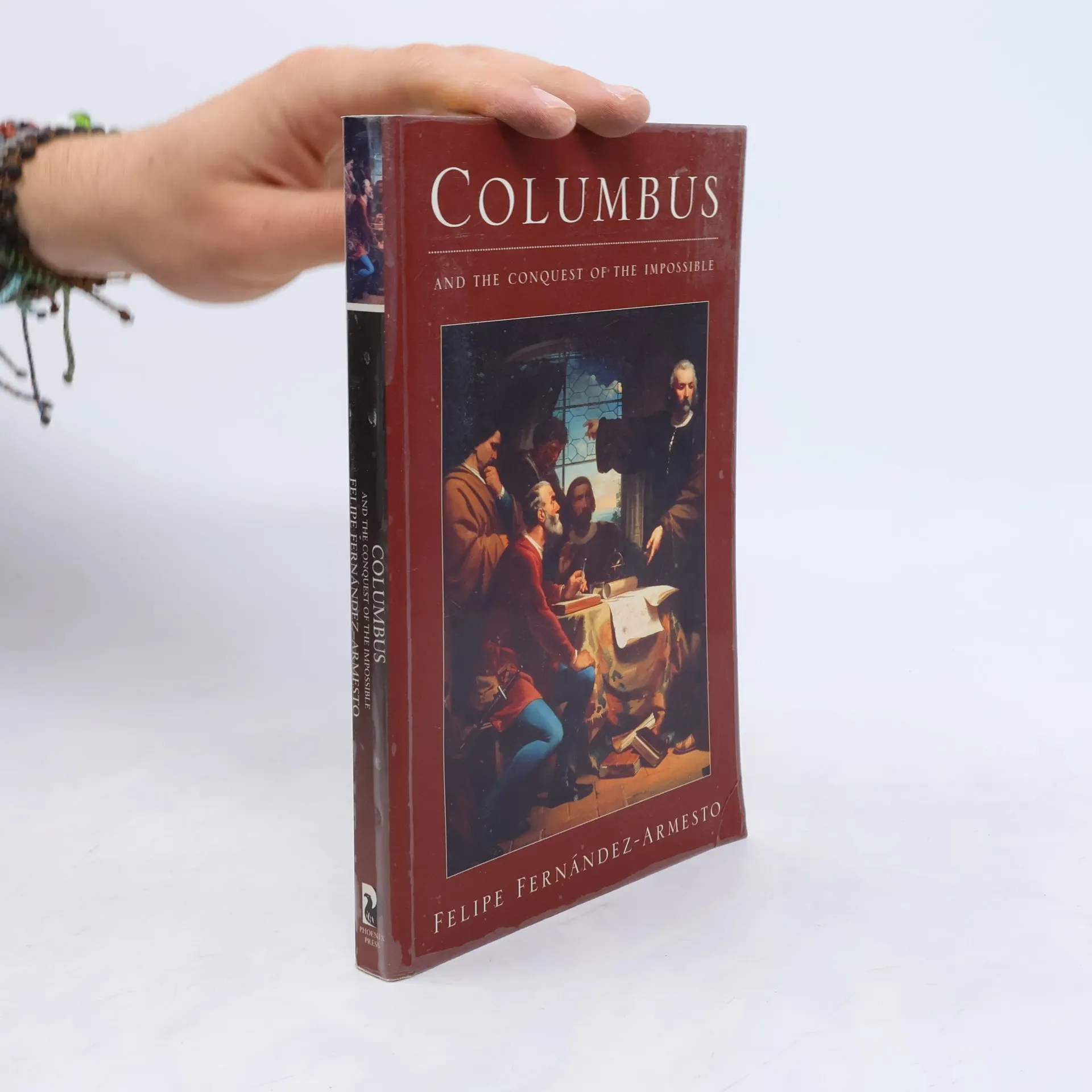
This controversial biography of Christopher Columbus argues that he is best understood as a primitive celestial navigator, fuelled by a progressive religiosity yet strongly influenced by mysticism and millennarianism.
O historiador Felipe Fernández-Armesto revela como a sociedade perdeu a fé na verdade e abandonou essa busca, projeto antigo da humanidade. O consagrado autor de Milênio apresenta a história da verdade, para a qual o autor define quatro momentos fundamentais, ou quatro categorias: "a verdade que você sente", característica das sociedades orais, quando a verdade é compreendida emocionalmente, a partir de mecanismos não racionais de percepção; "a verdade que contam a você", quando ela flui de fontes oraculares, divinatórias ou de uma autoridade consolidada; "a verdade na qual você acredita", baseada em métodos dedutivos e analíticos e que teve seu auge nos séculos XVII e XVIII; e "a verdade que você percebe através dos seus sentidos", conceito hoje predominante. O autor discute Kant e Aristóteles, Descartes e Nietzsche, fundamentalistas e niilistas, estuda o contexto social e cultural do desencanto pós-moderno e faz uma crítica do relativismo, perguntando se é possível sobreviver sem a noção de que a busca pela verdade é um componente básico da humanidade.
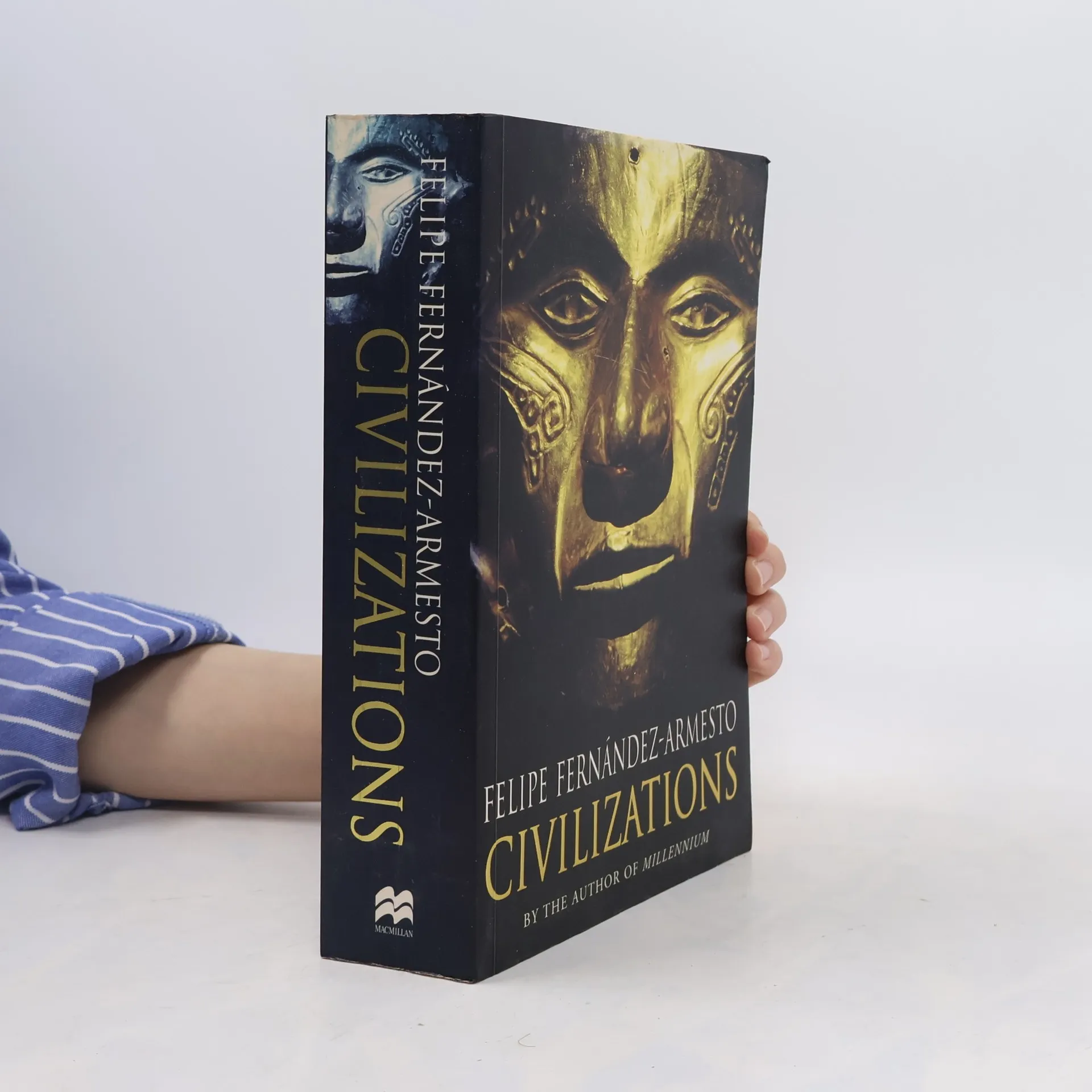
This project is based on the premise that civilizations are the product of their environment. With that the author looks at cultures of the desert, the tundra and ice, then to the more obvious civilizations of alluvial flood plains, the highlands, maritime civilizations and finally civilizations of travel, migration and expansion. This is a work of massive cross referencing juxtaposing the maritime civilizations of Japan and Northern Africa or the civilizations of New Guinea and Tibet. The effect is to suggest that civilization can happen anywhere - that no one environment is uniquely conducive, or that no one race or people are more productive than another.
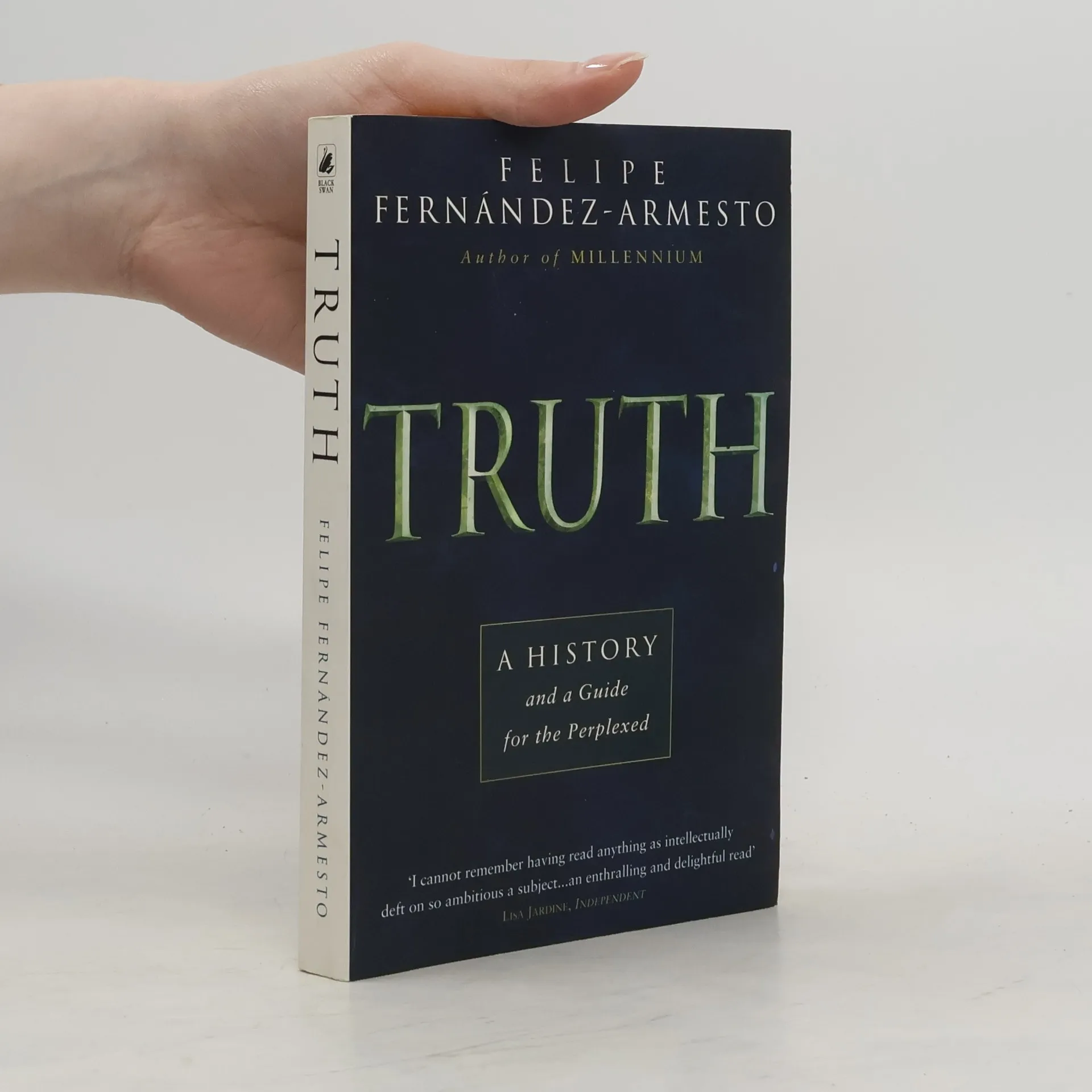
We need a history of truth - though until now no-one has tried to write one. We need it to test the claim that truth is just a name for opinions which suit the demands of society of the convenience of elites. We need to be able to tell whether truth is changeful or eternal, embedded in time or outside it, universal or varying from place to place.We need to know how we got to where we are in the history of truth - how our society has come to lose faith in teh reality of it and lost interest in the search of it. We need a history of truth to illuminate the unique predicament of our times and to help us escape from it. Felipe Fernandez-Armesto argues and shows how - at different times and societies, people have tried to tell the differences. And he exposes the concepts of truth which have underpinned those techniques.
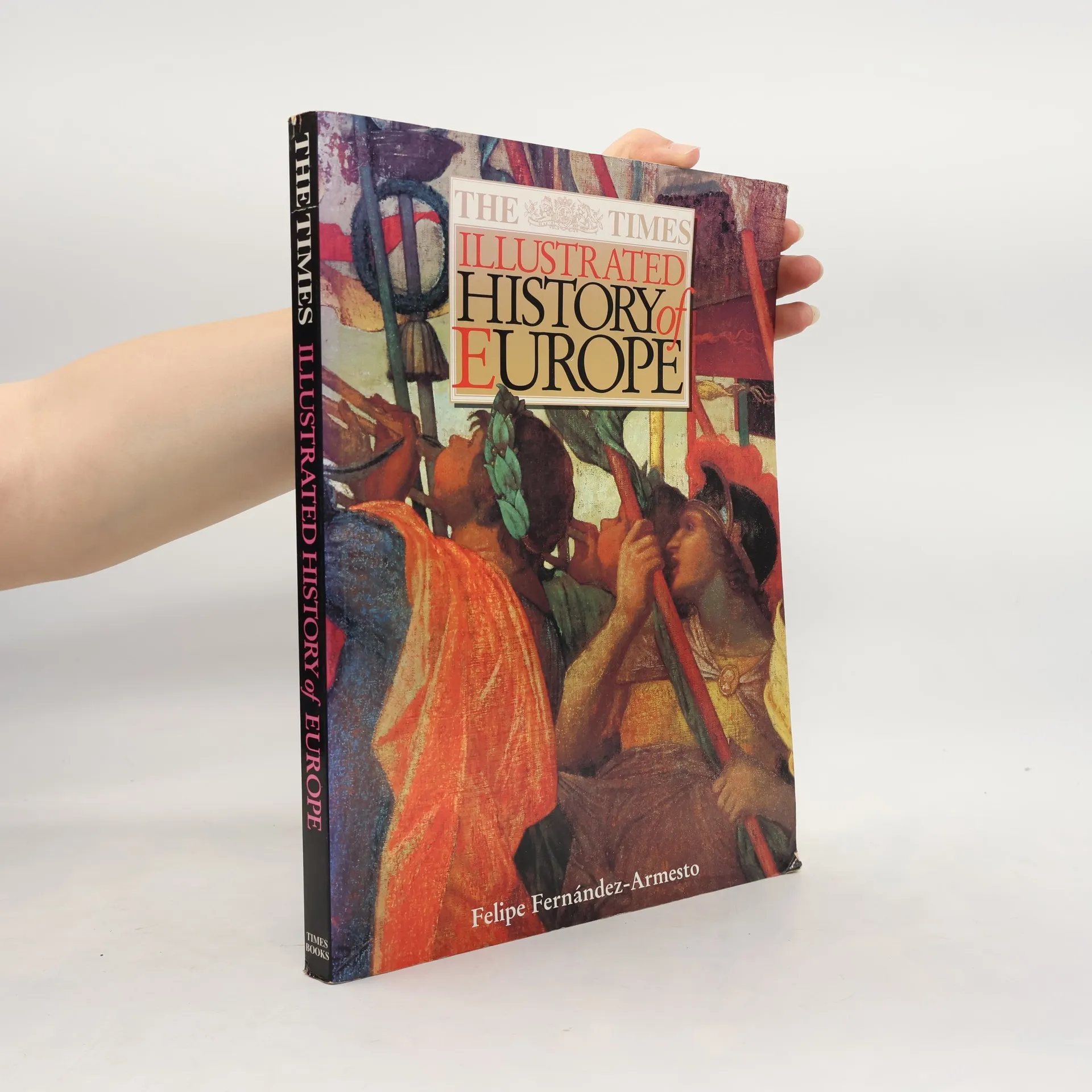
Begins with the continent in antiquity and moves through history to the present in eleven chapters, which are arranged in three sections covering Europe's emergence and eclipse (origins to 1054), revival and rise (1054-1815), and climacteric and survival (1815-2000). Profusely illustrated with color photos and maps.
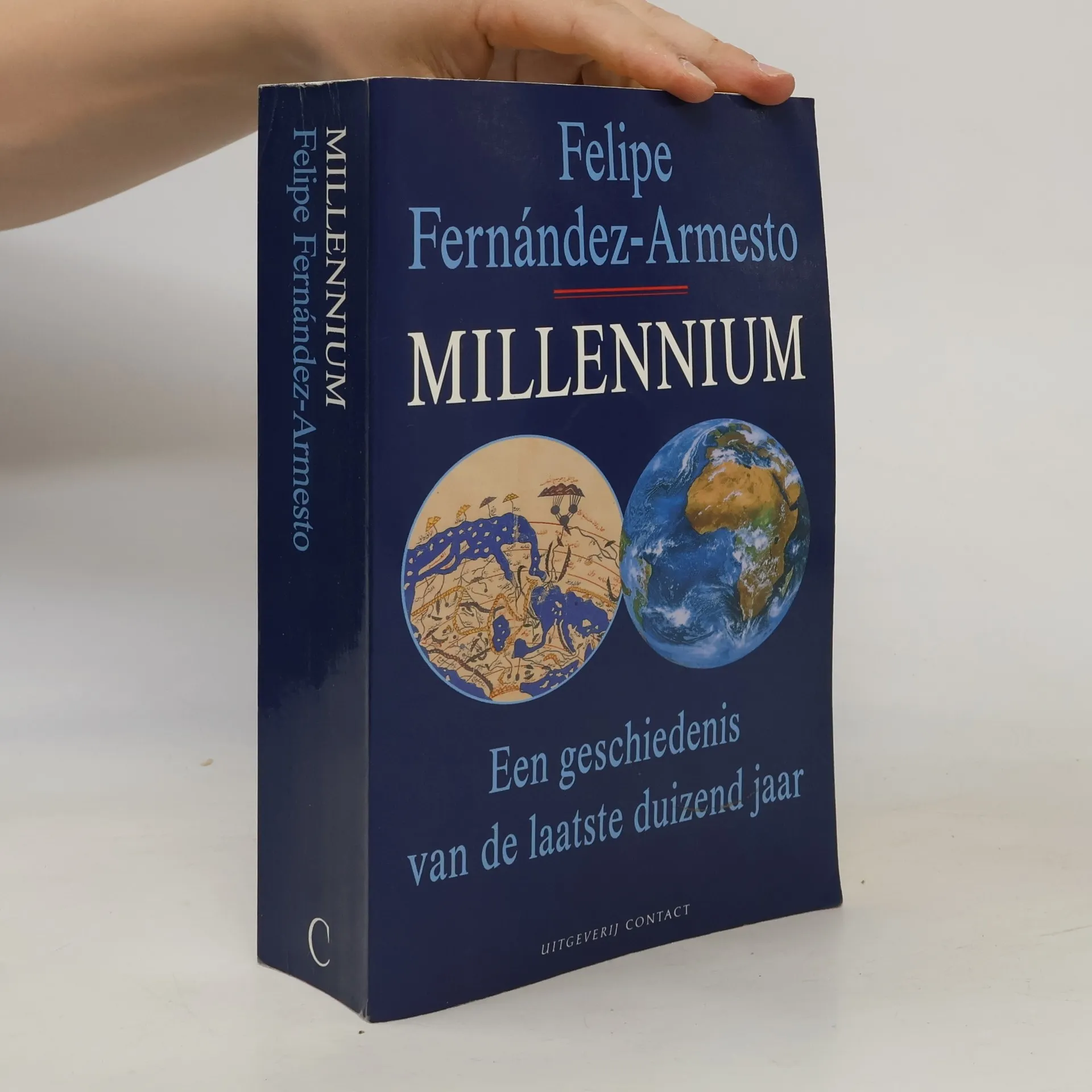
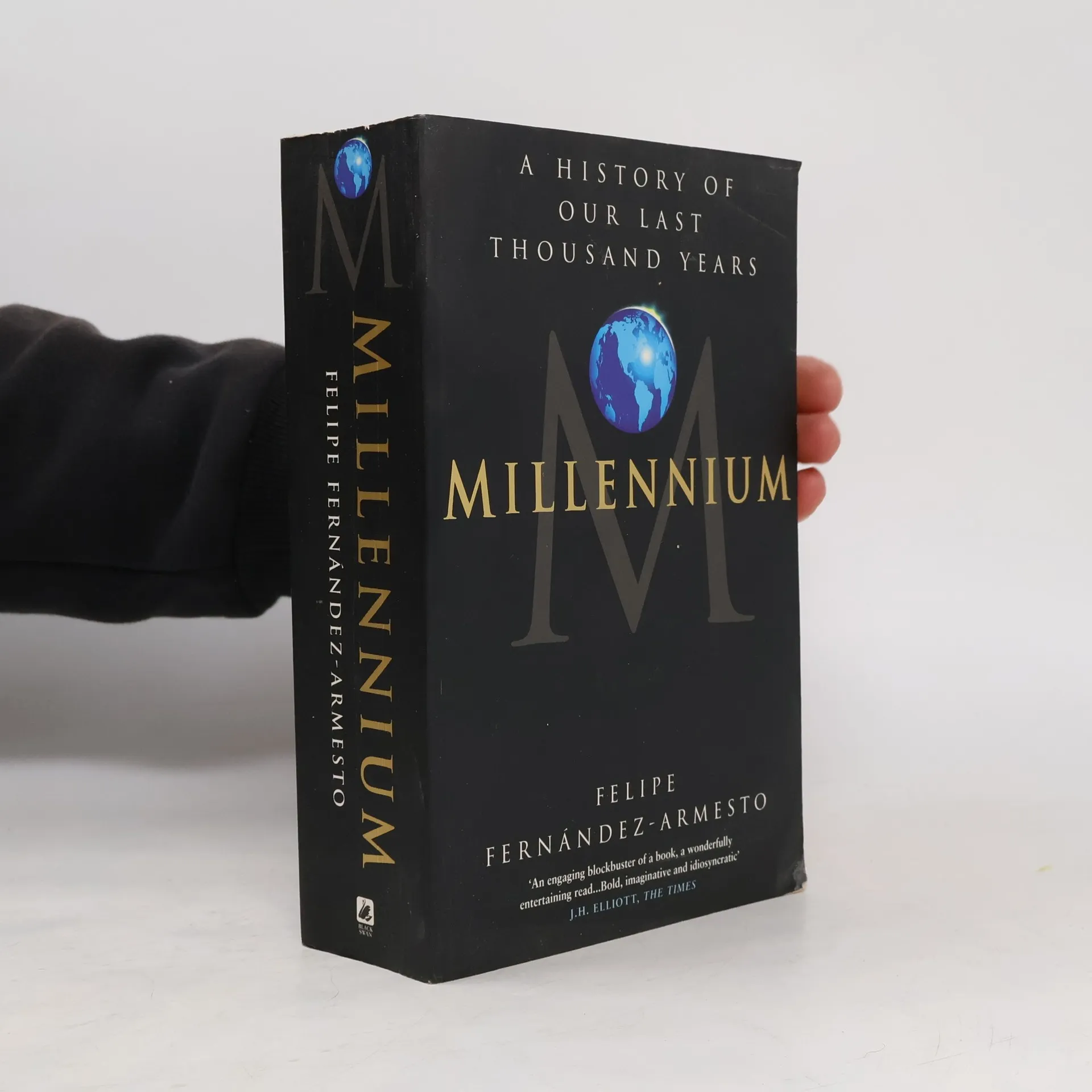
Traces the progress and regress of the world's civilizations over the past thousand years and shows how the capacity of one people to influence another has shifted geographically.